No Water, No Power: Child Poverty in Venezuela
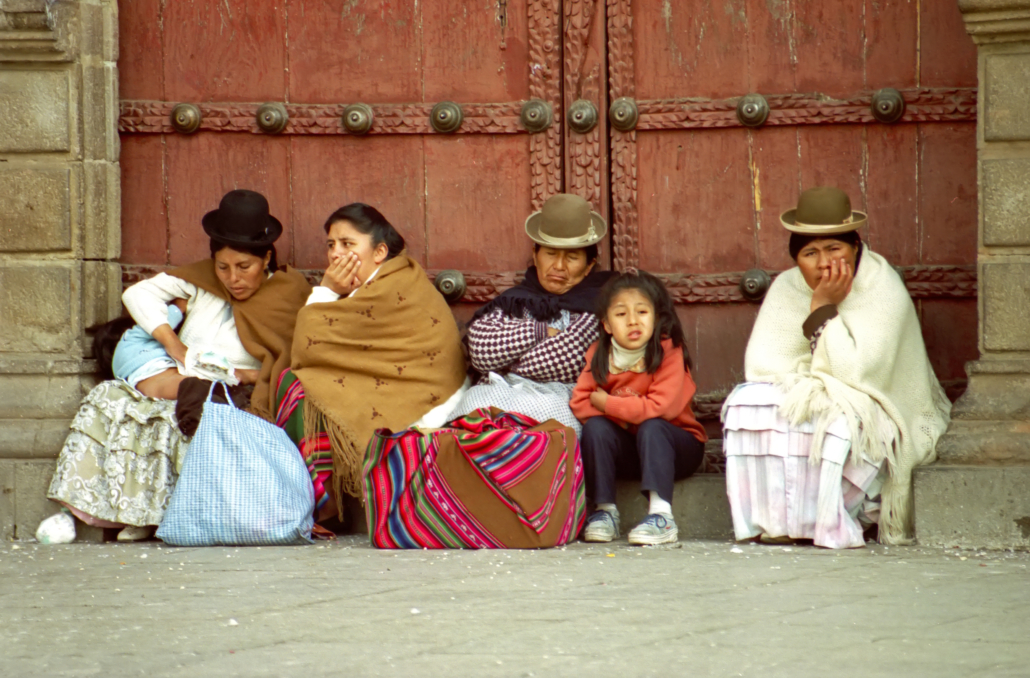
Poverty in Venezuela has reached a historic high during the current crisis. Researchers from one of Venezuela’s top universities found this year that about 96% of the population lives in poverty, while 70% live in extreme poverty. This makes Venezuela the poorest country in the region. With a vast majority of the country living below the poverty line, child poverty in Venezuela is a growing concern.
Child Poverty in Venezuela
Children are often the most vulnerable to poverty. The extent of child poverty cannot be measured through family income alone; the entire context of their living conditions must be evaluated. UNICEF has developed a tool to assess more accurately how children are impacted in settings of poverty through a process called Multiple Overlapping Deprivation Analysis (MODA).
MODA has a defined list of indicators that researchers use to evaluate child poverty in each country. Indicators change based on which are the most relevant to that particular country. Indicator categories include water, sanitation, housing, nutrition, education, child labor and more.
The challenge with analyzing the full extent of child poverty in Venezuela is the lack of reliable information available to researchers. The Maduro regime has continuously hidden figures from international databases to hide the full extent of the Venezuelan crisis. Nevertheless, researchers are examining child poverty with the broad indicators of the MODA tool. Besides low income, hyperinflation and national shortages of foods and products, water and power are two of the main factors causing multidimensional child poverty in Venezuela.
Water
Venezuelans have suffered shrinking access to water. According to a study by nonprofit Venezuelan Observatory of Public Services, 86% of Venezuelans do not have reliable access to water. The same study found that 11% do not have access to a water service at all.
In addition to being crucial for adequate hydration, water is also essential for sanitation. Without access to running water, personal hygiene and health suffer. In 2020, water became even more important to protect from COVID-19. Using the MODA tool, not having access to showers/baths, a protected water source, or a place for handwashing are indications of multidimensional child poverty in Venezuela.
Power
Power outages are becoming more common in Venezuela due to the ongoing crisis. Gas-powered backup generators are available for those who can afford them; for those who cannot, wood and charcoal become imperative for cooking and heating.
Without power, there is also no internet. The internet has been particularly important in 2020, as many children are now attending school online. A lack of access to power has thus affected children’s ability to attend school, furthering the education gap between the rich and the poor. According to MODA, a lack of access to electricity and the internet are indicators of multidimensional child poverty in Venezuela.
Save the Children
In response to the situation, there are many groups looking to help Venezuelan children. The nonprofit Save the Children is one of these groups. In its mission, the organization recognizes the need for clean water, personal safety and access to education.
While the nonprofit does not have access to Venezuela, they have set up centers in Colombia and Peru for families that have been forced to migrate. Entrance into Venezuela remains difficult, as its leader, Nicholas Maduro, is against humanitarian aid. In an attempt to help Venezuelans in need, humanitarian organizations were leaving relief trucks on the Venezuelan-Colombian border, but Maduro rejected this help.
Moving Forward
Whether or not international humanitarian organizations will be able to effectively address child hunger within Venezuela in the coming years remains to be seen. Nevertheless, the existence of such programs is paramount to those Venezuelans seeking relief from the oppressive conditions in the crisis. And, until the government situation changes, programs like Save the Children may be the only way to help ease child poverty in Venezuela.
– Luis Gonzalez Kompalic
Photo: Flickr
