• Link to X
  • Link to Facebook
  • Link to Instagram
  • Link to TikTok
  • Link to Youtube
  • About
    • About Us
      • President
      • Board of Directors
      • Board of Advisors
      • Financials
      • Our Methodology
      • Success Tracker
      • Contact
  • Act Now
    • 30 Ways to Help
      • Email Congress
      • Call Congress
      • Volunteer
      • Courses & Certificates
      • Be a Donor
    • Internships
      • In-Office Internships
      • Remote Internships
    • Legislation
      • Politics 101
  • The Blog
  • The Podcast
  • Magazine
  • Donate
  • Click to open the search input field Click to open the search input field Search
  • Menu Menu

Archive for category: Water

Global Poverty, Water, Water Crisis

Addressing Lesotho’s Water Crisis

Lesotho's water crisis
Lesotho gained independence from the United Kingdom in 1966 and is one of Africa’s few remaining constitutional monarchies. Although Lesotho is one of the youngest and smallest countries in Africa, it has the second-highest adult HIV/AIDS rate in the world. Surrounded by South Africa and plagued by devastatingly high disease and poverty rates, Lesotho’s economic situation is unique. Water generates significant revenue and growth for the country, with the water industry responsible for roughly 8 to 10% of the country’s gross domestic product (GDP). However, the Highlands, a water-rich region in Lesotho, is susceptible to the uncertainties of climate change, leading to the beginning of Lesotho’s water crisis.

Lesotho’s Water Industry

The country’s access to abundant clean water led to the creation of the Lesotho Highlands Water Project (LHWP), with the Highlands’ Orange-Senqu River Basin as the center of Lesotho’s water sector. Lesotho’s water industry now supplies various water-poor countries and regions within the southern tip of Africa.

Contributing more than 3% of the country’s GDP, the LHWP uses hydroelectric power to transfer water from Lesotho to the Gauteng region of South Africa, where water is even more scarce. However, while the water industry brings in revenue, it has also inadvertently created great scarcity for Lesotho’s rural citizens.

Water Scarcity in Lesotho

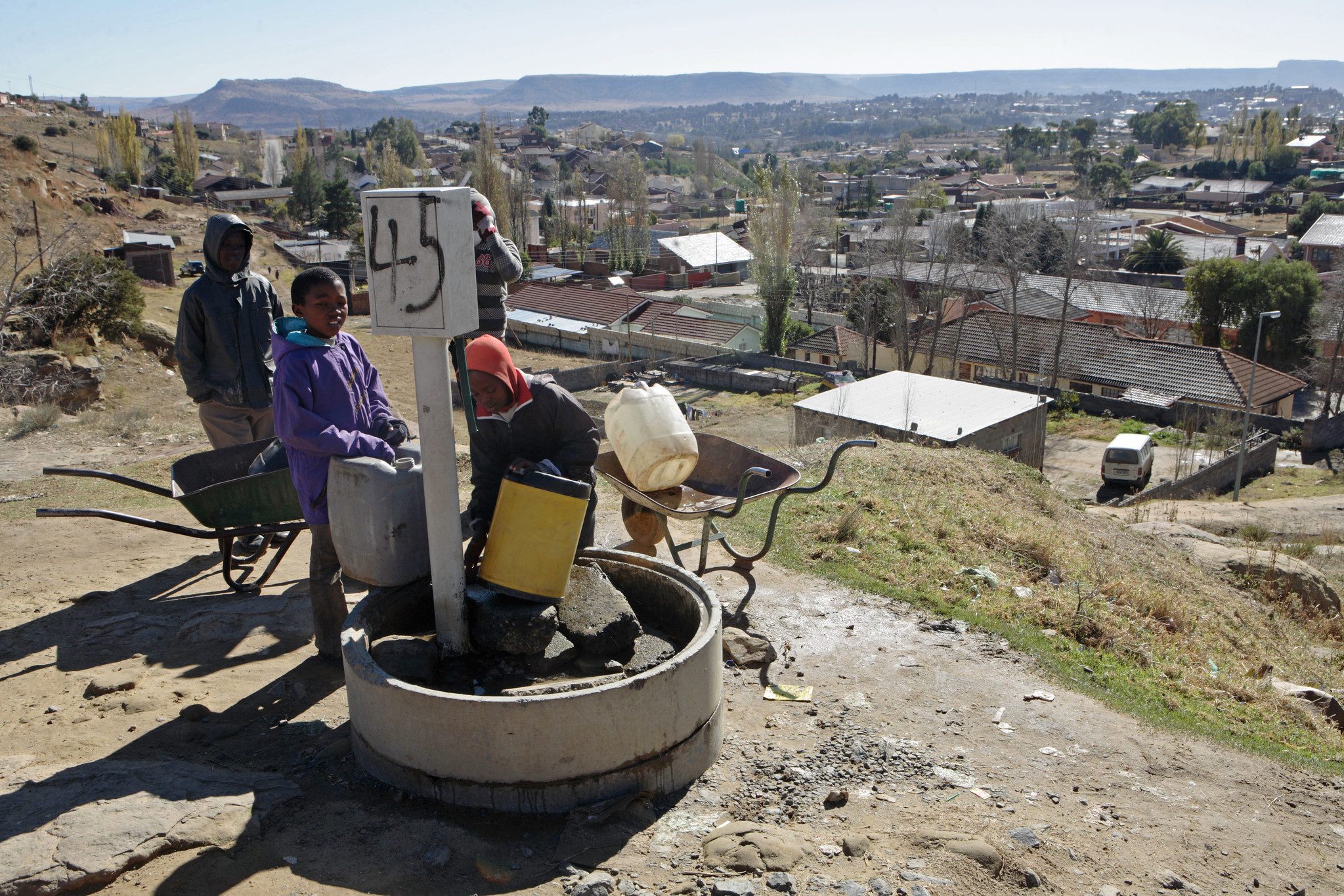
Lesotho’s water industry involves many trade-offs, including decreased water security for both urban and rural residents. Local communities lack the infrastructure needed to benefit from Lesotho’s water supply. As a result, citizens of Lesotho have limited access to a resource that is historically abundant in the region.

Aside from the inadequate domestic water supply, changes in climate will also affect the long-term sustainability of Lesotho’s water industry. The region has a history of high temperatures, inconsistent precipitation and detrimental droughts. For example, El Niño-induced droughts have created states of emergency that lasted for more than six months. Lesotho’s vulnerability to climate change makes long-term plans to maintain the water industry and improve domestic water access imperative.

Addressing Lesotho’s Water Crisis

Lesotho recognizes its water crisis and is working to reduce water insecurity throughout the country. Developing new sources of water and water treatment, advanced transfer methods and increased bulk resource storage are all tenets of the Lesotho Lowlands Water Supply Scheme (LLWSS). Following Phase I’s completion in 2003, LLWSS is currently completing Phase II of the program. This phase includes further social, developmental and environmental programs that aim to advance infrastructure, dams, tunnels and local hydropower.

The Metolong Dam and Water Supply Program (MDWSP) will likely benefit more than 400,000 citizens of Lesotho and increase the quantity of safe water while also strengthening the water industry. The Lowlands Rural Water Supply and Sanitation Program is an extension of MDWSP focused on improving universal and sustainable access to clean water in Lesotho’s rural areas.

The three aforementioned programs are only a few of the ways Lesotho is addressing its water crisis. Water scarcity is a facet of poverty that many countries struggle to fight. Lesotho is working toward widespread access to clean water through long-term solutions while continuing to grow an important sector of its economy.

– Annaclaire Acosta
Photo: Flickr
August 26, 2021
https://borgenproject.org/wp-content/uploads/borgen-project-logo.svg 0 0 Kim Thelwell https://borgenproject.org/wp-content/uploads/borgen-project-logo.svg Kim Thelwell2021-08-26 16:50:162024-05-28 00:16:09Addressing Lesotho’s Water Crisis
Global Poverty, Water

The Effects of Wildfires on the Poor

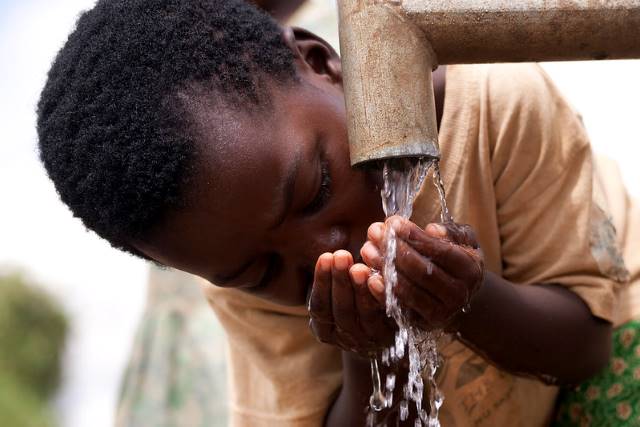
The Effects of WildfiresThe effects of wildfires are destructive, deadly and devastating. Additionally, they are becoming increasingly frequent. From the west coast of the United States to Australia and Russia, wildfires are spreading like never before, wreaking havoc and adding unparalleled burden to the countries’ poor.
The Effects of Wildfires

Wildfires burden society by depleting resources, burdening the economies and impacting citizens’ health. Wildfires force the evacuation of people and often destroy homes and valuables. The University of Oregon Scholars Bank states that a person needs an income of twice the poverty line to be fully capable of protecting oneself, family and assets from fires. Thus, these fires have a disproportionate effect on the poor.

Wildfires Cause Depletion of Resources

One way in which wildfires are destructive is the depletion of resources. The burning of forests destroys properties, trees, vegetation and wildlife. Wildfires often strip families of everything they own in a matter of minutes.

In addition, these fires deplete not only air quality but water quality as well. As wildfires burn, they contaminate the water in streams, lakes and reservoirs which limits access to clean water. Thus, the affected area’s drinking water and food supply are not usable. Limited food and water supplies make it harder for the poor to live.

Wildfires Cause a Decrease in Economic Stability

Wildfires take a large toll on an affected areas’ economic security by causing economies to close. As a result of closing the economy, tourism decreases. The effects of wildfires make areas untravellable as they pose a massive threat to people and destroy forests and hiking trails that often draw tourists. In addition, the economy slowed due to the destruction of resources.

This lack of tourism and loss of resources cause loss of income in affected economies. So, as income from tourism decreases, the number of available low-paying service industry jobs decreases as well. This causes those already living on or below the poverty line to face greater financial hardships as hours and jobs are limited. Furthermore, as fires destroy forests and trees, jobs in the logging or wood chipping industries run scarce.

Wildfires Cause Strain on Human Health

Furthermore, wildfires pose a great threat to human health as their smoke depletes air quality. This can result in reduced lung function, bronchitis, heart failure and asthma among other things. The effects of wildfires on mental and physical health are long-lasting. These effects on health disproportionately affect the poor as they often have limited access to affordable healthcare.

The Increase in Wildfires Worldwide

Wildfires know no bounds and have begun to spread with increased frequency to places that have little to no previous experience with them. Siberia, a tundra that has had limited prior experience with fires, is now struggling to put out a fire that has burned upwards of 6.5 million acres. 

Similarly, in 2020, Australia suffered devastating wildfires that burned 44.5 million acres and killed upwards of 30 people. It killed large amounts of wildlife and devastated their environment. Likewise, Australians are feeling the effects of wildfires in Australia today. The Australian government did little to curtail the devastation of wildfires which led to countless protests by citizens.

The Good News

The devastating effects of wildfires worldwide are far from gone. However, through the increase in aid and wildfire-related programs, the goal to limit drastic spreads and devastation is possible.

The United States developed many fire-related programs that created job opportunities focused on research, fighting and prevention methods and landscape rehabilitation. These programs aim to limit the level of devastation associated with wildfires. Additionally, the USAID also provided humanitarian support to Australia throughout its 2020 wildfires.

With increased research and fire-related programs in addition to global support during times of active burns, the devastating impacts of wildfires can reduce. Thus, they will lower the impacts on communities and preventing an increased burden on the poor.

– Lily Vassalo
Photo: Flickr

August 21, 2021
https://borgenproject.org/wp-content/uploads/borgen-project-logo.svg 0 0 Kim Thelwell https://borgenproject.org/wp-content/uploads/borgen-project-logo.svg Kim Thelwell2021-08-21 10:53:292024-05-30 22:24:54The Effects of Wildfires on the Poor
Global Poverty, Water, Water Crisis

5 Facts About Access to Clean Water in South Africa

Clean Water in South AfricaLocated at the southern tip of Africa, South Africa is home to about 58 million people. Although access to clean water has increased since the 1990s, South African government officials announced in 2018 that drastic conservation measures were essential to avoid shutting off Cape Town’s municipal water supply. Known as “Day Zero,” April 12 marked the day South Africa almost experienced the most significant water failure in history. Since the third anniversary of Day Zero recently passed, a closer look at the situation provides more insight into access to clean water in South Africa, with a specific focus on Cape Town.
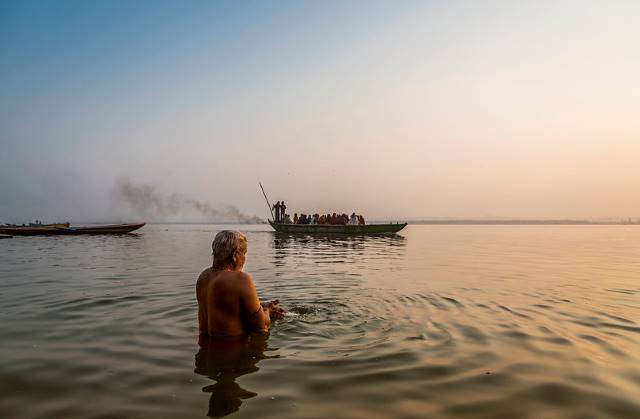
5 Facts About Access to Clean Water in South Africa

  1. Limited access to clean water and basic sanitation. More than three million South Africans lack “access to a basic water supply” and more than 14 million South Africans lack “access to safe sanitation.” To address these concerns, the South African government is working to conserve wetlands and inform the public on the importance of water conservation for the future.
  2. Conserving water is key. To conserve water, Cape Town residents each survive on about 27 gallons per day. Residents adhere to water restrictions by using greywater to flush toilets and only using water for essential purposes. In comparison, a U.S. citizen typically uses 80 to 100 gallons of water per day.
  3. The South African government’s plan to avoid future water deficits. In the National Water and Sanitation Master Plan, the South African government lists strategies to avoid future water deficits, including “reducing water demand, protecting ecological infrastructure and managing effective water services.” The government is also working to pass legislation to help minimize the gap between water supply and demand. This is important because researchers predict this gap will reach 17% by 2030 if current levels of demand continue.
  4. The Constitution of South Africa guarantees access to water. The Constitution of South Africa states that everyone has the right to clean water and basic sanitation. Therefore, former South African President Thabo Mbeki established the Free Basic Water policy in 2000, directing city officials to provide low-income families with a sufficient amount of water at no extra cost. This policy ensures citizens living in poverty have access to clean water in South Africa.
  5. A call to action to avoid future droughts. Stanford University researchers conclude that “human-caused climate change” made Day Zero “five to six times more likely.” In other words, greenhouse gas emissions may impact the likelihood of water crises in years to come. For this reason, the South African government is promoting a culture of conservation to avoid future droughts and ensure citizens have continued access to clean water.

The Road Ahead

According to the U.N. Educational, Scientific and Cultural Organization (UNESCO) Director Audrey Azoulay, “the fate of humans and water is inextricably linked.” Our reliance on clean water for survival is coupled with the need to actively maintain water supplies for drinking and sanitation purposes. Therefore, water must be conserved and protected to ensure another Day Zero water crisis does not occur in the future.

– Chloe Young
Photo: Flickr

August 6, 2021
https://borgenproject.org/wp-content/uploads/borgen-project-logo.svg 0 0 Yuki https://borgenproject.org/wp-content/uploads/borgen-project-logo.svg Yuki2021-08-06 01:30:542021-08-06 01:55:335 Facts About Access to Clean Water in South Africa
COVID-19, Global Poverty, Water, Water Sanitation

Bodies in the Ganges and Poverty

bodies in the GangesThe Ganges River is filled with dead bodies and lined with shallow riverside graves that dogs often dig up. According to estimates, people dug 4,000 graves along just one mile of the Ganges riverbank in Uttar Pradesh between mid-April and mid-May 2021. Families of the dead float their lost loved ones’ bodies in the Ganges or bury them on the riverbank because they cannot afford cremation, especially in the impoverished rural states of Uttar Pradesh and Bihar.

Increased Cremation Costs

Cremation for non-COVID-19 deaths in India generally costs around 5,000 rupees, but crematoriums have raised prices for those who have died of COVID-19 to around 22,000 to 30,000 rupees. Because of the high cost of cremation, many people living in poverty are submerging their lost loved ones in the river or resort to burying bodies on the shore.

Traditionally, Hindus in India float certain bodies in the Ganges, including those of people who die of infectious diseases. Now, though, with the COVID-19 crisis causing cremation costs to soar, people are disposing even more bodies than usual in the Ganges.

Fears and Economic Costs

Some worry that the bodies in the Ganges could spread COVID-19. Experts say that the dumping of bodies may not lead to increased COVID-19 cases, but could lead to other infections from polluted drinking water. However, the Jal Shakti Ministry, an Indian government ministry focused on water, claims that the bodies have not polluted the river.

Nevertheless, fear of poor water quality and coronavirus spread has led to declining fish sales. One fisherman said, “So far we have lost Rs 50,000… No one is buying fishes because of fear.” There is no evidence that COVID-19 can spread through the consumption of fish and the only carnivorous fish in the Ganges are illegal to catch. Still, some are refusing to eat fish from the Ganges. The greater danger, though, is that the Ganges provides water for drinking, bathing and irrigation for more than 400 million people.

Governmental Recommendations

In response to the crisis of bodies in the Ganges, India’s National Human Rights Commission (NHRC) has called for legislation addressing the dignity and rights of the dead. It has given 11 recommendations:

  1. Protecting the rights of the dead.
  2. Establishing temporary crematoriums for timely cremations.
  3. Mandating that staff learn proper procedures for the handling of dead bodies and safety equipment.
  4. Allowing last rites that do not involve touching dead bodies.
  5. Allowing local authorities to perform the appropriate last rites in the absence of family.
  6. Encouraging the use of electric crematoriums rather than funeral pyres to avoid smoke-related health hazards.
  7. Prohibiting piling of dead bodies.
  8. Prohibiting mass burial or cremation.
  9. Providing criteria for identifying bodies and protecting information about the dead.
  10. Regulating the cost of transit of the dead.
  11. Ensuring that those working with the dead receive proper pay and are a priority for vaccination.

Solutions

India’s Central Pollution Control Board (CPCB) is monitoring the Ganges and its tributaries closely, liaising with state and local health departments as well as pollution agencies. After the Jal Shakti Ministry asked that governments ensure the proper disposal of bodies, the Bihar government is taking action. The National Mission for Clean Ganga (NMCG) has also asked authorities to properly dispose of unidentified bodies and to detail the actions taken in submitted reports. The Indian government has also installed a net to catch the bodies in the Ganges.

Along with preventing the dumping of bodies in the Ganges, state agencies must prevent citizens from burying bodies in riverbanks, support cremation and provide education on the proper use of river water.

– Hilary Brown
Photo: Flickr

July 28, 2021
https://borgenproject.org/wp-content/uploads/borgen-project-logo.svg 0 0 Kim Thelwell https://borgenproject.org/wp-content/uploads/borgen-project-logo.svg Kim Thelwell2021-07-28 18:40:502024-05-30 22:23:49Bodies in the Ganges and Poverty
Global Poverty, Water, Water Crisis

The 2021 Nyiragongo Volcanic Eruption in the DRC

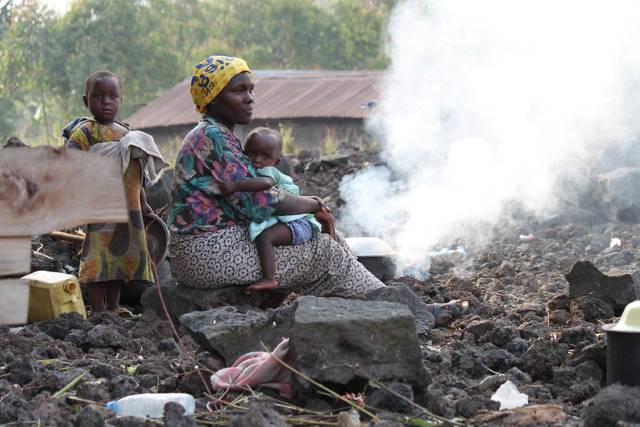
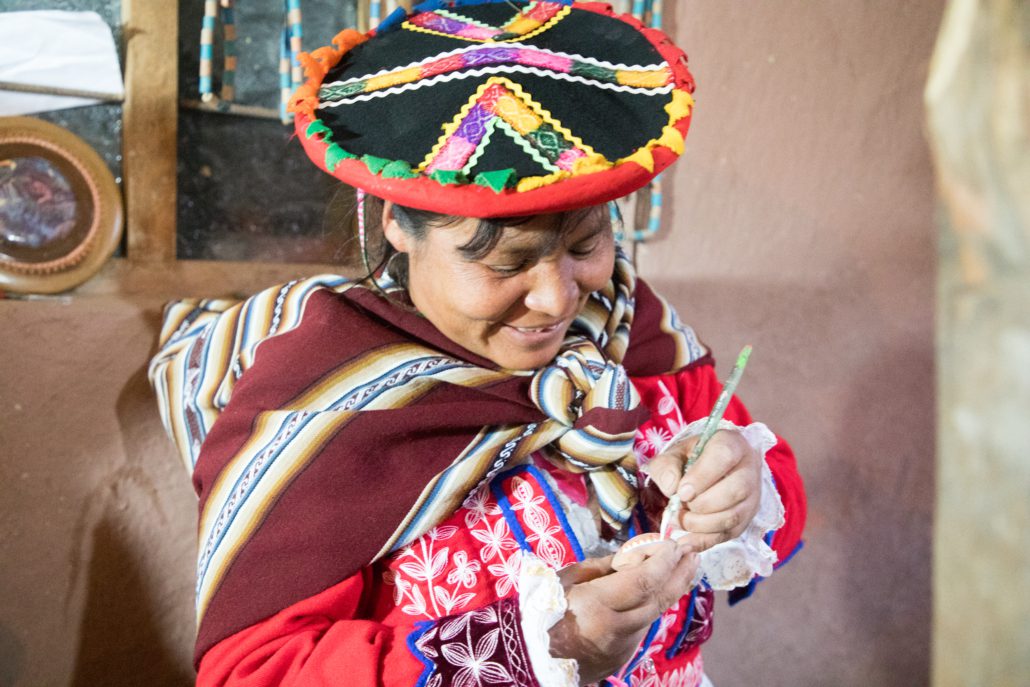
Volcanic Eruption in the DRCOn May 22, 2021, the Nyiragongo volcano in the Democratic Republic of Congo erupted. Hundreds of thousands of people experienced the aftershocks, including contaminated water and structural damage. The destruction of water infrastructure means 500,000 people now lack access to a safe water supply. In a press release, USAID announced that it would be committing $100,000 worth of humanitarian aid to secure clean and safe drinking water for citizens affected by the volcanic eruption in the DRC.
History of Mount Nyiragongo

The Nyiragongo volcano stands almost 12,000 feet tall on the eastern border of the DRC in the strip of Virunga Mountains, a chain of active volcanoes. The volcano is one of the most active in the world and has the largest, most active lava lake. Nyiragongo has erupted several times since 1884, with the most severe eruption occurring in 1977, taking up to 400 lives. The most recent eruption before 2021 occurred in 2002, resulting in about 100 deaths and displacing up to 400,000 people.

The Aftershocks of the 2021 Eruption

The 2021 volcanic eruption in the DRC led to about 32 deaths and thousands of displacements. On May 30, 2021, in a period of just 24 hours, 92 aftershock earthquakes and tremors occurred but only about four were felt by citizens. For safety purposes, more than 400,000 people were evacuated from the North Kivu area.

Cholera, a diarrheal infection caused by drinking contaminated water, is an increased threat since the eruption.  Natural disasters often increase the risk of epidemics, especially those transmitted via contaminated water. The eruption of the Nyiragongo volcano in the DRC caused the destruction of a vital water pipe and damaged a water reservoir. The damage cut off water access for about 500,000 people.

On June 7, 2021, UNICEF and partners announced that they were working to restore the water supply to the area. For temporary water access, UNICEF “installed 15 emergency station chlorination points” close to Lake Kivu. UNICEF also committed to assisting a task force by “supporting installation of 1,500 meters of pipe on top of the lava to replace pipework that has melted.”

The Hope of Crisis Assistance

Prior to the 2021 volcanic eruption in the DRC, the nation was already struggling with a humanitarian crisis, following years of political violence and conflict. At the beginning of 2021, the United Nations predicted that 19.6 million people in the DRC were in need of humanitarian assistance. With more than five million displaced persons and the highest recorded levels of food insecurity before the eruption even took place, the humanitarian crisis in the DRC has only grown. The U.N. requires financial assistance from the international community in order to comprehensively address the crisis in the DRC.

The United States serves as the largest donor to the DRC, providing more than $130 million worth of humanitarian assistance in 2021 alone. The U.S. commitment of $100,000 for water security initiatives in the DRC will aid the efforts of organizations such as UNICEF, protecting the well-being of vulnerable Congolese people.

– Monica Mellon
Photo: Flickr

July 25, 2021
https://borgenproject.org/wp-content/uploads/borgen-project-logo.svg 0 0 Kim Thelwell https://borgenproject.org/wp-content/uploads/borgen-project-logo.svg Kim Thelwell2021-07-25 07:30:542024-05-30 22:23:41The 2021 Nyiragongo Volcanic Eruption in the DRC
Global Poverty, Health, Water

Bringing Clean Water to Native Reservations

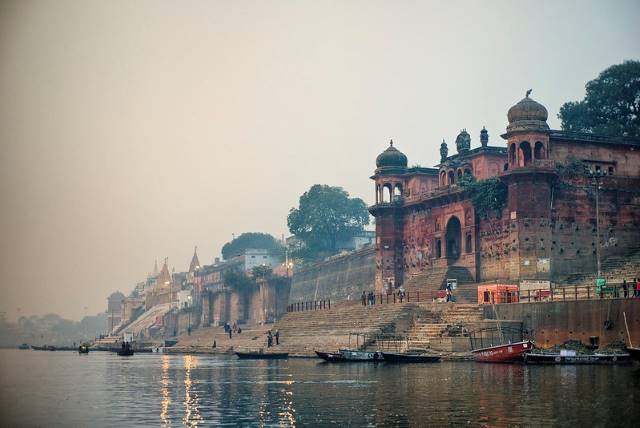
Clean Water to Native ReservationsBringing clean water to native reservations has long been a problem, with many bills having been proposed to remedy the issue in the past. The Western Tribal Water Infrastructure Act of 2021, proposed in February, aims to amend and expand America’s Water Infrastructure Act of 2018 in order to more effectively help residents on reservations access water.
Lack of Access

Native Americans are 19 times more likely than white people to not have indoor plumbing in their households. This lack of access, prevalent on reservations, is largely due to outdated or broken water systems that reservations do not have the funding to properly repair. If passed, the Infrastructure Act will help provide funding for these repairs, amounting to $150 million over five years.

Poverty on Reservations

The main reason for the inability of Native American reservations to repair these faulty water systems is a lack of funding. This is directly related to the high poverty levels seen on reservations. About 30% of Native Americans are currently living in poverty, with that number climbing up to 63% on reservations. Despite the rising rates of Native Americans attending school, the unemployment rate has increased and wages have decreased.

Water and Poverty

There is a well-established link between a lack of clean water and poverty levels. Without clean water, individuals and communities are unable to properly clean, wash their hands, bathe or have successful agriculture. A lack of water can also lead to increased conflict and exacerbate gender inequalities. Women are more likely to spend their time going to get water which takes away from time that could be spent in school. Water is particularly necessary for women at key hygienic times, such as during menstruation or childbirth.

COVID-19 and a Lack of Water

This lack of access to clean water leads to increasing health issues as well, something that has been painfully obvious in the last two years as a result of the pandemic. Native Americans are 3 times more likely than non-Hispanic white people to contract the virus. Pre-existing racial and health care inequalities also pose challenges to receiving the same standard of care. If everyone had access to drinking water and could access adequate sanitation, global disease could be reduced by as much as 10%.

Water Infrastructure Act

Improving access to clean water on native reservations is imperative. This act, Senate Bill 421, will work directly in the Columbia River Basin to target Native American reservations in that area. It directs the Environmental Protection Agency to fix the water systems that serve the basin. The bill will expand the Indian Reservation Drinking Water Program and work to alleviate the problems that come with a lack of access to clean water.

If passed, this bill will help many residents of native reservations. Currently, the program only helps the Missouri River Basin and the upper Rio Grande Basin, but this bill will work to change that. Access to clean water is a fundamental need for all humans. Passing this bill will help the country take a step forward in ensuring this need is met for all people.

– Alessandra Heitmann
Photo: Flickr

July 20, 2021
https://borgenproject.org/wp-content/uploads/borgen-project-logo.svg 0 0 Kim Thelwell https://borgenproject.org/wp-content/uploads/borgen-project-logo.svg Kim Thelwell2021-07-20 18:29:252024-05-30 22:25:12Bringing Clean Water to Native Reservations
Global Poverty, Water, Water Crisis

Solutions to Water Pollution in India

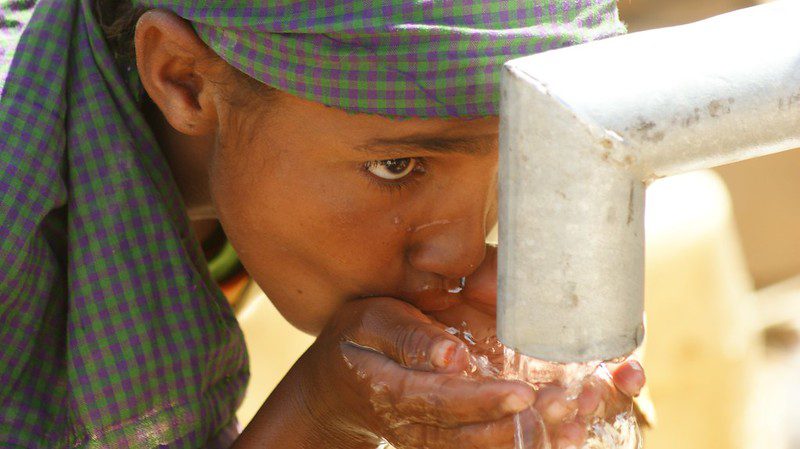
Water Pollution in IndiaIndia is infamous for its heavily polluted air. However, with up to 80% of its water contaminated, water pollution in India is just as prevalent and dangerous. Polluted waterways affect the standard of living of many Indian families, especially those within impoverished communities. Additionally, contaminated water creates unsustainable environments for aquatic life. Toxic waste such as discarded plastic and domestic sewage is damaging the fishing industry, which makes up a large portion of India’s economy. In an effort to combat water pollution, the Indian state of Kerala has started an initiative to recycle ocean plastic into materials for road construction, saving the jobs of fishermen and protecting the environment.
Water Pollution’s Impact on Livelihoods

Urban areas in India generate approximately 62,000 million liters per day (MLD) of sewage water. With the capacity to only treat 23,277 MLD, more than 70% of the sewage in urban areas does not receive treatment. The untreated waste often ends up in nearby water bodies such as the River Ganges, one of 10 rivers accounting for “90% of the plastic pollution that ends up at sea.”

Because of the water pollution, India’s rivers are in a dire state and citizens suffer health and economic impacts. The pollutants entering the water leave it contaminated and unsafe to consume. In 2018, more than 163 million people in India did not have a source of safe drinking water, leading to people relying on rivers for drinking water.

The polluted water also affects the fish that rely on healthy bacteria to survive. As a result, incidents of mass fish deaths are increasing at an alarming rate. Without fish in India’s waterways, millions of people will be out of work. As of 2020, India ranks third globally in fishery production and the fishing industry employs more than 145 million people.

Small-scale fisheries, which supply 55% of the total fish production, are critical for reducing poverty and food scarcity in local communities. Freshwater fisheries also help improve water quality and soil conditions on land, positively aiding agriculture. For this reason, water pollution in India is harmful to the agriculture and aquaculture industries.

Repurposing Plastic Pollution

Concerned for their futures, fishermen in Kerala, India, are taking part in an environmental initiative to keep their waters clean. In 2017, the local government put out an order to minimize water pollution. Fishermen in Kerala have answered the call. Kerala relies substantially on the fishing industry, which brings in approximately $14 million in revenue.

The government passed the Suchitwa Sagaram (Clean Sea) project, requiring harbor authorities to distribute nylon bags to fishermen so that they can store the plastic pollution that gets caught in their nets instead of throwing it back into the sea. Construction companies buy the collected plastic in shredded form and use it to build new roads. Cleaning and sorting the gathered plastic provides jobs to local women in Kerala.

When mixed with asphalt, the plastic component makes India’s roads more resistant to intense heat. In addition to helping the environment, the process is saving India money by reducing the cost of building roads by “8–10% per kilometer of road paved with plastic as compared with a conventionally built road.” Every kilometer of road utilizes about 1 million plastic bags. As of April 2021, the project has collected about 176,000 pounds of plastic and has built 135 kilometers of road, creating many employment opportunities in the process.

Fighting Poverty and Environmental Degradation

Properly developed roads contribute to economic growth. By building and maintaining roads to rural communities, India can ensure the economic development of these areas. Roads to rural communities improve access to education and reduce costs for transportation, trade and production. However, funding for rural infrastructure is usually low on the list of budgetary priorities for the Indian government. Repurposing ocean plastic for use in building materials reduces the cost of roads while simultaneously combating water pollution in India, thus reducing poverty overall.

– Samantha Fazio
Photo: Flickr

July 7, 2021
https://borgenproject.org/wp-content/uploads/borgen-project-logo.svg 0 0 Kim Thelwell https://borgenproject.org/wp-content/uploads/borgen-project-logo.svg Kim Thelwell2021-07-07 01:31:162021-07-05 14:20:23Solutions to Water Pollution in India
Global Poverty, Water, Water Crisis

Ethiopia’s Access to Clean Water

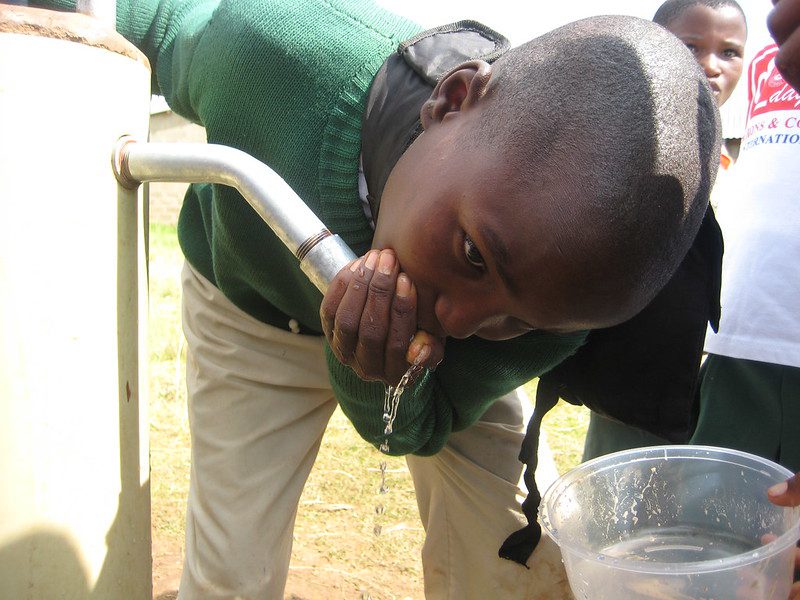
Charity: Water Access in EthiopiaMillions of people in Ethiopia do not have access to clean water, which causes serious health and economic problems. The severity of the water crisis inspired international organizations to engage with local communities and provide technology and resources to improve  Ethiopia’s access to clean water. One of those organizations is charity: water, which has served more than three million Ethiopians during the past four years.
Water Crisis in Ethiopia

Millions of Ethiopians, like many in the region, suffer from a lack of access to clean water. A global database of water, sanitation and hygiene data, the Joint Monitoring Programme (JMP) published a report on the matter. According to the report, 31% of the Ethiopian population consumes unprotected water for daily use. Furthermore, another 28% of the population has limited access to clean water. Together, these figures account for 62 million people. The situation is particularly severe in rural parts of the country, where water shortages create serious health problems for villagers and their livestock.

Health Consequences of Inaccessible Clean Water

The lack of access to clean water has significant consequences on people’s health. During times of drought, when springs, ponds and other surface waters dry up, people are forced to look for alternative water sources. As a result, they often end up consuming water that is heavily contaminated with human and animal excrement and other environmental waste.

The consequence of consuming the contaminated water is widespread water-borne illnesses, particularly cholera and diarrhea. According to UNICEF, between 60-80% of communicable diseases in Ethiopia are caused by lack of access to clean water and poor sanitation. Moreover, approximately 50% of undernutrition cases are related to environmental factors, including inadequate hygiene. Open defecation and other sanitation-related issues cause fecal-oral diseases like diarrhea, which kills more than 70,000 children under the age of five every year.

Progress on Clean Water and Sanitation

Limited access to clean water and the consequences of inaccessibility have claimed countless Ethiopian lives. Due to the urgency of the crisis, the Ethiopian government and international organizations have been working tirelessly to improve the situation. As a result of their work, significant progress has been made. For example, in 2000, 75% of Ethiopians consumed unsafe drinking water. By 2015, that percentage had been reduced by 50% and continues to fall.

There has been notable progress in the sanitation facilities as well. In 2000, approximately 80% of the population was using the restroom outside and in the open. By 2017, the number was reduced to 22.35%. This was mainly achieved by developing constructions called “pit latrines.” “Pit latrines” are toilets usually built outside a house. They have four walls, a roof and a door to keep insects and flies out and reduce the spread of diseases.

Charity: Water and Gasi Spring Project

One organization’s work has had a massive impact on Ethiopia’s access to clean water — charity: water. The organization started working in Ethiopia in 2017. Since then, it has invested $99,120,769 and funded 10,425 projects that have served more than three million people.

One of the projects implemented by charity: water dealt with installing a protection system for Gasi spring. Gasi spring was a mud pit contaminated by excrement and was used by locals to gather water. Now, an installed concrete box protects Gasi’s pure water and sends it to water points where villagers can collect it. After installing the protection system, Gasi spring produced so much water that it was possible to establish a community shower, a washing station for clothes and a cattle trough for animals.

Founder and CEO of charity: water Scott Harrison recalled one instance of the organization’s impact. At the opening ceremony of Gasi’s new spring protection tank, a local health extension worker named Gedey told him that for the first time, villagers started building dish racks because they had a reason to keep dishes off the floor.

– Aleksandre Jgarkava
Photo: Flickr

July 5, 2021
https://borgenproject.org/wp-content/uploads/borgen-project-logo.svg 0 0 Lynsey Alexander https://borgenproject.org/wp-content/uploads/borgen-project-logo.svg Lynsey Alexander2021-07-05 14:07:502021-10-10 03:57:40Ethiopia’s Access to Clean Water
Economy, Global Poverty, Water

Growing Industries Improve Lesotho’s Economy

Growing Industries Improve Lesotho's EconomyThe small kingdom of Lesotho lies in the middle of South Africa, completely landlocked within its mountainous regions. When Lesotho gained its independence from the United Kingdom in 1966, it was established as a parliamentary constitutional monarchy. A majority of the country lives in poverty, relying on subsistence farming and the economy of its much larger neighbor, South Africa. Struggling to stand alone as a country vastly overshadowed by South Africa, four factors contribute to increases in Lesotho’s economy. Industries, such as diamond and textiles, are working to bring the country out of poverty and increase its GDP.
Private Sector-Led Economic Growth

Part of Lesotho’s economic growth can be attributed to the promotion of businesses and industries that are not under the direct control of the government. This initiative was supported more fully by the World Bank Board of Executive Directors, who approved $13.4 million donated to the government of Lesotho to assist with its promotion.

According to the World Bank, “the Second Private Sector Competitiveness and Economic Diversification Project (PSCEDP II) will help improve the business environment through the continued facilitation of reforms to reduce the time and cost associated with doing business in Lesotho, provide easier access to finance, make trading across borders simpler and provide streamlined, accessible and efficient government to business services in order to attract private investment and boost growth.” The PSCEDP II is already seeing growth through economic diversification and an improved business environment, which is crucial for Lesotho’s economy.

The Diamond Industry

The discovery of diamonds made a large impact on the economy of Lesotho, as some of the world’s most valuable diamonds have been discovered there. Mining for diamonds began in the mid-20th century, but a lack of decent finds made the mines close. However, the mines reopened in 2004 when new technology helped increase diamond discovery and the country’s overall GDP. Through the use of diamond exportation, revenue has drastically helped assist the economy of Lesotho. In 2011, diamonds constituted 31% of Lesotho’s total exports.

Additionally, operators of the mines aim to assist local communities. The Letseng mine, world-famous for its priceless diamonds, set aside $300,000 in 2014 to help its local community. This money funded projects to increase living conditions and provide survival training for herd boys. Not only is the diamond industry extremely beneficial for the economy of Lesotho, but it is also beneficial for the local communities and areas surrounding the mines.

The Textile Industry

Starting with a handful of textile factories originating in the 1990s, the textile industry has now become one of the largest employers of Lesotho people, with approximately 50,000 jobs available to communities. The textile industry holds thousands of jobs, primarily for women who account for 80% of employees within the industry. Between 2014 and 2019, the manufacturing sector of Lesotho’s economy grew 34%. Consequently, this increase allowed for a tripling of textile exports sent out to South Africa. By providing thousands of jobs to people, especially women, the poverty levels have eased and the GDP has increased significantly. With the assistance of the textile industry, the increased exportation of products is healing and strengthening the economy of Lesotho.

The Highlands Water Development Project

Lesotho and South Africa created and signed a plan concerning Lesotho’s exceedingly large water resources. This infrastructure project would benefit both countries in the transferring of water and the production of hydroelectricity. The initiative began in 1986 to help Lesotho’s electricity production independence. In addition, Lesotho would gain revenue by providing water to South Africa.

Moving water from the Orange River toward the Atlantic, this project includes the building of five dams and approximately 200 kilometers of tunnels to transport water to South Africa and produce electricity for Lesotho in three distinct phases, the last of which was to be completed in 2020. With this project, approximately 2,000 million cubic meters of water are transported from Lesotho to South Africa every year. This initiative has already helped improve the economy of Lesotho and save money through the production of hydroelectricity.

The assistance of these four factors is working to change the economy to alleviate the impacts of poverty throughout Lesotho. If growth continues with the assistance of private sector-led promotion, the diamond and textile industries and the Highlands Water Development Project, significant hope remains for this small country.

– Allie Degner
Photo: Flickr

July 2, 2021
https://borgenproject.org/wp-content/uploads/borgen-project-logo.svg 0 0 Kim Thelwell https://borgenproject.org/wp-content/uploads/borgen-project-logo.svg Kim Thelwell2021-07-02 01:31:302021-07-01 09:43:16Growing Industries Improve Lesotho’s Economy
Global Poverty, Sanitation, Sustainable Development Goals, Water

UNICEF’s Work During COVID-19

UNICEF’s Work During COVID-19In June 2021, the United Nations Children’s Fund (UNICEF) released its annual report outlining the work done during the prior year. This year, the report focused on UNICEF’s work during the COVID-19 pandemic. While complete data on how COVID-19 impacted global poverty may never be available, what is available paints a dire picture. Compared to the baseline projection of global poverty prior to the pandemic, 2020 saw 144 million more people in extreme poverty. At least half of this rise “could be permanent.”

Beyond the immediate impact of families falling below the poverty line, the pandemic is also likely to impact growth. Without policy action, the pandemic may “trigger cycles of higher income inequality, lower social mobility among the vulnerable, and lower resilience to future shocks.

Despite the difficulty, UNICEF works hard to counter the negative impact of the COVID-19 pandemic. UNICEF is an organization under the United Nations with the express purpose of protecting children’s rights across the globe. The organization mainly focuses on helping children in some of the toughest places in the world. It supports “child health and nutrition, safe water and sanitation, quality education and skill building, HIV prevention and treatment for mothers and babies, and the protection of children and adolescents from violence and exploitation.”

The Impact of COVID-19

The pandemic touched nearly every part of the globe in 2020. Its impact worsened global progress toward reaching the U.N.’s Sustainable Development Goals. Progress was already off track due to a range of humanitarian crises, climate change and inequalities across the world. This led to 142 million additional children living in “monetarily poor households” in 2020. The pandemic led to about 15% of all children spending the majority of the year under stay-at-home orders. An estimated 94% of students were affected at some point by school closures. These disruptions caused the most harm to children living in poverty. At least one-third of students didn’t have access to remote learning, and food disruptions led to 44 million children facing hunger.

While absolute mortality appeared to be less of a danger for children, the effects of the virus had a negative impact on almost every key measure of progress. Disruptions to health services impacted children across the world. An estimated 80 million children under the age of one “may miss out on life-saving vaccines.” The pandemic and its secondary effects also led to a rise in abuse as disruptions to violence prevention and response services rose.

UNICEF’s Response

Despite these disheartening consequences, UNICEF’s work during the COVID-19 pandemic has not stopped. It has been working continuously to provide the necessary services to handle COVID-19. It also dedicates resources to responding to non-virus-related situations. This global crisis has highlighted UNICEF’s ability to adapt to new challenges and find new ways to help children living in poverty across the world. One way in which UNICEF’s work during COVID-19 had a large impact was its efforts toward providing necessary supplies and helping with the rollout of vaccines.

Throughout 2020, UNICEF provided “water, sanitation, hygiene services and supplies” for 106 million people. It also provided PPE to 2.6 million health care workers and training to an additional 4 million health care workers. UNICEF also worked with COVAX to make sure that vaccines were procured and distributed equitably across the world. UNICEF’s work to help children across the world extended to efforts not directly related to health care. The organization also used its leadership to reach more than 130 million children through its social protection initiatives and cash transfers.

Future Work

As the world moves forward, necessary work remains to help rebuild much of what the pandemic brought down. To this end, UNICEF’s work during COVID-19 continues. Executive Director Henrietta Fore laid out five goals for UNICEF to work on as nations rebuild and reimagine the systems children across the world rely on:

  1. Provide equal access to vaccines for all.
  2. Revolutionize learning through bridging the digital divide.
  3. Provide proper investment and attention to mental health.
  4. End discrimination.
  5. Address climate change.

The pandemic continues to have a massive impact on children across the globe. Not only did the virus directly affect millions, but it also shone a light on many already existing inequalities. UNICEF’s work during COVID-19 was vital and helped millions throughout the year. In the future, UNICEF will continue to work to improve the lives of children across the world.

– Taryn Steckler-Houle
Photo: Flickr

July 1, 2021
https://borgenproject.org/wp-content/uploads/borgen-project-logo.svg 0 0 Kim Thelwell https://borgenproject.org/wp-content/uploads/borgen-project-logo.svg Kim Thelwell2021-07-01 17:53:392021-09-21 03:08:26UNICEF’s Work During COVID-19
Page 12 of 57«‹1011121314›»

Get Smarter

  • Global Poverty 101
  • Global Poverty… The Good News
  • Global Poverty & U.S. Jobs
  • Global Poverty and National Security
  • Innovative Solutions to Poverty
  • Global Poverty & Aid FAQ’s
Search Search

Take Action

  • Call Congress
  • Email Congress
  • Donate
  • 30 Ways to Help
  • Volunteer Ops
  • Internships
  • Courses & Certificates
  • The Podcast
Borgen Project

“The Borgen Project is an incredible nonprofit organization that is addressing poverty and hunger and working towards ending them.”

-The Huffington Post

Inside The Borgen Project

  • Contact
  • About
  • Financials
  • President
  • Board of Directors
  • Board of Advisors

International Links

  • UK Email Parliament
  • UK Donate
  • Canada Email Parliament

Get Smarter

  • Global Poverty 101
  • Global Poverty… The Good News
  • Global Poverty & U.S. Jobs
  • Global Poverty and National Security
  • Innovative Solutions to Poverty
  • Global Poverty & Aid FAQ’s

Ways to Help

  • Call Congress
  • Email Congress
  • Donate
  • 30 Ways to Help
  • Volunteer Ops
  • Internships
  • Courses & Certificates
  • The Podcast
Scroll to top Scroll to top Scroll to top