Food Insecurity in ChadChad has been experiencing severe food insecurity and water scarcity, combined with insufficient sanitation services, for several years now. The main contributors to these disasters have been flooding, drought, conflict and inadequate infrastructure. According to the World Food Programme (WFP), Chad is now facing its sixth consecutive year of crisis-level hunger.

These crises have been worsened by the influx of refugees entering the country from Sudan, the Central African Republic, Nigeria, Cameroon and other neighboring states. According to UNHCR data, more than 1.45 million refugees currently reside in Chad. According to the World Health Organization (WHO), nearly 90% of these refugees are women and children.

There are also nearly 226,000 internally displaced Chadians. In addition, children account for 57% of Chad’s total population, according to UNICEF.

Food Insecurity in Chad

Chad is currently the sixth most food-insecure country in the world. The WFP reports there are currently more than 3.4 million Chadians facing extreme hunger, a 240% increase since 2020. UNICEF has stated that there are more than 2 million Chadian children in need of treatment for severe wasting, which is the most life-threatening stage of malnutrition.

Additionally, according to the Global Nutrition Report, 31.1% of children in Chad under the age of 5 are stunted. The Food and Agriculture Organization of the United Nations (FAO) reports that in Chad, “the 2024/25 agricultural season is marked by the destruction of 819,370 hectares of sown land, primarily due to floods, plant pests and straying livestock. Conflict has also disrupted agriculture, adding to food insecurity in Chad.

The International Crisis Group has reported that between 2021 and 2024, farmer-herder conflict claimed the lives of more than 1,000 Chadians and left more than 2,000 injured. According to FEWS NET, agropastoral clashes have led to significant loss of life: “Since May 2025, 42 people were killed in Logone Occidental, 16 in Ouaddaï, 17 in Mayo Kebbi Ouest and six in Salamat due to these conflicts.” FEWS NET also reported that as of late June, only 11.8% of people earmarked for Chad’s 2025 humanitarian assistance plan had received food aid.

Humanitarian Aid

The WFP reported that between June and August 2024, it had disbursed food, cash and nutritional support to up to 1 million people and provided aid to an additional 400,000 people who had been impacted by flooding. Furthermore, it aims to assist 1 million breastfeeding and pregnant women, along with children aged 6-59 months, with treatment for malnutrition.

According to the FAO, in 2024, the United Nations (U.N.) provided 58.7 tonnes of crops and 3.5 tonnes of vegetable seed to more than 22,800 households in Chad. As a result, 42,660 tonnes of staple foods and 14,400 tonnes of fruits and vegetables were cultivated. Thirty percent was consumed and the remainder was sold for more than $5 million, distributed in average payments of $280 per household, which was sufficient to supply food for up to six months.

Additionally, in early 2025, the European Commission announced that it had allocated €74.5 million (approximately $83.9 million) to Chad for humanitarian assistance. According to UNICEF, in April, the organization appealed for $114.2 million in aid for Chad, with more than $50 million allocated for nutritional support and more than $24 million dedicated to WASH services. However, only 34% of the required funding has been secured.

Water Scarcity and Sanitation

According to the Interactive Country Fiches (ICF), “Chad has the third-lowest level of access to safe water and the lowest level of access to adequate sanitation in all of Africa.” Only 52% of Chad’s population has basic access to drinking water. However, Gannet’s Data Friendly Space (DFS) has reported that only 18% have access to safely managed sources and merely 10% of Chadians have access to basic sanitation.

Doctors Without Borders (DWB) reports, “In refugee camps across the Ouaddaï, Wadi Fira and Ennedi Est provinces, most refugees are receiving far less than the recommended 20 liters (nearly 5 gallons) of clean water per day. This shortage disproportionately affects women and children.” According to UNICEF, Chad’s mortality rate for children under the age of 5 is approximately one in 10. Gannet’s DFS reports that malaria is the leading cause of these deaths, while noting that insufficient sanitation, stagnant water and overcrowded camps further increase the risk of transmission.

Additionally, according to UNICEF, 68% of the population practices open defecation. This stems in part from the lack of latrines in refugee camps; DWB reports that many camps fail to meet the minimum standard of one latrine for every 50 people. With such a high rate of flooding, open defecation and inadequate water management, waterborne disease has wreaked havoc, leading to outbreaks of hepatitis E, cholera and typhoid. According to the WHO, between January and April 2024, there were 2,092 suspected cases of hepatitis E.

Cholera Outbreak

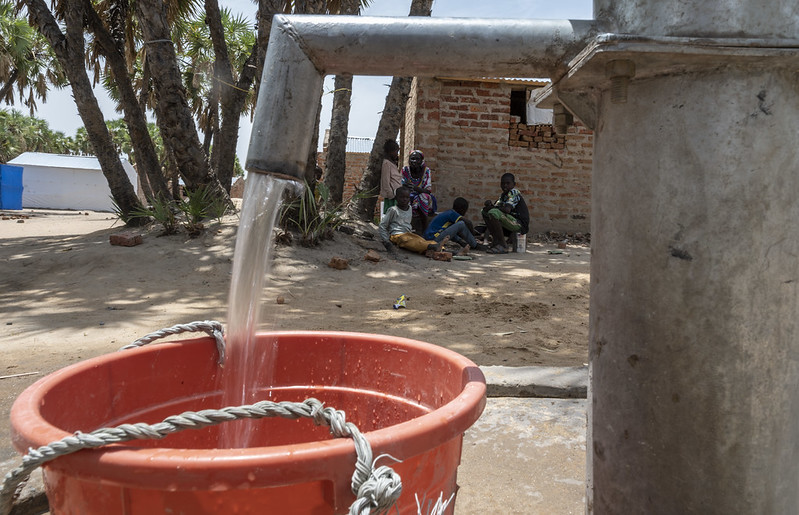
Regarding the recent cholera outbreak, the chief of WASH in Chad, Oumar Doumbouya, stated: “As of 20 October, we have 2,770 cases of cholera and 156 deaths, including 69 in communities. The disease remains active in three provinces: Ouaddaï, Sila and Guéra.” In 2024, the International Water Association reported that more than 78% of the population in N’Djamena, Chad’s capital, obtained water from hand pumps.

Doumbouya noted that UNICEF is working to improve water sources across the country. “Just to give you a figure, we have been recently working on trying to upgrade water points in Chad to put this from a simple hand pump to a solar motorized water supply system and basically, we were able to identify more than 5,000 water points that needed to be upgraded.”

UNICEF has reported that in February 2024, it facilitated funding for the installation of two water treatment units in Baga Sola and Bol, which, combined, provide 20 liters of water per person to 4,000 people each day. DWB has also made significant contributions to improving conditions in refugee camps. According to the organization, “In the last two years, MSF [DWB] treated 43,908 patients for acute malnutrition and responded to hepatitis E and typhoid outbreaks in Adré, Aboutengue and Metché.”

In the Adré transit camp alone, water systems built by DWB produced 654,000 liters of water per day in May. The organization also restored 229 latrines, constructed 80 long-term latrines and cleaned 539 existing ones in Adré.

Final Remarks

The battle against food insecurity, water scarcity and poor sanitation in Chad is far from over. However, with the help of international organizations, the nation is making progress every day.

– Owen Armentrout

Owen is based in Detroit, MI, USA and focuses on Global Health and Politics for The Borgen Project.

Photo: Flickr
Water Scarcity in AfghanistanFor many years, millions of people in Afghanistan have been facing severe levels of food insecurity compounded by critical water scarcity. Despite improvements in the winter season of 2021-2022, the crisis has remained mostly stagnant.

This results from drought, flash floods, dependence on other nations and damaged or insufficient infrastructure.

Water Scarcity

Afghanistan has been in the midst of a crippling drought since 2021. As of March, it’s estimated that 33 million Afghans do not have reliable access to water, according to the Red Cross. In 2023, 25 out of 34 provinces in Afghanistan were experiencing drastic water scarcity due to drought conditions. Similarly, UNICEF has reported that 80% of Afghans drink from unsafe, unregulated sources.

About 93% of children in Afghanistan reside in areas with high water vulnerability. The primary water source for Afghans is wells, of which there are more than 310,000. Mercy Corps has also reported an additional 120,000 borewells in and around Kabul alone. However, many of these wells have become unreliable. As of 2023, nearly half of Kabul’s borewells have run completely dry, while the remaining operable ones are deficient, retaining only 60% of their capacity.

In addition, Al Jazeera reports that “up to 80% of groundwater [in Kabul] is believed to be unsafe, with high levels of sewage, arsenic and salinity.” Furthermore, according to the U.N., in early 2024, many of the country’s northern and eastern regions experienced only 45–60% of the average precipitation. Mercy Corps reported that “Kabul’s aquifer levels have plummeted 25–30 meters in the past decade, with extraction exceeding natural recharge by a staggering 44 million cubic meters annually.”

By 2030, Kabul is predicted to become the first major city in the world to completely deplete its water sources, leaving six million people in dire need. However, there have been initiatives to combat this nationwide issue. In 2024, the Red Cross reported that its efforts to rebuild infrastructure in urban areas such as Kabul, Herat and Kandahar improved access to water for more than 1.1 million people. It also repaired more than 1,300 pumps and supplied villages with more than 1,800 sand filters, ultimately helping more than 275,000 Afghans. In May, the U.N. allocated $16.6 million to the Afghan government to help reduce the effects of drought in the north and northeastern regions.

Food Insecurity

As of 2023, 45% of Afghans were employed in the agricultural sector. However, flash floods, drought, earthquakes and poor infrastructure have proven catastrophic to crop yields, further worsening the nation’s dwindling food supply. According to the Integrated Food Security Phase Classification, as of April, an estimated 12.6 million Afghans were experiencing high levels of food insecurity. This is more than a quarter of the population. Of this group, 10.6 million were classified as emergency cases, while 1.95 million were in the crisis category.

According to the World Food Programme (WFP), 4.7 million women and children in Afghanistan currently need treatment for malnutrition. UNICEF also reports that one in three adolescent girls is anemic and only 12% of children aged 6–24 months receive the appropriate variety of nutrition for their age. This issue has been exacerbated by recent earthquakes, which have put 37,000 children at even greater risk.

The U.N. has also reported that “desertification has affected more than 75% of the total land area in the country’s northern, western and southern regions, reducing vegetation cover for pasture, accelerating land degradation and affecting crop farming in the last four decades.” Furthermore, the WFP was forced to halt aid distribution in May due to funding shortfalls. The nonprofit also stated that more than $560 million would be needed to continue its efforts.

However, UNICEF still provides aid. As of 2024, it reported supplying more than 62,000 families with micronutrient powder to combat malnutrition, with that number continuing to rise into this year. The organization also supports pregnant and lactating women, as well as children, in 34 regions. In total, UNICEF said it helped more than 630,000 children combat malnutrition in 2024 alone.

– Owen Armentrout

Owen is based in Detroit, MI, USA and focuses on Global Health and Politics for The Borgen Project.

Photo: Pexels

Water Scarcity in TürkiyeAs the climate crisis increases heating and worsens the water scarcity crisis, Türkiye is taking crucial steps to address this crisis. Recently, many cities reported that reservoirs have plunged severely. According to the Istanbul Water and Sewage Administration, Istanbul’s reservoir level dropped to an average of 42.43% capacity, representing the “second lowest August level” in the past decade. According to Türkiye’s Meteorological Service, rainfall decreased by 71% compared to 2024.

The U.N. Convention to Combat Desertification (UNCCD) reported that 88% of Türkiye’s land is highly vulnerable to desertification, leading to severe water scarcity by 2023. Türkiye is taking decisive steps and applying alternatives to tackle this crisis. However, with more international aid and partnerships in water projects, there could be more progress.

Challenges in Tackling Water Scarcity in Türkiye

While the government is making efforts to mitigate the crisis, challenges remain, including:

  • Rising temperatures and reduced rainfall. These have left the country’s dams with little or no water, as in the case of Naip Dam in Tekirdağ, which fell to 0% in August.
  • Shortages in yields across the country.
  • The overuse of resources, combined with outdated water and agriculture policies, has worsened the crisis.

Steps To Address the Crisis

To address this crisis, Türkiye was forced to find alternatives, such as constructing pump systems for water delivery in the needed areas. Furthermore, on June 27, 2024, the World Bank approved $ 600 million for Türkiye to address the escalating threats of floods and droughts. The project includes constructing flood control facilities and improving real-time agricultural drought monitoring stations. The drought monitoring maps help farmers choose better crops and decide when they are suitable for irrigation so they don’t waste water.

On June 2, 2025, the World Bank approved $819 million in financing for the Türkiye Second Irrigation Modernization and Water Efficiency Project. This project focuses on improving irrigation systems, supporting at least 50,000 farms in areas experiencing extreme heat and flooding. Such a project greatly helps conserve more water since the agriculture sector consumes 85% of the total available water.

Additionally, on March 22, 2025, Türkiye’s National Water Efficiency Initiative was launched. The program includes events and campaigns to raise citizens’ awareness about the responsible use of water. Progress has been made in tackling the water crisis, but more effort is still needed.

– Eiman Elsawy

Eiman is based in Kirkland, WA, USA and focuses on Business and Politics for The Borgen Project.

Photo: Flickr

Clean Water in KenyaKenya has long struggled with clean water access, especially in rural areas where millions still depend on unsafe sources. The lack of reliable water fuels waterborne diseases, limits school attendance and places the collection burden primarily on women and girls.

However, progress is underway through partnerships between local communities, NGOs, international organizations and intentional partners. They work together to create lasting solutions that improve health, education and economic opportunities.

The Challenges of Water Insecurity

For Kenyan families, fetching water requires walking long distances, sometimes several hours daily. Women and children are the most affected, often sacrificing time for education or work to ensure their household has water. Even then, the water they collect is not always safe, contributing to the spread of cholera, typhoid and diarrhea.

These diseases are some of the leading causes of death in Kenya, particularly among young children. Without reliable water, farming and livestock rearing, the backbone of rural economies, also face challenges.

The Upper Tana-Nairobi Water Insecurity

One of the most impactful initiatives addressing water scarcity in Kenya is the Upper Tana-Nairobi Water Fund, launched by The Nature Conservancy. The fund protects Nairobi’s main water source by encouraging sustainable farming practices, reducing soil erosion and expanding tree planting in the Upper watershed.

This approach benefits both the environment and local communities. More than 70,000 hectares are now under improved management, helping secure clean water for millions of people in Nairobi. At the same time, farmers gain from healthier soil and improved crop yields. By investing in nature-based solutions, the fund creates a sustainable cycle that ensures clean water for urban residents while strengthening rural livelihoods.

Sand Dams: Harnessing Rain Water for the Dry Seasons

The Africa Sand Dam Foundation (ASDF) builds sand dams in drought-prone regions that store rainwater in sandy riverbeds, making it available throughout dry seasons. These structures now benefit nearly one million people by reducing time spent fetching water, cutting disease rates and supporting small-scale farming.

Organizations like Aqua Clara Kenya focus on WASH by providing filters, community training and school programs. Its work has reached hundreds of thousands, strengthening hygiene practices and ensuring access to safe drinking water.

Meanwhile, Water is Life Kenya works with Maasai communities to drill boreholes, provide WASH education and empower women. Women often serve in leadership roles on local water committees, gaining both a voice and an opportunity to shape decisions affecting their lives.

This empowerment has ripple effects, communities not only gain access to clean water but also create new economic opportunities. Health improves, children can attend school more regularly and women can invest time in businesses or farming instead of long water treks.

A Future of Shared Progress in Kenya

The clean water story is still evolving. While millions remain without safe access, the progress made through partnerships between local communities, NGOs and international organizations offers hope by combining infrastructure projects like sand dams and boreholes with education, conservation and women’s empowerment. These efforts are tackling water insecurity from multiple angles.

The journey toward universal clean water access in Kenya is far from over. However, each initiative brings the country closer to ensuring every family has the right to safe, reliable water. The impact goes beyond hydration; it transforms health, education, gender equality and economic growth, shaping a brighter and more resilient future.

– Reign Lankford

Reign is based in Houston, TX, USA and focuses on Global Health for The Borgen Project.

Photo: Pixabay

Earth05Artificial Intelligence (AI) is in every corner of everyone’s lives. No matter what screen you turn on, there is an AI feature that tries to simplify your life with its summarizations and generated images. That help doesn’t have to be just for people; it can also be used to save the environment.

Recognizing this potential, the Barcelona-based nonprofit Earth05 has begun applying AI to address the ongoing water crisis. According to the United Nations Children’s Fund (UNICEF), about 2.2 billion people lack access to safe drinking water. To address this challenge, Earth05 is working toward its goal of improving the lives of 500 million people by 2030.

Earth05

Earth05, launched in January 2024 at the World Economic Forum. Its mission is to increase water access to millions of people globally. The organization aims to achieve this by using AI to predict water shortages, detect leaks and contaminants, optimize irrigation and power smart delivery systems.

Earth05’s ultimate goal is to prevent rising poverty and support lower-middle-income economies and indigenous communities. It aims to equip these groups for immediate challenges and long-term shifts in the age of AI. Earth05 believes combining AI with water conservation can create powerful solutions for the planet and its people.

Earth05’s AI could help predict water fluctuation patterns in countries that need it most, which is becoming harder to do without the assistance of AI. Such progress would be vital for nations like Mexico, Brazil, India, China and other countries that obtain water by desalination.

Aside from improving water access, Earth05 is committed to contributing to the United Nations (U.N.) Sustainable Development Goals (SDGs). These include SDGs 2 (Zero Hunger), 7 (Affordable and Clean Energy) and many more.

The Solution

Earth05 is fighting to ensure the global water crisis does not worsen by integrating water, education and AI across all initiatives. New technology will allow the nonprofit to analyze future systems, from water consumption to the availability of water based on previous predicted weather reports. AI can make these predictions quickly and accurately, for the first time.

The charity’s goal has always been Return on Lives (ROL), the first metric to measure what truly matters in innovation. ROL tracks how investment dollars translate into real improvements in human lives, environmental health and future well-being. It directly shows how many people Earth05 has helped through its commitment to solving the global water crisis.

Final Remarks

Earth05 is using AI to create better weather reports and better irrigation systems. The research conducted by Earth05 will help find ways to access frozen water or water buried deep in the ground. AI can use its knowledge and large language models (LLMs) to help locate water for those in need and address the growing global water crisis.

– Avery Carl

Avery is based in Norfolk, NE, USA and focuses on Technology and Solutions for The Borgen Project.

Photo: Wikimedia Commons

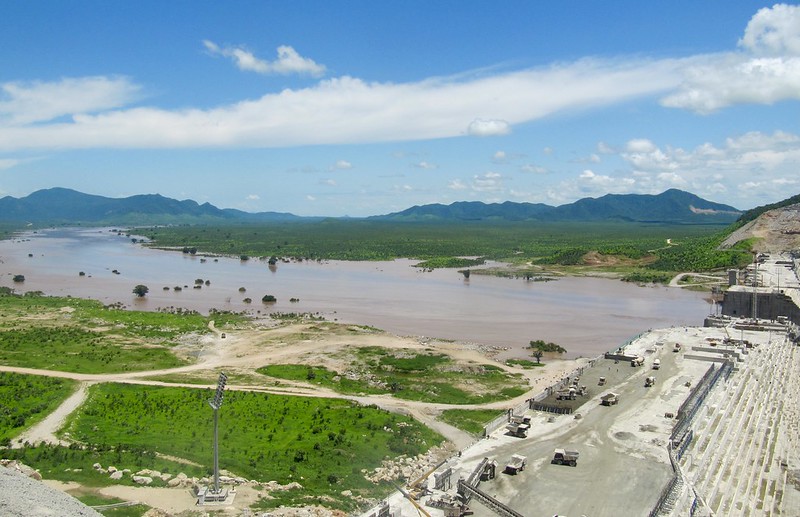
The Grand Ethiopian Renaissance Dam: Powering a Nation Out of PovertyThe Grand Ethiopian Renaissance Dam (GERD) was named to reflect Ethiopia’s ambitions for national renewal and economic growth. As Africa’s largest hydroelectric power plant, the expectation is to expand electricity access in a country where more than 60 million people lack power and millions more live in poverty. While the GERD often receives praise for its potential to alleviate poverty within Ethiopia, its potential to promote development across the entire Nile Basin does not get as much emphasis.

Building the Grand Ethiopian Renaissance Dam

In 2011, Ethiopia announced its plans to construct GERD on the Blue Nile. The $4.8 billion dam, funded primarily by the Ethiopian people through government-issued bonds, quickly became much more than just a standard infrastructure project. With a planned power capacity of 5,150 megawatts, GERD promised to lift countless Ethiopians out of darkness and poverty – and into a better future. 

Ethiopia is among the world’s poorest countries, with 67.14% of its population classified as multidimensionally poor. It also has one of the largest electricity access deficits. As of 2022, only 55% of Ethiopians had electricity, leaving millions in energy poverty on top of economic hardship. This reality is not only a symptom of widespread poverty but a perpetuator of it.

Without power, two-thirds of Ethiopian children struggle to study after dark. Women and girls spend hours gathering firewood and cooking over open stoves, losing time to pursue education or work. And patients are deprived of lifesaving equipment and treatment. For exactly these reasons, GERD, with its ability to double Ethiopia’s energy output, is a beacon of possibility. It offers a concrete path to power, education and development to a nation long denied all three.

Conflict on the Nile

Miles downstream, however, many fear that the dam guarantees the exact opposite. Egypt, a country that relies on the Nile for approximately 90% of its water needs, sees the prospect of reduced flow as a threat to its very survival. While Ethiopia frames the dam as an existential necessity, Egypt insists it is an existential threat. 

These dichotomous perspectives lie at the heart of the Nile dispute, a centuries-old debate over who has the right to own and control the river. Unfortunately, the Nile has often been a source of division instead of unity. Ethiopia, Egypt and the other riparian countries have struggled to find a compromise when it comes to water allocation. Yet the needs of the different parties may not be as incompatible as they appear. 

Collaboration Over Conflict

In a study published in Nature, water resources expert Mohammed Basheer of the University of Toronto and his team argue that collaboration could leave the Nile Basin as a whole better off. If managed efficiently, GERD can help Egypt meet its water needs during times of scarcity while generating hydroelectric power for Ethiopia when river flows are strong. 

The study’s modeling shows that the GERD can serve to meet the individual needs of different countries, rather than making those needs mutually exclusive. Just as it can generate hydropower to spur economic growth and development in Ethiopia, the dam can also reduce irrigation deficits in Egypt, boosting agriculture and production in other water-dependent industries. 

Fostering Unity Through Music

Basheer and his team make a clear case for cooperation, but they are not alone. Though their medium is very different, The Nile Project – a musical and educational initiative – reaches the same conclusion: harmony is key to a prosperous future. 

Founded to inspire collaboration, The Nile Project brings together musicians from various riparian countries. The artists blend their languages and cultures, creating a unique sound and reminding audiences both regionally and abroad of the value in working together. By promoting the Nile as a point of connection rather than division, the organization helps build the cultural foundation needed for shared economic benefit. 

Building a Shared Future

Resolving conflict and reaching a compromise is often challenging, but by choosing cooperation, Nile Basin countries could see positive results. Expert opinions suggest that GERD is unquestionably crucial to Ethiopia’s development and with the right approach, it could be a key tool in the fight against poverty across the entire region. 

– Caroline Clark

Caroline is based in Needham, MA, USA and focuses on Global Health and Politics for The Borgen Project.

Photo: Flickr

Sudan Water CrisisSince April 15, 2023, an armed military conflict between Sudan’s two rival political-military forces, the Sudanese Armed Forces (SAF) and the Rapid Support Forces (RSF), has caused widespread infrastructure damage across the country. The conflict has particularly affected water systems, leaving many civilians reliant on unsafe surface water amid ongoing instability. Before the conflict, approximately 11 million people lacked access to basic water services and 26% of the water supply systems were not operational.

The limited water available to civilians is often surface water carrying diseases and bacteria, such as cholera, dysentery, typhoid and schistosomiasis. The use of bombs, rockets and other explosive weapons has damaged water treatment plants. It has affected both urban and rural areas, where populations of displaced individuals are extremely reliant on the few functional systems. An estimated 829,000 deaths per year are attributed to diarrheal diseases caused by unsafe water, poor sanitation and inadequate hygiene.

The Water Crisis in Sudan

Sudan is unable to meet the basic needs of its people. UNICEF has confirmed that more than 17.3 million civilians cannot access clean water. The ongoing conflict between SAF and RSF has devastated all aspects of life, including infrastructure, health care, education and displaced millions, reinforcing both nationwide and household poverty.

In larger cities such as Omdurman, Khartoum, Darfur, and Kordofan, key destinations for the displaced, most water treatment plants have been damaged or rendered completely unusable. As a result, more than 40% of rural households have no access to clean water. This scarcity has deepened food insecurity, as 60–80% of Sudan’s population depends on agriculture for income.

Since the conflict began in 2023, the water crisis in Sudan has undermined agricultural productivity and reinforced both national and household poverty. Many Sudanese now rely on humanitarian organizations’ emergency water trucking and purification kits. However, International aid has been limited, with some foreign governments, including the U.S. and European states, reducing their aid.

A Rapper’s Voice

On October 24, 2023, Sudanese-American musician Abbas Hamad (Bas) released his song “Khartoum.” He used his public media platform in the music industry to bring awareness to the conflict and its effects on civilians. Through emotional imagery, he sought to spark awareness and empathy among audiences who may not be aware of the ongoing devastation in Sudan.

Artists like Bas help close the awareness gap through cultural activism, reminding us that lasting solutions to global poverty must ensure access to clean water and peace.

UN’s Sustainable Development Goals at Risk

With 2030 approaching, achieving the U.N.’s poverty goals depends on policy and persistent attention, wherever it may come from. If countries like Sudan continue to lack access to safe and clean water, the world will struggle to meet the targets of reducing global poverty and ensuring basic services for all.

This challenge is especially critical under the U.N.’s Sustainable Development Goals: SDGs 1 (No Poverty) and 6 (Clean Water and Sanitation). The shift from long-term development to emergency relief reinforces cycles of poverty. Without sustained investment in essential services like quality water, any effort to reduce global poverty is impossible.

Relief Efforts, Global Policy and Cultural Advocacy

The crisis highlights ongoing efforts to combat global poverty through immediate and long-term relief. Humanitarian organizations continue to provide emergency water, health services and food assistance in conflict zones. Similarly, global initiatives under the U.N. SDGs push for systemic change. At the same time, artists like Bas use their platforms to keep marginalized crises in the public eye.

These efforts reflect a diverse approach to addressing global poverty, combining funding, infrastructure, public awareness, cultural engagement and international cooperation.

– Zenub Khan

Zenub is based in Ontario, Canada and focuses on Global Health and Celebs for The Borgen Project.

Photo: Flickr

Access to Drinking Water in NepalNepal, officially known as the Federal Democratic Republic of Nepal, is facing challenges with access to clean drinking water. A recent survey found that while 95% of the population has access to basic drinking water, only 16% actively use a “safely managed” drinking water service. In addition, 51% of the population uses a safely managed sanitation service and 64% have a handwashing facility with both soap and water available at home.

Water Quality and Why It Still Affects Nepal

One of the main reasons for the lack of clean drinking water is that Nepal’s supplied water is often polluted. This is primarily caused by both the surface and groundwater deteriorating in the Kathmandu Valley, also known as the Nepal Valley or Nepa Valley. The surface water is polluted by both domestic and industrial waste, along with the discharge of untreated sewage. This is mainly due to the tightly packed residential neighborhoods. The domestic sewage is one of the top contaminants that makes its way into rivers and lakes, the primary sources of Nepal’s drinking water.

The Effects

Nepal’s capital city of Kathmandu produces about 150 tons of waste daily and nearly half flows into rivers. This is one of the main reasons that many Nepalis are not able to obtain clean drinking water from available sources. In some of the more rural regions of Nepal, many communities still rely heavily on tube wells for drinking water. More recently, one of the main concerns in these regions is groundwater contamination from arsenic. The Terai Region contains dense layers of sand and gravel deposits interlocked with flood plains carried by rivers and is very prone to arsenic contamination.

The Nepal Water Initiative

Emphasizing the themes of community engagement, student involvement and interdisciplinarity, the Nepal Water Initiative brings together the distinct perspectives of both marine and conservation science with those of religious studies, economics and anthropology, with the hopes of providing the people of Nepal with safe, accessible drinking water. A fundamental, guiding principle of this project is that it must be Nepali-driven, meaning that all of its work is both developed and implemented with the participation of Nepali stakeholders, community leaders, scholars and policy makers.

Another project, known as the Melamchi Water Supply Project, aims to bring clean water to Nepal, specifically within the Kathmandu Valley region. Furthermore, the Nepali government is currently working on a National Water Supply and Sanitation Act, as well as a Sector Development Plan aimed at guiding development and setting a roadmap for the near future.

Looking Forward

Efforts are underway to address the current water crisis in Nepal, including government initiatives, international aid and community-based projects that focus on water management, infrastructure development and promoting water conservation. These efforts show the desire to bring change, not only by Nepalis but also by countries around the world working together to ensure that Nepal receives the aid and care it needs to become a successful, healthy country.

– Simone Sanchez

Simone is based in Huntington, NY, USA and focuses on Good News and Global Health for The Borgen Project.

Photo: Flickr

South Sudan's Water CrisisOne of the world’s newest countries, South Sudan, celebrated its 16th anniversary of independence in July 2025. However, South Sudan is suffering from a crippling water crisis. Floods, drought and a lack of access to reliable and sanitized water have created an ongoing economic, medical and political turmoil. An inability to manage and provide water to most of its people has exacerbated ongoing poverty and security issues.

However, significant progress is being made with South Sudan’s water crisis. With cooperation with the United Nations (U.N.) and UNICEF, the South Sudanese government is working to meet this challenge by working with private on-the-ground organizations to create real change for South Sudanese people.

South Sudan’s Water Crisis

The roots of the issue lie in the civil war that followed South Sudan’s independence, which resulted in most of its water infrastructure being destroyed. Due to this destruction, South Sudan’s water crisis started to spiral. Around 59% of South Sudanese lack access to clean water and only 11% have access to basic sanitation. The lack of a reliable water resource management system has forced most South Sudanese to rely on unsanitary practices.

South Sudan relies heavily on the Nile River basin for its water supply. Poor management, combined with climate variability, has intensified water scarcity and contributed to alternating cycles of drought and flooding. This forces people to move from their homes, worsening the country’s already tense security situation. Additionally, this worsens food insecurity, creating another potential flash point for civil conflict, as more than 70% of the population depends on agriculture for their livelihood.

Government Efforts and Organizations Helping

In August 2024, the South Sudanese government announced plans to join the U.N. Water Convention. This step aims to help the country develop a cohesive strategy for stabilizing and managing its water systems. South Sudan’s Minister of Water Resources and Irrigation, Pal Mai Deng, stated that “being part of this global convention will open for us huge opportunities beyond measure.” The Convention would strengthen national water institutions and foster cooperation with neighboring countries to improve regional water management.

However, South Sudan’s water crisis isn’t just being solved by governmental organizations. Private groups like Water for South Sudan (WFSS) are helping local communities to tackle the ongoing emergency. WFSS trains local community members to create water committees to ensure these resources are sustainably managed. In 2023 alone, WFSS drilled 47 new wells and repaired 91 preexisting wells, benefiting more than 42,000 people.

In villages like Nyoric, water sources were once extremely far away. One resident, Nyibol, explained that reaching a working well could take up to three hours. Thanks to WFSS and its partners, the village has direct access to clean water.

Final Remarks

Much work remains to solve South Sudan’s water crisis. However, the country is a strong example of how a nation can begin recovering from the brink with support from private aid and the international community.

– Joseph Laughon

Joseph is based in Sacramento, CA, USA and focuses on Good News and Technology for The Borgen Project.

Photo: Flickr

Amazon's Water Replenishment ProgramWith a population of more than 1.4 billion people, India is the most populous country in the world. This title also puts pressure on the country’s resources, such as clean and safe water. Water stress in India has left 35 million people without access to clean water and more than 600 million people, nearly half of the country, lack reliable plumbing. However, Amazon’s water replenishment program is working to change this. The e-commerce giant’s program is restoring water to several locations in India, including the Yamuna River watershed, Yamare Lake and Sai Reddy Lake, to combat water scarcity.

Restoring 400 Million Litres of Water to New Delhi

At its Water Dialogues event, Amazon announced plans to support water sustainability in India. The project in New Delhi is a partnership with Hasten Regeneration, a developer of ecosystem restoration projects, as well as Arpan Seva Sansthan, a sustainable development nonprofit and Clear Water Dynamics, a water engineering firm.

Amazon’s water replenishment program will focus on improving existing infrastructure, such as check dams, and constructing new water structures, such as recharge shafts and percolation pits. Amazon also plans to plant ample vegetation around these structures to prevent erosion and increase moisture in the surrounding soil. 

These improvements to New Delhi’s water infrastructure are expected to replenish 400 million litres annually to the Yamuna watershed. Amazon’s goal is to replenish more water than what the company uses in its Indian offices and fulfillment centers by 2027.

Rehabilitating Yamare Lake and Sai Reddy Lake

In addition to the project to restore the Yamuna Watershed, Amazon is also focusing its water conservation efforts in other areas of high water stress in India. The Yamare and Sai Reddy Lakes used to be reliable water sources for the surrounding communities. However, sediment buildup, urbanization, vegetation overgrowth and erosion have led to the diminished water storage capacity of the bodies of water and further strain on local water resources.

Amazon is teaming up with the environmental organization SayTrees to restore the lakes. Since January 2025, the partnership has been desilting the lakes, restoring embankments and repairing inlet and outlet structures. These projects aim to bring 270 million litres of water to Yamare Lake and 300 million litres to Sai Reddy Lake annually once completed.

Other Water Conservation Efforts by Amazon

In 2022, Amazon announced a project with WaterAid in Hyderabad and Andhra Pradesh with the goal of supplying the areas with a combined 640 million liters of water annually. In 2023, Amazon set out to secure consistent water supplies for farmers in Hyderabad by creating 100 new ponds across 12 villages, bringing almost 90 million liters of water to the area annually.

Amazon’s goal is to create “long-lasting, climate-resilient water and sanitation solutions” for communities in India. These water conservation efforts come alongside other initiatives such as reduced and recyclable shipping materials, investments in nature-based projects and switching to electric delivery vehicles. Amazon has pledged to achieve net-zero carbon emissions by 2040 and aims to help more than 1 million people in India access clean and safe water.

– Hannah Fruehstorfer

Hannah is based in Pittsburgh, PA, USA and focuses on Good News and Global Health for The Borgen Project.

Photo: Flickr