 In Venezuela, gender-based violence has reached alarming levels in recent years, reflecting the profound impact of the country’s ongoing humanitarian emergency. Institutional collapse, extreme poverty, forced migration and the absence of adequate public policies have created an environment where femicides in Venezuela continue to rise and women face multiple forms of violence. However, amid this reality, various feminist organizations, nongovernmental organizations (NGOs) and international agencies are developing strategies to prevent violence, provide shelter, legal and psychological assistance and inform women about their rights.
A Humanitarian Crisis That Fuels Violence
Since 2015, Venezuela has faced a complex humanitarian emergency marked by economic collapse, institutional deterioration and the breakdown of public services. This situation has disproportionately affected women and girls. According to the International Organization for Migration (IOM), its latest Humanitarian Response Plan 2025 highlights the urgency of the situation: one in four people in Venezuela (about 7.6 million) requires humanitarian assistance, and 6.2 million need protection services, including child protection and support for survivors of gender-based violence and human trafficking.
Although the country has experienced moderate economic growth over the past two years (2023–2024), deteriorating living conditions, food insecurity, the collapse of health care services and the absence of protective policies have allowed gender-based and sexual violence to continue rising. The Organic Law on the Right of Women to a Life Free of Violence, while representing a legislative milestone, has not been effectively implemented due to institutional weakness and corruption. As a result, many victims face impunity, institutional revictimization and a lack of safe shelters. Most cases go unreported: an estimated 7 out of 10 women do not report the violence they experience, mainly due to fear of retaliation or mistrust of the judicial system.
Alarming Numbers and a Climate of Impunity
Recent data reveal the scale of the problem. According to the feminist observatory Utopix, there were 76 femicides in the first six months of 2025—equivalent to one woman murdered every 2.3 days. These killings are not isolated incidents; they reflect a justice system that fails to protect victims, where investigations often remain incomplete and perpetrators rarely face conviction.
Furthermore, Centro de Justicia y Paz (CEPAZ) reports that more than 50% of victims experience physical violence, while 65% suffer psychological abuse. These forms of aggression often escalate over time, frequently culminating in femicide.
Migration and Trafficking: A Double Vulnerability
The crisis has also forced millions of Venezuelans to leave the country, exposing women to new risks. According to platforms such as R4V, the U.N. Refugee Agency (UNHCR) and IOM, as well as surveys like ENCOVI, nearly 8 million people have left Venezuela. During migration, many women face sexual violence, labor exploitation and human trafficking.
These dynamics pose serious risks for women, adolescents, and other vulnerable groups. False job offers or migration promises deceive many, and due to the precarious nature of their journeys, they fall victim to trafficking networks and modern forms of slavery. According to the report Libres y Seguras by the Venezuelan organization Mulier, 1,390 Venezuelan women were rescued from trafficking networks in 2022, including 284 girls and adolescents. Documented cases include sexual exploitation, forced labor, and forced marriages in countries such as Colombia, Ecuador and Peru.
Violence does not end once women cross the border. Xenophobia, labor exploitation, and the absence of legal protection continue to make them vulnerable. According to Utopix, more than 100 Venezuelan women have been victims of violence or femicide abroad between 2024 and 2025.
Organizations Making a Difference
Despite the challenging context, numerous NGOs and humanitarian agencies are supporting Venezuelan women both within and outside the country. Their work focuses on violence prevention, comprehensive care, legal assistance, and creating safe spaces.
CEPAZ leads the defense of women’s rights through free legal assistance, psychological support and accompaniment during judicial processes. It also manages the Digital Femicide Observatory, which compiles data and pressures the state to implement prevention and protection policies.
Utopix has become a national reference by documenting femicides in Venezuela and analyzing patterns of violence. Its work is essential for raising awareness amid a lack of official data. The organization also conducts community education and awareness campaigns to transform cultural norms that perpetuate violence.
UNHCR plays a crucial role internationally by providing legal assistance, shelter, psychological support and documentation. It also coordinates gender-based violence prevention programs with governments and local organizations.
Toward a Future Free of Violence
The increase in femicides, the impact of forced migration and the expansion of human trafficking reflect the profound social deterioration in Venezuela. However, the work of organizations such as CEPAZ, Utopix, Mulier, and UNHCR shows that civil society remains a driver of hope. Through direct support, human rights advocacy and the promotion of public policies, these organizations are laying the groundwork for a future in which women can live free from violence.
– Su Ying Lee Yang
Su is based in Chicago, IL, USA and focuses on Good News and Politics for The Borgen Project.
Photo: Flickr
 Poverty and gender-based violence (
 Over 50 care centers in South Africa provide support and resources for survivors of sexual crimes. They serve as “one-stop facilities” for those seeking help. Their mission is “to reduce secondary victimization, improve conviction rates and reduce the time between when a crime is committed and when the perpetrator is finally convicted.” These centers have had success but the overall number of sexual assaults in South Africa, which in reality are most likely significantly higher, are staggering.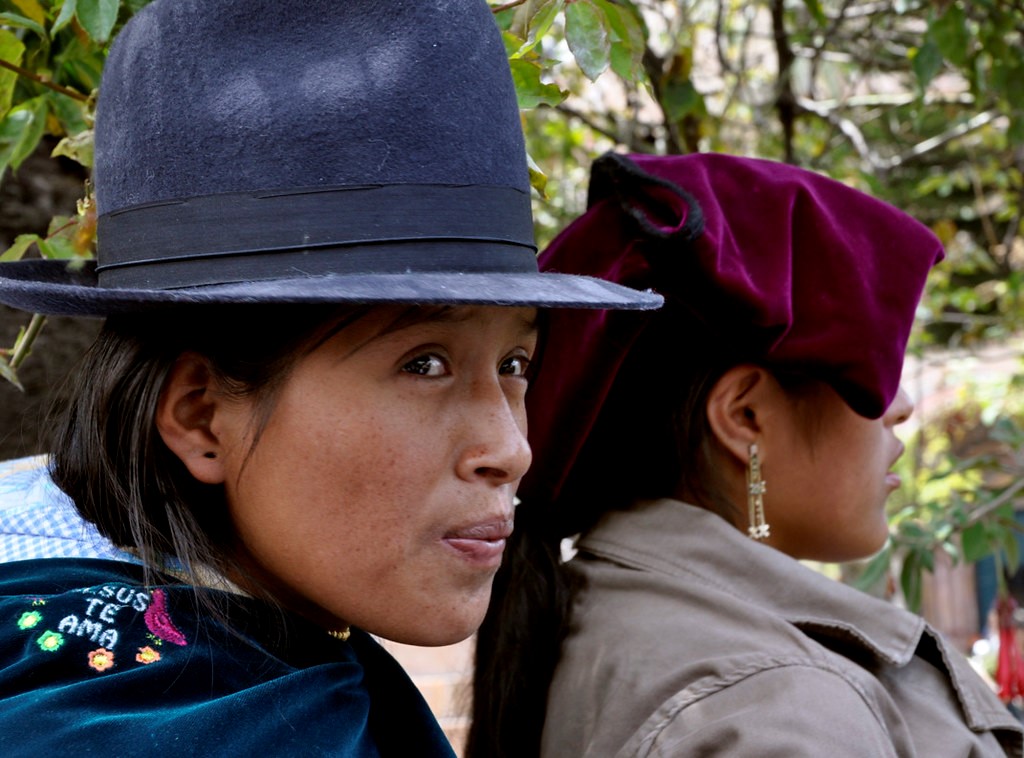
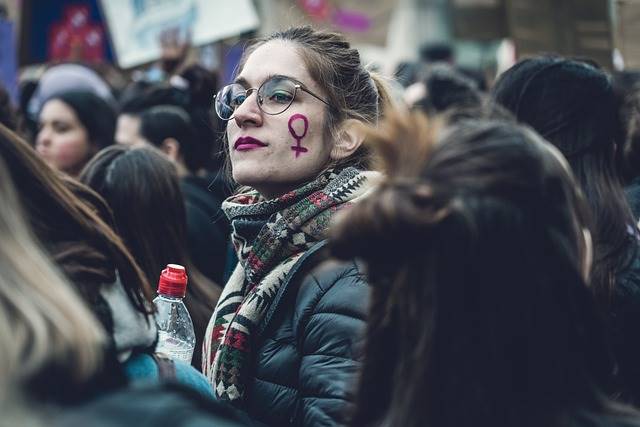 With the rise of women’s rights movements in recent years, French citizens have mobilized to address gender issues, especially the prevalence of femicide and domestic violence. France has made much progress in the realm of gender equality, including the establishment of policies and programs promoting women’s rights in France under the Macron administration. However, there is still much to be done to reach true equality and to end gender-based violence.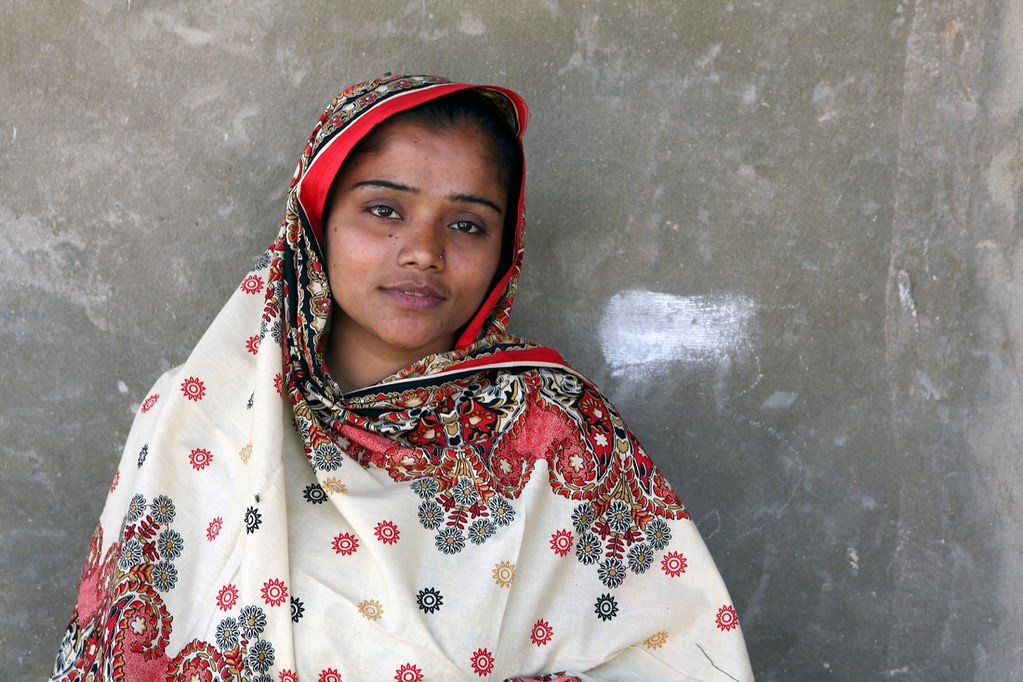
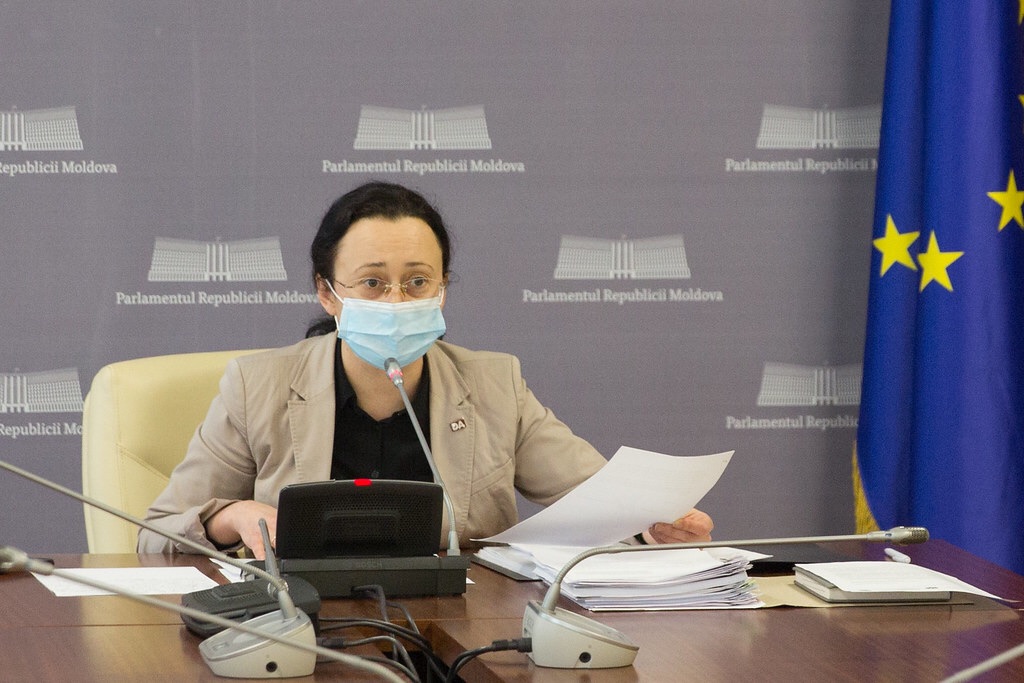
 The Human Rights Watch (HRW)
 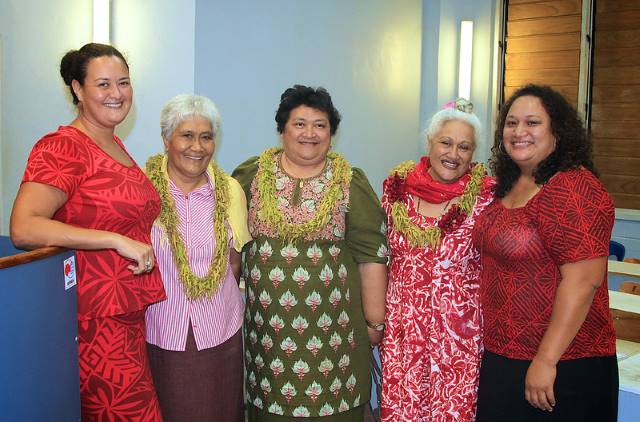 Samoa has had a long history of being considered a place where women’s rights have been hindered. Women’s voices in Samoa are often brushed aside when it comes to major issues such as domestic violence and politics. That being said, improvements on the basis of women’s rights in Samoa have occurred. U.N. Women has also worked to set up programs to support women’s equality in Samoa, which provides hope for the creation of more inclusive Samoan communities in the future.