• Link to X
  • Link to Facebook
  • Link to Instagram
  • Link to TikTok
  • Link to Youtube
  • About
    • About Us
      • President
      • Board of Directors
      • Board of Advisors
      • Financials
      • Our Methodology
      • Success Tracker
      • Contact
  • Act Now
    • 30 Ways to Help
      • Email Congress
      • Call Congress
      • Volunteer
      • Courses & Certificates
      • Be a Donor
    • Internships
      • In-Office Internships
      • Remote Internships
    • Legislation
      • Politics 101
  • The Blog
  • The Podcast
  • Magazine
  • Donate
  • Click to open the search input field Click to open the search input field Search
  • Menu Menu

Archive for category: USAID

Topics covering about USAID

Global Poverty, USAID

How US Aid in Ghana is Helping Address Food Insecurity

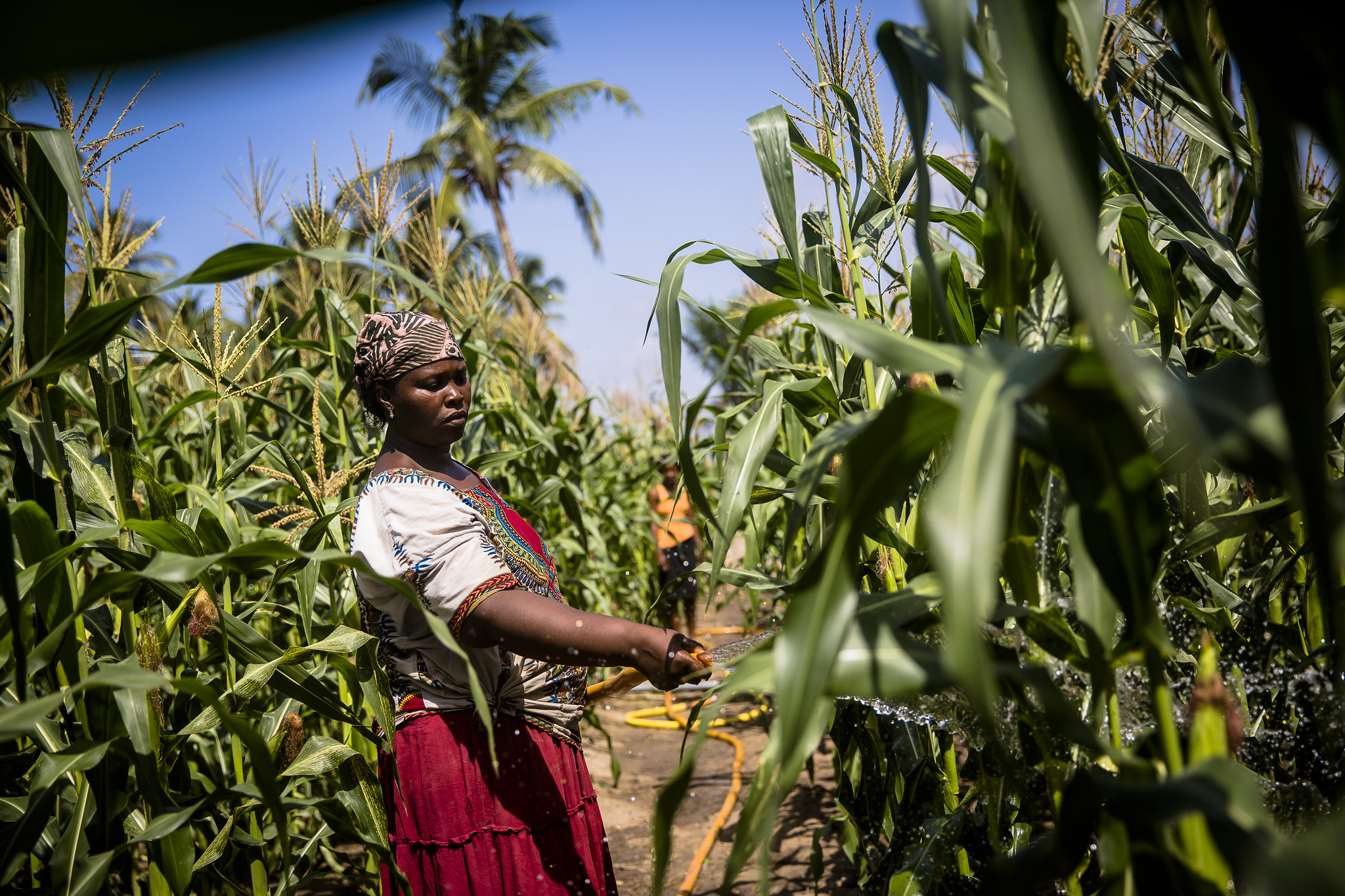
US Aid in GhanaU.S. foreign aid is helping farmers in Ghana produce more crops during the country’s lean season. These efforts and contributions are helping to address food insecurity and grow the agriculture-based economy. Here is how U.S. aid in Ghana is helping to create measurable results for the country’s farmers. 

Ghana’s Agricultural Industry

Agriculture remains a major source of income for much of the Ghanaian population. In Ghana’s northern region, 90% of families rely on agricultural production as a means of support. However, inefficiencies and a lack of investment in the industry have led to limited production of food. 

The programs outlined below seek to reduce poverty in Ghana through improving technology and trade for Ghanaian farmers. So far, U.S. aid in Ghana has shown to be effective and impactful.

USAID Initiative

In June of 2023, USAID announced a $7 million donation to help farmers continue producing food during the lean season. This project would provide funding to more than 17,000 farmers between June and August. 

In partnering with both the World Food Program and Ghana’s government, USAID aims to promote the country’s agriculture industry and enhance the livelihoods of farmers. Alongside this initiative, USAID is working to help Ghana accomplish self-sufficiency through agricultural means. 

Feed the Future

USAID’s Feed the Future initiative focuses on boosting economic activity and growth in Ghana, providing resources and investment into the country’s agriculture industry. Feed the Future also aims to combat malnutrition, promoting the physical development of both the country and its people. 

Several goals of Feed the Future include raising profits for small farmers, facilitating agricultural trade on a regional and international level and providing nutrition for Ghana’s vulnerable populations. So far, Feed the Future has been able to provide technology and resources for more than 798,000 farmers in Ghana. 

World Food Program USA

In partnering with local farmers, the World Food Program USA (WFP) works to improve the efficiency and availability of food production technology in Ghana. WFP’s operations in Ghana also help to increase accessibility for essential staple foods, such as soybeans and corn. 

Along with this, WFP is also helping to open doors for economic development through agricultural trade. The program has been able to provide financial support for small farmers in Ghana through private-sector companies.

USDA and Agromovil

USDA’s Foreign Agricultural Service helps Ghanaian farmers connect with local and international buyers and sellers. These efforts have boosted Ghana’s economy and improved the lives of small farmers within the country. 

In June of 2023, USDA announced a partnership that would help to break down trade barriers and facilitate economic activity for Ghanaian farmers: Collaboration with an app called Agromovil would allow farmers to enter into a wider range of local and international markets. 

The app connects farmers with potential buyers, creating countless opportunities for agricultural workers. Agromovil increases the visibility of small farmers and ensures the increased trade of agricultural products. So far, the app has generated more than $3.5 million in sales for its users.

Agromovil has also helped close the gap between male and female farmers, providing equal access and opportunity to all farmers in Ghana. More than half the app’s users are young or female, providing a platform for underrepresented, diverse populations. 

What’s Ahead?

Looking at the success of these programs, it is clear that U.S. aid in Ghana is helping to build a self-sufficient, agriculturally-driven economy by creating opportunities for small farmers. The impacts of these programs directly benefit Ghana’s population as a whole, addressing issues of poverty and food insecurity. With these initiatives and investments in the country’s most important sector, the future looks brighter for Ghana’s economic development. 

– Mary Burke
Photo: Flickr

August 23, 2023
https://borgenproject.org/wp-content/uploads/borgen-project-logo.svg 0 0 Lynsey Alexander https://borgenproject.org/wp-content/uploads/borgen-project-logo.svg Lynsey Alexander2023-08-23 07:30:572023-08-21 03:22:35How US Aid in Ghana is Helping Address Food Insecurity
USAID

The Importance of Sustainability in Palau

Sustainability in PalauForeign investment, tourism, agriculture and fishing all play an essential part in supporting the economy of Palau. These areas ensure that the employment and well-being of the Palauan people are maintained so that poverty and hunger decrease significantly. These economic drivers also play an important role in sustainability in Palau.
Marine Life

Marine life is vital to the island nation of Palau. It is its very heartbeat. The Palauan government has organizations in place, such as The Palau National Marine Sanctuary, established in 2015, which covers an expanse of 500,000 square kilometers of protected ocean area that prohibits actions such as fishing and any other commercial business.

Solutions

To thrive, Palauans also need to use their abundant resources. If overfishing and industrialism take over, it could be detrimental to the island nation, increasing hunger due to the depletion of resources. A few answers to this challenge are:

  • Palau collaborates with the U.S. Agency for International Development (USAID), which partners with The Pacific Community (PC) “to improve sustainable fisheries in Palau…” and collaborates with the organization OurFishOurFuture, established in 2021, which “addresses the social and ecological drivers of IUU (illegal, unreported and unregulated fishing) that are degrading coastal fisheries and biodiversity, as well as negatively impacting local livelihoods, food stability and maritime security.”
  • Generations of skilled fishermen practice “the local custom of bul,” which “temporarily closes certain areas to fishing in order to allow marine life to recover.” This is a necessary and crucial step to protecting Palau’s valuable resources and protecting its biodiversity for the future.
  • Businesses such as fish farms, where responsible fishing is encouraged.
  • Palau has partnered with the FAO to reduce hunger in Palau and promote sustainable farming.
  • Producing and trading certain crops, such as marijuana, which grows abundantly on the island.

The Promise to Move Forward Together

Palauans have a strong sense of identity and belonging and deep respect for the well-being of their island nation. The government of Palau now mandates that every single tourist who visits the beautiful archipelago have the Palau Pledge stamped proudly on their passports — a promise to take care of the island on their visit. It says, “Children of Palau, I take this pledge, as your guest, to preserve and protect your beautiful and unique island home. I vow to tread lightly, act kindly and explore mindfully. I shall not take what is not given. I shall not harm what does not harm me. The only footprints I shall leave are those that will wash away.”

– Matha Mathieu
Photo: Pixabay

July 30, 2023
https://borgenproject.org/wp-content/uploads/borgen-project-logo.svg 0 0 Kim Thelwell https://borgenproject.org/wp-content/uploads/borgen-project-logo.svg Kim Thelwell2023-07-30 01:30:362024-12-13 18:02:57The Importance of Sustainability in Palau
USAID

USAID Programs in El Salvador

USAID Programs in El SalvadorWith a population of only 6.3 million as of 2022, El Salvador is the smallest country in Central America. Despite this, it continues to face large economic problems, ranking as the second slowest economic growth rate in Central America.

Over the years, El Salvador has faced various fluctuations in economic stability. In 2020, the country’s Gross Domestic Product (GDP) dropped from 2.5% to -7.9%, a result of the COVID-19 pandemic’s adverse effects on job opportunities and poverty rates.

Even after the GDP stabilized in 2022, El Salvador continues to face fiscal sustainability issues, increasing extreme poverty rates from 0.38% to 0.39%.

USAID in El Salvador

The United States Agency for International Development (USAID) uses the Integrated Food Security Phase Classification (IPC) to analyze how critical a nation’s food insecurity is. Nations are classified from Phase 1 to Phase 5, where Phase 1 is minimal and Phase 5 is famine.

Before the end of 2022, heavy rainfall and flooding caused an extreme humanitarian crisis, impacting millions of people in Central America. This led to an increase in food insecurity, changing the rankings of El Salvador, Guatemala, and Honduras in an IPC Phase 3 Crisis or worse. 

With the assistance of programs from USAID, positive strides have been made to provide economic and humanitarian growth in El Salvador. These programs provide support for gender-based violence, children’s education and increase funding for humanitarian needs, especially in extreme crises. With natural disaster initiatives, USAID has contributed approximately $400 million to the rehabilitation and rebuilding of damaged infrastructures in El Salvador.

Economic Competitiveness Project

According to USAID, providing ample job opportunities through job creation and placement is vital to preventing irregular migration, boosting trade and offering educational support.

The Economic Competitiveness Project, a $47.8 million program, aims to provide micro, small and medium enterprises with support to economically grow their businesses through competitive “innovation and technological development.” This not only encourages businesses to grow intellectually but to boost trade and raise income. With more programs to increase employment opportunities and thus reduce poverty, the inclination to engage in crime is greatly reduced. 

Gloria de Kriete Foundation

USAID has also partnered with the Gloria de Kriete Foundation to provide $14.2 million to academically gifted children for increased access to educational support. This has been used to positively change more than 2,100 students’ lives via funding for scholarships, financial aid and other educational needs. With this partnership, young residents of El Salvador have become more prepared to pursue post-academic job opportunities.

Citizen Security

USAID programs in El Salvador also work to prevent violence by partnering with community organizations to establish after-school programs that educate and rehabilitate youth and provide them with a safe space to learn and grow. 

While El Salvador recorded high crime rates with 103 homicides per 100,000 residents in 2015, police efforts have caused rates to rapidly decrease by 56.8% due to a “widespread crackdown on gang violence” in 2022.

USAID programs, such as Citizen Security Project and NIDO: Building Safe Communities, work to deter children from crime. With $43 million in support, the Citizen Security Project offers after-school programs for past criminal offenders. This helps rehabilitate, educate and offer support for youth. The NIDO project partners with Glasswing International to integrate youth into after-school programs that help provide citizen security through various training exercises. 

These programs, along with the tireless efforts of the El Salvadorian government and police force, have resulted in a substantial decrease in homicide rates to 15 per 100,000 residents and an increased trust of security officials and policemen by 20%.

Humanitarian Assistance

El Salvadorans are at a 95.4% risk of natural disasters. USAID is now allocating $42.5 million to provide crisis support for El Salvador, Guatemala and Honduras during natural disasters. These funds also include assisting in the prevention of food insecurity through donating food and providing shelters for protection against violence.

Through this aid, millions of people in Central America can also receive assistance for the restoration of crops and other needs. Allocating funds has worked to aid in disaster relief for years. During Tropical Storms 12-E in 2011 and Amanda in May 2020 USAID workers provided countless hours of assistance for “temporary shelters, water, hygiene kits and temporary educational and recreational activities in shelters.”

Looking Toward the Future

USAID has worked to help the people in El Salvador for decades and has only increased its support since COVID-19.

With various USAID programs in El Salvador committed to growing safe, sustainable communities, the future continues to brighten. Economic growth continues to rise with the investment into young academic futures. Violent crime rates are plummeting. While there is still room for economic growth, USAID programs continue to make strides in fostering a brighter tomorrow for the people of El Salvador.

– Kristina Gaffney
Photo: Flickr

July 27, 2023
https://borgenproject.org/wp-content/uploads/borgen-project-logo.svg 0 0 Jennifer Philipp https://borgenproject.org/wp-content/uploads/borgen-project-logo.svg Jennifer Philipp2023-07-27 01:30:562023-07-24 16:34:03USAID Programs in El Salvador
USAID

USAID programs in Jamaica

USAID programs in JamaicaUSAID has been actively working in Jamaica since 1962 to alleviate poverty and support various initiatives aimed at benefiting communities. The following is a brief look into the significant impact of USAID programs in Jamaica, particularly in the areas of education, COVID-19 response and energy security.

Education

In 2014, USAID collaborated with the Government of Jamaica on a Government-to-Government scheme focused on improving literacy skills and reading comprehension among children. The project targeted 450 of Jamaica’s poorest-performing schools, with a strategic focus on regions facing high poverty and crime rates.

The ongoing ‘Positive Pathways’ project, running until 2025 with a budget of $15 million, plays a crucial role in providing essential opportunities for Jamaican children to make better choices in their early lives. Key components of the program include business training, career guidance and enhanced psychosocial support.

The scheme primarily targets children aged between 10-17, particularly those demonstrating behavioral issues, as they are at a higher risk of gang involvement and criminal activity. To address this, parenting interventions and conflict resolution training are prioritized to reduce children’s exposure to violence.

COVID-19 Response

Throughout the COVID-19 pandemic, USAID collaborated with the Pan-American Health Organization, Jamaica Aids Support for Life and various other partners to deliver crucial support in Jamaica.

More than $7 million was invested in funding vaccination efforts, ensuring food security and equipping hospitals with essential equipment. USAID provided 1,000 health care workers with protective gear and distributed care packages, including masks and sanitizers, to 1,500 of the most vulnerable individuals. Additionally, hospitals received extra beds to accommodate severe cases.

During the initial outbreak, immediate relief was provided to the most impoverished in Jamaica. More than 1,000 food and sanitation vouchers were distributed, alongside educational supplies such as book vouchers and laptops to facilitate online study.

In the second phase of assistance, which commenced in September 2021, USAID focused on strengthening Jamaica’s health care infrastructure. The efforts included enhancing logistics and digital information systems to ensure a more efficient vaccine rollout and a stronger response to future health crises.

Energy Security

In 2021, USAID partnered with the Cadmus Group to launch a $4 million alliance dedicated to boosting Jamaica’s energy sector. The initiative aimed to enhance the reliability of energy systems and reduce the risks of major energy loss during natural disasters.

Under the scheme, hundreds of local businesses will be provided with solar photovoltaic electricity systems, a method of energy generation that is renewable and can adapt easily to meet energy demands due to its modular structure.

As stated by USAID, “Damage to the energy system can lead to sudden increases in the price of fuel and reduce access to affordable electricity, including the country’s most vulnerable.”

About 96% of Jamaica’s population is at risk of multiple natural hazards including earthquakes and hurricanes. The alliance, with potential investment reaching $50 million from investors, aims to reduce the nation’s dependence on imported fuels, enhance solar energy generation and increase tourism. As Jamaica’s largest economic sector, improved energy security in the hospitality industry could foster sustained economic growth, create new job opportunities and provide hope to millions of vulnerable and impoverished individuals.

USAID’s unwavering commitment to Jamaica has significantly impacted the lives of the 12.6% of people below the poverty line, offering them a chance to achieve financial stability while safeguarding human rights. The organization’s efforts and achievements have instilled hope and contributed to building a better country for more than 300,000 Jamaicans.

– Oliver Rayner
Photo: Unsplash

July 26, 2023
https://borgenproject.org/wp-content/uploads/borgen-project-logo.svg 0 0 Kim Thelwell https://borgenproject.org/wp-content/uploads/borgen-project-logo.svg Kim Thelwell2023-07-26 07:30:202023-07-24 03:37:55USAID programs in Jamaica
Global Poverty, USAID

USAID Programs in Indonesia

USAID Programs in IndonesiaUSAID’s enduring partnership with Indonesia, established in 1950, encompasses a wide range of initiatives, from cocoa and coffee bean production to digital training sessions. The Government of Indonesia (GOI) has identified four priority areas for USAID’s support, which are “effective democratic governance strengthened,” “inclusive economic growth increased,” “environmental sustainability improved,” and “priority health outcomes improved.” Through three recent USAID programs in Indonesia, both nations reaffirm their dedication to these objectives as they strive towards self-reliance in the Indo-Pacific region.

Strengthening Democracy

Among the USAID programs in Indonesia that aim to strengthen their democracy, is the Indonesia Civil Society Forum (ICSF). In 2023, the fourth annual ICSF ran from June 14 through June 15. The USAID-MADANI Project, a project that spans 32 Indonesian districts and cities and strives to keep the government accountable and bolster civil service organizations (CSOs), primarily organized the forum. The importance of CSOs and citizen involvement to maintain a thriving democracy cannot be understated as democracy positively impacts poverty. According to the World Bank, 9.5% of the Indonesian population lived under the national poverty line in March 2022.

While citizen support for Indonesia’s democratic government remains strong, it is not immune to challenges such as increasing social intolerance regarding religion or politics, misinformation and the changing role of CSOs. ICSF allows Indonesia’s civil society leaders to convene and discuss how to tackle these issues. The forum was especially relevant this year with the impending 2024 presidential election.

Coffee and Sustainability

In line with Indonesia’s goals of economic growth and improving environmental sustainability, USAID launched the Landscape Approach to Sustainable and Climate Change Resilient Cocoa and Coffee Agroforestry (LASCARCOCO). The initiative is in partnership with Olam Food Ingredients (OFI), Rikolto, Hershey’s and the Indonesian government. It involves a $8.2 million investment in Indonesia’s coca and coffee industry and the training of 6,500 farmers in North Sumatra, South Sulawesi and East Nusa Tenggara; districts where coca and coffee production has been on a sharp decline due to climate change.

Farmers will receive training in sustainable agroforestry, a technique where other income-generating crops are integrated with cocoa and coffee plants.

In 2021, Indonesia was the world’s 13th largest exporter of cocoa beans, which means several countries are dependent on them for exports. The country exported $72.9 million in cocoa beans in 2021, with central markets in Malaysia, Singapore, the Philippines and Japan. The U.S. continues to make up its largest export market. The citizens of Indonesia are also heavily reliant on the coffee and cocoa market; 1 million farm households in Indonesia rely on coca farming to support their families and make a living.

Unfortunately, a lack of farmland, a shortage of reliable infrastructure and extreme weather conditions have driven up the cost of coffee production. Production could decline by 18% in the 2023-2024 market year, while exports could decline by 33%.

LASCARCOCO will increase production, build economic sustainability, support farmers’ livelihoods and meet demands in the international market. One U.S.-based company that will benefit from this initiative is Hershey’s, which will purchase cocoa butter from Indonesia for its own chocolate production.

Digital Access

TALENTA is another one of the USAID programs in Indonesia that positively benefits poverty and the economy. The program will focus on building Indonesia’s digital capabilities and economy through TALENTA. Organizations involved in the initiative are Amazon Web Services and Elitery, an IT management company located in South Jakarta, Indonesia.

TALENTA’s collective goal is to equip 60,000 graduates from 20 different universities with the skills necessary for this changing workforce, especially with Cloud technology. The initiative also aims to establish 100 startups, all of which will strengthen Indonesia’s economy.

Indonesia’s digital economy has been on the rise since 2017 and it could increase by 62% in the 2021-2025 period and will continue growing well into 2030. The expansion of their digital sector has the potential to contribute 4,434 trillion in rupiahs to Indonesia’s GDP by 2030, which is also why the GOI has been encouraging digital literacy among younger generations.

– Jianna Choi
Photo: Unsplash

July 22, 2023
https://borgenproject.org/wp-content/uploads/borgen-project-logo.svg 0 0 Kim Thelwell https://borgenproject.org/wp-content/uploads/borgen-project-logo.svg Kim Thelwell2023-07-22 07:30:132023-07-20 02:31:08USAID Programs in Indonesia
Global Poverty, USAID

How Aid to Pakistan Could Serve US Interests

Aid to PakistanPakistan currently faces severe economic challenges, including low foreign reserves, a depreciating currency and high inflation of 38% as of June 2023. These issues have significant implications for poverty in the country. Aid to Pakistan has played a crucial role in addressing these economic difficulties and reducing poverty in the past. According to a congressional research service report from last month, Pakistan is experiencing a “[poly-crisis]” that encompasses politics, economy and security. These economic challenges not only hinder Pakistan’s development but also contribute to deepening poverty levels.
US Aid and its Impact on Poverty Alleviation in Pakistan

Historically, U.S. aid has alleviated poverty in Pakistan through various sectors such as health care, infrastructure development and agriculture. For instance, U.S. economic assistance in the 1960s supported the implementation of the “Green Revolution,” leading to higher-yielding varieties of crops like wheat and rice and improved agricultural productivity. This aid contributed to increased agricultural productivity, improved livelihoods and a subsequent reduction in poverty. GDP rate increased to 10.4 in 1965.

From 2002-2010, the U.S. provided significant financial assistance to Pakistan, primarily addressing terrorist threats and security concerns. This aid not only contributes to poverty reduction but also helps create jobs, stimulate economic growth and alleviate food insecurity.

Between 2001 and 2018, the poverty rate in Pakistan saw a significant decline, with more than 47 million Pakistanis lifting themselves out of poverty due to the expansion of off-farm economic opportunities and increased remittances. Aid to Pakistan has been a key driver of this positive change, contributing to poverty reduction and sustainable development. By increasing aid to Pakistan, the U.S. can fulfill its humanitarian obligations while also assisting in alleviating the deepening crisis within the country by fulfilling its commitment to goal 1 of U.N. SDGs like ‘Zero Poverty.’

The Borgen Project sought the expertise of Dr. Farhat Asif, an international affairs expert and founder of the Institute of Peace and Diplomatic Studies (IPDS), Islamabad. Dr. Asif highlighted how supporting an economically stable Pakistan aligns with U.S. foreign policy interests, particularly in terms of poverty alleviation and humanitarian commitments.

Supporting Pakistan aligns with American values of promoting economies on the brink of default and fostering democratic communities. Aid contributes to improving well-being, reducing poverty and enhancing access to health care, education and basic services.

Counter-Terrorism

One significant aspect Dr. Asif mentioned is that economic stability enables Pakistan to invest in modernizing its security infrastructure, enhancing intelligence capabilities and improving counter-terrorism capabilities. This not only counters extremist groups operating within Pakistan but also ensures regional stability. Counter-terrorism is a mutual interest between the U.S. and Pakistan and sustained U.S. support becomes crucial, especially when Pakistan lacks the financial stability to fund new security projects. A prosperous Pakistan indirectly helps the U.S. achieve its counter-terrorism goals and provides a secure environment for businesses.

Increase in FDI

A thriving economy fosters a safe business environment and attracts foreign direct investment (FDI). As per Dr Farhat, ‘’As Pakistan’s economic stability improves, it becomes an increasingly attractive market for U.S. businesses seeking to invest, benefiting both countries. FDI not only improves bilateral trade but also leads to job creation and contributes to poverty reduction. Aid plays a vital role in revitalizing economic stability and bringing certainty to the market.’’

Regional Stability

The stability of Pakistan is crucial for regional security, considering its location in a volatile region with borders shared by Afghanistan, Iran and India. Instability within Pakistan could have spillover effects on neighboring countries and negatively impact regional security. By promoting economic stability through aid, internal conflicts can be reduced, peace can be fostered and overall regional stability can be achieved. Dr. Farhat explained that this is a significant concern for the U.S., as a stable Pakistan reduces the risk of conflicts escalating, provides a favorable environment for diplomatic engagement and negotiations and helps the U.S. address terrorism proliferation and critical regional issues such as border-fencing and the Afghan peace process.

Moral Imperative

Additionally, supporting Pakistan aligns with American liberal values of supporting economies on the brink of default and fostering democratic communities of peaceful coexistence. Aid can help stabilize and strengthen Pakistan’s economy, improving the well-being of its people, reducing poverty and enhancing access to health care, education and basic services. Aid becomes a moral imperative to assist Pakistan, considering its status as a foremost victim of terrorism. Supporting Pakistan’s development aligns with the United States’ commitment to SDGs like zero poverty.

History of US Aid to Pakistan

Throughout history, the U.S. has provided significant financial and military aid to Pakistan. The Kerry-Lugar-Berman Act passed in 2009 aimed to provide a long-term, civilian-focused assistance package of $7.5 billion to Pakistan, supporting economic development, education, health care and governance reforms. While security assistance was suspended in 2018 due to concerns, recent years have seen renewed engagement and assistance between the U.S. and Pakistan, particularly in economic cooperation, energy projects and education through organizations like USIP and USAID.

Notably, recent USAID programs like the Pakistan Reading Project (PRP), the Pakistan Agricultural Technology Transfer Activity (PATTA) and the Pakistan Regional Economic Integration Activity (PREIA) have aimed to improve education, agricultural productivity and trade competitiveness, respectively, contributing to Pakistan’s economic growth and stability.

The PRP, worth 164.7 million dollars was initiated in 2013 and ending in 2023, aims to improve the reading skills of 1.3 million children in grades one and two across Pakistan. It also supports teacher training, curriculum development, community engagement and policy reform to enhance the quality of early-grade education.

The PATTA program, an 8.2 million dollar project which started in 2017 and ended in 2021, aimed to increase smallholder farmers’ access to affordable, appropriate and effective agricultural technologies that could boost productivity and incomes. It also facilitated partnerships between local technology manufacturers, distributors and service providers to create a sustainable market for agricultural innovations. It helped 147,910 small farmers to adopt new technologies.

In addition, the PREIA program, implemented from 2015 to 2020, focused on enhancing Pakistan’s trade competitiveness and integration into regional and international markets. It supported policy reforms, trade facilitation, private sector engagement and women’s economic empowerment to foster economic growth and stability.

Lastly, since the 1950s through USAID to Pakistan, the Fulbright program, initiated in the 1950s, continues to offer fully funded opportunities for unprivileged Pakistani students to study in the U.S. The program has created a network of around 37,000 Fulbright Alumni working in various sectors in Pakistan.

Way Forward

Overall, aid to Pakistan plays a vital role in addressing economic challenges, reducing poverty and promoting sustainable development. By increasing aid, the U.S. can fulfill its humanitarian obligations, contribute to poverty alleviation and potentially advance its own strategic interests related to counter-terrorism, regional stability and promoting democratic values. The continued support of the U.S. through aid programs is crucial in helping Pakistan overcome its economic challenges, stimulate growth and improve the well-being of its people. 

– Sarmad Wali Khan
Photo: Unsplash

July 21, 2023
https://borgenproject.org/wp-content/uploads/borgen-project-logo.svg 0 0 Kim Thelwell https://borgenproject.org/wp-content/uploads/borgen-project-logo.svg Kim Thelwell2023-07-21 07:30:182023-07-19 03:33:37How Aid to Pakistan Could Serve US Interests
Global Poverty, USAID

USAID Programs Pave Pathways in Jordan 

USAID Programs in JordanThe United States Agency for International Development (USAID), an influential government organization with a global presence, aims to transform the trajectory of development in developing nations. USAID, with the help of the private sector and local communities, identifies where assistance is needed the most and how to make the proper investments to solve problem areas. Since 1949, USAID has worked closely with Jordan to implement various programs that align with the goal of foreign aid and development. As of 2023, USAID continues to implement programs in Jordan, focusing on areas such as gender equality, environmental sustainability and education, to bring about positive changes.

USAID Makanati – Women’s Economic Empowerment and Leadership Activity

In November 2021, EnCompass Inc. a woman-owned business partnered with USAID to implement the Makanati Program, which focuses on addressing the gender gaps women face in the labor force. Unemployment has been a problem in Jordan for some time but has skyrocketed since the coronavirus pandemic at 20-25% over the last three years. Women are disproportionately impacted with a 30% unemployment rate and 14.2% labor force participation rate, according to the World Bank. Increasing female involvement in the workforce would drastically shift the unemployment rate and improve household incomes, boost economic growth and produce a more inclusive and stable workforce. This is exactly what the Makanati Program is for.

Makanati is a $30 million, five-year project with the primary goal of creating opportunities for women in the workforce. Through the right research, campaigns and interventions, it plans on improving workplace environments and employment policies so that they are inclusive of women. Makanati is taking the approach of solving root issues that prevent women from joining the workforce in the first place. Some of the restrictions women deal with include childcare and transportation or lack thereof. Given this concern, the program intends to explore alternatives to childcare and transportation modes that would give women the flexibility they need. Over the course of the next few years, as a USAID program in Jordan, Makanati hopes to create a domino effect for women as it overcomes these root issues so that it leads to overall economic empowerment for not just Jordan itself, but for the women of Jordan.

USAID Water Management Initiative – Water Efficiency and Conservation Activity

Jordan is the second most water-scarce country in the world. USAID has implemented several programs to address these issues in hopes that with the proper engineering and planning, water can be conserved and more abundant. To put it in perspective, Jordan’s annual water availability in 2012 was 145m3 and 10 years later it is less than 100m3. With significant population growth combined with water scarcity, only two-thirds of the population’s water demands are being met. While changing weather patterns play a role in the disappearing water levels, much of the cause comes from poor infrastructure including supply systems, broken piping and the lack of conservation strategies. USAID is determined to address the issues of water scarcity with the help of Tetra Tech, a consulting and engineering services firm through the Water Management Initiative (WMI).

The WMI is a $35 million five-year initiative that focuses on four key areas; water supply systems, water conservation and demand management, water sector governance and protection of water supply. Tetra Tech is taking a realistic approach in order to create long-term solutions that will provide the country with sustainable water sources. It is hoping to achieve this by partnering with the Jordanian government, Jordan’s water utility services (Yarmouk Water Company) and the private sector. By addressing the problems first and then creating solutions, these long-term goals can be achieved. As an engineering services firm, they are developing the proper framework to improve water conservation and quality management. Gradually, this program will help change the trajectory of Jordan’s resources and assist in meeting the basic need for water accessibility for the people of Jordan, including their large refugee population.

Final Thoughts

Manakati and The Water Management Initiative are simply two examples of the focus USAID programs in Jordan have on ensuring local concerns are met and root problems are identified and solved. Development is not simply applying a bandage to a deep wound; it involves thoroughly cleaning the wound, dressing it properly and providing the appropriate medication. Over the next few years, these programs intend to build a better future for Jordanians and the country as a whole.

– Sarina Qureshi
Photo: Flickr

July 11, 2023
https://borgenproject.org/wp-content/uploads/borgen-project-logo.svg 0 0 Jennifer Philipp https://borgenproject.org/wp-content/uploads/borgen-project-logo.svg Jennifer Philipp2023-07-11 01:30:512024-05-30 22:31:13USAID Programs Pave Pathways in Jordan 
Global Poverty, USAID

The Threat Of Famine In Yemen Is Imminent

The Threat Of Famine In YemenYemen is currently facing one of the world’s worst humanitarian crises, exacerbated by eight years of civil war since 2015. There is a struggle with economic instability, high unemployment, civil unrest and the threat of famine in Yemen. According to the World Food Programme (WFP), approximately 17 million Yemenis are experiencing food insecurity, with 3.5 million pregnant/breastfeeding women and children under 5 suffering from malnutrition. Oxfam reports a surge of nearly 11 million Yemenis facing food insecurity in the past four years, totaling around 20 million people.

During the civil war in 2017, Yemen’s ports were blocked due to military conflict, severely limiting the supply of food and medicine. This blockade worsened the humanitarian crisis, leaving millions of Yemenis facing food insecurity and limited access to health care. The outbreak of COVID-19 in 2020 further compounded the hunger crisis and deteriorated health conditions. The war in Ukraine has also contributed to the spread of the epidemic in Yemen, with additional restrictions on grain supplies.

The threat of famine in Yemen puts breastfeeding mothers and children at significant risk of malnutrition and death. The recent devaluation of Yemen’s currency, the Riyal, coupled with rising prices of food and services, has made it even more challenging for families to afford adequate nourishment and health care. Access to medical care for treating malnutrition and other illnesses has become difficult due to escalating health care costs.

Ongoing Efforts

United States Agency for International Development (USAID), in partnership with the U.S. Foreign Disaster Assistance and Food for Peace, supports Yemen with humanitarian aid. The organization has also partnered with the Republic of Yemen Government (ROYG) to provide proper medical treatments and strengthen health care services. In addition to humanitarian assistance, USAID launched development assistance to Yemen in 2017. USAID emphasizes long-term development efforts such as education, infrastructure, economic growth and good governance to build resilience. Potentially, these efforts can help create a more stable and sustainable society where people can protect themselves from crises.

WFP has been working hard to alleviate the impact of famine in Yemen since 2015. The organization provided humanitarian aid to 15.3 million people in 2022 and raised $251.8 million in 2023. Fertilizers and farming equipment are provided to farmers to increase crop production. A total of 23,500 school students are fed every day in 2,173 schools.

As part of Yemen’s food assistance program, the WFP shipped 176,000 tons of food to the country through Oregon’s ships in 2018. Due to Yemen’s reliance on imported food, the WFP is setting up mobile cranes to speed up import unloading. Nearly 13 million people currently receive food assistance from WFP through vouchers and cash transfers. More than 254,000 tons of food were distributed by vouchers and nearly 934,794 tons of food were shipped in shipping containers by the organization in 2021.

Oxfam, another NGO, has assisted more than 3 million people with basic food needs and economic rehabilitation since July 2015, in addition to providing clean water, constructing sanitation facilities and providing hygiene kits.

Looking Ahead

David Gressly, Resident and Humanitarian Coordinator for Yemen highlights the urgent need to act swiftly and sustain an integrated humanitarian response that addresses food and nutrition, clean water, basic health care, protection and other essential needs for millions of people. Famine and economic instability remain significant challenges in Yemen, but initiatives led by organizations like USAID, WFP and Oxfam offer hope through their humanitarian and development assistance, benefiting millions of Yemenis with necessities such as food, clean water, primary health care and protection.

– Simran Raghav
Photo: Flickr

June 22, 2023
https://borgenproject.org/wp-content/uploads/borgen-project-logo.svg 0 0 Jennifer Philipp https://borgenproject.org/wp-content/uploads/borgen-project-logo.svg Jennifer Philipp2023-06-22 01:30:062023-06-19 05:25:45The Threat Of Famine In Yemen Is Imminent
Global Poverty, USAID

Recent USAID Successes

USAID SuccessesThe United States Agency for International Development (USAID) is the nation’s premier agency for delivering foreign aid. Its website says its mission is to promote “efforts to save lives, reduce poverty, strengthen democratic governance and help people progress beyond assistance.” Although it is based in the United States (U.S.), the agency operates all around the world, providing humanitarian aid. As an organization that has been around for more than 60 years, it has involved itself in various undertakings and acts of service. The following are some recent USAID successes.

COVID-19 Pandemic

Due to the impact of the recent COVID-19 pandemic, people all over the world, especially those who live in poverty require assistance. The organization recognizes this, with one of the prominent recent USAID successes on its website being its COVID-19 response. The organization provided more than $10.6 billion in efforts to make the U.S. a global leader in the fight against the Coronavirus. After vaccines were released, the country also aimed to make a difference there. To that end, the organization distributed more than 682 million vaccines to 116 countries. This success was built on previous work. For example, in the U.S., it was the domestic American Rescue Plan that was put in place to deal with the pandemic. In fact, USAID had been dealing with pandemics for years, from Ebola to malaria.

Crisis in Sudan

In more recent news, USAID has been closely monitoring the ongoing political crisis in Sudan. The organization highlighted issues such as the continuing food crisis, lack of medical care and gender-based violence. Already the biggest provider of foreign aid to Sudan, the U.S. worked with USAID alongside other international partners to coordinate its response. In April 2023, USAID administrator Samantha Power announced that a Disaster Assistance Response Team (DART) was set up in Kenya, as well as a Response Management Team in Washington D.C. Operatives on the ground are providing food, water and maternal health care.

Earthquakes in Haiti

In 2021, a massive 7.2 earthquake struck Haiti, killing 2,200 people and leaving 600,000 in need of assistance. Responding swiftly, USAID mobilized a response team on the day of the earthquake. Despite the unpredictability of earthquakes, Haiti’s 2010 earthquake prepared the team for the worst possible outcomes. Search and Rescue workers were able to do immediate work assessing the damage. USAID led the way in international efforts to provide aid. One year later, it provided nearly $60 million in humanitarian assistance for people in the worst affected areas.

The War in Ukraine

During wartime, there is a need for people to stay connected, not just with loved ones, but with fellow citizens. Apart from USAID offering humanitarian aid, it is also working with contemporary social media. In 2020, Ukraine launched the Diia app, which gives ordinary citizens more of a voice in their government and promotes their businesses. The organization provided additional funding to improve the app and expand its services during the war. This turned out to be even more necessary after the Russian invasion, where Diia helped with sharing information about airstrikes.

USAID also credited the app, noting that half of Ukraine’s adult population has downloaded it. Ukraine would like to expand the app to countries in the global south, and Moldova has shown an interest. This is still a new program, with only $650,000 set aside to promote its development thus far. But based on the trends in Ukraine, it could do great things in politically unstable countries in the future.

Fighting Hardship

These recent USAID successes show the scope of the agency’s work in fighting hardship across the world. It works with many global organizations to deliver help to countries that are less fortunate. From its robust response to the COVID-19 pandemic, including vaccine distribution, to its swift assistance in crisis-stricken regions like Sudan and Haiti, USAID has demonstrated its commitment to saving lives and alleviating suffering. Additionally, its support for innovative initiatives like the Diia app in Ukraine showcases the agency’s dedication to fostering connectivity, empowerment and progress in politically unstable regions.

– Josh Sobchak
Photo: Flickr

June 17, 2023
https://borgenproject.org/wp-content/uploads/borgen-project-logo.svg 0 0 Jennifer Philipp https://borgenproject.org/wp-content/uploads/borgen-project-logo.svg Jennifer Philipp2023-06-17 01:30:312023-06-14 04:26:31Recent USAID Successes
Global Poverty, USAID

USAID’s Support of the Cambodian Fish Industry

The Cambodian Fish Industry
The Cambodian fish industry is vital to the nation’s food security and economy. Recent support that USAID provided has bolstered the skills, knowledge and resources of those engaged in the fish market. This action provides positive assistance to strengthen a vital system within an impoverished country.

The Importance of the Cambodian Fish Industry

Cambodia depends on the strength of its fishing industry, both for the economy and for the nourishment of the general population. It is estimated that its fisheries produce around 2.1 million tonnes of fish per year. According to Open Development Cambodia, “The country holds two world records: the highest catch of inland fisheries per capita and the highest consumption of freshwater fish per capita.” Since seafood is so ingrained in Cambodian society, growths within this field have the ability to reduce poverty and raise the quality of living for inhabitants. As of 2019, 17.8% of the population lived below the poverty line. Two separate projects that USAID produced are fostering positive growth within the Cambodian fishing industry, showing promising implications for future success.

New Fishway Development

The first of these projects reached completion on August 24, 2022. USAID funded the creation of two new fishways to increase accessibility to fishing in the Pursat Province. Prior to the official construction of the new fishways, two demonstrative fish passes were constructed in 2019 and 2021 to act as proof of concept. Because the passes correctly showed the possible impact of the final plan, USAID moved forward with the project shortly after.

These new routes will allow fish to avoid irrigation structures and travel upstream, touching communities in otherwise unreachable areas. USAID states that “These fishways also demonstrate that small-scale fish passes are a feasible, relatively inexpensive solution to the problem of declining fish stocks,” which provides a sense of optimism for future use of similar ventures. The new fishways will allow growth within the crucial Cambodian fish industry.

Nutritional Information Database

Feed the Future, the U.S. Government’s Global Hunger and Food Security Initiative, is another USAID program. A Cambodian researcher by the name of Chakriya Chum has been collecting fish samples across the country for more than a year, for the sole purpose of creating a nutritional database focused on the fishing industry. Feed the Future has supported her work in the hopes of spreading dietary knowledge across Columbia.

Because the population is so highly reliant on fish, it is important for citizens to understand the differences between each type. Chum stated that “Knowledge and research [generated with and] transferred to the community will improve health, fish processing and their livelihood.” The database includes information about best practices for preservation, which will hopefully increase national food security. In addition to the general population, policymakers and farmers can utilize this information to help them create more productive practices.

Both USAID projects provide support for the Cambodian fish industry, an important factor in national food security and economic matters. In the coming years, these programs may be able to expand to neighboring areas and expand in size to create greater change on an international level.

– Hailey Dooley
Photo: Flickr

January 28, 2023
https://borgenproject.org/wp-content/uploads/borgen-project-logo.svg 0 0 Jennifer Philipp https://borgenproject.org/wp-content/uploads/borgen-project-logo.svg Jennifer Philipp2023-01-28 01:30:162023-01-25 09:16:37USAID’s Support of the Cambodian Fish Industry
Page 6 of 33«‹45678›»

Get Smarter

  • Global Poverty 101
  • Global Poverty… The Good News
  • Global Poverty & U.S. Jobs
  • Global Poverty and National Security
  • Innovative Solutions to Poverty
  • Global Poverty & Aid FAQ’s
Search Search

Take Action

  • Call Congress
  • Email Congress
  • Donate
  • 30 Ways to Help
  • Volunteer Ops
  • Internships
  • Courses & Certificates
  • The Podcast
Borgen Project

“The Borgen Project is an incredible nonprofit organization that is addressing poverty and hunger and working towards ending them.”

-The Huffington Post

Inside The Borgen Project

  • Contact
  • About
  • Financials
  • President
  • Board of Directors
  • Board of Advisors

International Links

  • UK Email Parliament
  • UK Donate
  • Canada Email Parliament

Get Smarter

  • Global Poverty 101
  • Global Poverty… The Good News
  • Global Poverty & U.S. Jobs
  • Global Poverty and National Security
  • Innovative Solutions to Poverty
  • Global Poverty & Aid FAQ’s

Ways to Help

  • Call Congress
  • Email Congress
  • Donate
  • 30 Ways to Help
  • Volunteer Ops
  • Internships
  • Courses & Certificates
  • The Podcast
Scroll to top Scroll to top Scroll to top