USAID Programs in Bangladesh
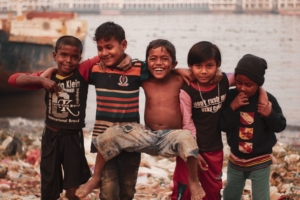 USAID is a relief system that serves to improve international development. It aims to provide multifaceted foreign aid to help foster social, economic and political empowerment. USAID and Bangladesh have a unique relationship as the United States (U.S.) and Bangladesh have maintained a strong friendship since Bangladesh’s independence in 1971.
Challenges in Bangladesh
Bangladesh, with a population surpassing 173.5 million, faces significant poverty challenges, with 18.7% living below the poverty line. This economic hardship hampers access to essential components of a healthy life, such as food, clean water, health care and education.
A staggering 40 million people in Bangladesh grapple with food insecurity, exacerbated by recurrent climate disasters disrupting agriculture—a sector vital for the country’s economic stability. The destruction of food crops further strains its economic resilience.
Accessing health care proves challenging, particularly for those in poverty and rural areas. Existing health programs are costly and inadequately equipped for efficient and effective care delivery.
Education is a notable hurdle for Bangladesh’s impoverished. A substantial 57% of Bangladeshi children lack proficient literacy skills, posing a barrier to their future social and occupational prospects. Moreover, educational institutions receive funding more than 70% lower than that of lower-middle-income countries. Addressing these multifaceted challenges is imperative for fostering a more sustainable and equitable future in Bangladesh.
USAID’s Commitment
USAID’s programs in Bangladesh stand out as the largest in Asia, addressing multifaceted challenges like food insecurity, health disparities, educational gaps and political instability. With a commitment to fostering a robust partnership, the organization has set ambitious targets to elevate Bangladesh to an upper-middle-income status by 2023.
Consistently, USAID has played a pivotal role in promoting the growth and well-being of Bangladesh. Notably, it has swiftly responded to crises, providing emergency food and nutrition assistance to more than 900,000 individuals. In 2023, the organization responded promptly to Tropical Cyclone Mocha, contributing $250,000 to Bangladeshi disaster relief efforts, including support for the Bangladesh Red Crescent Society. This aid proved instrumental in assisting thousands affected by the cyclone.
Agriculture and Food Security
Agriculture is vital to Bangladesh’s economy. Collaborating with the Government of Bangladesh, USAID has initiated programs to enhance access to diverse and nutritious food for the people. The focus is on developing climate-smart agriculture, ensuring resilience to climate disasters while being sustainable for local farmers. As of 2023, USAID has invested $35 million in climate-smart agriculture. Additionally, USAID provides assistance and training in food policy and digital agriculture, benefiting both smallholder farmers and larger agricultural initiatives. This investment fosters economic growth through improved supply chains, positively impacting food security in Bangladesh.
Disaster Response
Bangladesh experiences bouts of severe climate every year. It is low-lying and flat, leaving it susceptible to floods, tsunamis, cyclones, droughts, earthquakes, fire and more. USAID programs in Bangladesh specifically target disaster reduction as a strategy to strengthen the infrastructure that maintains balance and reduces environmental shocks.
Bangladesh’s poor are often more severely affected by severe weather as they lose already limited access to potable water and basic hygiene equipment. USAID designates funds and assistance programs that supply hygiene/sanitation equipment as well as disaster-resistant structures that open new jobs and livelihoods for poor communities. Supporting the livelihoods and structural integrity of Bangladesh enhances the Bangladeshi people’s ability to withstand the environmental hardships of disaster.
Health
Health care in Bangladesh requires heavy sums out-of-pocket at costs that those in poverty can rarely afford and approximately 68.5% of Bangladeshi people must pay their medical fees without assistance. An estimated half of Bangladesh’s deaths are from non-communicable diseases that require a sustained treatment effort, meaning cost poses a major barrier to health care access.
USAID Assistance with Bangladesh Health Care
USAID invests in enhancing existing health systems in Bangladesh through supplying advanced medical equipment and treatment assistance, aiming to lower costs and increase accessibility to medical facilities. The organization continued to support Bangladesh throughout the outbreak of COVID-19, extending tests, treatments, vaccinations and general education to limit the unrest the pandemic inflicted on the already struggling country.
Education
In Bangladesh, there are challenges with the quality and accessibility of education. The country’s 58 million children face issues that could impact Bangladesh’s future workforce. Only 64% of children attend secondary school, affecting job opportunities.
To address these concerns, USAID has implemented programs in Bangladesh. The focus is on improving access and quality of education, especially at the secondary and higher levels. The goal is to underscore the significance of education for societal well-being. Additionally, USAID aims to create comprehensive youth programs. These initiatives seek to promote diversity in schools by representing various economic, social and personal identities. On the bright side, this approach enhances youths’ capacity to cope with challenges effectively.
Moving Forward
Bangladesh has made substantial progress in reducing poverty, with the rate dropping from 41.5% in 2006 to 18.7% in 2022. Prime Minister Sheikh Hasina emphasizes this positive trend, noting a significant decrease in extreme poverty rates from 25.1% to 5.6% during the same period.
USAID plays a vital role in supporting Bangladesh’s journey out of poverty. Through initiatives focusing on disaster resilience, enhanced education quality, health training and more, USAID’s ongoing programs contribute to the continuous strengthening of efforts aimed at poverty relief.
–Eden Ambrovich
Photo: Unsplash
