Updates on SDG Goal 8 in Spain
The Sustainable Development Goals (SDGs) are a set of 17 objectives that the United Nations created to measure a country’s progress in the journey towards sustainability. The focus of SDG Goal 8 is economic growth and quality jobs. By creating decent jobs, a country can significantly improve the living standards of its citizens. The COVID-19 pandemic has slowed the positive progression of this goal for many countries. Meanwhile, the countries that were falling behind in economic growth before COVID-19 hit are even farther from their objectives now. This article will focus on providing updates on SDG goal 8 in Spain.

6 Indicators of How a Country has Progressed Toward SDG Goal 8

These are the six indicators of a country’s progress toward SDG Goal 8:

  1. “Adjusted GDP Growth
  2. Victims of modern slavery
  3. Adults with a bank account
  4. Work-related accidents associated with imports
  5. Employment-to-population ratio
  6. Youth not in employment, education or training”

SDG Goal 8 in Spain

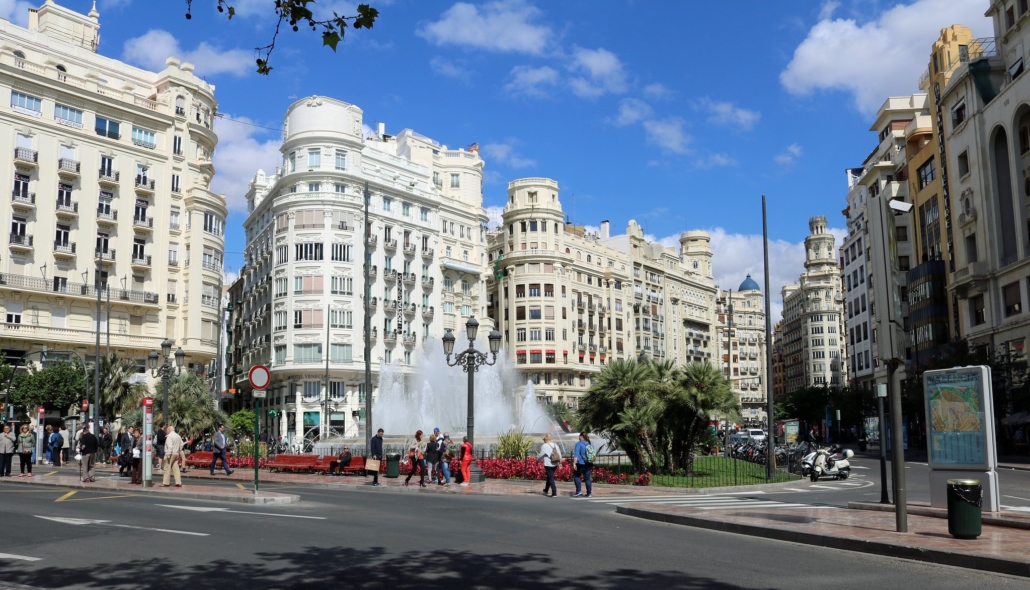
Currently, Spain has achieved the SDG for adjusted GDP growth, victims of modern slavery, adults with a bank account and employment-to-population ratio. “Significant challenges” remain in the work-related accidents category, but Spain is currently on track to reach the SDG. “Major challenges” remain for the youth in employments or education indicator. Though Spain has made significant progress towards a sustainable economy, it continues to face these challenges. The Mediterranean country has specifically struggled to create opportunities for its youth. With about one in five people between the ages of 15-29 unemployed and not in any type of education or training, Spain still has some ways to go before it can achieve economic sustainability. However, the country is on track to achieving the SDG.

The Reasons Spanish Youth Struggle to Find Employment

The two largest contributors to the lack of opportunities for young people are overqualification and a high dropout rate (relative to other E.U. countries). In 2010, the school dropout rate in Spain was 31.6%. For comparison, the rate for both Finland and Germany was about 12%. Meanwhile, young people who have obtained a formal education tend to lack an understanding of how to find a job and market themselves. Unfortunately, Spain’s methods of preparing young people to enter the labor force do not appear to be as effective as some of its surrounding European countries.

Plan of Action

Spain’s labor ministry has developed a plan of action to combat youth unemployment. By 2021, Spain hopes to achieve the following objectives:

  1. Develop a new economic model with an emphasis on productivity and workplace dignity
  2. Support public employment services in offering individualized assistance to those seeking work
  3. Create more skill-building opportunities
  4. Assist young people in becoming more self-sufficient employment seekers
  5. Fight gender biases and the gender wage gap through equal opportunity training
  6. Encourage young people not to give up on seeking employment
  7. Pay special attention to more at-risk groups such as migrants and school dropouts

Youth Business Spain

Some organizations are on the ground working to create employment opportunities for Spanish youth. One of those organizations is Youth Business Spain, a branch of Youth Business International (YBI). YBI helps young people begin or further their careers. The organization does this by providing training, mentorship and financial support to young entrepreneurs. Through this program, young Spanish entrepreneurs have received over 28,400 hours of mentorship dedicated to improving skills in business management. From 2013 to 2017, over 1,000 people benefitted from Youth Business Spain. The program has a multitude of inspiring success stories, but it hopes to reach out to even more young entrepreneurs in the future.

Looking Ahead

While significant challenges remain, the country is on track to achieve SDG Goal 8 in Spain. After the Spanish financial crisis of 2008, Spain’s economy was struggling to stay afloat. However, the Spanish government and many non-governmental organizations have gradually improved economic opportunities for young people in the country. Though COVID-19 has caused a bit of a setback in most countries, Spain continues to work on improving employment situations for Spanish youth.

– Jillian Reese
Photo: Flickr
SDG 16 in Burkina Faso
After semi-authoritarian rule for 27 years and the end of the Compaoré regime by a popular insurrection, the people of Burkina Faso had the chance to open the door to a political transition and the creation of a competitive democracy. As a result, Burkina Faso held peaceful elections in November 2015. Since then, the new government and the local communities have been working on addressing the challenges of more inclusive development, transitional justice and a new governance model of security. Here are some updates on SDG 16 in Burkina Faso.

The Sustainable Development Goals (SDGs)

In that same year, all the United Nations’ Member States adopted the 17 Sustainable Development Goals (SDGs), which emerged as an urgent call for all countries to achieve peace and prosperity for humanity and the planet. The SDGs tackle issues as diverse and relevant for today’s world as to end hunger, eliminate poverty and achieve gender equality. Despite this, the Millenium Development Goals (MDGs), the antecessors to the SDGs, demonstrated that to achieve progress in the realms of poverty and development, there must be a greater focus on its root causes. Now, violence, insecurity and conflict play a key role in constraining development.

The SDG 16: “Peace, justice and strong institutions” aims to promote peaceful and inclusive societies for sustainable development, provide access to justice for all and build effective, accountable and inclusive institutions at all levels. In many ways, the SDG 16 is one of the most ambitious goals, since it faces many challenges for its implementation, especially in countries with weak institutions and armed conflicts.

Burkina Faso and the SDGs

Since the two events, both the democratization of Burkina Faso and the creation of the Sustainable Development Goals, occurred at almost at the same time, the country quickly decided to include the SDGs in its political agenda. First, the country implemented a five-year National Plan for Economic and Social Development (PNDES) that was almost 90% SDG compliant. Moreover, numerous reforms are underway to promote human rights, improve the efficiency of the justice system and other public institutions, address corruption and guarantee legal inclusion, all of these to achieve the SDG 16 in Burkina Faso.

Human Rights

In 2016, Burkina Faso established the National Human Rights Commission, as the United Nations’ Office of the High Commissioner of Human Rights (UNOHCHR) recommended and in compliance with the Paris Principles. The members of this commission are administrative and financially independent by law.

Later, in the 2018 Universal Periodic Review, which involved the participation of the government together with the civil society, development partners and U.N. entities (such as UNDP, UNICEF and UNOHCHR), the international community commended the country’s efforts to improve political, social, economic, civic and cultural rights. After the adoption of this report, the Human Rights Council set 184 recommendations that the Ministry of Justice and Human Rights of Burkina Faso quickly implemented.

That same year, the country’s parliament abolished the death penalty and increased the protection of victims and witnesses by law.

Finally, freedom of the press and plurality of media has played a crucial role in making the country’s leaders accountable. The country ranked 38 in the 2020 Press Freedom Index with a value of 24.53 and, although it is lower than the previous year, it is still considered as a positive trend to achieve this indicator of the SDG 16 in Burkina Faso.

Justice and Legal Inclusion

The advocacy efforts of a women-led civil society organization, Association des Femmes Juristes, sprung into a law that ensures vulnerable populations’ access to justice. The establishment of a legal aid fund to support women in need of judicial assistance and cover their legal costs soon followed the adoption of this law. As a result, between 2016 and 2018, the fund has helped close to 600 people.

Additionally, great progress has occurred in modernizing civil registration, mainly ensuring registration of children under 5, displaced populations, migrants and refugees. This prevented the classification of many people at risk as stateless. Later in 2018, Burkina Faso ratified the Convention on the Reduction of Statelessness and adopted a National Action Plan against Statelessness, in which the government collaborated with religious institutions and the U.N. to organize hearings in several regions and allocate citizenship to approximately 40,000 people.

Civic Participation

The government of Burkina Faso created platforms for citizen engagement through annual, two-way dialogues with the civil society to openly discuss numerous policy issues. Some citizen platforms such as Dialogue Citoyen and Presimetre encourage the government’s accountability and the civilian’s interest in public affairs. Since its launch, many political leaders have made appearances on media platforms to respond to civil queries and many surveys have occurred.

The Future is Bright

Overall, there have been significant improvements for sustainable development in Burkina Faso. Specifically, the country has a spillover score (which results from the actions by countries to achieve the SDGs under four dimensions: environment, economy & finance, society and security) of 99.3 out of 100, showcasing that there is Burkina Faso is undergoing a great number of positive actions to achieve the Sustainable Development Goals.

Unfortunately, recent security threats are negatively affecting the country’s political transition and development, such as terrorism and organized crime. Despite this, the new context of insecurity has raised the redesign of security measures at two levels: first, at a central state-level, and second, at the local state-level with non-state security initiatives (LSIs). These new challenges have highlighted the importance of social cohesion and the promotion of peaceful societies to achieve the SDG 16 in Burkina Faso.

Finally, the developments on the SDG 16 in Burkina Faso showcase how new democracies can address their structural and social issues in short periods when the actors involved are willing to do so. Today, these efforts combined with international assistance are imperative to support the country’s sustainable development and prevent these achievements from disappearing due to new threats.

– Helen Souki
Photo: Flickr

Business Fights Poverty
Business Fights Poverty began in 2005 with the goal of providing a network for businesses, organizations and other professionals. This organization believes in the principle of purposeful collaboration and aims to unite influential businesses to add social change to the list of successes across the world. The poverty-fighting organization also recognizes the underlying potential of uniting worldwide businesses to battle social issues such as poverty. Its actions have been influential during 2020. Here are four impressive examples of actions Business Fights Poverty has taken to combat global poverty.

Global Network

Business Fights Poverty created a network of over 28,000 businesses and organizations fighting poverty: In addition to its staff and content creators spanning across the globe, this organization has a long list of partners with global influence. Among these partners are Walmart, Nestlé, the Mastercard Center for Inclusive Growth and Visa. The poverty-fighting organization has also partnered with content creating organizations to expand the reach of its content and increase collaboration among organizations fighting for social change. This extensive network of partners allows Business Fights Poverty to collaborate their views of organizations with different business goals and different content creators to increase awareness surrounding global poverty.

Educator on Social Inequality and Poverty

The organization also holds free online conferences with influential leaders in business to educate on collaborative impact. Easily accessible from its website, Business Fights Poverty releases a weekly calendar of live-streamed conferences and webinars. A major perk here is that if one is unable to watch these conferences in real-time, they are recorded and uploaded to the website. Previous conferences include discussions with business professors from Harvard University and the University of Oxford about the relation between social inequality and poverty. Future talks include discussions with members of the U.N. General Assembly in New York. Therefore, these free conferences provide an accessible way for people across the globe to educate themselves and learn from influential leaders in business and education.

Individual Contribution Opportunities

The global network also offers opportunities for individuals to contribute to its site through content creation or on discussion forums. The idea of collaboration spans further than collaboration among worldwide businesses. Business Fights Poverty offers numerous ways for any individual to collaborate, such as the ability to apply for freelance work and online forums of open discussion with experts in different fields. This again serves as a way for individuals to educate themselves through discussion with professionals. It also allows them to delve deeper into becoming involved with the organization. The organizations also makes its purposeful collaboration accessible through a few clicks on its websites.

Progress in SDGs

The company also motivates contributors and partners to move towards Sustainable Development Goals. The U.N. developed the 17 Sustainable Development Goals to foster a more sustainable global future. Two of these goals include no poverty and zero hunger. Business Fights Poverty considers one of its challenges as advancing toward a world that reaches these goals. By advocating for this change, the organization is able to contribute to a global plan to combat poverty and hunger. The Sustainable Development Goals remain a focus in the conversation and content present on Business Fights Poverty’s website.

Outcomes

The major outcomes of Business Fights Poverty have reflected in the businesses and corporations it has collaborated with. For example, since its involvement with Business Fights Poverty, Walmart paid its full-time workers $3 above what people consider to be a living wage of an adult in the U.S. in 2019 and has the goal of training millions of employees in career growth strategies by 2025. Since 2015, Visa has assisted over 160,000 lower-income individuals in creating accounts and becoming involved in the financial system. Business Fights Poverty has created a network of awareness. The actions of these major corporations set a positive example for customers and smaller businesses to improve their strategies to assist those battling poverty.

In conclusion, Business Fights Poverty recognizes the impact that large scale businesses and corporations can have on battling the poverty crisis. Through education, collaboration and progress towards a common goal, this organization has dedicated itself to making a social change. As the network continues to grow, businesses can find success in assisting the fight to combat world hunger and poverty. As for individuals, this organization’s website offers many ways to get involved that are worth exploring.

Evan Coleman
Photo: Flickr

SDG Goal 1 in the Democratic Republic of the Congo
After an unstable and violent beginning to the 21st century, the Democratic Republic of the Congo (DRC) has begun to make significant and encouraging progress in the campaign for poverty reduction. Investments from The World Bank have provided the capital that the DRC’s government needs to begin addressing the largest obstacles in the way of poverty reduction. Though SDG Goal 1 in the Democratic Republic of the Congo is still a long-term one, which aims for no poverty, the nation is beginning to make progress in the process of rebuilding.

A History of Conflict in the Democratic Republic of the Congo

The Democratic Republic of the Congo first gained independence in 1960 and has had a somewhat turbulent history since. The violence began in 1994 as a spillover from the genocide in nearby Rwanda. Hutu génocidaires fled into eastern provinces of the DRC and their presence soon sparked tension and conflict. Additionally, the DRC fought a civil war known as the Second Congo War between 1998 and 2003.

This presence of conflict in eastern provinces has had numerous effects on social and economic structures in the country, most notably the destruction of most of the country’s infrastructure. This has left poor conditions for personal hygiene and a serious transportation problem. According to a report from the World Bank, the limited availability of transportation–stemming from the lack of public infrastructure–is the single biggest obstacle to SDG Goal 1 in the Democratic Republic of the Congo. Projections have determined that the DRC’s population will increase from 30 million to 44 million in the next 15 years. The subsequent increase in demand for infrastructure of all kinds will only exacerbate existing problems if no one addresses this fundamental obstacle to poverty reduction.

The World Bank’s Efforts

The World Bank has led investment in the DRC over the last decade and has seen encouraging success. The High Priority Reopening and Maintenance Project began in 2008 and concluded in early 2020. The project’s objective was to re-establish lasting access between provincial capitals, districts and territories in three provinces in a way that is sustainable for the people and the natural environment in the project’s area of influence.

The World Bank invested more than $100 million in order to fund the reopening and subsequent maintenance of 376 km of high priority national roads in the Equateur province, caretaking of 741 km and rebuilding of six worn out panel bridges on the Route National (RN4) in the oriental province. This much-needed investment in transportation services has the potential to significantly expand the DRC’s economy. Investment in transportation addresses the infrastructure problem in the DRC and improves Congolese citizens’ ability to relocate in pursuit of more job opportunities. This is especially helpful for those citizens living in rural areas who are otherwise isolated and lack the ability to diversify their occupations. It is also an important measure in rebuilding the unity and interconnectedness of a nation divided by civil war in recent decades.

The DRC’s Efforts

In 2010, the government of the DRC provided a report on its poverty reduction efforts to the OCHA division of the United Nations. The report detailed government spending and effort related to poverty reduction. In 2009, 60% of primary public expenditure went toward  “promoting good governance and peace.” The second-largest area of expenditure was for “promoting access to social services.”

This spending has been productive in helping the government improve the security of the nation. A variety of operations successfully reestablished peace and the government’s authority in the eastern and western parts of the country.

Spending on social services in 2009 also improved transportation infrastructure. The project completed 22,900.60 kilometers of roads, representing 113% of the project’s target of 20,352.05 kilometers. The efforts largely focused on rehabilitating and modernizing roads while re-opening unpaved roads and focusing on large-scale maintenance projects. The poverty rate in the nation has also decreased from around 85% in 2008 to 76.6% in 2012.

By investing in infrastructure and modernization, the DRC’s government is helping the nation to move forward following a period of serious instability and unrest. The presence of additional roads, houses and social services creates an environment in which Congolese citizens can build an economy for a post-war future. The social cohesion and unity of the people are just as important as government programs and foreign investment; by demonstrating an ability to take care of its people, the DRC’s government is showing that there is the potential for recovery and improvements in quality of life.

The Eastern Recovery Project

The Eastern Recovery Project (STEP)–another World Bank-led effort–received approval in 2014 and should reach completion in 2024. Its objective is to improve access to employment and socio-economic infrastructure like schools in vulnerable communities in the eastern provinces of the DRC. Since its beginning, the Project has rehabilitated more than 850 community infrastructure facilities and has created 1.3 million person-days of employment for vulnerable people. Additionally, markets are now present in every province. Reports showed that the poverty rate was 72% in 2018, which was down from 94% in 2004 and 85% in 2008.

Over the last decade, the Democratic Republic of the Congo has begun the process of recovery. Years of devastating conflict and poor governance have left much room for improvement within the infrastructure and social services of the nation. Investments from the World Bank as well as commendable efforts from the DRC’s government have resulted in significant progress regarding the largest obstacles facing the nation.

Though there is still much work necessary to reach SDG Goal 1 in the Democratic Republic of the Congo, the process of rebuilding is underway.

– Haroun Siddiqui
Photo: Wikipedia Commons

free public transportation in EstoniaEstonia is a northeastern European country of about 1.2 million people. It is bordered by Russia to the east, Latvia to the south and is a short distance across the Baltic sea from Finland, to the north. Formerly part of the Soviet Union, Estonia is now a member of NATO and the EU. Also a part of the United Nations, Estonia is subject to the U.N.’s annual Sustainable Development Goals (SDGs). There are 17 goals, such as no poverty and zero hunger. SDG Goal 11 is Sustainable Cities and Communities. It calls on countries to “make cities and human settlements inclusive, safe, resilient and sustainable.” The country is currently making commendable progress in creating and maintaining sustainable cities and communities, such as providing free public transportation in Estonia. However, challenges do remain.
Updates on SDG 11 in Estonia

  1. The annual mean concentration of particulate matter of fewer than 2.5 microns in diameter (PM2.5): This is the first of the four progress markers for SDG Goal 11. PM2.5 essentially measures the level of air pollution that can cause significant respiratory or other health issues. The long-term SDG objective is to lower this value to 6.3. Over the past decade, Estonia has made great progress in curtailing air pollution. It is remarkably close to the SDG goal, most recently clocking in at just over 6.7. According to the World Health Organization, Estonia is one of the six nations with the cleanest air in the world.
  2. Access to an improved water source piped: Nearly the entire Estonian population has access to an immediate source of improved piped drinking water. According to the SDG report, an ‘improved’ drinking-water source will protect the source from outside contamination. Although most industrialized nations provide widespread access to clean drinking water, Estonia’s progress is still positive. Its neighbors, Latvia and Russia are both hovering around 97% access. This puts them at a lower SDG classification than Estonia who is between 99-100%.
  3. Free public transportation in Estonia: Of the surveyed Estonian population, 67.4% report being ‘satisfied’ with their local public transportation systems. The SDG report has Estonia on track to eventually reach the desired percentage to 82.6%. Public transport is the area that needs the most improvement in SDG Goal 11. Estonia’s capital city of Tallinn is notable for being the first capital in history to offer free public transportation to its residents. Non-residents and international travelers still have to pay. Though Tallinn loses almost all of its revenue from bus fares, public transportation has improved and the city’s population is growing. As a result, this boosts local tax revenue. Additionally, fewer cars on the streets cut down on air pollution, contributing to success in that category. Free public transportation in Estonia is an idea that is catching on in places like Luxembourg. Now, it is the first nation to offer free public transportation to everyone (citizens and foreigners alike).
  4. Population with rent overburden: The SDG report classifies this as the “percentage of the population living in households where the total housing costs represent more than 40% of disposable income.” Just 4.7% of Estonian households spend more than 40% of their income on rent. Estonia is only a tenth of a percentage point higher from reaching the SDG goal of 4.6%. In reducing rent overburden, Estonia helps stimulate its economy. Citizens with more money to spend and the desire to do so are one of the principal factors behind economic growth. As of 2019, Estonia has the fourth-highest GDP growth rate in the EU.
  5. Sustainable cities and communities: Even in public transport, where there is the most work to do, Estonians are showing a commitment to developing better ideas and solutions. Ridango and Singleton, two Estonian businesses, are teaming up to improve transport-related technology such as mobile apps for ticketing. Free public transportation in Estonia is currently a reality for 11 of its 15 counties. However, residents still have to fork over a whole two euros for a travel card that they never have to buy again. There is still a ways to go. Free public transportation in Estonia is a great example of a creatively developing sustainable cities and communities.

Estonia is making a great effort to create a sustainable city and fulfill the SDG Goal 11 of Sustainable Cities and Communities with clean air and improved water source piped. The government is also helping citizens with overburdened rent and the private sectors are helping to improve transportation.

Spencer Jacobs
Photo: Flickr

apps improving access to clean waterThe United Nation’s sixth Sustainable Development Goal is devoted to enhancing clean water and sanitation. Specifically, it calls for equitable access to clean drinking water and basic sanitation for all by 2030. However, nearly one-third of the global population lacks access to clean drinking water. Some companies are making solutions to this problem in the form of apps improving access to clean water.
The Problem

The World Health Organization defines safe water as 20 liters per person per day of accessible, clean drinking water within one kilometer of a household or business. Without safe water, families must spend more time caring for sick loved ones and fetching water from far-away sources. This often prevents them from joining the workforce and earning an income. Businesses and schools that are unable to provide safe water often struggle to retain staff and students. Overall, communities without safe water are more susceptible to illnesses and destruction from natural disasters. Indeed, diarrheal diseases stemming from unsafe water usage and poor sanitation kills nearly 1,000 children per day.

Thankfully, technological innovation for accessing clean water is on the rise. New technological solutions range from fog-to-water conversion systems to easy-to-use water filters. Below are three apps improving access to clean water by collecting, harnessing and sharing important water systems data around the world.

mWater

John Feighery, a former NASA employee, and his wife Annie Feighery created mWater in the mid-2000s for Android devices. After working for a company testing well water in El Salvador, Mr. Feighery learned that the process of testing for clean water was cumbersome and expensive. He collected samples with heavy machinery, transported them to a far-away lab for testing and recorded locations by hand. Mr. Feighery decided he could simplify the process using technology he used with the International Space Station.

He and his wife created mWater, which records the results and precise locations of water quality tests on a mobile device. Anyone with the app can view the data. Users can add pictures and write notes on scent and appearance. Additionally, they can add data from new tests they’ve conducted using the $10 water testing kit available from the app.

With its global water quality database and expedited process of identifying safe water, mWater is one of the most comprehensive apps improving access to clean water. Today, more than 75,000 governments, NGOs, health workers and researchers use mWater for free in 180 countries. They include UN-Habitat, UNICEF, the World Health Organization, and The Water Project. Altogether, mWater receives and records 250,000 water surveys per month for public use.

Akvo Flow

One of the few apps improving access to clean water is Akvo Flow. Peter van der Linde and Jeroen van der Sommen founded Akvo Flow after meeting at the World Water Week conference, in Stockholm. They wanted to improve the way that water quality data was presented via open-source technology. This allows governments and organizations to better address the issue of finding safe water. Akvo works with users to design projects, capture meaningful data, understand the data and act to improve conditions. To date, Akvo has implemented software in 70 countries by working with more than 20 governments and 200 organizations.

It aims to increase accountability, transparency and productivity for each partner organizations. Akvo Flow does this by streamlining the data collection process, which allows for quicker decision making. Some of its partnerships include setting up a sanitation monitoring system in Mauritania and working with Water for People in Peru to design solutions. Additionally, it works with UNICEF and the Ministry of Water Resources to test water quality nationwide in Sierra Leone.

Open Water Data

As the name suggests, Open Water Data makes water data available to the public. Founded in 2017 by a group of software engineers and data scientists from Datameet, Open Water Data only applies to India, where it is based. Extreme flooding followed by water-source depletion in India led the group to question the country’s water management systems. They found that the public is unable to access much of India’s water data, despite the fact that local governments need extensive data to implement water management systems.

In response, the founders created an easy-to-use map-based web app with available data from Google’s Earth Engine. It includes datasets from NASA and the Japan Aerospace Exploration Agency (JAXA). Now, the app is one of a few improving access to clean water. It is a one-stop-shop for information on daily rainfall, soil moisture, groundwater and reservoir shortages. Researchers and local governments can create simple models in water-scarce regions and plan for flood mitigation using Open Water Data’s tools. Additionally, plans are in place to create a database that all parties can contribute to.

The Future of Apps Improving Access to Clean Water

In July 2020, the United Nations Secretary-General António Guterres expressed concern about the progress of Sustainable Development Goal 6. Specifically, he cited climate change, pollution and increasing demand as obstacles. If clean water and sanitation remain problems in 2030, global health, education and climate change will suffer. These apps improving access to clean water through data management are just one way that technology can crowdsource solutions to the global water crisis.

McKenna Black
Photo: Flickr

Poverty in Latvia
The Latvian Platform for Development Cooperation (LAPAS) is fighting poverty in Latvia by helping the country develop and provide education to the people. This organization is unique in that it works with several different types of organizations in order to help the people of Latvia in several different ways.

Poverty in Latvia tends to affect the elderly the most. In 2016, Latvia was neck-and-neck with Estonia for people above 65 being at risk of falling into poverty among a handful of other nations. An NGO like LAPAS is vital to helping these elderly people by changing their surroundings; but, LAPAS is also vital for paving the way for the next generation. Additionally, helping the elderly who are at risk of falling into poverty in Latvia also helps the next generation by taking the burden of taking care of these elderly off of them. Most people may not think about Latvia as being a poor country, but, in 2018, 22.9% of Latvians were in danger of falling into poverty.

4 Facts About Poverty in Latvia

  1. The poverty risk rate has stayed relatively steady for the four years leading up to 2018.
  2. The city of Latgale is most at risk of poverty with a percentage of 40.4%.
  3. The city of Pieriga is the least at risk of poverty with a percentage of 14.4%.
  4. Citizens who are single and over the age of 65 have the highest risk factor of falling into poverty. In fact, about 74.9% of the at-risk citizens were single and over the age of 65.

The Global Call to Action Against Poverty (GCAP)

The Latvian Platform for Development Cooperation is a part of the Global Call to Action Against Poverty (GCAP). More than 11,000 Civil Society organizations work with GCAP. GCAP officially emerged in 2005. GCAP partly helped draft the Sustainable Development Goals (SDGs) of the U.N. as well as Agenda 2030. In addition, GCAP has stepped up to the challenge of COVID-19 by bringing together more than 400 NGOs, human rights organizations and others to advocate for people on every continent of the world.

To fight poverty in Latvia, it takes more than providing food for a few weeks on and off when funds are available. For long-term betterment, there needs to be a focus on improving specific aspects of society. LAPAS has that focus. It works from multiple angles to build a better future for the citizens of Latvia. Here are some areas of Latvian society that LAPAS works in:

  1. Education
  2. Government
  3. Development
  4. Environment
  5. Health care for children
  6. Non-discrimination policy
  7. Government

In conclusion, Latvia may not be one of the countries that one’s mind immediately goes to when thinking of poverty. But Latvia’s poverty numbers have held steady for too many years to ignore. The Latvian Platform for Development Cooperation is a shining example of an organization that understands the multifaceted approaches that Latvia needs to take in order to fight poverty. Hopefully, its efforts against poverty in Latvia will continue for years to come.

– Moriah Thomas
Photo: Pixabay

SDG 1 in Pakistan
Pakistan has reached a 56.2% completion rate for the United Nations’ Sustainable Development Goals (SDGs). Although Pakistan ranks 134th out of 193 countries, recent years have seen several developments toward achieving SDG 1 in Pakistan. For instance, planned initiatives and anti-poverty legislation are creating a substantial and meaningful impact.

Poverty in Pakistan

According to the Sustainable Development Report, which is a global measure of countries’ progress toward the SDGs, the main indicators for SDG 1 are poverty headcount ratios of $1.90 per day and $3.20 per day. As of 2020, less than 1% of the population in Pakistan lives under the $1.90 per day poverty threshold. This figure not only places the country on track for the achievement of SDG 1 but it also represents distinct progress since 2011. During that year [2011] 9% of the population lived in extreme poverty.

Reaching the threshold of $3.20 per day remains a goal for the country. Approximately 20.7% of the current population lives under these poverty conditions. This, in turn, poses major challenges to the achievement of SDG 1 in Pakistan. Large portions of the country’s population remain vulnerable to the conditions of poverty. Notably, though, poverty rates in Pakistan have consistently declined throughout the past decade.

Recent Updates

Since the creation of the SDGs, Pakistan has taken key measures to achieve them. The country submitted its Voluntary National Review (VNR) in 2019. In this same vein, the country made the fulfillment of the SDGs by 2030 a national priority. There are now specific budget allocations, national monitoring of 46 indicators and stakeholder engagements in the country. All of these factors are clear indicators of SDG progress in Pakistan, even beyond SDG 1.

The current Pakistani government has created multiple pieces of legislation that align with SDG 1. The Balochistan Senior Citizens Act of 2017 made provisions for the well-being of senior citizens in Balochistan. Furthermore, the act implemented other financial and social measures to account for the aging population in Pakistan. The government also took steps to register and regulate charity funding through The Punjab Charities Act of 2018. These are just two examples of laws designed to help mitigate and eradicate poverty within the country. Parliamentary Task Forces have also been created to fill legislative gaps for each goal and keep track of SDG fulfillment.

Looking Ahead

The government of Pakistan has pledged to reduce poverty by 6% between now and 2023. Moreover, the government pledges to further develop social protection policies that align with SDG 1 and create a database that will “ensure better targeting of poverty reduction measures.” It also committed to increasing poverty alleviation expenditures and ensuring that vulnerable groups such as women, children and people with disabilities receive needed aid. As an example, the government currently fulfills this promise through the Ehsaas Emergency Program. This program enables organizations to deliver aid to people experiencing economic hardship due to COVID-19. With key stakeholders in the country now becoming champions of poverty eradication and committing to achieving SDG 1 in Pakistan, an end to unjust living conditions is now possible for many. While there is still much work remaining, the multi-dimensional efforts to reach this goal are promising.

Rachel Moloney
Photo: Flickr

United Nations' Short Film On September 19, 2020, the United Nations broadcasted a 30-minute short film on its Youtube channel regarding global issues and extreme poverty. The film, entitled “Nations United: Urgent Solutions for Urgent Times,” includes many big-name celebrities such as Beyoncé and Malala Yousafzai. Julia Roberts hosts a podcast version of the show. As global progress has been slowed down due to COVID-19, the United Nations’ short film sets outs the actions needed to address global issues like extreme poverty, gender equality, human rights and climate change.
Expanding Reach Using YouTube

Since YouTube’s audience includes a large number of young people, the United Nations’ YouTube channel will reach those who are not accustomed to reading articles and press statements. The channel has more than 900,000 subscribers and includes a live stream of the U.N. headquarters where viewers can stay up-to-date with current issues and events.

The UN Short Film: Nations United

The United Nations’ short film focuses on actions necessary to create change and marks the 75th anniversary of the U.N. as well as the fifth anniversary of the Sustainable Development Goals (SDGs). Writer, director and SDG advocate, Richard Curtis, produced the film. It features a multitude of activists and humanitarian celebrities.

The film’s four chapters address climate, poverty and inequality, justice and human rights as well as gender equality. Working to expose the fractures in society and ways to remedy them, this film attempts to layout valuable solutions to the problems at hand. First-hand recordings of global issues allow viewers to gain a visual understanding of the challenges plaguing the world and the consequences of not taking action.

The U.N. Sustainable Development Goals act as guideline of global progress, setting out key issues, targets and potential solutions. The transition to renewable energy, the taxation of carbon and the halt of deforestation are some viable solutions the film points out. Additive performances by musical artists like Beyoncé amplify the main messages of the film.

Derailed Goals Due to COVID-19

The launch of the Sustainable Development Goals in September 2015 involved the commitment of 193 world leaders to 17 objectives in order to “end extreme poverty and hunger, fight inequality and injustice and tackle climate change by 2030.” These goals have been completely derailed since the introduction of the COVID-19 pandemic.

As the pandemic threatens global progress, the United Nations’ short film hopes to set out the actions needed to find viable solutions to address global issues and alleviate global poverty. The United Nations states that the film “will take audiences on a dynamic exploration of the times we live in, the multiple tipping points our planet faces and the interventions that could transform our world over the next 10 years.”

Natalie Whitmeyer
Photo: Flickr

Global Food SecurityThe global population has been growing exponentially in the last few decades as compared to earlier times in human history, given that 42% of the population is under the age of 25. With a rapidly growing population, global food security is threatened and it is expected that without major agricultural enhancement, there will not be enough food for future generations. By 2050, crop production must grow by 60-100% from 2005 levels in order to avoid this fate.

Youth hold the future of the global food system in their hands. There are many young people working to combat the global food security crisis in a way that puts sights on the future, not the present. Through scientific innovations, advocacy and more, these young men and women not only give hope for a world with less hunger but also vehemently encourage others to join them. Some examples of their work follow. 

Kiranjit Kaur: Kisan Mazdoor Khudkushi Peedit Parivar Committee

Kiranjit Kaur of India, a 23-year-old political science postgraduate student from Punjab state, is a pioneer in the fight against farmer suicide. Losing her own father to suicide spurred her to focus on community engagement to address the statistics of over 16,000 farmer suicides in India each year. With 39% of the employed population working in agriculture, success is important for the health and well-being of farming families.

Punjab was an agricultural haven during the Green Revolution, but since the 1990s, with increased land productivity and the cost of agriculture, loans have become a norm and financial stress has increased. Kaur motivates the women in her community to participate in a social campaign that focuses on mental health, mutual support and activism. As for now, she spends most of her time working with the group but plans to do a Ph.D. on farmer suicide in the future.

Craig Piggott: Halter

A New Zealand native, Craig Piggott dedicates his talents to agricultural innovations in herding and tracking cows. His invention involves a GPS-enabled and solar-powered collar for cows, Halter, which enables farmers to herd the animals remotely; using sounds and vibrations to both direct the cows and alert the farmers of any issues. Piggott developed the app through three years of testing, and a few dairy farmers in Waikato are eager to implement the technology within their own herds. With more testing and exposure, he hopes to extend the program nationally to aid New Zealand’s agricultural field.

This innovative app will save time and resources by decreasing the farmer’s workload and using grazing grass more efficiently, thanks to the virtual fences. Piggott’s company was founded in 2016 when he was 22-years-old and has grown to a current team of more than 40 scientists, engineers and other professionals.

Sophie Healy-Thow: Scaling Up Nutrition

Sophie Healy-Thow, a 20-year-old Irish college student, is a prominent European name in the rural development advocacy and global food security spaces. She and her team’s natural bacteria project won the BT Young Scientist Exhibition in 2013, and she was also named one of Time magazine’s Most Influential Teens. Healy-Thow also speaks out about calling leaders to action, and hopes for a time when young people are listened to and engaged instead of just getting a pat on the head.

Today she speaks at the U.N. conventions and TED talks and is part of a team developing a Kenyan project called Agrikua, which focuses on encouraging women’s involvement in agriculture, providing education and other support. After university, she plans to work for a charitable organization that helps women, inspired by her current involvement in ActionAid U.K.

Jefferson Kang’acha: The Eden Horticultural Club

Food security is not a new issue in 19-year-old Jefferson Kang’acha’s life in Kenya, and he works to grow tomatoes in order to protect the staple ingredient of many Kenyan households. Due to declining yields, the price of tomatoes has spiked to high prices that most Kenyan families cannot afford. In response, Kang’acha developed the hydroponic production of tomatoes, which grows the plants with no soil and in a controlled climate.

By founding the Eden Horticultural Club, he is able to provide tomatoes to his community, including schools and hospitals in the area. In the first few months alone, he was able to distribute 2.5 tons of tomatoes to more than 100 households. He hopes to one day use this process to assist global food security throughout Africa and beyond.

The Future of Global Food Security

The future of the agriculture industry is hard to predict, but the U.N. encourages youth participation and innovation to solve the problem. Goal 2 of the U.N.’s Sustainable Development Goals (2030 Agenda for Sustainable Development) seeks to “end hunger, achieve food security and improved nutrition and promote sustainable agriculture.” Vast problems require bold solutions, and these four young people are just the tip of the iceberg when it comes to innovators doing their part to protect global food security.

Savannah Gardner
Photo: Pixabay