• Link to X
  • Link to Facebook
  • Link to Instagram
  • Link to TikTok
  • Link to Youtube
  • About
    • About Us
      • President
      • Board of Directors
      • Board of Advisors
      • Financials
      • Our Methodology
      • Success Tracker
      • Contact
  • Act Now
    • 30 Ways to Help
      • Email Congress
      • Call Congress
      • Volunteer
      • Courses & Certificates
      • Be a Donor
    • Internships
      • In-Office Internships
      • Remote Internships
    • Legislation
      • Politics 101
  • The Blog
  • The Podcast
  • Magazine
  • Donate
  • Click to open the search input field Click to open the search input field Search
  • Menu Menu

Archive for category: Sanitation

Global Poverty, Health, Sanitation, Water

Poverty Reduction in the Philippines

Poverty Reduction in the Philippines 
In a world where news too often reports problems rather than progress, it is essential always to have news that highlights the progress and accomplishments made to fix the problems. One piece of good news is the efforts and accomplishments aimed at poverty reduction in the Philippines. The Philippines has been making steady progress and gains towards poverty reduction as the country works towards its goal of eliminating poverty in the middle class entirely by 2040.

What Has the Philippines Accomplished?

The World Bank released a report on November 24, 2022, entitled “Overcoming Poverty and Inequality in the Philippines: Past, Present, and Prospects for the Future.” In this report, the World Bank highlighted how the Philippines have been making critical gains in their fight towards poverty reduction. One can attribute these gains to both high growth rates and the expansion of jobs primarily outside agriculture. According to the numbers, from 1985 to 2018, the poverty rate fell from 49.2% to 16.7%. 

Additionally, the population of the middle class had ballooned to 12 million people, and the amount of the population that had become economically secure had reached 44 million people. The report highlighted more accomplishments as well, including “the expansion of secondary education, mobility towards better-paying jobs, access to basic services and government social assistance have started to reduce inequality since the mid-2000s.”

Anti-Poverty Programs in the Philippines

The government of the Philippines has introduced anti-poverty programs, which, according to the Department of the Interior and Local Government (DILG), have benefited around 4.7 million Filipinos. According to DILG Secretary Benjamin Abalos Jr., there are more than 1,000 projects that benefit more than 1.69 million Filipinos and have received funding from the Conditional Matching Grant for Provinces and Financial Assistance to local government units (LGUs). The president of the Philippines, Ferdinand R. Marcos Jr., has made it his priority to achieve poverty reduction in the Philippines significantly. 

Recently, the Philippines has completed more than 2,778 farm-to-market roads, water and sanitation systems, health stations, school buildings, rural electrification and other infrastructure projects. These are specifically designed to benefit people who are both geographically isolated and disadvantaged under what is known as the Support to Barangay Development Program (SBDP). The current Filipino government has embraced poverty reduction initiatives, and the DILG chief reiterated a vow to fully support the current administration’s plans to “…improve the economy, increase employment, improve the ease of doing business, boost agricultural production, ensure food security, and continue social programs for the poor and the vulnerable.”

What Still Needs Improvement?

Despite the progress, more work is necessary. The COVID-19 pandemic has turned back progress in several areas across the globe, especially in the Philippines. Between 2018 and 2021, about 2.3 million people were pushed into poverty, according to the Filipino government. This increase is due to the economic downturn that COVID-19 has caused. In 2021, the number of people living in poverty rose to almost 20 million, which is a little more than 18% of the population. That is up from 16.7% in 2018. 

The current President, Ferdinand Marcos Jr., aims to tackle this problem to reduce the poverty rate in the Philippines by nine percentage points by the end of his term in 2028. This goal remains achievable even though the country is wrestling with soaring inflation. The president’s focus is on three specific aims: “fully reopening the economy, investing in human capital and social protection and transforming production sectors to generate more quality jobs and competitive products.”

Before the pandemic, the Philippines had succeeded in its goal of pulling 6 million Filipinos out of poverty four years ahead of the original target date of 2022. The pandemic has had negative and long-lasting impacts that the world must work to overcome.

Conclusion 

Great strides have been made to reduce poverty in the Philippines. There is a growing middle class, a long-term decrease from 1985 in the poverty rate and more people have started to achieve economic security. All of this, in addition to the expansion of secondary education and a reduction in income inequality due to government social assistance, has created good news for the fight against poverty.

The pandemic had a tremendous impact around the globe and has hurt essential progress worldwide in education and poverty. This is also true in the Philippines, which had made tremendous social and economic progress prior to the pandemic. Fortunately, the Philippines’ president is committed to slashing poverty by the end of his term and has set clear goals toward that end. With this mentality and attention to the problem, expect more good news in the fight to reduce poverty in the Philippines. 

– Gary Williams
Photo: Flickr

November 9, 2023
https://borgenproject.org/wp-content/uploads/borgen-project-logo.svg 0 0 Yuki https://borgenproject.org/wp-content/uploads/borgen-project-logo.svg Yuki2023-11-09 01:30:272023-11-06 11:29:00Poverty Reduction in the Philippines
Global Poverty, Poverty Reduction, Sanitation

Satellite Imagery, AI and Poverty Reduction

Satellite Imagery
In a world where poverty is a constant challenge, two key technologies are joining forces to revolutionize the approach to this global problem: artificial intelligence (AI) and satellite imagery. This powerful combination provides governments, organizations and policymakers with innovative solutions and knowledge-based insights that can potentially transform the fight against poverty as it is today. 

Satellites: Guardians From Above

Satellite photography with detailed views of the Earth’s surface has evolved into an invaluable tool in the fight against poverty. These satellites do more than just take pictures; they collect a significant amount of information about the conditions of the planet. Artificial intelligence plays a crucial role in effectively processing this data, revealing patterns and trends that used to be hidden. In addition, the satellites provide a real-time window into impoverished areas. Satellites monitor land use changes, crop health, infrastructure development and even natural disasters. This information is central to understanding the dynamics of poverty in order to make informed decisions. 

AI Control of Satellite Data

AI analytics capabilities are key to unlocking the potential of satellite imagery. Machine learning algorithms can analyze significant data sets with unprecedented speed, identify trends related to poverty and help predict future developments. This synergy between artificial intelligence and satellite images opens up possibilities in the fight against poverty. 

Satellites’ and AI’s Applications in the Fight Against Poverty

  1. Disaster Response: In the event of a natural disaster, satellites can quickly assess the damage. Artificial intelligence algorithms provide accurate information about affected areas and efficiently manage aid. For example, after Hurricane Ian, AI and satellites played a crucial role in disaster response. SeerAI’s platform rapidly processed over 1TB of high-resolution aerial imagery from the National Oceanic and Atmospheric Administration (NOAA), using AI algorithms to fuse and analyze the images. This AI-driven approach provided near real-time analysis, identifying drivable roads and hazards like debris and flooding, enabling quicker connections between emergency responders and those in need of rescue, demonstrating the potential for AI to offer prescriptive analysis in disaster situations. 
  2. Urban Development: Satellite imagery and artificial intelligence can guide urban planning and ensure that infrastructure investment is targeted to poor areas, improving living conditions. The collaboration between the World Bank and development stakeholders in Ho Chi Minh City exemplifies the potential of combining AI and satellite data. Supervised machine learning algorithms trained on ground data enable the prediction of land cover changes, providing valuable insights for urban planning.​
  3. Agricultural Productivity: AI-based analysis of satellite data optimizes agricultural practices and increases yields and food security. A study published in the journal BioEnergy Research in 2017 demonstrated that farmers could significantly increase their annual biomass production, ranging from nearly double to 21 times more, by planting energy crops on previously unprofitable land. To fully achieve these gains, farmers would need to adopt precision agriculture that technologies like Crop AIQ have enabled, which leverages AI and satellite data to optimize crop management and resource allocation.
  4. Environmental Protection: Satellite images help monitor deforestation and environmental degradation, allowing decision-makers to plan for sustainable development. For example, initiatives like the United Nations Environment Program’s World Environment Situation Room (WESR) leverage AI to curate and analyze earth observation data, supporting real-time analysis of factors like CO2 levels and sea level rise. 

Real-World Application of Satellites & AI in Africa

Stanford researchers have developed an innovative tool that combines satellite imagery and artificial intelligence (AI) to estimate poverty levels across African villages. By analyzing both nighttime and daytime satellite images, the tool identifies indicators of development, such as lights at night and human infrastructure during the day. Deep learning algorithms create an asset wealth index, a common measure of household wealth, based on these characteristics. Tested on around 20,000 African villages, the tool accurately gauges poverty levels over different time periods.​

This technology has substantial potential to combat poverty in Africa by providing valuable economic data at local and broad scales. It facilitates improved targeting of anti-poverty programs, aids in product distribution by NGOs and supports market growth analysis for businesses. The democratization of this technology, with publicly available satellite imagery, makes it accessible for widespread use. By addressing the challenge of measuring economic progress and poverty interventions, this tool contributes to enhancing the well-being of impoverished populations in Africa. 

As the world continues to improve and expand the use of artificial intelligence and satellite imagery, the fight against global poverty will become a powerful ally. With clear data and innovative solutions, these technologies can significantly reduce poverty and offer hope for a more equitable world.

– Suhani Bhattad
Photo: Flickr

November 2, 2023
https://borgenproject.org/wp-content/uploads/borgen-project-logo.svg 0 0 Yuki https://borgenproject.org/wp-content/uploads/borgen-project-logo.svg Yuki2023-11-02 07:30:422024-05-30 22:32:33Satellite Imagery, AI and Poverty Reduction
Global Poverty, Sanitation, Water

WaterAid India: A Country in Need of Clean Water

A Country in Need of Clean Water
According to UNICEF India, about 67% of the 718 districts within India have been impacted by water depletion, making access to clean water challenging. Not only is clean water vital for basic sanitation and hydration, but it is also significant in shaping the lives of women and children. More often than not, women and children in India bear the responsibility of water collection when there is a lack of clean water. This means the number of children attending school in India declined, with children focusing on providing for their families. In addition, women who must collect water instead of working contribute to a loss of wages as well as overall productivity within the country. 

Therefore, the provision and maintenance of a clean water system are essential to creating an efficient economy as well as positive welfare for the citizens of a country. WaterAid India works toward the goal of improving India’s quality of life through the implementation of WASH (the water, sanitation and hygiene strategy) as well as clean tap water.

Waterborne Diseases

According to UNICEF, India’s lack of access to clean water creates a threat of waterborne diseases not only to India’s residents but also its economy, as mentioned above. One can also attribute poor water quality to a lack of efficient waste disposal. Untreated wastewater flows into groundwater, rivers and lakes, contributing to the risk and spread of waterborne diseases. In addition to unsafe and unsanitary water, India’s cities and rural areas lack quality control, leaving the issue of clean water under-prioritized.

Waterborne diseases spread rapidly through contaminated water containing pathogens such as bacteria, intestinal parasites and viruses. According to the World Health Organization (WHO), the global disease may be prevented through the development and implementation of systems that effectively provide and maintain clean water supply, hygiene and sanitation. Annually, waterborne diseases affect around 37.7 million people in India, while estimates have indicated that 1.5 million children in India contract diarrhea leading to fatality. Cases of waterborne diseases resulting from a lack of clean water flare up during rainy months because of a lack of proper management of and care for India’s water. In addition to waterborne diseases, infections also pose a serious threat due to contaminated water. 

The cause of unhygienic water supply and poor management of water is correlated with rapid economic growth, dense population, substandard housing and deficient political governance. In addition, India, and especially the rural parts of India, lack knowledge about proper water management and sanitation, resulting in unsafe defecation practices, water pollution and poor hygiene. 

WaterAid

WaterAid focuses on developing sustainable systems for communities in need of help. The non-governmental organization is committed to providing assistance for remote and rural communities which are often located in areas a distance away from a reliable and sanitary water source. 

The strategy that WaterAid implemented involves the installation of taps as well as first analyzing various factors regarding the challenge of tap installation. WaterAid’s process involves assessing the community’s landscape, water source and safety. Then the organization conducts tests on the community’s water to look at PH, iron and sodium levels to name a few. In conducting a test of the community’s water, WaterAid provides the necessary sterilization tools to provide clean water. Following water testing, WaterAid conducts a search for nearby institutions which may also need access to water such as schools or health care facilities. Then it is crucial for WaterAid to analyze the climate in order to follow up with the engineering and construction of taps for the community. 

WaterAid India

The primary goal of WaterAid India is to implement the water, sanitation and hygiene strategy, or WASH. WaterAid India focuses on sustainable strategies to provide clean water access and sanitation. The organization educates the country’s local communities, integrating conservation and water harvesting and promoting skills for water management. 

India’s state of Madhya Pradesh has integrated WaterAid as a member of the state-level Task Force, and as a result, WaterAid has implemented tap water systems within the state. In the city of Delhi, India, WaterAid India has encouraged water distribution models for the community. In addition, WaterAid India and the Jal Jeevan Mission of Assam signed a Memorandum of Understanding ensuring the provision of sanitary tap water in rural India. WaterAid India not only creates a meaningful impact by building resources and disseminating knowledge but also strives to work in collaboration with governments, local organizations, businesses, utility companies, governments and development partners to work with the people of India and strengthen access to clean water. 

WaterAid India’s influence can be heard through countless stories sharing the improved quality of life of residents. In the village of Govardhanpur, located in the state of Uttar Pradesh, the drains lining the community are now clean, a testament to the success of WaterAid’s efficient strategy and implementation. Govardhanpur’s drains are no longer congested with trash, and waterborne diseases have declined. Prior to WaterAid’s assistance, the main issue causing the village’s contamination was due to improper garbage disposal and management which would allow garbage to flow into the water. WaterAid India worked with the community to create a waste collection system, making way for a cleaner, more sanitary community. 

Conclusion

All in all, the WaterAid network and WaterAid India have created systems whereby communities in need of clean water (basic human rights) are now able to live and maintain hygienic lifestyles. So far, WaterAid India says the organization has “helped more than 3.7 million people gain access to safe water, and 9.7 million people gain access to proper sanitation.” 

– Bianca Roh
Photo: Flickr

October 24, 2023
https://borgenproject.org/wp-content/uploads/borgen-project-logo.svg 0 0 Yuki https://borgenproject.org/wp-content/uploads/borgen-project-logo.svg Yuki2023-10-24 01:30:582023-10-24 08:16:03WaterAid India: A Country in Need of Clean Water
Developing Countries, Global Poverty, Sanitation

Sanitation Services: New iThrone Provides a Solution

Sanitation ServicesThough ubiquitous in countries like the U.S. and U.K. and easy to ignore, basic sanitation services remain unavailable to more than 1.7 billion people. Without private toilets, almost 500 million of these individuals practice open defecation, going to the bathroom in places like street gutters or into bodies of water. 
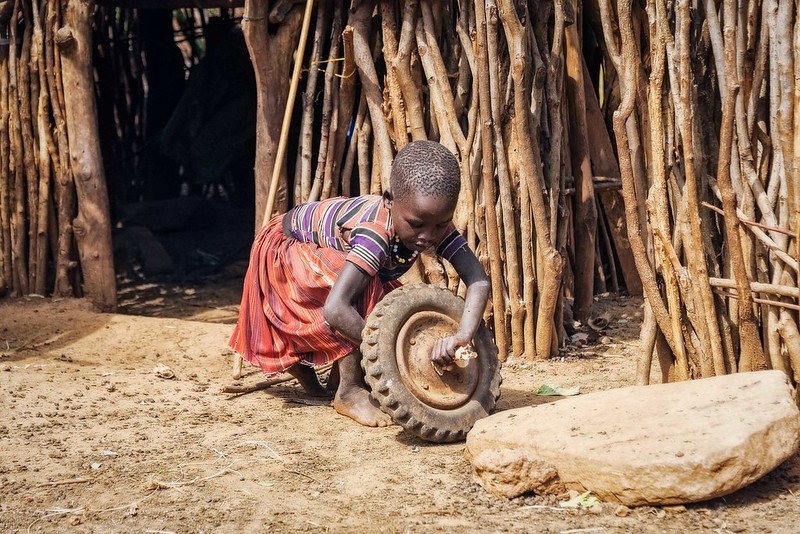
Human waste that is not disposed of properly can come into contact with other humans, usually by contaminating drinking water, causing diseases like cholera, dysentery and polio. Poor sanitation causes almost 450,000 deaths each year as a result of diarrhea in addition to contributing to malnutrition. While it is true that the number of people who openly defecate has almost halved in the past two decades, there is still a dire need for sanitation services to become accessible to all. 

In fact, even the idea of adequate sanitation services in developed countries is not at all sustainable: it is estimated that 5 billion people will be unable to flush their toilets in the next decade so as to not flood centralized sewer systems. 

One invention, the iThrone, is a portable toilet that hopes to provide a solution for the issue of substandard sanitation that persists in the developing world and is encroaching on developed nations.

Background

Diana Yousef is the founder and CEO of change:WATER Labs, a startup launched in 2015 that is focused on inventing and investing in solutions that address the inadequacy of current sanitation standards in many developing countries. The iThrone is the startup’s primary product. Yousef first found inspiration for the iThrone in 2009 while working with NASA to create a water treatment initiative. She wanted to see if the techniques that they conceptualized for the project, an attempt to develop a method of recycling water for space agriculture, could extend to water sustainability in poor countries. Since securing early funding from MIT, change:WATER Labs has received financial support from organizations like the Bill and Melinda Gates Foundation and the UN Development Program. 

How It Works

The iThrone is able to circumvent many of the existing barriers to quality sanitation services. Firstly, it does not require any water to function. For communities that face a scarcity of nearby water sources, the iThrone is an invaluable form of sanitation. It can work without water because it operates by dehydrating human waste, which is mostly water, and converting it to water vapor rather than flushing it away into a sewer system. 

The little waste that is left over can then be used as fertilizer for farming. Due to this aspect of its design, the iThrone is extremely low-cost and efficient, only needing to be emptied every few weeks rather than every day like other non-flushing toilets. 

Even more impressive, four iThrones can be installed for the same price as one communal toilet. As a whole, the iThrone is completely off-grid and needs neither access to plumbing nor power. This means that installation is possible in practically any location, no matter the state of its infrastructure. Due to the simplicity of its construction, it is able to fit in crowded areas, eliminating the need for people to travel long distances just to go to the bathroom. The toilet is also capable of deodorizing deposited human waste by utilizing a biobattery that uses that waste to power a ventilating fan. 

Gender Imbalances

Open defecation presents a particular risk to women and young girls, as having to go to the bathroom in the open, and often in remote locations, makes them vulnerable to sexual assault. In order to relieve themselves without attracting the attention of men, some women restrict their water and food intake so that they need to go to the bathroom very late at night or early in the morning. The iThrone’s ability to provide proper sanitation even in crowded locations reduces the risk of sexual violence, providing women and girls with a sense of safety when they are performing one of their most private tasks and allowing them to eat and drink freely. 

Open defecation also increases the possibility for women and girls to contract reproductive and urinary infections and also renders the entire process of menstruation frustrating and degrading. Girls in regions without adequate sanitation will often skip school during their period, meaning that they miss weeks of instruction. The iThrone acts as an answer to these problems and effectively supports the health and well-being of women and girls in developing countries.  

Future Distribution

Before COVID-19, the iThrone was distributed during its first pilot deployment to a district school and hospital in Uganda. The toilets wound up servicing more than 400 people and received a wholly positive reception from locals. The pandemic unfortunately prevented further distribution from occurring, though the Turkish government expressed interest in purchasing a number of toilets for use in refugee communities in late 2021. The iThrone has also been eyed by construction companies in Central America and Indian companies wanting to test out the toilets in port-a-potties and on transportation and maritime equipment. 

Yousef and her team spent the duration of the pandemic refining their product, ensuring that when distribution does restart, the iThrone can help as many people as possible as effectively as possible. Though the iThrone has yet to be fully deployed, it is clear that it represents exactly the kind of innovation that is required to combat global poverty.

– Sofia Oliver
Photo: Unsplash

September 23, 2023
https://borgenproject.org/wp-content/uploads/borgen-project-logo.svg 0 0 Lynsey Alexander https://borgenproject.org/wp-content/uploads/borgen-project-logo.svg Lynsey Alexander2023-09-23 01:30:302024-06-11 00:17:51Sanitation Services: New iThrone Provides a Solution
Global Poverty, Sanitation, Women's Empowerment

How BUVAD is Helping Indigenous Ugandans

Indigenous Ugandans
Uganda is an especially impoverished nation,
with 41% of the population living in poverty. Although the country receives aid and help from other countries, it is also home to many nonprofits that seek to provide additional help to the country’s citizens. Many of the county’s nonprofits are located in more urban areas of the country, such as Kampala. The Butakoola Village Association for Development (BUVAD) is one of the few nonprofits aiming to specifically help one of the country’s most struggling populations — Indigenous Ugandans. BUVAD is a volunteer-run and Indigenous-founded nonprofit started in 2000 that aims to help all Ugandans — and especially Indigenous Ugandans — improve their overall quality of life. One of the most unique parts about BUVAD as a nonprofit is its variety of approaches to achieving its goals. 

Women’s Economic Empowerment

One of the most unique groups that BUVAD is helping is female entrepreneurs. To do this, they started a microloan program for women with small businesses to receive money intended to go towards anything to help their business grow. Since the start of the program, 20 more women have joined and are currently receiving microloans for their businesses. Some businesses that BUVAD says these microloans have gone towards are mat-making, basket-weaving and beer-brewing businesses owned by women in Uganda. This program also creates a network for women receiving the loan, which has resulted in these women regularly holding meetings and helping each other with their businesses. 

These microloans have helped women business owners, which is especially important in Uganda. In Uganda, nearly 40% of all businesses are owned by women, but women entrepreneurs earn 30% less profit compared to male entrepreneurs. By continuing to support women-owned businesses, perhaps the stigma surrounding businesses owned by women in Uganda will become less severe and profits will begin to become equal between genders. 

HIV/AIDS Prevention and Support

BUVAD is helping lower Uganda’s HIV/AIDS infection rate as well. The nonprofit takes the approach of normalizing Ugandans to HIV/AIDS prevention methods by integrating the information into workshops about other topics. For example, in a workshop about bottle brick technology, BUVAD includes information about HIV/AIDS prevention, normalizing discussion about the disease in Uganda. This is especially needed in Uganda, with the HIV/AIDS infection rate in some areas of the country reaching as high as 8%, and the highest-infected areas also being the most impoverished. By normalizing discussion of HIV/AIDS and ways to prevent it, BUVAD hopes to reduce the disease’s infection rate in Uganda and get more of those who are infected on preventative medication. 

Water, Sanitation and Hygiene Support

BUVAD’s most comprehensive program is one that focuses on water, sanitation and hygiene support for Ugandans, which the program aims to do by executing six main approaches to the issue. These are to promote regular handwashing, safeguard vulnerable communities against preventable water-spread diseases, improve water and toilet coverage levels, improve water sanitation and hygiene levels, improve awareness of government water programs and ensure the safety and consistent maintenance of safe water sources. 

Water safety is an especially prominent issue in Uganda, with more than 20 children being admitted to the hospital per week in Kayunga, a district in Uganda, due to water safety-related issues. BUVAD helps these children directly by creating 10,000-liter tanks out of recyclable plastic for primary schools in Kayunga to store safe water. Water safety in Uganda is considered a crisis, with 83% of the country’s population lacking access to clean water. By creating direct approaches to providing clean water like BUVAD is doing, the water safety crisis will slowly become less of an issue over time. 

BUVAD’s Multifaceted Work in Uganda

Although most nonprofits tend to approach one main issue out of fear of spreading resources thin, BUVAD has managed to address a multitude of issues effectively while still being able to consistently create new initiatives and approaches to issues. By continuing to do this, BUVAD will continue to help lift Ugandans out of poverty and help the country improve in both health and economy. 

– Aidan Johnstone
Photo: Flickr

August 28, 2023
https://borgenproject.org/wp-content/uploads/borgen-project-logo.svg 0 0 Lynsey Alexander https://borgenproject.org/wp-content/uploads/borgen-project-logo.svg Lynsey Alexander2023-08-28 01:30:592023-08-24 07:49:46How BUVAD is Helping Indigenous Ugandans
Global Poverty, Sanitation, Water

Everything to Know About Poverty in the DRC

Poverty in the DRCThe Democratic Republic of Congo (DRC), despite its vast mineral wealth, faces significant challenges in socio-economic development due to high poverty levels. Political corruption, limited economic opportunities and ongoing conflict all contribute to the persistent poverty in the country. The following is a brief look into the extent and causes of poverty in the DRC.

Causes of Poverty

Gaining insight into the factors contributing to poverty is essential when analyzing the situation in the Democratic Republic of Congo. According to the International Trade Administration, the country holds significant untapped potential. In 2020, it emerged as the leading cobalt producer, accounting for 41% of global production, and ranked sixth in diamond production with 3.7 million carats. Despite agriculture being the largest sector, it has not effectively mitigated poverty, which has persisted for decades.

Statistics and Reasons for Poverty in the DRC

According to the World Bank, a significant portion of the population in the DRC, approximately 60 million people or 62%, live on less than $2.15 per day as of 2022. In 2021, the GDP per capita in the DRC was $577.20.

The prevalence of political corruption has been a major contributor to the high levels of poverty in the DRC. Political interests have taken precedence over crucial socio-economic matters, hindering the country’s development. The nation has faced persistent political conflicts due to lengthy presidential reigns, further exacerbating the challenges that citizens face.

Rather than prioritizing economic development and improving the lives of people, political issues and policies have taken precedence in the DRC. According to Africa’s Organised Crime Index, low salaries and poor treatment within the police force have resulted in a lack of seriousness in addressing monetary-related crimes, allowing perpetrators to evade punishment.

The life expectancy of a Congolese person at birth is only 59 years, as reported by the World Bank in 2021. This figure is significantly lower compared to many other countries, such as the U.S., where the average stands at 76 years. The underdevelopment of public sectors, coupled with low-income levels for the majority of Congolese people, perpetuates the cycle of poverty in the country.

Taking Action

Oxfam, an organization that has been working in the DRC since 1961, has played a vital role in promoting sustainable access to water and good hygiene practices. Through local initiatives, communities and schools have received the necessary support to maintain their access to these essential resources. Oxfam’s impactful efforts include providing life-saving aid to 700,000 displaced individuals, ensuring access to clean water and food.

Coopi, an Italian humanitarian organization, is also actively engaged in the DRC. Its initiatives encompass various areas such as providing free health care, offering support to malnourished mothers and children and promoting agricultural activities by assisting farmers in cultivating and marketing their products.

These organizations, among others, are committed to improving the living conditions of the Congolese people. By imparting knowledge on securing basic needs, they contribute to positive changes in poverty levels in the Democratic Republic of Congo.

– Christelle Wealth-Mukendi
Photo: Courtesy of Christelle Wealth-Mukendi

July 18, 2023
https://borgenproject.org/wp-content/uploads/borgen-project-logo.svg 0 0 Kim Thelwell https://borgenproject.org/wp-content/uploads/borgen-project-logo.svg Kim Thelwell2023-07-18 01:30:062023-07-15 19:28:53Everything to Know About Poverty in the DRC
Sanitation

Sustainable Sanitation Solutions for Communities in Kenya

Sanitation is a basic human need, yet millions worldwide lack access to proper facilities. Poor sanitation leads to many health problems, including the spread of diseases like cholera and typhoid. Additionally, untreated waste has economic and environmental impacts, such as polluting waterways and soil, reducing crop yields and harming ecosystems.
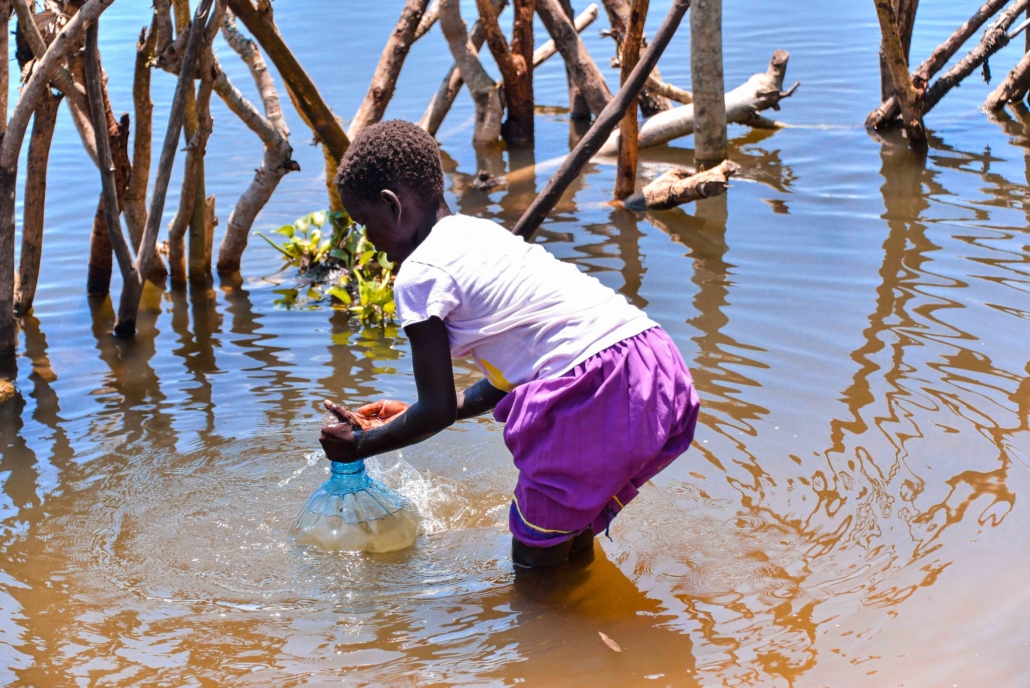
Approximately 4 billion individuals, which is equivalent to half the global population, reside in conditions where their waste is released into their surroundings. This has fatal consequences. It leads to the deaths of 2 million children yearly and damages water systems and the environment. It also hinders economic growth by 1-3%. This problem is especially critical in urban areas, which are densely populated, extensively constructed and expanding at an extremely rapid pace.

A team of three social entrepreneurs from MIT recognized this problem and co-founded Sanergy in 2011 to address it. Sanergy is a social enterprise that provides sustainable sanitation solutions for communities in Kenya.

The Sanergy Model

The Sanergy model is based on a simple concept: building and maintaining high-quality, low-cost toilets in densely populated urban areas while also creating a business model to collect and process waste. The waste is converted into organic fertilizer and sold to farmers, creating a closed-loop system that benefits both urban and rural communities.

Sanergy’s toilets, called Fresh Life Toilets, are designed with user experience in mind. They are clean, well-lit, and ventilated, and come equipped with hand sanitizer and toilet paper. Users pay a small fee to use the toilet, ensuring they are well-maintained and creating a revenue stream for Sanergy.

On the other hand, the real innovation of Sanergy’s model is in the waste management system. Sanergy employs a network of franchise operators who own and operate Fresh Life Toilets in their communities. They also collect the waste from the toilets and bring it to central processing facilities, where it is converted into organic fertilizer.

The franchise operators are trained in business management and sanitation and are given access to financing to start their businesses. This creates economic opportunities for local entrepreneurs while also providing sanitation solutions for communities in Kenya.

Sanergy’s waste processing system is also environmentally sustainable. The waste is treated using a process called anaerobic digestion, which produces biogas that can be used for cooking and electricity generation. The remaining waste is converted into high-quality organic fertilizer, which is sold to farmers at a lower cost than chemical fertilizers.

Impact of Sanergy

Sanergy has had a significant impact on creating sanitation solutions for communities in Kenya. The organization has built over 3,500 Fresh Life Toilets, providing access to sanitation for over 130,000 people a day. The franchise operators have created over 2,000 jobs, and the fertilizer produced from the waste has increased crop yields for farmers.

However, Sanergy’s work is far from complete. The organization continues to expand its operations, but it also faces challenges, including scaling its model to new communities. The organization also has a challenge in ensuring the franchise operators are able to maintain toilets and collect waste consistently.

Nevertheless, Sanergy’s work is a model for sustainable, scalable and socially responsible business solutions. By providing access to sanitation in low-income urban communities, Sanergy is improving health outcomes, creating economic opportunities and promoting environmental sustainability.

–Nino Basaria

Photo: Flickr

May 13, 2023
https://borgenproject.org/wp-content/uploads/borgen-project-logo.svg 0 0 Naida Jahic https://borgenproject.org/wp-content/uploads/borgen-project-logo.svg Naida Jahic2023-05-13 01:30:232026-04-16 10:21:02Sustainable Sanitation Solutions for Communities in Kenya
Global Poverty, Sanitation, Water

The Ugandan Entrepreneur Turning Waste into Water

Ugandan Entrepreneur
Uganda has experienced 20 years of economic growth and population relocation. Many Ugandan people have chosen to move from remote regions to areas around big towns and cities. Significant population growth has resulted in Uganda’s water supply and sanitation services facing exceptionally high demand. Limited supply and high demand mean that Uganda’s urban population faces high costs for access to water. Moreover, Ugandans that still live in rural areas continue to embark on long walks to collect water for their households. In light of this, a Ugandan entrepreneur, Timothy Kayondo, is turning waste into water. The following is a brief look into water quality and sanitation in Uganda.

Four Facts About Water Quality and Sanitation in Uganda

  1. Uganda has a population of 45 million people and 83% of the population do not have access to a clean and reliable source of drinking water.
  2. About 7 million people in Uganda, or around 17% of the population, do not have access to adequate sanitation facilities. 
  3. Approximately 32% of Ugandans have to embark on a journey of more than 30 minutes to gain access to water that is not suitable for drinking.
  4. Roughly 19% of Uganda’s population only possess access to streams, ponds and hand-dug wells, all of which lack the necessary filtration to make the water safe to drink. 

The Cost of Access to Water

Water.org has estimated that 72% of Uganda’s population “lives on less than $3.20 a day.” People living in the urban areas of Uganda use up to 22% of their income on maintaining access to water. A significant allocation of wages toward water access means that Ugandan households have less disposable income for other life necessities. Subsequently, it becomes challenging for the disadvantaged groups in Uganda’s population to break the current cycle of poverty.

Eco Water Purifier

In 2019, Timothy Kayondo demonstrated the Eco Water Purifier at the Global-NAMRIP’s conference in Uganda. Kayondo’s product serves as a solution to Uganda’s current water crisis. The Eco Water Purifier filters waste products such as animal bones and cassava peels to produce clean drinking water. The process involves the waste being “cleaned, fired in a vacuum-sealed furnace, soaked in acidic solution, washed in distilled water and then crushed into activated carbon.” The filter runs entirely off solar panel energy and has the capacity to purify up to 300 liters of water within the space of an hour.

Timothy Kayondo’s invention is affordable, portable and will be made accessible to all income demographics in the local population. However, public facilities, remote schools and clinics will be the main beneficiaries of the Eco Water Filter. As recognition of his achievement, Timothy Kayondo received the Africa Prize 2021 Alumni Grant. The grant was worth $19,700 and acknowledges the need to help “ambitious African innovators develop scalable engineering solutions to local challenges.”

Looking Ahead

Uganda’s struggle with access to drinkable water remains rife. However, efforts from individuals like Ugandan entrepreneur Timothy Kayondocontinue to highlight the need for effective and sustainable action against Uganda’s water crisis. The Eco Water Purifier provides an inventive solution that is most importantly accessible to those living in poverty. With time, the Eco Water Purifier can potentially become a long-term solution for Uganda’s water problems.

– Jennifer Preece
Photo: Flickr

April 25, 2023
https://borgenproject.org/wp-content/uploads/borgen-project-logo.svg 0 0 Naida Jahic https://borgenproject.org/wp-content/uploads/borgen-project-logo.svg Naida Jahic2023-04-25 09:32:072023-05-31 11:45:20The Ugandan Entrepreneur Turning Waste into Water
Children, Global Poverty, Sanitation

Everything to know about poverty in Cambodia

About Poverty in Cambodia
In the 1970s, the Khmer Rouge conducted one of the largest genocides known in history, killing an estimated 1.7 million Cambodians, although the exact number remains unknown. The extreme communist beliefs of the Khmer Rouge caused the death of approximately 21% of Cambodia’s population. The rebuilding and reopening of the country to the international market revealed the depth of the effects of the regime on the country’s poverty levels. Despite various poverty reduction measures being taken that have had drastic impacts on the poverty present within Cambodia, poverty is still rife in the country with almost 13% of the population living below the poverty line. Here is everything to know about poverty in Cambodia.

Housing 

Because of poverty, 62% of the Cambodian population lives in inadequate, one-bedroom housing. Cambodia’s population is growing increasingly urban with more than 25% of citizens living in cities. Meanwhile, in the capital of Phnom Penh, one in five people live in the slums or informal settlements, with limited access to basic needs and hygiene. There are an estimated 4,000 homeless children across seven Cambodian cities. 

Water and Sanitation 

Although 50% of Cambodians have access to a basic water supply, only a quarter of its population can access water that is safely managed. According to Lifewater, 2 million Cambodian citizens are without clean water, with a further 6 million without safe sanitation. Rural Cambodians face much more challenging hygiene problems than those in urban areas with a high rate of 80% of rural Cambodians openly defecating, as opposed to only 11% of those in the cities. The same is true of handwashing facilities, to which only 60% of those in rural Cambodia have access compared to 88% of urban Cambodians. 

Hunger 

Often, a country’s hunger rate is an indicator of poverty. According to the World Food Programme (WFP), 15% of Cambodia’s population suffers from undernourishment. Meanwhile, Cambodia’s children bear the heaviest burden, with 32% of young children facing stunted growth from malnourishment and 10% suffering from wasting. Floods and droughts threaten the rural Cambodian food system, putting the future of Cambodian nourishment at risk. 

Cambodian Children’s Fund 

Founded in 2004, the Cambodian Children’s Fund (CCF) focuses on providing hands-on care to the children that need it the most in the Cambodian slums of Steung Meanchey. CCF focuses on covering four main solutions: basic needs, family and community, education and leadership. CCF has helped more than 3,500 children and their families find a route out of poverty. One of these children is Sophy, who was living in the garbage dump of Steung Meanchey when CCF encountered her and is now on a full scholarship at the University of Melbourne.

Looking Ahead 

Despite the steady progress, poverty in Cambodia is still rife and its population is still one in need. When looking to help those in poverty, people must not forget countries that have faced detrimental conflicts with impacts that last many years later, such as the Khmer Rouge’s genocide of Cambodia. Nonetheless, in order to continue to lower Cambodian poverty rates, the first step is to raise awareness of everything there is to know about poverty in Cambodia.

– Genevieve Lewis
Photo: Flickr

March 17, 2023
https://borgenproject.org/wp-content/uploads/borgen-project-logo.svg 0 0 Naida Jahic https://borgenproject.org/wp-content/uploads/borgen-project-logo.svg Naida Jahic2023-03-17 07:30:492024-05-30 22:30:52Everything to know about poverty in Cambodia
Global Poverty, Sanitation, Water

The Swiss Charity Helping the World’s Poorest

Swiss Charity
Medair is a Swiss charity bringing resources and aid to the most vulnerable in the poorest countries. The charity specializes in providing emergency responses to countries experiencing natural disasters and outbreaks of war and disease. The organization focuses its aid on the most vulnerable populations of women and children in emergency outbreaks. Similar to various other aid charities, such as the Red Cross, Medair originated and holds its headquarters in Switzerland. One might wonder how Switzerland, a country that has received renown for having such a high GDP relative to its population size and for taking a neutral stance in world politics, offers such good conditions for philanthropy.

Medair’s Background 

Medair began in the Swiss canton of Vaud in 1989, inspired by the Christian values to serve the most vulnerable people regardless of race, creed or nationality. It cites its values as integrity, hope, compassion, joy, accountability, dignity and faith. Medair goes the extra mile to help those most affected by global emergencies who are also those most difficult to reach. They are ready to act within 24 hours of a disaster, before subsequently focusing on rebuilding and strengthening communities from future disasters. The Swiss charity Medair focuses on three aspects of aid including providing shelter, clean water and sanitation, health and nutrition. They employ experts in each sector to provide hands-on help.

On the Ground: Afghanistan

Since 1996, Medair has been providing humanitarian aid in Afghanistan. Since the withdrawal of U.S. troops and the Taliban’s takeover in 2021, Medair has provided 116,171 people with direct assistance.  Following 2021, Medair built 117 clean water access points and a solar-powered water point. Many Afghan families have struggled to feed themselves because of heavy displacement since the Taliban seized power, which has led to more than 1 million malnourished children in need of acute treatment. In response, Medair has been managing 29 mobile nutrition clinics over nearly 45 locations, and within eight months, almost 40,000 women and children received treatment for malnutrition.

Switzerland: Rated Second Best for Conditions that Enable Philanthropic Engagement

In the Global Philanthropy Environment Index 2022 which the University of Indiana conducted for 2018-2020, Switzerland received a rating for second-best for conditions that encourage the creation of philanthropic and charitable organizations.

It is clear from the number of Swiss humanitarian aid charities including the Red Cross, Caritas and of course Medair, that Switzerland promotes humanitarianism despite its neutral stance in global affairs. In housing one of the U.N.’s offices, and in hosting ‘good offices,’ mediating spaces where conflicting countries’ representatives can engage in peace-making meetings, Switzerland is a country that promotes peace-making. Moreover, in 2021, Switzerland spent 0.50% of its GNI on ODA, a 0.01% increase from the previous year. In relation to the country’s GDP, Switzerland received the rating of the eighth-most-giving country in 2018.

Concluding Thoughts 

Switzerland has received renown for a high GDP relative to population size, for a strong currency and for a general population with a high amount of wealth. It is refreshing to see such a wealthy country recognize its privilege, pay it forward and play its part in reducing global poverty by encouraging the formation of hands-on humanitarian aid charities, such as the Swiss charity Medair.

– Genevieve Lewis
Photo: Flickr

March 3, 2023
https://borgenproject.org/wp-content/uploads/borgen-project-logo.svg 0 0 Naida Jahic https://borgenproject.org/wp-content/uploads/borgen-project-logo.svg Naida Jahic2023-03-03 01:30:112023-03-02 07:20:03The Swiss Charity Helping the World’s Poorest
Page 3 of 29‹12345›»

Get Smarter

  • Global Poverty 101
  • Global Poverty… The Good News
  • Global Poverty & U.S. Jobs
  • Global Poverty and National Security
  • Innovative Solutions to Poverty
  • Global Poverty & Aid FAQ’s
Search Search

Take Action

  • Call Congress
  • Email Congress
  • Donate
  • 30 Ways to Help
  • Volunteer Ops
  • Internships
  • Courses & Certificates
  • The Podcast
Borgen Project

“The Borgen Project is an incredible nonprofit organization that is addressing poverty and hunger and working towards ending them.”

-The Huffington Post

Inside The Borgen Project

  • Contact
  • About
  • Financials
  • President
  • Board of Directors
  • Board of Advisors

International Links

  • UK Email Parliament
  • UK Donate
  • Canada Email Parliament

Get Smarter

  • Global Poverty 101
  • Global Poverty… The Good News
  • Global Poverty & U.S. Jobs
  • Global Poverty and National Security
  • Innovative Solutions to Poverty
  • Global Poverty & Aid FAQ’s

Ways to Help

  • Call Congress
  • Email Congress
  • Donate
  • 30 Ways to Help
  • Volunteer Ops
  • Internships
  • Courses & Certificates
  • The Podcast
Scroll to top Scroll to top Scroll to top