• Link to X
  • Link to Facebook
  • Link to Instagram
  • Link to TikTok
  • Link to Youtube
  • About
    • About Us
      • President
      • Board of Directors
      • Board of Advisors
      • Financials
      • Our Methodology
      • Success Tracker
      • Contact
  • Act Now
    • 30 Ways to Help
      • Email Congress
      • Call Congress
      • Volunteer
      • Courses & Certificates
      • Be a Donor
    • Internships
      • In-Office Internships
      • Remote Internships
    • Legislation
      • Politics 101
  • The Blog
  • The Podcast
  • Magazine
  • Donate
  • Click to open the search input field Click to open the search input field Search
  • Menu Menu

Archive for category: Poverty

Child Poverty, Global Poverty, Homelessness, Poverty

2 New Poverty Projects in Portugal Make a Difference

projects in portugalPortugal already suffers from significant poverty and the recent COVID-19 pandemic is exacerbating these struggles. Prior to the pandemic, a fifth of the population, or approximately two million people, were considered at risk of poverty or social exclusion. The pandemic pushed around 400,000 people below the poverty line. Additionally, it increased the at-risk-of-poverty rate by 25%. However, Portugal’s two new poverty projects, formed within the last two years, work to significantly mitigate Portugal’s poverty problems. The projects address two main problems within Portugal: homelessness and child poverty. In addition, these two projects plan to ambitiously confront these features of poverty beyond the pandemic to offer sustainable poverty reduction in Portugal.

CRESCER’s É Uma Mesa Project

CRESCER is an organization that funds several initiatives in Portugal. It aims to promote the health and social integration of the most vulnerable on the streets of Lisbon. In recent months, CRESCER created the É Uma Mesa project. One of a few innovative projects in Portugal, É Uma Mesa centers around the restaurant and catering business. It prompts the social inclusion of specific vulnerable groups into the labor market. The project focuses mostly on homeless people but also supports refugees in extreme poverty. There are two main features of the project: conducting extensive training and offering restaurant employment.

The first feature consists of extensive training for homeless and extremely impoverished refugee groups. The É Uma Mesa effort trains these individuals in social and relational skills. They receive this on top of the service and catering skills acquired from on-the-job restaurant training. Furthermore, É Uma Mesa also offers “psychosocial support” to improve mental health for the homeless. Multifaceted training helps enable better integration of the homeless into the labor market and leads to greater inclusion within Portuguese society.

The Project’s Impact

É Uma Mesa notably supported the homeless community in recent months. FEANTSA, a major European group working on homelessness, recognized its achievements by awarding the project the 2021 Silver Prize of the Ending Homelessness Awards. Moreover, the project does not focus solely on homelessness during the pandemic and it is planning for the future with some notable long-term objectives.

These long-term objectives aim to significantly minimize Portuguese poverty and homelessness. One aim is to integrate 75 beneficiaries into training and 40 beneficiaries into the labor market each year. Efforts seek to improve the lives of the beneficiaries beyond the short term. To achieve this, ameliorating social and health conditions to ensure consistent stability remains a priority. And, CRESCER hopes to ensure the project is self-sustainable after three years.

La Caixa Foundation

La Caixa Foundation is the second of two new poverty projects in Portugal. Its main goal consists of providing several major initiatives that improve Portuguese child poverty and education. Its “social observatory” division is instrumental in conducting studies. Supported by the Center of Economics for Prosperity (PROSPER), the effort works to provide more accurate figures on poverty in Portugal.  The on-the-ground situation in Portugal plunged significant proportions of the population into poverty or propelled many to become at risk of poverty.

The other key division of this foundation is the “social programs” division. Specifically, this division made its most significant impact on minimizing child poverty and furthering education prospects for impoverished families. The collaboration of more than 400 local social organizations promotes the social and educational development of young children and adolescents. Simultaneously, this is in conjunction with mobilization efforts targeted at eradicating child poverty. As a result, La Caixa Foundation’s “CaixaProinfancia” has proven to be significant in its impact. In 2020, the project’s work enabled 58,841 impoverished children to attend school and supported 35,326 families.

Ultimately, these dual efforts reduce the impact of Portuguese poverty through multiple efforts. As the pandemic continues, many of those suffering the most gain critical support at critical times. As La Caixa and CRESCER continue to meet their goals, many of Portugal’s most needy stand to benefit.

– Gabriel Sylvan
Photo: Flickr
September 13, 2021
https://borgenproject.org/wp-content/uploads/borgen-project-logo.svg 0 0 Kim Thelwell https://borgenproject.org/wp-content/uploads/borgen-project-logo.svg Kim Thelwell2021-09-13 01:30:102024-05-30 22:24:522 New Poverty Projects in Portugal Make a Difference
Education, Global Poverty, Poverty

Disparities in Education in Nigeria

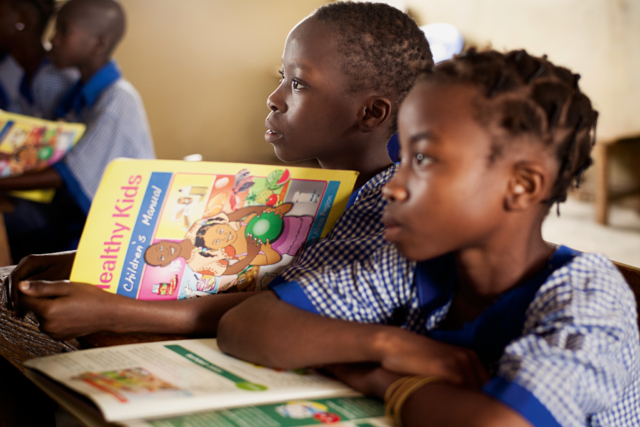
disparities in Education in NigeriaNigeria has struggled with a weak education system for decades. Of the total number of children not in school worldwide, 20% of them live in Nigeria. Essentially, one in five children out of school resides in Nigeria. Girls make up a large percentage of children not in school. In Northern Nigeria, less than half of all girls actually attend school. COVID-19 has served to highlight the disparities in education in Nigeria.
COVID-19 Sheds Light on Inequalities

Before the COVID-19 pandemic, the number of children not attending school in Nigeria stood at around 13 million. This number doubled to 36 million as schools closed and children were forced to stay home. A large portion of these children were girls. Many girls and children living in rural areas of Nigeria had difficulties accessing education during the pandemic. Even though the government implemented remote learning plans via radio and television, barriers still presented themselves.

Many students, especially those in rural areas, do not have access to electricity or technology, and therefore, could not access education at all. While more affluent families could continue connecting to education online, those without access were unable to learn for a prolonged period of time, setting them behind the rest of their classmates. While it has always been clear that disparities in education in Nigeria require improvement, the COVID-19 pandemic brought about a greater desire for change.

How Improving Education Alleviates Poverty

There is a direct link between education and poverty, indicating how improving education in Nigeria can help the economic growth of the country while helping citizens rise out of poverty. When children are educated, they develop the skills and knowledge that can help them secure well-paying jobs in the future.

Furthermore, poverty is a cycle, and, a lack of access to education perpetuates that cycle. Oftentimes, parents are unable to send their children to school due to the unaffordable secondary costs of schooling. Even when school itself is free, textbooks and uniforms warrant costs that families simply cannot afford to pay. Uneducated children are unable to break cycles of poverty, meaning the next generation will most likely continue the cycle of poverty too.

Additionally, education reduces gender equality disparities. Educated girls are able to attain financial independence, reducing poverty for themselves and their communities. Educated women are also more likely to prioritize the education of their children. According to Global Citizen, If all adults completed secondary education, 420 million people could rise above the poverty line. This is due to the fact that education increases yearly earnings by 10% with each added year of education.

Latest Grant for Improving Education in Nigeria

The international community is working to help improve Nigeria’s education system with renewed vigor due to the intensified disparities caused by the pandemic. UNICEF allocated $20 million for the 2020-2022 period to support the education of children in Nigeria during COVID-19. The goals of the grant include four components:

  1. Supporting children affected by conflict. This goal involves building 100 temporary places for learning and rebuilding or creating 100 schools. It also includes creating more “gender-responsive” hygiene amenities and “promoting inclusive and gender-responsive enrollments in 18 local government areas across three states.” Furthermore, the grant aims to provide learning resources for 500,000 students. Roughly “100,000 conflict-affected children” will receive mental support services and 500 community leaders will be educated on protecting children’s rights.
  2. Improving the government’s role in education, especially in emergencies. This includes “budgeting, planning, implementation, monitoring and reporting.”
  3. Improving teacher preparation. This entails helping 28,000 teachers gain their teaching certification. A “teacher recruitment system” will be established and teachers will receive ongoing training to learn “Teaching at the Right Level.” A proper education assessment system will help monitor progress in schools.
  4. Improving the schools’ ability to support education for children affected by conflict. This involves “establishing and developing capacities of 300 school-based management committees on gender equity and gender-based violence” and promoting inclusivity of disabled students. Education plans should be conflict-sensitive to accommodate such children.

The Road Ahead

Education and poverty strongly correlate. The COVID-19 pandemic has heightened inequality worldwide, exacerbating poverty and increasing the number of children out of school, especially in developing countries like Nigeria. To eliminate disparities in education in Nigeria, greater measures must be implemented to overcome inequalities and ensure the country’s education system is better equipped to handle unprecedented circumstances in the future. With grants from supporting organizations like UNICEF, education in Nigeria can improve.

– Alessandra Heitmann
Photo: Flickr

July 29, 2021
https://borgenproject.org/wp-content/uploads/borgen-project-logo.svg 0 0 Kim Thelwell https://borgenproject.org/wp-content/uploads/borgen-project-logo.svg Kim Thelwell2021-07-29 01:30:172024-05-30 22:23:58Disparities in Education in Nigeria
Health, Poverty

The Impact of COVID-19 on Poverty in Pakistan

The Impact of COVID-19 on Poverty in Pakistan
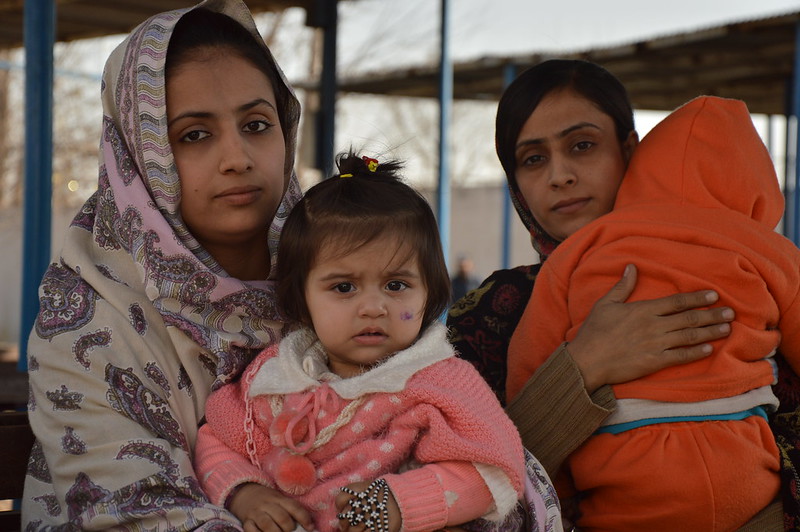
As COVID-19 wreaks havoc on the developing world, the World Bank estimates that there will be between 119 to 124 million additional people added to poverty due to economic standstills. Developing countries are at high risk of an increase in poverty, including Pakistan. The impact of COVID-19 on poverty in Pakistan is substantial, but the government and other organizations have been cooperating to minimize the impact.

COVID-19’s Impact on Pakistan

In Pakistan, to date, there have been more than 22,000 COVID-19 related deaths. Vaccination programs have experienced delays, with only about 2% of the population of Pakistan currently vaccinated. To receive the vaccine, residents pay around $78, a luxury that many Pakistanis cannot afford. Due to the U.K. strain, cases are rising again. However, government officials are hesitant to enforce a strict lockdown as they did in March 2020. Rather, the government utilized the popular “smart” or “micro” lockdowns, where only specific areas go into lockdown. However, limited data exists on the success rates of these strategies.

Pre-Pandemic Pakistan

Even before the pandemic, Pakistan’s health system had limitations. According to the United Nations Development Programme (UNDP), before COVID-19, Pakistan had a ratio of one doctor to 963 people and a lack of universal healthcare. Before the virus, the poverty rate in Pakistan declined by 40% over the last two decades. However, the economic impacts of the pandemic halted poverty reduction progress.

The Impact of COVID-19 on Women and Children

COVID-19 has impacted women and children in Pakistan more significantly than men. Due to the virus, these vulnerable groups are suffering several consequences. Children are one of the most vulnerable groups in Pakistan. In June 2020, nearly 42 million children were out of school, with 17 million children younger than 5 missing routine vaccinations.

According to the International Labor Organization (ILO), the shutdowns due to COVID-19 have disproportionately affected women, and in particular, the garment industry, which makes up a substantial part of Pakistan’s exports. In Pakistan, the majority of the population has employment within the garment industry, with approximately one in seven women working in this sector.

To rectify the bleak situation, the Pakistan Workers Federation and the Employers Federation of Pakistan issued a joint statement of cooperation and the government provided wage support. These efforts also included a “no lay off” order and an interest rate reduction for employers who retain their employees.

The Good News

While the situation looks bleak, the government and organizations are taking action to relieve the impact of COVID-19 on poverty in Pakistan. The U.N. Development Programme established a COVID-19 Secretariat at Pakistan’s Planning Commission in 2020 to facilitate the economic and social response to the pandemic in conjunction with U.N. agencies. The Secretariat supported the Pakistani government’s 2020-2021 budget and National Action Plan for COVID-19.

To alleviate the lockdown’s hardships in 2020, the government issued unconditional cash transfers of approximately $70 to 12 million vulnerable households to prevent food insecurity. To continue to support the most vulnerable population, Ehsaas, the federal social protection program, made extra payments to 4.5 million families. Under the Ehsaas Emergency Cash initiative, another 7.5 million households received monetary assistance.

Dr. Sania Nishtar, the leader of Ehsaas, said in an interview with Mckinsey, that Ehsaas “invested” heavily in time, money, energy and effort to build infrastructure, including an SMS-based request-seeking mechanism, which allowed for ease in eligibility determinations and digital payments.

The World Bank ranked Ehsaas as one of the top four social protection programs by coverage. In March 2021, the World Bank issued a statement supporting the program by approving $600 million to expand Ehsaas. The fund allocation will facilitate the expansion of the programs to reach more informal workers.

Looking Ahead

The impact of COVID-19 on poverty in Pakistan is significant, however, the government and organizations are working together to provide social protection to the most vulnerable groups and will continue to do so as vaccination rates increase.

– Lalitha Shanmugasundaram
Photo: Flickr

July 21, 2021
https://borgenproject.org/wp-content/uploads/borgen-project-logo.svg 0 0 Jennifer Philipp https://borgenproject.org/wp-content/uploads/borgen-project-logo.svg Jennifer Philipp2021-07-21 10:58:272021-07-23 00:56:20The Impact of COVID-19 on Poverty in Pakistan
COVID-19, Developing Countries, Health, Poverty

The Impact of COVID-19 on Poverty in Zimbabwe

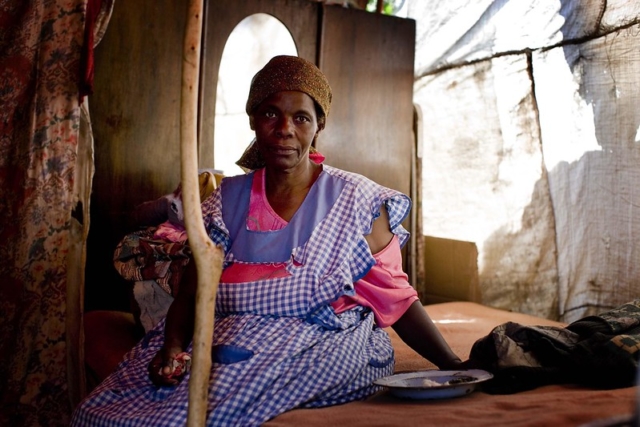
The Impact of COVID-19 on Poverty in ZimbabweThe effects of COVID-19 have been felt throughout the world. However, countries that were already experiencing poverty and health disparities are in worse shape now. Zimbabwe is one particular country that is struggling with the COVID-19 crisis. The impact of COVID-19 on poverty in Zimbabwe “further complicates Zimbabwe’s economic and social conditions.” With global aid and support, Zimbabwe can successfully recover from the effects of the pandemic.
COVID-19’s Economic Impact on Zimbabwe

According to a June 2021 economic analysis conducted by the World Bank, the number of  Zimbabweans living in extreme poverty increased to 7.9 million in 2020 due to the impact of the COVID-19 pandemic. The study also reveals that the impact of COVID-19 on poverty in Zimbabwe escalated extreme poverty overall to almost 50% in 2020. The COVID-19 crisis has also impacted basic public services in the areas of “health, education and social protection.”

Prior to the pandemic, poverty in Zimbabwe was already on the rise. In 2011, the number of Zimbabweans living in poverty increased from three million people to 6.6 million people in 2019. Before COVID-19, rising fuel and food prices contributed to the rising level of poverty in the country. However, the impact of COVID-19 on poverty in Zimbabwe has only exacerbated the dire circumstances with increased job losses and reduced household income.

It was reported that at least 30% of formal jobs within the country were lost due to the increasing number of COVID-19 restrictions. The country has lost roughly $1 billion from a lack of tourism. Zimbabwe still has restrictions at hotspots such as Mashonaland West, Masvingo and Bulawayo provinces. Intense restrictions require businesses in these areas to trade until 3 p.m. instead of 6 p.m. Limited trading hours economically impact the revenue of businesses.

Avoiding Another Lockdown

As Zimbabwe prepared to enter a third wave of the pandemic, another nationwide lockdown seemed unavoidable. The president of the Employers’ Confederation of Zimbabwe (Emcoz), Israel Murefu, warns that another lockdown would have a disastrous impact on the economy. Due to COVID-19 lockdown restrictions, businesses have suffered nationwide and Zimbabweans suffered extreme job losses.

The impact of COVID-19 on poverty in Zimbabwe has left its mark on the country. The rising level of unemployed Zimbabweans has caused a spike in extreme poverty cases. Murefu states that “adapting production processes to the new normal requires a huge capital outlay and takes time,” adding that the country should avoid another lockdown.

Global Assistance

Aside from internal changes that need to occur such as the government creating policies that will protect the impoverished and provide resources to people hit hardest by the pandemic, aid from world superpowers would help Zimbabwe get back on track.

Zimbabwe is experiencing a significant shortage of vaccines. As cases continue to rise, it is more important than ever that the global community steps in to help. It was reported that China would be providing Zimbabwe with 2.5 million doses of the COVID-19 vaccine by the end of June 2021. As more people receive vaccinations, COVID-19 restrictions can ease and Zimbabwe can find its way to economic recovery.

Zimbabwe has reported more than 43,000 COVID-19 cases as of June 24, 2021. As cases continue to rise, the Zimbabwean government has committed to improves its COVID-19 awareness campaigns across the country in order to help reduce the spread of cases. A reduced burden of COVID-19 cases will decrease the economic burden stemming from strained healthcare services in the country.

It is also important for other countries and international players to provide more vaccine doses to Zimbabwe. Being that the country is unable to acquire enough resources to combat COVID-19, the generosity of other countries will help Zimbabwe regain stability. Though the recovery of Zimbabwe’s economy and job market will take time, recovery progress will accelerate if the global community is able to reach out a helping hand and share resources.

– Jordyn Gilliard
Photo: Flickr

July 21, 2021
https://borgenproject.org/wp-content/uploads/borgen-project-logo.svg 0 0 Lynsey Alexander https://borgenproject.org/wp-content/uploads/borgen-project-logo.svg Lynsey Alexander2021-07-21 07:30:072024-05-30 22:23:53The Impact of COVID-19 on Poverty in Zimbabwe
Global Poverty, Poverty

Poverty In New Guinea And The Fight Against It

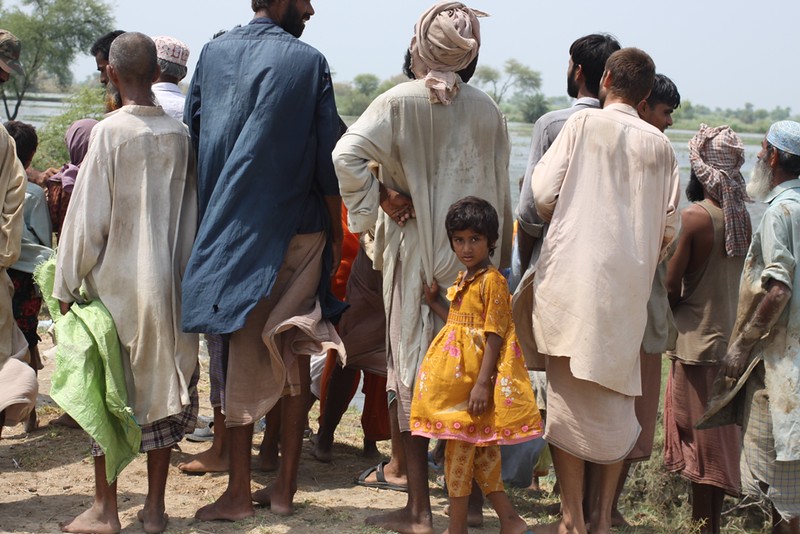
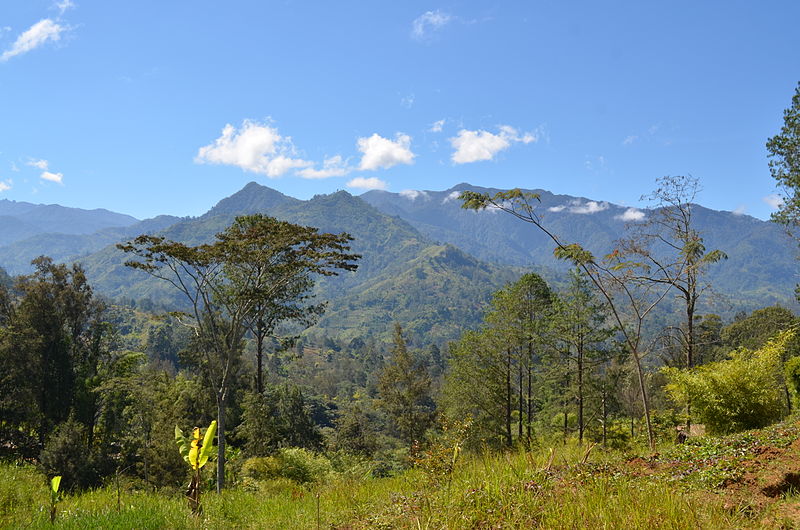
Poverty in New GuineaThe island of New Guinea is immense, being the world’s second-largest island over 300,000 square miles in size. Additionally, it has nearly 15 million people divided between the independent country of Papua New Guinea and the two Indonesian provinces of Papua and West Papua. Poverty in New Guinea is a pressing issue in all three of these political regions of the island.
History of Indonesian New Guinea

The provinces of West Papua and Papua joined Indonesia following a vote in which elders voted in front of occupying Indonesian troops in 1969. The western half of the island became one province. In 2003 it became split into West Papua and Papua.

Poverty Rates

This lack of local control is an essential component of poverty in New Guinea as the populace of the western half of the island lacks political control of their vast natural resources. Papua and West Papua are the poorest regions of Indonesia. These two provinces are incredibly rich in mineral and timber resources. Despite billions of dollars of resource extraction a year, these resources have not helped the local populace as more than a quarter of the population is in poverty.

Much like Indonesian New Guinea, Papua New Guinea has a wealth of natural resources. Despite these resources 37% of the population lives in poverty. This has occurred as unfortunately, the country’s immense natural resources have not been used to substantially improve the standard of living in the country.

Child Poverty in New Guinea

In Papua New Guinea, illiteracy remains prevalent and rural areas have less access to schools as less than 50% of rural children attend school. Child hunger is another component of poverty in the country. Evidence shows that many children in Papua New Guinea are malnourished, and 43% suffer a delay in growth due to insufficient food.

Poverty in New Guinea also heavily impacts children in Indonesian New Guinea. Child hunger rates are very high in Papua, as about 40% of children have stunted growth due to malnutrition. The province has made improvements in terms of schooling, but nearly 40% of children do not attend school.

In West Papua, about 45% of children have stunted growth due to malnutrition. However, the overwhelming majority of children do attend school, with only 12% not attending. This is the highest rate of school participation on the island between the three political areas.

Healthcare in New Guinea

In the Indonesian Papua, healthcare is far from ideal. There are very few medical personnel in Papua to serve the population as “some Papuan districts have less than one doctor and five nurses per 10,000 people.” Additionally, health clinics are typically under supported in the province. Healthcare access became further complicated because much of the population live in remote regions that are difficult to access.

The impact of healthcare on poverty in New Guinea is felt in neighboring Papua New Guinea. There is a very similar level shortage of medical personnel in Papua New Guinea as in Indonesian Papua. There are “0.5 physicians per 10,000 population and 5.3 nurses per 10,000 population.” The lack of medical personnel in Papua New Guinea became further complicated by “low wages and poor physical infrastructure.”

Poverty in New Guinea is an important issue that faces the entire island despite being separated into different political regions. Poverty rates remain high across the island despite the natural resource wealth of the island. Child malnutrition, lack of school attendance and healthcare access impact Papua, West Papua and Papua New Guinea.

– Coulter Layden
Photo: Wikimedia

July 21, 2021
https://borgenproject.org/wp-content/uploads/borgen-project-logo.svg 0 0 Yuki https://borgenproject.org/wp-content/uploads/borgen-project-logo.svg Yuki2021-07-21 06:43:452024-06-07 05:08:15Poverty In New Guinea And The Fight Against It
Global Poverty, Poverty

Renewable Energy in El Salvador

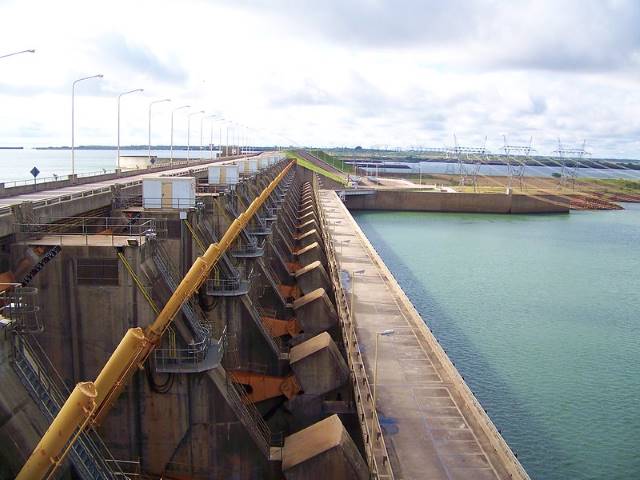
Renewable Energy in El SalvadorWorld Bank statistics indicate that, in 1999, only about 79% of people in El Salvador had access to electricity. By 2009, the percentage increased to about 91%, and in 2019, 100% of the population of El Salvador had access to electricity. The significant improvement in electricity access in just two decades is primarily due to the government’s investments in renewable energy in El Salvador and the work of companies in providing electricity to rural communities.
Poverty in El Salvador

The government’s success in providing universal electricity access within El Salvador comes at a time when much of the population still lives in poverty. The COVID-19 pandemic caused a fall in economic output and a decline in poverty reduction rates. Consequently, COVID-19 jeopardized the country’s recent successes in decreasing poverty and inequality. The World Bank predicted that El Salvador’s GDP would contract by 4.3% in 2020. As a result, it expected the poverty rate to rise by 4%, bringing the total percentage of the population living in poverty to a possible 30%.

Development of Renewable Energy in El Salvador

As the smallest country in Central America, El Salvador lacks natural coal, oil and natural gas. Therefore, El Salvador has historically relied entirely on imports of fossil fuels from other countries “to meet domestic demand.” In the mid-1990s, the government began promoting renewable energy sources to reduce dependence on imports.

In 2010, the government implemented the National Energy Policy, which further pushed for increased renewable energy sources. The policy, which runs till 2024, has seen success so far. El Salvador has not built any additional fossil-fuel-powered generators since the year 2013. By 2019, renewable energy “had reached 64.3% of the country’s total installed capacity of 2.2 gigawatts (GW).” Renewable sources in El Salvador consist of solar power, hydropower and geothermal power. In El Salvador, oil generates only 32.36% of electricity. Renewable sources are responsible for creating the rest of the electricity used by the population.

Economic and Social Benefits of Renewable Energy

Renewable energy in El Salvador has helped stabilize electricity prices. Consequently, renewable energy has led to a more stabilized economy. This economic advancement through renewable development has helped pull people out of poverty and reduce the negative effects of decades of violence and emigration. The ever-growing renewable energy sector provides jobs for many individuals in El Salvador, especially women.

This helps to close the economic and social gap, consequently creating a more gender-balanced workforce while providing a way for women to support their families. LaGeo is a Salvadoran state geothermal energy company that generates close to a quarter of the total energy created in the nation. At LaGeo, 30% of the employees are female. LaGeo is responsible for producing 27% of El Salvador’s electricity and commits to empowering local women and backing reforestation and conservation programs near its plants.

Health Benefits of Renewable Energy in El Salvador

The growth of geothermal power, hydropower and solar energy provide alternatives to biomass for those living in poverty. Though biomass is a renewable energy source, the U.N. considers high biomass usage to be a sign of energy poverty. Regular practices of burning firewood and other biomass materials can cause a number of health and environmental problems.

The World Health Organization reports that more than one million households in El Salvador rely on unclean fuel for cooking. Continuing to replace biomass with cleaner, safer alternatives will improve the lives of those living in poverty in El Salvador.

In 2016, AES El Salvador, a power company, provided photovoltaic kits to more than 70 individuals living in poverty in rural areas. These kits offer a way to harness and store solar power. Furthermore, the beneficiaries also received turbo cookers to reduce biomass consumption. For more than 15 years, “AES El Salvador has brought electricity to more than 70,000 Salvadoran families with rural electrification projects.”

Overall, El Salvador has made great strides in reducing poverty, boosting the economy and providing electricity access through the growth of the country’s renewable energy sector. Universal electricity access has undoubtedly improved the quality of life for many families living in poverty.

– Julia Welp
Photo: Flickr

July 16, 2021
https://borgenproject.org/wp-content/uploads/borgen-project-logo.svg 0 0 Jennifer Philipp https://borgenproject.org/wp-content/uploads/borgen-project-logo.svg Jennifer Philipp2021-07-16 07:30:192024-05-30 22:23:50Renewable Energy in El Salvador
COVID-19, Poverty

COVID-19’s Impact on Poverty in Myanmar

COVID-19’s Impact on Poverty in Myanmar
In 2017, Myanmar’s poverty rate was approximately 24.8%. By December 2020, the second wave of COVID-19 was estimated to bring the poverty rate to almost 50%. COVID-19’s impact on poverty in Myanmar has been devastating but aid aims to remedy the situation.

A Breakdown of COVID-19 in Myanmar

Myanmar’s first confirmed COVID-19 case was in late March 2020. In the weeks leading up to the first positive case, Myanmar’s government outlined its plan for curbing the virus’s spread. On April 6, 2020, Myanmar’s government initiated lockdowns and ordered schools and businesses to commence remote operations.

The daily numbers and seven-day average of COVID-19 cases in Myanmar increased in September 2020 when restrictions first eased. The seven-day average rose from three to 300 by mid-September 2020 and peaked in October 2020 with a seven-day average of more than 15,000. November 2020 witnessed a steady decline. Myanmar’s COVID-19 seven-day average has remained at fewer than 100 cases since mid-February 2021.

Recently, COVID-19 cases in Myanmar have been increasing again. Many world doctors and health officials question the validity of the reported numbers since the military seized power on February 1, 2021. The military imprisoned doctors who opposed it and COVID-19 testing slowed as a result. COVID-19 case numbers in Myanmar are potentially higher than officially reported.

Myanmar’s Response to COVID-19

In early June 2021, Myanmar reached a recorded 144,000+ COVID-19 cases and upwards of 3,000 deaths. Myanmar’s economy halted and COVID-19’s impact on poverty in Myanmar, requiring the government and the people to strategize in order to encourage economic flow.

Economically, Myanmar’s government endeavored to stimulate halted areas of the economy. Service sectors and tourism contributed significantly less to the Myanmar economy. However, information and technology services expanded and the agricultural areas of Myanmar stayed stable.

To improve the Myanmar economy, the government drafted a plan costing $2 billion. The government received its funding from international partners. The funding goes toward stimulus packages, investments in infrastructure and improving public services such as healthcare.

Immediate Economic Impact of COVID-19 in Myanmar

The progress Myanmar has made over the past decade in decreasing its poverty rate halted and even reversed. COVID-19’s impact on poverty in Myanmar demanded that its government make significant investments that will benefit many workforces, but tourism, for example, cannot improve without open borders. Tourism became an intriguing industry for work in Myanmar in 1995. It now represents 3% of the employment force but displayed signs of expansion until the COVID-19 pandemic hit. The year 2015 was a peak year for tourism in Myanmar. An estimated 2.5 million tourists spent 773 million kyats or $469,000. Until 2019, tourism accounted for 55% of the gross domestic product (GDP). The tourism industry hopes for an employment boom when Myanmar’s borders fully reopen.

Moving Forward

AstraZeneca is the only vaccine in Myanmar. The first shipments to Myanmar arrived in January 2021. As of June 2021, Myanmar has distributed three million vaccines. Fears of the AstraZeneca vaccine and its side effects spread after reports of blood clotting post-injection. Britain halted usage of the vaccine until further research could solidify its effectiveness but Myanmar did not.

Myanmar’s vaccination progress had two major distribution advancements between March and May 2021. Myanmar prioritized vaccinating healthcare workers. The distribution then expanded to include more categories of workers. It could take six months before another 10% of the population will have both vaccinations. Currently, only 3.1% of Myanmar’s population is at full vaccination status. Help from international allies will be necessary to make notable progress in vaccination distribution. The U.S. has a large supply of vaccines from all its distributors and intends to distribute vaccines internationally. Myanmar is working to raise funds to obtain more vaccines.

Aid Within Myanmar

For several decades, Myanmar’s poverty rate garnered the attention of many non-government organizations hoping to help. One such organization is World Vision International (WVI),  an organization based in England that typically works directly to support children. Recently, it dedicated the majority of its efforts to feeding and helping children affected by the COVID-19 pandemic in Myanmar.

In Myanmar, the organization works with local businesses to offer food and shelter to children. During the pandemic, WVI expanded its efforts to ensure child poverty levels do not rise even further. WVI has worked in Myanmar for decades. The organization recognized COVID-19’s impact on poverty in Myanmar and advocates on behalf of the people to the Myanmar government. WVI secured masks, gloves, sanitizer and cleaning stations throughout Myanmar.

Looking Ahead

WVI maintained money flow as much as it could in areas that lack of work devastated. It also delivered food to hard-to-reach areas of Myanmar. Other organizations followed WVI’s example when COVID-19’s impact on poverty in Myanmar peaked and negatively affected life for many in the country. With the combined efforts, the poverty level, which rose in 2020, stabilized. It is an arduous road to recovery for Myanmar. Myanmar should be able to reduce the impact of the virus on its poverty levels with assistance from allies and committed organizations.

– Clara Mulvihill
Photo: Flickr

July 16, 2021
https://borgenproject.org/wp-content/uploads/borgen-project-logo.svg 0 0 Jennifer Philipp https://borgenproject.org/wp-content/uploads/borgen-project-logo.svg Jennifer Philipp2021-07-16 01:30:022024-06-04 01:18:01COVID-19’s Impact on Poverty in Myanmar
Global Poverty, Poverty

Efforts to Alleviate Elderly Poverty in Greece

alleviate Elderly Poverty in GreeceIn December 2020, Trade Economics reported that 13.20% of Greeks older than 65 are vulnerable to poverty. Poor economic conditions in Greece during the past decade resulted in declining wages for citizens in their early 50s. Many believed they would be in a better financial situation by retiring early, especially since pension benefits for Greeks are higher than in other EU member countries. However, elderly poverty in Greece is on the rise. According to Reuters, Greece has a larger older population, and therefore, a rise in early retirements hurt its economy. As a result, the government reduced retirement benefits to help keep people in the workforce for longer. However, the reduction in retirement benefits and additional taxes imposed contributed to higher elderly poverty rates. Organizations aim to alleviate elderly poverty in Greece.
Efforts to Alleviate Elderly Poverty in Greece

In The Guardian, Jon Henley reported in 2015 that 45% of retired Greek senior citizens lived in poverty. Unemployment rates were high among the older and younger populations. Therefore, many elderly citizens had to contribute to their family finances, which negatively impacted their own finances. According to The National Herald, 75% of retired Greeks struggled to pay for food and afford medical expenses in 2017.

Desmos, a nonprofit organization, helped provide financial aid, including food, to those experiencing elderly poverty in Greece. As of 2018, Desmos was able to assist 2,000 older people and provide charities with other essentials to help more people. That same year, Trading Economics announced that the elderly poverty rates in Greece were at 11.6%. This is its lowest rate in the past decade.

Programs Assisting Those in Need

Other organizations and the government have stepped in to help alleviate elderly poverty in Greece. In her article for the Huffington Post, Danae Leivada introduced Life Line, a nonprofit offering food services to those experiencing elderly poverty in Greece. Life Line began assisting elderly citizens in 2011 and has been able to serve up to 900 people a month. Life Line includes a service operating 24 hours a day to those who are in urgent need of food.

Leivada introduced another NGO called 50+, which relies on funding from the EU and has been operating since 2005. This organization advocates for the rights of senior citizens. It also provided resources to help them become more active in society. In addition, 50+ also advocates for a domestic policy to address and prevent elderly poverty.

Pension Issues

According to the European Neighborhood Instrument Cross-Border Cooperation Med Program (ENI CBC MED), the government offers financial aid to senior citizens that do not receive pension benefits or insurance and have a financial need. The financial aid also includes assistance with rent to those who cannot afford housing. Also, the Department of Social Insurance and Control offers financial assistance to those with underlying health conditions.

The ENI CBC MED indicated that retired citizens who are 67 and older and previously worked in the agriculture industry can receive a pension from the Agricultural Insurance Organization (OGA). OGA has provided pensions since 1961 but has changed eligibility requirements on numerous occasions. The current requirements are that senior citizens must show that they have a financial need and do not have insurance.

The ENI CBC MED mentioned that the state does not provide financial assistance to elderly care centers. However, the state has two public programs that provide services to senior citizens. One of these programs offers facilities that operate as an elderly daycare, looking after the older population and assisting them with their needs.

Taking Back Their Pensions

According to Pension Funds Online, the retirement benefits Greeks receive depend on whether they worked for the government, private companies or freelanced. The benefits senior citizens can currently obtain are a contribution rate and an additional pension. The Associated Press reported that the government initially intended to continue reducing the number of retirement benefits beginning in 2019 to focus on paying off its debt but decided not to do so.

ABC News stated that in July 2020, many retired Greeks took the matter to a higher court. The court evaluated whether the 2015 government reduction of retirement benefits was legal. The court ultimately determined that the pension benefit cuts were unconstitutional because the government did not use the appropriate legislative process necessary to implement such measures.

The court even determined that the government needed to reimburse citizens for the reduced pension benefits, but did not indicate whether all retired Greeks or just the appealers of the case would receive the money back. The government shared that it would evaluate the court’s decision before deciding how it would reimburse benefits.

The Effect of COVID-19

According to the ENI CBC MED, Greece went on lockdown for the first months of the COVID-19 pandemic. As a result, various organizations created online systems to help look after the elderly. These organizations also allowed senior citizens to call when in need of food and medicine.

According to Reuters, the International Monetary Fund (IMF) stated that Greece’s strong response to COVID-19 helped put the country in better financial standing in 2021. The IMF also projects that Greece may experience further economic growth in 2021.

The Greek government has implemented public programs and measures to help alleviate elderly poverty in Greece. Greece’s recent economic recovery and the court’s decision to uphold rights to pension benefits serve as indicators that things could continue to improve, both for senior citizens and Greece as a whole.

– Cristina Velaz
Photo: Flickr

July 13, 2021
https://borgenproject.org/wp-content/uploads/borgen-project-logo.svg 0 0 Jennifer Philipp https://borgenproject.org/wp-content/uploads/borgen-project-logo.svg Jennifer Philipp2021-07-13 07:11:322024-05-30 22:23:50Efforts to Alleviate Elderly Poverty in Greece
COVID-19, Global Poverty, Poverty

The Impact of COVID-19 on Poverty in Lebanon

impact of COVID-19 on Poverty in Lebanon
Lebanon is facing an economic crisis of unparalleled proportions. COVID-19 has severely impacted economic activity in Lebanon as it has in other countries throughout the world. However, the Lebanese economy was in freefall even prior to the pandemic. Since the economic collapse began in 2019, Lebanon has seen triple-digit inflation, heightened unemployment and a skyrocketing poverty rate. Stringent lockdowns in January 2021 kept the spread of COVID-19 under control. However, the impact of COVID-19 on poverty in Lebanon is severe, exacerbating Lebanon’s pre-existing crises and hindering economic recovery.

The Economic Crisis in Lebanon

Lebanon was once a popular destination for tourists who wanted to experience the Middle East’s beauty and rich culture. However, economic collapse and the COVID-19 pandemic have decimated one of the largest sectors of Lebanon’s economy: tourism. Economic instability has exacerbated precarious living conditions for millions of impoverished Lebanese people.

Public debt defaults and a banking liquidity crisis forced many businesses to close even before the pandemic hit. Lebanon’s economy has steadily contracted since 2019. The impact of COVID-19 increased Lebanon’s unemployment rate from 6.04% in 2019 to 6.6% in 2020, the highest rate seen in a decade. The failure of Lebanon’s economic and financial systems has resulted in millions unable to afford basic necessities.

Lebanon and Syria

The ongoing Syrian Civil War that began in 2011 has had significant ramifications in Lebanon. It has also contributed to the collapse of the Lebanese economy. Lebanon has had a long and fluctuant history with its much larger neighbor, Syria. Substantial business relationships exist between Lebanon and Syria’s political and economic elites. Lebanon’s economic disasters remain intrinsically tied to the decade of destruction in Syria. This has created a crisis of its own in Lebanon.

Lebanon houses more Syrian refugees than any other country. With Palestinian refugees included, refugees make up roughly a quarter of Lebanon’s population. These refugees live in camps and shantytowns that offer little protection from the elements and are void of public services. The COVID-19 pandemic has increased the number of Syrian refugees in Lebanon living in extreme poverty from 55% to 90%.

Civilian Poverty and COVID-19

Refugees are not the only ones struggling in Lebanon. With a poverty rate of more than 55%, material deprivation and the suffering it causes are widespread among the 6.8 million Lebanese natives and refugees alike. Many social support services were cut in response to the debt crisis, which left many with little assistance in the face of catastrophe.

Furthermore, August 2020’s Beirut port explosion killed at least 200 people, destroyed thousands of buildings and caused billions of dollars in property damage. Lebanon initially dodged a severe COVID-19 outbreak. However, medical services and ICU beds became heavily strained when cases peaked in January 2021. Thousands of Lebanese people have taken to the streets in past years to protest what they see as a corrupt and inept political class that has consistently failed the citizens of Lebanon.

COVID-19 Aid

In January 2021, The World Bank approved a $264 million project to reduce poverty in Lebanon. The Emergency Crisis and COVID-19 Response Social Safety Net Project (ESSN) will “provide emergency cash transfers and access to social services” to about 786,000 impoverished Lebanese people “reeling under the pressure of Lebanon’s economic and COVID-19 crises.” The project will also focus on developing social security nets in Lebanon to ensure an improved response to future economic shocks.

Exactly 147,000 households living in extreme poverty will receive financial support for one year. Additionally, “87,000 children between the ages of 13-18 will receive a top-up cash transfer to cover the direct costs of schooling.” A core objective of the ESSN is to create a sustainable social safety net that can readily support impoverished Lebanese people even after the World Bank’s aid ends. It is vital for aid to focus on those most vulnerable as the ESSN project highlights.

The Road to Recovery

The impact of COVID-19 on poverty in Lebanon has been harsh. While wealthy nations’ economies suffered from lockdowns and closures, the economic effects of the pandemic were even more acute in impoverished nations struggling to recover from pre-existing catastrophes. COVID-19 has made poverty more widespread, narrowing pathways out of poverty.

While the worsening situation in Lebanon has attracted international attention and support, the structural issues that led to extreme poverty have only been alleviated, not solved. With continued commitment and support from the global community, Lebanon can successfully rebuild and recover.

– Will Pease
Photo: Flickr

July 11, 2021
https://borgenproject.org/wp-content/uploads/borgen-project-logo.svg 0 0 Jennifer Philipp https://borgenproject.org/wp-content/uploads/borgen-project-logo.svg Jennifer Philipp2021-07-11 07:30:442021-07-09 07:20:54The Impact of COVID-19 on Poverty in Lebanon
Poverty

The Impact of COVID-19 on Poverty in Afghanistan

The Impact of COVID-19 on Poverty in Afghanistan
Since the first confirmed case of COVID-19 in Afghanistan in February 2020, the total number of confirmed cases rose to 93,288, with deaths reaching a toll of 4,871 on July 1, 2021. Low government capacity and limited public health resources have hampered Afghanistan’s ability to contain the virus, amounting to only 0.9% of the population becoming fully vaccinated. The impact of COVID-19 on poverty in Afghanistan has been a domino effect across the country as many have fallen below the poverty line.

COVID-19 and Afghanistan

As COVID-19 continues to spread, Afghan citizens grapple with increased instability in the form of Taliban attacks on national security. The reduction of U.S. troops and decreased NATO assistance resulted in a 29% increase in civilian casualties and heightened corruption.

One of the most extreme effects of the pandemic is the impact of COVID-19 on poverty in Afghanistan. In 2020, the economy contracted by 1.9%, and poverty levels rose from 41.6% to 45.5%, with more than half of the population living under the poverty line. These higher levels correspond with a significant rise in food insecurity, as suppliers raised prices in response to trade restrictions. However, the World Bank and USAID initiatives promise enhanced development of humanitarian aid efforts for Afghan citizens.

The Domino Effect: How Poverty Affects Food Insecurity

Food insecurity is part of a domino effect. As COVID-19 in Afghanistan continues to spread throughout, poverty levels climb as more civilians fall into unemployment, resulting in them being unable to purchase sufficient amounts of food because of a rise in prices.

According to the office of the Special Inspector General for Afghanistan Reconstruction (SIGAR), the combination of COVID-19 and rising urban poverty levels are resulting in 16.9 million Afghans facing crisis and emergency levels of food insecurity. Of these 16.9 million, 5.5 million are experiencing emergency levels of food insecurity, severely threatening their health.

The surge and impact of COVID-19 on poverty in Afghanistan, along with food insecurity, is partly due to the early closing of borders. In March 2020, one of Afghanistan’s primary food import and export sources––Pakistan––closed its routes to and from suppliers to prevent the spread of COVID-19, resulting in a food shortage.

Although borders opened again in July 2020, the initial closing proved to be disruptive. Nearly half of the children below 5 years old will face acute malnutrition by the end of 2021. To put food on their tables and fund medical treatment, several Afghan civilians resorted to selling their organs illegally. These combined infrastructure and economic pressures outline a need for aid to Afghanistan.

Relief Efforts

To combat the impact of COVID-19 on poverty in Afghanistan, various organizations implemented insecurity-reduction measures. In July 2020, the United States government designated more than $36.7 million to support COVID-19 relief efforts in Afghanistan through USAID. The United States allocated these funds primarily toward refugee assistance, health and disaster assistance and support for the Afghan government. This contribution proved helpful, as Afghanistan’s domestic revenues increased by 1.4% in the first quarter of 2021.

Additionally, the World Bank approved and issued a grant of $97.50 million in February 2021 to support Afghan civilians suffering the effects of droughts and COVID-19. By extension, a portion of this sum will go toward improving nutritional and food insecurity, which worsened as a result of widespread droughts and disease. This grant will also finance the Early Warning, Early Finance and Early Action Project (ENETAWF). The project aims to aid approximately 2.2 million impoverished Afghans and 78 districts struggling with poverty, drought and food insecurity.

Individuals in and outside of the United States can also support COVID-19 humanitarian aid efforts in Afghanistan by supporting Afghan businesses. Greater demand for goods will result in the creation of companies and jobs and the economy’s growth, so more funds go toward alleviating the impact of COVID-19 on poverty in Afghanistan.

– Riya Sharma
Photo: Flickr

July 7, 2021
https://borgenproject.org/wp-content/uploads/borgen-project-logo.svg 0 0 Jennifer Philipp https://borgenproject.org/wp-content/uploads/borgen-project-logo.svg Jennifer Philipp2021-07-07 10:43:452024-05-30 22:23:52The Impact of COVID-19 on Poverty in Afghanistan
Page 6 of 27«‹45678›»

Get Smarter

  • Global Poverty 101
  • Global Poverty… The Good News
  • Global Poverty & U.S. Jobs
  • Global Poverty and National Security
  • Innovative Solutions to Poverty
  • Global Poverty & Aid FAQ’s
Search Search

Take Action

  • Call Congress
  • Email Congress
  • Donate
  • 30 Ways to Help
  • Volunteer Ops
  • Internships
  • Courses & Certificates
  • The Podcast
Borgen Project

“The Borgen Project is an incredible nonprofit organization that is addressing poverty and hunger and working towards ending them.”

-The Huffington Post

Inside The Borgen Project

  • Contact
  • About
  • Financials
  • President
  • Board of Directors
  • Board of Advisors

International Links

  • UK Email Parliament
  • UK Donate
  • Canada Email Parliament

Get Smarter

  • Global Poverty 101
  • Global Poverty… The Good News
  • Global Poverty & U.S. Jobs
  • Global Poverty and National Security
  • Innovative Solutions to Poverty
  • Global Poverty & Aid FAQ’s

Ways to Help

  • Call Congress
  • Email Congress
  • Donate
  • 30 Ways to Help
  • Volunteer Ops
  • Internships
  • Courses & Certificates
  • The Podcast
Scroll to top Scroll to top Scroll to top