How Fair Trade Fashion Reduces Poverty
 The concept of sustainability and living sustainably has gained momentum in recent times, especially in terms of conscious living to eradicate human rights violations in the workplace. Alleviating global poverty is linked to making ethical and sustainable life choices, such as purchasing fair trade fashion and tackling the problems of overconsumption and inequality within the system of capitalism.
Fast Fashion and Poverty Perpetuation
From 2000 and 2010, global clothing consumption doubled from 100 billion to 200 billion pieces per year, leading many fashion outlets to shift their focus from producing high-quality, long-lasting items to cheaply made, disposable ones that can be sold at lower costs, thereby boosting competitiveness and profits. However, this overconsumption of goods such as fast fashion clothing has led to worker exploitation, as brands must produce items at faster rates.
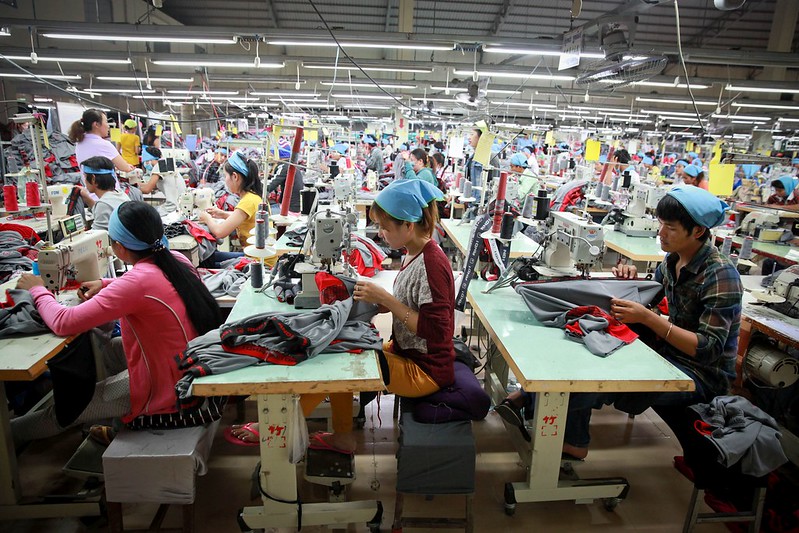
Fast fashion companies have increasingly relied on unethical modes of production, such as sweatshops that subject workers to poor conditions and unfair wages, since the rise of cheaper fashion at the end of the 20th century. Even in the poorest countries of the world, where child protection laws and regulations are lacking, fast fashion brands continue to rely on child labor to maximize profits, depriving children of the opportunity to gain the education that can help them escape poverty in the future.
Reducing Poverty
Over the past decade, a growing body of research has demonstrated the perils of the fast fashion industry, sparking increased discussion around fair trade fashion. Brands that prioritize fair trade practices typically provide greater transparency regarding their supply chains than their fast fashion counterparts, thereby assuring consumers of no participation in worker exploitation of people who live in poverty. While fair trade fashion items may carry a higher price tag, they generally boast higher quality and a longer lifespan. More significantly, they guarantee better working conditions for those involved in the supply chain, as the money spent flows down to the bottom. The Fair Trade movement promotes equitable wages and opportunities in impoverished countries like Tanzania, India and Sri Lanka, helping to uplift people and alleviate poverty.
Fair Trade Fashion in Action
People Tree, a U.K.-based company with a Fair Trade certificate, is an excellent example of an ethical company that empowers Bangladeshi workers to rise above poverty. Founded in 1991, the company aims to ensure its products meet the highest possible ethical standards throughout the supply chain. They also strive to serve as a model of a Fair Trade business with moral values that prioritize both people and the environment, setting an example for the fashion industry and governments alike.
Power in the Hands of Consumers
Choosing to purchase fair trade fashion from companies like People Tree enables consumers to impact lives positively and prevent support for the cycle of extreme poverty in less developed countries. More people opting for fair trade fashion could discourage businesses from exploiting workers and producing cheap garments on a mass scale while facilitating the advancement of fair trade fashion.
– Hannah Naylor
Photo: Flickr
