• Link to X
  • Link to Facebook
  • Link to Instagram
  • Link to TikTok
  • Link to Youtube
  • About
    • About Us
      • President
      • Board of Directors
      • Board of Advisors
      • Financials
      • Our Methodology
      • Success Tracker
      • Contact
  • Act Now
    • 30 Ways to Help
      • Email Congress
      • Call Congress
      • Volunteer
      • Courses & Certificates
      • Be a Donor
    • Internships
      • In-Office Internships
      • Remote Internships
    • Legislation
      • Politics 101
  • The Blog
  • The Podcast
  • Magazine
  • Donate
  • Click to open the search input field Click to open the search input field Search
  • Menu Menu

Archive for category: Poverty Reduction

Information and stories about poverty reduction.

Global Poverty, Poverty Eradication, Poverty Reduction

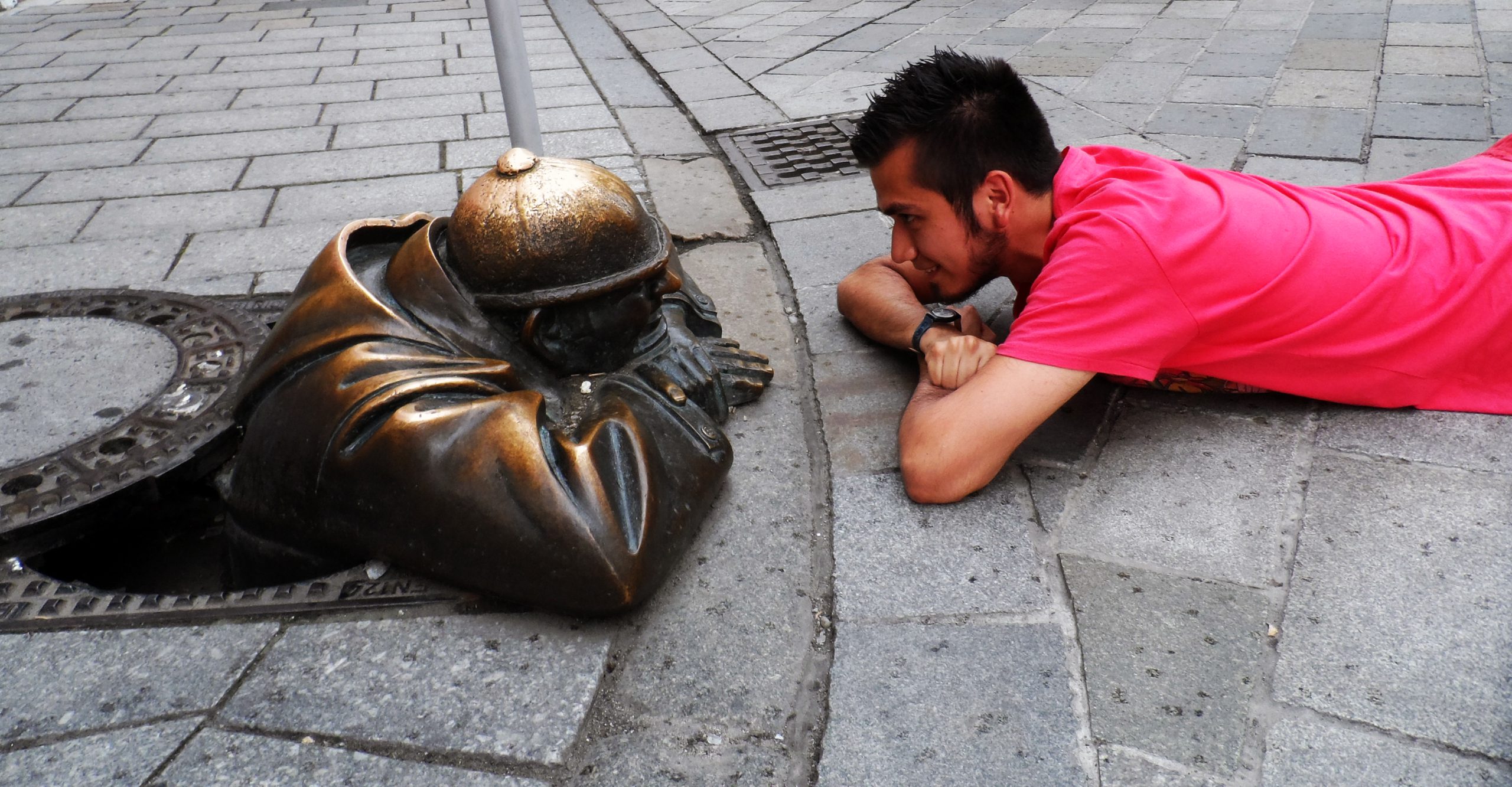
Slovakia: The World’s Highest Rate of Income Equality

Income Equality
In today’s stark reality, the richest 10% of individuals hold more than half of global income, while the poorest half of the world’s total population shares 8.5% of it; a disparity that has doubled over the last 20 years. However, Slovakia is one of the few success stories of inclusive growth, maintaining the third-lowest risk of poverty in the EU in addition to achieving the world’s highest rate of income equality.

Defying Poverty and Disparity

Europe constitutes no exception from the global trajectory of wealth distribution. Among the EU’s most equitable nations, Denmark and Sweden have witnessed income inequality increase by approximately 14% since 2006. In contrast, Slovakia experienced a reduction of the same amount during this period. While income levels in Slovakia remain relatively low, they are nevertheless the most evenly distributed.

In fact, the Slovak Republic attained a Gini coefficient of 23.2 in 2023 — a statistical measure quantifying income inequality and economic concentration — which constitutes the lowest figure achieved by any nation today. Meanwhile, Slovakia is also recognized as having the world’s fourth-best Palma ratio, a gauge of wealth disparity between the top 10% and bottom 40% of the population.

Additionally, Europe’s income growth has generally remained stagnant over the past quarter-century, while Slovakia exhibits one of the most rapid income growth rates among OECD states. A 2019 OECD report found that in 2022, 21.6% of EU citizens were at risk of poverty or social exclusion, while the individual figure for Slovakia averaged around 12%. Finally, as poverty can be understood as an extreme expression of inequality, Slovakia’s progress towards equality attained commendable triumphs on the UN Sustainable Development Goal (SDG) 1, which is towards the eradication of poverty.

A Closer Look at Slovak Policies

Since the split of Czechoslovakia into Slovakia and the Czech Republic, the two republics have introduced a number of social policies along with the phased introduction of market-based democracy. Slovak efforts encompassed state-directed reforms aimed at improving the national level of education, labor force participation and occupational class structure in addition to a number of social safety nets. Notably, since the 1990s, Slovakia saw a significant increase in the share of university graduates, as well as an expansion of routine non-manual jobs that currently employ one-fourth of the Slovak population.

Slovakia exhibits a unique tax mix with extensive pre- and post-income distributive functions. Much of Slovakia’s tax revenue stems from the social security contribution tax, which accounts for 13.3% of Slovak GDP, while corporate income tax constitutes the state’s second-largest source of tax revenue. Slovakia’s progressive tax is attributed to a 42% reduction in the inequality rate within the country, where a 17% to 20% tax rate is enforced on the highest earners, while a 0% to 5% is taxed from the lowest incomes. On a national level, this results in the top 10% of earners in the workforce accounting for 30% of all social contributions, while the collective taxed amount from the lowest-earning half of the population contributes a quarter of the total funds. In fact, the majority of retirees’ income, about 80-90%, is derived from progressive tax, deeming it primarily funded by those with the highest incomes.

From the earliest days of independence, pension schemes introduced in Slovakia aimed to better employment rates without having to suppress wages. To reduce labor supply, Slovakia increased personal income tax for workers above retirement age along with marked increases in pension benefits. Despite earnings in OECD states averaging more than three times those in Slovakia, public spending on pensions comprises 7% of Slovakia’s GDP. In fact, 2013 studies on OECD and G20 countries revealed that poverty rates for the elderly were among the lowest in Slovakia, averaging 4.3% in 2010, while the overall OECD average stood at 12.8%.

Another notable dimension of Slovak welfare schemes includes parental leave. Early reforms in the Slovak Republic established a three-year paternal allowance, that continues to rank Slovakian parental leave policies amongst the top 10 in the world, with Slovakia being the first on the list with equal days of fully paid leave for male and female parents.

How Social Welfare Has Improved Income Equality in Slovakia

Furthermore, Slovakia’s dynamic of proactively seeking social welfare has demonstrated a remarkable capacity to endure in the face of international economic shocks. According to the projections of the European Commission, Slovakia was among the EU economies tackling the 2008 global economic crisis most effectively. Slovakia was quick to establish the Institute for Subsistence Law, which defined vulnerable portions of the populace based on fixed amounts of minimum monthly incomes below which they would become entitled to social assistance benefits. Consequently, between 2008 and 2015, the risk of poverty in Slovakia dropped by 2.5%, with an 8% decrease in the overall poverty level within the 10 years leading up to 2015.

Moreover, studies by the Slovak Institute for Financial Policy found that intergenerational elasticity in Slovakia — the extent to which an individual’s income is determined by their parents’ economic status — was at 18.4%, a figure significantly lower than that of any Western European nation. Therefore, Slovakia also stands out in the fact that parents’ income levels serve as a poor indicator of their offspring’s earning prospects, indicating a limited effect on a child’s opportunities.

In the words of the Center for Eastern Studies’ Tomasz Dąborowski, the Slovak experience is “a model of successful economic transformation,” demonstrating that a focus on economic justice and social welfare can yield transformative results amidst the current landscape of challenges to income equality.

– Nadia Asaad 
Photo: Flickr

October 13, 2023
https://borgenproject.org/wp-content/uploads/borgen-project-logo.svg 0 0 Yuki https://borgenproject.org/wp-content/uploads/borgen-project-logo.svg Yuki2023-10-13 01:30:202024-12-13 18:02:59Slovakia: The World’s Highest Rate of Income Equality
Global Poverty, Poverty Reduction

Burning African Trash — Generating Electricity To Fight Poverty

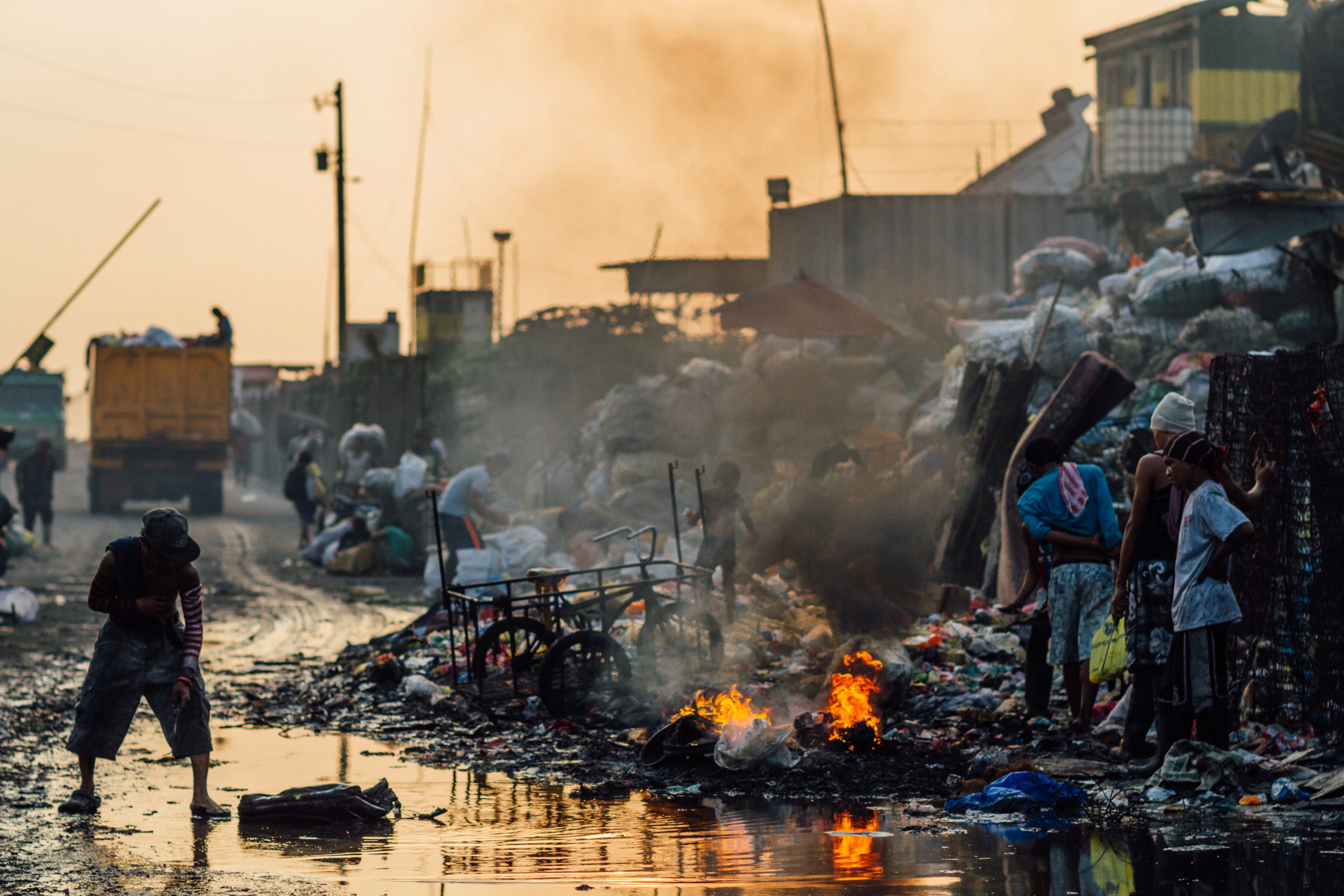
Burning African TrashIn Africa, where many communities struggle with poverty and have little access to essential amenities, landfills are providing an unconventional answer to this widespread issue. These landfills, which are typically seen as environmental eyesores and health risks, have unrealized potential that may drastically improve the lives of the continent’s poorest citizens.
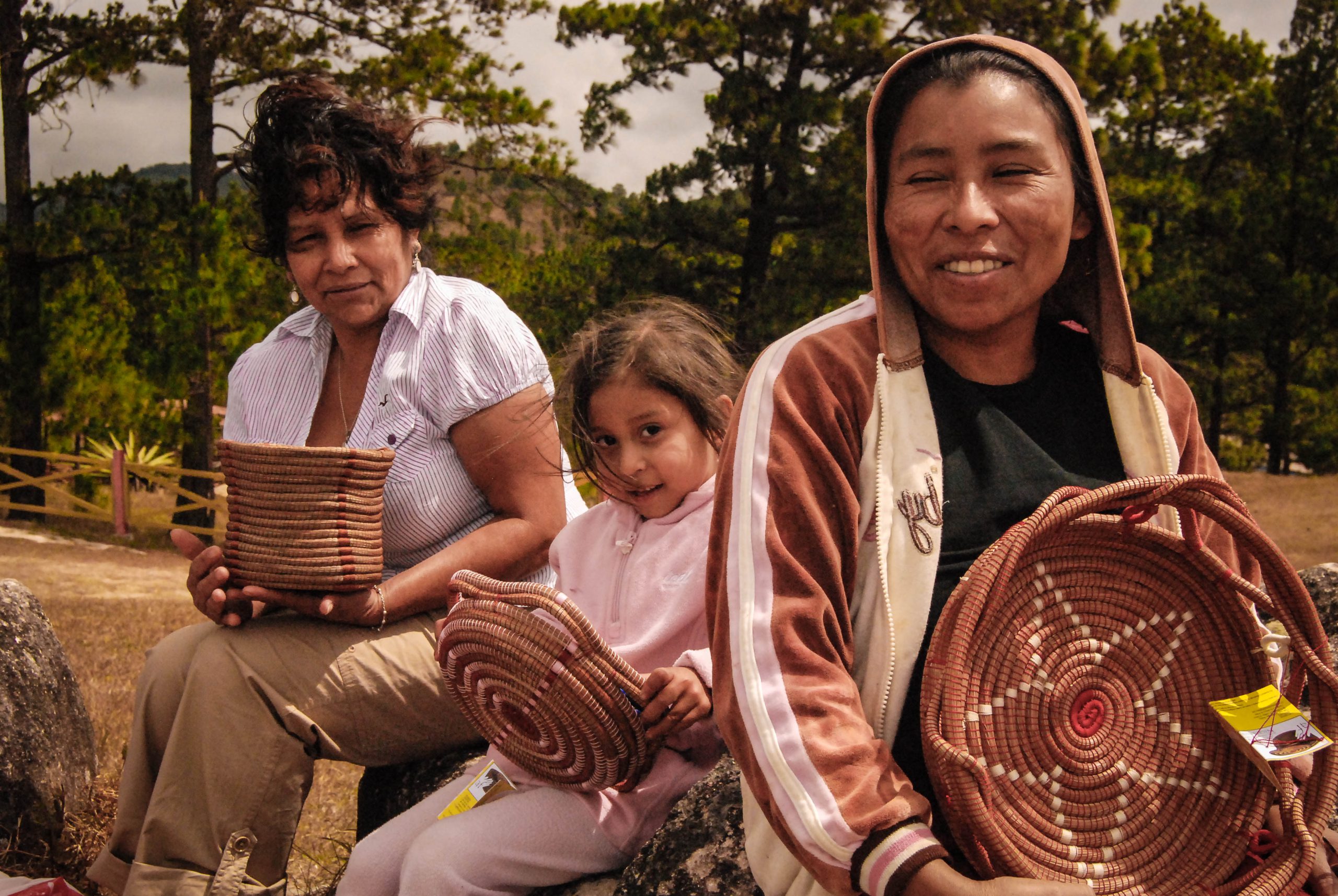
This article analyzes the groundbreaking possibility of burning African trash to generate electricity and how this practice can help alleviate global poverty.

Landfills

Africa’s landfills represent the difficulties experienced by emerging countries. They frequently overflow with trash, causing environmental degradation, risks to public health and an overall sense of neglect.

Close proximity to landfills in poor neighborhoods causes health issues. This is caused by a lack of hygiene, direct contact with toxic substances and the presence of pests. Families are forced to spend more of their already strained resources on health care, which reduces the amount that otherwise would be allocated to economic growth or education.

Landfills also discourage prospective investors, limit tourism and restrict the expansion of local small companies. The negative perception of these areas as “icky” feeds a vicious cycle of poverty.

Energy Poverty

Another problem is that many Africans suffer from energy poverty, a lack of reliable access to energy sources for absolute necessities. These can include lighting, heating, cooking and running necessary appliances. Addressing energy poverty is essential for fighting against global poverty.

New Possibilities in Energy Production

Landfills and energy poverty are two significant nuisances to Africa’s progress. However, a new technology may promise the continent a solution to both of these poverty-related issues. Africa may be able to supply many of its electricity demands by burning landfill garbage with controlled, environmentally friendly methods.

Burning landfill waste results in an enormous decrease in the volume of solid waste, making landfills easier to manage and improving the general sanitation and hygiene in the area while also lowering the danger of infectious diseases. Keeping landfills clean and well-maintained makes the local environment healthier. Although one may think too much particulate matter (PM) is released from this burning, the EPA argues that more than 99% of PM can be removed through filters.

Developing landfill-to-energy projects offers residents of underdeveloped areas employment opportunities. These programs, ranging from waste collection and sorting to operating energy-producing machinery, can give people and families who are dealing with poverty a source of income.

Landfills in Africa have the potential to represent hope for underprivileged populations. Africa may produce up to 20% of its own electricity by unlocking the energy trapped in these trash piles. In addition to addressing energy poverty, burning African trash also provides more hygienic conditions, employment prospects and environmental advantages. Africa can turn trash into treasure and make a huge step toward a brighter, more sustainable future for all of its citizens with the correct investments, policies and community involvement. The continent can fight poverty by turning its waste into valuable energy sources.

– Advait K. Mishra
Photo: Flickr

October 12, 2023
https://borgenproject.org/wp-content/uploads/borgen-project-logo.svg 0 0 Yuki https://borgenproject.org/wp-content/uploads/borgen-project-logo.svg Yuki2023-10-12 03:00:432023-10-11 10:05:45Burning African Trash — Generating Electricity To Fight Poverty
Global Poverty, Poverty Reduction

Poverty and Mental Health in Nicaragua

Mental Health in NicaraguaNicaragua ranks among the countries in Latin America with low-income levels. Its population of 6.5 million faces challenges, with approximately 3.2% living on less than $1.90 per day and around 24.5% below the national poverty line. Widespread poverty in Nicaragua exacerbates mental health issues.
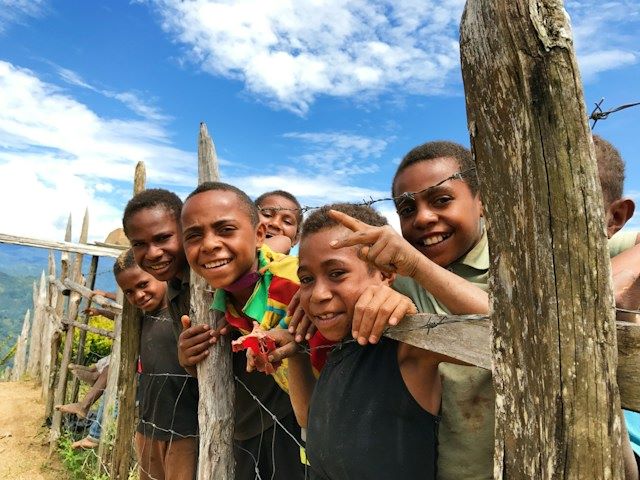
Living in poor conditions creates a challenging and unpredictable environment for families and communities in the area. It is widely known that poverty and socioeconomic disadvantages increase the chances of experiencing life events. In countries with development like Nicaragua, factors such as limited social connections, inadequate public services and insufficient public security contribute to these stress-inducing situations within these communities. Due to a struggling economy, access to health services is scarce for individuals, particularly the poorest. Consequently, they live in unsupportive environments, making it difficult for them to cultivate resilience or develop self-esteem.

The Impact of Poverty on Mental Health

Research indicates that individuals enduring poverty and social hardships often encounter a frequency and greater severity of life events (SLEs) compared to the general population from childhood and adolescence to adulthood. These SLEs have been linked to a range of mental health issues, ultimately diminishing the quality of life for those affected. In interviews conducted in León and Chinandega (Nicaragua), homeless women shared how their financial circumstances were influenced by the SLEs they experienced before reaching 18 years old and their age while experiencing them.

When asked about the life events that had an impact on their experience of homelessness, the women mentioned other factors. These included:

  • Having difficulties with their family.
  • Experiencing the loss of their mother and/or father.
  • Facing unemployment.
  • Enduring intimate partner violence.
  • Struggling with poverty and economic challenges.

Moreover, some interviewed women believed that certain significant life events contributed significantly to their situation. These events included:

  • The death of a partner.
  • Separation or abandonment by a partner.
  • Being abandoned by their children.
  • Substance abuse issues.
  • Lack of education opportunities.
  • Dealing with illness or health problems.

Additionally, one woman in each case indicated that becoming homeless was due to an accident, debt, or mismanagement of assets, time spent in prison, being a victim of rape, engaging in sex work, experiencing the death of a child, lacking family support, struggling with self-esteem issues or having experienced violence.

Health Care and Support Initiatives in Nicaragua

Médecins sans Frontier (MSF, Doctors Without Borders) is an initiative that offers medical assistance. Each day, the dedicated teams of Doctors Without Borders provide health care to individuals facing crises undertaking endeavors across over 70 nations. Since its establishment in 1971, MSF has positively impacted millions of lives, expanding from a group of 13 doctors and journalists to a movement comprising more than 45,000 individuals.

In Nicaragua, they provide psychological and psychiatric assistance to individuals affected by political and social violence. MSF’s initial mission in 1972 took place in Managua, the capital and largest city of Nicaragua. During that time, an earthquake devastated most of the city, claiming the lives of 10,000 to 30,000 people. In 2018, MSF returned to Nicaragua to support those experiencing anxiety, adjustment disorder and post-traumatic stress due to their exposure or personal experiences with events linked to civil unrest and political turmoil. Additionally, MSF conducted training sessions on health care, psychological first aid and self-help for community leaders, groups and educators. This training empowered them to provide support during crises.

Conclusion

Nicaragua’s intersection of poverty and mental health poses difficulties for individuals and communities. The combination of resources and inadequate access to necessary services and support worsens mental health problems. Organizations such as Doctors Without Borders play a part in offering psychiatric aid along with training to tackle these challenges. They assist individuals affected by social violence find ways to recover and build resilience amid adversity.

– Aysu Usubova
Photo: Flickr

October 11, 2023
https://borgenproject.org/wp-content/uploads/borgen-project-logo.svg 0 0 Yuki https://borgenproject.org/wp-content/uploads/borgen-project-logo.svg Yuki2023-10-11 04:57:442023-10-11 10:09:01Poverty and Mental Health in Nicaragua
Global Poverty, Poverty Reduction, Sustainable Development Goals

Achieving the SDGs in Guinea Bissau

SDGs in Guinea BissauGuinea Bissau is a country located on the west coast of the African continent. Despite having a rich culture and strong natural resources, it is one of the most impoverished nations in the world, the World Bank says. Guinea Bissau had a GDP of just $1.63 billion in 2022 and, in 2018, almost 22% of the population lived in extreme poverty, surviving on less than $2.15 per day. Progress toward the U.N. Sustainable Development Goals (SDGs) is essential for global poverty reduction. And likewise, achieving the SDGs in Guinea Bissau is essential for the country’s overall growth, development and poverty reduction progress.

According to the Sustainable Development Report on Guinea Bissau, major challenges remain in 13 out of 17 SDGs. Also, significant challenges remain in SDG 10 (Reducing Inequalities) but the country has achieved SDG 13 (Climate Action). For the remaining two SDGs, there is no data to assess.

UN Investment and Aid

In April 2022, the U.N. and the government of Guinea Bissau met to discuss the government’s implementation of the Cooperation Framework strategy, which runs from 2022 until 2026 and aligns with the country’s National Development Plan and the U.N. 2030 Agenda for Sustainable Development. The framework focuses on three outcomes: “Governance, economic transformation and human development.” Poverty reduction and wealth inequality fall into the first two focuses. The overall aim of this plan is for the U.N. to assist Guinea Bissau in meeting the 17 SDGs.

In the year 2022, the U.N. committed almost $87 million to help Guinea Bissau move closer to reaching the SDGs.  In 2023, so far, the U.N. has provided $75.3 million, mostly used in the areas of health and well-being (49.3% of the total value), peace, justice and effective institutions (11.6% of the total) and zero hunger and sustainable agriculture (17.1% of the total).

UNDP Aids Development in Guinea Bissau

Among Guinea Bissau’s development cooperation partners and organizations, UNDP is the main partner, and it already has an office in the country and projects aimed at specific local needs since the country’s independence in 1975.

The UNDP acts in the country and, consequently, for international development, supporting good governance in order to achieve equality and opportunity for all. The UNDP focuses on good governance to ignite progress in the development of other key areas. These other areas are democratic governance, efforts toward national social cohesion and peace, gender equality, poverty reduction, environmental sustainability and health.

With regard to methodologies and work strategies for development, the UNDP identifies and states that current development challenges are interconnected and interdependent. This means that an integrated approach is necessary rather than isolated efforts in order to bring about lasting change in development and poverty reduction in Guinea Bissau.

UNDP Projects in Guinea Bissau

To help Guinea Bissau move closer to achieving the SDGs, the UNDP has implemented several projects:

  • Building Forward Better in Guinea Bissau: This project began in January 2022 and will end in December 2024 with the aim of advancing progress on the SDGs overall.
  • Political stabilization and reform: Building trust and inclusive dialogue within the national political regime in order to make it more democratic and in line with U.N. principles.
  • Blue economy as a catalyst for green recovery: The project focused on leveraging the country’s blue economy through open and interactive dialogue involving the private sector and civil society, thus obtaining investment from multiple parties. The project began in January 2021 and ended in December 2022.
  • Stabilization of the justice sector: A proposal that seeks to achieve political stability, considering that the main cause of the difficulty of development is due to the existing political crises in the country, in order to support the justice sector in accordance with the principles of the system international human rights, resulting in the consolidation of internal peace.

Overall, the efforts of the U.N. and its agencies prove vital in helping Guinea Bissau meet the 17 SDGs with just seven years remaining.

– Letícia Lacerda
Photo: Unsplash

September 30, 2023
https://borgenproject.org/wp-content/uploads/borgen-project-logo.svg 0 0 Kim Thelwell https://borgenproject.org/wp-content/uploads/borgen-project-logo.svg Kim Thelwell2023-09-30 01:19:192024-12-13 18:03:04Achieving the SDGs in Guinea Bissau
Global Poverty, NGOs, Poverty Reduction

How Collaborative Efforts Can Address Global Poverty

Collaborative EffortsGlobal poverty remains one of the most pressing challenges humanity is facing. Despite significant advancements in technology, economics and social systems, a considerable portion of the world’s population still lives in extreme poverty. Addressing this complex issue requires a multifaceted approach that goes beyond traditional methods. One promising approach is the power of collaborative efforts. By bringing together governments, NGOs, businesses and individuals, there is a good chance of working out a comprehensive fabric of solutions to resolve global poverty.

The Interwoven Nature of Global Poverty

Global poverty is a multi-dimensional challenge that transcends geographical and cultural boundaries. It encompasses economic hardship and social, political and environmental factors. The intricate interplay of these elements calls for a coordinated response and collaborative efforts that can address the root causes rather than just the symptoms.

The Role of Collaborative Efforts

Collaboration offers a unique advantage in tackling global poverty. It leverages the diverse strengths of different stakeholders and encourages holistic solutions. Governments can provide policy frameworks, resources and infrastructure. Non-governmental organizations (NGOs) can bring grassroots knowledge, community engagement and targeted interventions. Businesses can contribute by investing in sustainable development, job creation and responsible practices. Lastly, individuals can also play a vital role through activism, philanthropy and consumer choices.

Case Studies in Collaborative Success

The United Nations Sustainable Development Goals (SDGs): A prime example of global collaboration, the SDGs outline 17 goals aimed at addressing various aspects of poverty, including education, health, gender equality and clean water. Governments, NGOs, businesses and individuals worldwide are working collectively to achieve these goals by 2030.

  • Microfinance and Social Enterprises – Collaborative efforts between financial institutions, NGOs and local communities have led to the development of microfinance initiatives and social enterprises. These empower individuals in poverty by providing access to credit, training and resources to start small businesses and improve their livelihoods.
  • Public-Private Partnerships – Collaborations between governments and businesses have been successful in developing essential infrastructure in underserved regions. This includes initiatives for clean energy, health care and education, which directly impact poverty reduction.
  • Challenges and Considerations – Collaborative efforts are not without challenges. Differences in priorities, communication barriers and unequal power dynamics can hinder progress. It is crucial to establish transparent communication channels, clear objectives and equitable distribution of resources to ensure that collaborative initiatives yield meaningful results.

Looking Ahead

Global poverty is a serious challenge, but it is not insurmountable. Collaborative efforts hold the potential to work out the required solutions. By harnessing the collective strength of governments, NGOs, businesses and individuals, there is hope for mending the gaps in the social fabric, uplifting disadvantaged communities and creating a world where every individual has the opportunity to thrive.

– Sudipta Barua Munmun
Photo: Pexels

September 29, 2023
https://borgenproject.org/wp-content/uploads/borgen-project-logo.svg 0 0 Yuki https://borgenproject.org/wp-content/uploads/borgen-project-logo.svg Yuki2023-09-29 01:30:102023-09-30 04:55:44How Collaborative Efforts Can Address Global Poverty
Education, Global Poverty, Poverty Reduction, Sustainable Development Goals

The Benefits of Impact Investing in Education for Poverty Alleviation

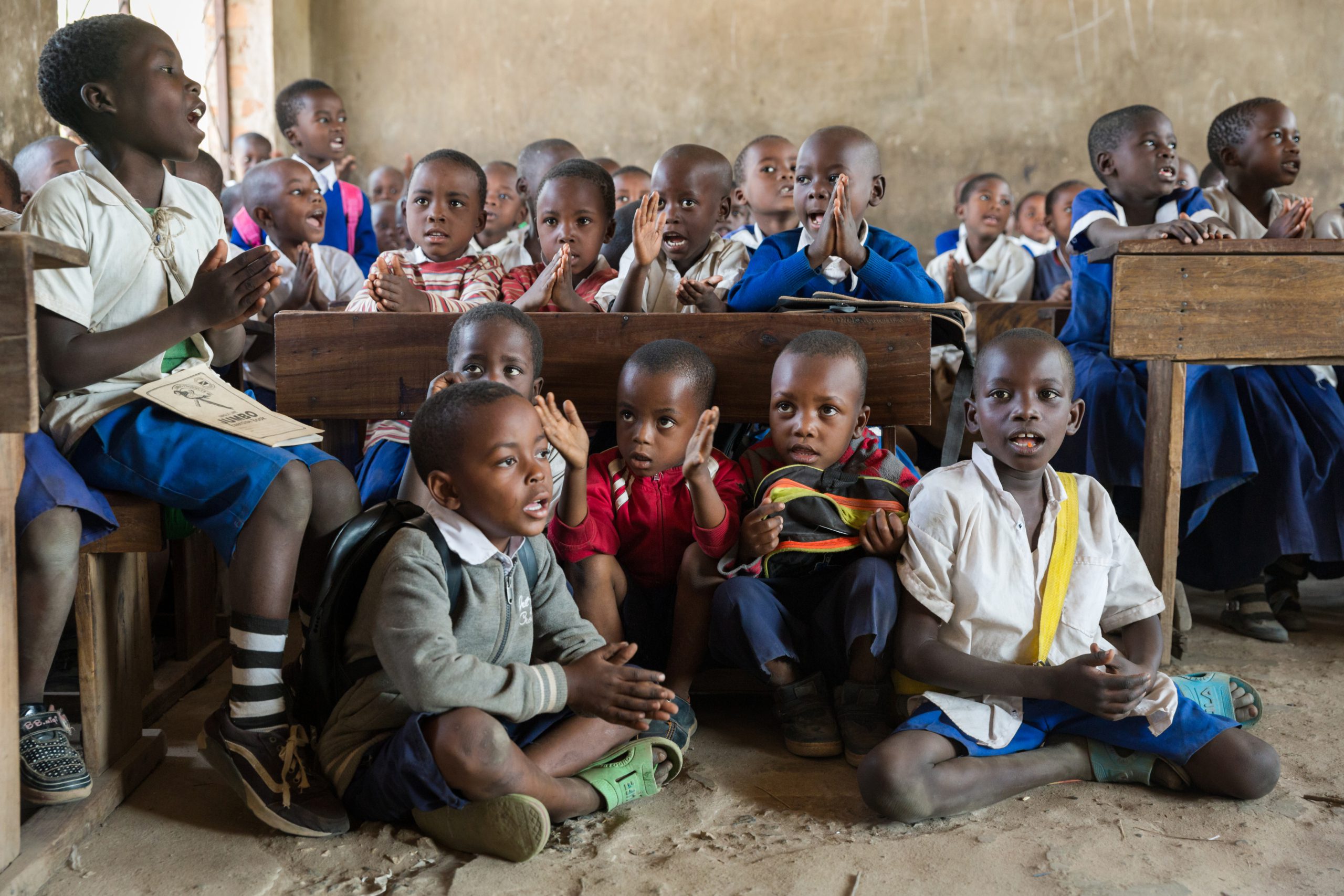
Investing in EducationImpact investing is an investment strategy employed by individuals, companies or organizations seeking both financial returns and a positive social or environmental impact. This approach, when applied to education, could yield substantial benefits for individuals and developing countries alike. Education has the potential to enhance various facets of an economy, including health, empowerment and employment, as highlighted by EHL Insights. For instance, research suggests that achieving universal education, where every child acquires basic literacy skills, could reduce the number of individuals living in poverty by an estimated 170 million.

Reducing the Funding Gap

The private sector can significantly assist governments in developing countries in closing the funding gap and providing access to quality education for all children in these nations. This support is crucial as many developing countries face challenges in securing the financial resources required for universal basic education of high quality.

According to LEK Consulting, developing countries will need an expenditure of $3 trillion on education to provide “universal access to education” by 2030, which aligns with the sustainable development goals (SDG). This is more than double the 2020 expenditure of $1.2 trillion. The benefits of impact investing in education from the private sector can potentially fill in the gaps where government funding is absent or limited – improving issues of low access to education and low learning outcomes, both of which have implications for poverty alleviation in developing countries.

Impact Investing Improves Access to Education

Hewlett-Packard (HP) launched HP School Cloud, an open learning platform, in 2018 to help improve access to education via a $20 million investment. HP school clouds allow access to educational materials such as e-textbooks and thousands of lessons in STEM subjects like science and math without the need for the internet, allowing equitable access to education worldwide, particularly helping the most marginalized in society. The resources are aligned with an international curriculum standard set by UNESCO and OECD to name a few, with the aim of improving education for 100 million people by 2025. HP School Cloud is an important tool for accessing education. Ron Coughlin, President of Personal Systems Business at HP, states, “HP School Cloud ensures today’s aspiring students develop the skills for the jobs of tomorrow.”

Education is still the primary way for people to escape cyclical poverty in developing countries. Therefore, impact investing can help to improve access to education and help promote a better future by increasing employment status, generational wealth and income and wealth creation. The World Bank states that globally for every year of schooling, there is a “9% increase in hourly earnings.” This increase in earnings in turn contributes to the economic growth of a country. No country with adult literacy rates below 40% achieves rapid growth, demonstrating the importance of access to education for poverty alleviation.

Impact Investing Improves Learning Outcomes

The Union Bank of Switzerland (UBS) Optimus Foundation created the first Development Impact Bond (DIB) in education, Educate Girls DIB, in 2015 to increase the enrolment of marginalized girls and progress and improve literacy and numeracy among children who attended school, in the Indian State of Rajasthan. The DIB lasted three years until 2018. At the end of the program, the learning outcomes of enrollees “grew 79% more than their peers in other schools,” according to the Educate Girls Foundation. That is equivalent to an additional year of education.

Children need foundational knowledge that they learn in school to help them develop as individuals and thrive when they join the workforce. Improving low learning outcomes, particularly for women, can help build prosperous and healthy families. The benefits of impact investing in education in developing countries are likely to reduce children’s malnutrition by 50%, reduce the chances of children dying before the age of 5 and reduce their chances of turning to prostitution as a source of income, consequently reducing levels of HIV infection within a country.

Impact investing in education can help reduce poverty within developing countries by providing large amounts of funding in places where government resources are spread thin. Education is important for reducing poverty. Education increases economic growth and individual earnings, which benefit families and wider society. Furthermore, investing in education, particularly for women, leads to better health outcomes creating a healthier society.

– Kishan Patel
Photo: Flickr

September 28, 2023
https://borgenproject.org/wp-content/uploads/borgen-project-logo.svg 0 0 Yuki https://borgenproject.org/wp-content/uploads/borgen-project-logo.svg Yuki2023-09-28 07:30:382023-09-25 03:17:50The Benefits of Impact Investing in Education for Poverty Alleviation
Economy, Global Poverty, Poverty Reduction

Tourism Boosts Lebanon’s Economy Amid Summer Revival

Lebanon's Economy
Lebanon’s economy experienced a remarkable upswing this summer, thanks to the revival of tourism in the country. The tourism sector has emerged and has always been a pivotal player, breathing new life into the nation’s financial prospects and increasing the potential for poverty reduction in Lebanon.

Increased Tourism in Lebanon

Efforts to implement security measures in the region have cultivated a modest sense of confidence among travelers, drawing a heightened influx of international visitors to Lebanon. Expert estimates and statements from tourism authorities substantiate the sector’s expansion, resulting in amplified tourism receipts and economic advantages.

Local businesses, encompassing hotels, restaurants and transportation services, flourish by attending to the increasing count of tourists exploring Lebanon’s rich cultural heritage, historical landmarks and breathtaking natural landscapes. This influx of visitors has also resulted in job creation, further contributing to economic growth and poverty reduction among locals. This is significant considering a report by Human Rights Watch in 2022 that 36% of people in Lebanon lived in extreme poverty.

Insights from Jean Abboud, president of the Association of Travel & Tourist Agents in Lebanon, reveal that Beirut’s International Airport has witnessed a notable surge in travelers. This trend has remained consistent since the end of June, with passenger numbers averaging between 15,000 and 18,000 individuals daily. Particularly noteworthy is the peak occurring on June 25, when the airport’s terminals bustled with 20,000 passengers in a single day.

This surge in passenger traffic paints a vivid picture of Beirut reclaiming its popularity and appeal on the global travel stage. The numbers indicate a renewed preference for Beirut as a favored entry point, reigniting the city’s role as a hub of international connections. By facilitating the smooth movement of people across borders, Beirut’s airport takes on a pivotal role in revitalizing the local tourism and travel sector. This sector holds immense significance for the nation’s economy and cultural exchanges.

How Tourism is Boosting Lebanon’s Economic State

In 2022, Walid Nassar, serving as the minister of tourism in a caretaker capacity, presented data revealing that Lebanon welcomed more than 1.72 million visitors during the previous summer, contributing a significant $5 billion through their collective expenditures. At a conference held in Dubai in May, Nassar projected that the upcoming year would see an even more substantial influx of tourists, primarily during the summer season, with an estimated minimum of 2.2 million visitors. Nassar’s estimations suggest this surge in visitor numbers will play a key role in generating revenue of at least $9 billion for the nation, thereby contributing to poverty reduction in the country.

Tourism’s resurgence has not only bolstered Lebanon’s economy but also extended economic opportunities to various regions, reducing disparities and promoting inclusivity. By attracting visitors to lesser-known areas, local communities benefit from the increased economic activity. To maintain the momentum, it is crucial to prioritize sustainable practices and the preservation of Lebanon’s cultural heritage. This ensures the long-term growth and stability of the tourism industry.

Looking Ahead

Lebanon’s economy experienced a much-needed boost, thanks to the revival of tourism during the summer months. The increased number of visitors has had a positive impact on various sectors, leading to economic growth and job creation. However, sustaining this growth requires continued investments in tourism infrastructure and the promotion of sustainable practices. As Lebanon embraces this summer revival, it has the potential to create a more stable and prosperous future for its citizens and communities, further solidifying its position as a favored destination on the global tourism map.

– Kassem Choukini
Photo: Wikipedia Commons

September 25, 2023
https://borgenproject.org/wp-content/uploads/borgen-project-logo.svg 0 0 Yuki https://borgenproject.org/wp-content/uploads/borgen-project-logo.svg Yuki2023-09-25 07:39:052023-09-25 23:32:23Tourism Boosts Lebanon’s Economy Amid Summer Revival
Global Poverty, Poverty Reduction

How African Tourism Reduces Poverty

African tourism reduces poverty
While seeing the beautiful wildlife and environment of Africa, tourists can also boost the economy and aid the country in its fight against poverty. Tourists can do this by simply continuing to visit the country, as it has been shown not only that African tourism reduces poverty in its Sub-Saharan countries, but also helps to build roads and schools and overall enhances the communities in the area.

Each year, millions of people visit Africa to experience both its culture and its beauty. Because of this, countries in Africa have created a thriving hotel and travel industry, creating numerous jobs and boosting the economy as a whole. Many of the more common tourist spots, like the islands Seychelles and Cape Verde, had an average of 16% of all employees in the countries working jobs directly linked to tourism, and this does not include all of the restaurants, shops, etc. that tourists frequently visit.

The Sub-Saharan districts of Africa have seen such rapid growth in their economies as a result of tourism that nonprofit organizations have been created to support this tourism. The Fair Train in Tourism South Africa organization was created to promote tourism in all of the Sub-Saharan countries but focused most specifically on South Africa. The nonprofit researches ways for tourists to sustainably visit the country and ensures that tourists practice fair purchasing, fair treatment to locals and respect the culture and environment that they are visiting. This nonprofit and the Fair Trade in Tourism organization as a whole also support the countries in various ways, like pushing for fair wages and working conditions within the tourism industry and ensuring that the businesses are run ethically and safely.

The tourism industry has become such an integral part of the economy in these Sub-Saharan regions that their governments are actively including the tourism industry in their government plans for the future. A meeting of UNCTAD, or the United Nations Conference Trade and Development, determined that 49 countries in Africa have created plans to boost the tourism industry even further.

How Has African Tourism Economically Reduced Poverty?

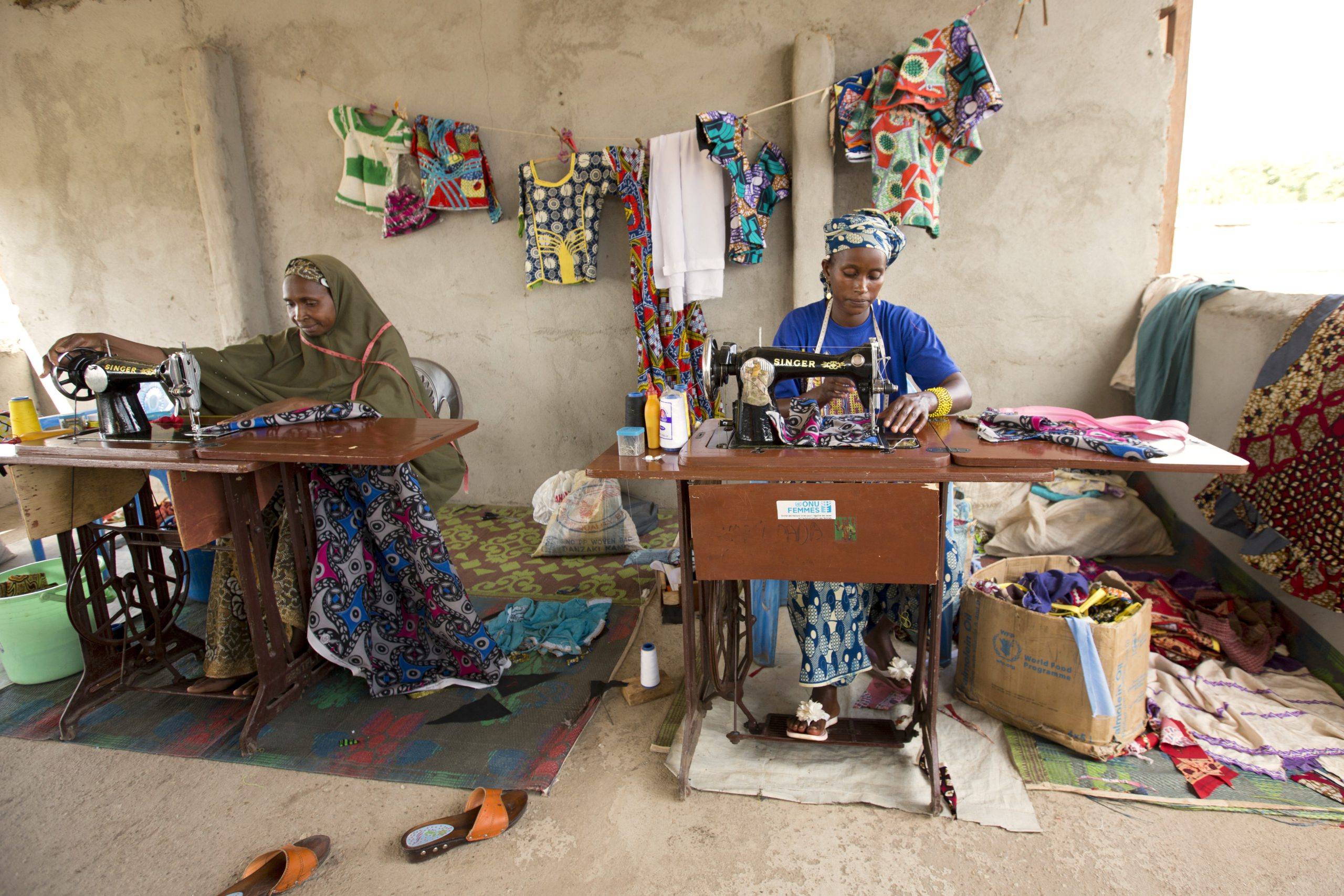
The main way African tourism reduces poverty is through creating jobs. The government’s plans to expand the industry will further the number of jobs that are available and increase the overall flow of money coming from foreign places into the country. This money can then be funneled into things like furthering education, building better road systems, creating cleaner water systems, etc. The jobs that the industry creates are also easy to learn and, mostly, do not require a higher education. Therefore, African tourism reduces poverty specifically among individuals who were not able to pursue their education and may otherwise be unable to find a well-paying job. Many of the people holding these jobs are also women, who make up more than 60% of employees within hotels and travel industries.

Despite the recent hit that the industry took as a result of the COVID-19 pandemic, the industry is expected to return to its previous success which was most recently observed in 2019. Specifically, Morocco, the most traveled country in the Sub-Saharan region of Africa, has seen a huge improvement in its economy due to the jobs that African tourism has brought in. In 2019, it was estimated that about 5% of employment was due to the tourism industry. The entirety of Sub-Saharan Africa has seen more than $30 billion as a result of the tourism industry in 2019 alone, and the numbers should only rise as they have almost continuously done over the past decade.

What Good Has Come from Tourism Thus Far?

So far, citizens in the Sub-Saharan regions of the continent have seen enhanced roads, advanced internet access and higher-quality waste disposal. Because the goal of the tourism industry is to provide a good experience for travelers so that they will return again, businesses focus on creating a comfortable environment for travelers. This comfort expands beyond the various hotels and tourist spots to also be experienced by locals.

Furthermore, because of the tourism industry and the money it brings in, the government has also built up communities and has been able to fund public organizations that help the local people. More than 700 community projects have been put in place throughout the Sub-Saharan region that have provided housing and improved both schools and medical clinics, and the effect is only continuing to spread.

– Allison Groves
Photo: Flickr

September 25, 2023
https://borgenproject.org/wp-content/uploads/borgen-project-logo.svg 0 0 Lynsey Alexander https://borgenproject.org/wp-content/uploads/borgen-project-logo.svg Lynsey Alexander2023-09-25 07:30:462023-09-21 06:50:46How African Tourism Reduces Poverty
Charity, Global Poverty, Poverty Reduction

Sustainable Development Goals (SDGs) and Poverty Reduction in South Africa

Poverty Reduction in South AfricaIn 2015, all United Nations (U.N.) members adopted the 2030 Agenda for Sustainable Development, which outlines 17 Goals in an urgent call to action by all states. The primary focus was on poverty reduction, sustainability, hygiene education and quality education. In 2019, the South African government finalized the U.N.’s Sustainable Development Cooperation Framework for 2020-25, which includes a multidisciplinary approach to tackling poverty in South Africa through consultation with civil society, academia, the private sector and others.

No Poverty

Goal 1, No Poverty, is a priority for many nations because of its pressing nature. Goal 1 includes eradicating all extreme poverty, to ensure people are living on at least $1.25, the benchmark, per day. In South Africa, there has been concern, as elsewhere in the continent, that the COVID-19 pandemic has pushed more people into poverty and has created more inequality between the rich and the poor.

The World Bank estimates that poverty in South Africa was 63% in 2022, based on the upper-middle-income country poverty line. Severe electricity shortages caused by ‘power rationing’ by the government of up to nine hours per day have also impacted and halted the economy since many sectors such as IT, water and service delivery cannot function. Alongside this, South Africa’s history of Apartheid still lingers today through inequality and poverty. For example, the 2020 multidimensional poverty report by UNICEF revealed that Black children were almost seven times more likely to live in poverty.

Taking Action

The South African government has taken some steps toward poverty reduction in South Africa. In 2012, the government adopted Vision 2030, a National Development Plan (NDP) aiming to eliminate poverty and reduce inequality by 2030. In the NDP, 74% of the SDG targets are directly addressed, showing a good alignment of the plan in tackling poverty in South Africa.

Focus areas of the National Development Plan included poverty reduction in South Africa, alongside the creation of employment and sustainability. The government administered financial assistance to around 17 million people, including grants to pensions, child support, disability and more, within the NDP. Despite these attempts, poverty continues to persist.

The Intervention of Charity Organizations

Charities have also been extremely important in realizing and helping to implement the SDGs. The Borgen Project spoke with Iris Salemi, an International Intern for the charity Where Rainbows Meet, who spent a month working in South Africa and witnessing first-hand the impact of poverty. Where Rainbows Meet provides weekly computer, sewing, gardening and business lessons, alongside CV and child education workshops to increase the employability of young people in the Vrygrond area in Cape Town. Daily power cuts have hindered the ability of charities such as Where Rainbows Meet to carry out crucial work that impacts poverty reduction in South Africa. For example, charities cannot provide computers during power cuts, the kitchen is out of use and the education programs cannot happen without electrical power. For Iris, charities need more government support in order to fight unemployment in a community-based manner.

Other charities also operate and work to reduce poverty in South Africa with the SDGs in mind. These include Nkosi’s Haven, which supports HIV-infected mothers and children through residential and holistic care and provides education to affected communities. For example, it developed Nkosi’s Haven Village, a 2.5-acre plot of land south of Johannesburg that accommodates 22 mothers and 121 children. Operation Hunger also operates in the country and provides food parcels all over South Africa for the most vulnerable. While these are just a few examples, they show the meaningful and crucial ongoing work to address poverty-related issues in South Africa in line with the SDGs.

The Interlinkage of the SDGs

The connection and overlapping of the SDGs are extremely important in addressing multidimensional poverty. For example, quality education (Goal 4) is linked to reducing poverty (Goal 1), as is decent work (Goal 8) and reduced inequalities (Goal 10). Salemi outlined this during her work in the Vrygrond community, saying that “tackling youth education is, as I see it, the most effective way to fight poverty”.

In South Africa, the 2020 multidimensional poverty report revealed that, as of 2021, 50% of individuals aged 15 to 24 were without employment. In her research, Salemi discovered that many individuals grappled with issues related to self-confidence, belief in their abilities and a lack of understanding about what constitutes success. For instance, some young learners struggled to discern the value of education, while others found themselves drawn into negative influences such as gangs. Additional factors contributing to this predicament encompass subpar educational opportunities and skill development, insufficient career guidance within educational institutions and the financial burdens associated with job-seeking, particularly for those residing in rural regions.

Where Rainbows Meet set up workshops in order to help more young people realize their ambitions and see their own value. With better work opportunities and quality education, there is hope for achieving poverty reduction. The role of the government and the work local charities do are consequently imperative in helping South Africa achieve the SDGs.

Taytin’s Experience

The interlinkage of the SDGs is shown in the case of Taytin, whom Iris met during her internship. Coming from a family engaged in drugs and gangs, Taytin’s only option to avoid engagement in this was the street, where he, his brother and father spent all of Taytin’s childhood. Taytin went to Where Rainbows Meet and is now a computer teacher at the charity, and Iris states, “he has helped so many kids and so many adults find a brighter path.” This personal story allows one to observe the importance of achieving the SDGs, all of which influence each other.

Looking Ahead

The pursuit of the U.N.’s 2030 Agenda for Sustainable Development is a complex and urgent task. Exacerbated by the pandemic, its historical inequalities and electricity shortages, South Africa faces challenges in reducing poverty. Charities have made meaningful and impactful strides toward addressing poverty-related issues, in line with the SDGs. In addressing poverty and implementing the framework necessary for its alleviation, South Africa can work toward meeting many of the other SDGs simultaneously, as underscored by the work of charities in the country.

– Rosie Lyons
Photo: Flickr

September 21, 2023
https://borgenproject.org/wp-content/uploads/borgen-project-logo.svg 0 0 Yuki https://borgenproject.org/wp-content/uploads/borgen-project-logo.svg Yuki2023-09-21 01:59:202023-09-22 04:31:45Sustainable Development Goals (SDGs) and Poverty Reduction in South Africa
Global Poverty, Poverty Reduction

Poverty Reduction Progress Worldwide

Poverty Reduction WorldwideYearly, the United Nations’ Global Multidimensional Poverty Index (MPI) provides necessary insight into the state of poverty worldwide. The three dimensions of the MPI are health, education and nutrition, taking into account various statistics and information related to each factor. The MPI provides insight into what is contributing to multidimensional poverty in various countries as well as which countries are facing the worst poverty crises. However, 2023’s MPI also revealed some important and encouraging information regarding poverty reduction worldwide. While 1.1 billion people still live in poverty, over the course of the last 15 years, 25 countries have halved their levels of multidimensional poverty. 

Where Poverty Is Declining

While poverty reduction has been seen in countries throughout the globe, many of the most successful countries have been located in Asia. In India, 415 million people have exited poverty over the last 15 years, equating to just more than 6% of the world’s population. In China, 69 million have exited poverty, and in Indonesia, another 8 million people have exited poverty. Additionally, Cambodia has slashed the number of people living in poverty in half over the last seven years.

And yet, while many have left poverty in these countries, an overwhelming majority of the world’s poor live in Asia or Sub-Saharan Africa. In fact, according to the U.N., roughly five out of every six persons living in poverty are from those two regions of the world. However, that also means that these countries can look towards their neighbors for examples of how to implement successful policies aimed at poverty reduction worldwide. Each successful country has implemented programs aimed at the various dimensions of the U.N.’s Global Multidimensional Poverty Index.

India

India experienced a dramatic decrease in a variety of dimensions of poverty over the past 15 years. Notably, the lack of access to electricity fell from 29% of the population to just 2%. Child mortality was also slashed in half, from 4% to 2%. India has increased access to health care for millions of people over these years, much of it through the Ayushman Bharat National Health Protection Scheme.

Through the Ayushman Bharat, India aims to improve health care access for many poor, rural and urban families. According to the Indian Government, the program is intended to cover nearly 500 million people, giving them access to better health coverage. This will allow many more families, and hundreds of millions of children, the opportunity to live longer, healthier lives. Additionally, it will help to decrease child mortality, one of the key indicators of multidimensional poverty.

Cambodia

Cambodia has had particular success reducing poverty, dropping from 47.8% to 13.55% in seven years from 2007 to 2014 as a result of economic growth. As a result, life expectancy has increased by nine years, and the percentage of kids completing primary school jumped from 50% to 90%. 

The World Bank has done extensive work modernizing the Cambodian economy, as well as improving agriculture to address food insecurity now and in the future. Much of that has been done by investing in Cambodia’s agricultural productivity and making sure it is sustainable in the future. This will allow Cambodians continued access to staple crops such as rice and will boost a significant portion of the economy. 

What This Means 

The U.N.’s MPI in 2023 indicates that the actions the world is taking to reduce poverty are working, but there is still a long way to go. For every country that has slashed poverty like Cambodia, there is another country that is dealing with factors that are increasing poverty. While countries can turn to the examples provided for successful ways to deal with poverty, each situation is different, and developed countries could play a vital role in the effort to reduce worldwide.

– John Rooney
Photo: Flickr

September 16, 2023
https://borgenproject.org/wp-content/uploads/borgen-project-logo.svg 0 0 Lynsey Alexander https://borgenproject.org/wp-content/uploads/borgen-project-logo.svg Lynsey Alexander2023-09-16 03:36:532023-09-19 02:49:16Poverty Reduction Progress Worldwide
Page 13 of 63«‹1112131415›»

Get Smarter

  • Global Poverty 101
  • Global Poverty… The Good News
  • Global Poverty & U.S. Jobs
  • Global Poverty and National Security
  • Innovative Solutions to Poverty
  • Global Poverty & Aid FAQ’s
Search Search

Take Action

  • Call Congress
  • Email Congress
  • Donate
  • 30 Ways to Help
  • Volunteer Ops
  • Internships
  • Courses & Certificates
  • The Podcast
Borgen Project

“The Borgen Project is an incredible nonprofit organization that is addressing poverty and hunger and working towards ending them.”

-The Huffington Post

Inside The Borgen Project

  • Contact
  • About
  • Financials
  • President
  • Board of Directors
  • Board of Advisors

International Links

  • UK Email Parliament
  • UK Donate
  • Canada Email Parliament

Get Smarter

  • Global Poverty 101
  • Global Poverty… The Good News
  • Global Poverty & U.S. Jobs
  • Global Poverty and National Security
  • Innovative Solutions to Poverty
  • Global Poverty & Aid FAQ’s

Ways to Help

  • Call Congress
  • Email Congress
  • Donate
  • 30 Ways to Help
  • Volunteer Ops
  • Internships
  • Courses & Certificates
  • The Podcast
Scroll to top Scroll to top Scroll to top