• Link to X
  • Link to Facebook
  • Link to Instagram
  • Link to TikTok
  • Link to Youtube
  • About
    • About Us
      • President
      • Board of Directors
      • Board of Advisors
      • Financials
      • Our Methodology
      • Success Tracker
      • Contact
  • Act Now
    • 30 Ways to Help
      • Email Congress
      • Call Congress
      • Volunteer
      • Courses & Certificates
      • Be a Donor
    • Internships
      • In-Office Internships
      • Remote Internships
    • Legislation
      • Politics 101
  • The Blog
  • The Podcast
  • Magazine
  • Donate
  • Click to open the search input field Click to open the search input field Search
  • Menu Menu

Archive for category: Poverty Reduction

Information and stories about poverty reduction.

Global Poverty, Poverty, Poverty Eradication, Poverty Reduction

Disability and Poverty in Puerto Rico

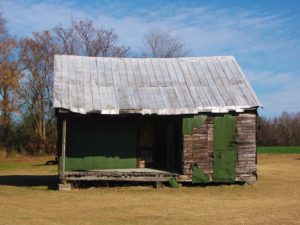
Disability and Poverty in Puerto RicoAccording to the U.S. National Council on Disability (NCD), nearly one in six citizens in Puerto Rico have a disability. This equates to 22% of the population. People with disabilities (PWD) are twice as likely to live in poverty. With a national poverty rate of 44%, PWD in Puerto Rico face tremendous disadvantages, warranting a necessary examination into implementable solutions.
The Price of Poverty

There are six categorizations for disabilities: hearing, visual, cognitive, ambulatory, self-care and independent living.

According to the 2017 Disability Status Report on Puerto Rico, individuals with cognitive disabilities have the most prevalent poverty rate of 58.2%. However, despite having the lowest poverty rate for PWD, visual disabilities still result in a 52.2% rate. While the poverty rate has decreased slightly, dropping to just below 50% in 2022, there is still a concerning link between disability and poverty in Puerto Rico.

Explanations for the levels of poverty in Puerto Rico

First, there are minimal job opportunities available for PWD in Puerto Rico. In 2022, the National Council on Disability noted that only about 23.7% of Puerto Ricans with disabilities play an active role in the workforce. This is a significant contrast to the 36% of PWD in the U.S.

Second, disability accommodations are costly. The NCD found that “the cost of specialized [durable medical equipment] was 11% to 58% higher in Puerto Rico versus the [U.S.].” As of the 2021 U.S. Census Bureau, Puerto Rico’s annual income per capita is approximately $14,000, making it a massive financial burden to pay for expensive equipment like electric wheelchairs.

In the mainland U.S., citizens can qualify for supplemental income and financial assistance if they have a disability and/or fall below the annual income threshold. Despite being a U.S. territory, Puerto Ricans are not entitled to these same benefits.

For example, the Supplemental Nutrition Assistance Program, formerly colloquially known as “food stamps,” is not available in Puerto Rico. Instead, the territory is allocated a block grant, which has not been adjusted for inflation or unforeseeable disasters.

In addition, an April 2022 U.S. Supreme Court decision officially excluded Puerto Ricans from the federal Supplemental Security Income program (SSI). SSI provides direct financial assistance to low-income U.S. citizens with disabilities. This vote further entrenches the exclusion and marginalization of Puerto Ricans with disabilities.

Progress Toward Equality

In lieu of SSI, the government allocates funds to the Aid to the Aged, Blind, and Disabled (AABD) program. AABD’s supplemental assistance aims to meet the basic, daily needs of PWD in Puerto Rico. To receive this aid, individuals have to endure a “physical or mental impairment that will likely not improve and which prevents them from performing their previous job or any other paid work” and own less than $2,000 in total assets.

The Division of Human Development and Disability (DHDD) also provides early diagnosis and intervention services to aid children with disabilities throughout their development. One example of DHDD projects is the Early Hearing Detection and Intervention (EHDI) programs. EDHIs work to examine a child’s risk for hearing loss and ensure an appropriate diagnosis and accommodations are put in place.

While these services show a commitment to aiding PWDs in Puerto Rico, assistance programs such as the AABD are limited. The funding is meager and split between adult assistance, foster care and adoption assistance. Instead of the $750 for an SSI recipient, AABD participants only receive $75. Therefore, more comprehensive efforts are necessary to alleviate the impact of disability and poverty in Puerto Rico.

Despite challenges, there are gradual improvements in living conditions for Puerto Ricans with disabilities. Overall, the ongoing efforts of both the U.S. and Puerto Rico hold the potential to reduce poverty and enhance the quality of life for Puerto Ricans.

– Katrina Girod 
Photo: Pixabay

September 1, 2023
https://borgenproject.org/wp-content/uploads/borgen-project-logo.svg 0 0 Kim Thelwell https://borgenproject.org/wp-content/uploads/borgen-project-logo.svg Kim Thelwell2023-09-01 01:30:432024-06-11 00:17:50Disability and Poverty in Puerto Rico
Global Poverty, Poverty Reduction

2023 Named the “Year of the African Continental Free Trade Area”

Year of the African Continental Free Trade Area

In 2023, the Assembly of Heads of State and Government of the African Union (the AU Assembly) adopted the “Acceleration of AfCFTA Implementation” as the theme of the year. By making 2023 the Year of the African Continental Free Trade Area (AfCFTA), the AU hopes to make major breakthroughs in its implementation by increasing the political commitment of member states and the different stakeholders and improving their collaboration.

The AfCFTA Alleviating Poverty

The Year of the African Continental Free Trade Area, one of the major projects outlined in Agenda 2063 of the AU, is set to greatly contribute to the alleviation of poverty in Africa. By eradicating barriers to trade and expanding commerce within the continent, the program has the creation of a unique African market as its goal. It aims to achieve development in a sustainable and inclusive manner and to ensure food security and the development of the agricultural and industrial sectors.

With 55 member states of the AU and an expected 2050 population of 2.5 billion, the AfCFTA is also set to be the world’s largest free trade zone since the World Trade Organisation was formed, and per the World Bank estimates, it will increase the continent’s income by $450 billion by 2035.

All of this will have a major impact on poverty in Africa. The program should enable around 30 million people to leave extreme poverty. Another 68 million will be able to escape moderate poverty. By creating employment and enhancing sustainable development, the AfCFTA will significantly improve the African population’s average quality of life. 

The AfCFTA Roadmap

  1. May 2019 marked the AfCFTA Agreement entering into effect, and its implementation has progressed ever since. As of March 2023, 46 countries have ratified the agreement. Before the start of the 2023 Year of the AfCFTA, eight countries had met the minimum requirements for trade and participated in the program’s Guided Trade Initiative, an important start in the implementation of the AfCFTA. However, the project has still been limited by a need for foreign direct investment and by infrastructure issues. Furthermore, negotiations were complicated by competing interests between individual governments and the continent-wide project. 

However, 2023 being the Year of the AfCFTA has had non-negligible advantages. In July 2023, the AU’s Mid-Year Coordination Meeting remarked that the negotiations on the “strengthening of infrastructure through the corridor approach”, which had been stalling before, were now completed. The AfCFTA implementation has thus been accelerated and is on the right path to one day generate significant income and jobs for the continent, thus benefiting millions of people in poverty and the world economy. 

A Focus on Women and Youth 

The AfCFTA project also aims to guarantee socio-economic inclusiveness across the continent by facilitating women’s and youth’s access to cross-border trade. With Africa’s population being the youngest in the world (people under the age of 30 make up 70% of the overall population), and women being major participants of cross-border activities in Africa, their involvement in the development of the AfCFTA is essential. However, social inequalities in Africa impede women’s participation in the economy, thus pushing them into the informal sector.  Like young people, women are disproportionately impacted by financial and systematic obstacles and lack of employment. 

Among its objectives, the AfCFTA wishes to address this situation by including a Protocol on Women and Youth in Trade in the Agreement on the AfCFTA. 

Discussions on the Protocol, which had already been held in 26 countries before the start of the Year of the AfCFTA, have been a forum for African women in trade to shape their participation in the project and address the challenges they face today. The Protocol aims to find solutions to abolish the structural obstacles that women and youth face in trade, such as significant trade tariffs, or gender-based violence.

The inclusion of women and youth in the implementation of this program is paramount to the sound development of the trade area and the African economy. It is also essential to ensure that this important part of the African population is lifted out of poverty and can access better welfare. 

The Road Ahead

Despite the progress made in the 2023 Year of the AfCFTA, there is still work ahead to ensure its full implementation. Notably, the project is still in need of investment and hampered by infrastructure issues. However, the AU has made impressive strides toward the trade area’s full development in the past years and in 2023 alone, which shows its eagerness to succeed in this endeavor. If the AU achieves the full implementation of the program, it could mean unprecedented benefits for both the African and world economies. The potential for poverty alleviation it holds would be revolutionary for the African population.

– Kenza Oulammou
Photo: Unsplash

August 30, 2023
https://borgenproject.org/wp-content/uploads/borgen-project-logo.svg 0 0 Lynsey Alexander https://borgenproject.org/wp-content/uploads/borgen-project-logo.svg Lynsey Alexander2023-08-30 01:30:142024-05-30 22:32:172023 Named the “Year of the African Continental Free Trade Area”
Global Poverty, Poverty, Poverty Eradication, Poverty Reduction

The IFAD’s Plans for Eradicating Rural Poverty in Eritrea

Rural Poverty in EritreaEritrea, a small country in East Africa, had a staggering poverty rate of 38.9% in 2019, which is expected to decrease by only 13% by 2043. Affecting mostly rural communities, this situation is partly due to the young nation’s recent independence from Ethiopia in 1993, which led to recurrent wars, in conjunction with famine and drought. The heavy reliance on subsistence agriculture is one factor responsible for rural poverty in Eritrea. Despite the government’s efforts to address rural poverty, a shortage of resources and poorly implemented poverty alleviation programs have hindered progress. 

In 2006, the International Fund for Agricultural Development (IFAD), an agency within the United Nations that combats poverty through low-interest loans and grants, released a plan to tackle rural poverty in Eritrea. This plan was further improved and updated in 2020, aiming to create sustainable solutions by providing finance programs and projects that empower those living in poverty to overcome it.

IFAD’s 2006 Plan

The IFAD initially planned to eradicate rural poverty in Eritrea, focusing on various areas related to economic development and food security. The plan included developing export markets for livestock, fruit, vegetables and flowers, re-establishing port activities, strengthening public services for small-scale farmers to increase agricultural productivity, promoting a supportive private sector, attracting private sector investments, privatizing state-owned enterprises and developing a robust financial system. 

The strategy prioritized decentralization to improve access to services and emphasized gender equality as a crucial element in poverty reduction efforts, recognizing that households headed by women are the most vulnerable. Additionally, implementing programs that encourage wealthier households to provide loans and assistance during difficult times through asset and labor sharing has also contributed to the reduction of rural poverty in Eritrea.

Issues to Implementation

Although this plan appeared to present a solid push to eradicate rural poverty in Eritrea, many barriers hindered the application of these plans. Conflict deeply affected the country, exacerbating constraints on institutional capacity and human resources. This resulted in a scarcity of human capital to initiate and sustain new projects in these regions, despite the knowledge that these programs would offer relief. The eastern and western lowlands of Eritrea, in particular, faced severe rural poverty due to these conflicts, making social and economic improvement in these areas a top priority. Additionally, Eritrea grappled with challenges in natural resource management and lacked readily transferable technologies that could facilitate investments, management and maintenance implementation.

IFAD’s 2022 Improved Plan

The 2020-2025 plan for eradicating rural poverty in Eritrea aims to address these issues actively, maximizing the effectiveness of poverty reduction solutions. The Country’s Strategic Opportunities Programme will ensure that IFAD’s lending and non-lending support aligns with the government’s priorities, focusing on three strategic objectives: enhancing climate resilience, improving technology and infrastructure access for smallholder systems and building capacities for food security and sustainable livelihoods. These objectives are in line with IFAD’s Strategic Framework 2016-2025. 

To further alleviate rural poverty, the plan emphasizes various aspects in the agriculture and fishery sector, such as establishing a resource base, strengthening producers’ organizations, improving input delivery systems, enhancing intensification and value addition, developing institutional capacity and managing aquatic ecosystems. Additionally, IFAD’s investment portfolio in Eritrea will prioritize gender, youth, nutrition and employment opportunities for those most at risk.

Looking Ahead

The IFAD’s programs will actively contribute to reducing rural poverty in Eritrea by assisting local communities in becoming more commercial, competitive, resilient and sustainable. Sustainable development becomes achievable through the establishment of strong institutions and systems, effective policy and regulatory frameworks, enhanced production capacities and robust partnerships. Eritrea is progressing toward the goal of eliminating rural poverty, and with investments in plans like these, a poverty-free future appears to be within reach.

– Ada Rose Waga
Photo: Flickr

August 23, 2023
https://borgenproject.org/wp-content/uploads/borgen-project-logo.svg 0 0 Lynsey Alexander https://borgenproject.org/wp-content/uploads/borgen-project-logo.svg Lynsey Alexander2023-08-23 03:00:522023-08-22 04:00:07The IFAD’s Plans for Eradicating Rural Poverty in Eritrea
Global Poverty, Poverty Reduction

Poverty Reduction in Tonga

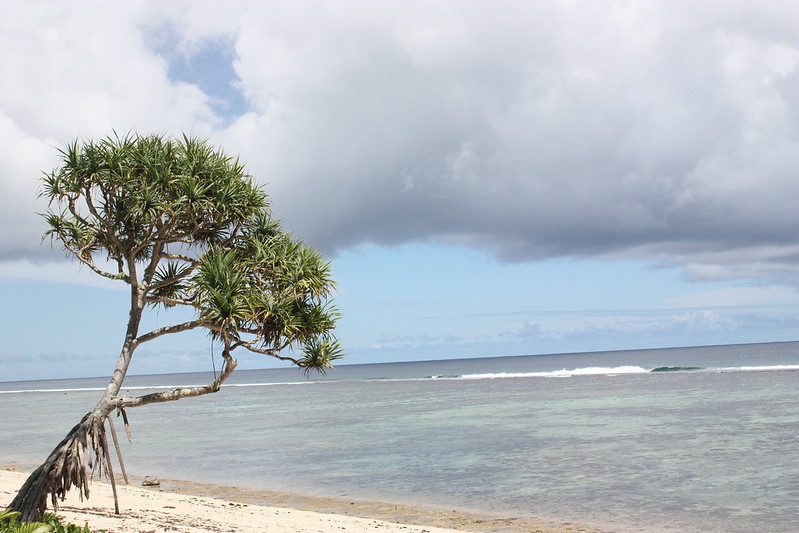
Poverty Reduction in TongaThe Polynesian Kingdom of Tonga consists of 170 beautiful South Pacific islands that King Tupou VI and prime minister Siaosi Sovaleni rule as a monarchy. To the pride of its citizens, Tonga is the only Pacific island that was never colonized, even if it was a British protectorate for 65 years. Tonga’s economy struggles today because of heavy reliance on agriculture, lack of jobs and crippling natural disasters. 

Current Poverty and Risks

The U.N.’s first SDG (Sustainable Development Goal) is to erase extreme poverty. In Tonga, one in 10 adults live in extreme poverty, meaning their household income is low, and they lack five or more socially perceived necessities. These include two meals daily, two pairs of shoes and transportation. However, almost a quarter of Tongans live above the extreme poverty threshold but remain poor according to the multidimensional measure — they cannot participate in Tongan society due to insufficient resources. 

Agriculture takes up too many jobs. In 2021, 30% of Tonga’s employment was in agriculture. Still, most of the work only covers residents’ basic needs and does not help grow the economy. Though the country exports fish and produce to New Zealand, the U.S. and Japan, in 2021, these exports only accounted for 3% of the national GDP. 

Tourism also provides many jobs. In 2020, Tonga made $47 million in tourism revenue which accounted for 9.9% of a $484 million GDP. However, many of these jobs ended due to COVID-19 and natural disasters. Since non-agricultural or tourism jobs are hard to find, Tongans lack job opportunities. 

Jobs are easier to find elsewhere, so family members (especially husbands) commonly leave the island to be able to provide for their families. In 2021, this migration (e.g., remittance) accounted for 46% of Tonga’s GDP, an astronomical number. Since educated migrants come predominantly from wealthier families, there is a chance that remittance increases income inequality and causes GDP stagnation in Tonga.

Tonga is the third most at-risk country for natural disasters after Vanuatu and the Solomon Islands, two nearby disaster-prone Pacific island clusters. In the past three years, Tonga suffered over $200 million in damages from Cyclone Herald and the Hunga Ha’apai eruption. 

Permanent Aid for Poverty and Quality of Life

In 2018, the U.N. created a Pacific Strategy Plan to reach the 17 SDGs laid out at the New York Summit, the first of which aims to fix extreme poverty in the Pacific Islands. The U.N. Pacific Strategy Fund has about $17.7 million in the budget, $16 million of which came from New Zealand. The Plan’s goals are poverty reduction in Tonga and building greater resilience to extreme natural events.

In support of these efforts, the U.N. has provided equipment worth $55,000 to Tonga’s National Emergency Management Office (NEMO). This equipment will enhance the ability to alert citizens about natural disasters and promptly direct aid during crises. Over the last 12 years, the U.N. has introduced 16 permanent agencies to Tonga, including The International Labor Association, Population Fund, International Organization for Migration, U.N. Development Program and Capital Development Fund.

The CDF draws particular attention due to its role as a local transformative finance mechanism. It supports small businesses and offers private loans to projects that foster sustainable economic growth. This approach leads to a long-lasting increase in individual wealth by establishing a consistent income source, as opposed to providing mere temporary relief.

The UNDP currently works to provide HIV vaccines, rapid test kits, contraception and text message preventative information to women in Tonga. There is heavy misinformation about HIV. More than half of the population would not let HIV-positive children go to school, even though the disease is not transferable just by touch or sharing drinks.

Aid for Government Stability and Security

In Tonga, foreign aid funds most government services. Around 49% of the GDP is central government debt. In 2020, the IMF labeled the debt distress of Tonga as high. For comparison, Moldova was ranked low in risk despite 34.7% of its GDP coming from government debt. 

Using this same U.N. Pacific Strategy Fund, The U.N. liaises with the 14 governments in the Pacific and with regional bodies to promote organic, container and home farming to bolster food security, assist policy development for the economic development of outer islands, increase disaster preparedness and support decent work strategies. The organization sits in on government decisions and helps oversee the $17.7 million Pacific Strategy Plan. 

Though Tonga is at constant risk of natural disasters and has a mainly agricultural economy, consistent foreign aid promises to bring long-term growth and economic stability. Overall, there is much hope for poverty reduction in Tonga.

– Claire Duvillier
Photo: Flickr

August 22, 2023
https://borgenproject.org/wp-content/uploads/borgen-project-logo.svg 0 0 Lynsey Alexander https://borgenproject.org/wp-content/uploads/borgen-project-logo.svg Lynsey Alexander2023-08-22 03:00:022023-08-22 05:29:27Poverty Reduction in Tonga
Global Poverty, Poverty Reduction, Technology

4 Ways Blockchain Technology Aids Poverty Alleviation in Nigeria

Poverty Alleviation in NigeriaWith approximately 4 in 10 Nigerians living below the national poverty line, the “Giant of Africa” needs effective strategies to tackle these alarming rates and promote inclusive growth. In an era defined by rapid technological advancement, innovative solutions empower impoverished communities. Blockchain technology offers the potential to be one technological game-changer in the process of achieving poverty alleviation in Nigeria.
What is Blockchain technology?

Blockchain technology is a decentralized digital ledger that securely records transactions across multiple computers. It operates on a peer-to-peer network, where each transaction, or “block,” is linked to the previous one, forming an immutable chain. This technology ensures transparency, security and trust as all participants in the network have access to the same information, eliminating the need for intermediaries and enhancing efficiency.

4 Ways Blockchain Technology Helps Poverty Alleviation in Nigeria

  1. Advancements in Financial Inclusion: Initiatives such as “Project GIANT” by the Central Bank of Nigeria (CBN) aim to leverage blockchain technology to enhance financial inclusion in the country. Under Project GIANT, the CBN has partnered with financial institutions and technology companies to develop a blockchain-based solution for Know Your Customer (KYC) verification. KYC is a crucial process for accessing financial services, but it can be challenging for individuals in underserved areas who lack formal identification documents. By utilizing blockchain technology, Project GIANT enables individuals to create and manage their digital identities securely fostering sustainable change for poverty alleviation in Nigeria.
  2. Transparent Governance and Anti-Corruption Efforts: By implementing blockchain-based systems for public service delivery, procurement processes and records management, Nigeria can increase transparency and reduce corruption. This ultimately allows for an efficient utilization of public resources and poverty alleviation in Nigeria. One successful example is the “Abuja Electronic Government Records and Document Management System” (E-Records System) implemented by the Federal Capital Territory Administration (FCTA. Through the E-Records System, government agencies in Abuja can securely store and manage various types of documents, including land titles, property records, permits, licenses and official correspondences. The decentralized nature of blockchain ensures that no single entity can manipulate or falsify records, reducing the potential for corrupt practices.
  3. Secure and Transparent Social Programs: Using Blockchain’s transparency and tamper-resistant features, Nigeria can guarantee that aid reaches its intended beneficiaries, minimizing leakages and improving the effectiveness of poverty alleviation in Nigeria. The “Building Blocks” initiative by the World Food Programme (WFP) was piloted in collaboration with the government of Nigeria and focused on providing food assistance to vulnerable populations, particularly internally displaced persons (IDPs) affected by conflict. WFP currently distributes food and money (including mobile-phone-based transfers) to 1.2 million people each month in Yobe, Adamawa and Borno. They profited off blockchain technology to improve the delivery of food assistance by enhancing transparency, reducing fraud and ensuring aid reached the intended beneficiaries.
  4. Access to Funding and Investments: Blockchain-based crowdfunding and tokenization platforms can democratize access to funding and investments. Entrepreneurs, including those in underserved areas, can showcase their ideas and projects to a global pool of investors, potentially attracting financial support for business ventures that can generate employment and economic growth. One notable example is the Nigerian “Farmcrowdy” platform that connects small-scale farmers with investors through a blockchain-based crowdfunding model. The platform enables individuals to invest in various agricultural projects, such as poultry, crop farming and fish farming, by providing funds for inputs, equipment and other farming needs. The impact on poverty alleviation in Nigeria has been significant, with farmers’ incomes increasing by an average of 50% per hectare in two years after registration and 500,000 new jobs in the areas of processing, transport and warehousing and cooling.

A Positive Impact

Overall, Blockchain technology presents a transformative opportunity for Nigeria to alleviate poverty and achieve sustainable development. It’s a promise of progress that can boost the Nigerian economy by $29 billion by 2030. While it continues to evolve and demonstrate its potential, its impact on Nigeria’s development and poverty alleviation efforts can inspire other nations to explore and adopt similar solutions tailored to their specific contexts and challenges.

– Miriam Schuller
Photo: Pixabay

August 20, 2023
https://borgenproject.org/wp-content/uploads/borgen-project-logo.svg 0 0 Lynsey Alexander https://borgenproject.org/wp-content/uploads/borgen-project-logo.svg Lynsey Alexander2023-08-20 15:00:172024-05-30 22:32:144 Ways Blockchain Technology Aids Poverty Alleviation in Nigeria
Global Poverty, Poverty Eradication, Poverty Reduction

Using Microfranchising to Reduce Poverty

Using Microfranchising to Reduce PovertyThe World Bank estimates that one-third of the global population resides at the base of the economic pyramid (BOP), meaning they have an income of less than $3,000 in relative purchasing power. To put this into perspective, the median household income in the U.S. was $70,748 in 2021, meaning one-third of the population earns 95% less than the average family in the US. To combat this, businesses and community organizations around the world are turning to microfranchising to bolster household incomes in developing nations.

How Microfranchising Works

According to AllBusiness, a company that provides resources to small businesses, “Microfranchising is a business model that applies traditional franchising to very small businesses.” The microfranchising model involves two parties: the franchisor and the franchisee. The franchisor owns an established business and then creates a contract with the franchisee. The franchisee is paid by the franchisor in exchange for the franchisee’s work in distributing the franchisor’s services.

The Benefits of Microfranchising

In regions with high rates of unemployment, such as South Africa and Sudan, microfranchising is invaluable. Microfranchising not only allows individuals living in these areas the opportunity to earn money, but it also teaches soft and hard skills that can be used in their own future business ventures. Coined as a “short-cut to self-employment” by Thiruchelvam at Raconteur, this opportunity is the perfect way for those who do not usually have access to information on running a business to gain experience first-hand.

Microfranchising Successes

One successful company that has utilized microenterprising is The Clothing Bank (TCB). Having been established in 2011 in Cape Town, South Africa, the company has successfully made its way onto the list of Top 100 social impact companies. The company’s model has granted over 1,000 women and men in South Africa the opportunity to buy merchandise from various retailers operating in South Africa at a discounted price in order for them to then sell this for a profit. Along with the monetary benefit of the job, individuals will receive over 1,000 hours of training over a two-year period, teaching them how to run their own businesses.

Across the Atlantic Ocean in Haiti, similar tactics are being deployed. The Social Ventures Foundation (SVF), is attempting to improve the general quality of life of Haitians with the V’ice Haiti project. With over 6 million Haitians living below the poverty line, SVF considers all aspects of livelihood. Through providing donations to V’ice, your money will go towards funding equipment that Haitians will be able to use in order to become a franchisee. For example, V’ice’s “V’ike” scheme provides self-employment to young, at-risk males by supplying them with a bike and an attached food cooler. With this, the individuals are able to distribute clean water, vitamin-infused shaved ice and much more. This is consequently decreasing the unemployment rate while simultaneously reducing the number of Haitians who are vitamin deficient — which is currently standing at a staggering 80%.

Using Microfranchising to Reduce Poverty

Many charities are now following the example set by these impressive organizations to break the cycle of poverty. With ending poverty by 2030 in the number one spot of the UN Sustainable Development goals, it will be important that more charities implement this tried and tested method for improving lives across the planet.

– Christian Vince
Photo: Flickr

August 17, 2023
https://borgenproject.org/wp-content/uploads/borgen-project-logo.svg 0 0 Lynsey Alexander https://borgenproject.org/wp-content/uploads/borgen-project-logo.svg Lynsey Alexander2023-08-17 15:00:002023-08-16 13:32:43Using Microfranchising to Reduce Poverty
Global Poverty, NGOs, Poverty Reduction

Progress in Addressing Poverty in Myanmar

After a military takeover on February 1, 2021, Myanmar was thrown into a position that undid years of reforms and growth throughout the nation. The military in Myanmar overtook the democratically-elected governing body after its political party did poorly in an election held months earlier. The takeover exacerbated poverty and sparked a humanitarian crisis in Myanmar in 2022, with 40% of the country’s population living below the national poverty line. The conflicts are also expected to leave 2.7 million people in Myanmar displaced by the end of 2023.

In order to improve the struggling economy and humanitarian crisis, many global organizations and international partners have developed plans and initiatives to provide support for addressing poverty in Myanmar.

Difficulties in providing aid

In May 2023, Myanmar was hit by the powerful storm Cyclone Mocha, exacerbating the plight of the country’s most vulnerable populations. Unfortunately, restrictions imposed by the military have hindered the delivery of support to these affected groups. By June 2023, the U.N. had already sounded the alarm, suggesting that the military’s actions might be in violation of international human rights and humanitarian laws, as they seem to intentionally obstruct aid efforts.

As the country remains mired in conflict and devastation, recent estimates from the U.N. reveal that the military has been responsible for the destruction of around 60,000 civilian structures since the onset of the military takeover. Adding to the tragedy, the military’s actions have resulted in the deaths of at least 3,452 people and the imprisonment of over 20,000 individuals between the start of the takeover and April 2023.

Disturbingly, the U.N. issues a stern warning that if the impediments to humanitarian aid persist—blocking essentials like food, water and shelter—it could give rise to further war crimes, including instances of starvation and collective punishment.

The United Nations Refugee Agency (UNHCR)

Despite the challenges, the United Nations Refugee Agency increased its presence throughout Myanmar in 2022. During the year, the UNHCR helped 325,200 internally displaced persons (IDPs) to return back to their place of origin in the Rakhine region of the country.

Additionally, the UNHCR provided in-kind support to 500,000 IDPs, shelter support to 100,000 and cash assistance to 51,500. The organization worked to bring this much-needed assistance with the help of partnerships with NGOs, civil societies and faith-based organizations.

The UNHCR also collaborated with other nearby nations such as Indonesia, to provide a safe place for refugees leaving Myanmar to find aid. In 2022, Indonesia accepted more than 700 refugees into the Aceh province.

In 2022, Bangladesh collaborated extensively with the UNHCR to modify refugee education programs to suit refugees from Myanmar. These educational initiatives have benefited more than 40,000 children who relocated to Bangladesh following the military takeover in Myanmar. Given that education is a well-established route out of poverty, ensuring the continuity of education for displaced individuals becomes paramount.

In 2023, UNHCR continued to work closely alongside Bangladesh to continue supporting more than 900,000 Myanmar refugees living in the country. UNHCR will provide production kits to support livelihood creation and skills building for 72,000 households and will continue increasing Myanmar education to an additional 12,280 pre-primary children.

Looking Ahead

Myanmar’s humanitarian crisis continues to persist. Thousands in the country remain displaced and live below the poverty line. However, organizations like the UN Refugee Agency have paired with partners to continue addressing poverty in Myanmar.

– Tristan Weisenbach

Photo: Flickr

August 15, 2023
https://borgenproject.org/wp-content/uploads/borgen-project-logo.svg 0 0 Kim Thelwell https://borgenproject.org/wp-content/uploads/borgen-project-logo.svg Kim Thelwell2023-08-15 15:10:092023-08-18 14:43:22Progress in Addressing Poverty in Myanmar
Global Poverty, Poverty Reduction

How Renewable Energy Can Help Rural Colombian Communities 

Rural Columbian CommunitiesA geographically and economically diverse country, Colombia experiences a high poverty rate, with around 39.3% of its 50 million inhabitants living in poverty as of 2021. Although the national poverty rate has declined from the 42.5% peak that it reached at the height of the COVID-19 pandemic in 2020, the country’s progress in reducing poverty has been limited to urban areas: according to the World Bank, poverty in rural Colombia in fact increased from 42.9% to 44.6% between 2020 and 2021. Difficulty in expanding the grid to reach the country’s remote rural communities has limited their access to electricity, among other resources, and exacerbated the rural-urban divide. However, renewable energy holds the potential to improve life and livelihoods in rural Colombian communities, foster equitable economic growth and reduce the country’s poverty rate as a whole.

Colombia’s Renewable Energy Potential

Colombia already embraces renewable energy, long relying on hydroelectric power for up to 77% of its energy needs, according to the United States Agency for International Development (USAID). Yet, changing weather patterns and climate shocks like droughts have increasingly compromised the reliability of hydroelectric power. Furthermore, the maintenance of such systems has posed a challenge.

For instance, in 2011, a school in the small rural village of San Antonio installed a micro-hydroelectric power plant in hopes of ensuring access to reliable and affordable power for students and teachers. Yet, due to insufficient servicing and installation, the plant’s efficiency fell short, providing only five hours of electricity per day. This highlights the need for proper implementation and ongoing maintenance for the sustained reliability of renewable energy sources. Moreover, diversifying energy profiles in rural Colombian communities could enhance reliability and establish long-term solutions for addressing poverty.

On the bright side, Colombia holds great potential for energy diversification, with many rural Colombian communities presenting ideal conditions for wind and solar energy generation. Since these communities are off-grid, renewable energy plants and infrastructure can be tailored to their specific strengths and needs, enabling rural Colombian communities to implement locally suitable and sustainable energy production methods, as is being done on Colombia’s Providencia Island.

Impact on Education

Implementing reliable renewable energy infrastructure could significantly help improve education in rural Colombian communities. For example, even the five-hour daily supply of electricity that the San Antonio school generated with its hydropower plant was unreliable due to ongoing work on dams in the area. Power outages frequently reduced planning time for teachers and study hours for students. Additionally, the school’s health center, a vital community resource, lacked sufficient power to refrigerate vaccines and anti-venom serum, putting the many students who boarded at the school and inhabitants of this geographically-isolated community at great risk. 

Across rural Colombian communities, a lack of reliable electricity has hindered students’ learning, teachers’ teaching capabilities and schools’ ability to provide essential medical care, safe drinking water and basic sanitation services. Consequently, USAID and organizations like Tierra Grata have prioritized the implementation of reliable renewable energy resources in Colombia’s off-grid, rural regions. Already, the combined efforts from these organizations are making a significant impact on students, teachers and entire communities.

For instance, as part of a larger initiative “to develop renewable energy projects” in rural Colombian communities, USAID stepped in to help repair San Antonio’s hydropower plant, install supplementary renewable energy infrastructure and provide solar lamps for teachers’ home use. As one teacher noted, access to a solar lamp allowed him to prepare for classes at night, leading to more interactive classroom time. He also noted that, as a result of USAID’s interventions, children did not need to spend as much time gathering wood for energy, allowing them to devote more time to their studies. Overall, USAID’s interventions aim to reach more than 13,000 inhabitants across rural Colombia.  

Impact on Local Economies 

Implementing renewable energy production methods in rural Colombian communities could also contribute to poverty reduction by improving local economies. In addition to reducing energy consumption and costs, renewable energy can help create sustainable income opportunities, ensure environmental preservation, enhance efficiency and improve the quality of life in rural, off-grid communities. 

For example, a common rice-drying practice involves laying rice out in the open, and this exposes the grains to animals who might consume it before it dries completely and is ready for sale. To address this issue, USAID is working to implement solar-powered grain dryers in communities that rely upon rice for income and sustenance. The initiative will allow for more efficient grain processing, minimizing product losses and allowing local economies to grow with increased production and sales of rice. As the rural development specialist of the USAID project summarized, this approach represents “rural development from the starting point of clean energy.”

Looking to the Future

Despite the inordinate poverty that Colombia’s rural communities face, such initiatives demonstrate how reliable access to renewable energy resources can help mitigate poverty and its many effects. Across these communities, the effective implementation and maintenance of renewable energy infrastructure could reduce energy and education-related inequality, foster growth in local economies through increased productivity and alleviate the disparities caused by geographic isolation.

– Ada Rose Wagar
Photo: Flickr

August 12, 2023
https://borgenproject.org/wp-content/uploads/borgen-project-logo.svg 0 0 Naida Jahic https://borgenproject.org/wp-content/uploads/borgen-project-logo.svg Naida Jahic2023-08-12 07:30:462023-08-14 06:26:23How Renewable Energy Can Help Rural Colombian Communities 
Global Poverty, Poverty Reduction, Women's Empowerment

Poverty Reduction in Morocco

Poverty Reduction in MoroccoMorocco has made impressive strides in poverty reduction since the beginning of the century. Organizations such as the High Atlas Foundation are at the forefront of tackling poverty in rural areas, pushing the country closer to achieving its goals.  

High Atlas Foundation

“During my time as a Peace Corps volunteer, I gained a great overview of the potential of agriculture in Morocco, how it could multiply the incomes of rural farming families.”

In 1995, Yossef Ben-Meir envisioned a promising future for development in Morocco. In the first decade of the 21st century, 1.7 million Moroccans lifted themselves out of poverty. The poverty rate substantially dropped from 16.3% in 1998 to 8.9% in 2007. However, the impressive poverty reduction rate of more than 40% did not erase the drastic inequality between the urban and rural populations. By 2014, 40% of the population lived in rural areas, yet accounted for 79.4% of the poor and 62.1% of the vulnerable.

Ben-Meir also witnessed first-hand the lack of access to clean water and the consequent high infant mortality in rural Morocco. Moved by the dire need and the vast potential in the same region, he returned to Morocco a handful of times, taking on roles as a project builder, researcher and Peace Corps director. Eventually, he founded the High Atlas Foundation (HAF) as a nonprofit organization in 2000.

For 22 years, HAF has dedicated itself to developing agriculture and reducing poverty in Morocco. HAF has established organic fruit tree nurseries across seven provinces in Morocco, helping farmers gain agricultural skills. Additionally, HAF offers women literacy courses and professional training, while also linking marginalized communities to governmental and international agencies.

Combating Poverty with Tree Nurseries

In an interview with The Borgen Project, Ben-Meir affirms that the whole agricultural process begins with tree nurseries. Ecosia, a German eco-driven enterprise, primarily funds HAF’s nurseries, which have a total capacity of 2.44 million seeds through 2021. The nurseries grow a rich variety of fruits and nuts, as well as aromatic and medicinal plants. Traditionally, farmers have grown staples like barley and corn, covering 70% of the agricultural land but only yielding 15% of income. Transitioning to these lucrative products effectively improves farmers’ livelihoods and the environment, creating a sustainable outlook for poverty reduction in Morocco.

Ben-Meir told The Borgen Project, “Our tree planting program has 25 formal partnerships. Planting trees is the present and future of HAF’s financial sustainability.”

Women’s Empowerment

HAF is known for its participatory development strategies. The organization fully dedicates its revenue and donations to community projects. With a special focus on women’s rights, HAF mobilizes university students and rural women to run regular “Imagine” workshops, empowering women to find their voice, understand their needs and take action.

Another workshop, “Moudawana” family code, informs rural women of their legal rights according to the national landmark reform in 2004 that equalizes men and women in regard to marriage and children.

Ben-Meir articulated, “The participatory approach is embedded in government programs, constitutions, municipal charters and even the family code, enabling incredible fulfillment in community planning, as well as the ability to decide their own future and development. Yet, Morocco’s problem is the lack of that fulfillment.” Upon being asked why the participatory approach is so important to poverty reduction in Morocco.

He added, “We need to train people to be facilitators of community planning, finance the projects, train empowerment trainers and ensure that women are voicing with confidence what they seek in their lives and know what it is.”

Implementing Domestic Policies

As Ben-Meir mentioned, the Moroccan government has provided ample frameworks and strategies in recent years to target regional poverty and promote decentralization. HAF is among the local councils and NGOs striving to implement these policies and fulfill the government’s intent.

Ben-Meir emphasized, “A participatory development organization has only one assurance and that rests upon the people: the projects are what they decided and in their interests.”

So far, HAF has conducted “Imagine” workshops in more than 25 provinces with more than 2,500 women, engaged more than 3,000 university students and impacted more than 50,000 people through its tree program projects, as well as thousands of farmers through capacity-building programs.

Multicultural and Interreligious Development

In 2021, HAF undertook the operation of the USAID Dakira Program, which strengthens multicultural preservation. The objective of the program is to capture the stories of communities’ intercultural past—Jewish, Moroccan and Christian—to take ownership of the revitalization of their own histories.

In a world of increasing migration, intolerance and conflicts, enhancing interreligious and inter-ethnic solidarity in Morocco’s diverse social landscape could prove vital. Since 2012, HAF’s project “House of Light” has united local religious communities through the relationship between land and farming.

With the help of partnerships, HAF identified saints’ burial sites and cemeteries as free-loaned land for the benefit of neighboring farming communities. In the process of clearing, planting and restoring the land, HAF facilitates conversations between local Muslims, Jews and Christians, raising awareness of their history of unity and diversity.

Speaking proudly of their impact, Ben-Meir said, “When trees live 200 years bearing fruit and women’s empowerment has generational impact, only so much of it is quantifiable.”

Due to its unique location and diverse history, Morocco serves as a meeting point for various cultures and identities. As the High Atlas Foundation grows into one of the leading development organizations in the area, its achievements in agricultural work, women’s empowerment and interreligious efforts can serve as an inspirational story for other human development projects on the African continent and among Islamic countries.

– Shixin Zhao
Photo: Unsplash

August 9, 2023
https://borgenproject.org/wp-content/uploads/borgen-project-logo.svg 0 0 Kim Thelwell https://borgenproject.org/wp-content/uploads/borgen-project-logo.svg Kim Thelwell2023-08-09 07:30:192024-06-04 01:08:57Poverty Reduction in Morocco
Global Poverty, Poverty Reduction

What The News Does Not Tell You – 3 Poverty Reduction Stories

Poverty Reduction StoriesAlthough the news tends to highlight negative stories surrounding global poverty, The World Bank states that extreme poverty has “rapidly declined.” The following is an overview of stories that demonstrate successes in poverty reduction in the world.

Poverty Reduction in Japan

Established in the year 2000 after the Asian financial crisis, The Japan Fund for Poverty Reduction (JFPR) provides “direct grant assistance to the poorest and most vulnerable groups in developing member countries (DMCs) of the Asian Development Bank (ADB).” Furthermore, the JFPR works to encourage socioeconomic development for the long-term future. 

Targeting poverty reduction initiatives, the ADB’s mission is to turn Asia and the Pacific region into a poverty-free place. It strives to “help its developing member countries reduce poverty and improve the quality of life of their people.” Home to 66% of the world’s poorest population, 1.7 billion people in this area live on less than $2 a day. The main objectives the ADB occupies for supporting its developing member countries, including Japan, are “policy dialogue, loans, equity investments, guarantees, grants, and technical assistance.” As of March 2013, The JFPR received $615.4 million in contributions from Japan — sustaining project grants and technical assistance. Also, the JFPR encourages the participation of non-government organizations and other stakeholders — assisting the most vulnerable groups in Asia.

Poverty Reduction in Kenya

Good News Network revealed that the use of a mobile money system in Kenya “has lifted 200,000 Kenyan Families Out of Poverty” — especially households with a female-dominant demographic. M-PESA is a text message-based payment system used in Kenya. Good News Network reports that a study published in Science shows that this production raised “2% of households in the country” above the poverty line. 

Research highlights that, in 2007, this invention reached 96% of houses in Kenya. Using an SMS messaging service, sending money or withdrawing or depositing cash does not require complicated bank infrastructures — reaching remote rural areas, too. When discussing the project, Annie Duflo, the Executive Director of Innovations for Poverty Action, said that she hopes “these results will inform and encourage the targeted scaling of mobile money services in other countries. While many other countries have a system, too few have the kind of nationwide infrastructure that now exists in Kenya.”

Poverty Reduction in Tanzania

Ecologi, a climate action community, has a mission to “inspire and empower businesses to accelerate global climate action.” During a project in Tanzania, it installed 500,000 fuel-efficient cookstoves. Unsustainable deforestation is increasing due to many countries worldwide using non-renewable biomass as a source of cooking. Ecologi reports that, in Tanzania, “the primary fuel source for over 90% of the population of around 48 million people is biomass.” 

As well as avoiding the production of 18.8 million tons of greenhouse gas emissions during the course of 10 years, it reduces the time and energy spent gathering this fuel — which is a task children and women are most likely to complete. Also, Ecologi mentions that this project in Tanzania “brings several benefits for local people, including freeing up of time and money for other income-generating activities, health benefits due to reducing exposure to air pollution in the home and increased food security due to nutrient retention with decreased cook time.” It coincides with multiple United Nations Sustainable Development Goals, including to “end poverty in all its forms everywhere.”

Poverty Throughout the World

These stories suggest that poverty is on the decline. However, with 719 million people living in extreme poverty around the world (9.2% of the entire population), there is still a need for more efforts in the fight against global poverty. The U.N. has 17 Sustainable Development Goals, the first being to “End poverty in all its forms everywhere.” One of the ways it plans to achieve this is to “eradicate extreme poverty for all people everywhere” by 2030. This includes ensuring “significant mobilization of resources from a variety of sources” and building “the resilience of the poor and those in vulnerable situations.”

– Katerina Petrou
Photo: Pixabay

August 8, 2023
https://borgenproject.org/wp-content/uploads/borgen-project-logo.svg 0 0 Lynsey Alexander https://borgenproject.org/wp-content/uploads/borgen-project-logo.svg Lynsey Alexander2023-08-08 07:30:202023-08-07 03:34:25What The News Does Not Tell You – 3 Poverty Reduction Stories
Page 14 of 63«‹1213141516›»

Get Smarter

  • Global Poverty 101
  • Global Poverty… The Good News
  • Global Poverty & U.S. Jobs
  • Global Poverty and National Security
  • Innovative Solutions to Poverty
  • Global Poverty & Aid FAQ’s
Search Search

Take Action

  • Call Congress
  • Email Congress
  • Donate
  • 30 Ways to Help
  • Volunteer Ops
  • Internships
  • Courses & Certificates
  • The Podcast
Borgen Project

“The Borgen Project is an incredible nonprofit organization that is addressing poverty and hunger and working towards ending them.”

-The Huffington Post

Inside The Borgen Project

  • Contact
  • About
  • Financials
  • President
  • Board of Directors
  • Board of Advisors

International Links

  • UK Email Parliament
  • UK Donate
  • Canada Email Parliament

Get Smarter

  • Global Poverty 101
  • Global Poverty… The Good News
  • Global Poverty & U.S. Jobs
  • Global Poverty and National Security
  • Innovative Solutions to Poverty
  • Global Poverty & Aid FAQ’s

Ways to Help

  • Call Congress
  • Email Congress
  • Donate
  • 30 Ways to Help
  • Volunteer Ops
  • Internships
  • Courses & Certificates
  • The Podcast
Scroll to top Scroll to top Scroll to top