5 Causes of Hunger in Cameroon
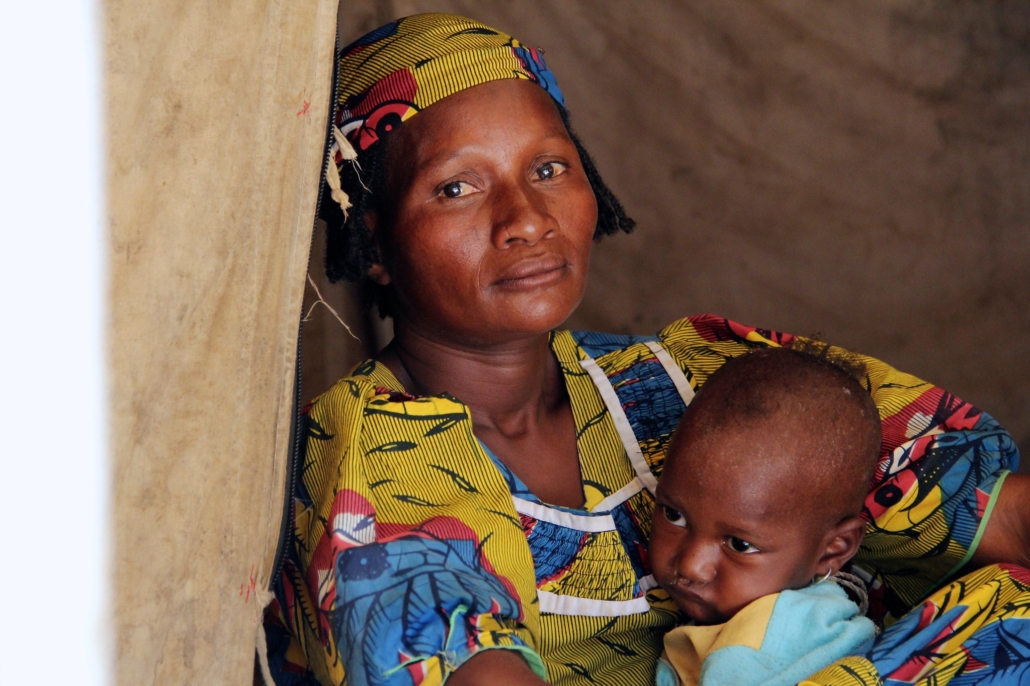
Commonly referred to as “Africa in miniature,” many know Cameroon for its geographical diversity and cultural vibrance. However, despite its reputation as a nation of peace and stability, Cameroon faces many threats to the food security of millions. Today, an estimated 10.6% of people in Cameroon are subject to acute food insecurity, which is correlated with severe health issues such as malnutrition and stunting in children. Understanding the causes that comprise food insecurity in Cameroon are crucial to finding effective and long-term solutions. As such, below are five contemporary causes behind the country’s ongoing hunger crisis.
5 Causes of Hunger in Cameroon
- Violence from Boko Haram’s presence in Nigeria has spilled into northern Cameroon, straining resources in refugee camps. Boko Haram’s terrorist activities have caused approximately 112,000 refugees and 428,000 internally displaced people to seek shelter in camps surrounding the borders of Nigeria and northern Cameroon. However, due to the increased frequency of attacks and subsequent overcrowding, many of these camps have turned into breeding grounds for violence over a limited supply of resources. Without adequate protection procedures in place, women and children in refugee camps are especially vulnerable to food insecurity, and frequently go hungry for days.
- Armed rebel forces are stealing livestock by the thousands. In 2017, tensions rose between ethnic Mbororo ranchers and armed separatists after the Mbororo refused to support the separatists’ mission to form a new anglo-Christian state. This denial led the armed separatists to steal thousands of the ranchers’ cattle between July and September 2020 in order to fund and feed their army. Since then, militants – ranging from the separatists to Boko Haram – have continued to use this tactic as a method to damage local economies, which are largely dependent on cattle for food, income and employment. Fearing for their safety, farmers and livestock herders have begun to sell their livestock and pursue new professions. In the Northwest region, key livestock markets in Bui and Donga Mantung have closed down, which has exacerbated acute food insecurity levels within those jurisdictions.
- Food prices remain unaffordable, despite a trend of decreased inflation. As of 2023, food inflation in Cameroon was reported to be around 11.6%, which reflects a decrease from 12.9% in 2022. However, the average prices of most imported staple foods such as rice, wheat and edible oil are currently higher than they have been for the past five years. Similarly, the prices of locally harvested foods today such as maize, sorghum and millet are above average in all markets. These price hikes have had a severe impact on food supply, particularly limiting the purchasing power of poor households. As a method of coping with unaffordable prices, many of these households have been forced to reduce their meal portions and frequencies, and consume less preferred foods that are often low in nutrition.
- Climate disasters such as floods have stressed food supplies and agriculture. In July 2023, the city of Limbe was subject to torrential flooding, which directly affected a total of around 1,600 people and caused various degrees of damage to around 250 homes and additional infrastructure. Fundamentally, the flooding of over 60 shops caused the partial destruction of essential resources, including food, which created supply problems for the affected population. As a result of climate change, floods of a similar scale have become increasingly common in Cameroon, producing disastrous repercussions on food supply throughout the country, not just in impacted areas. In the agricultural sector, heavy rainfall has accelerated the leaching of cultivated soils, reducing their fertility and resulting in low crop yields. This phenomenon has often led to increases in food prices, which has been devastating to rural populations and women living close to agro-industries.
- Malnutrition is a nationwide threat, especially for children under 5. Malnutrition among children in Cameroon is widespread and has been attributed to a myriad of pervasive causes, including low income, high frequency of forced displacement and the distance walked by caregivers to fetch clean water. Around one in every three children under 5 suffer from stunting in Cameroon, and more than 50% of children were recorded as having a low dietary diversity score in 2023. This issue is especially prevalent in rural communities, with the majority of children in these areas lacking essential nutrients such as iron, iodine, vitamin A and zinc that are crucial to a child’s growth.
Combating Hunger in Cameroon
In order to combat malnutrition, organizations such as the World Food Programme (WFP) and Action Against Hunger have been working to allocate supplies and introduce health education and services in regions lacking such resources.
Working with the state, the World Food Programme aims to achieve zero hunger in Cameroon by responding to the immediate food and nutrition needs of crisis-affected populations and implementing a variety of interventions to strengthen the long-term resilience of communities. According to their 2023 Annual Country Report, the organization provided 876,400 Cameroonians with food and cash assistance, targeting mostly women based on vulnerability. During the same year, WFP also supported 82,300 people facing sudden calamities and 86,500 under lean season assistance. Today, WFP and the U.N. Refugee Agency (UNHCR) have engaged the government and other donors to counter the effects of funding shortfalls that have recently cut vital food assistance to refugees.
Adopting similar objectives, Action Against Hunger reached around 130,000 Cameroonians through nutrition, health and food security programs in 2023. Farmer Field Schools, one of their most notable educational programs, connected agriculture experts with farmers to teach them climate-smart growing techniques, introduce resilient crops and provide plots for people to test their understanding of the curriculum before putting them into practice. In the coming years, Action Against Hunger seeks to increase funding for water, sanitation and hygiene (WASH) programs to improve overall accessibility to clean water.
Conclusion
Today, Cameroon’s food supply is still under constant threat from neighboring violence, disaster and high food prices. Fortunately, organizations such as WFP and Action Against Hunger are committed to improving food security by implementing a wide range of solutions to ensure a healthier future for the residents of Cameroon.
– Adrian Rufo, Moon Jung Kim
Photo: Flickr
Updated: September 3, 2024
