• Link to X
  • Link to Facebook
  • Link to Instagram
  • Link to TikTok
  • Link to Youtube
  • About
    • About Us
      • President
      • Board of Directors
      • Board of Advisors
      • Financials
      • Our Methodology
      • Success Tracker
      • Contact
  • Act Now
    • 30 Ways to Help
      • Email Congress
      • Call Congress
      • Volunteer
      • Courses & Certificates
      • Be a Donor
    • Internships
      • In-Office Internships
      • Remote Internships
    • Legislation
      • Politics 101
  • The Blog
  • The Podcast
  • Magazine
  • Donate
  • Click to open the search input field Click to open the search input field Search
  • Menu Menu

Archive for category: Hunger

Hunger

Poverty Reduction in Nigeria

Poverty Reduction in NigeriaThe West African country Nigeria has the fastest-growing population in sub-Saharan Africa. However, the Nigerian population is outpacing poverty reduction as the population grows and the economy declines. Essentially, the demand for jobs is much higher than the availability.
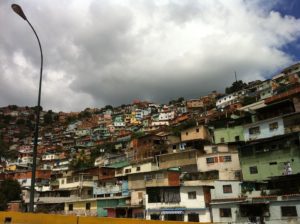
Therefore, the World Bank has projected that the number of Nigerians living below the national poverty line will increase by 13 million people by 2025.

Income Inequality in Nigeria

There are several reasons for the high poverty rates in Nigeria, one of which is income inequality. The average income in rural versus urban Nigeria is incredibly unbalanced. In the past, agriculture was a key export in Nigeria. However, this industry is no longer financially flourishing, leaving those in the rural farmlands susceptible to low income.

Nigeria struggles with various factors that contribute to food insecurity. The most dominant is poverty, along with climate-related challenges that amplify the effects and hardships of poverty, such as drought and flooding. As a result, millions of Nigerians in rural marginalized areas experience extreme malnutrition and chronic hunger.

Currently, 80% of exports from Nigeria are oil, which only represents 1% of national jobs. This contributes to the shocking statistic that four out of 10 Nigerians live in poverty.

The Nigerian government is working to implement reforms that can promote poverty reduction and aid civilians to have a better quality of life. One such reform is the elimination of fuel subsidies.

The Aftermath of Eradicating Fuel Subsidies

Despite the thriving fuel industry, subsidies on petroleum have caused problems in Nigeria for decades.

Nigeria first implemented its fuel subsidies policy in 1977. The Nigerian government enacted these restrictions to provide a cushion from the 1973 oil crisis. However, what was initially intended for six months has remained for twenty-four years. As a result, the policy did not ease the burden of fuel prices but rather bankrupted the government. Fuel subsidies are 15% of the federal budget, more than education and health combined.

In 2012, the Nigerian government announced its plan to eradicate fuel subsidies, causing an uproar and protests over the new policy. In June 2023, President Bola Tinubu told the nation that “the fuel subsidy is gone.” Fearing the inevitable spike in gasoline costs, hundreds of people fled to petrol stations with jerry cans to prepare for the future.

The transition period appears to have poorly affected the public. For example, the petroleum market price increased by 200%. However, the perpetuation of subsidies appeared to be unattainable. Its elimination could pave the way for other initiatives that aim to alleviate poverty. This includes a budget increase for public services, health, transport and education.

Although widely unpopular among citizens, terminating the subsidies could promote a unified exchange rate, reduce corruption and allocate a larger budget for investing in long-term sustainable reformations.

External Support in the Fight to End Poverty in Nigeria

Non-governmental organizations (NGOs) like Food Clique support communities in Nigeria that are most affected by poverty. Food Clique promotes poverty reduction for affected people through donations that fund nutritious food and free school meals. Alongside fighting hunger, these programs also encourage attendance and productivity, promote physical strength and build disease resistance.

Food Clique provides sustainable solutions to food insecurity, alleviating poverty in Nigeria. It also bridges the gap of poverty by helping communities gain access to nutritious meals and promoting long-term solutions. This work is critical because Food Clique aims to build a more food-secure nation and thus reduce the effects of poverty.

The British Red Cross estimates that as of 2022, 19.5 million people in Nigeria do not have enough to eat. However, with the tireless efforts of Food Clique and other nonprofit organizations, there is hope for progress.

Looking Ahead

In summary, poverty reduction in Nigeria has been a slow and complex process, and only now have major reforms beginning to take effect within the government. The removal of fuel subsidies and subsequent inflation impacted the poorest Nigerians the most. In the long run, however, these reforms could create new jobs and allow the government to fund other sectors, such as education and health, to reduce the impact of poverty in Nigeria.

– April Plenderleith
Photo: Pixabay

July 10, 2023
https://borgenproject.org/wp-content/uploads/borgen-project-logo.svg 0 0 Jennifer Philipp https://borgenproject.org/wp-content/uploads/borgen-project-logo.svg Jennifer Philipp2023-07-10 01:30:142023-07-06 01:24:23Poverty Reduction in Nigeria
Hunger

Everything you need to know about Hunger in Venezuela

Nicknamed “the Maduro diet” after Venezuelan president Nicolas Maduro, hunger in Venezuela is one of the symptoms of their current humanitarian crisis. Once a thriving and one of the most promising economies in Latin America, and home to the world’s largest oil reserves, Venezuela’s current economy is among the worst in the world.
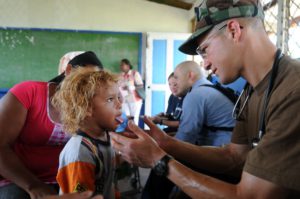
Approximately nine in 10 people live in poverty in the country. This accounts for about a third of Latin America’s poor people. The food security crisis and widespread poverty are the results 0f a decade-long struggle with poor governance.

The State of Hunger in Venezuela

Hunger in Venezuela has been an issue of note in recent years because, in contrast to many other countries, their crisis is a result of food scarcity and years of hyperinflation which has made the most basic needs unaffordable.

Millions have fled the country and about a third of the remaining Venezuelans face food insecurity. In fact, child stunting and overall malnutrition have increased consistently since 2014, and three out of four households are forced to adopt strategies to cope with food shortages. Typically, these strategies involve reducing the size and variety of meals.  

Hyperinflation and its Causes

It all started with a land full of oil. Corruption, a struggling petrostate and an angry electorate served as the ideal scenario for socialist-populist Hugo Chavez, to be elected president in 1998. While he was well received at first, his administration began to centralize power and nationalize industries such as telecommunications, power and agriculture.

This made the economy and many government programs more dependent on the already nationalized oil industry, which would crash once again in the 2010s. Additionally, the centralization of power pulled Venezuela further from democracy into a dictatorship, which would continue after Chavez’s death through Nicolas Maduro’s presidency.

During the first years of his presidency, Maduro attempted to deal with the inherited economic struggles by printing money, which only exacerbated rising inflation. After price controls, exchange rate fixing and tax increases failed to alleviate rising prices, he printed more money again, causing exports to become more expensive, food scarcer and inflation to become hyperinflation. 

These years were the beginning of the “Maduro diet” and rising food insecurity. As hyperinflation skyrocketed between 2014 and 2018, prices of basic goods and exports rose with it, making food scarce and unaffordable.

Political Instability and Its Effects

Venezuela had a problem with violence well before 2014, but with a crippled economy and a hungry population, instability increased along with hyperinflation. The government aimed to take the lead and be the provider of everything Venezuelans needed. However, the poor economy received another blow when the U.S. imposed sanctions on the oil industry, limiting the government’s food aid.

The poor international relations also affected foreign aid, when in 2019, Maduro refused about $60 million worth of humanitarian aid to address health and food insecurity, since Venezuelans aren’t “beggars.” However, 2019 also saw economic improvements after Maduro used more sustainable economic practices, such as limiting spending and relaxing foreign exchange rates.

The COVID-19 Pandemic

In 2020, however, Venezuela along with many other developing countries experienced another economic shock with the COVID-19 pandemic, which inevitably impacted hunger in Venezuela. Companies closed, remittances decreased and people lost their jobs. Unfortunately, this had effects on their ability to afford food once again.

Venezuela began to cooperate with international aid efforts again in 2021. Charities sprung back up, and Maduro signed an agreement with the World Food Programme (WFP) to provide help for 1.5 million children in Venezuela’s poorest regions.

As for the economy, the end of 2022 raised hyperinflation concerns despite a period of a more sustainable economic position due to an increase in demand for dollars, government spending and a weakening of the Bolivar due to the impacts of the pandemic.

Impact of International Efforts

According to a report from Human Rights Watch, the United Nations (U.N.) has initiated a comprehensive plan worth $762.5 million aimed at aiding 4.5 million Venezuelans who are considered the most vulnerable. The plan includes a dedicated allocation of $87.9 million to tackle the health and socio-economic repercussions caused by the COVID-19 pandemic.

Furthermore, the WFP has implemented initiatives aimed at supporting schools in providing rations and improving their infrastructure, hygiene and food services.

Looking Ahead

While Venezuela has experienced difficult times characterized by hyperinflation and rising food insecurity, cooperation with international organizations has helped the country make some progress in recent times. There is still room for much work, especially after the pandemic’s effects, but with better fiscal practices and ongoing foreign aid interventions, there is hope for a hunger-free future.

– Gustavo Gutierrez Nidasio

Photo: Pixabay

June 15, 2023
https://borgenproject.org/wp-content/uploads/borgen-project-logo.svg 0 0 Jennifer Philipp https://borgenproject.org/wp-content/uploads/borgen-project-logo.svg Jennifer Philipp2023-06-15 01:30:542026-04-16 10:21:00Everything you need to know about Hunger in Venezuela
Hunger

5 Ways to Combat Hunger in Trinidad and Tobago

Hunger in Trinidad and TobagoTrinidad and Tobago, known for its beaches and festive atmosphere, faces a pressing issue that demands attention: hunger. Although hunger has long been a concern, the COVID-19 pandemic has brought it to the forefront of national consciousness.
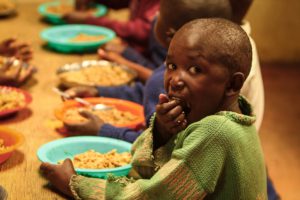
According to the United Nations World Food Programme (WFP), 20% of the population in Trinidad and Tobago experiences moderate to severe food insecurity. Around 270,000 people are at risk of hunger or missing meals and 9.3% of children under 5 suffer from chronic malnutrition, impacting their long-term physical and mental development.

5 Ways to Combat Hunger in Trinidad and Tobago

  1. Education: Education plays a vital role in addressing hunger. The Ministry of Education has implemented programs like the School Nutrition Programme, providing breakfast and lunch to underserved students. In 2013, this effort helped 236,983 students, accounting for 66.7% of the overall student body. Unfortunately, the pandemic disrupted this effort, leaving many children without access to meals.
  2. Technology: Technology can also play a role in addressing hunger in Trinidad and Tobago. Mobile apps connect donors with local food banks and soup kitchens, helping to bridge the gap between those who have food to give and those in need. FarmVue, created by TCF and IICA, is a new digital platform that helps farmers document and store records of their planting, harvesting and financial activities. This app is entirely free, making it widely accessible.
  3. Nutrition: Proper nutrition is crucial in the fight against hunger. While Trinidad and Tobago is known for its cuisine, many families do not have access to healthy, affordable food. The School Nutrition Program aims to resolve this by providing five weekly meals for school children, reaching more than 25,524 children from 2020 to 2021. The initiative now operates in 583 public schools and provides over 1,009 jobs. The Nutrition and Metabolism Division of the Ministry of Health also offers services to combat malnourishment, including Advice, lectures, demonstrations and cooking food at health centers across Trinidad and Tobago. Sadly, Trinidad and Tobago is ‘off course’ to meet their maternal, infant and young child nutrition (MIYCN) targets, with anemia still affecting 17.7% of women aged 15-49.
  4. Health Care: Access to health care is also essential in addressing hunger. Malnutrition can lead to a weakened immune system and other health problems, making it difficult for individuals to work and provide for their families. The country operates a two-tier system offering public and private health care. This means all citizens can access state-provided primary health care, including treatments and medicines that tackle chronic nutrition-related diseases. The future of health care seems promising, as the government plans to increase its health spending from $549.90 per person in 2019 to $789.10 by 2050. Increases in spending have always resulted in an improved effective coverage index, as evident in the rise from 37.5 in 1990 to 55.5 in 2019. However, more work still needs to be done as high fasting plasma glucose, high blood pressure and dietary risks account for 70% of risk factors driving deaths and disability.
  5. Community Outreach: Community outreach programs can be crucial in addressing hunger in Trinidad and Tobago. The Trinidad and Tobago Red Cross Society (TTRCS), founded in 1939, provides food aid, education and other support services to those in need. TTRCS launched a food security initiative with RBC raising $700,000 to assist at-risk families with food support during the COVID-19 pandemic. The donation helped over 1,000 people across the country through supermarket gift cards. Additionally, TTRCS implemented the Garden to Kitchen Project to support families vulnerable to food security by developing community gardens. TTRCS has disrupted 37 individual garden start kits and established 30 community garden groups equipped with kits and vouchers.

Looking Ahead

Hunger remains a critical issue in Trinidad and Tobago, exacerbated by the COVID-19 pandemic. Proposed strategies include education programs like the School Nutrition Programme and technology such as FarmVue, connecting donors with those in need. Community outreach programs by the Trinidad and Tobago Red Cross Society provide food aid and support. Ultimately, such efforts aim to alleviate hunger and build a healthier, more resilient society.
– Daniel Workman
Photo: Flickr
June 2, 2023
https://borgenproject.org/wp-content/uploads/borgen-project-logo.svg 0 0 Jennifer Philipp https://borgenproject.org/wp-content/uploads/borgen-project-logo.svg Jennifer Philipp2023-06-02 07:30:302026-04-16 10:21:015 Ways to Combat Hunger in Trinidad and Tobago
Hunger

Hunger Crisis in Nigeria

Hunger Crisis in NigeriaNigeria, a multiethnic country with more than 200 million people, has one of the largest youth populations globally. However, severe malnutrition and starvation are prevalent due to hunger and famine. Food insecurity in Nigeria increases the risk of malnutrition, stunted growth and developmental problems in children. Even more, poor nutrition and lack of access to primary health care have led to higher rates of infectious diseases.

The Food and Agriculture Organization (FAO) estimates that approximately 25 million Nigerians are experiencing a hunger epidemic. The ongoing conflict in northeastern Nigeria, alongside a population boom, has exceeded the capacity for food production and economic development. The northeast region of Nigeria relies on agriculture and subsistence farming. Nonetheless, they face difficulties in harvesting their crops due to several factors.

Climate Crisis

Severe climate conditions have negatively impacted Nigeria’s food supply chain. Nigeria experiences intense and erratic rainfall, which is a recurring problem. In 2022, flooding damaged approximately 676,000 acres of agricultural land, contributing to rising levels of hunger and malnutrition, per the National Emergency Management Agency (NEMA).

Food production and agriculture have declined due to flooding, landslides and soil erosion. With high food prices, the limited supply remains unaffordable for most individuals. Additionally, water pollution exacerbates the situation, posing a threat to the environment and the health of local populations.

Armed Conflict and Violence

In Nigeria’s northeast, security concerns have resulted in violence between farming communities and herders, causing significant disruptions to the local food supply. The conflict and drought have prevented many farmers from growing crops, making it challenging for Nigerians to make ends meet and further straining the economy.

Gender Inequality

Gender inequality is a contributing factor to food insecurity in Nigeria. Women lack access to necessary resources and services to provide food security for their families, increasing food insecurity. According to the International Monetary Fund (IMF), reducing gender disparities would lead to higher economic growth, more efficient economic operations and a more stable economic environment.

Poverty

Poverty in Nigeria is primarily due to unemployment. The lack of job opportunities leaves many individuals without the means to support themselves and their families. Additionally, the deficient education system exacerbates the issue of the hunger epidemic threatening Nigerians.

Corruption at governmental levels has prevented investment in job creation and education initiatives, thereby worsening the poverty problem. This has resulted in stagnant economic growth and an increased income gap between the rich and the poor. The financial crisis has caused a decline in living standards for Nigerians.

Current Efforts and Solutions

Through its Nutrition & Health Programs, Action Against Hunger managed to reach 1.8 million people. Using its innovative program, “Porridge Moms,” homeless women and refugees learned how to prepare nutritious meals for their children, thereby preventing malnutrition. As part of the effort to prevent and treat malnutrition, approximately 822,000 pregnant women, breastfeeding mothers and children under 5 years of age got access to water, sanitation and hygiene programs.

The Nigeria Erosion and Watershed Management Project (NEWMAP) has been actively implementing an Environmental and Social Management Plan (ESMP) to prepare the country for natural hazards and climate risks. Furthermore, the ESMP has improved the efficiency and effectiveness of environmental management and aimed to achieve greater ecological compliance.

As a result of the ESMP, agricultural lands previously degraded have been restored for agricultural purposes, leading to increased productivity and reduced hunger. Despite the negative impacts of climate change on farming land, vegetation and forests, the restoration process has led to the introduction of innovative employment methods.

Food vouchers and cash transfers are part of Save the Children’s support program to help families recover and settle. Several food system exchanges have been initiated by the Nigerian government in order to maintain weather information on a timely basis. Furthermore, the government aims to implement the Social Protection Law to identify and assist disaster victims.

What’s Next?

Initiatives that aid vulnerable populations improve market access and subsidize agriculture could accelerate progress in the fight against food insecurity in Nigeria. Additionally, promoting sustainable agricultural practices carry the potential to increase food production and reduce hunger.

– Simran Raghav
Photo: Flickr

May 21, 2023
https://borgenproject.org/wp-content/uploads/borgen-project-logo.svg 0 0 Jennifer Philipp https://borgenproject.org/wp-content/uploads/borgen-project-logo.svg Jennifer Philipp2023-05-21 07:30:282023-05-18 08:56:45Hunger Crisis in Nigeria
Hunger

Everything To Know About Hunger in Tunisia 

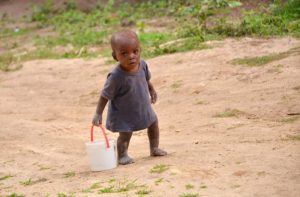
Hunger in Tunisia Tunisia is a North African nation located on the Mediterranean Sea. The country suffers from high unemployment, and approximately 21% of its population lives below the poverty line. In light of these issues, hunger in Tunisia is becoming a pressing concern.
Causes of Hunger in Tunisia

One of the major factors contributing to hunger in Tunisia is the nation’s reliance on agricultural imports, especially cereals, to sustain its population. Long-term economic challenges have prevented the nation from being able to purchase sufficient food staples to feed all of its citizens. The country’s high inflation rate, which reached 9.1% in 2022, has exacerbated food shortages and led to soaring prices that are limiting the most vulnerable citizens’ access to available food products.

While Tunisia does have the capacity to produce food within its borders, the country is in the midst of a three-year long drought that has been detrimental to its agriculture. Since September 2022, rainfall levels have dropped to one-fifth of the normal rate. The lack of rainfall has diminished harvests, hindered the production of essential crops like grain and destabilized the country’s dairy industry. Reduced harvests have increased the cost of cattle feed, forcing many farmers to sell the livestock upon which the country relies for milk and other dairy staples. In addition to causing dairy shortages, the drought has devastated Tunisian olive crops. With olive oil being one of Tunisia’s primary exports since antiquity, this has added to the country’s economic instability and heightened the hunger crisis.

Impact of the Hunger Crisis

As a result of the hunger crisis, malnutrition has become an increasing issue in Tunisia. According to the World Food Programme (WFP), an estimated 30% of Tunisian children under 5 years old and 32% of pregnant and breastfeeding women are anemic or iron deficient. Additionally, labor migration has become increasingly common due to the ongoing food crisis, putting thousands of Tunisians who suffer from hunger in danger as they seek relocation to Europe. The Tunisian Forum for Economic and Social Rights reported that, between January and October of 2022 alone, over 500 Tunisians died or went missing as they tried to cross the Mediterranean in search of better opportunities.

Efforts Toward Change

The WFP, a United Nations humanitarian organization that fights hunger around the globe, is working to address Tunisia’s ongoing food and malnutrition crisis. The WFP’s 2022-2025 Country Strategic Plan for Tunisia outlines its initiatives to improve Tunisia’s National School Feeding Programme, promote proper nutrition for school-aged children and establish school gardens and canteens to ensure access to healthy food sources. Additionally, the WFP is working with local farmers and schools to increase the availability of locally-produced food and decrease Tunisia’s reliance on imports. Finally, the organization is implementing strategies to advance Tunisian women’s socioeconomic empowerment by increasing their involvement in local agriculture, particularly in the newly-established school gardens.

Looking Forward

Despite the impact of ongoing food shortages and high food prices, the WFP is working with the Tunisian government and local communities to combat hunger in Tunisia. Continued efforts to improve the country’s school feeding program, promote the local farming industry and strengthen social safety nets could help alleviate hunger in Tunisia and provide Tunisians with access to nutritious food.

– Madison Tomaso
Photo: Flickr

May 11, 2023
https://borgenproject.org/wp-content/uploads/borgen-project-logo.svg 0 0 Jennifer Philipp https://borgenproject.org/wp-content/uploads/borgen-project-logo.svg Jennifer Philipp2023-05-11 01:30:162023-05-09 16:51:07Everything To Know About Hunger in Tunisia 
Education, Hunger

Improving Living Conditions in Uganda

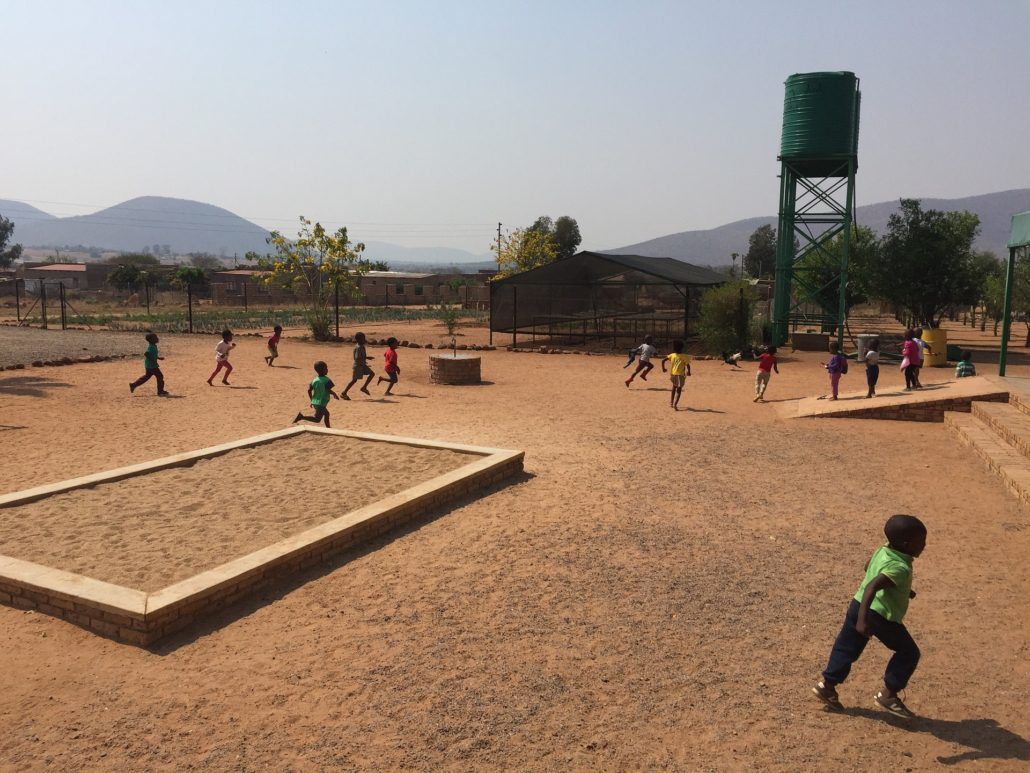
Living Conditions in UgandaUganda is a sub-Saharan country located in East Africa. Its capital is Kampala, and the country has a population of over 47 million. Living conditions in Uganda vary, with the poorest demographics suffering due to poor education and a subpar health care system. On the bright side, charitable organizations continue making efforts toward improving the living conditions in the country.
Accessibility to Water and Sanitation

As presented by WaterAid, 21 million people in Uganda lack access to clean water and eight in 10 do not have access to decent toilets. To improve hygiene quality in the country, WaterAid is supporting the Ugandan government’s plan to ensure clean water access for all by 2040.

Water.org is also making efforts to improve sanitation in the country. Since 2009, the organization has partnered with sector organizations such as Water and Sanitation for the Urban Poor as well as national governments and stakeholders. Its aim is to provide financing for water and sanitation projects in Uganda. As a result of the organization’s work, 517,000 Ugandans now have access to safe water and sanitary facilities at home.

Education

Uganda’s education shows a large divide between the richest and poorest parts of the country. According to the United Nations International Children’s Emergency Fund (UNICEF), secondary enrollment is five times higher for the richest 20% compared to the poorest 20%. Other factors, including teenage pregnancies and early marriage, cause many girls to miss out on their education. To combat these high levels of school absence, UNICEF supports various projects to make education safe, affordable and accessible for Ugandan children. The organization also focuses on future employment, with plans for 2025 that aim to provide adolescent boys and girls with active citizenship and career options.

Housing for Children

Currently, there are approximately 2.7 million children living in Uganda who lack any form of parental care. The organization estimates that 1 million children have lost their parents to AIDS.

SOS Children’s Villages is a nonprofit social development organization that aims to improve living conditions in Uganda by giving vulnerable children a safe home. In 2015, the organization aided 8,000 people through workshops covering topics such as parenting skills and the rights of children.

Medical Facilities

Although the overall health care system in Uganda has improved in the past few years, a scarcity of hospitals and doctors leaves many ill people lacking medical attention. The World Health Organization (WHO) recommends a doctor-to-patient ratio of 1:1,000. However, Uganda suffers a ratio 25 times worse than this recommendation, with a 1:25,000 doctor-patient ratio.

The low number of doctors is particularly an issue for residents living in rural areas, as most hospitals in the country are located in big cities, forcing ill people to travel miles on foot to seek medical attention.

Uganda experiences some of the highest infant mortality rates in the world due to a lack of support for pregnant women. In response to this, SOS Children’s Villages has opened three medical facilities in the country, providing antenatal and postnatal care. The organization has also created mobile clinics to provide medical support for people living in remote rural areas.

Looking Ahead

Although living conditions in Uganda have been challenging, charitable organizations operating in the country continue to make progress in bettering the situation. Also, there are plans in place to continue with the ongoing work in hopes of achieving even more progress. The success of these efforts can potentially transform the education and health care systems in Uganda and enable Ugandans to access better living conditions.

– Freddie Trevanion
Photo: Flickr

May 8, 2023
https://borgenproject.org/wp-content/uploads/borgen-project-logo.svg 0 0 Kim Thelwell https://borgenproject.org/wp-content/uploads/borgen-project-logo.svg Kim Thelwell2023-05-08 07:30:452023-05-07 13:53:22Improving Living Conditions in Uganda
Education, Global Poverty, Hunger

SOS NPO Educates to End Hunger

End Hunger
While food and water insecurity remain issues in many parts of South Africa, one nonprofit is taking a new approach to transforming the situation for the better. The Save Our Schools Non-Profit Organization (SOS NPO) engages local school students in projects that teach everything from agricultural skills to the science behind rainwater harvesting. Its initiatives are not only helping eliminate resource scarcity but also ensuring that coming generations have the necessary skills to remain employed and end hunger and reduce the poverty rate in South Africa.

Poverty in the Western Cape

Cape Town is a world-renowned tourist destination that has earned love and admiration for its picturesque beaches. Yet, it is located in a province that is still home to a high number of residents living in poverty. As of 2019, an estimated 46% of residents in the Western Cape earned less than 1,227 Rand (about $70 USD) per month.

Although the province has the lowest expanded unemployment rate in South Africa at 31.3% as of August 2022, the low wages lead to rising levels of food insecurity. The most recent data from the Food Insecurity Experience Scale (FIES) found that more than 10 million South Africans experience moderate to severe food insecurity. In the Western Cape specifically, this number is expected to rise due to lowering dam levels.

The province gets its water supply via 44 dams, but low amounts of rainfall and an increasing population are keeping dam levels around 50%. Previous droughts led to restrictions on agricultural water use. Now, with less freshwater from the dams available to farmers, there are rising problems with food availability. Given this, SOS NPO considers the experiential education of the next generation as one of the effective ways of alleviating the issues.

SOS NPO

SOS NPO is dedicated to supporting impoverished schools in the Western Cape through initiatives that improve Water, Sanitation and Hygiene (WASH). The nonprofit often provides resources that include non-potable water and transportation services to schools. It has also helped in installing rainwater harvesting systems throughout the province. However, the primary focus of its projects is sustainable education, particularly in the Bloekombos community.

One such initiative is the SOS Farming Academy, a program that provides agricultural education to young people in a bid to create employment opportunities. Students of the program live on the SOS NPO farm for a year, gaining valuable skills that guarantee them job placements upon leaving the program.

The organization also hosts the SOS Youth Club which was founded in 2020 and centered around the 17 Sustainable Development Goals (SDGs). At each of the six schools in the Bloekombos area, students volunteer to be Goal Leaders for one of the SDGs. If elected, the Goal Leader is responsible for organizing a project related to their goal and getting other students involved. SOS NPO then provides resources and funding for each project.

Most recently, the nonprofit launched an initiative at Bloekombos High School that allows students to maintain vegetable gardens via rainwater harvesting.

How the Water in the Sky is Helping End Hunger

In March, SOS NPO recruited student volunteers to assist with the harvesting of a soccer-field-sized vegetable garden as part of its Water in the Sky initiative. The garden, planted near Bloekombos High School, uses a rainwater harvesting system installed earlier this year. In an interview with South African news outlet News24, SOS NPO spokesperson Amy Burrow announced that students who join the project “will be receiving agricultural training and education surrounding the maintenance of water-conscious vegetable gardens.”

With funding from brands like Nestlé, Puma and Hallmark, there is also the hope of expanding to other schools in the area. Additionally, the project could provide the community as a whole with a steady source of food and water.

The Mark of Progress

SOS NPO is doing work with the potential to end hunger and water insecurity situations in South Africa.  It is also leaving a legacy that can transform the lives of the next generation of South Africans through its education and empowerment of young people.

– Rachel Smith
Photo: Pixabay

April 21, 2023
https://borgenproject.org/wp-content/uploads/borgen-project-logo.svg 0 0 Jennifer Philipp https://borgenproject.org/wp-content/uploads/borgen-project-logo.svg Jennifer Philipp2023-04-21 01:30:212023-04-20 05:00:29SOS NPO Educates to End Hunger
Hunger

Community Kitchens Around the World 

Community KitchensAround the world, 828 million people suffer from hunger and lack of nutritious food. The size of this issue requires multiple cooperative solutions and one of them is community kitchens. Community kitchens are similar to soup kitchens in that they give out free food to hungry people, but they elevate this idea by being a space for people to work, learn and build comradeship. Small community kitchens are popping up across many nations across the globe and despite their size, these spaces are bringing a big change.

India

India is one of the many countries that saw community kitchens continuously popping up during the 2020 pandemic lockdown. During this time, these kitchens played a pivotal role in supporting hungry families and became communal staples that people continue to rely on today. The state of Jharkhand saw the most growth in this kind of organization with 2,500 women working across all its districts.

In India, the Jharkhand State Livelihood Promotion Society (JSLPS) provides funding for these groups. Through the government and the hard work of these women, the kitchens provide meals directly to citizens’ doorsteps and help support the communal trust in the government. They also have “low-cost kitchens” where they sell food for a very low cost which helps support hungry citizens. Across India, these kitchens are providing not only food but opportunity as well.

Nepal

U.N. Women along with the Government of Finland have been supporting women-ran community kitchens in Nepal. The partnership helped set up a total of 10 kitchens in four of Nepal’s provinces, employing 123 women. The women working in these kitchens work from sun up to sun down to ensure meals are ready and easily accessible to those struggling in their communities. Importantly, these women can use the wages they earn to support their own families while learning to be confident in their skills, independence and leadership abilities. Community kitchens in Nepal have been able to reach those who are most typically disadvantaged like women, migrants, refugees, people with disabilities and pregnant women. They have played a key role in restoring and creating stability in many people’s lives during and after the pandemic.

Peru

In Lima, the capital of Peru, women have been the sole supporters, funders and workers for these community kitchens since as early as the 1970s. In these kitchens, since they are not government funded, the women who devote their time to them are the ones who provide the cooking supplies, the kitchen space and the food. The women in these communities have established communal agreements that only they can run these kitchens, democratically, not for profit but for the betterment of their community. They decided together to pool whatever spare resources they could find and devote them to these kitchens. Through their selfless efforts, these women provide not only meals to the hungry but a safe space for women and children who face abuse at home. The women of Lima’s community kitchens are a shining example of how community effort and human empathy can change the world.

Final Thoughts

Community kitchens, which are often led by women, have become a powerful force in fighting global hunger while also promoting female empowerment. By providing meals to those in need, these kitchens contribute to the health and well-being of communities around the world. In addition, they offer an opportunity for women to be empowered and take initiative in their own lives as they lead these programs and gain skills that can help them achieve financial independence.

– Alexandra Curry
Photo: Flickr

April 2, 2023
https://borgenproject.org/wp-content/uploads/borgen-project-logo.svg 0 0 Jennifer Philipp https://borgenproject.org/wp-content/uploads/borgen-project-logo.svg Jennifer Philipp2023-04-02 01:30:582024-05-30 22:30:55Community Kitchens Around the World 
Global Poverty, Hunger

Everything to Know about Hunger in India

Hunger in India
India has emerged as a self-sufficient nation over the past three decades in terms of food production, according to the United Nations. Despite this, the country still has a serious hunger problem. Here is everything to know about hunger in India.

Defining and Measuring Hunger

According to the Food and Agriculture Organization of the United Nations (FAO), “hunger is the habitual consumption of too few calories to provide the minimum dietary energy an individual requires to live a healthy and productive life based on a person’s sex, age, stature and physical activity level.”

A popular way of measuring hunger is through the Global Hunger Index (GHI), which considers four factors: undernourishment, child stunting, child wasting and child mortality.

Drawing on published data from sources such as the World Health Organization (WHO) and the United Nations Children’s Fund, GHI gives countries a score on a 100-point scale. The higher a country’s score, the more severe the level of hunger. The GHI’s annual assessment presents everything you need to know about hunger in India and other countries.

Since 2014, undernourishment levels have risen slightly nationwide from 14.8% to 16.3%. The 2022 Global Hunger Index ranked India 107th out of 121 countries. With a score of 29.1 on the GHI severity scale, India has a serious level of hunger.

The Good News

Ever since the Green Revolution in India, agriculture has played a significant role in reducing hunger in the country. According to the U.N., more than 70% of rural Indian households still depend on agriculture for their livelihood. As a result, India has seen tremendous growth in food production over the past few decades and is now a major exporter of agricultural products in the world.

Child stunting has dropped drastically from 54.2% to 35.5% between 2000 and 2022. Likewise, child mortality has also gone from 9.2% to 3.3% since 2000, according to the GHI.

Achieving these successes has been possible largely due to government help through subsidized rations on grains, and schemes, such as the 2013 National Food Security Act (NFSA), which increased India’s food distribution capabilities.

The Challenges

Despite the progress India has made toward ending hunger, many challenges lie ahead. The unpredictability brought on by changing weather patterns is causing problems for small-scale Indian farmers. Moreover, excessive chemical fertilizer use is causing land degradation and barrenness in parts of the country. The U.N. reports that 30% of the Indian administrative blocks have “unsustainable levels” of groundwater. More recently, COVID-19 has presented significant obstacles, pushing millions into unemployment and poverty, which, in turn, increased hunger levels in India.

The DAY-NRLM Initiative

From the government to NGOs, many people are trying to tackle hunger in India. The Indian government has introduced several schemes in the past that continue to make a difference today. Launched in 2011 to alleviate poverty, Deendayal Antyodaya Yojana-National Rural Livelihood Mission (DAY-NRLM) aims to reach out to 100 million rural poor households and provide them with employment opportunities.

Funds allocated to DAY-NRLM go toward “social mobilization, promotion and strengthening of self-managed and financially sustainable community institutions of the rural poor women; financial inclusion; sustainable livelihoods; social inclusion; social development and access to entitlements through convergence,” according to the Ministry of Rural Development’s website.

The NFSM and MNREGA

The National Food Security Mission (NFSM) is a scheme that aims to improve agriculture in India by assisting farmers. After the recommendation of India’s National Development Council, the central government launched NFSM in 2007.

The scheme’s objectives involve promoting a sustainable increase in crop production via “area expansion and productivity enhancement,” reestablishing optimal soil health and agricultural productivity “at the individual farm level” and increasing the profits of farmers.

NFSM has proven to be a massive success as India increased its food grain production by 20 million MT between 2007 and 2012. The scheme is currently undergoing implementation across 638 districts in India.

The Indian government also introduced the Mahatma Gandhi National Rural Employment Guarantee Act (MNREGA) in 2005 to give the country’s rural population employment opportunities. MNREGA provides “at least 100 of guaranteed wage employment in every financial year to every household whose adult members volunteer to do unskilled manual work,” according to the Ministry of Rural Development’s website. For the year 2022-2023, MNREGA provided 2.69 billion employment days, benefiting 59.5 million low-income households who are able to meet their basic needs, including their food requirements.

While challenges remain, hunger in India can undergo eradication by helping farmers earn a livelihood sustainably, improving food production and food security and improving the quality of life in the poorest areas of the country.

– Siddhant Bhatnagar
Photo: Flickr

March 10, 2023
https://borgenproject.org/wp-content/uploads/borgen-project-logo.svg 0 0 Kim Thelwell https://borgenproject.org/wp-content/uploads/borgen-project-logo.svg Kim Thelwell2023-03-10 01:30:162024-05-30 22:30:51Everything to Know about Hunger in India
Global Poverty, Hunger

6 Facts About Hunger in Eritrea

Hunger in Eritrea
Eritrea is an African country between Sudan, Ethiopia and Djibouti on the coast of the Red Sea. It is part of the geopolitical region in East Africa called the Horn of Africa or the Somali Peninsula. With a population of 6.21 million, according to The World Factbook, Eritrea remains one of the poorest countries on the continent, with a GDP of $2.37 billion.

Since its 30-year war for independence from Ethiopia ended in 1993, the dictatorial president Isaias Afwerki has run Eritrea. The government has not recognized any other political parties besides the People’s Front for Democracy and Justice, which elected Afwerki in 1993. Afwerki serves as the head of government and the head of state, making both the executive and legislative decisions for the country.

As a result of the country’s sizable poverty rate—69%—and its totalitarian government, the Eritrean people are starving. The Food and Agriculture Organization (FAO) estimates that more than 60% of the population does not receive enough nourishment. The following six facts about hunger in Eritrea illustrate the expanse and provide background for the debilitating hunger crisis in Eritrea.

6 Facts About Hunger in Eritrea

  1. Army Over Agriculture: The Eritrean government prioritizes defense over agricultural development, despite the widespread famine. All Eritreans, men and women, between the ages of 18 and 40 must enter indefinite national service, including compulsory military conscription. Conscription often lasts decades and extends far beyond 40 years old, despite formal Eritrean law limiting it to 18 months, according to Human Rights Watch. Citizens who could be contributing to the agricultural industry of Eritrea instead end up in military service. The food supply in Eritrea is largely dependent on food imports and aid because, according to the FAO, the contribution of agriculture to the trade balance is negative.
  2. COVID-19 Travel Ban: Not only does the Eritrean government neglect agricultural development, but it also lacks foreign trade. First, the nationwide lockdown in March 2020 limited all imported food. Then, the Eritrean government banned all domestic travel in December 2020, making informal trading and market selling impossible and exacerbating starvation.
  3. Family Farm to Family Table: According to The World Factbook, more than 80% of Eritreans work in subsistence agriculture, which is the act of farming just enough to feed one’s own family and leaving a little surplus for selling. Agriculture has little effect on the country’s economy because so little is left over, accounting for just 8% of the country’s GDP.
  4. Rejecting Aid: “Aspiring to be self-reliant,” as stated by the LA Times, the Eritrean government has ushered out aid programs, including the U.K.’s ACCORD, the U.S.’s Mercy Corps and Ireland’s Concern Worldwide. According to The New Humanitarian, the Eritrean government requested for the three international NGOs to stop operations and exit the country in 2006, having already expelled USAID in 2005.
  5. Russia-Ukraine War Effects: The Eastern European conflict has impacted food prices in Eastern Africa. Eritrea is especially vulnerable because it relies entirely on imports from Russia and Ukraine for wheat, in addition to soybeans and barley, according to the FAO. A deficit of these significant food resources continues to fuel widespread hunger across Eritrea.
  6. Child Malnutrition: The World Bank reports that child malnutrition is a tragic result of rampant hunger in Eritrea. One can calculate malnutrition using four factors: underweight, wasting, stunting and overweight, according to the World Health Organization (WHO). About 39.4% of children younger than five years old in Eritrea are underweight. About 14.6% of Eritrean children younger than five years old are wasting, which is the most severe form of malnutrition and results in an extremely low weight-to-height ratio. These children suffer from extremely weak immune systems, making them susceptible to disease and death. Furthermore, 52% of children younger than five years old experience stunting, which is a result of malnutrition that occurs when UNICEF defines a child as a “low height-for-age.” This inhibits children from harnessing their fullest physical and cognitive capability. Finally, more than half of all deaths of children younger than five years old are related to malnutrition. These large figures demonstrate how hunger in Eritrea has a detrimental effect on the young.

The Good News

The six facts about hunger in Eritrea featured above illustrate the rampant starvation, but luckily international aid organizations have not abandoned their cause, despite the government requesting their departure. UNICEF, for example, has a plan for humanitarian action in 2023.

The organization is seeking $14.7 million from the U.S. government to provide humanitarian services to treat malnutrition, thirst, lack of access to education and poverty in Eritrea. UNICEF’s predicted impact will help 40,000 wasted children, administer health care for 600,000 women and children, grant learning supplies for 200,000 children and provide water access to 100,000 Eritreans.

Eritrea has struggled with extreme poverty and hunger ever since its liberation from Ethiopia in 1993. From travel restrictions and military conscription to child malnutrition and rejection of foreign aid, Eritrea has a long way to go. However, as COVID-19 transportation bans have loosened, there is an aspiration across the world to help the Eritrean people. Organizations like UNICEF have committed themselves to providing aid to Eritrea. Furthermore, the literacy rate is higher than ever at 76.6%, according to the U.N. – a huge leap from the 52% literacy rate in 2002. With great progress in education, there is hope for homegrown agents of change to further Eritrea’s development.

– Skye Connors
Photo: Flickr

February 28, 2023
https://borgenproject.org/wp-content/uploads/borgen-project-logo.svg 0 0 Jennifer Philipp https://borgenproject.org/wp-content/uploads/borgen-project-logo.svg Jennifer Philipp2023-02-28 01:30:172023-02-24 15:29:516 Facts About Hunger in Eritrea
Page 13 of 72«‹1112131415›»

Get Smarter

  • Global Poverty 101
  • Global Poverty… The Good News
  • Global Poverty & U.S. Jobs
  • Global Poverty and National Security
  • Innovative Solutions to Poverty
  • Global Poverty & Aid FAQ’s
Search Search

Take Action

  • Call Congress
  • Email Congress
  • Donate
  • 30 Ways to Help
  • Volunteer Ops
  • Internships
  • Courses & Certificates
  • The Podcast
Borgen Project

“The Borgen Project is an incredible nonprofit organization that is addressing poverty and hunger and working towards ending them.”

-The Huffington Post

Inside The Borgen Project

  • Contact
  • About
  • Financials
  • President
  • Board of Directors
  • Board of Advisors

International Links

  • UK Email Parliament
  • UK Donate
  • Canada Email Parliament

Get Smarter

  • Global Poverty 101
  • Global Poverty… The Good News
  • Global Poverty & U.S. Jobs
  • Global Poverty and National Security
  • Innovative Solutions to Poverty
  • Global Poverty & Aid FAQ’s

Ways to Help

  • Call Congress
  • Email Congress
  • Donate
  • 30 Ways to Help
  • Volunteer Ops
  • Internships
  • Courses & Certificates
  • The Podcast
Scroll to top Scroll to top Scroll to top