For the last 40 years, the greater Horn of Africa has borne the brunt of changing weather patterns and its knock-on effects. Extended periods of extreme heat and poor rainfall have led to conditions of drought in Ethiopia, Kenya and Somalia. This has affected crop growth and grazing land for animals, destabilizing already fragile subsistence farms and causing widespread hunger, thirst and desperation. Here is some information about what some are doing to address hunger in the Horn of Africa.
The Situation
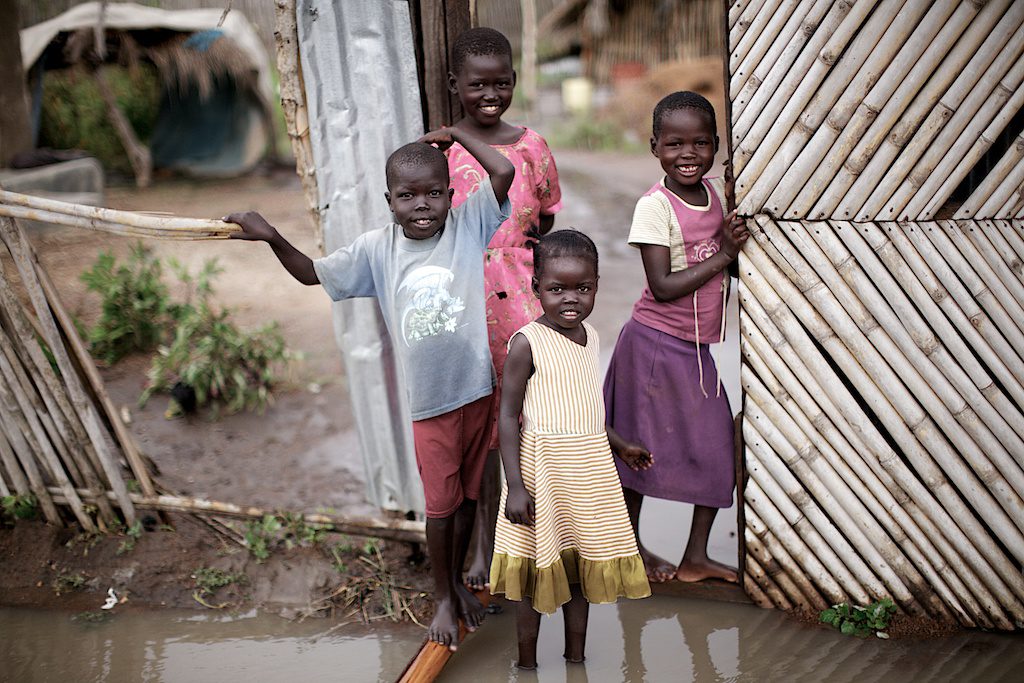
Despite heavier rainfall during the wet season of 2023, the soil has become parched, damaged by severe and long-term drought and no longer able to absorb water. Floods have destroyed roads, washed away livestock and forced the closure of schools and medical facilities, on top of famine and water insecurity. More than 11 million people have become climate refugees, forced to leave their homes to seek pasture, food, water and medical treatment.
These factors have increased the risk of illness and disease. Contaminated water sources from flooding spread cholera, measles and other waterborne diseases. The nature of changing weather patterns means that extreme weather events such as these may occur more frequently and with more intensity. The resilience of these communities is reducing; many households are unable to bounce back before another onslaught of sickness, famine and financial loss.
Food Insecurity in the Horn of Africa
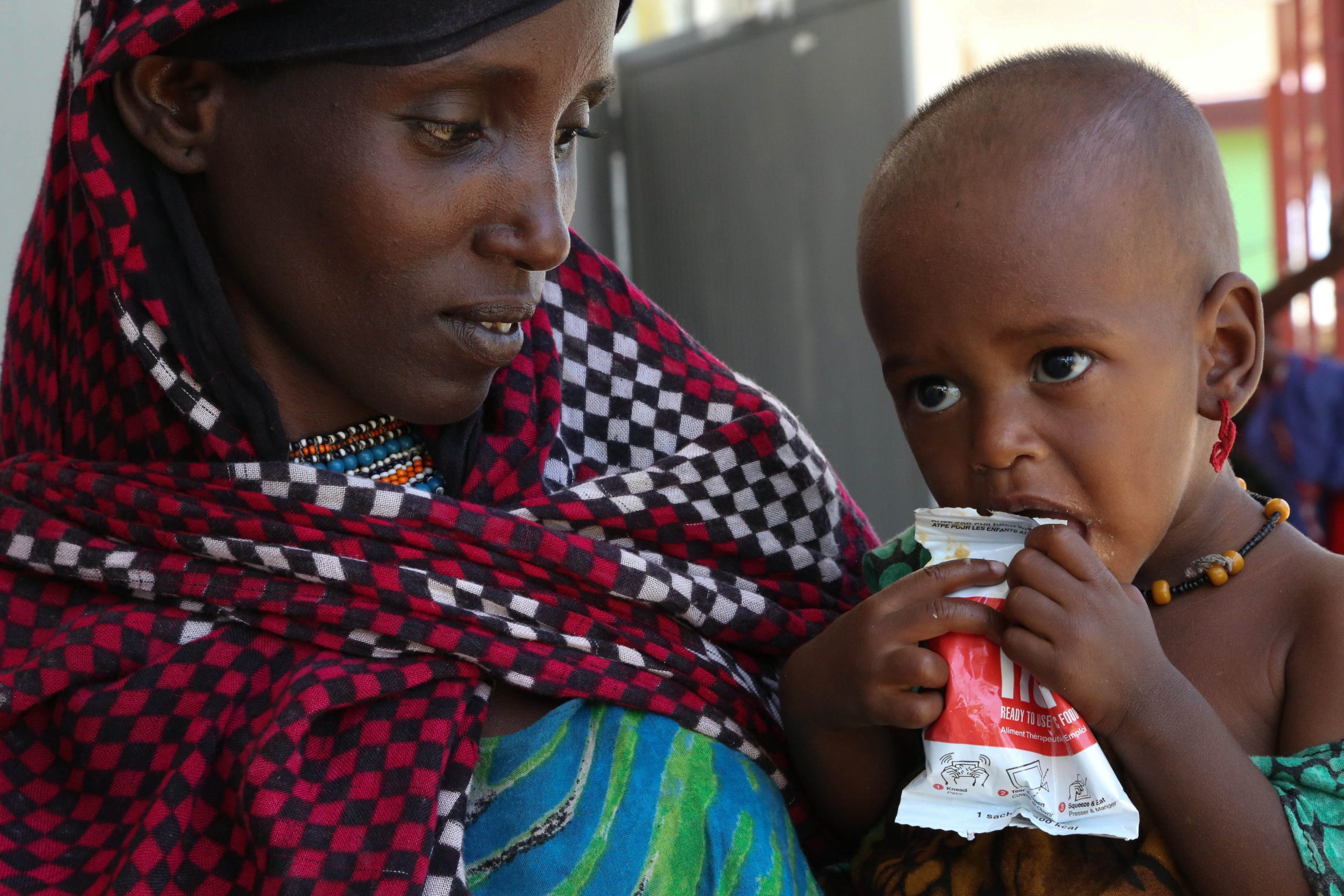
The number of people experiencing acute food insecurity has reached 45.8 million, with children among the most at risk. Four consecutive dry periods have killed crops and livestock, reducing the nutritious food available and food prices have inflated due to scarcity. The number of children under 5 years old suffering from malnutrition has skyrocketed to more than 7 million, with 1.9 million children at risk of death across seven countries.
UNICEF
UNICEF issued an appeal in 2022, calling for funding to provide critical, life-saving treatment such as ready-to-use therapeutic food (RUTF). Supported by donors, the organization addressed hunger in the Horn of Africa by assisting 30 million children and mothers at risk of malnutrition through education, nutrition, immunization and child protection services. Immediate actions also included addressing the water insecurity crisis by drilling water boreholes to improve community resilience to future climate emergencies. Investments in government child social schemes, in addition to nutrition and health systems, address the need for longer-term resilience.
The World Health Organization (WHO)
The World Health Organization (WHO) has been instrumental in coordinating efforts to treat diseases and provide food, water and sanitation. In Kenya, a rapid response team at county and sub-county levels was established to detect, report on and respond to drought early on. The government food and health emergency plan was revised in Ethiopia, as were the drought response activities. In Somalia, the WHO collaborated with UNICEF and 53 health partners to address the needs of internally displaced people. International cooperation between Somalia, Ethiopia and Kenya will combat the cholera outbreak. In Uganda, the WHO is responding to the measles outbreak by assisting with vaccinations and donating equipment to manage the number of cases. Along with the Ministry of Health, the WHO is training health workers, including nutrition leads, to manage health complications in Djibouti.
Prompt responses to the effects of drought are crucial to the reduction of hunger in the Horn of Africa. Long-term damage to children’s well-being and devastation to livelihoods and the economy can be averted through a timely and well-coordinated course of action.
– Lydia Greene
Photo: Flickr
 On September 9, 2023, the Food and Agriculture Organization (FAO)
  Rice is a staple grain for much of the world, accounting for the
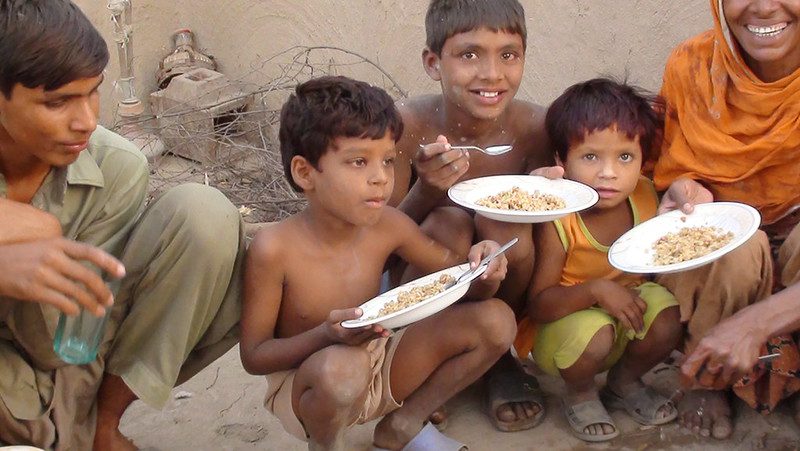 Pakistan faces the dual challenges of food insecurity and food loss waste. Ongoing poverty, frequent natural disasters and instability in politics and the economy have contributed to undernutrition and a lack of reliable access to food for some people in Pakistan. According to the World Food Program, more than 20% of the total population in Pakistan