• Link to X
  • Link to Facebook
  • Link to Instagram
  • Link to TikTok
  • Link to Youtube
  • About
    • About Us
      • President
      • Board of Directors
      • Board of Advisors
      • Financials
      • Our Methodology
      • Success Tracker
      • Contact
  • Act Now
    • 30 Ways to Help
      • Email Congress
      • Call Congress
      • Volunteer
      • Courses & Certificates
      • Be a Donor
    • Internships
      • In-Office Internships
      • Remote Internships
    • Legislation
      • Politics 101
  • The Blog
  • The Podcast
  • Magazine
  • Donate
  • Click to open the search input field Click to open the search input field Search
  • Menu Menu

Archive for category: Human Rights

Information and stories about human rights.

Advocacy, Global Poverty, Human Rights

Greta Thunberg’s Advocacy: The Fight for Global Equality

Greta Thunberg's AdvocacyGreta Thunberg’s steadfast advocacy at only 22 years old revolutionizes the new generation with her impact, inspiring the youth to speak up. Her influence fosters a sense of shared power while encouraging collective action among individuals with similar political beliefs by highlighting aspects of her identity that resonate with diverse groups and drawing broader public focus to urgent global issues.

The Greta Effect

Thunberg has earned recognition as an environmental activist, but her rise to global prominence through the Fridays for Future movement, sparked by a solitary school strike amplified by social media, has significantly influenced policymaking, public discourse and behavior. This resulted in the tag “Greta effect.” As one of the first political icons shaped entirely by the dynamics of social media, Thunberg engages a younger, digital-savvy audience and communicates across multiple platforms.

Her impact challenges traditional frameworks of environmental communication and digital activism, as she also embodies aspects of celebrity culture, garnering both widespread support and sharp criticism. Thus, this duality has fueled opposition, contributing to broader backlash against climate activism and raising concerns about increasing polarization, misinformation and conspiracy theories.

Political Activism

Thunberg’s outreach through public speeches and protests, including the lack of action on climate change, highlights the effectiveness of reshaping policy agendas.

Her involvement included the United Nations Climate Action Summit in 2019, where she spoke about the climate change crisis with sustainable development goals to transition the world into a healthier, livable ecosystem for all by limiting global warming. She used her public platform and voice to emphasize this vital matter to political leaders by challenging them to speak up regarding global temperatures and emissions rising. 

Thus, Thunberg’s political involvement expanded beyond environmental issues, but also toward human rights activism. In recent events, with the ongoing genocide in Gaza, Thunberg and 11 activists sailed to Gaza with the intent to safely open the humanitarian corridor. As Gaza faces more than three months of Israeli blockade, nearly 2.1 million of the population is facing food shortages, creating one of the world’s worst hunger crises.

The Madleen ship, boarded by the 12 activists carrying aid, was seized by Israel and this led to the deportation of Thunberg. However, by confronting political leaders and leveraging platforms such as social media, television and conferences, Thunberg has compelled global attention to this issue, even prompting criticism from President Donald Trump. Ironically, such criticism has amplified her message, drawing millions to her activism and inspiring others to adopt similar strategies.

What’s Next?

Greta Thunberg’s advocacy, speeches and social media outreach have generated widespread media attention and heightened awareness of global equality overall. Through what many call the Greta effect, her activism has pressured politicians to respond to the growing movement she represents. It has helped shift environmental activism into the digital space, inspired millions to take action through social media and school strikes, making climate change a central issue in global politics and public discourse, especially among the youth.

The extensive coverage of her efforts has helped shape policy agendas, influenced political leaders to take action and demonstrated how individual voices can drive meaningful change in public opinion and political decision-making.

– Hibah Iqbal

Hibah is based in Houston, TX, USA and focuses on Global Health for The Borgen Project.

Photo: Flickr

July 17, 2025
https://borgenproject.org/wp-content/uploads/borgen-project-logo.svg 0 0 Precious Sheidu https://borgenproject.org/wp-content/uploads/borgen-project-logo.svg Precious Sheidu2025-07-17 03:00:362025-07-17 00:58:53Greta Thunberg’s Advocacy: The Fight for Global Equality
Disability, Global Poverty, Human Rights

COPHCI: Addressing Disability and Poverty in Côte d’Ivoire 

Disability and Poverty in Côte d’IvoireSince its founding in 2012, Confédération des Organisations des Personnes Handicapées de Côte d’Ivoire (COPHCI) has been on the frontlines of the fight for people with disabilities (PWDs) for over a decade. It has made their mark as a bastion of support for the disabled and a pillar of social and political progress, particularly when it comes to addressing the often-intertwined challenges of disability and poverty in Côte d’Ivoire. 

A Closer Look at Disability and Poverty in Côte d’Ivoire

Côte d’Ivoire has seen a rapid rise in the Human Development Index (HDI) since the turn of the 21st century, surpassing the threshold of a country with medium development in 2017. This has resulted in a windfall of social progress in the country, with life expectancy at birth increasing by over 10 years by 2023-24, and the average GNP nearly doubling in the same time frame.

Nevertheless, people with disabilities (PWDs) in Côte d’Ivoire still face a litany of impediments which keep them from reaping the rewards of such progress and from proper inclusion in their communities. For instance, an observational study by COPHCI found that 83.56% of polling stations lacked accessibility for PWDs during the presidential elections in 2020, and the legislative elections in 2021. Additionally, UNICEF found that only 26% of children with disabilities had access to education. Such glaring inadequacies in the treatment of children and adults with disabilities have created a dire need for a reimagined approach to inclusivity in Côte d’Ivoire.

The burden to change the status quo has thus fallen on local organizations – often working in collaboration with one another – to support those whom the country’s hastening development has neglected. Many also work on building ties with various government ministries in an effort to highlight the often-ignored ails which the country faces. 

COPHCI’s Fight

COPHCI is an umbrella organization, heading more than a dozen Federations which are separated by type of disability or by the specific needs of disabled individuals. It acts as a central unifier for all of these groups, working as, in their own words, a liaison between them. 

COPHCI seeks to give a voice to the usually voiceless and bring awareness to problems which are otherwise completely overlooked by authorities. As an umbrella organization, COPHCI focuses primarily on awareness-raising, and it has acted as a crucial part of many social inclusion and aid initiatives undertaken in Côte d’Ivoire.

For this reason, workshops and community events form the backbone of much of the work which COPHCI does. Not only do they meet with and educate disadvantaged communities, they also act as a link between them and Côte d’Ivoire’s governing bodies. In 2024, the organization undertook a number of initiatives, one of which was a two-day November workshop with fellow advocacy groups to push for the involvement of PWDs in the burgeoning economic development of the country. As the economy continues to expand, COPHCI has worked tirelessly to ensure that space is made for people who have historically been left out of the job market.

Key to the country’s development is the Youth Employment Agency, an agency which has worked to improve employment opportunities for youth in Côte d’Ivoire since its establishment in 2015. COPHCI has worked tirelessly to lobby this agency, especially in 2024, and successfully pushed for a special desk for people with disabilities. This was a major victory for PWDs in the labor market, finally giving them a voice and place in the economic expansion of their country.

Continuing the Fight in 2025

COPHCI has so far stayed out of any headlines in 2025, however, the group’s website shows its continued efforts to train caregivers and educate local communities. As Côte d’Ivoire continues to blossom on the world stage, it is organizations like COPHCI which will ensure that disabled and disadvantaged people can finally take part in their country’s progress, and that disability and poverty in Côte d’Ivoire cease to be a barrier of entry to participation.

– Alex Degterev

Alex is based in Brookline, MA, USA and focuses on Global Health and Politics for The Borgen Project.

Photo: Unsplash

July 15, 2025
https://borgenproject.org/wp-content/uploads/borgen-project-logo.svg 0 0 Jennifer Philipp https://borgenproject.org/wp-content/uploads/borgen-project-logo.svg Jennifer Philipp2025-07-15 07:30:472025-07-15 02:39:17COPHCI: Addressing Disability and Poverty in Côte d’Ivoire 
Global Poverty, Human Rights, Nonprofit Organizations and NGOs

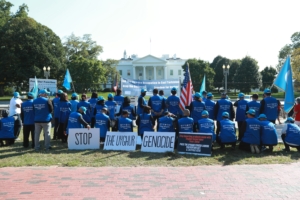
Uyghur Muslim Rights: Organizations Making a Difference

Uyghur Muslim RightsThe Uyghur Muslims are a population steeped in history, practicing their religion for centuries. The religion has amassed a rich culture which ranges from unique music known as Muqam, to their very own language. However, as unique as Uyghur culture may be, it is one in decline as a result of continual persecution from the Chinese State.

Since 2017, what China describes as “re-education” centers have appeared across the country’s west. Uyghurs are held in these centers without legal process and, in many cases, are forced to undergo slave labor, such as picking cotton. This horrific situation has continually garnered international condemnation, with the former U.S. Secretary of State, Antony Blinken, describing the situation as an “ongoing genocide.”

With the case being such a high-profile one, many groups are fighting for the freedom of the Uyghurs.

Coalition to End Forced Labor in the Uyghur Region

The Coalition to End Forced Labor in the Uyghur Region is an internationally endorsed initiative united in ending “state-sponsored forced labour and other egregious human rights abuses against people from the Uyghur Region.” It calls on companies and governments to challenge the Chinese government’s oppression against the Uyghurs.

The coalition documents many different stories from those who are subject to this oppression, helping to highlight the awful conditions in the “re-education” centers. Other than calling on action from both companies and governments, the coalition seeks to enhance and protect Uyghur Muslim rights by continually highlighting the abhorrent abuse that Uyghurs face. By highlighting these rights abuses, there is a greater chance of the Uyghur’s fight for freedom garnering public attention as it did in the late 2010s.

Anti-Slavery International

Anti-Slavery International is a nongovernmental organization (NGO) that highlights slavery and human rights abuses. On many occasions, the organization has covered the Uyghur Muslim rights violations, also highlighting how many Western countries enable these violations.

The nonprofit highlights different Chinese exports and links them as products of Uyghur slavery, including tomato paste, solar panels and electric vehicles. The organization calls on governments to ban imports with potential links to slavery as a means of combating the shameful tirade that China imposes on Uyghur Muslim rights.

World Uyghur Congress

The World Uyghur Congress (WUC) aims to “promote democracy, human rights and freedom for the Uyghur people.” The congress has a comprehensive leadership system chosen by more than 170 delegates from 27 countries, outlining how global the group has become. The WUC relies heavily on grassroots mobilization to drive meaningful change.

It encourages individuals to take action through petitions, public demonstrations and letter-writing campaigns addressed to government officials. Amid the ongoing persecution of the Uyghur population in China, the WUC’s role has become increasingly vital in advocating for the protection and advancement of Uyghur Muslim rights within the country.

Conclusion

Organizations like the Coalition to End Forced Labor, Anti-Slavery International and the WUC continue to lead efforts to defend Uyghur Muslim rights. Indeed, by raising awareness, pressuring governments and mobilizing global support, they play a vital role in challenging oppression and keeping the fight for justice alive.

– Andrew Nicoll

Andrew is based in Long Melford, Suffolk, UK and focuses on Business and Politics for The Borgen Project.

Photo: Unsplash

April 14, 2025
https://borgenproject.org/wp-content/uploads/borgen-project-logo.svg 0 0 Lynsey 2 https://borgenproject.org/wp-content/uploads/borgen-project-logo.svg Lynsey 22025-04-14 07:30:152025-04-13 15:00:36Uyghur Muslim Rights: Organizations Making a Difference
Global Poverty, Human Rights, Legislations and Policies

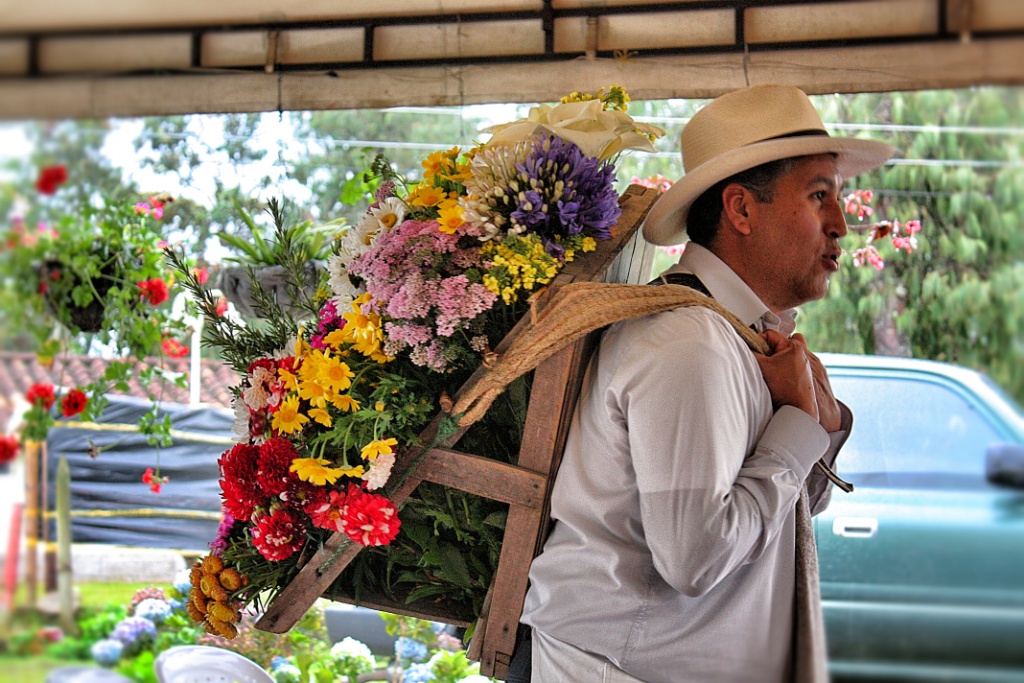
Fragility and Rule of Law in Colombia 

Fragility and Rule of Law in Colombia
In international relations, the rule of law is a principle of governance that holds all parties, including the government itself, accountable to the same rules. Colombia, however, has faced challenges in fairly upholding this principle, leading to political instability and violence. This article will focus on the fragility and rule of law in Colombia. While significant progress has occurred in recent years, major challenges remain. Overcoming these challenges and strengthening the rule of law will require continued legislative reforms, domestic activism and sustained international support. Although an uphill battle, there is hope for Colombia’s legal system.

Understanding the Roots of the Problem

Colombia has a simple legal structure, featuring a legislative, executive and judicial branch. The country elects a president every four years. A Supreme Court (Corte Suprema de Justicia) establishes legal precedent, and a Constitution serves as the foundation for addressing the fragility and rule of law in Colombia. In theory, everything should function smoothly. However, corruption, dysfunction and inequality plague the judicial system. Several factors have contributed to these conditions:

  1. Armed Conflict: Since the 1960s, civil war among rebel guerrilla groups and right-wing paramilitary groups has ravaged Colombia. Millions have been displaced or murdered, and this five-decade-long conflict significantly weakened legal institutions and fostered criminal activity, particularly in rural areas.
  2. Organized Crime: Human trafficking, drug cartels and illegal economies thrive in Colombia. This activity fuels violence and significantly undermines state authority. 
  3. Government Corruption: Elected officials frequently accept bribes from cartels, rebels and businesses to manipulate the law. These powerful figures are rarely held accountable, perpetuating a cycle of inequality.
  4. Dysfunctional Judicial System: Colombia’s judicial system itself is inherently flawed. Understaffing leads to a majority of crimes going unpunished. Legal professionals often face large bribes or violent threats, hindering their ability to administer justice. Furthermore, most poverty-stricken areas lack access to adequate legal institutions.

Impact on Citizens

The fragility and rule of law in Colombia has had a debilitating effect on its citizens, as one can see through citizens distrust of their government and the widespread poverty that runs rampant. Here is information about how fragility and rule of law in Colombia has increased distrust and poverty.

  • Distrust in Government: The World Justice Project’s 2022 survey reveals some shocking opinions that Colombian citizens hold:
    • Only 22% believe government officials would be held accountable for breaking the law.
    • Only 27% of citizens feel that local government officials are elected fairly.
    • A staggering 88% believe that most or all members of Congress are corrupt.
    • Only 36% believe the judicial system is effective in prosecuting criminals.
    • Over 70% believe most or all legal officials are corrupt.
    • Only 26% feel the police act lawfully, and a mere 25% trust the police.
  • Poverty: Corruption significantly hinders development and exacerbates poverty. In fact, as reported by the U.S. Department of State, Colombia lost more than $115 million (meant for infrastructure) to bribes and kickbacks. This irresponsible usage of resources prevents the government from providing essential services to the public, disproportionately affecting poor citizens that rely on the assistance. Furthermore, according to the World Bank, 39.3% of Colombians lived below the national poverty line in 2022. Put simply, corruption wastes resources that could be used for poverty reduction programs, infrastructure development or education, further entrenching Colombia’s citizens in a cycle of poverty.

Progress Towards Equality

While the situation is challenging, the statistics above actually represent growth compared to previous years, particularly regarding perceptions of corruption. This indicates that, albeit slowly, Colombia is making strides toward stability.

Several factors have contributed to this progress, including legislative reforms and international efforts:

  • International Bar Association’s Human Rights Institute (IBAHRI): This group actively works to restructure the Colombian Judicial System. The IBAHRI has conducted fact-finding missions, provided training to judges and lawyers and advocated for legal reform.
  • Colombian Government: Technology is being implemented to streamline judicial processes. One example is the “Justicia XXI” program, which aims to digitize court records and implement electronic case management systems. 
  • The United States: Since 2017, the United States has donated roughly $1.5 billion to Colombia to assist in “peace accord implementation.” These programs have contributed to the resolution of civil war, reduction of poverty and a crackdown on drugs.
  • The World Bank: The World Bank has provided Colombia with two DPFs. A DPF (or a Development Policy Financing) is a type of loan/grant that aims to support poverty reduction. In Colombia, specifically, the money has gone towards the creation of policy that “improves fiscal sustainability, increases productivity and improves economic/social integration of migrants.” 
  • European Union: The European Union Trust Fund for Colombia, established in 2016, supports projects such as the Land Restitution Unit, which helps victims of armed conflict restore their territory, and the Rural Development Project, which looks to increase living standards in underserved regions of the country.
  • Legislative Reforms:
    • In 2022, Colombia passed Law 2195 to eliminate corruption between the public and private sectors.
    • In 2023, a 10-Year Drug Policy, based on international standards, was introduced to reduce drug trafficking nationwide. 
    • In 2025, Colombia’s Supreme Court will replace four of its nine judges, a decision aimed at ensuring equality in the nation’s highest tribunal.

A Plan for the Future

To maintain this positive trajectory, Colombia will need to continue its anti-corruption campaign by continuing to reform the judicial system, implementing technology and expanding access to justice, particularly in rural and marginalized communities. Furthermore, the country needs to improve security measures, specifically by increasing police accountability and trustworthiness. In doing so, Colombia should be able to combat organized crime, one of the largest issues that the country faces. 

Although domestic reform is critical, Colombia cannot act alone. It will need support from the international community. Currently, the United States, the World Bank and the European Union all provide financial aid, and it would be beneficial for more institutions to follow suit. If Colombia can capitalize on international support, reduce corruption and reform its judicial system, a brighter future is within reach. The fragility and rule of law in Colombia will no longer be a burden, but a testament to peace, democracy and equality.

– Josh Weinstein

Josh is based in Chester Springs, PA, USA and focuses on Politics for The Borgen Project.

Photo: Flickr

March 27, 2025
https://borgenproject.org/wp-content/uploads/borgen-project-logo.svg 0 0 Jennifer Philipp https://borgenproject.org/wp-content/uploads/borgen-project-logo.svg Jennifer Philipp2025-03-27 07:30:292025-03-26 05:58:29Fragility and Rule of Law in Colombia 
Global Poverty, Human Rights

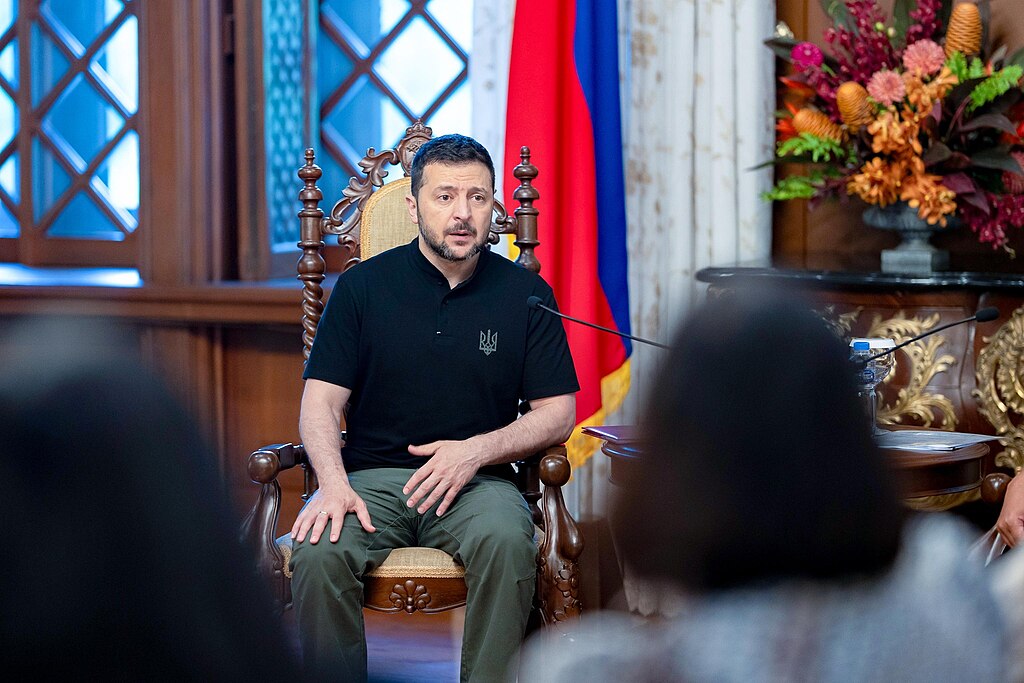
Fragility and Rule of Law in Ukraine

Rule of Law in UkraineRussia’s full-scale invasion in February 2022 has strained the rule of law in Ukraine as the country navigates maintaining human rights and order amidst unprecedented challenges. While the invasion has caused the oppressive influence of the post-soviet Oligarchy to diminish with aid from Ukrainian President Zelenskyy’s introduction of the anti-oligarchy law in 2021, millions of people have sunk further into poverty due to key factors such as rising costs of basic resources, loss of livelihoods and forced displacement. The stability of civilian rights has become even more fragile, with more people falling into poverty and insecurity due to the state’s adoption of martial law to preserve overall national security.

Post-Soviet Rule of Law

The collapse of the Soviet Union in 1991 brought about the power of the Oligarchy, which due to the privatization of state-owned assets such as transport and utilities controlled a large majority of the political-economic landscape, using extra-legal methods to maintain severe monetary inequalities. Economic stagnation led to at least 30% of families living below the poverty line with heavily restricted access to health care and food security, creating a declining population.

At the turn of the century in 2000, Ukraine’s capital management and utilization improved and the economic output recovery was astounding; a rapid increase in labor activity resulted in a decrease in the poverty rate from 32% to 8% from 2001 to 2005, allowing the poverty rate to reach a stable plateau. However the power of the Oligarchs did not diminish and two revolutions followed; The Orange Revolution from 2004 to 2005 and The Revolution of Dignity in 2014, both sparked by political corruption traced back to the Oligarchs. 

Effects of the Russo-Ukrainian War on the Rule of Law

Following the Kerch Strait incident in November 2018, Ukraine introduced martial law for 30 days and it has been in effect again since February 2022 due to the invasion of Russian forces. As Amnesty International outlined, martial law has a devastating impact on socioeconomic rights such as freedom of expression, violence against minority groups and the right to a healthy environment.

Personal liberties are under threat, with Ukrainian men aged from 18 to 60 unable to leave the country without special exemption and the conscription age reduced from 27 to 25 in April 2024 to support a larger military. Ukraine allows forced alienation of property and the use of enterprises’ facilities for the need of the state, providing compensation only upon presentation of correct documentation. The Ukrainian government also postponed the Parliamentary elections, which were due in late 2023, for as long as the country remains under martial law to preserve government stability.

Additionally, World Bank data reports that the percentage of Ukrainians living in poverty spiked from 5.5% to 24.1% in 2022 when the full-scale invasion began. This translates to a further 7.1 million people living in poverty, setting the country back 15 years of progress.

Organizations Working to Stabilize the Rule of Law

Despite infringements on civilian rights, positive steps are occurring to help those forced into poverty because of the conflict, alongside legal forces working to ensure that the government does not overstep its jurisdiction while operating under martial law. The World Bank’s PEACE project is helping essential public support services from the government continue. It has reached 15 million Ukrainians since 2022, providing wages for essential workers, pensions for the elderly and social programs for vulnerable individuals.

Amnesty International has also recently launched a campaign to end war crimes against Ukrainians in Russian captivity, detailing that since the invasion in 2022, thousands of Ukrainian POWs (prisoners of war) have experienced detainment or torture. The campaign is still currently in its grassroots stages, however has gained the support of more than 100 former POWs and relatives of POWs, calling for messages to Russian authorities to end the widespread abuse of captive Ukrainians.

Furthermore, The International Bar Association reports that Ukraine as of late 2024 has been formally granted to join the International Criminal Court (ICC), having sworn in 250 judges at an oath-taking ceremony aimed at abolishing remaining corruptive forces and strengthening the rule of law in Ukraine within the current state of martial law.

Closing Remarks

The rule of law in Ukraine is currently in a delicate position, with the Russo-Ukrainian war and the introduction of martial law causing numerous setbacks in their post-soviet socioeconomic progression towards a stronger economy and a reduced poverty rate. However, the events have catalyzed hugely positive changes that have eroded the long-standing corruption within the government dating back to the Soviet era. The Russo-Ukrainian war is still in a volatile state and at the height of violence hitherto, however, the steps taken by the key nonprofit and legal institutions will prove pivotal in allowing for further progression and protection of civil liberties within Ukraine’s current compromised state of martial law and conflict.

– Helena Pryce

Helena is based in Nottingham, UK and focuses on Politics for The Borgen Project.

Photo: Wikipedia Commons

March 20, 2025
https://borgenproject.org/wp-content/uploads/borgen-project-logo.svg 0 0 Jennifer Philipp https://borgenproject.org/wp-content/uploads/borgen-project-logo.svg Jennifer Philipp2025-03-20 01:30:432025-03-20 01:15:41Fragility and Rule of Law in Ukraine
Global Poverty, Human Rights, Humanitarian Aid

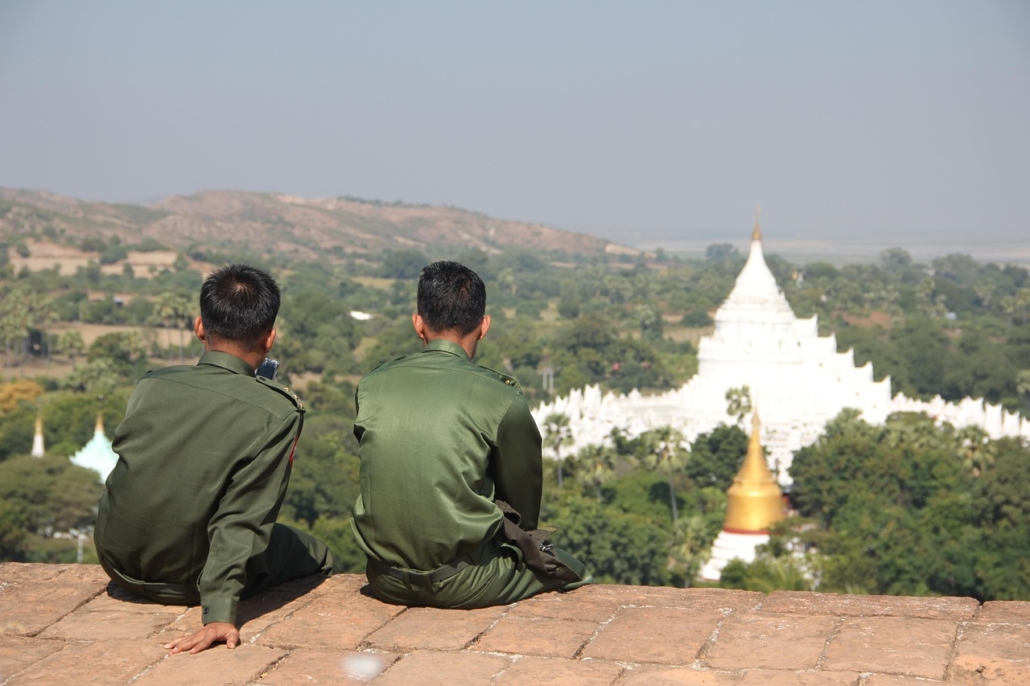
Everything You Need to Know About Poverty in Myanmar 

Poverty in MyanmarMyanmar, also known as Burma, is a republic in Southeast Asia. Stretching from the foothills of the Himalayas to the Thai-Malay peninsula, the region is populated with more than 135 officially recognized ethnic groups (and numerous others). The National League for Democracy’s historic election in 2015 marked the country’s first civilian government after more than 50 years of military rule. Yet, this experiment with democracy was short-lived, as a military coup in 2021 has since plunged the state into a multifaceted conflict and humanitarian crisis. Today, poverty in Myanmar is worsening significantly. A third of the population requires humanitarian aid, and internally displaced people are the most vulnerable.

Crumbling Infrastructure 

The conflict’s impact varies across the states but has reversed years of poverty reduction efforts. In 2018, the government launched the Myanmar Sustainable Development Plan to encourage liberal trade policies, fund infrastructure projects and create more equitable access to markets, information, technology, education and health care. This plan recognized the importance of democratic principles, environmental sustainability and stability in directly addressing the key drivers of poverty.

Warfare has stifled this progress. In particular, the military junta’s scorched-earth tactics to crush actors have damaged civilian access to necessary resources, including health care, medicine, energy and food. Infrastructure destruction continues to isolate communities from economic opportunities and essential services. According to the World Bank, poverty rates have surged from 24.8% in 2017 to approximately 49.7% in 2023.

The humanitarian situation is dire: armed groups damaged 333 health care facilities between January and December 2024; food insecurity affects 15.2 million people; and more than half of the children of internally displaced people, returnees or stateless people can not access formal education. These factors combine to entrench intergenerational cycles of poverty in Myanmar.

Resource Wealth and Corruption

Natural resources dominate Myanmar’s economy, accounting for 43% of economic activity through agriculture, livestock, fisheries and forestry. The country also has significant mining and natural gas industries, with gas comprising 40% of exports. Kachin State produces most of the world’s jade, valued at up to $31 billion in 2014 — half of Myanmar’s GDP.

Despite this immense wealth potential, narrow interests can exploit weak institutions and absent checks and balances to the detriment of the local community. In Kachin, a mosaic of ethnonationalist conflict predates the 2021 coup. The Kachin Independence Army, one of the largest armed ethnic organizations, has fought for regional autonomy since 1961. This has created “war economies” where resource extraction is used to sustain the groups’ survival by maintaining a complex web of alliances and interests rather than supporting development. Despite generating billions in jade revenue, 37.4% of locals in the northern region live below the poverty line.

Human Rights Abuses 

Human rights violations — including torture, illegal killings and collective punishment — characterize the conflict. Both the military junta and opposing factions share responsibility, with civilian recruitment blurring combatant lines.

In many states, armed violence and abuses predate the coup — the Rakhine being a notorious example. The previous civilian government’s genocide against the Rohingya forced approximately 1 million people to flee to Bangladesh, while more than 140,000 remain in camps. Those remaining live under apartheid-like conditions, with restricted movement and limited access to healthcare, education and livelihoods.

These abuses directly perpetuate poverty in Myanmar. Displacement separates people from land and livelihoods; trauma impairs earning capacity; restricted movement prevents market access; and property destruction eliminates savings — creating persistent poverty traps across generations.

Humanitarian Response to Address Poverty in Myanmar

Humanitarian aid is crucial for Myanmar’s vulnerable populations. As Western governments reduce development assistance, the sector faces uncertainty. Recent policy changes under the Trump administration have refocused attention on reform initiatives like The Grand Bargain and Charter for Change, which emphasize locally driven aid. 

The Joint Strategy Team in Kachin and Northern Shan State is one local actor that has led humanitarian efforts in the Kachin State since the re-eruption of conflict in 2011. It is an intermediary body comprised of faith-based and community organizations like the Kachin Relief and Development Committee (KRDC), Kachin Women Association (KWA) and the Bridging Rural Integrated Development and Grassroot Empowerment (BRIDGE). Its 10 governing leaders have demonstrated the success of relevant, flexible and decentralized decision-making. Since August 2021, it has directed foreign-aid funding from the Livelihoods and Food Security Fund (LIFT) and the Foreign, Commonwealth & Development Office to respond to instability and crisis – supporting more than 200,000 internally displaced people as of July 2023.

This localization offers hope for more effective poverty reduction. Local organizations better understand community needs, can access areas international actors cannot and often deliver aid more cost-effectively. However, armed conflict, bureaucratic obstacles and targeted violence of humanitarian infrastructure create significant challenges. Myanmar has one of the world’s most underfunded humanitarian response plans. Donors have provided only 34% of the funding for the 2024 Humanitarian Needs and Response Plan, leaving 1.4 million people deprived of the assistance they need.

The Future of Addressing Poverty in Myanmar

Addressing poverty in Myanmar requires conflict resolution, governance reforms, infrastructure rebuilding, economic diversification and social protection systems. Until political stability returns, supporting locally led humanitarian initiatives provides the best path to mitigate extreme hardship while building foundations for recovery. Sustainable poverty reduction ultimately depends on achieving inclusive peace.

– Bijal Manoj Daialal

Bijal is based in Leicester, UK and focuses on Business and Politics for The Borgen Project.

Photo: Pixabay

March 20, 2025
https://borgenproject.org/wp-content/uploads/borgen-project-logo.svg 0 0 Jennifer Philipp https://borgenproject.org/wp-content/uploads/borgen-project-logo.svg Jennifer Philipp2025-03-20 01:30:302025-03-20 01:11:21Everything You Need to Know About Poverty in Myanmar 
Education, Global Poverty, Human Rights

Higher Education in North Korea

Higher Education in North KoreaWhen it comes to global poverty, it is upon that a focus on education is key for increased sustainability in developing countries. There are many initiatives in place across the globe from UNICEF and the United Nations that aim to promote access to higher education in many low- and middle-income countries. In fact, about $12.2 billion USD of global aid has been dispersed to education initiatives in developing nations in 2022-23. There are many cases for the importance of access to higher education, and it is an important focus for those who fight global poverty. One of the world’s most impoverished nations, The Democratic People’s Republic of Korea (DPRK), has some of the harshest educational restrictions. Higher education in North Korea is a spectacle but remains an underrated focus for the fight against extreme poverty.

There are many misconceptions about North Korea, and it can be difficult to remember that The Hermit Kingdom is one of the most mysterious places on Earth. While it is true that the Democratic People’s Republic of Korea is a dictatorship, it is important to remember that North Korean citizens are, in fact, people. Access to an equal education on the basis of merit remains a human right and when those rights are violated, it is the duty of wealthy nations to protect those rights.

Equal Opportunity Education

While North Korean literacy rates are at an astonishing 100%, education is not a right in North Korea. Higher education in North Korea is for only those at the top of the songbun, a caste system. The DPRK divides citizens into 51 social classes, with three primary castes known as Hostile Wavering and Core. Songbun status directly affects everything in North Korea and is based on qualifications such as familial ties to South Korea, physical appearance, disability, and, of course, loyalty to the Kim regime.

One North Korean defector, Ms. Kim Chong-kum, reflects on how her level in the songbun hurt her chance at higher education in North Korea in a 2001 interview. Allegedly, her grandfather fled to South Korea during the War, and she had known from a young age that she would never advance academically, no matter how hard she tried. She wanted to be a teacher and dreamed of attending the revered Kim Il Sung University, though she had given up by the time of her graduation. She went into construction.

Higher Songbun and Higher Education in North Korea

While less than a third of the country has access to higher education in North Korea, there is no promise that someone receive entrance. Privilege to apply does not mean right to acceptance. While only Core families (of which make up about 28% of the population) can apply for colleges in the DPRK, an application alone does not mean that a student will receive an acceptance. Students in Pyongyang, North Korea’s capital city and reserved only for those of the highest social standing, have all spoken of the high competition and low acceptance rates of colleges, especially Kim Il Sung University.

What Occurs in North Korean Universities?

Many call North Korea The Hermit Kingdom as it has restricted access to the internet, as well as limited and controlled domestic and foreign student interaction, which has led to a significant lack of information about what exactly goes on inside of higher education institutions in North Korea.

Documentarians, who sometimes receive special permissions, often experience heavy censoring and threats when recording footage. BBC’s Rupert Wingfield-Hayes learned he would not be able to leave campus unless he deleted footage that authorities deemed disrespectful or offensive. As outsiders, there is more information about what North Korean education lacks than includes, other than extensive history and knowledge of the Kim Regime, worshipping the family as Gods. Mi-ran, a defector who had gone through university and taught at schools, did not know how children were conceived at the age of 26, but had learned that being North Korean is a blessing and that the ruling family are religious figures.

Those who are loyal to the regime, garner exceptional grades and accolades, and have incredible songbun, receive the most privileges during their higher education in North Korea, including leaving the country. A man by the name of Hyunseung Lee went to Kim Il Sung University and served in the military, and he and his family received access to Beijing in 2014. One of the rarest opportunities, the regime fears defection or any external influence, as the citizens with the most access to North Korea’s inner workings are the most dangerous to run away. Hyunseung Lee’s family escaped during their stay in China, and soon later his uncle had been sent to a prison camp while his hostage family begged for him to return on state media. The year 2024 was the next time students had travel opportunities through an exchange program with Russia. 

Many North Koreans Cannot Access Higher Education

Not only does 70% of the DPRK lack the opportunity to apply to some form of higher education, but the patriarchal okwa, members of the Central Worker’s Party, recruit many middle and high school girls in the Core class to serve the Kim family, which includes sexual slavery. Education and poverty are increasingly gender biased in many patriarchal countries, and North Korea is not an exception to the harsh conditions girls and women face, including exclusion from education opportunity.

The Choson Exchange

Singapore-based North Korean rights group Choson Exchange is one of the few NGOs allowed through the borders of the DPRK. Aimed at those who are in schools in North Korea, Chosen Exchange works directly with the North Korean government to aid and uplift those who want to be entrepreneurs, as North Koreans themselves understand how education can promote economic growth. Working in country with webinars and lectures, North Korean students are even selected to leave the country, allowing them an actual look into the outside world. This includes a large number of female students in North Korea, as the organization originated when Yale student Geoffrey See visited Pyongyang during his studies and met a young woman who dreamed of owning a business.

Since 2007, more than 500 North Koreans in country have accessed foreign cultural exchanges and an important dialogue has begun regarding the Hermit Kingdom’s links to the outside world. It has been five years since the program stopped working in North Korea due to the closure of its borders in response to COVID-19. However, it pivoted to online education efforts and will likely resume operations in the country following the lift on COVID-19 travel restrictions.

Looking Ahead

It can be hard to feel hopeful when North Korea does not allow any humanitarian aid, but demands for increased access to education for North Koreans is an important step. Organizations like Choson Exchange are working tirelessly inside of the country to remind the citizens that there is hope, even when it is harder to notice.

– Isaiah Rice

Isaiah is based in Ottawa, ON, Canada and focuses on Good News and Politics for The Borgen Project.

Photo: Flickr
January 21, 2025
https://borgenproject.org/wp-content/uploads/borgen-project-logo.svg 0 0 Jennifer Philipp https://borgenproject.org/wp-content/uploads/borgen-project-logo.svg Jennifer Philipp2025-01-21 01:30:162025-01-21 12:36:53Higher Education in North Korea
Global Poverty, Human Rights, United Nations

Global Human Rights: Strengthening UN Support to Save Lives

Global Human RightsSeptember 2024 is the month when world leaders and diplomats from around the world gather in New York City, New York, to discuss a variety of global issues ranging from conflict to poverty to education, among many others. From September 22-30, the whole world will be watching as world leaders address international challenges, such as eliminating nuclear weapons and antimicrobial resistance, in summits and high-level meetings in an effort to fulfill the Sustainable Development Goals (SDGs).

Overall, the theme of the 79th session of the U.N. General Assembly is “Leaving no one behind: acting together for the advancement of peace, sustainable development and human dignity for present and future generations.” Despite the positive aspiration in the theme, reports from U.N. agencies within the last year show that there has not been stronger U.N. support recently.

Institutional Issues Within the UN System

The U.N. system is facing internal institutional challenges, resulting mainly from funding shortages and inadequate support for its efforts to help vulnerable communities in places such as Gaza and Mali. In fact, on August 30, 2024, the acting Under-Secretary-General for Humanitarian Affairs and Emergency Relief Coordinator stated that as the number of humanitarian emergencies increases, a shortage of funding hinders them from “reaching people who need life-saving assistance.”

Although agencies such as the World Food Programme (WFP) and the U.N. Refugee Agency (UNHCR) have been implementing innovative solutions to difficult issues, countries are not providing the stronger U.N. support needed to make these solutions work on a larger scale. This highlights a lack of commitment from the international community to protect and preserve global human rights values.

More Funding Equals More Lives Saved

The main obstacle to the U.N.’s humanitarian work is the lack of adequate funding for its critical life-saving operations. The Office for the Coordination of Humanitarian Affairs (OCHA) at the U.N. has stated that of the $49 billion needed to reach at least 187 million people who need assistance the most, it only received 29% of the funds.

As of August 30, 2024, the countries whose emergency operations are deemed underfunded include Chad, the Democratic Republic of the Congo, Honduras, Lebanon, Niger, Sudan and Syria. Although OCHA was able to assist these countries via its emergency response funds, stronger financial support is still needed to ensure that OCHA can reach as many vulnerable communities as possible around the world.

Funding Innovation in Humanitarian Aid

As humanitarian aid becomes more difficult and complex, U.N. agencies have decided to find new ways to overcome obstacles and deliver more life-saving assistance than before, including digital data-sharing between agencies. For example, UNHCR has a database on digital registration, identity management and case management called PRIMES. In contrast, WFP has one on digital beneficiary information and transfer management called SCOPE.

Thus, in an effort to enhance their aid operations, UNHCR and WFP created a joint database combining both PRIMES and SCOPE called PING that helps both agencies transfer data safely and efficiently. Therefore, if the international community provides stronger U.N. support via more funds, it will enable U.N. agencies to innovate their life-saving operations further.

Strengthening Global Human Rights

The needs and innovations of U.N. agencies highlight the urgent need for stronger support from countries worldwide. With the rise in global conflicts and crises, the number of vulnerable people requiring life-saving aid has grown, outpacing the U.N.’s current funding capabilities. Although U.N. agencies have been implementing the necessary reforms that enhanced their life-saving operations, such as inter-agency digital data sharing, more monetary support is needed for them to implement more innovative reforms.

– Abdullah Dowaihy

Abdullah is based in Riyadh, Saudi Arabia and focuses on Technology and Politics for The Borgen Project.

Photo: Flickr

October 23, 2024
https://borgenproject.org/wp-content/uploads/borgen-project-logo.svg 0 0 Lynsey 2 https://borgenproject.org/wp-content/uploads/borgen-project-logo.svg Lynsey 22024-10-23 01:30:472024-10-23 00:44:52Global Human Rights: Strengthening UN Support to Save Lives
Education, Global Poverty, Human Rights

Russian Minorities in Estonia and Latvia: Combating Discrimination

Russian Minorities in Estonia and LatviaEstonia, which gained independence following the 1991 fall of the Soviet Union, is still home to a large Russian minority, composing around a quarter of the population. In Latvia, another post-Soviet Baltic state, a similar percentage of the population is ethnically Russian. Russian minorities in Estonia and Latvia face language barriers and discrimination that exacerbate poverty among these communities.

Citizenship and Language

Many Russian-speaking residents of Estonia do not have citizenship. According to data from 2017, 19% of ethnic Russians living in Estonia are non-citizens. This, combined with Estonian language requirements, makes it harder for Russians living in Estonia to find work and housing, and to benefit from social services. As a result of these factors, 24.6% of ethnic Russians in Estonia are at risk of poverty, compared with just 18.9% of Estonians, according to 2019 data.

In Latvia, Russian language education will be phased out by 2025 under a recent law that received criticism from the Office of the U.N. High Commissioner for Human Rights (OHCHR). A similar law has also been enacted in Estonia, with similar criticism from the OHCHR.

Discrimination: A Political Talking Point

Importantly, the Russian government has often used the alleged discrimination of Russian minorities within post-Soviet countries as a political talking point. Indeed, this was one of Putin’s justifications for the 2014 annexation of Crimea and the 2022 invasion of Ukraine., according to the Centre for East European and International Studies (ZOIS).

However, this does not detract from the legitimacy of such anti-Russian discrimination when it does occur. There is a danger that anti-Russian ginned up in the wake of Russia’s ongoing war with Ukraine could exacerbate existing issues of inequality and discrimination within Latvia and Estonia. A survey conducted in the immediate aftermath of the 2022 invasion found that 40% of those residing in Latvia agreed that attitudes towards the country’s Russians were worsening, ZOIS reports.

Estonian-Russian Language Group

Started in 2012, Keelengrupp is an informal grassroots community group that offers free Estonian and Russian language classes in a relaxed and informal setting. The organization serves the dual purpose of helping Russian speakers overcome language barriers while also helping to build bridges across communities.

It organizes meetings through the Keelengrupp Facebook group and often revolves around leisure activities such as playing board games or watching movies, according to Cambridge University Press. Such activities allow for civic, multicultural, and multilingual exchange in an otherwise stratified society, while also helping Russian speakers acquire the Estonian language skills necessary to succeed professionally and financially.

Promoting the Russian Language in Estonia

Founded in 1996, the Latvian Association for the Support of Schools with Instruction in Russian (LASHOR) focuses on promoting Russian language education in Latvia. LASHOR has been an outspoken critic of Latvia’s recent restrictions on Russian education, speaking up on the topic during the 15th session of the U.N. Forum on Minority Issues in Geneva in 2022. It has also advocated for the adoption of the Law on Educational Institutions of National Minorities, which would seek to provide opportunities for studying the languages of national minorities. As of April 2021, nearly 5,000 people have signed the LASHOR petition in support of the proposed law.

Despite the challenges Russian minorities in Estonia and Latvia face, grassroots organizations and groups are working to overcome the language-based segregation of Russian speakers through community building and language learning. Going forward, the goal is that this community-based approach will better enable disadvantaged Russians to navigate Estonian and Latvian society, with the eventual hope of also bringing about changes to government policy.

– Josephine Koch

Josephine is based in Grand Marais, MI, USA and focuses on Good News and Politics for The Borgen Project.

Photo: Unsplash

August 26, 2024
https://borgenproject.org/wp-content/uploads/borgen-project-logo.svg 0 0 Naida Jahic https://borgenproject.org/wp-content/uploads/borgen-project-logo.svg Naida Jahic2024-08-26 03:00:202024-08-26 10:08:35Russian Minorities in Estonia and Latvia: Combating Discrimination
Global Poverty, Housing Security, Human Rights

Cage Homes in Hong Kong

Cage Homes in Hong KongIn a hidden corner of Hong Kong, one of the “Four Asian Tigers” with the most developed Asian economy, more than 220,000 people live in “subdivided flats“—a delicate term for cramped living spaces measuring just 4 by 4 by 6 feet. Historically, the British colonial administration introduced the Small House Policy in 1972 to expand Hong Kong’s territories. This policy, which the post-handover Hong Kong government has maintained, has limited land availability for nonindigenous residents.

As a result, the limited land availability has driven the creation of smaller living units. Property developers have responded to the demand for affordable housing by continuously downsizing unit areas. The city’s mountainous terrain also restricts development space, with 75% of the territory comprising green spaces or protected country parks.

Simon’s Story

Simon had lived in a 12-square-foot “cage home” for eight years. As a retiree, he has given up hope of securing public housing, where the waiting list stretches five years and includes more than 100,000 families. He receives $867 a month from the government. After paying $330 for rent, the remaining amount is too scanty to support him until the end of the month.

These tiny living spaces, often no larger than 20 square feet, are cramped and used for living and storage, providing barely enough room for one person. They frequently fail to meet safety regulations, have poor insulation, receive little maintenance and can significantly impact tenants’ physical and psychological well-being.

Nutritional Crisis in Cage Homes in Hong Kong

A recent study by Crystal Ying Chan, a research assistant professor at the Chinese University of Hong Kong, found that children living in these units face higher risks of food insecurity and nutrient deficiencies. In a survey of 469 “cage home” families, 25% of children aged 6 to 8 were overweight or obese, nearly double the citywide average of 13%. Additionally, almost one in four children from infancy to age 17 were underweight, compared to the citywide average of one in a hundred. Moreover, children in half of the surveyed households had experienced food insecurity in the past year.

Solutions

Many projects and institutes are working to support people living in cage homes in Hong Kong. A program led by Crystal Ying Chan has partnered with a team of nurses, social workers and dietitians to deliver food and care services to residents of subdivided flats. Chan’s community intervention model aims to offer essential services directly to these families, reducing their reliance on an overburdened health care sector and overcoming language and cultural barriers foreign workers face. This model emphasizes grassroots experiences and tailors support to each family’s unique circumstances.

Furthermore, to address the housing crisis, the Hong Kong government has planned the development of a Northern Metropolis near the China border, which aims to provide housing for 2.5 million people. Additionally, city officials have pledged to prevent developers from constructing extremely small homes, specifically those less than 200 square feet.

Final Note on Cage Homes in Hong Kong

Cage homes in Hong Kong reveal serious housing challenges, with more than 220,000 people living in spaces as small as 12 square feet. This leads to significant health issues and food insecurity, especially among children. While community support and government plans for new developments offer hope, substantial challenges persist until these solutions are fully implemented.

– Cindy Hong

Cindy is based in Milpitas, CA, USA and focuses on Good News and Global Health for The Borgen Project.

Photo: Flickr

August 26, 2024
https://borgenproject.org/wp-content/uploads/borgen-project-logo.svg 0 0 Lynsey 2 https://borgenproject.org/wp-content/uploads/borgen-project-logo.svg Lynsey 22024-08-26 01:30:342024-08-25 08:32:48Cage Homes in Hong Kong
Page 2 of 45‹1234›»

Get Smarter

  • Global Poverty 101
  • Global Poverty… The Good News
  • Global Poverty & U.S. Jobs
  • Global Poverty and National Security
  • Innovative Solutions to Poverty
  • Global Poverty & Aid FAQ’s
Search Search

Take Action

  • Call Congress
  • Email Congress
  • Donate
  • 30 Ways to Help
  • Volunteer Ops
  • Internships
  • Courses & Certificates
  • The Podcast
Borgen Project

“The Borgen Project is an incredible nonprofit organization that is addressing poverty and hunger and working towards ending them.”

-The Huffington Post

Inside The Borgen Project

  • Contact
  • About
  • Financials
  • President
  • Board of Directors
  • Board of Advisors

International Links

  • UK Email Parliament
  • UK Donate
  • Canada Email Parliament

Get Smarter

  • Global Poverty 101
  • Global Poverty… The Good News
  • Global Poverty & U.S. Jobs
  • Global Poverty and National Security
  • Innovative Solutions to Poverty
  • Global Poverty & Aid FAQ’s

Ways to Help

  • Call Congress
  • Email Congress
  • Donate
  • 30 Ways to Help
  • Volunteer Ops
  • Internships
  • Courses & Certificates
  • The Podcast
Scroll to top Scroll to top Scroll to top