• Link to X
  • Link to Facebook
  • Link to Instagram
  • Link to TikTok
  • Link to Youtube
  • About
    • About Us
      • President
      • Board of Directors
      • Board of Advisors
      • Financials
      • Our Methodology
      • Success Tracker
      • Contact
  • Act Now
    • 30 Ways to Help
      • Email Congress
      • Call Congress
      • Volunteer
      • Courses & Certificates
      • Be a Donor
    • Internships
      • In-Office Internships
      • Remote Internships
    • Legislation
      • Politics 101
  • The Blog
  • The Podcast
  • Magazine
  • Donate
  • Click to open the search input field Click to open the search input field Search
  • Menu Menu

Archive for category: Human Rights

Information and stories about human rights.

Global Poverty, Human Rights, Human Trafficking

Anirban Helping Trafficking Survivors in Bangladesh

Trafficking Survivors in BangladeshBangladesh is the sixth largest migrant-sending country. Bangladeshi workers migrate to India, Maldives, the Middle East, Pakistan and Southeast Asian countries such as Indonesia, Malaysia and Thailand. Migrant workers from Bangladesh consist of low or unskilled workers. Middlemen and private recruitment agencies arrange for the migration process. Bangladeshi workers are subject to high migration fees and repay loans obtained from recruiters. This forces them to overstay visas and makes them vulnerable to trafficking, according to the U.S. Department of State.

Trafficking in Bangladesh

Women and children can be subject to recruitment fraud. Traffickers promise jobs to these vulnerable groups and exploit them in sex trafficking upon arrival at the location. According to the U.S. Department of State, 40% of Bangladeshi children become victims of sex trafficking victims and face exploitation abroad. Men are subject to forced labor. Forms of labor exploitation include discrepancies in wages or work hours, low or unpaid wages and fraudulent contracts. The U.S. Department of State report has shown passport retention, physical abuse and death due to inadequate protections in working environments.

The reason why these groups of people become vulnerable to exploitation stems from debt-based coercion, absence of adequate legal protection, lack of formal contracts and homelessness. Children become subject to hazardous forms of child labour and serve as collateral for their parents’ loans. Traffickers tempt rural people with alleged good employment opportunities and ultimately become victims of exploitation, the U.S. Department of State reports.

Helping Trafficking Survivors in Bangladesh

Anirban (the flame that never dies), is Bangladesh’s first trafficking survivors’ group. Founded in 2011 with the help of Winrock International, an NGO based in the United States, and USAID, Anirban continues to actively advocate for the rights of trafficking survivors in Bangladesh. Survivors manage Anirban groups and take the lead in helping other trafficking survivors in Bangladesh to build self-confidence and identity. Under the USAID Fight Slavery and Trafficking activity (2021-2026), Winrock International has supported them to become a nationally registered, self-sustaining organization that continues to advocate for the needs of these survivors.

Anirban groups work toward changing public perception of these trafficking survivors in Bangladesh, especially the stigmatization of trafficked people as victims. Sessions and meetings take place in schools with civil society organizations, journalists, the local government and survivors. The main agenda for these sessions is to promote human rights, women’s rights and “safe migration days” for the people, according to Winrock International.

The Flame That Never Dies

Saiful Islam’s story continues to inspire many individuals. An active member at Anirban, Saiful uses his experience as a cautionary tale to spread awareness of the hardships of migrants. Due to being unable to find a job and subsequently being unable to support his family and falling victim to poverty, Saiful began looking for jobs abroad. He comes across a job in Singapore with a two-year contract and a monthly salary of $1,600, Winrock International reports.

The recruiters receive a lump sum amount from Saiful to emigrate to Singapore. Saiful experiences severe hardships in Singapore. He does not secure a published job, does not receive his salary and faces threats. It is only after one year abroad he can return to Bangladesh. Saiful’s woes do not end. He no longer has a job, has lost his family property and has no money.

Through the support from the Bangladesh Counter Trafficking-in-Persons project, funded by USAID and implemented by Winrock International, he was able to get back on his feet. As a member of Anirban, he conducts outreach efforts and spreads awareness about the risks of child marriage and its illegality in Bangladesh. In cases where families are in entanglements with traffickers or suspected traffickers, Saiful guides these communities to develop practical alternatives and solutions. He emphasizes the importance of education and helps trafficking survivors in Bangladesh with social and support programs. Saiful is a beacon of hope for the trafficking survivors in Bangladesh. He uses his funds to support migrants in Bangladesh. With Saiful’s funds, he has been able to help 13 vulnerable families and uplift them from having the same plight as himself, according to Winrock International.

Looking Forward

The work of Anirban continues to be exemplary. The focus on participatory action research ensures addressing the needs of victims of child marriage and human trafficking. The continuous promotion and conversation on safe migration and survivor reintegration within these communities contribute to an effective bottom-up systemic change. Survivor networks have been effective in leading changes in local conditions such as poverty, which drive vulnerable groups to the risk of exploitation.

– Caren Thomas

Caren is based in Dubai, United Arab Emirates and focuses on Good News and Technology for The Borgen Project.

Photo: Unsplash

August 17, 2024
https://borgenproject.org/wp-content/uploads/borgen-project-logo.svg 0 0 Naida Jahic https://borgenproject.org/wp-content/uploads/borgen-project-logo.svg Naida Jahic2024-08-17 01:30:012024-08-16 11:21:40Anirban Helping Trafficking Survivors in Bangladesh
Global Poverty, Human Rights, Women and Children

Child Human Rights Defenders in Brazil

Child Human Rights Defenders in BrazilFounded in 1991, the Committee on the Rights of the Child oversees the implementation of the Convention on the Rights of the Child. The Convention’s Preamble advocates for raising children in a spirit of peace, dignity, tolerance, freedom, equality and solidarity. Every two years in Geneva, the Committee conducts a Day of General Discussion (DGD) focusing on children’s issues related to the Convention on the Rights of the Child. Child Human Rights Defenders play a significant role in these discussions. The Defenders bring attention to the practical applications of the Convention in their lives and communities.

2018 Day of General Discussion Focus

In 2018, the Committee on the Rights of the Child’s Day of General Discussion (DGD) centered on protecting and empowering children as human rights defenders. This first global discussion in 2018 significantly raised awareness and understanding of the roles and activities of child human rights defenders. It established a clear definition of a child human rights defender and laid the groundwork for state obligations under the Convention on the Rights of the Child regarding these defenders. In addition, this 2018 initiative marked a phenomenal achievement: 60 children attended the DGD in person. It also featured the online participation of more than 800 individuals worldwide. The efforts of the DGD brought to light the experiences of children serving as human rights defenders.

Child Human Rights Defenders in Brazil

According to Child Human Rights Defenders (CHRDs), a child human rights defender is a child who takes action to promote, protect and fulfill human rights, including children’s rights.

  • Camila Moradia. A recipient of the Front Line Defenders Award for Human Rights Defenders at Risk in the Americas region in 2021, has been a child human rights defender in Brazil since she was 5 years old. Camila joined her mother in advocating for women’s rights and participated in social projects developed by the State Government of Rio de Janeiro. She also championed housing rights in the Alemão complex, advocating for 1,300 families. In 2015, she founded Women in Action in Alemão (MEAA). MEAA’s mission focuses on ending violence against women, empowering women and their families, strengthening their autonomy and ensuring basic rights. Additionally, the organization has successfully supported more than 400 women in Complexo do Alemão, a slum in Rio de Janeiro.
  • Gabriel. A 16-year-old child human rights defender emphasizes the absence of effective addressal of violence within schools. The pressure on children to sit, listen and remain silent diminishes the participation of children. This leads to the systematic absence of incorporating human rights education in the school curricula. 
  • Melissa. A 17-year-old child human rights defender highlights the importance of digital media for communicating useful information. Young individuals gather together to discuss matters concerning public policy-making. These discussions allowed these child human rights defenders in Brazil to highlight the need for new hospitals and to increase the employment of new teachers. This good practice provides feedback to the Government in Brazil from child human rights defenders in Brazil.
  • Mary Lawlor. The U.N. Special Rapporteur on the situation of human rights defenders, during her official country visit to Brazil, recognizes the gross violations against human rights defenders in Brazil. Human rights defenders in Brazil seeking dignity and pursuing justice are subject to denial and destruction. Mary Lawlor commends them on the level of resilience and solidarity that these human rights defenders show despite facing extreme violence and inequality.

Support for Child Human Rights Defenders in Brazil

Set up in 1983, Child Rights Connect has played an instrumental role in influencing child rights developments across the world. Some of its notable achievements include the participation of more than 200 children, child rights experts and practitioners, 74% being girls and women, to assess the obstacles faced by child rights movements and how to tackle these ongoing challenges. 

Child Rights Connect has empowered children worldwide to actively report to the U.N. Committee on the Rights of the Child. Additionally, 93% of civil society actors have reported that the technical assistance provided by Child Rights Connect has been extremely useful in connecting them with human rights mechanisms.

Contribution of the Alana Institute

The Alana Institute aims to create an equal, inclusive and plural world for children and established the Alana Center in 1994. Over the past 27 years, the center has actively engaged with local government and community stakeholders to focus on the development of children and families. This involvement, along with investments in socio-economic and geographic studies and collaborations with social actors such as residents and public agencies, has significantly improved the quality of life in the community.

Child Rights Connect and the Alana Institute have joined hands to improve the situation of child human rights defenders in Brazil. Empowering child human rights defenders in Brazil, engaging in a safe and sustainable promotion of human rights, engaging with the concerned authorities for effective recognition and providing support for the work of the child human rights defenders in Brazil is of principal focus.

Looking Ahead

The 2018 Day of General Discussion by the Committee on the Rights of the Child significantly raised awareness about child human rights defenders. Additionally, discussions defined their roles and the state’s obligations under the Convention on the Rights of the Child. Efforts by organizations like Child Rights Connect and the Alana Institute in Brazil highlight the ongoing commitment to empower these young defenders. Through initiatives that support education, digital communication and policy feedback, these organizations are helping children advocate for their rights and improve their communities.

– Caren Thomas

Caren is based in Dubai, UAE and focuses on Good News and Technology for The Borgen Project.

Photo: Flickr
July 15, 2024
https://borgenproject.org/wp-content/uploads/borgen-project-logo.svg 0 0 Precious Sheidu https://borgenproject.org/wp-content/uploads/borgen-project-logo.svg Precious Sheidu2024-07-15 01:30:422024-07-15 01:00:13Child Human Rights Defenders in Brazil
Global Poverty, Human Rights

Human Rights Abuses in the DRC for Mining Gains

Human Rights Abuses in the DRC
The mining industry proves essential for the Democratic Republic of Congo’s (DRC) economy. The DRC boasts 70% of the world’s cobalt, roughly 3.5 million metric tons of cobalt reserves. This amount has attracted foreign investors who see the potential of the resources, but it has also led to unfortunate human rights abuses in the DRC. 

Though foreign direct investment should be beneficial to any nation, historically, investment in the mining industry has had a negative impact on the DRC for a number of reasons. These reasons include human rights abuses in the DRC as the profit-seeking companies are forcefully displacing Congolese people from their homes. Action on the part of the Congolese government is lacking as human rights abuses in the DRC continue due to mining activities. The Borgen Project spoke with Marie Mujinga, a Masisi, North Kivu resident, who witnessed first-hand these human rights abuses in the DRC taking place around the mines.

Companies Exploiting and Violating Rights

International companies that have had or still have a significant stake in the DRC’s mining industry include the Compagnie Miniere de Musonoie Global SAS (COMMUS). China owns 72% of the COMMUS company shares and the DRC owns the other 28%. Then, there is Metalkol SA, owned fully by Luxemburg. Canada owns 39.6% of Kamoa Copper SA while China owns 39.6% and the DRC owns 20%. Various global companies have taken their place in the DRC’s mining industry, but this has come with consequences.

In 2022, in two separate instances, Amnesty International and the Initiative for Good Governance and Human Rights (IBGDH) interviewed 133 people at six mining projects in Kolwezi. These individuals reported being forcibly evicted and threatened to leave their homes without sufficient money to relocate to new locations.

Another example is COMMUS’ involvement in the DRC. Since 2015, COMMUS has demolished various homes in Kolezwi, where 39,000 people live for mining purposes. COMMUS claims it gave adequate compensation packages above market prices, but the displaced citizens disagree. The Vice President of Zijin Mining Group, the Chinese company involved in COMMUS, wrote a letter to Mark Dummett and Donat Kambola, activists from Amnesty International and IBGDH, in May 2023. The letter said COMMUS is “committed to mining for a better society” and “to promote the protection of human rights and the wellbeing of the people.” The stories of Congolese citizens paint a different picture, as mining companies have violated their rights in pursuit of mining goals.

Child Labor 

Child labor is also a pressing issue in the mining industry. Masisi resident Marie Mujinga describes the human rights abuses she has witnessed. Masisi is home to the Rubaya mines, the largest producer of coltan, a mineral, in the country. The DRC also is the biggest producer of coltan globally. Coltan is used in mobile phones, meaning this area attracts many foreign investors, such as technology companies. 

Mujinga says that, in Masisi, international forces and companies, local gangs and neighboring countries like Rwanda and Uganda have involved themselves in mining activities. “They’ve used small children as [young] as five or six to go into the mines to get gold, titanium and coltan as they know children are cheap labor.” 

Impoverished children have no choice because their little money from this adds to the household income. Mujinga says she knows many kids who went underground and died due to the dangerous working conditions. For example, Mujinga noted, “A lot of these mines have water inside of them. The children have to go in dirty water inside the mining caves barefooted and unprotected. This is where they catch bacterial-related diseases such as typhoid, cholera and diarrhea.” Not only children but also adults would go through the same ordeal, Mujinga adds.

Preventative Measures

People internationally have noticed the suffering and abuses of children and others that mining has exploited. In July 2023, a bill was introduced into the U.S. House to ban “imported products containing minerals critical to electric vehicle batteries but mined through child labor and other abusive conditions in Congo,” AP News reported. “The measure also would require the president to identify and impose sanctions, including visa and transaction prohibitions, on foreign actors who facilitate and exploit child labor in Congo,” AP News says.

This step is significant and will hopefully help promote safer methods of mining. The U.S. is a big market that companies may lose if they continue using exploitative methods. This change can also influence other countries to take similar actions. In the U.K., Lord Goldsmith of Richmond Park, while Minister of State for Overseas Territories, Commonwealth, Energy, Climate and Environment at the Foreign, Commonwealth & Development Office, said in 2022 that the U.K. is working with international partners to help prevent illicit mining 

Many parties are still trying to get the most out of DRC’s natural mineral resources regardless of who gets hurt. International companies are not the only organizations involved in the abuses of miners and children. Internal forces have been mining for their gain at the expense of their people. This policy creates further issues in trying to help prevent human rights abuses for mining from internal and external bodies. International bodies have tried to highlight theming-related human rights issues, with Amnesty International and IBGDH spotlighting unethical and exploitative companies working in the DRC. Similar human rights abuses can be prevented on a larger scale if such work continues. 

– Christelle Wealth-Mukendi
Photo: Flickr

November 5, 2023
https://borgenproject.org/wp-content/uploads/borgen-project-logo.svg 0 0 Yuki https://borgenproject.org/wp-content/uploads/borgen-project-logo.svg Yuki2023-11-05 07:30:392024-12-13 18:03:01Human Rights Abuses in the DRC for Mining Gains
Global Poverty, Human Rights

Rights and Realities: A Closer Look at Human Rights in India

Human Rights in India
The provision of basic human rights in India at the national level is growing increasingly vulnerable, with credible reports indicating instances of “extrajudicial killings; torture or cruel, inhuman or degrading treatment or punishment by police and prison officials; political prisoners or detainees; and unjustified arrests or prosecutions of journalists.” This article investigates the extremities of these circumstances, the facts behind the crisis and the efforts and commitments being made nationally and internationally for eradication. 

Navigating the Concern: The State of Human Rights in India 

In 2023, India officially became the World’s most populous country per UN estimates, knocking China off the top spot for the first time since 1950 when UN records first began. With a population of around 1.4 billion people, the protection and development of systems that effectively endorse human rights are critical. Indications of the severity of the crisis were only amplified when in early 2022 the U.S. Secretary of State publicly declared the nation was monitoring the rise in human rights abuses in India. This was significant due to the United State’s close economic ties, and relations regarding China, with India. 

The U.S. Department of State produced a comprehensive report on the state of human rights in India for 2022, which vividly articulates the extent and severity of the problem. A lack of an effective system for accountability has allowed for the erosion of rights for minorities and human rights defenders, with peaceful protestors being treated as threats to public order; businesses and family homes being unapologetically ransacked without impunity; public officials going unchecked when explicitly advocating discriminatory hate; and unlawful means of surveillance being applied to activists and protestors through Pegasus spyware.

Unveiling the Data: Human Rights Statistics in India

The Armed Forces (Special Powers) Act (AFSPA) came into being in 1958 and essentially grants the Indian Armed Forces to take the “necessary” means to maintain public order. Despite the Indian government reducing the number of districts subject to this act in March 2023, 43 of the 90 northeastern districts remain monitored. Consequently, “the National Human Rights Commission registered 147 deaths in police custody, 1,882 deaths in judicial custody, and 119 alleged extrajudicial killings in the first nine months in 2022.” 

From 2021 to June 2022, India’s anti-corruption ombudsman reported receiving 169 formal corruption complaints. Often these complaints concerned the payment of bribes for benefits such as water supply, police protection and school admission per NGO reports. Women and children remain especially vulnerable with National Research Centre for Banana (NRCB) data reporting north of 1,000 cases registered under the Prohibition of Child Marriage Act and at least 428,000 crimes against women being reported in 2021. The NRCB also documented 50,900 against Scheduled Castes, i.e., officially designated groups of people among the most disadvantaged socio-economic groups in India, for the same period. 

Time for Change: Indications of Progress

Despite the onslaught of seemingly perpetual human rights frailties in India, there are signs of promise. In September 2023, the Indian Supreme Court directed the Union of India and the government of Manipur to distribute basic supplies of food materials, medicines and other essentials to regions most vulnerable to violence so that “there is no denial of basic human facilities.” Human Rights organizations and NGOs worldwide continue to show determined support for India’s struggle, with the likes of Amnesty International, Human Rights Watch and the UN regularly advocating demands for considerable improvement. 

Despite these efforts, ultimately it is the responsibility of the Modi government to enforce real change and uphold the founding principles of democracy. Instead, it has become commonplace for Prime Minister Narendra Modi to actively work against these criticisms, noted on such occasions as in 2021 when speaking in parliament he described peaceful protestors as “parasites” and downplayed international criticism of growing authoritarianism in India as “foreign destructive ideology.” Until proper measures of accountability are imposed on the Modi administration and incorporated into India’s political culture more generally, means for real change will remain finite. 

– Ruairí Greene
Photo: Flickr

October 19, 2023
https://borgenproject.org/wp-content/uploads/borgen-project-logo.svg 0 0 Yuki https://borgenproject.org/wp-content/uploads/borgen-project-logo.svg Yuki2023-10-19 07:30:562023-10-16 11:04:31Rights and Realities: A Closer Look at Human Rights in India
Global Poverty, Human Rights

How Transitional Justice Can Eliminate Poverty

Transitional Justice
Transitional justice is a multilevel approach to addressing human rights violations in periods of political transition or post-conflict recovery. The approach’s relevance in poverty reduction efforts stems from an understanding that socioeconomic inequalities are frequently both a cause and a result of conflict. Poverty and inequality may exacerbate grievances that lead to social unrest and violence, while war itself can result in infrastructure loss, displacement and economic disruption for targeted groups. Transitional justice programs can foster stable government and inclusive development by addressing the issues and injustices that underpin conflict and authoritarian leadership.

Accountability

Transitional justice mechanisms, such as prosecutions for human rights violations and truth commissions, not only hold criminals responsible but also act as a deterrence to future breaches. This promotes a culture of openness and good governance, which may prevent corruption, a significant cause of poverty, and create an environment in which public resources are distributed equitably to benefit all citizens.

Additionally, Truth and Reconciliation Commissions (TRC) offer a broader conception of justice enabling truth-telling and reconciliation. For instance, the South African TRC’s work exposed the systemic corruption and human rights abuses of the previous regime. This helped establish a foundation of accountability and transparency, which contributed to addressing the socio-economic disparities inherited from apartheid.

Reparations and Redistributions 

Reparations programs, which include financial compensation, education, health care and land restitution, address the socioeconomic consequences of violence and repression directly. Transitional justice projects can contribute to breaking the cycle of poverty and exclusion by giving survivors and marginalized groups the resources to rebuild their lives, encouraging economic empowerment and social reintegration. Reparation programs are among transitional justice’s most effective tools as they have the potential to offer survivors individualized assistance while simultaneously transforming society’s socioeconomic conditions.

Institutional Reform and Inclusive Development 

Transitional justice is frequently associated with wider institutional reforms such as legal and judicial system overhauls, power decentralization and social reforms. These societal improvements have the potential to strengthen the rule of law, promote good governance and provide a favorable atmosphere for long-term growth. The inclusive and participatory decision-making procedures that frequently follow these changes ensure that marginalized people’s needs and views are taken into consideration, contributing to more equitable development. Indeed, transitional justice can involve the change of institutions and laws that have used violence and prejudice to keep people out of society.

Reconciliation and Social Cohesion 

Transitional justice methods promote open communication, truth-telling and the recognition of past wrongs by investigating patterns of human rights abuse and providing a narrative. 

This can assist in the healing of wounds caused by violence and division, generating a feeling of solidarity among previously polarized populations. Social cohesiveness is critical for stability and development in that it facilitates collaboration, minimizes the likelihood of recurrent violence and provides a platform for collaborative efforts to overcome poverty and inequality.

By fostering accountability, reparations, institutional reform and reconciliation, Transitional justice forges pathways toward equitable development through political and peace transitions. Although the implementation of said mechanisms is still limited, transitional justice has the potential to have a transformative impact on reducing poverty during political and peace transitions.

– Hannah Klifa
Photo: Flickr

October 14, 2023
https://borgenproject.org/wp-content/uploads/borgen-project-logo.svg 0 0 Yuki https://borgenproject.org/wp-content/uploads/borgen-project-logo.svg Yuki2023-10-14 01:30:112023-10-10 09:29:40How Transitional Justice Can Eliminate Poverty
Global Poverty, Human Rights

Disability Rights in the Congo

Disability Rights in the CongoDisability rights in the DR Congo have taken a significant step forward in recent times. The Democratic Republic of the Congo (DRC), with its approximately 102 million people, is home to about 10.5 million individuals living with various disabilities, including those caused by infectious diseases, war injuries, congenital defects and more. For decades, this substantial 15% of the population has faced marginalization in various aspects of Congolese society. However, there is reason for optimism as a new law, which came into force in May of 2022, provides increased protection and recognition for people living with disabilities in the DR Congo.

Organic Law

Organic Law No. 22/003 prohibits discrimination against any person living with a disability in the DR Congo, including unfairness within the workplace or at school, and protects the right to fair wages, accessibility and representation.

The implementation of this law is helping to create several positive effects for the Democratic Republic of the Congo. First, the law gives people with disabilities a chance to live with the same rights and opportunities as any other person. Secondly, the law strengthens the DRC’s governmental system at its core; by developing specialized structures for the benefit of people with disabilities, the government is now able to create more policies for the establishment of other organizations and implementations of policies for other vulnerable Congolese. This law could be a crucial turning point for the DRC’s future law-making processes.

Making Change

In the past, the Democratic Republic of the Congo had not given persons with disabilities equal access to health care, housing, social protection, cultural expression and several other opportunities. Some Congolese have accused people with disabilities of witchcraft, and they are therefore the target of abuse and even torture. Historically, there have often been no responses of aid or help of any kind for these people with disabilities. 

Although the law has only begun to spring into action, it is a good start to creating sustainable change.

Who Has It Helped?

With the Organic Law implementing respect, non-discrimination and accessibility for Congolese living with disabilities, it has already started to change lives for the better. For example, one 26-year-old Congolese woman named Charly explains to the Christian Blind Mission (CBM) network that she was born with a physical disability causing her to be abandoned by her parents as a young girl. Fortunately, she is currently being supported by a CBM-funded organization and is undergoing occupational training at a Restoration African Center in the DRC. CBM is helping to create change for people living with disabilities by working with the government to provide technical care and support. 

Overall, Organic Law No. 22/003 has been beneficial for people throughout the Democratic Republic of the Congo and continues to do good for the country’s humanitarian efforts. 

– Nina Donlin
Photo: Flickr

September 16, 2023
https://borgenproject.org/wp-content/uploads/borgen-project-logo.svg 0 0 Lynsey Alexander https://borgenproject.org/wp-content/uploads/borgen-project-logo.svg Lynsey Alexander2023-09-16 03:12:112023-09-18 11:54:03Disability Rights in the Congo
Global Poverty, Human Rights

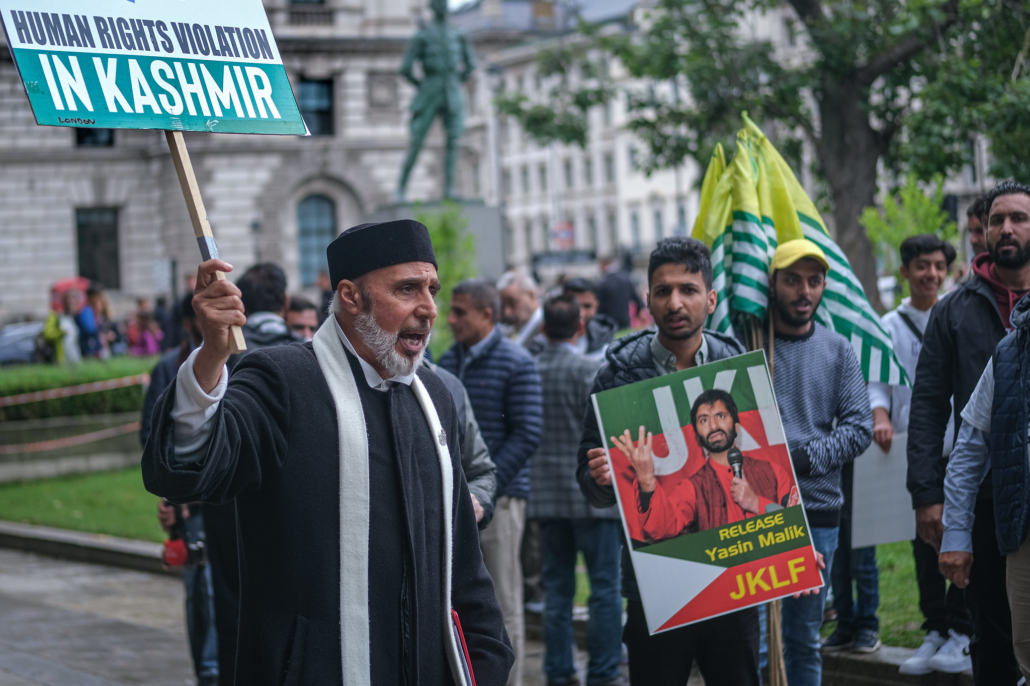
Fragility and Rule of Law in Kashmir

Fragility and Rule of Law in KashmirKashmir is a region in South Asia with disputed territories in India, Pakistan and China. It is known for its diverse and vibrant culture, delicious cuisine, rich music and a wide range of clothing. Located in the Himalayas, Kashmir now stands as a symbol of fragility and the fight for the rule of law due to political disputes.

History

The Jammu and Kashmir territories have been under dispute since the Partition in 1947 when the British Raj withdrew and India and Pakistan separated based on religious divisions. With a Muslim majority, Kashmir had the choice to join either country. Initially planning for independence, the Hindu ruler Maharaja Hari Singh later acceded to India after a tribal invasion, setting the stage for the fragility and ongoing struggles for the rule of law in Kashmir.

However, the Maharaja’s agreement to join India was based on terms outlined in Article 370 and Article 35A. Article 370 granted Kashmir autonomy to create its own Constitution, make laws and have its flag, while Article 35A ensured equal opportunities for Kashmiris in land ownership, employment and assistance. The Indian government deployed its army to counter the tribal invasion and although the United Nations (U.N.) established a ceasefire, both Indian and Pakistani troops remain in the region as of July 2023.

Political System in Kashmir

On August 5th, 2019, the Indian government revoked Articles 370 and 35A. The revocation undermined the rule of law in Kashmir and deprived citizens of the same rights and liberties they once had legal entitlements to. Jammu and Kashmir lost their state status and became Union Territories (UT), regions administered entirely by the central government, further contributing to the political fragility of the region.

Citizens of Jammu and Kashmir have had limited political participation since the last state assembly elections in 2014. While India prides itself on being one of the world’s largest democracies, the revocation of Jammu and Kashmir’s state status raises concerns about the fragility and the rule of law in Kashmir. With the new UT status, both executive and legislative power rests with the central government and the State Assembly of Kashmir has been dissolved. This lack of representation has led to calls for the restoration of statehood for Jammu and Kashmir.

Human Rights Violations

In addition to the ever-changing and fragile system of government, arrests and enforced disappearances of activists and journalists have become increasingly common, undermining the fundamental principle of the rule of law in Kashmir. Notably, journalist Irfan Mehraj was arrested by the National Investigation Agency for exposing human rights abuses. 

According to the Free Speech Collective, the arrest of Irfan Mehraj is “an alarming indication of how far the authorities will go to clamp down on independent journalism.” The organization emphasizes the need to stop targeting independent journalists in Kashmir, allowing them to practice their profession without fear or favor.

Furthermore, the government has imposed numerous internet shutdowns, restricting communication and preventing the flow of information. In 2021 alone, Jammu and Kashmir experienced 85 internet shutdowns, violating the constitutional rights of freedom of speech and expression, as ruled by the Indian Supreme Court. This demonstrates the fragility of Kashmir, where the government perceives freedom of the press as a threat. 

Additionally, the controversial Armed Forces (Special Powers) Act grants the military broad powers in Jammu and Kashmir, leading to further human rights violations, including extrajudicial killings, torture and rape. These violations often go unpunished, fueling controversy and perpetuating human rights abuses.

Political instability and human rights violations directly contribute to poverty in Kashmir. The region’s militarization, as seen through policies like the Armed Forces Act, is a leading cause. Additionally, 73% of people lack access to health care and 43% of children are out of school. The forced disappearances, violence and arrests have caused distress and instability within family structures, hindering socioeconomic success. Political instability has worsened inflation, with no state government creating opportunities for Kashmiris.

Take Action

Kashmir Action provides a variety of resources to educate individuals about the crisis in Kashmir. The website is run by the organization, Justice For All, which addresses issues and politically mobilizes for causes that have not garnered sufficient international support. For instance, Justice for All advocates for independent Kashmiri media, creates petitions for specific issues in Kashmir, organizes protests and provides educational material. In 2020, the organization reached more than 6 million social media interactions and distributed 75,000 educational brochures. A few ways to support Justice for All include signing petitions, making awareness posts and reading their reports.

Helping Hand for Relief and Development is another organization dedicated to providing direct humanitarian aid to Kashmiris on both sides of the border. It offers resources to those in need through its campaigns across the world. For example, in 2021, the organization provided in-kind gifts to 4,718,872 containing food, furniture, hygiene items, school supplies, medical equipment and clothes. The essential items in the relief kits assist people across the globe living in poverty while alleviating their suffering. Moreover, Helping Hand’s Kashmir Relief Campaign goes to projects such as Winter Relief, Ramadan Food, Water for Life and the Medical In-Kind Gifts Program. These campaigns are especially important for global poverty alleviation as they provide necessities to vulnerable populations in Kashmir. 

Looking Ahead

The people of Kashmir continue to show resilience under the unstable political system and the ongoing human rights violations that undermine the rule of law. Raising awareness of the attacks on human rights is pivotal to garnering international support. While political instability and human rights violations contribute to socio-economic disparities in Kashmir, taking both political actions and donating to humanitarian aid play a crucial role in shaping a brighter future for Kashmir. 

– Mehreen Syed
Photo: Unsplash

July 26, 2023
https://borgenproject.org/wp-content/uploads/borgen-project-logo.svg 0 0 Jennifer Philipp https://borgenproject.org/wp-content/uploads/borgen-project-logo.svg Jennifer Philipp2023-07-26 01:30:072023-07-24 03:24:10Fragility and Rule of Law in Kashmir
Global Poverty, Human Rights

Dalits of India

Dalits of IndiaIndia, the world’s most populous country, has a complex history marked by the caste system that divided its people into different social classes. The lowest caste group, commonly known as Dalits or “untouchables,” still faces prejudice, discrimination and stigma, despite the official abolition of the caste system and laws against such discrimination. The marginalized Dalit community continues to be impacted by these societal challenges.

Past and Present

According to Minority Rights, there are approximately 166 million Dalits, constituting an oppressed minority. Under the caste system, the Dalits remain the poorest inhabitants of India and this continues in modern times. Around 80% live in rural areas, where they work as farmers or laborers earning minimal money. Some are moving to the cities and are stuck doing menial jobs.”In areas such as health, education, housing, employment and wages, application of legal rights, decision-making and political participation and rural development, Dalit women have been almost entirely excluded from development policies and programs,” Minority Rights says. In terms of Dalit women’s sexual assault cases, 2% result in convictions, compared to the national 25% average.

Dalit Activists

Despite the challenges, many Dalits have been vocal in speaking out against the discrimination they endure and play prominent roles in Indian social justice organizations. One example is Manjula Pradeep, a longtime activist who is a co-founder of the National Council of Women Leaders. The Council fights for women’s issues in India, even going past Dalit women. Dalits like B.R. Bhaskar Prasad are also leaders of the Social Democratic Party of India, another group that often advocates for India’s lower classes.

Prasad has also been able to maintain Dalit unity. Ruth Manorama is one of the most recognized Dalit activists, having founded and been on the board of many empowerment organizations. Manorama has always maintained that women should be equal in the cause. She was awarded the Right Livelihood award in 2006.

Dalit Organizations

Activist-founded organizations have made significant strides in advancing the rights of Dalits in India and providing assistance to marginalized communities worldwide. Dalit Solidarity, a nonprofit organization founded in the Indian Dalit community in 2000 and now based in the United States (U.S.), focuses on providing education and health care support. Its website explains that its drive in assisting those in need has even expanded to other areas, such as with refugees in Ukraine and Malawi.

One organization that has always had the female voice involved is the National Campaign on Dalit Human Rights. In addition to promoting women’s rights, the campaign also works to promote awareness to end crimes against Dalits. The National Confederation of Dalit Organizations (NACDOR) collaborates with the U.N. to raise awareness of minority rights and align their work with the U.N.’s Sustainable Development Goals.

The Future

Dalit communities in India have made notable strides, with their largest political party, the Bahujan Samaj Party, assuming a prominent position in the country’s politics. India’s constitution ensures affirmative action for Dalits, which includes employment opportunities and other rights. Furthermore, there has been progress in improving access to education for Dalits. Drawing upon their unwavering determination and resilience, Dalits will persist in raising their voices against the obstacles they encounter.

– Josh Sobchak
Photo: Wikimedia Commons

July 20, 2023
https://borgenproject.org/wp-content/uploads/borgen-project-logo.svg 0 0 Kim Thelwell https://borgenproject.org/wp-content/uploads/borgen-project-logo.svg Kim Thelwell2023-07-20 07:30:492023-07-18 01:23:23Dalits of India
Human Rights

How Project Isizwe is Empowering People Through Internet Access

Empowering People Through Internet AccessProject Isizwe is a nonprofit organization based in South Africa. With a goal of connecting millions of African people to the Internet, Project Isizwe is committed to empowering people through Internet access. In pursuit of this goal, the organization advocates for Internet access as a universally acknowledged human right and as an important tool to minimize education, health and employment inequality in Africa.
The organization began with the Tshwane Free WiFi Project in South Africa in 2013. The project had remarkable success, with an estimated 1,000 new free WiFi hotspots providing Internet connection to more than 600,000 people monthly.

Internet Access and Equality

In developed countries, the Internet is accessible at home, in schools, businesses, coffee shops and train stations. For those living in this environment, it is difficult to consider a world without access to the Internet, and even unclear how a computer can empower people through Internet access. For perspective, the IMF reports that the highest rates of Internet use among businesses in Sub-Saharan hover at around 60%, whereas the number is as high as 85% in Europe and Central Asia.
In terms of economic benefits, financial institutions both within and between countries rely heavily on the Internet. This is evident even in developed economies where rural areas with limited internet access suffer isolation from the rest of the world. Internet equality is also closely linked to the national economy, as the IMF suggests that a 1% increase in internet users within a country can boost per-capita growth by up to 0.4%.

Internet Access as a Human Right

An Internet connection is a guaranteed path to information about education, work, health and safety. According to estimates, one-fifth of children in the elementary school age bracket in Sub-Saharan Africa are not in school. Brick-and-mortar schools are often far away, unsanitary and lack adequate funding. These problems are less of a concern when children can attend school from home by taking advantage of the Internet.

Although Internet access is not universally recognized as a human right, many countries consider it one. Among these countries are Canada, Germany and Finland. Even in the United States (U.S.), the Supreme Court has acknowledged the empowering nature of the Internet.

The Internet’s Impact on Africa

According to the Pew Research Center, 79% of Sub-Saharan Africans think the Internet has a positive impact on education; 63% believe the same is true about the economy. Despite the widespread belief, Africans use the Internet far less than people in other areas. In 2015, more than 90% of adults in countries such as South Korea and Australia reported occasional Internet usage. In contrast, South Africa was the only Sub-Saharan country where more than half of all adults used the Internet. The number was even lower in Tanzania, with less than 30% of adults reporting occasional internet usage.

The way Africans use the Internet is also interesting. Connecting to the Internet via mobile phones is extremely popular and is an important part of staying connected to careers, finances and information. The Pew Research Center reports that in 2017, 59% of mobile phone users in Sub-Saharan Africa use their devices to keep track of payments. Similarly, just over one-quarter of adults use the Internet to find and apply for jobs, while 14% use it to earn certificates through online courses. Additionally, about one-third of adults use their phones to find information about topics like politics and medicine. These trends highlight the importance of empowering people through internet access.

Project Isizwe’s Efforts

Project Isizwe provides WiFi to people who need it. It has helped more than 20,000 students across 15 schools in South Africa gain access to all the tools the Internet provides. The organization also maintains 70 additional hotspots for mining, solar and wind farm communities and hundreds of homes throughout South Africa.

Project Isiwe also empowers people through Internet access by connecting multiple shopping centers throughout South Africa to the Internet. Through its work with the Futuregrowth Community Property Fund, more than 30,000 consumers can access online employment opportunities and engage in online shopping. As a result, these people stand a better chance of securing equitable positions in both the digital world and the real world.

Looking Ahead

In its mission to connect millions of people to the Internet, Project Isizwe has made significant strides in empowering individuals and bridging the digital divide in South Africa. By providing free WiFi hotspots in schools, communities and shopping centers, the organization has enabled access to educational resources, employment opportunities and online services. With its efforts, Project Isizwe is playing a crucial role in creating a more equitable and connected society, where the power of the Internet can be harnessed by all.

– Christina Albrecht
Photo: Flickr

June 9, 2023
https://borgenproject.org/wp-content/uploads/borgen-project-logo.svg 0 0 Jennifer Philipp https://borgenproject.org/wp-content/uploads/borgen-project-logo.svg Jennifer Philipp2023-06-09 07:30:232023-06-11 07:46:48How Project Isizwe is Empowering People Through Internet Access
Human Rights

What Are Human Rights Cities?

Human Rights CitiesThe United Nations Population Fund estimates that around 5 billion people globally will live in cities by 2030. According to the organization’s report, such rapid urbanization could strain resources, complicate resource distribution and potentially exacerbate inequities and poverty. Recently, a human-rights-based approach to municipal governance has been gaining traction in the form of “Human Rights Cities.” These are cities where the government fulfills the basic fundamental needs of every individual.

According to the Raoul Wallenberg Institute, “Human Rights Cities are cities where local government, local parliament, civil society, private sector and other stakeholders are committed to ensuring the use and application of international human rights standards.” This means safeguarding the economic and social rights even of those living at the margins of society and making individual well-being the central focus of municipal policies.

Human rights include, but are not limited to: “the right to life, liberty and security of person; the right to freedom of thought, conscience and religion; and the right to an adequate standard of living.” However, despite their universal importance, human rights are often violated or ignored, especially when it concerns those who suffer most from poverty and inequality. By placing human rights at the center of local governance and decision-making, Human Rights Cities aim to create more just, equitable and sustainable societies. Such cities seek to address the root causes of poverty and inequality by empowering individuals to claim and exercise their rights.

History of the Human Rights Cities Movement

The People’s Movement for Human Rights Learning (PDHRE) introduced the Human Rights Cities initiative in 1993, following the World Conference on Human Rights held in Vienna in the same year. The aim was to mobilize communities to implement human rights principles at the local level, with a focus on mitigating poverty and improving standards of living, education and security for all. Early cities to adopt the approach included Rosario, Argentina (signed on in 1997) and Graz, Austria, which became the first European Human Rights City in 2001. Since then, cities including Vienna, Utrecht and Barcelona have followed suit.

Rosario

With a population of about 1.2 million people, Rosario is the largest city in Central Argentina’s Santa Fe Province. It became the world’s first Human Rights City when some 100 citizens and leaders, representing the interests of women, children, indigenous peoples and other groups, gathered to sign a proclamation supporting a human-rights-based approach to governance. The city formed a Citizen’s Committee with representatives from all social sectors to identify local human rights violations and address their root causes. Community members worked together to devise solutions based on the principles of “transparency, participation, accountability, reciprocity and a commitment to eliminate poverty.”

Since signing the proclamation in 1997, Rosario has seen great success. Although the city comprises only about 3% of Argentina’s population, as of 2017, the province that it anchors contributed 10% to the national GDP. Rosario continues to grow as a major hub for industrial and agricultural exports, making a strong impact on the country’s economic health.

Barcelona

The capital of Spain’s Catalonia region, Barcelona adopted a Human Rights City approach in 2016. The city has implemented policies aimed at reducing poverty and promoting social inclusion, including measures to ensure access to affordable housing, healthcare and education. In just a short time, these efforts have significantly helped to reduce poverty and inequality. For instance, between 2017 and 2020, Barcelona’s poverty rate dropped from 23.8% to 21.7%. Furthermore, in 2019, Barcelona’s GDP increased by 2.3% and the larger Catalonia region’s per capita GDP exceeded the European Union average by 12%.

Utrecht

Utrecht adopted Human Rights City standards in 2010 with a vision of protecting its inhabitants’ basic socio-economic rights and improving their quality of life. In 2013, the city formed a Local Human Rights Coalition that brought together civic organizations, businesses, leaders and activists. The coalition has worked with communities to develop and implement policies aimed at protecting personal freedoms and children’s rights, improving health, reducing poverty and ending discrimination. With a per capita GDP of $38,000, Utrecht and its rights-based approach to municipal governance have had a notable social and economic impact while improving its citizens’ overall well-being.

Human Rights Cities’ Impact on Poverty

These successes demonstrate that a Human Rights City approach can significantly help reduce poverty and improve lives around the globe. Through inclusive governance, Human Rights Cities engage all members of the community in the decision-making processes that affect their lives. These cities strive to ensure that everyone has a say in how resources are allocated and how policies are implemented.

Human Rights Cities recognize that poverty is not just a lack of income, but also a lack of the fundamental resources and opportunities that people need to live a dignified life. Despite globally rising poverty rates, the trends suggest that Human Rights Cities can help reduce social and economic inequities, protect rights and resources for those who need them most and give all individuals and communities a fair chance to succeed.

Sustained efforts and collaborations between governments, civic organizations and communities indicate that there is hope for another world (a Human Rights World) that works for all.

– Sarmad Wali Khan
Photo: Flickr

May 26, 2023
https://borgenproject.org/wp-content/uploads/borgen-project-logo.svg 0 0 Jennifer Philipp https://borgenproject.org/wp-content/uploads/borgen-project-logo.svg Jennifer Philipp2023-05-26 07:30:582023-05-23 07:10:05What Are Human Rights Cities?
Page 3 of 45‹12345›»

Get Smarter

  • Global Poverty 101
  • Global Poverty… The Good News
  • Global Poverty & U.S. Jobs
  • Global Poverty and National Security
  • Innovative Solutions to Poverty
  • Global Poverty & Aid FAQ’s
Search Search

Take Action

  • Call Congress
  • Email Congress
  • Donate
  • 30 Ways to Help
  • Volunteer Ops
  • Internships
  • Courses & Certificates
  • The Podcast
Borgen Project

“The Borgen Project is an incredible nonprofit organization that is addressing poverty and hunger and working towards ending them.”

-The Huffington Post

Inside The Borgen Project

  • Contact
  • About
  • Financials
  • President
  • Board of Directors
  • Board of Advisors

International Links

  • UK Email Parliament
  • UK Donate
  • Canada Email Parliament

Get Smarter

  • Global Poverty 101
  • Global Poverty… The Good News
  • Global Poverty & U.S. Jobs
  • Global Poverty and National Security
  • Innovative Solutions to Poverty
  • Global Poverty & Aid FAQ’s

Ways to Help

  • Call Congress
  • Email Congress
  • Donate
  • 30 Ways to Help
  • Volunteer Ops
  • Internships
  • Courses & Certificates
  • The Podcast
Scroll to top Scroll to top Scroll to top