• Link to X
  • Link to Facebook
  • Link to Instagram
  • Link to TikTok
  • Link to Youtube
  • About
    • About Us
      • President
      • Board of Directors
      • Board of Advisors
      • Financials
      • Our Methodology
      • Success Tracker
      • Contact
  • Act Now
    • 30 Ways to Help
      • Email Congress
      • Call Congress
      • Volunteer
      • Courses & Certificates
      • Be a Donor
    • Internships
      • In-Office Internships
      • Remote Internships
    • Legislation
      • Politics 101
  • The Blog
  • The Podcast
  • Magazine
  • Donate
  • Click to open the search input field Click to open the search input field Search
  • Menu Menu

Archive for category: Homelessness

Global Poverty, Homelessness

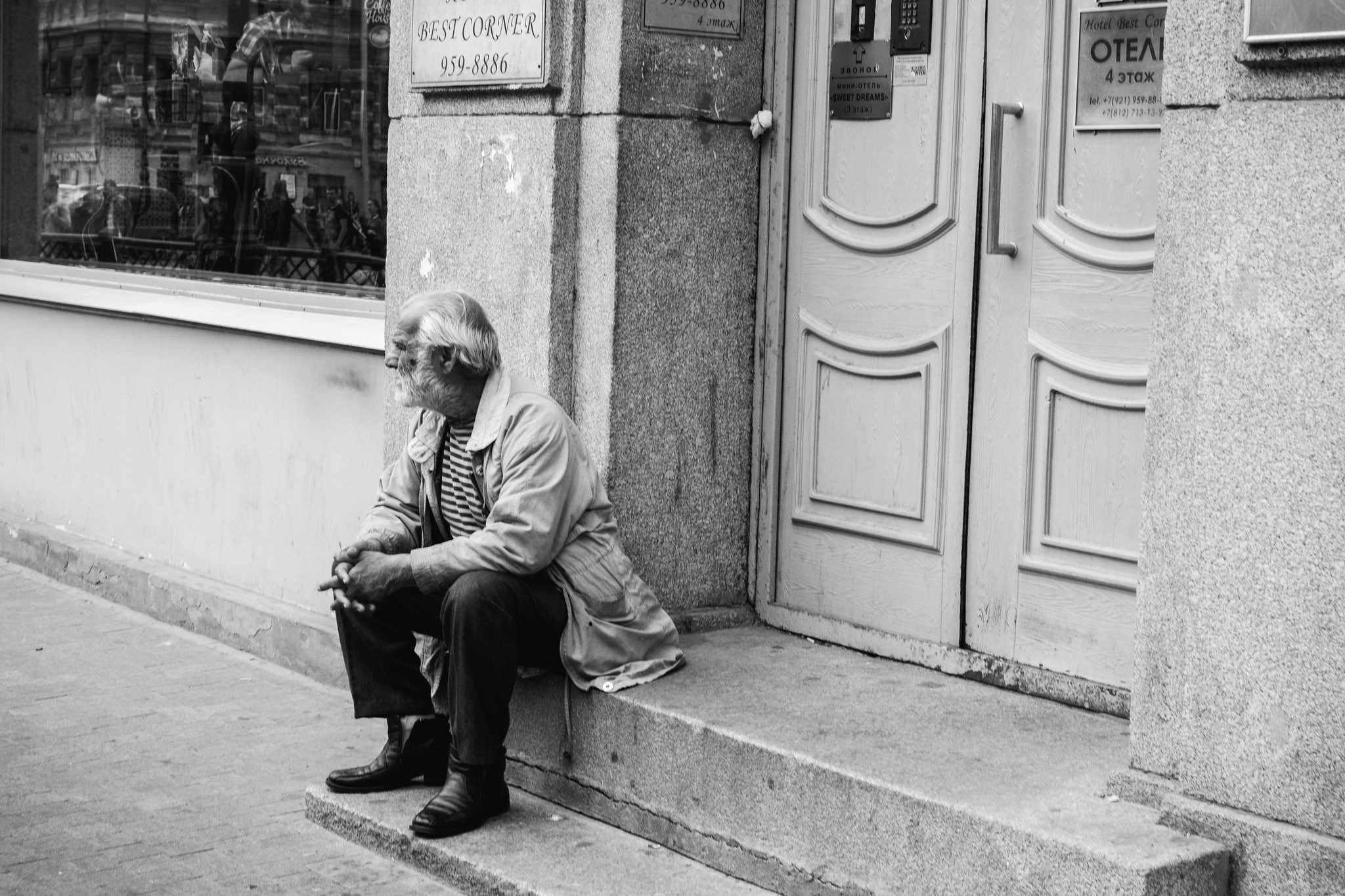
4 Facts About Homelessness in Belgium

Homelessness In Belgium
As a member of the European Union, Belgium has the privilege of having an advanced economy as well as relatively low unemployment and poverty rates. However, being a developed nation does not make a country immune to the hardships of homelessness. Here are four facts about homelessness in Belgium.

4 Facts About Homelessness in Belgium

  1. The biggest homeless population is in Brussels. Geographically, Belgium is made up of primarily rural areas, but the vast majority of the country’s population lives in an urban setting. The country’s capital, Brussels, is the largest city in Belgium and is the host to the majority of the homeless population. The most evident instances of homelessness are people living directly on the street, but many of those affected live in shelters or temporary housing, such as a hotel, and tend to be more invisible to the public.
  2. Homelessness is on the rise. The Homeless World Cup Organization provided a concerning update regarding homelessness in Belgium: “From one count in November 2016, there were 3,386 people experiencing homelessness in Brussels. This number is a 96% increase since 2008.” Just two years later in 2018, a homeless relief organization in Belgium called La Strada counted a total of 4,187 people living without secure or traditional housing.
  3. Many of those on the streets are migrants. Another contributing factor to the density of homeless in Brussels is migration. Europe as a whole has seen an increase in the migration of undocumented people. Due to their citizenship status, they often do not qualify for government assistance or other benefits, leaving them to fend for themselves. Many migrants living in a place called Maximilian Park have been pushed out by a police initiative and have relocated to the larger cities.
  4. There are not enough resources to address current conditions. Due to the harsh European winters, many homeless individuals living completely without protection from the elements need to seek shelter in the colder months to survive. However, many cities’ homeless initiatives and charity organizations are overwhelmed by the sudden increase in need and struggle to produce enough resources and space to accommodate all of the homeless.


The facts about homelessness in Belgium are daunting, but there are solutions to the issue. Of note, organizations such as the Citizens’ Refugee Support and The Platform, who work in homeless outreach and placement are helping to provide beds to the most vulnerable homeless group: migrants. While they have not yet been able to provide shelter for everyone in need, they continue to push the Belgian government for additional funding, as well as help their residents find long term solutions.

– Samantha Decker
Photo: Flickr

June 30, 2020
https://borgenproject.org/wp-content/uploads/borgen-project-logo.svg 0 0 Lynsey Alexander https://borgenproject.org/wp-content/uploads/borgen-project-logo.svg Lynsey Alexander2020-06-30 12:19:322024-05-29 23:18:184 Facts About Homelessness in Belgium
Global Poverty, Homelessness

Homelessness in Malaysia: NGO and Government Collaboration

Homelessness in MalaysiaIn Malaysia, the most densely populated city is the country’s capital — Kuala Lumpur, with approximately 8 million people in 2020. Kuala Lumpur is a booming metropolis, having achieved its status as an alpha city since 2008. It is also ranked 12th in the World Bank’s Ease of Doing Business Indicator. While rapid urbanization and economic development have raised overall living standards, it is important to recognize that urbanization is an ongoing process that yields unequal distributional outcomes in society such as homelessness in Malaysia. Homelessness is a form of urban poverty and can be identified whenever people are forced to live in informal settlements under sub-par living conditions due to sudden changes in their living circumstances.
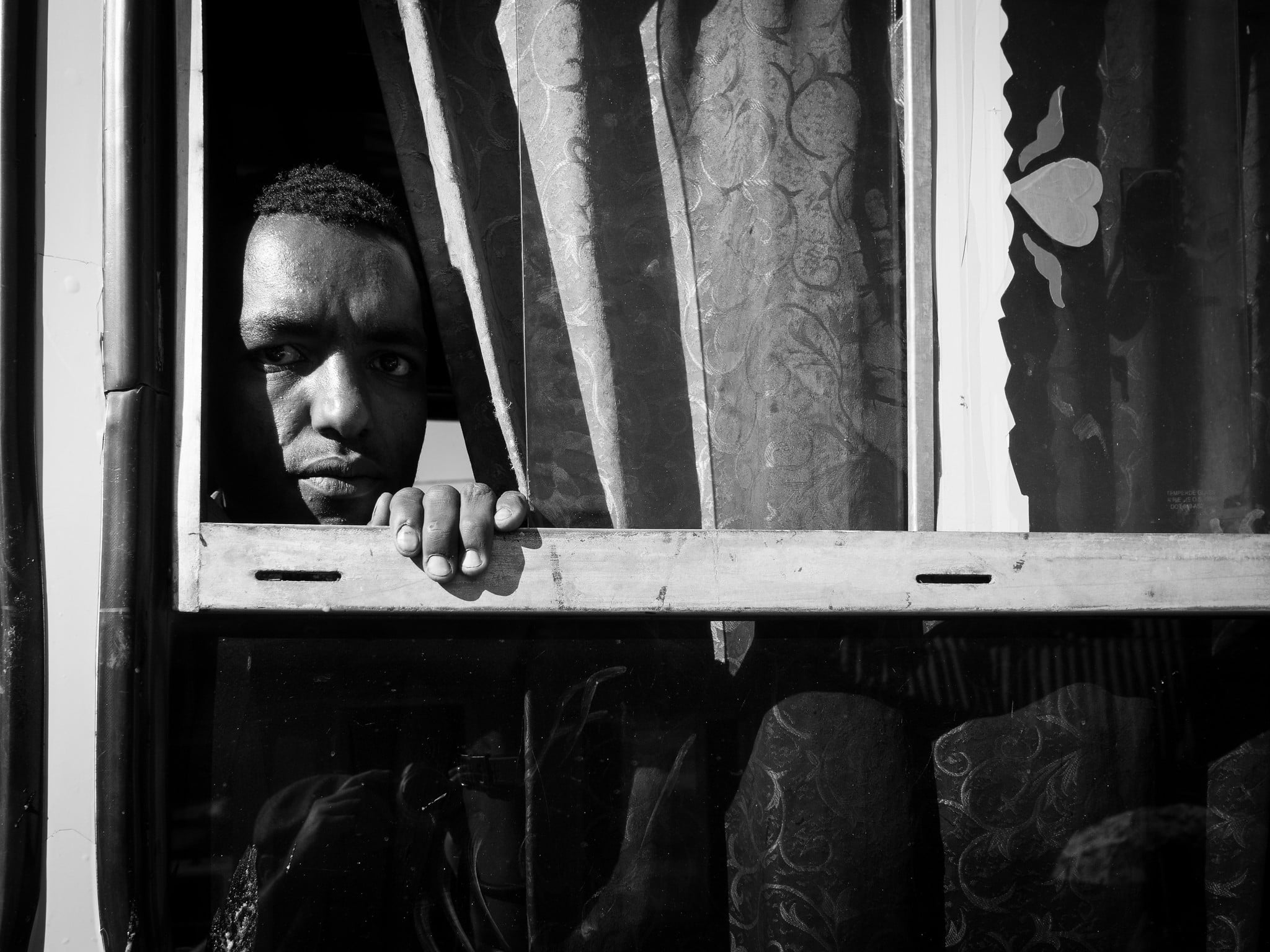
Causes of Homelessness in Malaysia

A fact lesser known amongst locals is that 90% of the homeless community are Malaysian citizens–not foreigners. The top reasons for homelessness in Malaysia include unemployment, low income and domestic violence. Contrary to common perception, the majority of the homeless in Malaysia are members of the workforce who do not have access to a sustainable source of income to afford a place to live. Moreover, the homeless community is often targeted by employers seeking to exploit them by paying them below minimum wage. In other words, the homeless are victims of their circumstances and do not live on the streets by choice.

The government relies on The Destitute Persons Act 1977 to resolve homelessness in Malaysia. In accordance with this act, anyone who is deemed homeless by authorities can be taken into custody and then transferred to the relevant welfare institutions. However, only a minority of the detained manages to be helped by the welfare institutions. The majority are released within a few hours and expected to return to their original informal settlement on the streets without transportation or money. The homeless community occupies a disadvantaged position in society that allows them neither the voice nor the financial resources to be able to significantly improve their living circumstances on their own. So what is being done to help the homelessness in Malaysia?

Solutions

There are a variety of ways in which welfare-focused organizations fight to end homelessness in Malaysia; for example, providing free legal counsel, organizing soup kitchens and spearheading residential rehabilitation programs. Community Excel Services (CES) is a Christian nonprofit charitable organization in Malaysia that offers counseling, legal services and community development programs for people in need.

The mission of CES is to restore a sense of love, justice and hope within the community, thereby transforming lives. CES operates on three levels: providing relief and services, development programs and advocacy. The organization’s Street Ministry involves reaching out to the homeless community and solidifying friendships with them through meal-sharing during weekly food banks and equipping them with workforce skills to enhance their employability. During the COVID-19 pandemic, CES provided food aid to more than 12,000 needy individuals through the Social Concerns Project in May. Apart from providing the homeless community with basic necessities, the admirable work of CES is seen in its persistent efforts to try to understand and address the root cause of homelessness in Malaysia in order to create a more equitable society.

Government Aid During the COVID-19 Pandemic

In light of the COVID-19 pandemic, the local government took the initiative to house the homeless community (around 500 people) within community centers and provided them with food and water thrice a day. The prompt response of the local government in aiding the homeless community during the COVID-19 pandemic provides a hopeful insight into the increasing efforts and continued investment in improving the social welfare of the homeless community in Malaysia.

A concerted effort is required to bring an end to homelessness in Malaysia. While food is arguably the most important resource needed by the homeless community, it is by no means the only thing that is required. The various outreach activities organized by both the Malaysian government and charitable organizations clearly demonstrate this. In the words of the nation’s first Prime Minister, Tunku Abdul Rahman Putra Al-Haj, “We must ensure that the bonds of unity and goodwill, of tolerance and harmony, grow stronger and stronger.”

– Mariyah Lia
Photo: Flickr

June 29, 2020
https://borgenproject.org/wp-content/uploads/borgen-project-logo.svg 0 0 Kim Thelwell https://borgenproject.org/wp-content/uploads/borgen-project-logo.svg Kim Thelwell2020-06-29 06:22:092020-07-08 10:30:58Homelessness in Malaysia: NGO and Government Collaboration
Children, Global Poverty, Homelessness

7 Facts about Homeless Children in Ethiopia

Homeless Children in Ethiopia Ethiopia, especially in its capital city of Addis Ababa, is experiencing a growing homelessness crisis. Young adults and children leave the countryside to try and find work and education in the country’s urban areas, but the cost of living and housing is often unaffordable. Here are seven facts about homeless children in Ethiopia.
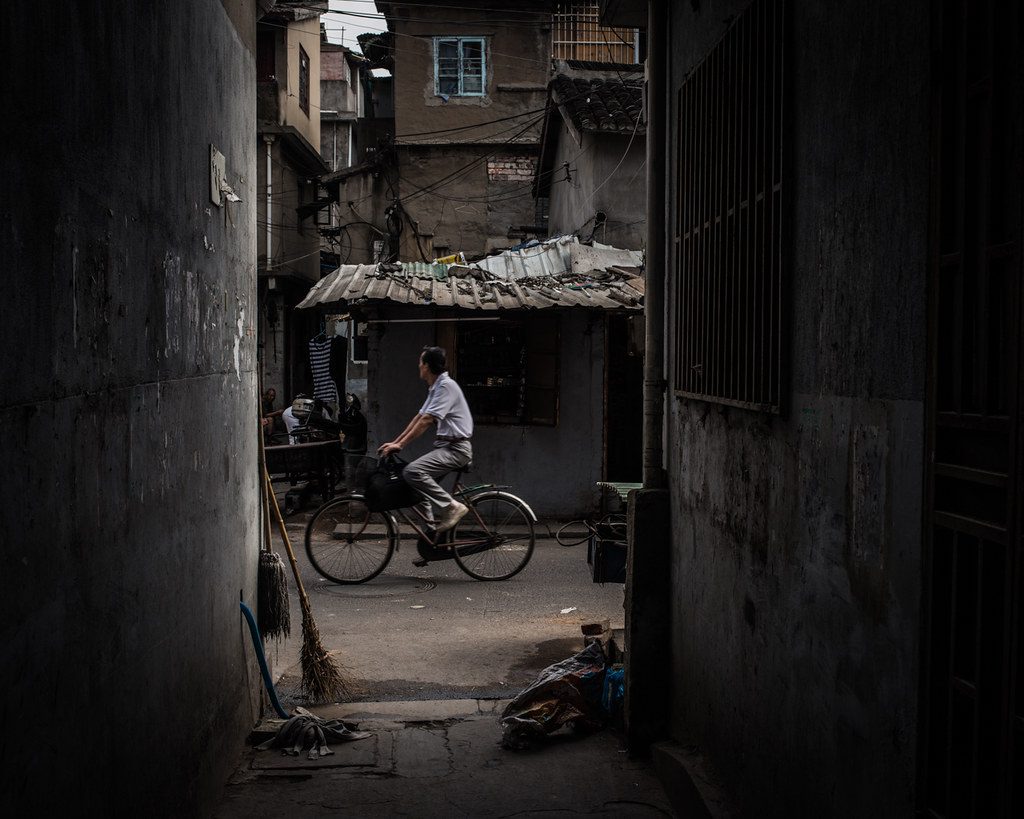
7 Facts about Homeless Children in Ethiopia

  1. Forty-two percent of Addis Ababa’s homeless population is under the age of 18. An official survey in 2010 counted 12,000 homeless children in Addis Ababa alone but some NGOs have estimated that the number is much higher.
  2. Family problems are cited as one of the main reasons that children leave their homes and end up living on the streets. Approximately 46% of street children in Ethiopia live with people other than their birth parents because of death, divorce, or separation.
  3. Residential shelters exist for homeless children in Ethiopia, but they must pay their way into them and continue to make money in order to stay there. Shelters are small and fit fewer than 20 children at once. For about 20 birr (57 cents in USD) children can pay to have meals and a bed for a night. One particular shelter, Hold My Hand, has been serving at-risk homeless boys by providing them food at Addis’s largest school, Bole, or by reuniting them with lost family members. Though the shelter’s capacity is small, they have been able to reunite five families with their lost sons and continue to feed children through the Bole Project.
  4. Homeless children in Ethiopia are often exploited. Human trafficking networks have a large presence in the country’s crime rings, and often young girls that are experiencing homelessness in Ethiopia fall victim to these syndicates. Once in Addis Ababa, these girls are forced into slavery-like working conditions in domestic service. Close to 400,000 humans were trapped in slavery in 2016. Retrak Ethiopia helps businesses learn more about the people they employ and then tries to rescue homeless children in Ethiopia from human trafficking.
  5. Many homeless children experience addiction or substance abuse. Glue-sniffing is a popular form of drug abuse among homeless children in Ethiopia because the substance is inexpensive and easy to obtain on the street. Street children sniff glue in order to try and ease the pain of hunger and exposure to the elements.
  6. Ethiopia’s government does not offer any type of public funding for homeless children and has instead relied on a heavy police presence to try and contain the growing crisis in cities. One method used by the police is apprehending children and forcing them back to their hometowns, but this effort has been largely unsuccessful.
  7. Ethiopia’s newest prime minister, Abiy Ahmed, has charted a new path for the way the country addresses its growing homeless youth population. His new stance is the “Children on the streets have a right to live” which is a far cry from mottos of the past like the one in 2017 that emphasized “Cleaning Addis Ababa’s streets of children.” Now, Ethiopia’s government involves more conversations with on-the-ground NGOs. Habitat for Humanity has opened an Ethiopian chapter to try and rebuild old housing units and provide new ones for the country’s homeless population. Sanitation services in Ethiopia are unavailable in 80% of urban areas, so Habitat focuses on creating communal points of access for water distribution and hygienic purposes in cities like Addis Ababa.

-Grace May
Photo: Flickr

June 23, 2020
https://borgenproject.org/wp-content/uploads/borgen-project-logo.svg 0 0 Kim Thelwell https://borgenproject.org/wp-content/uploads/borgen-project-logo.svg Kim Thelwell2020-06-23 06:34:552020-06-24 12:17:467 Facts about Homeless Children in Ethiopia
Global Poverty, Homelessness

Understanding Homelessness in China

Homelessness in China
Homelessness in China is a significant humanitarian concern that affected approximately 2.6 million people as of 2011. China is a unique economic powerhouse, a manufacturing giant with the authoritarian remnants of a communist state and a marvel of global tourism despite its isolationist past. The nation’s mammoth population of 1.4 billion adds yet another set of challenges in negotiating economic and social issues. To better understand the dynamics and origins of homelessness in China, there are several factors to consider.

Natural Disasters

The roots of homelessness in China are not strictly economic. Infrastructural damage from natural disasters can ravage populated areas and leave thousands without housing. In 2000, the Yunnan earthquake resulted in the sudden displacement of more than 100,000 people. China’s population density makes disaster relief especially challenging. In 2008, an earthquake hit southwestern China, compromising the housing of nearly 5 million people in an area, “roughly the size of Massachusetts, Vermont, New Hampshire and New Jersey combined.” Beijing appealed for international aid to account for the enormous population in need of temporary housing, food and other supplies. Disaster relief and reconstruction efforts cost the Chinese government $441 billion. Six months following the earthquake, 685,000 homes underwent reconstruction and some rebuilt 200,000 entirely. Even so, around 1.94 million affected households were still living without permanent shelter.

Childhood Homelessness

Nearly 1 million of those experiencing homelessness in China are children. About half of these children are runaways, hoping to escape abusive or impoverished households. Unsurprisingly, these children and adolescents are vulnerable to the lures of gangs and drug use. With an average age of 14 to 15, most of these at-risk youths receive fewer than four years of elementary education. This limits their opportunities for social mobility as they enter adulthood. The one-child policy, China’s aggressive initiative to curb population growth, has also had a direct impact on rates of child displacement. Because of a cultural preference for male children, many girls ended up homeless or in orphanages.

Fortunately, rates of child abandonment have lowered significantly within the past decade. China’s economic development has allowed for higher standards of living and better prenatal care. The end of the one-child policy in 2016 has also lowered rates of child abandonment, particularly for female children. Organizations like China Care help orphaned children with special needs find permanent homes and receive proper medical care. This organization also provides adoptive families with the financial aid necessary to afford adoption costs.

Mental Health

Although the rate of homelessness among the mentally ill is lower in China than in many high-income countries, the relationship between homelessness and mental unwellness is clear. In a 2015 study that the PLOS ONE Journal published, a psychiatrist used a Structured Clinical Interview to screen homeless individuals for DSM-IV Axis-I disorders. Among the subjects that researchers interviewed, 71% had a history of mental illness, 25% of subjects reported alcohol abuse, 25% reported substance abuse and 10% struggled with psychotic disorders. These figures are conservative, as researchers considered nearly one-fifth of the individuals they assessed too ill to consent to participating in the study. Yet, only 13% of those afflicted reported receiving psychiatric care at the time of the study.

This low treatment rate paints a bleak picture of insufficient mental health resources for homeless individuals. In many cases, people must consider patients dangerous before patients can receive involuntary treatment. However, these policies occur with prolonged periods of untreated psychosis. This study points out that mental healthcare professionals should receive training and education on compulsory treatment options for this vulnerable population.

Strides Forward

Despite the complexities of addressing this multidimensional crisis, considerable infrastructure currently supports China’s homeless. Government-subsidized social services are growing, and local governments often ‘buy’ the services of NGOs to provide proper aid. This is naturally scaled to accommodate China’s large populace: as of 2014, China had 2,000 shelters and employed around 20,000 social workers to provide assistance.

– Stefanie Grodman
Photo: Flickr

June 22, 2020
https://borgenproject.org/wp-content/uploads/borgen-project-logo.svg 0 0 Kim Thelwell https://borgenproject.org/wp-content/uploads/borgen-project-logo.svg Kim Thelwell2020-06-22 01:30:212020-06-18 06:54:51Understanding Homelessness in China
Global Poverty, Homelessness

Hidden Homelessness in Cuba

Homelessness in Cuba
The island nation of Cuba has long dealt with the social and urban problem of housing. From shantytowns on the island before the 1950s through the massive construction boom under the Castro Regime beginning in 1959, housing has been an integral part of Cuba’s social and political issues. Here is some information about homelessness in Cuba.

Overview of Cuban Housing Policy

The 1959 Cuban Revolution ushered in the Castro regime. With the rise of Fidel Castro came new social reforms. The regime paid particular attention to reforming housing policy and alleviating homelessness in Cuba which had previously plagued the island. Castro introduced new socialist policies such as high housing subsidies paired with state-owned homes in order to contain housing prices and costs of construction.

According to Cuban architect Dr. Coyula-Cowley, one can attribute much of Cuba’s urban growth and renewal to large scale government building projects under the Castro regime. Coyula-Cowley cited that between 1958 and 1998, both urban and rural housing stock experienced a radical increase in the quality of living conditions. The majority of both urban and rural housing received descriptions of “good” in 1998 as opposed to the majority of units qualifying as “bad” in 1958.

Current Trends

Cuba currently enjoys a near-zero rate of homelessness. This is primarily due to high levels of housing subsidies from the government as well as a cultural tradition of multifamily homes where many members of the extended and nuclear family all share one residency. This social custom causes the vast majority of the Cuban population to be able to list an official address and thus minimize technical homelessness rates.

According to The Conversation U.S. news source, as of 2018, the National Assembly of Cuba approved a reformed draft constitution which includes orders to lower regulations on the market for private residential housing in order to stimulate development. This action could help to stimulate urban growth and renewal throughout Cuba through the use of free market-based mechanisms. This is a departure from previous state-sponsored building projects in order to meet increased housing demand.

Hidden Issues

Despite the near-zero rate of homelessness in Cuba, it is difficult to accurately measure homelessness rates. U.S. intervention and constraints of low-cost construction have created hidden issues. The U.S. embargo on Cuba in the 1990s followed by Cuba’s Special Period due to the collapse of the Soviet Union both constricted the supply for building materials, leading to higher costs and slow-building rates. In addition, the inability of modern Cuba to continue building low-cost homes due to these limitations has led to an increased concentration of multifamily residencies despite the desire for younger generations to live separately.

The elderly are at a particularly high risk of homelessness despite every Cuban having an official address. Retired Cubans live on a fixed pension of 248 Pesos (~10 USD) per month which forces the elderly into a constant state of financial hardship. Given that 10.6% of Cubans are over 65 years of age, a significant part of the population experiences poverty. According to the Havana Times, many elderly Cubans may sleep on public benches or practice “couch surfing” by living with friends as overcrowding makes their own family unable to care for them. The exact percentage of homeless elderly is unknown but social workers are aware of the underreported issue as noted in the Havana Times. Although the elderly may have an official address, the quality of life is reminiscent of homelessness.

Experts have determined that the capital of Havana needs 300,000 housing units in order to meet demand. Thus, with Cuba experiencing an average rate of 4.1 people per living space continues to reinforce the trend of overcrowding. Therefore, official homelessness rates may be low in Cuba, but the quality of Cuban housing can often be below ideal living standards and is often unsafe.

On top of overcrowding, weather-related issues such as hurricanes and tropical storms have also degraded the current housing stock. Weather-related issues cause consistent destruction and inhibit the ability to make repairs, often exposing wiring, poor insulation and leaking rooftops. An official report stated that seven out of 10 homes need repair, with 7% of all houses being unhabitable.

Solutions

There is still a very real housing crisis involving the quantity and quality of Cuba’s housing. Fortunately, the state and local governments of Cuba alongside international NGOs such as Oxfam are working to alleviate this crisis. Oxfam sent workers and aid to Cuba in the wake of Hurricane Sandy in 2012 to assist with rebuilding and maintaining residential homes, 150,000 of which had undergone damage, affecting over 600,000 people.

The state and municipal governments have also implemented the Architect in the Community Programme which provides technical support from architects to homeowners who are undertaking home building and renovations on a self-help basis. The program currently employs 630 architects in 157 of Cuba’s municipalities serving over 500,000 households. This technical assistance empowers individuals to undertake home building and repair work while alleviating the government’s burden of housing due to limited finances.

Homelessness in Cuba remains a complicated and multifaceted issue due to difficulties in recording true homelessness rates and housing shortages as a result of trade limitations. However, despite these issues, multiple government and nonprofit programs exist in order to stimulate building and repairs. They hope to protect against weather-related damage as well in hopes of alleviating both homelessness as well as poor living situations.

– Ian Hawthorne
Photo: Flickr

June 20, 2020
https://borgenproject.org/wp-content/uploads/borgen-project-logo.svg 0 0 Kim Thelwell https://borgenproject.org/wp-content/uploads/borgen-project-logo.svg Kim Thelwell2020-06-20 07:30:382024-06-05 02:12:23Hidden Homelessness in Cuba
Global Poverty, Homelessness

Homelessness in Singapore

Homelessness in SingaporeOn one end of the spectrum, there are ultra-rich Singaporeans who live the luxurious lives one might see in the Hollywood hit movie “Crazy Rich Asians.” On the other end, there are many Singaporeans who are struggling to make ends meet. As a result, many have to resort to sleeping in the streets. It is too easy to forget that poverty and homelessness in Singapore are issues that still exist.

Homelessness in Singapore

In 2017, volunteers from the welfare organization Montfort Care and volunteer group SW101 conducted a survey focusing on issues that low-income individuals experienced. Within five hours of conducting the survey in 25 locations, the team found 180 people sleeping in public. Men comprised the majority of the homeless they found.

Later in 2019, Assistant Professor Ng Kok Hoe of the Lee Kuan Yew School of Public Policy led the first landmark study on the homeless population. It unveiled the scale of homelessness in Singapore for the first time. The study found that there were “between 921 and 1,050 homeless people in Singapore,” most of whom were Chinese men. According to the study, homelessness is not typically a temporary condition but a chronic issue. About half of those interviewed had been homeless “for one to five years,” and a third for more than six years.

Non-Stereotypical Homeless Population

Homeless people in Singapore tend to stay vigilant and often try to avoid detection. It is not easy to tell them apart from other members of the public as they do not fit into the common stereotypical images of the destitute and vagrant homeless population. The Lee Kuan Yew School of Public Policy study that found nearly 30% of the homeless found ways to maintain their appearance and look presentable.

The 2017 report revealed that approximately 60% of the homeless interviewed were employed. Around 58% had full-time employment, and 38% had temporary or part-time employment. Despite being employed, the nature and low pay of these jobs often drive people to the streets. Most of the homeless are employed in “low-wage, irregular jobs.” The average wage for homeless employees is only $1,036. This is well below the national median wage in Singapore at $2,564. With that level of income, it is impossible for many to afford a place to stay.

Public Housing

Singapore often prides itself on having one of the highest rates of homeownership in the world. The Housing Developing Board (HDB) sold apartments to around 90% of its inhabitants in 2018. HDB housing houses about 80% of Singapore’s residents. Although the HDB flats provide affordable options for Singaporeans, the strict eligibility requirements sometimes add to the problem of homelessness.

Furthermore, under the joint tenancy requirement, two single people, often strangers, have to co-rent a small one-room flat. The lack of privacy and conflicts between tenants sometimes make sleeping outdoors a more attractive option than going home. In fact, about 15% of those sleeping on the street “had HDB rental flats in their names.” Ng believes that long-term solutions to homelessness in Singapore would depend on HDB. Furthermore, it is urgent for the joint tenancy requirement to be revised or removed.

Addressing The Issue

The Ministry of Social and Family Development (MSF), as well as many other nongovernmental organizations, is working closely to help people in need and alleviate the problem of homelessness in Singapore. Over the past two years, MSF has been partnering with different community groups and government agencies to reach out to and assist the homeless population in Singapore. In July 2019, MSF launched the Partners Engaging and Empowering Rough Sleepers (PEERS) Network, bringing together 26 agencies to help the homeless in Singapore.

The ministry also provides temporary accommodation and relief through funded overnight shelters, including their Crisis Shelters and Transitional Shelters. For individuals that are unable to support themselves and have limited or no assistance from family, there are 11 MSF-funded Welfare Homes in Singapore. MSF’s Welfare Homes provide long-term residential care and support from basic physical needs to programs that improve emotional well-being. Between 2016 and 2018, MSF assisted about 300 homeless people.

Homelessness in Singapore is easy to miss, but it is no doubt a chronic problem that has persisted for many years. Since homelessness is a complex issue that with no singular common cause, it requires multifaceted solutions to mitigate. The government has been working closely with different agencies and nongovernmental organizations. Commendable efforts have been made to address the issue by reaching out and providing both short and long-term support for the homeless in Singapore.

– Minh-Ha La
Photo: Flickr

June 9, 2020
https://borgenproject.org/wp-content/uploads/borgen-project-logo.svg 0 0 Kim Thelwell https://borgenproject.org/wp-content/uploads/borgen-project-logo.svg Kim Thelwell2020-06-09 13:07:072024-06-06 00:43:12Homelessness in Singapore
Global Poverty, Homelessness

6 Facts About Disasters and Homelessness in Haiti

disasters and homelessness in Haiti
In January 2010, Haiti’s capital city, Port-au-Prince, was in the epicenter of a magnitude 7.0 earthquake. Concrete buildings were reduced to rubble, homes were destroyed and more than five million people were displaced. As one of the poorest countries, the fight against disasters and homelessness in Haiti is a continuous uphill battle. Here are six facts about the link between natural disasters and homelessness in Haiti.

6 Facts About Disasters and Homelessness in Haiti

  1. Haiti needed around 300,000 houses before the 2010 earthquake, and over 500,000 afterwards. At the time of the 2010 earthquake, 70% of Haiti’s population was living below the poverty line. As a result of frequent natural disasters, political unrest and the high dependency on agriculture for livelihood, the country fell behind in development.
  2. Buildings in Haiti were not built to withstand powerful earthquakes. Before 2010, there were no proper building codes for houses in Haiti. Over half of the population lives in rural areas with their homes consisting of mud walls and palm leaves woven together for a roof. In the cities, most live in overpopulated slums with no enforced safety regulations. This leaves a majority of the population vulnerable to losing their homes if a natural disaster strikes.
  3. Those who lost their homes in the 2010 earthquake had to go to internally displaced persons (IDP) camps. There, they lived in makeshift tents of sheets and tin, had no direct access to running water, no electricity and no security. However, countries around the world banded together in an effort to help the displaced by sending supplies, along with doctors and relief workers. Donors of Direct Relief provided up to $7 million for rebuilding in Haiti.
  4. Continuous natural disasters delay the recovery process. In 2016, Hurricane Matthew struck Haiti as a category 4, damaging the south end of the country. Once again, countries and organizations like World Vision continued to supply relief well into 2018. The Red Cross also funded livestock replacement and vet clinics that brought benefits to 5,000 families. Collectively, it raised a total of $5.2 million to help those in Haiti who had been impacted by the hurricane.
  5. IDP camps are still in use today. Of the 1.5 million people who lived in IDP camps in the summer of 2010, there are 50,000 that remain. Those who were able to leave the camps had either raised enough money to rebuild their home or received rental subsidies from the government. There are also hundreds of non-profit organizations, such as Homes for Haiti, Build Change, Build Abroad and the Red Cross, providing volunteers to build shelters for the homeless in Haiti.
  6. A cholera outbreak took place in one of the camps after the earthquake. However, along with the foreign aid and continuous construction of houses, the country has been successful in containing the cholera outbreak that overtook the camp after the earthquake. Haiti’s last confirmed cholera case was in January 2019, and has not seen any since.

There is hope for homelessness in Haiti. Recovery from disasters in poor countries like Haiti take time, but with coordinated efforts between humanitarian organizations, Haiti can continue to rebuild.

– Molly Moline 
Photo: Flickr

June 3, 2020
https://borgenproject.org/wp-content/uploads/borgen-project-logo.svg 0 0 Kim Thelwell https://borgenproject.org/wp-content/uploads/borgen-project-logo.svg Kim Thelwell2020-06-03 11:30:232020-06-03 11:01:076 Facts About Disasters and Homelessness in Haiti
Children, Global Poverty, Homelessness

The State of Child Homelessness in Egypt

child homelessness in Egypt
Egypt is a presidential republic in North Africa. Famous for its history, archaeological values and vast deserts, Egypt is one of the oldest countries in the world. However, Egypt went through a period of political, societal and economical turmoil during the 2010s. By 2011, former president Hosni Mubarak stepped down from his office, and between 2011 and 2018, the nation went through multiple presidents. All of this political and societal turmoil contributed to homelessness. In particular, child homelessness in Egypt is a pervasive issue.

Child Homelessness in Egypt

Child homelessness is an issue that has plagued the country for a long time. According to a survey conducted by Egypt’s National Center for Social and Criminological Research, there were an estimated three million homeless children in Egypt in 2011. The Egyptian government took measures to combat child homelessness, however. In 2003, the government adopted a new national strategy that aimed to protect and rehabilitate homeless children, also known as street children. This initiative aimed to alleviate child homelessness in the country through multiple coordinated projects between the government and NGOs.

While this initiative saw a relative amount of success, it is clear that there is still a long road ahead of alleviating child homelessness in Egypt. These homeless children are often in danger of sex trafficking, street begging and forced labor.

Life for Street Children

Poverty, unemployment, family breakdown, child abuse and neglect are some of the main causes of Egypt’s child homelessness crisis. While not all street children lack a stable family and a home to return to, the majority of the street children still live, work and sleep in the streets. A young woman interviewed by France 24 in 2017 said that she left her parents’ house when she was six years old because her father abused her. She has lived on the streets ever since. Unfortunately, this young woman’s story is not uncommon among street children.

However, life on the streets is still harsh. Many people in Egypt view street children as drug-addicts and criminals. As a result, there seems to be a general hesitation in donating to the NGOs and shelters that are trying to assist the homeless street children of Egypt. According to a 2010 study that interviewed a total of 857 street children in Cairo and Alexandria, 93% of the children stated that they faced harassment or abuse on the streets. Furthermore, the study found that 62% of the children used drugs. Among adolescent girls 15 to 17 years old, most of them stated that they had suffered sexual abuse.

Government Efforts

Fortunately, there are programs in place to help the street children of Egypt. In 2016, the government launched a project aimed to build shelters and educate street children. Egypt’s Ministry of Social Solidarity also launched the “Children Without Shelter” program. Ministry workers train street children in first-aid and try to collect any paperwork or identification which they can use to move the children into a shelter. Getting children into shelters is difficult because Egyptian law does not allow shelters to receive children who do not provide a birth certificate.

The government also created the “Protecting Homeless Children” program, which deploys 17 mobile bus teams that provide temporary medical and psychological services. If a child is able to be united with their family, a separate team keeps in touch with the child’s family.

Moving Forward

Street children of Egypt are the ones who are most vulnerable to homelessness in Egypt. These Egyptian street children, who ran away from abuse, neglect and poverty, face harsh realities living on the street. On top of lacking shelter and food, the homeless children of Egypt face discrimination and further abuse on the streets. Thankfully, the Egyptian government is taking measures to alleviate child homelessness in Egypt. Many hope for a future where child homelessness will be a story of the past in Egypt.

-YongJin Yi 
Photo: Flickr

May 29, 2020
https://borgenproject.org/wp-content/uploads/borgen-project-logo.svg 0 0 Lynsey Alexander https://borgenproject.org/wp-content/uploads/borgen-project-logo.svg Lynsey Alexander2020-05-29 07:30:392024-12-13 18:02:04The State of Child Homelessness in Egypt
Global Poverty, Homelessness

Housing Shortage and Homelessness in Mongolia

Homelessness in Mongolia
Mongolia is a semi-presidential republic located in Northern Asia. Known as the homeland of the 13th-century conqueror, Genghis Khan, Mongolia still maintains the traditions of a nomadic way of life. After the Mongolian Revolution of 1921, which ended the communist Chinese dominance, the Mongolian People’s Republic was established in 1924. The country also went through a peaceful democratic revolution in 1990, after which, the country’s ex-communist party competed for political power with the Democratic Party. In the wake of these political changes, homelessness in Mongolia, driven by a housing shortage, has become a significant concern.

Homelessness in Mongolia

Currently, homelessness is a huge issue the nation is trying to tackle. In Ulaanbaatar, the capital city of Mongolia, there are reports of homeless people living in the sewage system. To improve homelessness in Mongolia, the government and humanitarian organizations must determine the contributing factors, the individuals affected and the measures being taken.

Similar to many countries, homelessness in Mongolia is linked to a lack of affordable housing. Ulaanbaatar, for example, underwent rapid urbanization during the past decade. Mongolia’s mining boom in 2012 helped immensely in the urbanization of Mongolia. After the establishment of the Privatization Law, which allowed people to freely choose residence location, many Mongolians migrated to Ulaanbaatar for more job opportunities. Ulaanbaatar’s population, which was 650,000 people in 1998, increased to 1.49 million people in 2018. This migration to Ulaanbaatar was further encouraged by a series of flock-devastating winters which forced many nomadic populaces to migrate to the city.

Migration and Ger Areas

Many migrants set up Ger in the city, which is traditional Mongolian housings; around Ulaanbaatar, there are now numerous Ger areas. In 2018, the Mongolian officials estimated that 55% of the city, which is about 750,000 people, lived in Ger around Ulaanbaatar. These Ger areas, however, are not the optimal housing solution for Mongolia.

These houses aren’t connected to basic services such as running water, sewage and waste disposal systems. Because these housings rely on coal stoves in individual homes to provide heating during the harsh winters, the stoves are contributing to air pollution in Mongolia. While the Mongolian government is working to address the issue, receptivity to the new development plan was mixed.

Government Aims

While the recent economic boom in Mongolia improved housing to high-rises and luxury residents, there is still a lack of affordable housing units. Part of this is due to how the Mongolian government aims to renovate and update the antiquated Soviet-era housing. The Ulaanbaatar 2020 Master Plan and Development Approaches for 2030, which was approved in 2015, aims to redevelop Ulaanbaatar’s Ger district with new apartments and service centers.

Under the plan, development companies enter an agreement with the residents in the district. If 70% of the residents approve of the company’s development plan, the companies are allowed to begin the project. However, some residents are accusing these development companies of worsening homelessness in Mongolia by forcefully evicting residents. For the 30% of residents who do not approve of the development plans, there seems to be little legal protection for individual rights to housing. Many residents feel that the law doesn’t clearly state the rights of the residents during the city’s renovation of Ger districts.

Humanitarian Organization Support

Many organizations have released reports of their recommendations to Mongolia. Amnesty International, for example, emphasized the importance of protecting Mongolian residents from possibly over-zealous housing development projects. Other organizations are also encouraging the Mongolian government to expand city infrastructures to support the growing migrant population to Ulaanbaatar. Furthermore, these organizations are calling to reform Mongolia’s migrant registration system. By making it easier for migrants to register as urban residents, many believe that this will make it easier to obtain access to local social services and residential infrastructures.

Other international organizations are attempting to alleviate housing insecurity and homelessness in Mongolia. The Habitat for Humanity, for example, has built numerous homes in Mongolia. As early as 2009, Habitat for Humanity reported the building of homes for 1,500 Mongolian families.

Additionally, in July 2012, international volunteers from 12 countries came to Mongolia to build housing near Ulaanbaatar. This multinational project, “The Blue Sky Build Houses,” also worked with local volunteers to build 20 polystyrene blockhouses. These houses have excellent insulation and use less wood during construction. These houses also include energy-efficient stoves, which extend the heat generation time of coal-burning from two hours to eight hours.


Homelessness in Mongolia is a complex issue. While the Mongolian economic boom has created lucrative opportunities for many, it has also aided in housing insecurity because of the mass migration to Ulaanbaatar. This mass migration to the city shows the case of the lack of affordable housing in the capital city, which inevitably exacerbates the homelessness in Mongolia. Moving forward, additional efforts by the government and other international humanitarian organizations are crucial to providing affordable housing and reducing homelessness in the nation.

– YongJin Yi
Photo: Flickr

May 28, 2020
https://borgenproject.org/wp-content/uploads/borgen-project-logo.svg 0 0 Jennifer Philipp https://borgenproject.org/wp-content/uploads/borgen-project-logo.svg Jennifer Philipp2020-05-28 11:00:232024-12-13 18:02:04Housing Shortage and Homelessness in Mongolia
Developing Countries, Global Poverty, Homelessness

Combating Homelessness in El Salvador

homelessness in El Salvador
In 2001, a major earthquake struck El Salvador leaving many helpless and on the streets. El Salvador is the smallest country in Central America despite having a dense population of 6 million people. Now, homelessness in El Salvador is at an all-time high. Currently, over 40% of the population live in run-down homes with dirt for floors. This roughly translates to upwards of 2 million people living in disheveled and decrepit homes. Luckily, there are organizations working towards rebuilding El Salvador.

3 Organizations Combatting Homelessness in El Salvador

  1. Habitat for Humanity: Through two large-scale community projects, Habitat for Humanity has helped homelessness in El Salvador by building homes and making improvements to current houses. Juntos Construyendo mi Casa (Building my House Together), is a project that primarily focuses on constructing new homes for those who are currently in inadequate living situations. It also helps to improve existing homes by replacing dirt floors with tile or wooden flooring. Its second project, Construyendo Empoderamiento con Mujeres (Building Empowerment with Women), works on building new homes while also teaching women about their rights. This project teaches women to perform in jobs typical for males, thus providing career opportunities as well. Around 97,760 Salvadorans have received help through Habitat for Humanity’s programs.
  2. New Story Charity: In 2018, New Story Charity printed its first 3D house in Austin, Texas in under 24 hours. New Story partnered with the robotics construction company, ICON. Together, they began working to expand this construction to countries that need it most, such as El Salvador. Currently, a 3D house costs around $10,000, but New Story Charity’s goal is to reduce that price to $4,000. New Story is raising $1 million to be able to begin the construction of more homes. Though the introduction of 3D homes is new, New Story Charity has constructed over 850 non-3D homes in Haiti, El Salvador, Mexico and Bolivia. 3D homes in Tabasco, Mexico have already created an entire community of these low-cost homes. In the upcoming years, New Story Charity will begin bringing 3D homes to El Salvador. Through the development of 3D homes, homelessness in El Salvador could drastically reduce.
  3. La Carpa: Tim Ross and Erica Olson founded La Carpa, meaning “The Tent,” in the summer of 2018. Though being a Christian based organization, Ross welcomes any religious backgrounds. La Carpa provides food for many of the homeless in the community. It began with distributing coffee, food and water, but is now expanding to creating hospitality houses with the hopes of building a better and closer community. On average, 30 people visit La Carpa daily to receive coffee and a meal. La Carpa aims at not only provide food and housing to the most vulnerable but also friendship and a sense of belonging.

Though El Salvador faced great destruction in the past, it is working towards rebuilding. Through organizations like Habitat for Humanity, New Story Charity and La Carpa, homelessness in El Salvador is reducing and many of the displaced are moving off the streets and into homes.

– Erin Henderson 
Photo: Flickr

May 23, 2020
https://borgenproject.org/wp-content/uploads/borgen-project-logo.svg 0 0 Jennifer Philipp https://borgenproject.org/wp-content/uploads/borgen-project-logo.svg Jennifer Philipp2020-05-23 07:30:532020-05-19 08:27:07Combating Homelessness in El Salvador
Page 18 of 20«‹1617181920›»

Get Smarter

  • Global Poverty 101
  • Global Poverty… The Good News
  • Global Poverty & U.S. Jobs
  • Global Poverty and National Security
  • Innovative Solutions to Poverty
  • Global Poverty & Aid FAQ’s
Search Search

Take Action

  • Call Congress
  • Email Congress
  • Donate
  • 30 Ways to Help
  • Volunteer Ops
  • Internships
  • Courses & Certificates
  • The Podcast
Borgen Project

“The Borgen Project is an incredible nonprofit organization that is addressing poverty and hunger and working towards ending them.”

-The Huffington Post

Inside The Borgen Project

  • Contact
  • About
  • Financials
  • President
  • Board of Directors
  • Board of Advisors

International Links

  • UK Email Parliament
  • UK Donate
  • Canada Email Parliament

Get Smarter

  • Global Poverty 101
  • Global Poverty… The Good News
  • Global Poverty & U.S. Jobs
  • Global Poverty and National Security
  • Innovative Solutions to Poverty
  • Global Poverty & Aid FAQ’s

Ways to Help

  • Call Congress
  • Email Congress
  • Donate
  • 30 Ways to Help
  • Volunteer Ops
  • Internships
  • Courses & Certificates
  • The Podcast
Scroll to top Scroll to top Scroll to top