• Link to X
  • Link to Facebook
  • Link to Instagram
  • Link to TikTok
  • Link to Youtube
  • About
    • About Us
      • President
      • Board of Directors
      • Board of Advisors
      • Financials
      • Our Methodology
      • Success Tracker
      • Contact
  • Act Now
    • 30 Ways to Help
      • Email Congress
      • Call Congress
      • Volunteer
      • Courses & Certificates
      • Be a Donor
    • Internships
      • In-Office Internships
      • Remote Internships
    • Legislation
      • Politics 101
  • The Blog
  • The Podcast
  • Magazine
  • Donate
  • Click to open the search input field Click to open the search input field Search
  • Menu Menu

Archive for category: Homelessness

Global Poverty, Homelessness

10 Facts About Homelessness in Brazil

Homelessness in Brazil
In recent decades, Brazil has advanced its industrialization, gross national income and life expectancy. Since 2014, however, the country has struggled with rising poverty and inequality. Brazil’s declining economy has led to a nationwide homelessness crisis. Here are 10 facts about homelessness in Brazil.

10 Facts About Homelessness in Brazil

  1. Approximately 1.2 million Brazilians are either homeless or living in inadequate housing. This housing crisis was, in part, caused by rising land costs. Brazil’s industrialization and involvement in globalization raised land prices. As a result, poor and unemployed Brazilians are unable to afford land costs and are forced to remain in unsanitary and overcrowded conditions.
  2. Brazil’s homeless tend to live near major cities like Rio de Janeiro and São Paulo. The country’s increasing urbanization contributes to these cities’ housing deficits, with more than four in five Brazilians living in urban areas. The vast majority of those in need of housing are from low-income families. Recent wage cuts and unemployment rates passing 12% have ensured that 1.2 million Rio residents remain in “favelas,” Brazil’s shantytowns.
  3. The number of houses built for families making $550 or less in Brazil’s cities has drastically decreased. Brazilian real-estate development now focuses on high-income buyers. From 2013 to 2016, the number of low-income housing fell by 500,000 units. Coupled with the growing urban population, this exacerbates homelessness in Brazil.
  4. In São Paulo, Brazil’s most populated city, homelessness is growing at 2-3% per year. Rio de Janeiro has experienced rapidly growing rates of homelessness as well, increasing by 150% from 2014 to 2017. With some success, city governments have launched programs to move the homeless into shelters and family housing.
  5. Without proper security, Brazil’s homeless are susceptible to physical, psychological and sexual violence. Between 2015 and 2017, there were 17,386 reported instances of abuse against the homeless, ranging from beatings and psychological abuse to sexual harassment. Given Brazil’s widespread drug trafficking occurring on the streets of favelas, the homeless are vulnerable to violence by both drug factions and the police.
  6. In 2009, the Brazilian government began a housing program for low-income Brazilians. This program, called Minha Casa, Minha Vida (My House, My Life), provided more than 10 million Brazilians with secure housing offers over seven years. In 2016, however, the government made major cuts to the program.
  7. The majority of Brazil’s homeless are Black, a remnant of the country’s legacy of slavery and racism. Previous discriminatory legislation, such as the criminalization of homeless Black people, has contributed to the disproportionate 67% majority of homeless individuals being Black. Meanwhile, the general Black population is only 45%. Moreover, young Black men are the majority of victims in extrajudicial killings by police officers, particularly in favelas.
  8. Since 1997, Brazil’s Homeless Workers Movement (MTST) has led protests and demonstrations to secure justice for the growing homeless population. Originating in São Paulo, MTST outwardly criticizes the exponential increases of real estate and rental prices. The movement remains a quintessential voice in driving urban policy, playing a key role in the implementation of social programs like ‘Minha Casa, Minha Vida.’ Furthermore, the movement outlines ways to reform such programs and address resulting urban segregation — particularly as impoverished Brazilians settle in urban peripheries.
  9. With the second-highest number of cases in the world, Brazil’s homeless are extremely vulnerable to the disease. As COVID-19 continues to spread, São Paulo’s city government has invested in general and COVID-specific homeless shelters. Other government initiatives include state-driven subsidy programs to provide breakfast, lunch and dinner to the homeless. NGOs like Doctors Without Borders provide medical assistance to homeless citizens, who suffer more COVID-19 cases than the general population. Despite this attention, the homeless continue to lack adequate hygiene resources.
  10. Civil society campaigns and organizations spread awareness and conduct on-the-ground missions. Rio Invisível, for instance, is an advocacy project based in Rio de Janeiro that shares interviews with homeless citizens on social media. By helping the homeless share their stories, the project breaks down prejudice toward the city’s most marginalized. Habitat for Humanity has also been involved in advocacy in Brazil, becoming a powerful voice in public policy, pushing for an end to the housing shortage. The non-profit partners with the Brazilian government to construct houses for vulnerable families, in addition to offering week-long “Habitat Global Village” volunteer opportunities in Brazil.

Precarious housing and homelessness in Brazil remain a prominent issue, affecting approximately 1.2 million citizens. The crisis is exacerbated by rising land prices and a worsening housing deficit in urban regions. However, as awareness has grown, efforts by state and non-state actors to address homelessness have expanded. Nevertheless, Brazil must continue to fund social programs to alleviate poverty and homelessness.

– Breana Stanski
Photo: Flickr

July 22, 2020
https://borgenproject.org/wp-content/uploads/borgen-project-logo.svg 0 0 Kim Thelwell https://borgenproject.org/wp-content/uploads/borgen-project-logo.svg Kim Thelwell2020-07-22 13:22:032024-05-29 23:18:0510 Facts About Homelessness in Brazil
Global Poverty, Homeless, Homelessness

5 Facts About Homelessness in Fiji

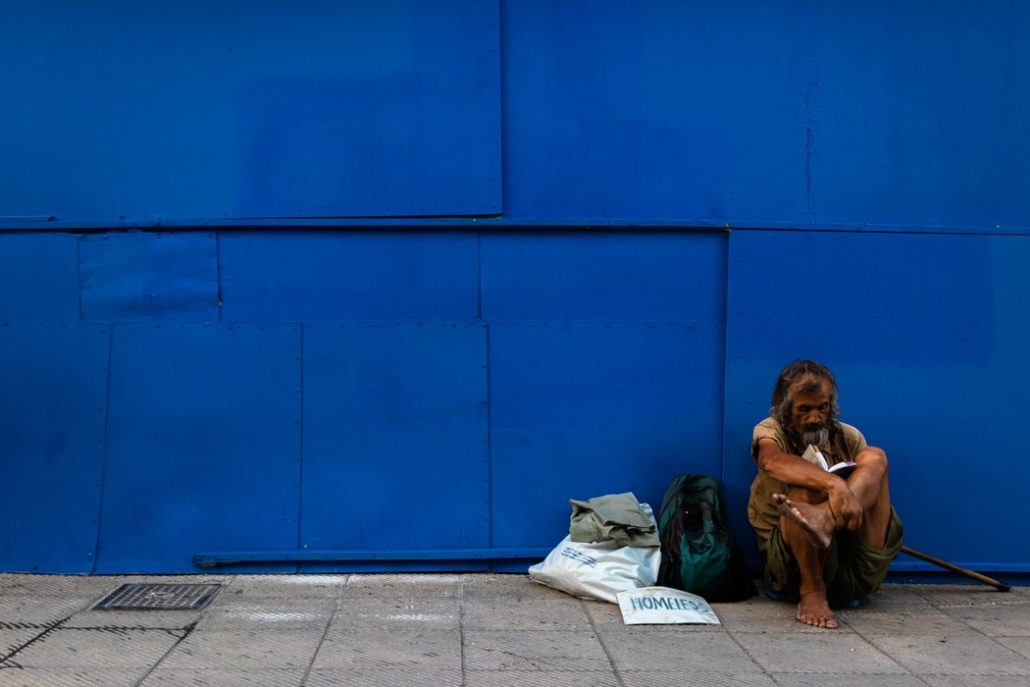
homelessness in fijiFiji may be best known for its beautiful beaches and luxury resorts, but it remains a developing country that deals with poverty. In fact, 31% of its population lives below the poverty line and struggles on a weekly basis to meet their needs. This article will look into homelessness in Fiji, some of its causes and why this is such a prevalent issue today.
Five Facts About Homelessness in Fiji

  1. Poverty in Fiji’s capital: Suva, Fiji’s capital, is home to many of the nation’s homeless citizens. This includes individuals as young as primary school children. Mereseini Vuniwaqa, the Minister for Women, Children and Poverty Alleviation, says those who are homeless are not necessarily in this situation because of medical issues or lack of alternatives. She states that while some people are homeless due to mental illness, others simply moved away from their families for one reason or another. She also shares that this homelessness can be generational.
  2. High poverty rate: Approximately half a million people residing in Fiji are living in poverty. This plays a big role in the homeless population in regards to a lack of housing along with “unemployment, urban migration, non-renewal of government leases for land, overpopulation of farming areas and the breakdown of traditional village life and culture.” For Fiji to reduce this problem, the country would have to start by building a minimum of 4,200 homes per year. This would significantly help with housing standards but, as a developing country, this is a difficult task.
  3. Natural disasters: Another factor that is to blame for homelessness in Fiji is its natural disasters. Recently, Cyclone Harold devastated the islands of Fiji, as well as other islands such as the Solomon Islands. This category four storm took place from April 1st through the 11th. While the total number of homes that have been affected remains unknown, at least 46 homes just in the Bouwaqa Village on Vatulele in Fiji have been damaged and 14 have been completely destroyed, leaving dozens of people without a home to go back to.
  4. Violence against women: Violence against women and girls has caused an increase in homelessness. It was estimated that 84% of young women who fall into these categories experience intimate partner violence and 66% of them have succumbed to homelessness due to their sexual orientation or gender identity.
  5. Efforts to help: Since the coronavirus pandemic, Fiji has been in lockdown like the rest of the world. One family, however, has taken it upon themselves to continue their mission to feed the homeless. A 12-year-old boy named Junior, his parents and a small team of individuals call themselves “MISSION-1.” Even before lockdown, MISSION-1 would come to the streets of Suva every Sunday and provide food and hot beverages to the homeless. Despite lockdown and the risk of arrest, this team has continued to provide for those who are often forgotten. Australia has also stepped up since Cyclone Harold devastated the Fiji Islands and has sent tents, kitchen supplies, hygiene items, containers for water as well as shelter kits. This is Australia’s way of giving back and thanking Fiji for their support during the Australian bushfires.

With continued help, there is always hope that Fiji’s homelessness rate will begin to decline.

– Stacey Krzych
Photo: Flickr

July 22, 2020
https://borgenproject.org/wp-content/uploads/borgen-project-logo.svg 0 0 Kim Thelwell https://borgenproject.org/wp-content/uploads/borgen-project-logo.svg Kim Thelwell2020-07-22 13:00:042024-05-29 23:17:565 Facts About Homelessness in Fiji
Global Poverty, Homeless, Homelessness

Creative Solutions for Homelessness in Costa Rica

Homelessness in Costa Rica
Located in Central America and bordering the Pacific Ocean, Costa Rica is home to approximately 4.5 million people. Flourishing on global exports and the travel industry, many know Costa Rica for its exceptional exports in fruits, vegetables and coffee.

However, as a developing country, Costa Rica struggles from problems with sanitation, poverty and homelessness. More than 1 million Costa Ricans live in severe poverty, and approximately 52% of the population suffers from insufficient and unstable living conditions. Within the last few decades, citizens have emphasized the need to reduce overall homelessness, focusing on urban areas. Here are a few unique ways Costa Rican citizens are attempting to reduce overall homelessness.

Aiding the Homeless

The Chepe se baña project in Costa Rica aims to provide a better life for the homeless. Originating from the Promundo Foundation, Chepe se baña hopes to help around 200 homeless people near San José, the capital of Costa Rica. The name of the project references a large bus that consists of four showers and a ramp for people with disabilities. The bus provides efficient and free sanitation toward people living in poverty. Running on generous donations and private enterprises, Chepe se baña provides much help to the homeless in San José.

Costa Rican communities took matters into their own hands in 2015 when social groups Friends of the World and Vaso Lleno worked to provide relief for the homeless. More than 200 volunteers traveled to urban areas, ranging from Parque España to San José, offering daily necessities such as food, water and clothes. These volunteers were able to offer over 1,500 beverages, more than 18,000 kg of beans and hundreds of items of clothing for men, women and children. Volunteers would pack lunches with sandwiches and drinks, and deliver them to people in need.

While Chepe se bana and hundreds of volunteers may not end homelessness in Costa Rica, the support has certainly provided necessary relief for people who are in difficult living situations. It is important to understand that the acts of citizens do in fact create a noticeable difference when attempting to reduce global poverty.

Friends of Costa Rica

Outside of Costa Rica, an American organization called Amigos of Costa Rica is a nonprofit organization that uses funds to directly address poverty — specifically homelessness — in Costa Rica. Through donations and helpful resources, Amigos of Costa Rica has committed itself to aiding Costa Rica in achieving sustainable development.

The organization works alongside nonprofit organizations within Costa Rica, directing funds to Costa Rican nonprofit organizations every two weeks. Funds go towards reducing homelessness, providing better sanitation and distributing food and support to those in need.

Thanks to these and other initiatives, Costa Rica now has the lowest poverty rate in Central America. While Costa Rica continues to struggle to reduce overall homelessness and poverty, efforts to diminish or decrease poverty rates are now showing positive results. With increased efforts to support the homeless population in Costa Rica, overall poverty will likely continue to decrease. 

– Elisabeth Balicanta
Photo: Unsplash

July 20, 2020
https://borgenproject.org/wp-content/uploads/borgen-project-logo.svg 0 0 Jennifer Philipp https://borgenproject.org/wp-content/uploads/borgen-project-logo.svg Jennifer Philipp2020-07-20 01:31:312020-07-16 07:34:57Creative Solutions for Homelessness in Costa Rica
Global Poverty, Homelessness

5 Facts About Homelessness in Fiji

Homelessness in Fiji
Many know Fiji for its beautiful beaches and luxury resorts, but it remains a developing country that deals with poverty. In fact, 31% of its population lives below the poverty line and struggles on a weekly basis to meet their needs. This article will look into homelessness in Fiji, what are some of its causes and why this is such a prevalent issue today. Here are five facts about homelessness in Fiji.

5 Facts About Homelessness in Fiji

  1. Suva, Fiji’s capital, is home to many of the nation’s homeless citizens. This includes individuals as young as primary school children. Mereseini Vuniwaqa, the Minister for Women, Children and Poverty Alleviation, said that those who are homeless are not necessarily in this situation because of medical issues or lack of alternatives. She stated that while some people are homeless due to mental illness, others simply moved away from their families for one reason or another. She also shared that this homelessness can be generational. Some families have been struggling with this issue for a long time going all the way back to their grandparents living on the streets to their parents and so on.
  2. Approximately half a million people residing in Fiji are living in poverty. This plays a big role in the homeless population in regards to lack of housing along with “unemployment, urban migration, non-renewal of government leases for land, overpopulation of farming areas and the breakdown of traditional village life and culture.” For Fiji to diminish this problem, it would have to start by building a minimum of 4,200 homes per year. This would significantly help with housing standards but, as a developing country, this is a difficult task.
  3. Another factor that is to blame for homelessness in Fiji is natural disasters. Recently, Cyclone Harold has devastated the islands of Fiji, as well as other islands such as the Solomon Islands. This category four storm took place from April 1 to April 11, 2020. While the total number of homes that Cyclone Herald destroyed remains unknown, it has destroyed 46 homes just in the Bouwaqa Village on Vatulele in Fiji and completely ravaged another 14 homes leaving dozens of people without a home to go back to.
  4. Violence against women and girls has caused an increase in homelessness. Estimates have determined that 84% of young women who fall into these categories experience intimate partner violence and 66% of them have succumbed to homelessness due to their sexual orientation and how they identify.
  5. While tourism is generally good for a nation’s economy, it can also become a hindrance. In Fiji, tourism has hurt a lot of people and helped bolster homelessness. The most desired destinations dwell on what is free-leased land. What this means is that leases for this land almost never receive renewal which creates a bigger profit. Therefore, while these hotels and resorts are making money and boosting tourism, they are also holding onto land that could serve as a home to those without one.

Solutions

Although these facts about homelessness in Fiji show that it will not dissipate overnight, some are implementing small measures to help those living on the streets. Since the coronavirus has happened, Fiji has been in lockdown like the rest of the world. One such family has taken it upon itself to continue its mission to feed the homeless. A 12-year-old boy named Junior, his parents and a small team of individuals call themselves MISSION-1. Even before lockdown, MISSION-1 would come to the streets of Suva every Sunday and provide food and hot beverages to the homeless. Despite lockdown and the risk of arrest, this team has continued to provide for those who others often forget.

Australia has also stepped up since Cyclone Harold devastated the Fiji Islands and has sent tents, kitchen supplies, hygiene items, containers for water as well as shelter kits. This is Australia’s way of giving back and thanking Fiji for its support during the Australian bushfires. With continued help, hope exists that Fiji’s homeless community will begin to decline.

– Stacey Krzych
Photo: Flickr

July 17, 2020
https://borgenproject.org/wp-content/uploads/borgen-project-logo.svg 0 0 Lynsey Alexander https://borgenproject.org/wp-content/uploads/borgen-project-logo.svg Lynsey Alexander2020-07-17 16:03:432021-02-24 16:04:015 Facts About Homelessness in Fiji
Global Poverty, Homelessness

Homelessness in Sweden: A Country in a Housing Crisis

homelessness in Sweden
Sweden
is known for its generous welfare state; however, homelessness in Sweden is a rising concern. Swedes spend a larger proportion of their disposable income on housing compared to other European countries, and that figure is rising rapidly. The lack of affordable housing and the growing population has led to a housing crisis and an increase in homelessness.

The definition of homelessness in Sweden is divided into four categories:

  • acute homelessness

  • institutional care and category housing

  • long-term housing solutions

  • short-term insecure housing solutions

The Swedish government conducts a national survey every six years to analyze trends in homelessness. The survey reported that 33,269 people were homeless in 2017. Since the last report in 2011, acute homelessness increased from 4,500 to 5,935 people, and those in long-term housing solutions increased from 13,900 to 15,838.

Who Are The Most Vulnerable to Homelessness?

Women are increasingly more susceptible to homelessness, compared to men. More than one-third of the homeless in Sweden have children younger than 18, resulting in at least 24,000 children with parents who are homeless.

The majority of parents struggling with homelessness stated the main cause as having an income too low for them to qualify as tenants in the ordinary housing market. This factor forces them to enter the secondary market and into long-term, but insecure, housing situations.

In recent years, a large influx of migrants including refugees has contributed to rising homelessness in Sweden. Around 43% of people that are homeless were born in a country other than Sweden. Sweden has the highest rate of homelessness per 1,000 inhabitants in Scandanavia.

More people are becoming homeless due to evictions, sudden unemployment, or relationship breakups than due to mental health or substance abuse issues. Since more than 20% of the homeless do not need additional social services besides housing, they do not get support at all. The largest contributor to homelessness in Sweden is the housing crisis.

The Housing Crisis

There is a lack of available and affordable housing in Sweden, especially in cities. In 2017, 88% of municipalities reported a housing shortage. The wait time for an apartment is significantly increasing over time, making it nearly impossible to secure a rental apartment.

A reason for the shortage is that new construction is not keeping up with the growing population. There is low production of new public housing or rental apartments due to the cost of land, workers and materials; the cost is high due to the extremely high demand. There is little space left to build, and architects and city planners are reluctant to build taller to adhere to Swedish building customs. The rentals that are built are directed to upper-class markets with an average rental rate substantially higher than what social services will pay. Rising costs have made it even more difficult for marginalized groups to enter the conventional housing market.

What is the Solution?

To deal with the lack of housing, some have turned to co-housing. Companies such as Colive are remodeling large houses where tenants would pay for a bedroom and shared common spaces. The plan is to create tens of thousands of units within the decade.

Homelessness in Sweden is more of a structural issue than a social one, although the social aspects should not be ignored. While there is no explicit national strategy to address homelessness, there have been calls for an integrated housing provision strategy in which the state, region and municipality are all jointly responsible for providing adequate housing. Policies need to be more proactive to tackle the large proportion of people stuck in the secondary housing market. Measures need to be put in place to incentivize affordable housing builds with specific goals for low-income housing, according to the Stadmissionen report.

Having one’s own home is a fundamental need that also offers safety and security. Housing First, a method for dealing with homelessness in New York City, was implemented in Stockholm and Helsingborg in 2010. This approach eliminates conditions for housing and treats housing as a fundamental human right. Now, 94 municipalities in the country have Housing First strategies; these programs are local and not national.

Overall, the solution to homelessness in Sweden requires solving the housing crisis. The government needs to enact policies that spur affordable constructions while simultaneously moving the responsibility of homelessness prevention to municipalities and the state rather than social services.

– Katie Gagnon
Photo: Pixabay

July 16, 2020
https://borgenproject.org/wp-content/uploads/borgen-project-logo.svg 0 0 Kim Thelwell https://borgenproject.org/wp-content/uploads/borgen-project-logo.svg Kim Thelwell2020-07-16 01:30:132024-05-29 23:17:51Homelessness in Sweden: A Country in a Housing Crisis
Global Poverty, Homelessness

Fighting Homelessness in Senegal

Homelessness in SenegalSenegal is often seen as a stable country politically and economically relative to its neighbors in the West African region. This perception has been further validated in the last decade with its peaceful elections and a GDP growth averaging approximately 6% since 2014. Still, the country is not without its challenges. Though poverty hasn’t been measured since 2011, it is estimated that around 39% of the population lives below the poverty line. Homelessness in Senegal is a major consequence of poverty that needs urgent attention, especially amid COVID-19.
Street Youths of Dakar

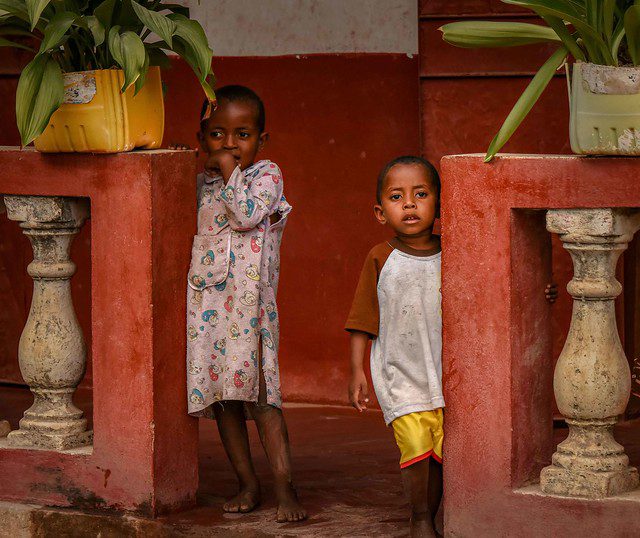
In Senegal, homelessness especially affects many children. In the capital city of Dakar, which has a population of 1.06 million people, an estimated 40,000 street youths are without shelter. Some of these children are Talibes. Talibes are “youths from Koranic schools known as daaras who are forced to beg for money. There are also those who fled such schools. Others come from broken families or have lost their homes because of poverty.”

Recently COVID-19 and the resulting lockdown have exasperated the lives of these homeless children in Senegal. The thin protection these children once had in small generosities from restaurants and pedestrians have been erased as services and public pedestrian presence have gone dormant for lockdown. Lackluster sanitation and drug usage compound the street youths’ vulnerable position amid the COVID-19 pandemic. As of early July 2020, Senegal has reported thousands of cases of COVID-19 and under 100 deaths.

Helping Hands

In April, Senegal’s Ministry of Family launched a coronavirus emergency plan for street children, opening up about 13 educational social centers and other venues in Dakar. Outside of government support, NGOs like the French-Senegalese Village Pilote has aided homeless children in Dakar sprung into action. Village Pilote offers homeless children in Senegal meals and shelter as well as space for recreation. Issa Faye, a 19-year-old living on the street told Reuters: “Because of the disease people were avoiding us, we had problems getting (medical) treatment, and also the police kept running after us. Only this centre accepts children and youngsters our age and from the streets…”

Value of Aid

COVID-19 highlights how easily vulnerable demographics such as the homeless street youths of Senegal can be left behind without consideration, underscoring the value of aid. Supporting funding for the International Affairs Budget to address the consequences of the pandemic is also essential to protecting the health, security and economic interests of all Americans.

– Caleb Hughes
Photo: Flickr

July 9, 2020
https://borgenproject.org/wp-content/uploads/borgen-project-logo.svg 0 0 Lynsey Alexander https://borgenproject.org/wp-content/uploads/borgen-project-logo.svg Lynsey Alexander2020-07-09 12:03:032020-07-09 12:29:40Fighting Homelessness in Senegal
Global Poverty, Homelessness

Addressing Homelessness in Madagascar

Homelessness in MadagascarMadagascar is an island of abundant resources and wildlife, yet remains one of the poorest countries in the world. The African country experiences high rates of poverty and vulnerability since it gained independence in 1960. It possesses a complex history of poor leadership, inadequate infrastructure and economic colonialism that continues to negatively affect its population today, specifically resulting in an issue with homelessness in Madagascar.

The Causes of Homelessness

Its geographical location off the Southern African coast makes Madagascar susceptible to natural disasters, such as severe hurricanes, floods and droughts. Unpredictable weather persists, not only destroying homes but also leading to detrimental effects on food supply, health pandemics and overall quality of life. More than 50 natural disasters have impacted Madagascar’s homelessness rate in the last 35 years.

For example, in 2019, a cyclone killed two people and left 1,400 people homeless. Two years prior, an even more powerful storm left 247,000 people without shelter. However, some villages like Antanandava rallied together to rebuild as a community.

Chaotic weather patterns also impact the key drivers of economic growth namely, agriculture, fishing and forestry. While agriculture can sometimes reap the rewards of extreme weather, like heavy rain on crops, droughts on the other hand dry up rice plants, leaving workers with a much lower income. According to a 2017 study, this inconsistent economic growth creates patterns of financial insecurity and failure to diminish the homeless population in rural communities.

Unequal Housing

While some are able to rebuild their homes after a disaster, others are left destitute. More than 65% of the population lives in rural areas, where poverty is significantly higher than in urban regions and where most of the working-age populace resides. Homes in rural communities are mostly built of local materials such as cheap wood or mud, leaving thousands of individuals homeless after one intensive environmental hazard. Southern and coastal areas are usually the first to get hit by a weather crisis, damaging homes instantaneously. This creates a widespread housing shortage and results in the displacement of many Malagasy people.

Solutions

In an effort to fight this consequence of poverty, homelessness in Madagascar has become a priority in the eyes of the World Bank Group which partners with other organizations to offer aid. The organization currently invests a combined $1.28 billion across all 15 of its programs working to reform multiple sectors of Madagascar, including energy, education and health crises. The WBG, in collaboration with the Country Partnership Framework, has created economic objectives to accomplish in its plan for 2017-2021. Some initiatives include strengthening households living in poverty and upgrading means of transportation and energy. In 2019, over 783,000 Malagasy families’ incomes stabilized, allowing them to start businesses and secure their residences.

In addition, aid from UNDP began in 2015 and the long-term goals include ending all poverty, generating universal access to clean water and nurturing sustainable communities. Achieving these goals will ensure that families will gain new homes of their own and be able to maintain them.

Homelessness in Madagascar is a complex problem with many economic and domestic factors contributing to the issue. It continues to be an urgent threat to the lives of its citizens, creating harmful short- and long-term effects. However, with the improvements made thus far, the future for Madagascar is hopeful.

– Radley Tan
Photo: Flickr

July 3, 2020
https://borgenproject.org/wp-content/uploads/borgen-project-logo.svg 0 0 Kim Thelwell https://borgenproject.org/wp-content/uploads/borgen-project-logo.svg Kim Thelwell2020-07-03 12:26:582024-05-29 23:17:48Addressing Homelessness in Madagascar
Global Poverty, Homelessness

The State of Homelessness in the Philippines

homelessness in the Philippines
The Philippines is one of the fastest-growing economies in Southeast Asia, yet it is facing a homeless crisis. There are approximately 4.5 million homeless people, including children, in the Philippines, which has a population of 106 million people. Homelessness in the Philippines is caused by a variety of reasons, including lost jobs, insufficient income or lack of a stable job, domestic violence and loss of home due to a natural disaster. The government and non-governmental organizations (NGOs) are working to address this issue.

Causes of Homelessness

In the Philippines, families end up homeless for many reasons, including:

  • Poverty: Although the unemployment rate in the Philippines is low (5.3% in March of 2020), 16.6% of Filipinos’ wages remained below the country’s poverty line in 2018. Low income can make it difficult for many families in the Philippines, especially those living in Manila, to pay rent.
  • Domestic violence: Women and children in the Philippines are in danger of domestic abuse, exploitation and trafficking. Approximately one in five women between the ages 15-49 in the Philippines experience domestic violence in their life. Women who escape their abusive partners could lose their source of income and have difficulty finding a place to stay. Shelters for women tend to have long waiting list.
  • Human trafficking: In the Philippines, there are approximately 100,000 people trafficked each year. Many trafficked victims are promised jobs in the cities. However, after moving to a city, they are exploited and forced into prostitution.
  • Natural disasters: In addition, some families have lost their homes due to natural disasters such as typhoons, earthquakes and volcano eruptions. In 2019, more than 20 typhoons battered the Philippines. One of the typhoons that hit the country damaged over 500,000 houses. A volcano eruption that happened in January impacted half a million people and forced the relocation of 6,000 families.

Types of Homeless Families

According to the Modified Conditional Cash Transfer for Homeless Street Families (MCCT-HSF) program, homeless families fit into four different categories:

  • Families on the street: “Families on the street” represent 75% of the homeless population. They are families who earn their livelihood on the street, but eventually return to their original communities. This category includes both “displaced homeless families” and “community-based street families”.
  • Families of the street: “Families of the street” are families who live on the street for a long time and have created communities among themselves. They perform daily activities, like cooking, bathing or playing in the public spaces they live in. They are visible by their use of a “kariton,” also known as a pushcart that contains their family’s belongings, which they move around within Manila.
  • Displaced homeless families: “Displaced homeless families” are families who have lost their homes due to natural disasters or live in their communities. They are families who leave their rural communities of the Philippines to find a job in the cities. This category also may also include families and children who may be escaping abuses at home. Displaced homeless families may also push around a kariton that contains their personal belongings.
  • Community-based street families: “Community-based street families” are families who are from rural communities, but move to urban areas for a better way of life; however, they often end up returning to the rural area they are from.

Homeless Children

Homeless children are among the most vulnerable of the homeless in the Philippines. There are approximately 250,000 homeless children; however, that number could be as high as 1 million. Children leave home and end up on the streets because of the excessive beating from their parents, poverty or sexual exploitation.

When children are on the streets, they can face problems such as sexual exploitation, abuse and prostitution. Although victims of circumstances beyond their control, children who live on the street are often viewed as criminals or future criminals resulting in discrimination from the police. Additionally, to numb their pain and their hunger, some children may turn to drugs. Both the external and internal factors that children face make it very difficult for them to escape the street life.

Addressing Homelessness in the Philippines

The government, NGOs and religious institutions are working help the homeless. Government programs include the Modified Conditional Cash Transfer for Homeless Street Families program (MCCT-HSF). This program provides financial support, such as housing grants and funding for health and education, to homeless families in Metro Manila.

To help street children, ASMAE-Philippines travels the streets of Manila to teach kids on the basics of hygiene. The organization also provides children with school support, as well as supporting other NGOs in the area. Kanlungan sa ER-MA Ministry, Inc. is another organization that works to educate street children, though projects that teach children about hard work while providing them with an income.

Although the government and NGOs have made efforts to help the homeless population, much more still needs to be done. Moving forward, these initiatives need to be increased in order to significantly reduce homelessness in the nation.

– Joshua Meribole 
Photo: Flickr

July 2, 2020
https://borgenproject.org/wp-content/uploads/borgen-project-logo.svg 0 0 Jennifer Philipp https://borgenproject.org/wp-content/uploads/borgen-project-logo.svg Jennifer Philipp2020-07-02 07:00:052024-12-13 17:51:15The State of Homelessness in the Philippines
Global Poverty, Homelessness, Poverty

9 Facts About Homelessness in Spain

Homelessness in Spain
For many, Spain conjures images of sun-soaked beaches, mouthwatering paellas, mesmerizing flamenco dancers or idyllic windmills towering over Don Quixote. However, Spain is more than the stereotypes that attract its many tourists. It is a complex country with pressing social and economic issues. One such issue is the prevalence of homelessness. Although Spain is a developed country, many are living within its borders without a place to call home. Here are nine facts about homelessness in Spain.

9 Facts About Homelessness in Spain

  1. The Spanish Constitution guarantees shelter. Article 47 of the Constitution, ratified in 1978, clearly states that all Spanish citizens have the right to “decent and adequate housing.”
  2. Unfortunately, approximately 0.07% of Spaniards are homeless. Recent surveys on homelessness in Spain estimate the homeless population to be between 23,000 and 35,000 people.
  3. Most Spaniards spend about 20% of their income on housing. Access to safe and stable housing is the prerequisite for avoiding homelessness. The average Spanish worker takes home around 34,000 euros per year, meaning that 6,800 euros would go toward rent. However, in major cities like Madrid and Barcelona, housing prices are steeper.
  4. Homelessness in Spain is increasing. The aftermath of economic and financial crises coupled with growing unemployment have left many unable to pay for adequate housing. The unemployment rate in Spain is now 14.41% and climbing from 13.78% last year. Data from the Spanish National Statistics Institute (INE) shows that from 2016 to 2018, the average number of people sleeping in homeless shelters increased by 9.5%.
  5. Most homeless people in Spain are men. A survey from 2012 found that 80.3% of homeless Spaniards are men. However, certain cities like Segovia are reporting increased proportions of homeless women.
  6. Negative policy changes are exacerbating the homelessness problem. Many autonomous communities in Spain are making cuts to welfare and homelessness services. The support that remains may be harder for vulnerable Spaniards to access because of more stringent eligibility requirements.
  7. The Spanish capital is especially hard on its homeless population. The Madrid city government has enacted architectural changes making it more difficult for the homeless to sleep in public. For example, there are armrests on benches, sloping benches and spikes on ledges and in doorways. All of these changes are to prevent homeless persons from sleeping outside. These recent changes are likely an effort to protect businesses and tourism in the city.
  8. However, positive policy changes are taking place as well. In 2015, the Spanish government enacted the Comprehensive National Homelessness Strategy. This strategy includes research, an impact study and support for homelessness services in major cities such as Barcelona. In Barcelona, a comprehensive four-year strategy has emerged that emphasizes the recognition of the rights of the homeless, access to healthcare, prevention of overcrowding in homeless shelters and improving the social perception of the city’s homeless.
  9. Certain NGOs are picking up where the government falls short. One such organization is Hogar Sí, a group that uses a housing-first strategy to ensure access to healthcare, right to housing and eradication of hate crimes for the homeless in Spain.

Economic crises and rising housing costs during the last 15 years have left scars that continue to harm Spain’s homeless population. Additionally, the Spanish economy’s dependence on tourism has led some politicians to enact changes that push homeless people away from popular cities, like Madrid. However, the national government is taking steps to combat homelessness, and this will perhaps inspire mayors and leaders of autonomous communities to follow suit.

– Addison Collins 
Photo: Flickr

July 2, 2020
https://borgenproject.org/wp-content/uploads/borgen-project-logo.svg 0 0 Kim Thelwell https://borgenproject.org/wp-content/uploads/borgen-project-logo.svg Kim Thelwell2020-07-02 01:30:462020-06-24 12:18:189 Facts About Homelessness in Spain
Global Poverty, Homelessness

The Social Stigma of Homelessness in Russia

Homelessness in RussiaLike many social issues, the homelessness crises around the world has a multitude of underlying factors. To be homeless is not just about having no physical home. Being homeless is about economic, social, familial, poverty, mental health and community factors. Like many countries, homelessness in Russia has been perpetuated for decades by the historical stigma which has prevented transitional change since Russia’s move to a market economy.

Historical Ties

Homelessness in the Russian Federation dates back centuries, but the inception of its modern homelessness can be traced back to the fall of the Soviet Union in December of 1991. After this, the Russian Federation was formed and communism was replaced with a market economy. Five years after the transition, roughly 1.5 million of Russia’s 147.2 million population found themselves homeless.

In communist Russia, vagrancy and begging were punished with a minimum two-year prison sentence so many homeless were classified as felons. In addition, the state government would aggravate the problem by revoking residency permits, so many felons would assume transient lifestyles after leaving prison. After Soviet-era vagrancy laws were repealed in 1992, major cities experienced an influx of homeless populations. The new market economy saw major disparities in wealth, driving people from their traditional roles and into the streets.

The implementation of the registration system in Russia worsened the homeless crisis. The registration system required those without housing to either acquire sponsorship from a relative who already had adequate living space or to purchase real estate. This system, coupled with the new market economy, lead to widespread real estate crime. Individuals with little to no knowledge of the real estate market were easily manipulated and scammed out of affordable long-term housing.

Homelessness Today

Today, homelessness in the Russian Federation is the problem everyone knows about but no one wants to address. According to Rosstat, the government organization responsible for tracking homelessness in the Russian Federation, there are 64,000 homeless people in Russia. However, the organization has not compiled new data since 2010.  The real number is estimated to be roughly 5 million, approximately 3.5 percent of Russia’s population.  These estimates correspond with reported numbers on Russians living below the poverty line. Out of Russia’s 144.5 million population, 13.3% live below the poverty line.

One of the most common issues that the homeless in Russia face is the loss of legal documents, such as passports and residency permits. Once Russian citizens lose these documents, they are no longer eligible to receive free social or medical care and have no path to recovering these benefits.  Compounding the problem is the widespread exploitation of those without legal documents. Companies who rely on homeless populations for inexpensive labor often do not follow through on paying wages. When homeless workers are paid, they face scrutiny and exploitation from the police who are at liberty to take advantage of undocumented people.

Social Stigma

The unofficial mantra of the Russian Federation in regard to homelessness is, “out of sight, out of mind”. Although there are more homeless shelters in Russia today than in the past, they are sparse and inaccessible, many times located in the outskirts of districts. The Lyublino shelter has served as the primary center tackling the homelessness crisis for the last ten years. The shelter provides much-needed aid such as food, shelter, clothing, legal and medical services to its patrons. There are currently six shelters on the outskirts of Moscow including the largest, Lyublino, and five smaller ones. Plans for a homeless shelter in the city center were scrapped after widespread backlash from city residents. Instead, 30 vans patrol the city, picking up homeless and driving them to shelters nearly 15 kilometers outside the city center. Although these shelters are proof of progress, the societal response to ignore the issue prevents a head-on approach to tackling homelessness.

Other cities in the Russian Federation are addressing both the issue of homelessness and social stigma. In St. Petersburg, the Nochlezhka NGO feeds, counsels and shelters homeless populations. Funded mostly by donations, the crown jewel of the organization is a four-story rehabilitation center that houses roughly 50 people.  In 2017, The Moscow Times reported that 145 people passed through the shelter and 51% now live in permanent homes. In 2018, in addition to their rehabilitation program, the organization provided food, shelter and legal services to 9,000 homeless in St. Petersburg. The organization also helps to educate Russian citizens on how people become homeless and what can be done to help. Through educational efforts, they hope to eliminate the decades-old stigma of homelessness. The organization’s work has been largely successful in St. Petersburg; however, the homeless stigma still persists in Moscow where an estimated 100,000 people are homeless. Nochlezhka hopes to employ the same measures that worked in St. Petersburg to Moscow.

Unraveling the decades-long homeless crisis in the Russian Federation cannot be done overnight. The largest challenge is not just overcoming homelessness itself by providing more shelters, but eliminating the stigma associated with it. As mindsets change, organizations educate and the Russian state government stops pushing homelessness out of sight, the state can ultimately overcome one of its most trying challenges.

– Max Lang
Photo: Flickr

July 1, 2020
https://borgenproject.org/wp-content/uploads/borgen-project-logo.svg 0 0 Jennifer Philipp https://borgenproject.org/wp-content/uploads/borgen-project-logo.svg Jennifer Philipp2020-07-01 03:31:112024-05-29 23:17:34The Social Stigma of Homelessness in Russia
Page 17 of 20«‹1516171819›»

Get Smarter

  • Global Poverty 101
  • Global Poverty… The Good News
  • Global Poverty & U.S. Jobs
  • Global Poverty and National Security
  • Innovative Solutions to Poverty
  • Global Poverty & Aid FAQ’s
Search Search

Take Action

  • Call Congress
  • Email Congress
  • Donate
  • 30 Ways to Help
  • Volunteer Ops
  • Internships
  • Courses & Certificates
  • The Podcast
Borgen Project

“The Borgen Project is an incredible nonprofit organization that is addressing poverty and hunger and working towards ending them.”

-The Huffington Post

Inside The Borgen Project

  • Contact
  • About
  • Financials
  • President
  • Board of Directors
  • Board of Advisors

International Links

  • UK Email Parliament
  • UK Donate
  • Canada Email Parliament

Get Smarter

  • Global Poverty 101
  • Global Poverty… The Good News
  • Global Poverty & U.S. Jobs
  • Global Poverty and National Security
  • Innovative Solutions to Poverty
  • Global Poverty & Aid FAQ’s

Ways to Help

  • Call Congress
  • Email Congress
  • Donate
  • 30 Ways to Help
  • Volunteer Ops
  • Internships
  • Courses & Certificates
  • The Podcast
Scroll to top Scroll to top Scroll to top