• Link to X
  • Link to Facebook
  • Link to Instagram
  • Link to TikTok
  • Link to Youtube
  • About
    • About Us
      • President
      • Board of Directors
      • Board of Advisors
      • Financials
      • Our Methodology
      • Success Tracker
      • Contact
  • Act Now
    • 30 Ways to Help
      • Email Congress
      • Call Congress
      • Volunteer
      • Courses & Certificates
      • Be a Donor
    • Internships
      • In-Office Internships
      • Remote Internships
    • Legislation
      • Politics 101
  • The Blog
  • The Podcast
  • Magazine
  • Donate
  • Click to open the search input field Click to open the search input field Search
  • Menu Menu

Archive for category: HIV/AIDS

Global Poverty, HIV/AIDS, WHO

mRNA: A Key Breakthrough in Developing an HIV vaccine

mRNA: A Key Breakthrough in Developing an HIV vaccine The human immunodeficiency virus, more commonly known as HIV, is one of the most widespread diseases in the world. According to the World Health Organization (WHO), HIV affects 40.8 million people around the world as of the end of 2024, and in 2024, HIV killed a total of 630,000 people. This article looks at the populations most at risk for HIV, as well as a new study that could lead to an HIV vaccine.

Populations At Risk

While anyone can contract HIV, certain groups face disproportionately higher risks due to social, economic and structural factors. Globally, key populations include gay and bisexual men, sex workers, people who inject drugs and transgender individuals—groups that often encounter stigma, limited access to health care and higher exposure to risk. The southern area of Africa has the highest rates of HIV, with the countries of Eswatini and Lesotho having the highest rates in the world at 27% and 20.5%, respectively. These statistics help paint a better picture of the people that HIV affects the most, as well as point to the need for an HIV vaccine.

HIV Vaccine: Developmental Progress

Recently, researchers published a new study in Science Translational Medicine. According to The Foundation for AIDS Research (amfAR), the tested vaccine uses an mRNA structure similar to the COVID-19 vaccine that could provide cells with the necessary information to fight an HIV infection by creating a membrane-bound version of HIV that would be easier for cells to fight, and develop an immune response that would take effect if it ever came into contact with HIV.

After successful tests in animals, human trials started. While some of the participants developed a rash as a result of the vaccine, the results were overall effective, with many people developing the necessary antibodies to fight against HIV. Overall, the tests proved that there is at least a path forward to developing an HIV vaccine. However, actions by the U.S. government led to a loss of funding, which could stall the progress of an HIV vaccine. But the progress so far shows that an HIV vaccine is possible in the future.

Looking Ahead

HIV remains a major global health concern. The recent mRNA-based study demonstrates that an HIV vaccine is within reach, offering hope that continued research and support could one day lead to a breakthrough capable of saving millions of lives worldwide.

– Charlie Means

Charlie is based in Denver, CO, USA and focuses on Good News and Global Health for The Borgen Project.

Photo: Pixabay

November 9, 2025
https://borgenproject.org/wp-content/uploads/borgen-project-logo.svg 0 0 Precious Sheidu https://borgenproject.org/wp-content/uploads/borgen-project-logo.svg Precious Sheidu2025-11-09 03:00:102025-11-25 00:24:41mRNA: A Key Breakthrough in Developing an HIV vaccine
Global Poverty, Health, HIV/AIDS

Progress and Possibility Behind HIV/AIDS in Guatemala

HIV/AIDS in GuatemalaGuatemala has made significant progress in its fight against HIV/AIDS. While it may not make headlines every day, Guatemala’s advancements are persistent and deeply human. The country is steadily moving towards the UNAIDS target of 95% of people knowing their virus status, 95% of people on treatment and 95% achieving viral suppression. Tucked between mountain roads and the Caribbean coast and once overwhelmed by stigma, unequal health care infrastructure and limited access to treatment, Guatemalans now have expanded access to treatment, information and community. The trajectory of meeting these 95–95–95 targets is palpable.

At a time, those numbers felt out of reach. Today, however, the change is measurable. Approximately 33,000 Guatemalans are living with HIV, with an adult prevalence rate of just 0.2–0.3%, among the lowest in Latin America. Since 2010, AIDS-related deaths have fallen by nearly 40%, thanks to wider access to antiretroviral therapy (ART) and strong community-driven advocacy. About 78% of people with HIV are now receiving treatment, and two-thirds have achieved viral suppression, signaling significant and lasting progress in care accessibility. Yet, this progress also underscores how deeply health outcomes are tied to economic inequality. Poverty continues to limit access to testing and treatment, especially in rural areas where clinics and transportation remain scarce. The progress of HIV/AIDS in Guatemala reflects not only medical advancement but also the broader effort to close the gap between health and opportunity.

Confronting Stigma With Inclusion

Progress rarely comes without resistance, a major barrier for Guatemala’s HIV response being stigma. It lingers in small towns, classrooms and suppressed conversation. In a national survey, 57% of adults said they would not buy food from someone with HIV, and only 22% of youth accurately understood prevention methods. Lurking behind those numbers is a deep cultural fear. Still, the response has been just as powerful. 

Local organizations and youth-led campaigns now promote inclusive education, normalize testing and support open conversations around sexual health. Across Guatemala, people are bringing HIV education to light, and what once kept people in the shadows out of fear of judgment is slowly being replaced with visibility and open dialogue.

Although ART is free through Guatemala’s public health system, discrimination once kept many people from seeking it out. A study found that only 35% of those living with HIV were engaged in care, and just 16% achieved viral suppression at that time. In response, Guatemala has expanded mobile testing, integrated HIV services into community health centers and strengthened privacy protections for patients. While these changes may sound procedural, local testing means local recovery and accessibility. These reforms are especially important for low-income communities, where poverty and stigma often intersect.

Local Activism Leading the Fight Against HIV/AIDS in Guatemala

Change often begins with one voice. Guatemalan advocate Alma de León from the International Treatment Preparedness Coalition–Latin America and the Caribbean has shown how activism can drive national reform. Her coalition helped lower the price of dolutegravir, a key HIV medication, from $240 to $7 per patient, while also simplifying treatment options from more than 200 combinations to fewer than 65. These changes make treatment affordable and sustainable, and allow the fight against the stigma of HIV/AIDS in Guatemala to reach communities and families facing economic hardship who may otherwise lack access to consistent health care.

Multi-month ART refills have also redefined accessibility for rural workers who may have once spent an entire day traveling to refill their prescriptions. This approach, paired with peer-led outreach and telehealth mentoring for rural doctors, is creating practical changes to create a flexible, efficient and human health care system.

A Future Built on Collaboration

This progress is not happening in isolation. Partnerships with international groups like the U.S. Centers for Disease Control and Prevention (CDC) have strengthened infrastructure through programs like Project ECHO, which links local clinicians to specialists for real-time mentoring. Other initiatives like the multi-month prescriptions and pharmacy fast-track refills are easing that daily burden on patients.  

These strategies altogether create a true ripple effect to better training, fewer barriers and stronger communities. Efforts show that treatment is not a sole indicator of success, but proof of a shared effort over time.

Hope on the Horizon

Guatemala’s HIV response is a story of persistence and partnership. Deaths are falling, access is expanding and education and empathy are replacing stigma. Emerging outcomes are indicators of collaboration, local activism, global outreach and most importantly, communities refusing to be defined by fear. The fight against HIV/AIDS in Guatemala has deep ties to the nation’s fight against poverty. By improving access to care and breaking down economic barriers, Guatemala is showing how public health progress can also strengthen economic resilience.

Continued investment in local leadership, youth empowerment and international cooperation will ensure this fight not only meets but exceeds global goals. Guatemala is proving that ending HIV is not just possible, it’s already happening.

– Ella Bogdan

Ella is based in Denver, CO, USA and focuses on Global Health for The Borgen Project.

Photo: Unsplash

October 23, 2025
https://borgenproject.org/wp-content/uploads/borgen-project-logo.svg 0 0 Jennifer Philipp https://borgenproject.org/wp-content/uploads/borgen-project-logo.svg Jennifer Philipp2025-10-23 07:30:342025-10-23 00:39:31Progress and Possibility Behind HIV/AIDS in Guatemala
Global Poverty, Health, HIV/AIDS

HIV in Zimbabwe

HIV in ZimbabweZimbabwe is a country located in southern Africa. It shares its borders with South Africa to the south, Zambia to the north, Mozambique to the east and Botswana to the west. Harare, the largest city and at the same time the capital, lies in the northeastern part of the land.

Zimbabwe’s population is about 17 million, with the average age of a citizen being 18. The political system is a constitutional democracy and most of its population practices Christianity. Despite its vast size, natural beauty and rich cultural heritage, HIV in Zimbabwe remains a significant public health challenge.

The Prevalence of HIV

HIV in Zimbabwe is becoming an increasingly serious problem. In 2024, about 1.3 million people were living with the virus, most of whom were adults. Notably, women made up a significantly larger share of those affected, with 740,000 cases compared to 490,000 among men.

Despite the progress made in prevention and treatment, economic instability and limited public health funding continue to threaten the country’s response to HIV. The national currency’s devaluation and rising inflation have reduced health care budgets and led to shortages of medicines in some regions.

In early 2025, cuts and freezes in international funding, including a temporary suspension of economic support, took effect. As a result, several HIV clinics closed and the ARV supply was interrupted, leaving thousands without help. Experts and health organizations have warned that such disruptions could reverse years of progress in HIV control and treatment adherence.

Key Populations

In Zimbabwe, key populations, especially female sex workers, bear a substantially higher burden of HIV than the general population. About half of female sex workers have HIV in Zimbabwe. The prevention is difficult because many in the key population don’t even know their HIV status, spreading the illness further.

Women and girls, despite progress in some areas of education, remain underrepresented in formal employment and are more exposed to poverty. Many women rely on the informal sector for income, such as street vending and odd jobs, which often yield irregular earnings, making it difficult to afford health care, clinic transport or consistent treatment. In some cases, the urgency to provide for dependents leads to “survival sex” or informal transactional relationships.

Fighting HIV

Zimbabwe has made significant progress in combating HIV, with strong backing from the Global Fund, PEPFAR, UNDP and local civil society groups. According to recent reports, about 93% of people living with HIV in Zimbabwe know their status, 98% of those diagnosed are receiving antiretroviral therapy (ART) and 95% of those on ART have achieved viral suppression. However, sustaining these gains remains a challenge.

Despite substantial external support, Zimbabwe faces a funding gap of about $133 million in 2024 to fully meet the resource needs outlined in its strategic HIV plan. Recent freezes and reductions in donor funding, including from USAID, have raised serious concerns about maintaining services, clinics, ART supply and outreach, particularly for vulnerable and marginalized groups.

With continued, focused commitment from international partners and increased domestic investment, Zimbabwe aims to maintain and strengthen HIV prevention and treatment services. Key elements include expanding local funding sources, ensuring that services for key populations remain prioritized, sustaining supply chains for ART and scaling up testing, prevention and care innovations.

– Julia Skowrońska

Julia is based in Wrocław, Poland and focuses on Global Health for The Borgen Project.

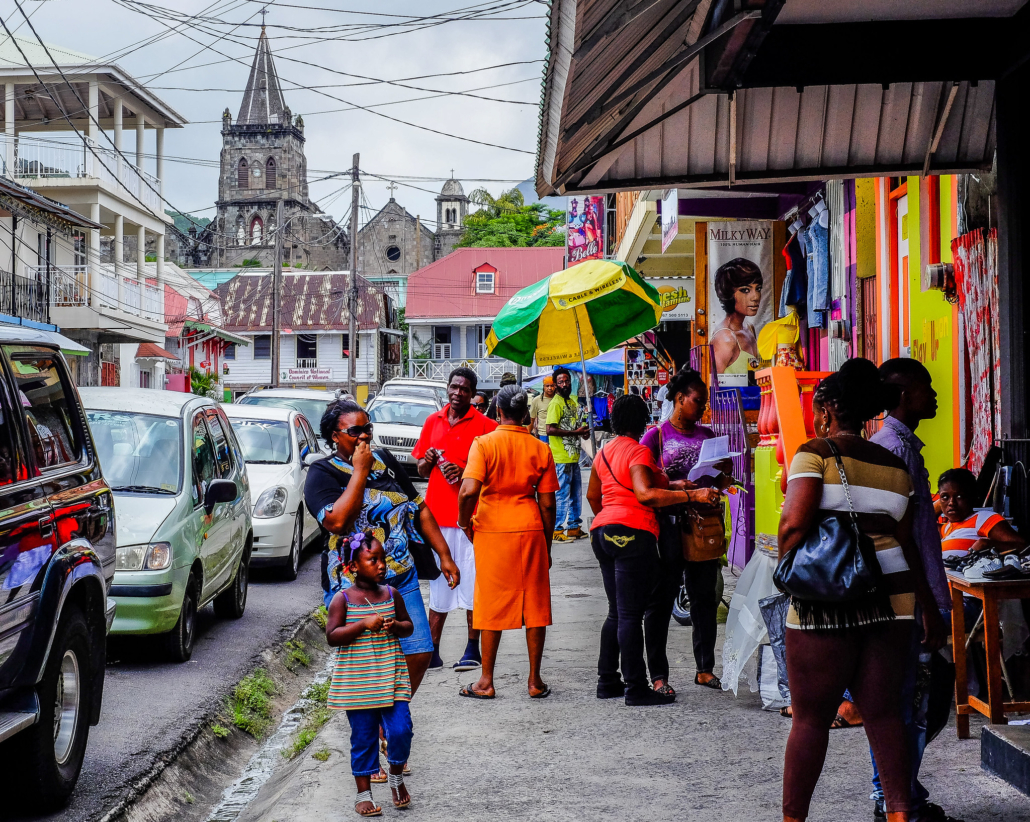
Photo: Flickr
October 19, 2025
https://borgenproject.org/wp-content/uploads/borgen-project-logo.svg 0 0 Hemant Gupta https://borgenproject.org/wp-content/uploads/borgen-project-logo.svg Hemant Gupta2025-10-19 01:30:402025-10-19 01:21:07HIV in Zimbabwe
Global Poverty, Health, HIV/AIDS

HIV in the Central African Republic

HIV in the Central African RepublicThe Central African Republic (CAR), located in the heart of the continent, has long faced a severe HIV epidemic. While HIV has largely dwindled in threat in the West, it remains the primary cause of mortality in the CAR. In 2019, there were 4,800 deaths and 110,000 people overall living with the disease in the nation.

This epidemic has been declared a national crisis, one intensified by the lasting and prevalent stigma shadowing HIV. This fatally impacts treatment access for people living with HIV (PLHIV) in the Central African Republic. To understand and combat this situation, initiatives in the CAR piloted by Médecins Sans Frontières (MSF) and UNICEF focus on eradicating stigma-based prejudices through community-based aid. Their programs validate the significant impact of providing psychological support to PLHIV, especially in a situation that may feel hopeless.

HIV-Related Stigma

The 2018 PLHIV Stigma Index found that 87% of PLHIV experienced discrimination that affected their daily lives. The health care sector in the CAR is severely underfunded, resulting in insufficient (or sometimes zero) government-led ethics training being delivered to workers.

As a result, these professionals develop inaccurate beliefs about transmission causes and harbor fear-based prejudices against PLHIV. Hence, incidents such as humiliating comments, disclosure of HIV status and alienation from health care professionals affect PLHIV, with 12% avoiding health centers because of their status.

PLHIV in the CAR not only fear discriminatory professional care, but also fear being “found out” by their peers — an exposure that can lead to consequences such as social marginalization, family rejection or even violence from intimate partners. This double barrier creates a deep-seated fear, resulting in fatal disengagement from care, a challenge foreign aid organizations are working to address.

Antiretroviral Treatment

Campaigns across the CAR focus on utilizing community support groups to improve adherence to antiretroviral medicine (ARV) treatment plans. This medication can reduce levels of HIV to an undetectable level and protect the immune system. Thus, without access to it, PLHIV may experience numerous fatal complications and a risk to their quality of life.

However, MSF reported that, in 2016, only 18% of PLHIV in the CAR were actively undergoing ARV treatment provided by the CAR government. It found that by the time the majority of patients begin treatment, their immune systems are too badly compromised and they are already suffering from advanced and unmanageable AIDS. Chillingly, this is the case for two-thirds of PLHIV in the CAR.

Community Groups

The E Bata Guigui (Let Us Protect Life) group, initiated in 2018 by UNICEF in the CAR’s capital city, Bangui, promotes treatment through offering empathy and reassurance for PLHIV. The campaign consists of 2,000 young people offering peer solidarity, encouragement for testing and accompaniment through treatment appointments and journeys.

Results show that more young people aged 0-14 with HIV in the CAR have access to treatment, even after being deterred by their local clinics. Evidently, treating PLHIV with humanity can often be life-saving.

In 2019, MSF launched its Community Groups initiative across West Africa. The program allows one member to collect drug refills on behalf of the group, improving adherence and access to long-term treatment. Its stigma-sensitive approach — centered on self-management and peer support — has led to an increase in viral suppression and patient follow-up rates. Within a year of implementation, more than 1,800 patients had begun HIV treatment and 558 new cases were diagnosed.

Positive Changes

The milestones achieved by Community Group programs surrounding early diagnosis, medication uptake and treatment adherence show valuable strides toward a brighter, healthier future for PLHIV in the CAR. While challenges remain, the progress made in tackling widespread discrimination, through greater acceptance and enhanced psychological support, has already bettered both physical and mental health outcomes, delivering hope to those who once felt there was none.

– Emily Wooster

Emily is based in Birmingham, UK and focuses on Good News and Global Health for The Borgen Project.

Photo: Flickr

October 14, 2025
https://borgenproject.org/wp-content/uploads/borgen-project-logo.svg 0 0 Hemant Gupta https://borgenproject.org/wp-content/uploads/borgen-project-logo.svg Hemant Gupta2025-10-14 03:00:352025-10-14 01:39:57HIV in the Central African Republic
Global Health, Global Poverty, HIV/AIDS

HIV/AIDS in Guatemala

hiv/Aids in guatemalaHIV/AIDS has been one of the most taboo diseases to date, with many having negative attitudes and beliefs about people who have it. Harmful stereotypes about HIV/AIDS have prevented those who need help from getting the proper treatment they deserve. In Guatemala, this is no different. This article will explain the facts about HIV/AIDS in Guatemala as well as what it’s like to live with the disease.

HIV/AIDS Has Steadily Been Rising Since 1990

HIV/AIDS has affected the lives of more than 30,000 registered citizens in Guatemala since 1990. In 1990, the case toll was 8,000. However, in 2024, an estimated 33,000 citizens contracted HIV/AIDS. Of this 33,000, around 21,000 men and 12,000 women are living with HIV/AIDS. While homosexuality is legal, laws to protect LGBTQ+ citizens are not comprehensive. This has led to discrimination among LGBTQ+ citizens, which further stigmatizes diseases such as HIV/AIDS. According to Lokal Travel, “Despite legal acceptance, the LGBT community often faces discrimination and, in some cases, violence.” Because of this, having a disease such as HIV/AIDS can not only come with discrimination, but

also violence that could be life-threatening.

Highest Rates of HIV/AIDS

Queer men and transgender women are the most at-risk individuals to contract HIV/AIDS. This is because comprehensive sex education isn’t taught, leading to a lack of protection being used during sex. UNAIDS reports that “ the HIV prevalence rate is 22.2% among the transgender population, compared to 0.2% for the general population.” It also reports that even though rates among the general population for HIV/AIDS are beginning to decrease, transgender women are still contracting the disease at the same rate as before. This highlights the lack of protection transgender women face within healthcare in Guatemala.

Stigma Surrounding HIV/AIDS Testing Is High

Getting tested for HIV/AIDS is crucial to preventing the disease from spreading. If caught in the early stages, HIV can be managed through medication, making the person undetectable to others. However, without testing, the disease will continue to cause havoc within the person’s body. UNAIDS reports that around 47%-73% of transgender women avoid being tested due to the stigma surrounding HIV/AIDS in Guatemala. This stigma can further result in mental health issues such as anxiety and depression, forming within citizens living with HIV/AIDS in Guatemala.

HIV Clinics

According to AIDS Health, AHF has built clinics in Guatemala to help promote citizens being tested for HIV/AIDS. The clinic can offer ARV treatments to those living with HIV/AIDS in Guatemala. This helps those living with HIV/AIDS have access to life-saving treatment without having to pay a fortune. Because of this, over the past years, the clinics have performed more than 600,00 rapid tests across various settings, a monumental achievement that has been able to reduce some of the stigma surrounding HIV/AIDS and allow citizens to feel comfortable being tested and treated.

HIV/AIDS Can Affect Anyone

Miscommunication about HIV/AIDS has been raging since the 1980s. Many people hold false assumptions that only queer men can contract HIV/AIDS. However, they’re excluding a large chunk of the vulnerable population.

According to The MANGUA Project, “HIV prevalence among other vulnerable groups is 18% in people with tuberculosis (TB), 13% in prison populations, and 3.3% among youth at social risk,” showing how people who are in vulnerable positions are equally at risk for HIV/AIDS. This is important to emphasize so that HIV/AIDS can become destigmatized. It can show that anyone can contract HIV/AIDS if they are in an unsafe situation.

– Alexis Thomas

Alexis is based in Author’s City and State: Raleigh,NC/Wake, USA and focuses on Global Health for The Borgen Project.

Photo: Flickr
September 24, 2025
https://borgenproject.org/wp-content/uploads/borgen-project-logo.svg 0 0 Naida Jahic https://borgenproject.org/wp-content/uploads/borgen-project-logo.svg Naida Jahic2025-09-24 07:30:012025-09-24 01:21:16HIV/AIDS in Guatemala
Global Poverty, Health, HIV/AIDS

HIV/AIDS in Slovenia: A Case of Universal Treatment

HIVAIDS in SloveniaSlovenia is a success story in many aspects of development, and their success in keeping HIV prevalence low is no different. Universal access to treatment, a focused prevention strategy and gradually decreasing stigma surrounding HIV/AIDS have coalesced to form a unified approach.

HIV/AIDS in Slovenia has failed to escalate into a dominant issue, largely thanks to significant progress in addressing broader inequality, with Slovenia having one of the lowest income inequalities in the European Union. With this foundation, Slovenia is a great illustration of how reducing social and economic inequality has helped to mitigate HIV/AIDS rates.

A Foundation of Effective Treatment

As of 2022, the HIV/AIDS prevalence rate of the Slovenian population between 15-49 was 0.1%, with the most affected group being men who have sex with men (MSM). While there was a rapid increase in MSM cases by 2008, prevalence has remained low due to strong, universal access to treatment which encompasses Slovenian citizens and migrants with employment status.

Strong public health frameworks across the country ensures access to treatment is viable for most of the population with citizens, migrant workers, asylum seekers and refugees receiving comprehensive medical services, including HIV care.

The Infectious Disease Clinic at the medical faculty for University of Ljubljana leads the way for active antiretroviral therapy with voluntary clinics and testing centers available across the country to ensure treatment can be effective through early diagnosis.

Prioritizing Prevention Key to Success

Alongside universal access to treatment, continuous focus on prevention has enabled transmission rates to be continuously low, promoting safe behavior regarding sexual activity. The Institute of Public Health in Slovenia has continued to promote educational messages annually to align with World AIDS Day, encouraging awareness through mainstream public health messages to destigmatize the issue.

Initiatives in primary and secondary schools have also contributed to an effective prevention strategy, distributing HIV education materials and encouraging condom use more broadly. A significant increase in condom use in Slovenia demonstrated that, at least in heterosexual contexts, HIV related promotion surrounding condom use was effective. Despite the culmination of these disparate efforts succeeding in maintaining low HIV prevalence, deep-rooted stigmas remain that threaten to entrench social inequalities.

The Power of Stigma

There is an evident stigma attached to HIV/AIDS in Slovenia, which relates to broader conservatism in the country. While that has gradually receded, it is still prominent. A significant number of people in Slovenia conceal their HIV-positive status out of fear of discrimination. Lingering stigma and discrimination are one of the primary barriers in completely eradicating HIV infections, including discrimination within public health care settings.

Slovenia holds solutions to these issues though and one includes the work of non-governmental organizations (NGOs). Legebitra is an NGO based in Slovenia’s capital city of Ljubljana. It has spearheaded programs surrounding HIV prevention and treatment since 2009, opening multiple HIV and STI testing clinics across Ljubljana and other major cities in Slovenia.

It is not only testing where Legebitra has made an impact, but its educational programs are vital at addressing stigmatized issues. Its “HIV+” program has provided counselling to people living with HIV, as well as increasing awareness of taboo subjects which endanger marginalized groups. Crucially, Legebitra offers its testing services and educational programs for free, ensuring that people living in poverty do not suffer the intersectional consequences of low socio-economic status and discrimination.

A Nation Moving Forward

Grassroots, community-based educational messaging and maintaining accessible treatment for deprived groups has softened stigma surrounding HIV. There is a correlation between poverty rates and HIV prevalence, stemming from socio-economic inequalities affecting vulnerable populations such as migrants and the unemployed. Slovenia’s health care policy of providing comprehensive HIV care to migrant workers and asylum seekers has enabled marginalized communities to have access to sufficient care, demonstrating that Slovenia’s progress towards social progression has helped to mitigate HIV infections.

Focusing on cases involving MSM has proved a prudent strategy, with HIV prevalence remaining low despite the initial increase in cases from 2006. Efforts made to psychologically support vulnerable groups at risk from HIV and provide free treatment has supplemented Slovenia’s broader trend of mitigating inequalities and ensuring that while HIV/AIDS in Slovenia is not a universal problem, everyone has the universal right to access help.

– Oscar McClintock

Oscar is based in Cambridge, UK and focuses on Global Health for The Borgen Project.

Photo: Unsplash

September 20, 2025
https://borgenproject.org/wp-content/uploads/borgen-project-logo.svg 0 0 Jennifer Philipp https://borgenproject.org/wp-content/uploads/borgen-project-logo.svg Jennifer Philipp2025-09-20 01:30:542025-09-19 15:00:15HIV/AIDS in Slovenia: A Case of Universal Treatment
Disease, Global Poverty, HIV/AIDS

Addressing HIV/AIDS in Kazakhstan

HIV/AIDS in KazakhstanKazakhstan is a large Central Asian country, bordering Russia at its north, and Uzbekistan and Kyrgyzstan at its south. It is a developing country, and international aid plays a large part in disease control. HIV/AIDS in Kazakhstan has been a growing problem for years. A combination of domestic and international aid has been successfully active in Kazakhstan, but this problem is very much ongoing. Furthermore, U.S. budget cuts are threatening aid which Kazakhstan relies on.

Overview of HIV/AIDS in Kazakhstan

The Eastern Europe and Central Asian region (EECA) is the only region in the world where HIV and AIDS infections, as well as AIDS-related deaths, are still rising. A study carried out under Dove Press shows a consistent increase in the percentage of the Kazakh population living with HIV since 2010 – 0.12% of the population in 2010, and 0.27% in 2020. As of 2024, around 43,000 adults aged above 15 live with HIV in Kazakhstan.

Poverty also has some correlation with HIV/AIDS in Kazakhstan. Sex workers are at higher risk of infection, a lifestyle which is generally a product of poverty and desperation. Furthermore, drug-users are at higher risk of HIV than non-drug-users, another practice which has links – cause or effect – to poverty. One way in which Kazakhstan could indirectly address its HIV/AIDS problem would be to help the poorest, and bring people out of particularly vulnerable situations.

There are reasons for optimism: 

  • The HIV epidemic in Kazakhstan is isolated to certain groups, such as people who inject drugs, or men who have sex with other men. It is not a population-wide epidemic, and therefore eradication is more easily attainable. 
  • According to UNAIDS, in 2024, there was a 2% decrease in new HIV cases compared to 2010.
  • The international community is helping Kazakhstan in a number of ways.

The Importance of International Aid

There are multiple NGOs and state-funded organizations which have helped and are helping Kazakhstan. These include:

Centers for Disease Control and Prevention (CDC): CDC is a U.S.-based and government funded organization which works globally. In 2005, the U.S. President’s Emergency Plan for AIDS Relief (PEPFAR) implemented actions, and since then, CDC has supported Kazakh domestic organizations, such as KSCDID, in researching and treating HIV/AIDS in Kazakhstan:

  • CDC has improved online services, making information accessible to the Kazakh population and encouraging informed decision-making.
  • CDC supports five HIV treatment facilities with funding and technology. These accounted for 5,234 patients in 2024, a 34% increase since 2019.
  • CDC claims to have supplied effective treatment to more than 20,000 infected people in Kazakhstan, in collaboration with its government.

The UNDP: The UN Development Program (UNDP) has helped to modernize health care in Kazakhstan:

  • Invested in modern, effective equipment for PCR testing in 15 different AIDS centers across Kazakhstan.
  • Pushed HIV and AIDS testing towards automation – less direct contact with doctors results in lower likelihood of human error or even further spread of infection.

USAID: This was an organization created under President Bush. It is credited with saving 25 million lives worldwide through its work on HIV and AIDS, and was very influential in Kazakhstan:

  • USAID allocated more than $15 million USD to Kazakhstan in 2024. About $8.8 million USD out of this total was invested in health care, with the rest being split between goals such as upholding human rights, stimulating economic development and maintaining peace.
  • In 2020, USAID launched a flagship project in Kazakhstan which tested more than 10,000 people for HIV/AIDS, 600 of which were positive. This project also granted life-saving health care to more than 3,000 people living with HIV.

Threat to International Aid

This year, President Trump aims to decrease government spending by $9 billion USD. One victim of these cuts is USAID, which had to shut down in July 2025 due to lack of funding. Both former-presidents Bush and Obama have condemned this action.

The organization UNAIDS particularly focuses on the significance of the U.S. funding, and impact of the cuts. It projects a 90% reduction in HIV testing and outreach in two regions of Kazakhstan, accounting for 20% of the drug-using population and 9% of men who have sex with men.

The morale of the Kazakh people is another important factor. The fear of HIV and AIDS negatively affects the population, and UNAIDS highlights the significance and growth of this fear with the introduction of the temporary U.S. funding freeze in March 2025, even before the cuts have been fully implemented.

Reasons to Be Optimistic

Under these threatening circumstances, there are multiple actors working to soften the potential blows as much as possible. For example, the Government of Kazakhstan is committed to filling the gaps that the U.S. left with domestic funding. The government already covered 95% of the costs of HIV research and treatment, and so were not entirely reliant on the CDC before the cuts.

Communities in Kazakhstan are also mobilizing. There has been increased volunteering, as well as outreach workers moving to AIDS centers. There has also been dialogue with the Global Fund, which could help in the place of U.S. aid.

Meanwhile, in the case of the U.S. Government, in July 2025, U.S. senators said that they would end a plan to cut $400 million dollars from PEPFAR funding, a decision which many experts are relieved about. This should significantly lessen the potential impact of the cuts on HIV and AIDS relief, in Kazakhstan and across the world.

Looking Ahead

In summary, while HIV/AIDS in Kazakhstan is a significant problem, and the threats to international aid funding are of further concern, there is cause for optimism. The people of Kazakhstan, as well as the international community, are adapting and making the best of their situation.

– Oliver Evans

Oliver is based in Devon, United UK and focuses on Global Health for The Borgen Project.

Photo: Flickr
September 6, 2025
https://borgenproject.org/wp-content/uploads/borgen-project-logo.svg 0 0 Jennifer Philipp https://borgenproject.org/wp-content/uploads/borgen-project-logo.svg Jennifer Philipp2025-09-06 03:00:412025-09-05 15:12:48Addressing HIV/AIDS in Kazakhstan
Global Poverty, HIV/AIDS, Nonprofit Organizations and NGOs

Jars of Clay and Blood:Water Aid To Africa

Jars of ClayIn the early days of their shows, the three-time GRAMMY-winning band Jars of Clay encouraged audiences to support the humanitarian organization World Vision by citing statistics about AIDS in Africa. Youth group members and parents would visit the tables and sign up, creating what Jars of Clay singer Dan Haseltine described as a movement of “activists for a day.” Haseltine was trying to turn his concern for global issues into tangible action. 

In 2002, Haseltine took a 10-day trip to South Africa, Malawi and Zimbabwe, where he witnessed the devastation caused by the water crisis as well as the AIDS epidemic. That experience led him to start the company Blood:Water, which has now been around for more than 20 years and has raised $45 million to address the water crisis and the HIV/AIDS epidemic in more than 12 African countries, supporting more than 1 million people in their fight for clean water and good health.

Blood:Water’s Local Aid Policy

One of the things that sets Blood:Water apart is that while most nongovernmental organizations (NGOs) and charitable organizations only allow 14% of funding from international donors to go to local organizations in Africa, the organization prioritizes working locally. Over the last 20 years, it has funded 33 partner organizations. As Jake Smith, executive director of Blood:Water, explains, “At Blood:Water, we’ve learned over time that the best way to create lasting change in communities, whether here at home or across the world, is to begin with the people closest to the issues themselves.”

Another factor that has made Blood:Water a successful and reputable organization is its model for action. To remain faithful to the communities it serves, the organization maintains an eight-year funding commitment. It seeks out, vets and partners with organizations in East and Southern Africa, providing long-term organizational strengthening and flexible financial support. In particular, Blood:Water applies a specific Institutional Developmental Framework (IDF) to ensure grants are directed where they can best support the health and growth of both the organizations and the people they serve.

The Progress So Far

Since its inception in 2004, Blood:Water has witnessed major advances in technology surrounding both clean water and the AIDS epidemic in Africa. “Unprecedented investment in the HIV/AIDS sector has transformed the nature of the disease from a death sentence to a chronically manageable illness. Water has grown into a robust sector, integrating hygiene and sanitation and is now one of many available interventions that impact the quality and length of life for a person living with HIV/AIDS.”

While much of what Blood:Water set out to accomplish has been achieved, the organization remains committed to the growth of Southern and Eastern Africa through strategic partnerships. Along with the United Nations Programme on HIV/AIDS (UNAIDS), Blood:Water is aiming to reduce new HIV infections by 90% by 2030.

Looking Ahead

Jars of Clay and Dan Haseltine began a journey at the turn of the century not just as musicians sharing their dreams and concerns with listeners, but by putting action to their concern for the world’s most vulnerable people. After more than 20 years, they are still going strong with their organization Blood:Water, which has provided nearly 1 million people with access to safe water, trained more than 1 million people in hygiene and sanitation practices and supported at least 700,000 people with HIV treatment or prevention services.

– Gregory Walker

Gregory Walker is based in York, PA, USA and focuses on Celebs for The Borgen Project.

Photo: Flickr

September 3, 2025
https://borgenproject.org/wp-content/uploads/borgen-project-logo.svg 0 0 Precious Sheidu https://borgenproject.org/wp-content/uploads/borgen-project-logo.svg Precious Sheidu2025-09-03 03:00:092025-09-02 14:04:57Jars of Clay and Blood:Water Aid To Africa
Global Poverty, Health, HIV/AIDS

HIV/AIDS in Slovakia: How Prevention Keeps Rates Low

HIV/AIDS in SlovakiaHIV/AIDS in Slovakia remains among the lowest in Europe, demonstrating how prevention, testing and treatment can keep infection rates under control. Strong public health policies, accessible care and community initiatives continue to drive this success story. Yet, some vulnerable groups facing poverty may still struggle to receive support. However, Slovakia’s progress demonstrates how addressing inequality is key to sustaining low infection rates.

Low Infection Rates Provide a Strong Foundation

  • Slovaks between the ages of 15-49 have an incredibly low rate of HIV, falling below 0.1%.
  • While the incidence rate doubled from 2014 to 2015, new infection rates have stabilized at approximately 0.02 per 1,000 uninfected individuals, reflecting effective public health efforts.
  • From 2019 to 2023, Slovakia’s HIV rate averaged 2.44 per 100,000, exactly half the EU/EEA average of 4.88.      
  • In 2022, a total of 67% of HIV diagnoses were previous positives (already diagnosed beforehand), meaning around 19% were newly diagnosed. Slovakia ranked the second lowest for newly diagnosed rates in Europe, just after Ireland; this was consistent in 2023, too.      
  • The EU/EEA reported 24,731 HIV diagnoses in 2023, while Slovakia reported only 142 cases (similar to 2022 data), highlighting Slovakia’s low contribution to the total. Additionally, there has been a decrease of 61 Slovakian diagnoses between 2023 and 2022.

Early Testing Detects Cases Sooner

Early diagnosis and effective antiretroviral therapy (ART) are two key benefits of early testing. Slovakia emphasizes voluntary testing through mobile clinics and testing centers located throughout the country, which is crucial for preventing transmission.

Five HIV/AIDS treatment centers operate in Bratislava, Košice, Martin, Nitra and Banská Bystrica. Bratislava accounts for 68% of patients. Services are free of charge regardless of insurance or employment, including for refugees.

Treatment Coverage Continues to Grow

The five centers provide life-saving treatment to those living with HIV/AIDS in Slovakia, ensuring care is accessible and available. A 2021 case study of 117 Slovaks with HIV showed that 89.4% received ART, and 85.1% expressed satisfied with it.

In October 2019, health care providers treated 895 individuals in Slovakia for HIV. Worldwide, researchers and health care providers have made much progress in HIV treatment over the past four decades.

Education and Awareness Campaigns Reach Key Groups

Despite progress, stigma is high surrounding HIV/AIDS in Slovakia. Many people do not share their diagnosis or attempt to ignore and hide their symptoms.

Out of 117 individuals, 60% hide their HIV medication, with only 2.9% willing to openly talk about it. Meanwhile, about 31.6% reported that people stigmatized and discriminated against them, especially dentists who refused to treat them.

People may discriminate against those living with HIV/AIDS in Slovakia through physical abuse, harassment and denial of housing, which can cause severe mental health challenges. However, public individuals, such as former Princess Diana of the U.K., have often fought the stigma surrounding the diseases. Princess Diana challenged these views when she opened the U.K.’s first dedicated HIV/AIDS unit in London in 1987, showing compassion towards patients and challenging misconceptions.

NGOS and Community Initiatives Make an Impact

NGOs addressing HIV/AIDS in Slovakia also play a vital role in reducing stigma and supporting vulnerable groups. These include:

  • Dom Svelta Slovakia: Formed in 2013, this organization fights stigma, educates communities and enforces the human rights of those living with HIV. In 2024, it provided 2,610 tests with 886 specifically being for HIV.
  • Odyseus: Odyseus formed in 1997 and provides outreach to sex workers, young people and other vulnerable groups living with HIV/AIDS, contributing to social inclusion through activities. It had 472 new visitors in 2024.
  • Prima: Prima formed in 1998 and offers anonymous HIV rapid testing with test counselling and result counselling from its trained medical staff, as well as social assistance. It also provides informative materials for schools and teachers on preventative activities for students.

All the services at these NGOs are free of charge, meaning that even those experiencing poverty can still access support and treatment. These NGOs play vital roles in reducing stigma, encouraging treatment and helping those whom traditional health care facilities may not, all while keeping infection rates low through direct community engagement.

Poverty and HIV/AIDS in Slovakia

Poverty and inequality influence HIV/AIDS in Slovakia. Migrants, sex workers and individuals with low incomes often face barriers accessing health care and sufficient education, consequently increasing their vulnerability to catching HIV/AIDS. However, the above NGOs and many more bridge this gap by offering their free support programs and tests.

Slovakia was found to be the second-poorest country in the EU in 2023, with senior individuals affected the most. Poverty and HIV/AIDS are interconnected, where poverty increases the chances of HIV/AIDS and HIV/AIDS increases poverty. Individuals with lower income or education are more prone to catching HIV/AIDS due to a lack of information and prevention or due to being homeless. Then, HIV/AIDS can easily slow economic growth, resulting in poverty.

Looking Ahead

HIV/AIDS in Slovakia remains low, with infection rates under control. Strong public health policies, accessible treatment and active community engagement drive this success story. For those facing poverty and inequality, access to care can be more challenging. However, NGOs are supporting these vulnerable groups.

– Rebecca Lamb-Busby

Rebecca is based in Hull, UK and focuses on Good News and Global Health for The Borgen Project.

Photo: Wikimedia Commons

August 30, 2025
https://borgenproject.org/wp-content/uploads/borgen-project-logo.svg 0 0 Jennifer Philipp https://borgenproject.org/wp-content/uploads/borgen-project-logo.svg Jennifer Philipp2025-08-30 07:30:072025-08-30 02:31:21HIV/AIDS in Slovakia: How Prevention Keeps Rates Low
Education, Global Poverty, HIV/AIDS

Namibia’s Resilience: USAID Programs in Namibia

USAID Programs in NamibiaIn light of USAID cuts and freezes, Namibia is delivering the Reach Namibia program, Lifeline Namibia and early childhood development initiatives. These three USAID programs in Namibia raise awareness about the importance of protecting and empowering the disadvantaged groups within Namibia’s youth.

About HIV/AIDS in Namibia 

HIV/AIDS is particularly prevalent in Southern Africa, with Namibia having a high rate, as there are 210,000 cases, of whom 7,700 are children. Young girls and women, sex workers, men who have sex with men and trans Namibians remain the most vulnerable groups at risk of HIV.  Namibia has been at the forefront of controlling the epidemic, especially the massive progress in almost eliminating mother-to-child transmission rates. Through antiretroviral therapy, HIV positive pregnant and breastfeeding mothers, 96% of newborn children were born free of the disease, yet the stigma and infection rates remain a challenge and are being tackled by leading programs which focus on the vulnerable groups in Namibia’s youth. 

Reach Namibia

The first of the USAID programs in Namibia is Reach Namibia. Built on the foundations of the Dreams Hope program, Reach Namibia is an extension of the original program which aims to reduce the number of HIV/AIDS infections amongst young girls. It also empowers them with social protection, education, economic skills and reproductive services, in turn dismantling the stigma of adolescent children having HIV. 

While overlapping in its goals and initiatives with Dreams Hope, Reach Namibia is gender inclusive for all HIV vulnerable children. By providing extensive health and social services, the program creates short-term and long-term support, including access to medical attention and equipping them with life skills. This increases their chances of accessing education, the job market and health services.

Reach Namibia offers job training courses from plumbing and bricklaying to baking and banking. Not only does this directly increase young people’s future opportunities, but it also tackles the stigma against young victims of HIV. Instead of others defining them by their disease, they become defined as hard-working and qualified young people, who manage the disease. Additionally, the program offers internships and placements to graduates, which are structured around the realistic job market. Therefore, it has an extensive socio-economic reach as well as providing health care. Reach Namibia addresses and tackles different issues within society simultaneously while empowering the most at-risk children and developing a resilient and hard-working generation.

Lifeline/Childline Namibia 

Lifeline/Childline Namibia is a child-centered crisis helpline and child wellbeing organization in Namibia. USAID Health Evaluation and Applied Research Development supports the larger national strategy for parents and caregivers. Following the 2019 Violence Against Children and Youth Survey, which demonstrated that young children experienced a form of violence, 40% of Namibian girls and 45% of boys suffered from emotional, physical and sexual abuse in their childhood.

Zelanidia de Waal, a consultant at Childline, reinforces their goal of “empowering caregivers to break cycles of violence in their families and communities.” As such, Childline goes beyond the family structures, encouraging the communities of caregivers gives vulnerable children an outlet and support system outside of their homes. Between 2021 and 2023, Childline achieved a 51% response rate and showed continuous operational progression alongside increased referrals from government entities, reinforcing its collaborative efforts. For parents and caregivers, Childline provides information booklets which address parenting support, communications, gender norms, social media safety and child protection. Service providers distribute these resources and have an equal responsibility to supply caregivers with the necessary information and education. Ultimately, this will create a safer future for Namibia’s youth.

The Integrated Childhood Development Program

The Integrated Childhood Development Program (ICDP) prepares children for their transition from foundational learning to formal education. Namibia faces a significant challenge with many children failing to meet appropriate age learning levels. This is especially difficult for children with physical or educational disabilities or children who come from rural or disadvantaged backgrounds. ICDP specifically targets these vulnerable groups.

With an emphasis on early investment, the program highlights that “children aged 0-8 years are essential and highly effective.” The importance of addressing all stages of early development is highlighted, not just regarding education but by children’s emotional, social and speech development as well. UNICEF conducted the program’s research and worked with parents across Namibia to get direct access and insights, making the program relevant, accurate and trustworthy. From 2016-2022, UNICEF states that at least 50% of children entering Grade 1 went on to attend primary school. ICDP relies on a collaborative effort involving the government and communities, the private sector and parents. The comprehensive approach effectively ensures that early child development and education remain inclusive and empower vulnerable children across the country.

Looking Ahead

All three USAID programs in Namibia target different aspects of a child’s development from their early stages to their entry into higher education and the workforce. With a concentration on the vulnerable groups, Namibia and USAID’s efforts to reduce their exposure to HIV/AIDS, increase their access to education and develop their future prospects has been effective. In particular, the focus on parent-driven research and collaboration, addresses systemic issues. While creating relevant initiatives which are trustworthy, both vulnerable children, parents, caregivers and communities are able to access and act to protect and empower disadvantaged children across Namibia. 

– Jule Riemenschneider

Jule is Oxford, UK and focuses on Good News for The Borgen Project.

Photo: Unsplash

August 19, 2025
https://borgenproject.org/wp-content/uploads/borgen-project-logo.svg 0 0 Jennifer Philipp https://borgenproject.org/wp-content/uploads/borgen-project-logo.svg Jennifer Philipp2025-08-19 03:00:322025-08-18 10:53:55Namibia’s Resilience: USAID Programs in Namibia
Page 3 of 8‹12345›»

Get Smarter

  • Global Poverty 101
  • Global Poverty… The Good News
  • Global Poverty & U.S. Jobs
  • Global Poverty and National Security
  • Innovative Solutions to Poverty
  • Global Poverty & Aid FAQ’s
Search Search

Take Action

  • Call Congress
  • Email Congress
  • Donate
  • 30 Ways to Help
  • Volunteer Ops
  • Internships
  • Courses & Certificates
  • The Podcast
Borgen Project

“The Borgen Project is an incredible nonprofit organization that is addressing poverty and hunger and working towards ending them.”

-The Huffington Post

Inside The Borgen Project

  • Contact
  • About
  • Financials
  • President
  • Board of Directors
  • Board of Advisors

International Links

  • UK Email Parliament
  • UK Donate
  • Canada Email Parliament

Get Smarter

  • Global Poverty 101
  • Global Poverty… The Good News
  • Global Poverty & U.S. Jobs
  • Global Poverty and National Security
  • Innovative Solutions to Poverty
  • Global Poverty & Aid FAQ’s

Ways to Help

  • Call Congress
  • Email Congress
  • Donate
  • 30 Ways to Help
  • Volunteer Ops
  • Internships
  • Courses & Certificates
  • The Podcast
Scroll to top Scroll to top Scroll to top