mRNA: A Key Breakthrough in Developing an HIV vaccine
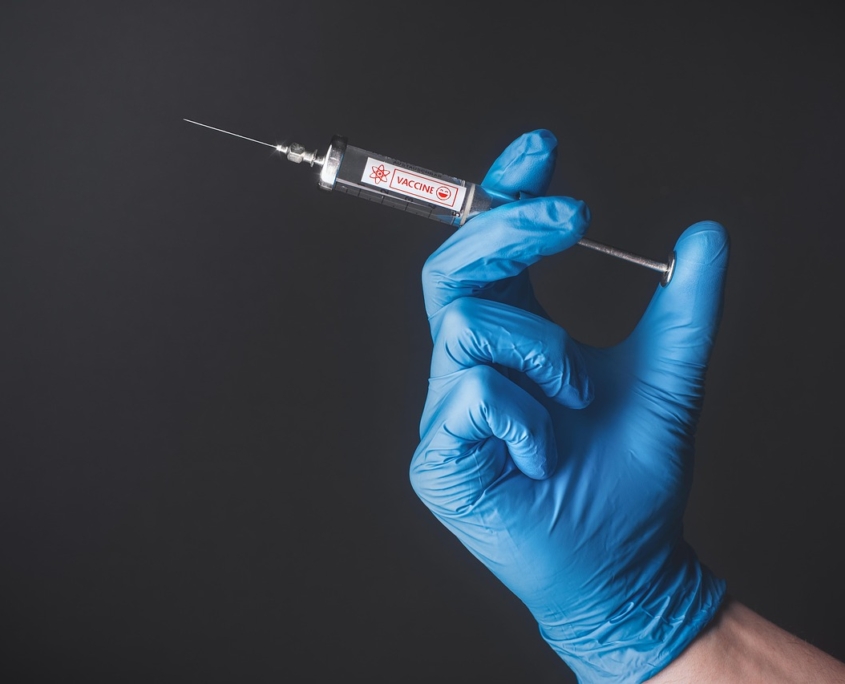 The human immunodeficiency virus, more commonly known as HIV, is one of the most widespread diseases in the world. According to the World Health Organization (WHO), HIV affects 40.8 million people around the world as of the end of 2024, and in 2024, HIV killed a total of 630,000 people. This article looks at the populations most at risk for HIV, as well as a new study that could lead to an HIV vaccine.
Populations At Risk
While anyone can contract HIV, certain groups face disproportionately higher risks due to social, economic and structural factors. Globally, key populations include gay and bisexual men, sex workers, people who inject drugs and transgender individuals—groups that often encounter stigma, limited access to health care and higher exposure to risk. The southern area of Africa has the highest rates of HIV, with the countries of Eswatini and Lesotho having the highest rates in the world at 27% and 20.5%, respectively. These statistics help paint a better picture of the people that HIV affects the most, as well as point to the need for an HIV vaccine.
HIV Vaccine: Developmental Progress
Recently, researchers published a new study in Science Translational Medicine. According to The Foundation for AIDS Research (amfAR), the tested vaccine uses an mRNA structure similar to the COVID-19 vaccine that could provide cells with the necessary information to fight an HIV infection by creating a membrane-bound version of HIV that would be easier for cells to fight, and develop an immune response that would take effect if it ever came into contact with HIV.
After successful tests in animals, human trials started. While some of the participants developed a rash as a result of the vaccine, the results were overall effective, with many people developing the necessary antibodies to fight against HIV. Overall, the tests proved that there is at least a path forward to developing an HIV vaccine. However, actions by the U.S. government led to a loss of funding, which could stall the progress of an HIV vaccine. But the progress so far shows that an HIV vaccine is possible in the future.
Looking Ahead
HIV remains a major global health concern. The recent mRNA-based study demonstrates that an HIV vaccine is within reach, offering hope that continued research and support could one day lead to a breakthrough capable of saving millions of lives worldwide.
– Charlie Means
Charlie is based in Denver, CO, USA and focuses on Good News and Global Health for The Borgen Project.
Photo: Pixabay
