Addressing HIV/AIDS in Malta
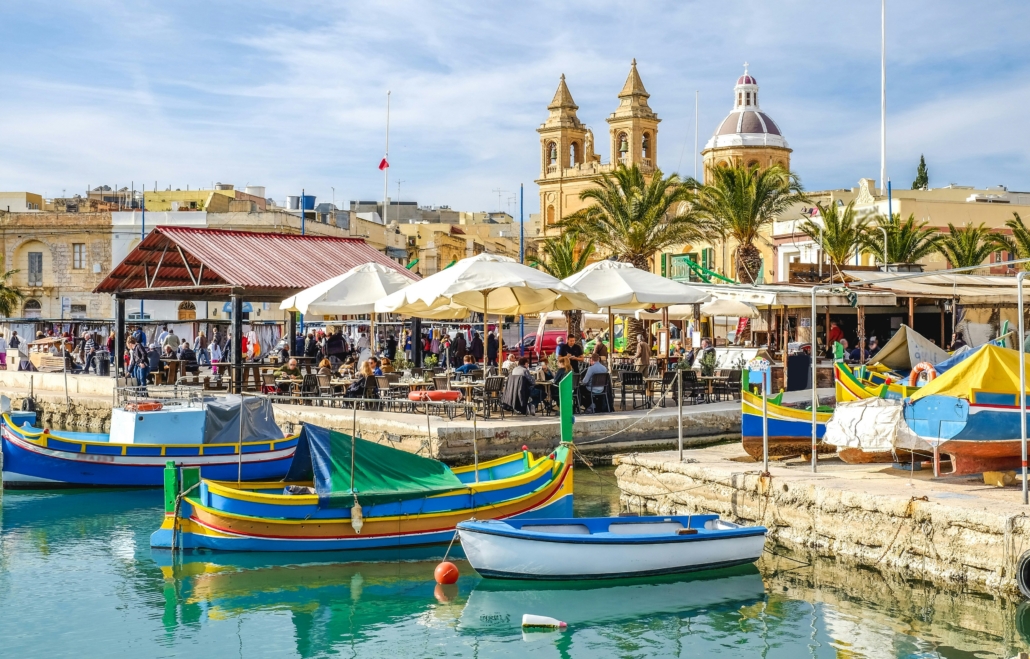 Malta is a developed island located in the Mediterranean Sea, between Sicily and North Africa. With a relatively small population, 532,956 in 2023, according to the World Health Organization (WHO), the population still suffers from HIV/AIDS diagnoses. Despite these challenges, promising progress from NGO HIV Malta and the country’s effective health care facilities and expertise continue to steady the rate of positive infections. Here is information about HIV/AIDS in Malta.
What Are HIV and AIDS?
HIV, also known as human immunodeficiency virus, is a virus that results in illness from a weakened immune system. The virus attacks healthy cells in the body, ultimately exposing the body to other infections. People most commonly spread it through unprotected sex, contact with the body fluids of someone with HIV or even when sharing injection equipment.
Eventually, if people leave it untreated, it can lead to AIDS, which stands for Acquired Immunodeficiency Syndrome. AIDS is described as the last stage of HIV, where the body’s cells and immune system are severely damaged. It can eventually lead to death if people leave it untreated during the initial HIV stage.
The Times of Malta recorded Malta’s first case of AIDS in 1984. In 1986, an estimated 25 individuals had a positive HIV test, which triggered a national health response. The Health Education Unit published leaflets named Fatti dwar 1-AIDS, to warn people of the untreatable infection. Moving into the 2000s, positive HIV tests mounted to 210 in 2003. According to The Times of Malta, “HIV was then named a notifiable infection on January 27, 2004.”
According to the HIV Justice Network, Malta passed a disease transmission law in 2005, which made it a crime for someone with an HIV infection to recklessly or intentionally pass it on to another. The sentencing powers include life imprisonment, and monthly sentences or fines.
Poverty in Malta – HIV/AIDS Prevalence Amongst Migrant Groups
While Malta’s economy continues to excel as a developed nation, poverty still affects the less fortunate, in this case, migrants fleeing their home to settle elsewhere. According to Trading Economics, Malta’s risk of poverty in 2024 reached 16.8%. Over the years, Malta has seen a fluctuating poverty rate, with both high and low peaks. Its highest recording reached 17.1% in 2019. The factors influencing poverty in Malta include variations in living conditions, unemployment rates and income inequality.
Across Malta, HIV/AIDS prevalence in migrants is more common than in nationals. To date, the country has welcomed 2,000 asylum seekers and 11,000 refugees, according to the World Health Organization (WHO). HIV testing is free for all individuals in Malta; however, if migrants receive a positive test, the treatment policy differs. Ultimately, those who do not have legal employment must pay for their treatment, resulting in higher untreated cases amongst migrants, due to high medical costs ranging between €600 to €1,500 monthly according to HIV Malta.
Background on HIV Malta
HIV Malta is a non-governmental organization working to help focus on the well-being and necessary quality of life of those with HIV/AIDS in Malta. The NGO addresses HIV in Malta by implementing educational programs, prevention methods, advocacy groups and support services. Its main aims also include:
- Relevant treatment and policy work should be carried out to improve the quality of life of those with HIV.
- Educational campaigns that provide factual, knowledge-based information.
- Making sure those with HIV can live their life with respect for their human rights.
- Providing accurate information that is scientifically proven for testing and prevention.
- Working with stakeholders in the medical sector to perfect treatment.
- Working with the community and with other NGOs with strong, compatible objectives.
Key Accomplishments and Collaborations
We Are Positive is an advocacy group that HIV Malta created in partnership with Checkpoint Malta and activist/artist Emma Grima. It aims to humanize HIV and promote sexual health in communities.
Its first artistic action, held in 2014 at the LOVE Monument in Spinola Bay, St Julian’s, included plastering the monument with 620 self-testing boxes and urging people to interact with them. The general public engaged in conversations, and people received encouragement to tell their HIV journey story. The box contained cards and stickers explaining where people could get tested. They highlighted the success of the campaign across their web page.
Checkpoint Malta also set up monthly peer support in 2024, encouraging those living with HIV to share their experiences in a confidential and safe space. Their ongoing monthly meetups provide an opportunity for people to communicate outside of medical settings.
The Future of HIV/AIDS in Malta
With HIV Malta leading as a forefront NGO in providing expertise to reduce the spread and risk of HIV transmission across Malta, the country is looking at a promising decline in infections. According to the World Health Organization (WHO), the number of new HIV infections in Malta (per 1,000 uninfected population) has remained at 0.1 per 1,000 since the 1990s up until 2024. HIV/AIDS in Malta is showing promising progress with the availability of testing methods, prevention methods and treatment from expert clinics and hospitals. However, changes to treatment availability across the country, particularly for migrants, will help tackle the decline in positive infections.
– Zara Ashraf
Zara is based in London, UK and focuses on Good News and Global Health for The Borgen Project.
Photo: Unsplash
