Behind The Numbers: The Story of HIV/AIDS in Niger
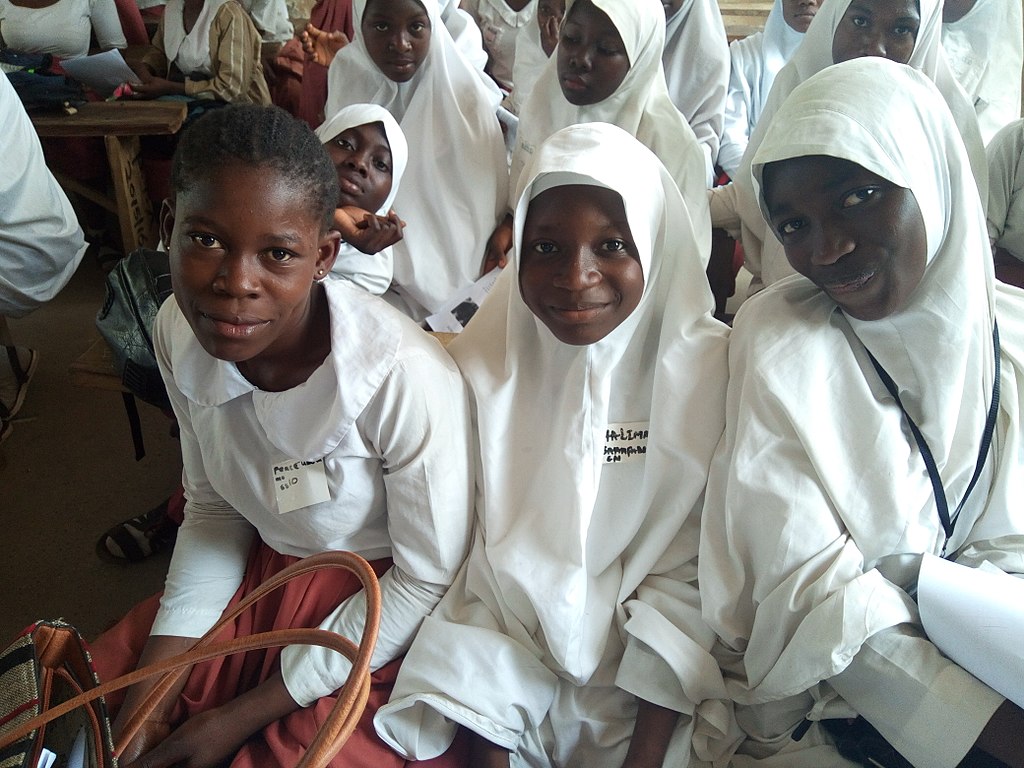 Niger has one of the lowest HIV rates in sub-Saharan Africa – but experts warn that low prevalence does not mean low risk. Behind the calm statistics lies a fragile health system, deep gender disparities and poverty that magnifies every infection.
According to the Joint United Nations Program on HIV/AIDS (UNAIDS), as of 2020, about 31,000 people in Niger live with HIV, with roughly 1,200 new infections each year. While Index Mundi cites adult prevalence remaining steady at just 0.2% as of the same period, only 68% of those infected were on antiretroviral therapy (ART), leaving nearly a third untreated. In a country where more than 40% of citizens live in extreme poverty, these gaps carry steep social and economic costs.
A Hidden Epidemic
Health officials warn that Niger’s low HIV rate masks deeper weaknesses in detection and prevention. In an interview with the University Research Co, a company focused on international development and health, Halima Mainassara, Chief of Party for the U.S. Department of Defense HIV/AIDS Prevention Program (DHAPP) in Niger, reinforced the urgency of the disease, “Every new HIV case detected is important – their contacts also need to be tested,” says Mainassara, “This ensures that all individuals who test positive will receive treatment and that the virus cannot spread further.”
Despite gains – such as the integration of HIV and tuberculosis care in 262 treatment centers – resource shortages, long travel distances and stigma over HIV/AIDS in Niger still limit testing and follow-up, according to the World Health Organization – Africa (WHO AFRO). Per the same report, mortality among TB/HIV co-infected patients fell from 21% in 2019 to 14% in 2022, but coverage remains uneven between cities and rural areas.
Gender and Youth at the Margins
Women and young girls carry most of the burden. UNAIDS data from 2021 shows they account for just under 55% of HIV cases in Niger, reflecting social inequalities that restrict education, health care access and decision-making. Early marriage, gender-based violence and limited reproductive services heighten vulnerability.
“When a woman is divorced as a result of her HIV status, it is difficult for her to keep her children,” said Sona Soumaré Conté, President of an NGO working with HIV-positive women in Niger. “Their husbands are afraid their children will not be well taken care of or will become contaminated.”
A report by the Journal of the American Medical Association (JAMA) stated that adolescents are also at risk. Knowledge about HIV prevention among young people remains low, and misconceptions persist, especially in rural communities where sexual health education is scarce.
Poverty and the Global Connection
HIV and poverty form a vicious cycle. Illness limits productivity, weakens households and deepens food insecurity. A report that UNAIDS and the World Food Programme (WFP) did in 2022 found that for families already surviving on less than $2 a day, one untreated infection can mean lost income and school dropouts.
The link extends beyond Niger. Global efforts to end extreme poverty rely on stable, healthy populations. In the same report, the World Food Programme and UNAIDS launched a joint cash-transfer project that provides small stipends (≈ US $76 per quarter) to people living with HIV to improve treatment adherence, underscoring the inseparable link between health and development.
Solutions in Action
One organization leading change is Solthis, an international Non-Governmental Organization (NGO) partnering with Niger’s Ministry of Health to strengthen HIV prevention and care. Through its Lahiyata project launched in 2023, Solthis works in Maradi and Niamey to improve sexual and reproductive health among adolescent girls, offering education, counseling and access to HIV and STI testing. In addition, Solthis technical support program helped train health workers, upgrade laboratories and expand treatment access nationwide. According to data from UNAIDS, between 2022 and 2023, more than one million pregnant women in Niger received voluntary HIV counseling and testing, linking many to lifesaving antiretroviral therapy.
Progress and the Path Ahead
Niger’s progress is real: ART coverage has grown from 26% in 2011 to 68% in 2020, likely attributed to the increase of foreign aid between 2015 and 2020 and Niger’s adoption of UNAIDS’ “90-90-90” prevention framework, and nationwide awareness campaigns are improving testing uptake. But sustainability is fragile. Most funding comes from international donors, and local programs risk collapsing if aid declines, per UNAIDS. To secure its future, Niger must expand ART coverage for HIV/AIDS in Niger, target key populations, and confront stigma through education and inclusion.
– Matt Irwin
Matt is based in Brooklyn, NY, USA and focuses on Global Health for The Borgen Project.
Photo: Wikimedia Commons
