• Link to X
  • Link to Facebook
  • Link to Instagram
  • Link to TikTok
  • Link to Youtube
  • About
    • About Us
      • President
      • Board of Directors
      • Board of Advisors
      • Financials
      • Our Methodology
      • Success Tracker
      • Contact
  • Act Now
    • 30 Ways to Help
      • Email Congress
      • Call Congress
      • Volunteer
      • Courses & Certificates
      • Be a Donor
    • Internships
      • In-Office Internships
      • Remote Internships
    • Legislation
      • Politics 101
  • The Blog
  • The Podcast
  • Magazine
  • Donate
  • Click to open the search input field Click to open the search input field Search
  • Menu Menu

Archive for category: Health

Information and stories on health topics.

COVID-19, Global Poverty, Health

Women’s SHGs Combating COVID-19 in India

Combating COVID-19 in India
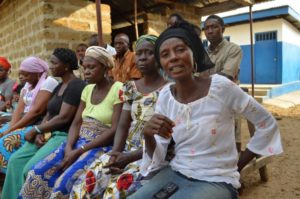
Women’s self-help groups have empowered women across rural villages in India to become self-reliant by building their skills and providing access to financial assistance, enabling them to increase their income. However, due to the COVID-19 crisis, there is a predicament of bleak income opportunities due to a lack of transport and marketing facilities to sell their produce and non-availability of credit. It has forced millions of migrants to move back to their villages from big cities due to the lack of income opportunities. With the movement of people to rural areas, there is a need to ensure proper health care, spread awareness about COVID-19 and maintain a supply of essential commodities for the people. Women’s self-help groups (SHGs) in rural areas are combating COVID-19 in India.

SHGs are informal groups of people that come together to address problems by mutually supporting and helping each other. They have been able to uplift and empower individuals by facilitating health care, education, rehabilitation, credit and campaigning. In India, there are 67 million women members of six million SHGs. The SHGs fall under the National Rural Livelihood Mission, a policy that the World Bank has aided. Here are five ways women’s self-help groups are combating COVID-19 in India.

5 Ways Women’s Self-Help Groups Are Combating COVID-19 in India

  1. Making PPE Kits and Face Masks: The women’s self-help groups in Mahabubnagar district, Telangana, were facing a slowdown in work due to the 40-day lockdown in India in March and April 2020. To revive their earning capabilities, they received the responsibility of stitching facemasks and personal protective equipment (PPE). To date, they have stitched over 550,000 masks. Similarly, many other SHGs across the country have engaged themselves in stitching PPE kits to meet the shortfall. Female members in Odisha who previously stitched school uniforms are using their skills to produce face masks. Meanwhile, in Assam, women received training to stitch facemasks using a traditional Assamese cotton towel.
  2. Producing Sanitizers and Disinfectants: In Jorhat, Assam, Rural Women Technology Park under CSIR-North East Institute of Science and Technology collaborated with female members of SHGs to produce hand sanitizers and liquid disinfectants for their families and poor people in nearby villages to control the spread of the infection. At a time of scarce job opportunities, women’s self-help groups across districts in India are training women to produce sanitizers and disinfectants using raw materials such as Dettol, ethanol, glycerin and essential oils.
  3. Delivering Essential Commodities: Women’s self-help groups have taken various initiatives to ensure the delivery of essential commodities to abide by the mandated social distancing norms. Their service includes doorstep delivery of food kits, fresh vegetables, dry rations and cooking oil as well as personal hygiene products like washing soaps and sanitary napkins. Many states have used the concept of ‘floating supermarkets’ and ‘vegetables of wheels,’ and provided women with electric vehicles. Members also support children, pregnant women and lactating mothers. Women’s self-help groups are also supporting frontline health workers in the delivery of essential child, adolescent and maternal health and nutrition-related entitlements.
  4. Feeding Poverty-Stricken People Through Community Kitchens: In Kerala, the SHGs in collaboration with the local government prepared food for the poverty-stricken families in community kitchens. The beneficiaries of these small packages of food were the migrant workers, daily wage workers and people under home quarantine. Meanwhile, in Tripura, SHGs that engaged in the catering business earlier received contracts to support the community kitchens. Additionally, women’s self-help groups in Arunachal Pradesh provided food throughout the day to the police personnel. Women’s SHGs across the country have taken various initiatives to feed those in need with the support of their local government.
  5. Spreading Information About COVID-19: Along with the spread of COVID-19, there was also a spread of misinformation concerning it across rural areas. SHGs prepared posters to create awareness about COVID-19 and the precautionary measures that people should take during the pandemic.

Women’s self-help groups have taken up various responsibilities such as spreading awareness about COVID-19, preparing sanitizers and stitching facemasks, running community kitchens as well as delivering essential food supplies. At the time of the COVID-19 crisis, women in the rural areas of India have participated meaningfully to ameliorate the predicament.

– Anandita Bardia
Photo: Flickr

July 29, 2020
https://borgenproject.org/wp-content/uploads/borgen-project-logo.svg 0 0 Kim Thelwell https://borgenproject.org/wp-content/uploads/borgen-project-logo.svg Kim Thelwell2020-07-29 12:27:142024-05-29 23:22:17Women’s SHGs Combating COVID-19 in India
Global Health, Health

6 Facts About Healthcare in Iraq

Healthcare in IraqThe Republic of Iraq is a country that previously possessed one of the most comprehensive healthcare systems in the Middle East. However, decades of war, economic crises and terror groups such as the Islamic State have stripped this once prosperous network. Although several recent initiatives have focused on rebuilding medical infrastructure, many new challenges lie ahead for the Iraqi people. Here are six relevant facts concerning the state of healthcare in Iraq.

6 Facts About Healthcare in Iraq

  1. Iraq’s healthcare system was once one of the most advanced in the region. Due to a mid-20th century oil boom, Iraq enjoyed a period of relative stability and increased development. By the 1970s, the Iraqi healthcare system was one of the most strongest and centralized institutions in the region. Many hospitals and primary care clinics offered free services to Iraqi citizens while medical professionals of the country trained at elite institutions abroad. However, the Iran-Iraq War, which consumed the region for the majority of the 1980s, prompted a steady decline in availability and quality of healthcare in Iraq. Due to mounting military casualties, damage to infrastructure and increasing debt, civilian access to quality medical care began to decrease.

  2. Healthcare personnel have been in increasingly high demand in Iraq. In recent decades, violence caused by invasions and terrorism has taken a great toll on the number of practicing medical professionals in the country. Due to the political chaos after the fall of Saddam Hussein, an estimated 15,000 Iraqi doctors left the country for richer and more stable countries. The Iraqi government now offers returning doctors easy access to employment and higher salaries. In spite of this, returners are few and far between. Hope for the Iraqi healthcare system primarily lies in the younger generation of student doctors. However, student doctors primarily seek training abroad rather than permanent employment.

  3. Many of the hospitals in Iraq are understaffed and in various states of disrepair. In the 1990s, a 90% budget cut led to the rapid degradation of equipment, buildings and the training of medical professionals. While no further budget cuts followed, the decades of war that followed did little to help. Many of the buildings were further looted. By the mid-2000s, around 33% of primary care clinics and 12% of hospitals were severely damaged. Around half of the primary care facilities in the country are currently not staffed by doctors. The majority of these buildings have no access to running water, worn-out machines and shortages of medicine along with other basic medical supplies. The doctors present are often overspecialized and in need of more thorough training.

  4. Rebuilding portions of the Iraqi healthcare system has proven to be a daunting prospect. Many factors played into the decrease in Iraqi healthcare quality. However, the 2003 U.S.-led invasion arguably had the greatest impact on current reconstruction efforts. The widespread looting, destruction of facilities and flight of numerous medical professionals negatively impacted healthcare in Iraq on a great scale. By comparison, the autonomous Kurdistan region, which has been relatively stable from 2003, has had far fewer issues in the development of medical facilities. In Iraqi Kurdistan, there was a 4.3 primary care center per 100,000 population increase from the 2012 national average of 7.4. By comparison, the rest of the country averaged around a 1.4 primary care center increase. Rebuilding the healthcare system should be a significant priority of the Iraqi government due to the lack of foreign investment.

  5. Iraq’s healthcare system has failed to control the COVID-19 outbreak due to a variety of factors. Iraq’s healthcare infrastructure has been in a difficult situation for the last several decades. To make matters worse, the COVID-19 outbreak has pressed it to its limit. There has been premature opening and easing of lockdown restrictions. As a result, cases of COVID-19 have skyrocketed in the country over recent weeks while top Iraqi medical professionals have urgently advised the opposite course of action. With 94,693 cases as of July 21, the situation in the country grows increasingly dire by the day.

  6. The nongovernmental organization Doctors Without Borders is concentrating efforts on improving the quality of healthcare in Iraq. The group has promoted initiatives with around 1,500 staff as of 2018. Support has shifted to the establishment of field hospitals providing medical support for conflict-related injuries. Additionally, the aforementioned hospitals provide support for younger children, assisting with up to 1,000 deliveries a month. Future initiatives include the provision of tuberculosis medication and programs aiding with mental healthcare.

Conclusively, there are many challenges lying ahead for Iraqis in the domain of medical care. Reconstruction efforts are far from nonexistent. However, decades of conflict and instability have introduced new factors potentially interrupting the progress of rebuilding.


– Samuel Levine

Photo: Wikimedia Commons

July 28, 2020
https://borgenproject.org/wp-content/uploads/borgen-project-logo.svg 0 0 Kim Thelwell https://borgenproject.org/wp-content/uploads/borgen-project-logo.svg Kim Thelwell2020-07-28 13:45:142024-06-06 00:38:166 Facts About Healthcare in Iraq
Global Poverty, Health

The Impact of the COVID-19 Response in Developing Countries on Essential Health Services 

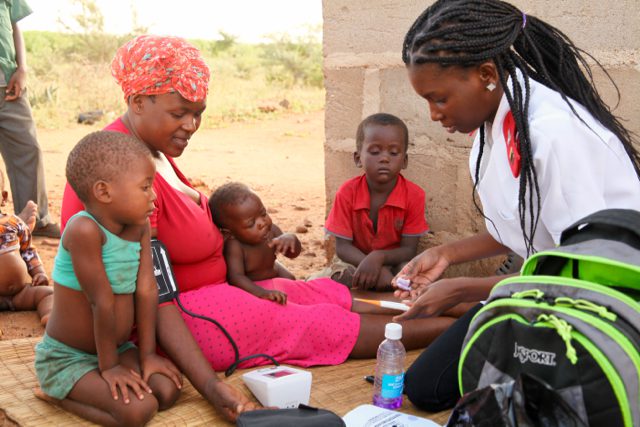
The COVID-19 response in developing countries has become the primary focus for health workers all over the developing world. The volume of COVID-19 patients is placing a strain on hospitals and health systems globally. This trend is especially notable in developing countries that already have limited health resources, medical supplies and medical staff.

Other major global health focuses such as other infectious diseases, diarrheal diseases, cholera, Ebola and so many more are not getting the same level of attention. Basic health services such as maternal care, family planning and vaccination programs are being impacted. Health workers are being reassigned to COVID-19 patients and resources are redistributed to prioritize the pandemic. While lessons can be drawn from previous health crises such as the 2014 Ebola outbreak in West Africa, COVID-19 has spread on a global scale and will have a large impact on essential health services.

Immunization Programs

According to GAVI, the Vaccine Alliance, vaccine shortages due to border closures and limited air travel have been reported in at least 21 low- and middle-income countries. Additionally, 14 vaccination campaigns supported by GAVI have been delayed. These programs would have vaccinated 13.5 million people for diseases including polio, measles, cholera, HPV, yellow fever and meningitis. GAVI expects these numbers to increase as more programs are delayed. Outreach vaccination programs, where health workers travel to various communities with vaccines, and routine immunization programs are also negatively affected. Lockdowns and distancing efforts, as well as hygiene guidelines, are contributing to program delays. GAVI is planning to support large immunization programs as soon as the COVID-19 safety measures are no longer in place in order to address these disparities.

PATH Solutions

PATH proposes three steps to ensure the continuation of essential health services during the pandemic. The first action item is to appoint an “Essential Health Services Coordinator” per COVID-19 task force. This coordinator would make sure that COVID-19 distancing guidelines are not preventing individuals from accessing basic services. They would also identify any health service interruption from health management data and collaborate with directors and social groups to act based on community concerns. Second, PATH proposes that COVID-19 public updates should include information about essential health services. This is crucial so that people are aware of what services are available and do not stop requesting medical help for non-COVID-19 related issues. Finally, international agencies such as WHO, UNICEF and Africa CDC should supply developing countries with strategies for the most pressing issues such as protecting health workers, how to provide medical care for the most vulnerable in the population and how to maintain basic health services during the pandemic.

WHO Guidelines for Maintaining Essential Health Services

The World Health Organization has outlined important ways of maintaining essential health services during COVID-19 in developing countries. These guidelines include access to emergency health care 24/7, removing financial barriers that limit access to patients, identifying which services are essential and which can be delayed and taking advantage of telemedicine and digital methods of providing health care. Additionally, the WHO highlights the importance of identifying which individuals are most vulnerable in society, such as marginalized groups and ensuring these individuals have access to health care. The WHO has also outlined several essential health categories to specifically address during the COVID-19 pandemic. These include ethics, health financing, mental health, non-communicable diseases, nutrition and food safety, older people, tuberculosis and sexual and reproductive health and rights. The COVID-19 response in developing countries must ensure the continuation of essential health services.

– Maia Cullen
Photo: PATH

July 27, 2020
https://borgenproject.org/wp-content/uploads/borgen-project-logo.svg 0 0 Lynsey Alexander https://borgenproject.org/wp-content/uploads/borgen-project-logo.svg Lynsey Alexander2020-07-27 16:17:152024-05-29 23:18:19The Impact of the COVID-19 Response in Developing Countries on Essential Health Services 
Global Poverty, Health, Technology

4 Cornerstone Technologies of Indian Healthcare

India is the second-largest country in the world and covers an area of over 1.269 million square miles of land. With agriculture being the main occupation in India, 66% of the country’s population inhabit the rural landscape, and only 34% of the population lives in the urban regions. There are very few doctors and healthcare providers who volunteer to relocate to villages to provide healthcare. While 67% of the doctors live in cities, only 33% of the doctors serve the rural population. Therefore, healthcare is not equally accessible to the entire country. People from various remote places still have to travel several miles before reaching a healthcare provider. The WHO recommends the doctor to patient ratio to be 1 doctor for every 1000 people, while a government doctor in India, on an average, attends to 11,082 patients. To make healthcare available evenly to the entire population and to prevent overburdening of the doctors, technologies have become indispensable. Major cornerstone technologies of Indian healthcare have been used to improve equity in healthcare access.

4 Cornerstone Technologies of Indian Healthcare

  1. Mobile AI radiology inferences: One-fourth of the world’s tuberculosis patients live in India and are more concentrated in the villages. NCR, a renowned hospital in Delhi, along with the government of Haryana, developed a mobile van that conducts digital chest x-rays as it travels through several villages. These x-rays are later processed using Artificial Intelligence (AI). This initiative was successful in identifying 244 tuberculosis patients in the first three months. This technology played a vital role in providing a timely diagnosis to people with inaccessible and unaffordable healthcare beyond geographical barriers.
  2. Smart clinics: Biocon, an Indian pharmaceutical company, has developed smart clinics named ‘eLAJ’ in rural areas of Karnataka and Rajasthan. When a timely diagnosis of diseases occurs at the primary healthcare centers, the burden on the secondary and tertiary healthcare centers will reduce significantly, and ailments in several patients can be proactively diagnosed before they become severe. Hence, these smart clinics specialize in primary healthcare by digitizing medical records (Electronic Medical Records) of the patients and making them available on distinctive, real-time dashboards. These EMRs help monitor the outbreak of diseases over various regions so that a clinic or relief camp can be set up where it is most needed. The records are also connected to the Aadhar cards (government-issued unique identification number) of the patients so that their health history over long durations are centrally available to any physician at any given place or time.
  3. iBreastExam: iBreastExam is an FDA-cleared tool that has been in operation since 2015. It consists of a small wireless sensor, marginally bigger than a barcode scanner, with 16 sensors to detect tissue stiffness in women’s breasts. The results are relayed in real-time to a mobile app. The test costs only four dollars and isn’t painful or time-consuming. The effectiveness of this tool was established in a study involving 900 women in Bangalore.
  4. e-Aushadi: e-Aushadi is a drug procurement, storage and distribution company. The company keeps real-time, electronic data about the quality and quantity of drugs stored in several warehouses of various districts. These records ensure that no medicine is in deficit and that they are continually restocked, so quality medicines reach the customers on time.

The Indian government has realized the potential and indispensability of technology in healthcare. It has proposed to increase the healthcare expenditure from 1.3% of the GDP to 2.5% of the GDP by 2025. The Rajiv Arogyasri program in Andhra Pradesh requires all hospitals to have computers with an internet connection to maintain electronic medical records. This program provides interest-free loans to make sure that all the hospitals are equipped with the necessary technology. Nearly 5000 startups are involved in developing healthcare technologies in India and raised a total of $504 million from 2014 to 2018. Despite being a developing country, India is advancing in healthcare technologies and has room for more innovative ideas to evolve. These four cornerstone technologies of Indian healthcare are just a start.

– Nirkkuna Nagaraj
Photo: Unsplash

July 27, 2020
https://borgenproject.org/wp-content/uploads/borgen-project-logo.svg 0 0 Jennifer Philipp https://borgenproject.org/wp-content/uploads/borgen-project-logo.svg Jennifer Philipp2020-07-27 16:11:002020-07-28 06:12:044 Cornerstone Technologies of Indian Healthcare
Development, Global Poverty, Health

Solar-Powered Water Pumps Help Farmers in Sudan

Solar-Powered Water PumpsAs much as one-third of territory in the Northern State of Sudan can support agriculture, a key industry for Sudanese living in poverty. However, unequal access to reliable electricity and water leads many farmers to rely on diesel pumps to irrigate crops. The introduction of solar energy, specifically solar-powered irrigation, reduces farmers’ reliance on fossil fuels. This technological advancement reduces the expenses of farmers while dramatically increasing agricultural productivity.

Risks of Diesel-Powered Irrigation

Solar-powered water pumps help farmers eliminate their dependence on fossil fuel and overcome energy scarcity. An estimated 20 million people live without access to electricity in Sudan, approximately 65% of the country’s population. In the rural regions of Sudan, that percentage is even higher. For instance, up to 80% of rural Sudanese farmers lack reliable access to electricity.

Due to this scarce access to electricity, many farmers rely on diesel-powered water pumps to irrigate their fields. Diesel pumps not only produce harmful greenhouse gases but also can reduce agricultural efficiency. Specifically, the expensive and fluctuating prices of diesel fuel limit growing seasons and prevents farmers from planting consistently. Furthermore, the pumps contribute to smaller-scale environmental hazards by contaminating the surrounding water and plants.

Benefits of Solar-Powered Water Pumps

Solar-powered water pumps overcome the issue of energy scarcity by powering irrigation without tapping into fossil fuels. This mechanism helps farmers by providing a fuel source for irrigation that is both stable and effectively cost-free aside from initial installation and regular maintenance charges.

Solar-powered water pumps also help farmers increase land cultivation. Confidence in the availability of energy to irrigate crops enables farmers to increase cultivation. One pilot program for the introduction of solar pumps in the Northern State, operated by the United Nations Development Programme, found that the introduction of solar-powered water pumps increased the amount of land cultivated by farmers by 47%.

For example, the dry summer months were previously not economically viable due to the need for increased water-pumping and therefore costly diesel fuel. Following the introduction of solar-powered water pumps, land cultivation grew by 87% during the summer. Overall, farmers reported dramatic changes regarding both savings and reductions in overhead costs for farm management.

Additionally, solar-powered water pumps allow farmers to enrich agricultural production with high-value crops. Although agriculture accounts for around 80% of employment and roughly one-third of GDP in Sudan, individual farmers are particularly susceptible to poverty and food insecurity. However, with extended growing seasons and cuts in the cost of irrigation, Sudanese farmers can produce higher-value crops such as lemons, mangoes and cotton.

The Future of Solar Irrigation in Sudan

The Global Environmental Facility granted 4.89 million U.S. dollars to install 1,440 solar-powered water pumps throughout the Northern State between 2016-2021. The statistics make it clear that the farmers involved in pilot programs experienced notable benefits by utilizing solar pumps.

In addition to these individual benefits, Solar-powered irrigation could have much wider implications globally. The Sudanese initiative alone is projected to ultimately eliminate 860,100 tons of CO2 emissions and save 268,800 metric tons of diesel. Applied on a global scale, this technology could serve to drastically reduce emissions from the agricultural industry as a whole.

– Alexandra Black
Photo: U.N.

July 27, 2020
https://borgenproject.org/wp-content/uploads/borgen-project-logo.svg 0 0 Kim Thelwell https://borgenproject.org/wp-content/uploads/borgen-project-logo.svg Kim Thelwell2020-07-27 01:30:202024-05-29 23:18:51Solar-Powered Water Pumps Help Farmers in Sudan
Developing Countries, Global Poverty, Health

What to Know About Tuberculosis in Somalia

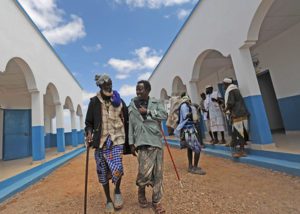
Tuberculosis is a disease caused by bacteria that spreads through the air. While it can also be spread through the consumption of unpasteurized milk contaminated with the bacteria, the most prevalent form of the TB infection is pulmonary TB. In rare cases, TB can also affect the lymphatic system, central nervous system, urogenital region, joints and bones.

In Somalia, one of the world’s most poverty-stricken nations, less than half of estimated cases of TB are detected. Not all tuberculosis strains are equal, making diagnosis and treatment more difficult. While antibiotics typically treat TB, studies have shown that the prevalence of drug-resistant TB has increased. Somalia has a recent history of a tumultuous political climate, exacerbating obstacles that might prevent the delivery of efficient healthcare, like fund allocation and accessibility.

Diagnosis

In a cultural profile of Somalia conducted in 2006, many believed the disease was spread through airborne particles resulting from coughing or sneezing. These same people often believed that the contraction of TB also comes from a variety of things including it being inherited or the result of a loss of faith, creating stigmas around the disease.

Many people distinguished TB from other ailments with respiratory symptoms through weight loss and the presence of blood in the mucus. Until these symptoms are found in addition to an existing cough, it is assumed to be a chest infection. In cases when a fever is apparent, some confuse TB with malaria.

While the primary symptoms (cough, weight loss and bloody mucus) follow the same way the west symptomatically views TB, Somalians understand the progression of symptoms and the disease a little differently. For example, they separate coughing as a symptom into different phases based on the nature of the cough. They focus on whether or not chest pains accompany a cough, or how it sounds. Based on what phase the symptom is in, it might dictate different treatment plans.

Drug-Resistant Tuberculosis

As of 2011, 5% of first-time infected tuberculosis patients had a drug-resistant strain of TB. In comparison, 41% of previously infected patients had this more robust form of TB. These strains are resistant to several drugs used in the treatment of TB. This resulted in the highest recorded instances of multidrug-resistant TB in Africa at the time.

World Vision

World Vision is a global poverty mitigating initiative with boots-on-the-ground efforts. The organization provides healthcare resources, clean water and education to impoverished communities around the world.

Partnering with the Global Fund to Fight AIDS, Tuberculosis and Malaria, the organization has created 33 tuberculosis grants valued at a total of $160.6 million. World Vision has been the primary recipient of tuberculosis grants in Somalia.

In Somalia, World Vision works to fight the frequency of tuberculosis and its drug resistance. With the help of the Global Fund, the organization has treated more than 115,000 people. Additionally, it has trained 132 health professionals in DOTS, the directly observed treatment, short course, as recommended by the WHO. The organization has also helped 30 laboratories with TB microscopy, which resulted in the national health authority documenting 6,505 cases. World Vision continues to strive to strengthen resources within Somalia so that the government and community have a better capacity in which to deal with TB.

– Catherine Lin 
Photo: Flickr

July 24, 2020
https://borgenproject.org/wp-content/uploads/borgen-project-logo.svg 0 0 Jennifer Philipp https://borgenproject.org/wp-content/uploads/borgen-project-logo.svg Jennifer Philipp2020-07-24 13:30:302024-05-29 23:17:46What to Know About Tuberculosis in Somalia
Global Poverty, Health

Healthcare in Guyana

Healthcare in GuyanaThe catalyst for improvement of Guyana’s healthcare system was the HIV/AIDs crisis, which was difficult to manage as a result of the country’s insufficient healthcare system. Since then, however, healthcare in Guyana has improved substantially. Some of the most notable improvements to Guyana’s healthcare system include an increase in life expectancy, increased immunization coverage, increased education and awareness surrounding health issues and decreased infant mortality rates.

“Health Vision 2020”

Healthcare in Guyana is comprised of both a public and a private sector. The Ministry of Public Health leads the public healthcare sector, which functions as a universal healthcare system for all citizens and residents of Guyana. In 2013, the World Health Organization, in combination with Guyanese government agencies and other key stakeholders, created “Health Vision 2020,” a national health strategy enacted to improve the standard of living in Guyana.

Since the strategy’s enactment in 2013, Guyana has seen an impressive decline in the number of reported malaria cases, which once presented an overwhelming threat to the wellbeing of the population. In 2013, there were 31,479 reported cases of malaria. Just two years later in 2015, Guyana minimized the threat of malaria, reporting only 9,984 cases.

Over a slightly longer period of time, Guyana also saw an increase in life expectancy, progressing from 59 years for males in 1992 to 63 years in 2011. In 1992, females were expected to live for 66 years, while in 2011 female life expectancy reached 69 years. Also notable is the improvement made in the number of children receiving an immunization to measles. The percentage of children who received the measles vaccine amounted to 99% in 2012, up from 73% in 1992.

Although the improvements made to Guyana’s healthcare system are commendable, particularly under “Health Vision 2020,” there are still many issues that Guyana’s healthcare system overlooks.

Equitable Healthcare for Hinterland Communities

Though universal healthcare does exist in Guyana, free healthcare facilities and resources are generally catered to reach the majority of the population. Almost 90% of Guyana’s population lives in coastal areas, whereas only about 10% of the population lives in the rural hinterlands. As a result, there is a far greater concentration of healthcare facilities and resources in the coastal areas. Access to healthcare for those living in the hinterlands of Guyana is limited, given that there are few healthcare clinics located outside of coastal areas. Healthcare clinics located in remote areas offer services inferior in quality.

Non-Communicable Diseases

Guyana’s healthcare system has also been unable to curb the effects of non-communicable diseases. In 2012, non-communicable diseases made up the top five leading causes of death in Guyana. Still today, some of the leading causes of deaths in Guyana include ischaemic heart disease and diabetes. In 2015 alone, diabetes was responsible for 9% of the total deaths in Guyana.

Although non-communicable diseases are non-transmissible, it is possible to reduce the number of those with these diseases, particularly through education and awareness. Many non-communicable diseases are caused by high intake levels of alcohol, tobacco, salt, sugar and a lack of physical inactivity. Heightened public awareness of the causes of the most prevalent non-communicable diseases in Guyana would likely reduce the number of those infected.

Healthcare Workforce

While Guyana has managed to recruit more than 500 trained doctors and physicians over the last five years, shortages in the workforce “exist in areas such as registered nurses and nurse midwives, radiographers, medical technologists and social workers.” Part of the problem stems from a lack of incentives for healthcare workers to stay in the public sector and as practitioners in the country. There is also a lack of foreign expertise in the Guyanese healthcare system. Foreign doctors often offer valuable knowledge, especially when dealing with diseases and viruses that might be less common in Guyana.

What Is Being Done?

The Organization for Social and Health Advancement for Guyana and The Caribbean (OSHAG) is a nonprofit organization based in Queens, New York, that demonstrates the possibility for effective solutions to these pressing issues. The organization strives to raise awareness about the need for improved medical services and treatment in Guyana, specifically for cancer patients. OSHAG raises awareness through health education and gatherings of medical professionals with valuable skills to offer to patients in Guyana.

In 2014, OSHAG’s team of medical professionals provided training to nurses within four of the 1o regions that make up Guyana. The team worked to improve the chemotherapy and oncology department at the Guyana Georgetown Public Hospital. Though the organization specifically aims to improve treatment, services and facilities for cancer patients, OSHAG’s impressive leadership and methodology demonstrate what is possible for healthcare in Guyana. With increased awareness, education and foreign interest and investment, healthcare in Guyana can undoubtedly reach new heights.

Though Guyana has made impressive improvements to its healthcare system, there is still room for improvement. Unequal access to healthcare services and facilities, non-communicable diseases and an understaffed healthcare workforce present some of the most pressing problems. However, each of these problems can be addressed through heightened public awareness and education, and increased financial investment and foreign relations.

– Stacy Moses
Photo: Flickr

July 23, 2020
https://borgenproject.org/wp-content/uploads/borgen-project-logo.svg 0 0 Kim Thelwell https://borgenproject.org/wp-content/uploads/borgen-project-logo.svg Kim Thelwell2020-07-23 01:30:052020-07-24 16:48:18Healthcare in Guyana
Global Poverty, Health

8 Facts About Tuberculosis in North Korea

tuberculosis in North KoreaTuberculosis (TB) is a bacterial infection that mainly attacks the lungs, and can prove fatal without treatment. Tuberculosis spreads through the air via coughing or talking. It causes people to become sick because the immune system cannot prevent the bacteria from growing. The lengthy and specific nature of the treatment for TB means developing nations can struggle with treating tuberculosis epidemics. One of these nations is the Democratic People’s Republic of Korea (DPRK), which labels TB as one of its most serious health problems. Here are eight facts about tuberculosis in North Korea.

8 Facts About Tuberculosis in North Korea

  1. Though the data on tuberculosis in North Korea is sparse, the rate of instances is estimated to be 442 out of 100,000 people. Furthermore, the WHO estimates that in 2017, the estimated mortality of TB per 100,000 people was 63%. While it had been slowly decreasing since the year 2000 (161%), estimated mortality has risen since 2015 (42%).
  2. North Korea is a poor country, which limits access to healthcare. According to a report by Amnesty International, the healthcare system has been collapsing, with barely-functioning hospitals devoid of medicine. Though the country claims to provide healthcare for all, estimates indicate it is spending under $1 per capita, less than any other nation in the world. Because it is unlikely that the regime will increase healthcare funding, TB patients often do not receive appropriate care.
  3. The inadequately funded healthcare system also means doctors are improperly trained. This results in maladaptive treatment strategies which are expensive and are prone to hijacking by the black market. Hence, many people turn to self-medicating and are unable to access crucial TB drugs. There have been efforts to train doctors through a program in the late 1990s. However, there have not been any in recent years, either from the government or from NGOs.
  4. The lack of documentation and data on tuberculosis in North Korea also causes more serious strains of TB such as multidrug-resistant (MDR)-TB to spread unchecked. Experts estimate that MDR-TB is an already growing problem. Disinformation surrounding TB in North Korea is so widespread. Many people regard TB as so common as to not require a trip to the doctors. Hence, education about the disease is critical. While there have been efforts to educate people about TB, only NGOs (rather than government-sponsored programs), like the Eugene Bell Foundation, have started initiatives to educate patients, though not the general public.
  5. North Korea’s poor track record on human rights also exacerbates its TB and MDR-TB crisis. According to the Health and Human Rights Journal, North Korea’s prison camps and migration across the China-Korea border heighten the risk of citizens contracting TB. Additionally, those migrating or detained are more likely than the average North Korean to receive little or no treatment.
  6. North Korea’s standing as an international pariah aggravates its struggle with tuberculosis. The regime’s totalitarian nature, cold war-era cult of personality, nuclear ambitions and disregard for human rights causes it to face sanctions, political antagonisms and limited medical exchange. International sanctions ban the export of minerals, agricultural products, technology, aviation fuel, metals and more. This results in limited resources, making testing and treatment nearly impossible.
  7. In 1998, the North Korean government began implementing a TB treatment system. Despite North Korea’s reluctance to accept international aid, the government did begin a TB treatment system in cooperation with the WHO. The TB treatment was named DOTS (Directly Observed Treatment, Short-Course). Though it reached the entire country in 2003, DOTS had problems. For example, hospitals turned patients away due to insufficient medicine. Additionally, some medication ended up on the black market.
  8. The only NGO to earn the trust of the North Korean government has been the Eugene Bell Foundation. The Eugene Bell Foundation has been offering support to treat cases of TB since 1996. Focusing on MDR-TB in particular, EBF is the only large scale provider of treatment in the country. Additionally, it has a unique 20-year relationship with the North Korean Ministry of Public Health. The foundation’s program cures an estimated 70% of patients in North Korea. However, despite EBF’s successes in opening clinics, bringing in medication and medical equipment and training doctors, a recent uptick in estimated mortality suggests that North Korea is still a long way away from effectively treating its tuberculosis epidemic.

In conclusion, North Korea faces structural and international challenges that prevent it from being able to treat its tuberculosis and multidrug-resistant tuberculosis epidemic. The regime’s neglect of the healthcare system and disregard for human rights has led to numerous international sanctions, causing it to rely on NGOs and the WHO to treat TB patients. For the situation to improve, wholesale reform of the country’s institutions is likely necessary, though international preventative measures could also help improve the situation.

– Mathilde Venet 
Photo: Flickr

July 22, 2020
https://borgenproject.org/wp-content/uploads/borgen-project-logo.svg 0 0 Jennifer Philipp https://borgenproject.org/wp-content/uploads/borgen-project-logo.svg Jennifer Philipp2020-07-22 15:00:362024-05-29 22:59:398 Facts About Tuberculosis in North Korea
Global Poverty, Health

Evening the playing field: Australia’s Solutions for Aboriginal Healthcare


In 2017, Australia’s medical system was ranked 2nd globally by The Commonwealth Fund. The country scored well on care, efficiency and health outcomes. However, the Australian health care system scored poorly on equity of care across the population.
Those largely affected by the healthcare discrepancy are members of the indigenous community. Australia is working to decrease the inequity in Aboriginal healthcare. 

Health Challenges for the Aboriginal Healthcare

The average lifespan for indigenous Australians is about 71.4 years, which is 10 years lower than the life expectancy of non-indigenous Australians. About two-thirds of the indigenous population die before the age of 65. Only 19% of non-indigenous people die before 65. Indigenous children under the age of four are also twice as likely to die than non-indigenous children. The common issue of chronic disease is a burden across all age groups of the indigenous population. Indigenous peoples are also over twice as likely to struggle with issues such as addiction and diabetes.  

 The National Aboriginal Community Controlled Health Organisation (NACCHO) reports that the problems facing the Aboriginal healthcare system come from five major health concerns. These five health factors are injury, mental disorders (including substance abuse), cardiovascular disease, respiratory diseases and cancer. Many of these major health concerns are considered to be preventable. 

 Another discrepancy in Aboriginal healthcare is access to maternal health services. In 2016, 40% of indigenous women lived in very remote areas of Australia, where the access to hospitals equipped with a birthing ward is very low. Women were forced to travel long distances in order to access birthing services. The Australian Institute of Health and Welfare cites that access to “culturally appropriate” care is a major barrier to women seeking maternal services. However, the Australian government has taken a new approach to bring healthcare to indigenous Australians.

The Aboriginal Community Controlled Health Services Initiative (ACCHS)

In Australia, healthcare centers operated by the local indigenous community have shown success in providing medical services to the Aboriginal population. ACCHS aims to provide healthcare to indigenous communities in a way that fosters ongoing medical relationships. These relationships between Aboriginal healthcare providers and the Aboriginal community have been 23% more effective in retaining patients when compared to other healthcare centers. NACCHO believes that a major factor in patient retention is that ACCH centers provide a sense of “cultural safety” within its healthcare practices.

In 1970, the first ACCHS was established and, as of the year 2020, over 140 ACCHS centers are now being operated around Australia. ACCHS centers currently address 61% of the healthcare demands of patients in regional communities. The use of ACCHS centers is continuously growing within the Aboriginal population, demonstrating the success of the initiative. Over a span of 24 months, the NACCHO reported an increase of 24,030 patients.

The Future of ACCHS and Indigenous Communities

The ACCHS initiative also provides opportunities for regional and remote Aboriginals to gain entry into the healthcare profession. The census in 2006 reported that 99% of healthcare workers out of all of the Australian medical workers are not of indigenous descent. Over half of ACCHS workers are indigenous, however, many of these workers are non-clinical staff members. NACCHO strives to create pathways for Aboriginal health care workers through the ACCHS centers. These pathways will allow indigenous community members to operate ACCHS centers, potentially increasing the relationship between patients and healthcare providers. 


The Australian government has developed Closing the Gap targets to help decrease the discrepancy of healthcare between indigenous and non-indigenous Australians. The target states that Australia should have equity in Aboriginal healthcare by 2031. The NACCHO and the ACCHS centers are a key factor for Australia to reach the Closing the Gap targets.

– Laura Embry
Photo: Flickr

July 22, 2020
https://borgenproject.org/wp-content/uploads/borgen-project-logo.svg 0 0 Lynsey Alexander https://borgenproject.org/wp-content/uploads/borgen-project-logo.svg Lynsey Alexander2020-07-22 13:30:082024-05-29 23:17:46Evening the playing field: Australia’s Solutions for Aboriginal Healthcare
Global Poverty, Health, Life Expectancy

10 Facts About Life Expectancy in The Marshall Islands

Life expectancy in the Marshall Islands
The Republic of the Marshall Islands (RMI) is a country located in the Pacific Ocean. In total, there are 1,200 islands and islets with a total population of 58,000. Although the estimated life expectancy in the Marshall Islands was 72 years in 1987, the life expectancy dropped to 65 in 2000. Today, the Marshallese have an estimated life expectancy of 74. By comparison, the United States has a life expectancy of 78. Here are some of the problems with and potential solutions to life expectancy in the Marshall Islands.

10 Facts about Life Expectancy in the Marshall Islands

  1. The leading causes of death in the Marshall Islands are diabetes and Ischemic heart disease. In 2017, it was estimated that 5,642 per 100,000 deaths were caused by Ischemic heart diseases. Many people in the Marshall Islands suffer from problems associated with low levels of physical activity and occupational hazards. The Ministry of Health has created government programs to encourage exercise.
  2. Life expectancy decreased after the 1940s because of U.S. nuclear weapon testing on the islands. During the Cold War, the United States decided to test multiple nuclear weapons on the islands. They moved dangerous soil from a Nevada atomic testing location into the Marshall Islands. Despite the U.S. relocating residents from the Bikini and Enewetak atolls, the citizens have still experienced symptoms of radiation sickness. Lingering radiation may be responsible for 170 different types of cancer in a population of 25,000 Marshallese.
  3. Dengue fever outbreaks pose a risk to life expectancy. Dengue fever can lead to more severe conditions in 5% of the population. In 2019, the island of Ebeye, which is the country’s most populated island, experienced a massive outbreak due to rampant mosquitoes. Because of these outbreaks, the Ministry of Health issued $450,000 to fight the disease.
  4. The country’s life expectancy is similar to other surrounding countries. In 2018, the Marshall Islands’ estimated life expectancy matched that of the Federated States of Micronesia at 67 years old. Most life expectancy data from the Marshall Islands has not been updated since the early 2000s, and the WHO has marked their life expectancy data as not available. Though the information is not clear, there is currently an approximate life expectancy of 74 according to the World Factbook.
  5. Life expectancy in the Marshall Islands is threatened by rising sea levels. The islands may completely disappear by 2050 because of rising sea levels. This threat affects life expectancy and quality of life, since Marshallese could become refugees as a result. Global support and funding to reduce pollution could help reduce this risk. There has also been discussion about a possibility of raising the islands above sea level.
  6. Various dangerous weather conditions affect life expectancy. The islanders have experienced droughts, bleaching coral reefs and cyclones. Wave flooding due to changing climate conditions could also gradually make water unsuitable for drinking. In September 2012, a drought damaged much of the islands’ produce, affecting 20% of the population. To combat climate change, the Internal Nationally Determined Contributions (INDC) are committed to drastic reductions of carbon emissions by 32% by 2025.
  7. Women have a longer life expectancy than men. Projections for 2020 estimated that women will live 76.5 years, compared to their male counterparts who will live 71.8 years. However, health care is not equally accessible between the sexes. In 2019, the Marshall Islands introduced the Gender Equality Act to change this. It specified the government’s responsibility to provide affordable health care to all women.
  8. Imported processed foods diminish the life expectancy of the Marshallese. A 2013 study conducted by the National Institute of Health found that 65% of the islanders are overweight or obese. Marshallese diets often lack micronutrients because many eat more packaged food than fresh island-grown food. This has caused problems associated with multiple diseases. The Ministry of Resources and Development is attempting to change this by promoting traditional island agriculture and diets.
  9. Health care causes problems with life expectancy. Health care in the Marshall Islands is as cheap as $5 per checkup. Despite this, health care can be hard to access. Much of the population does not reside in urban centers, yet there are only two major hospitals in the larger cities of Ebeye and Majuro. The Ministry of Health has enacted a 3-Year Rolling Strategic Plan to ensure that health care is accessible on the less populated islands. The plan will also help fight non-communicable and communicable diseases that affect life expectancy.
  10. Limited job opportunities decrease life expectancy. The minimum wage on the island was $5/hour as of 2014, and in 2016, the unemployment rate was about 36%. Since there is not much competition in different job sectors, jobs can be difficult to find. Additionally, the estimated poverty rate in the Marshall Islands stands at 30%. These factors make it difficult for Marshallese to pay for health care. To increase job opportunities, the government is working to attract foreign companies to the islands by enticing them to create fisheries and tourism.

These facts highlight persistent problems, as well as efforts to combat them. Moving forward, the government and other humanitarian organizations must continue to focus on improving life expectancy in the Marshall Islands.

 – Sarah Litchney
Photo: Pixabay

July 22, 2020
https://borgenproject.org/wp-content/uploads/borgen-project-logo.svg 0 0 Kim Thelwell https://borgenproject.org/wp-content/uploads/borgen-project-logo.svg Kim Thelwell2020-07-22 12:45:252024-05-29 23:18:0310 Facts About Life Expectancy in The Marshall Islands
Page 110 of 212«‹108109110111112›»

Get Smarter

  • Global Poverty 101
  • Global Poverty… The Good News
  • Global Poverty & U.S. Jobs
  • Global Poverty and National Security
  • Innovative Solutions to Poverty
  • Global Poverty & Aid FAQ’s
Search Search

Take Action

  • Call Congress
  • Email Congress
  • Donate
  • 30 Ways to Help
  • Volunteer Ops
  • Internships
  • Courses & Certificates
  • The Podcast
Borgen Project

“The Borgen Project is an incredible nonprofit organization that is addressing poverty and hunger and working towards ending them.”

-The Huffington Post

Inside The Borgen Project

  • Contact
  • About
  • Financials
  • President
  • Board of Directors
  • Board of Advisors

International Links

  • UK Email Parliament
  • UK Donate
  • Canada Email Parliament

Get Smarter

  • Global Poverty 101
  • Global Poverty… The Good News
  • Global Poverty & U.S. Jobs
  • Global Poverty and National Security
  • Innovative Solutions to Poverty
  • Global Poverty & Aid FAQ’s

Ways to Help

  • Call Congress
  • Email Congress
  • Donate
  • 30 Ways to Help
  • Volunteer Ops
  • Internships
  • Courses & Certificates
  • The Podcast
Scroll to top Scroll to top Scroll to top