• Link to X
  • Link to Facebook
  • Link to Instagram
  • Link to TikTok
  • Link to Youtube
  • About
    • About Us
      • President
      • Board of Directors
      • Board of Advisors
      • Financials
      • Our Methodology
      • Success Tracker
      • Contact
  • Act Now
    • 30 Ways to Help
      • Email Congress
      • Call Congress
      • Volunteer
      • Courses & Certificates
      • Be a Donor
    • Internships
      • In-Office Internships
      • Remote Internships
    • Legislation
      • Politics 101
  • The Blog
  • The Podcast
  • Magazine
  • Donate
  • Click to open the search input field Click to open the search input field Search
  • Menu Menu

Archive for category: Health

Information and stories on health topics.

COVID-19, Global Poverty, Health

5 Beauty Brands Making a Difference Amidst COVID-19

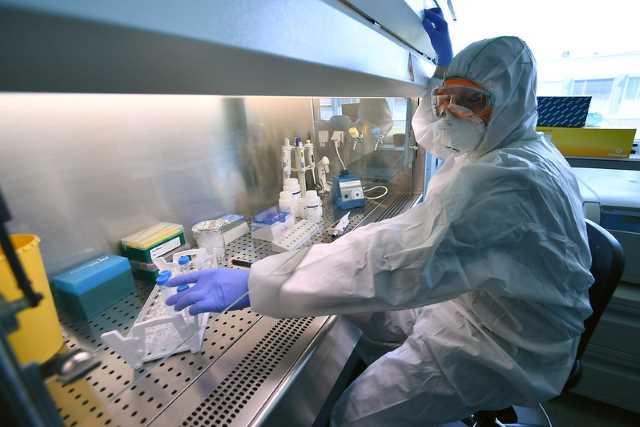
Beauty brands making a differenceMakeup brands are generally known for their aesthetically pleasing cosmetics and the confidence they provide their consumers. However, what is less well known is that many makeup brands are actively creating initiatives to help those in need. Most recently, many of these companies have spearheaded relief efforts to ease the impacts of the global pandemic. Here are five popular beauty brands making a difference amidst COVID-19.

5 Beauty Brands Making a Difference during COVID-19

  1. Milk Makeup. Milk Makeup is one of the beauty brands making a difference during this time. It is a popular brand best known for its minimalist makeup products. However, the company has gained recent attention for its assistance with COVID-19 in New York. On April 10, the brand partnered with the Wu-Tang Clan to donate 100 % of its proceeds from that day to the New York City COVID-19 relief effort: the event raised a total of $106,000 in just 24 hours. Additionally, the brand donated $250,000 in beauty products to frontline workers.
  2. L’Oreal. In response to COVID-19, this international drugstore brand has implemented a new initiative called “L’Oreal for the Future.” The program plans to donate 100 million euros to help combat global climate change. L’Oreal will also donate 50 million euros to support vulnerable women living in societies severely impacted by economic deficiencies. Further, the brand donated 400,000 hygiene products and 400,000 bottles of hand sanitizer to frontline hospital and retail staff in Great Britain and Ireland.
  3. MAC. MAC is another one of the beauty brands making a difference during these difficult times. Since 1994, MAC Cosmetics has held an annual “Viva Glam Campaign.” In previous years, the money from this campaign was dedicated to combating HIV/AIDS; however, in light of 2020’s recent events, the campaign has shifted to target COVID-19. Through this campaign, the beauty company has committed to donating $10 million to 250 U.S. and international organizations working to help those impacted by COVID-19.
  4. Avon. This cosmetics brand has partnered with Feed the Children for the past 16 years. However, in response to COVID-19, Avon has significantly strengthened its support of this nonprofit organization. The company has donated more than $2 million in personal care products and over $40 million in necessities to impacted families across the country.
  5. Thrive Causemetics. Thrive Causemetics is another one of the beauty brands making a difference. It has created a $1 million initiative to aid COVID-19 relief efforts. As part of this commitment, the company donated $10,000 to the University of Washington Virology Lab to help expand access to COVID-19 testing. Additionally, Thrive Causemetics gave $350,000 to various other United States organizations diligently working to fight COVID-19 such as Meals on Wheels, Baby2Baby and Feeding America.

These beauty brands are prime examples of companies utilizing their influences and platforms to impact their communities for good. In the future, cosmetics companies will hopefully continue working beyond their products to improve the lives of their consumers.

– Kira Lucas
Photo: Flickr

August 27, 2020
https://borgenproject.org/wp-content/uploads/borgen-project-logo.svg 0 0 Kim Thelwell https://borgenproject.org/wp-content/uploads/borgen-project-logo.svg Kim Thelwell2020-08-27 09:10:452020-08-27 12:13:545 Beauty Brands Making a Difference Amidst COVID-19
Developing Countries, Global Poverty, Health, Water Sanitation

4 Technologies Improving Water Sanitation

Improving Water Sanitation
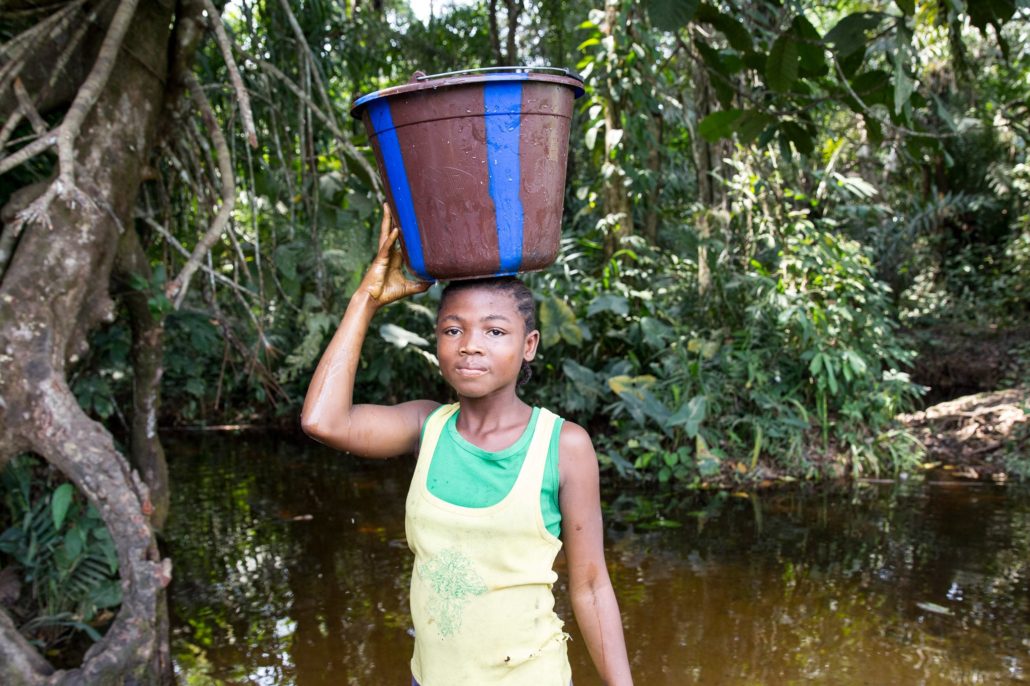
According to the World Health Organization (WHO), 3.4 million people die annually from water-related diseases. These illnesses disproportionately affect children, making up 90% of the 2.2 million deaths that diarrhea causes every year. Trachoma, another condition that unclean water causes, is the leading cause of preventable acute blindness across the world. Simple filtration mechanisms can prevent all of these water-related diseases. Yet, the world’s poor lack access to the life-saving filtration devices available in other parts of the world, leaving them with high numbers of water-borne diseases. New technologies improving water sanitation are reaching the impoverished and saving new lives each day. Here are four innovative technologies helping to guarantee clean water for all.

4 Technologies Improving Water Sanitation in Developing Countries

  1. The Drinkable Book. The effect of The Drinkable Book is two-fold. First, it provides vital water sanitation information to readers in the developing world who would not otherwise receive such education. Second, the pages of the book themselves act as water filters. These filters are incredibly effective, removing 99.9% of all bacteria to make water safe to drink. The books have experienced distribution across Haiti, India and several countries in sub-Saharan Africa. One book can produce 5,000 liters of clean drinking water to users, or enough to last up to four years.
  2. Fog Catchers. The Morocco-based nonprofit Dar Si Hmad has developed a revolutionary new technology that improves water sanitation by harvesting water from fog. The device consists of large nets built on the sides of mountains that collect moisture from the air and store it for later use. Dar Si Hmad has intentionally involved women in the organization and maintenance of the project in order to provide a holistic community impact. The new technology can produce up to 6,300 liters of water per day and has garnered attention from international investors across the world.
  3. Livinguard Water Filter. The India-based company Livinguard developed an innovative way to fight water-related diseases in India and across the world. The Livinguard water filter has a design suitable for remote locations and depends only on gravity to function. The installation process takes under three hours and the filter lasts up to seven years, making it reliable easy to use. The Livinguard filter uses microscopic knives rather than potentially hazardous chemicals to provide safe drinking water for consumers.
  4. Ceramic Filters. Places across the world are using ceramic water filters as affordable ways to limit the spread of water-related diseases. With microscopic pores that filter out bacteria and other impurities, potable water can pass through. Many have touted these filters as the most cost-effective water sanitation devices and have thus been in wide use worldwide. Ceramic filters caused a 50% reduction in diarrheal disease in Cambodia since 2002, demonstrating the power of this technology in combating water sanitation issues.

These devices exhibit the innovation necessary to rid the world of prevalent yet avoidable water-related diseases. Entrepreneurs across the world are challenging the deaths that lack of clean drinking water causes head-on. With the continued development of new technologies aimed at improving water sanitation, there is hope that water-related diseases might become preventable for all.

– Garrett O’Brien
Photo: Flickr

August 24, 2020
https://borgenproject.org/wp-content/uploads/borgen-project-logo.svg 0 0 Kim Thelwell https://borgenproject.org/wp-content/uploads/borgen-project-logo.svg Kim Thelwell2020-08-24 11:30:432024-05-29 23:18:584 Technologies Improving Water Sanitation
Global Poverty, Health

The Success of Indigenous Healthcare in New Zealand

Indigenous Healthcare in New Zealand
New Zealand has a large population of indigenous people. According to New Zealand’s 2013 Census, 15% of the population are Māori (indigenous New Zealanders), and 7% of the population are Pacific Islanders. Of the five million people who live in New Zealand, 894,546 people identify as Māori or as a Pacific Islander.

New Zealand is recognized around the world for its efforts toward indigenous relations. New Zealand first established a treaty with the Māori people in 1840, to which, over time, all indigenous and Pacific Islander communities have agreed. The treaty outlines that all Māori and Pacific Islander people are to have equal rights and opportunities across New Zealand. It has also allowed New Zealand to provide extensive healthcare to all indigenous people across the country. However, there are persisting health discrepancies between indigenous and non-indigenous New Zealanders.

Indigenous Health Challenges in New Zealand

In 2012, New Zealand reported that across the country, indigenous children aged zero to 15 years old were considered to be in overall good health. The discrepancy in overall health between indigenous and non-indigenous people came to light in adulthood. For instance, Māori and Pacific Islanders have higher rates of diabetes and obesity when compared to non-indigenous New Zealanders, with 44% of Māori people reportedly suffering from obesity.

Another health challenge for indigenous people in New Zealand is the heightened rate of smoking. Māori adults are 2.7 times more likely to smoke than non-indigenous New Zealanders. Additionally, 24% of the Pacific Islander population in New Zealanders are smokers. This is two times higher than the national smoking rate of 12%. The Smoke-Free Organization of New Zealand also reports that adults who smoke are more likely to have poor mental health.

A 2018 health survey found that indigenous people are more likely to experience psychological distress and be diagnosed with a mental health disorder than non-indigenous citizens. It is estimated that around 50% of the Māori population will experience a mental health disorder throughout their lifetimes. Of this 50%, only half will seek professional attention concerning their mental condition. By comparison, non-indigenous people are 25% more likely to receive professional attention for mental disorders than indigenous New Zealanders.

Access to Indigenous Healthcare in New Zealand

There is currently a challenge when it comes to healthcare accessibility for indigenous people in New Zealand. The government reported that only 61% of indigenous patients had their primary healthcare needs fulfilled in 2012. This highlights a large portion of the indigenous population that does not have sufficient access to primary healthcare. For example, many indigenous New Zealanders encounter barriers when seeking after-hours healthcare. In 2012, of the indigenous adults who needed after-hours medical attention, 14% were deterred due to the cost of care.

Indigenous Healthcare Initiatives

Improving indigenous healthcare has been a major focus for the local government. The New Zealand government emphasizes the importance of having accessible Māori health providers. These healthcare providers were first established in 1991 with the aim of increasing the accessibility of healthcare to indigenous people. Māori healthcare providers ensure that patients receive quality primary care with a focus on cultural relations and communication between the government and the local indigenous community.

Another initiative being established to improve indigenous healthcare in New Zealand is the cultural safety education training provided to nurses and midwives. This training places emphasis on the fact that healthcare professionals play a role in a healthcare system with obstacles and barriers that inhibit people from accessing healthcare. The training also ensures that professionals consider the cultural, historical and political context of each patient when providing care.


Overall, indigenous healthcare in New Zealand is of a fairly high quality. Despite having some health discrepancies, the New Zealand government has promptly established initiatives to target and improve the health situation for Māori and Pacific Islander people. Countries such as Australia and Canada are currently modeling their own indigenous healthcare initiatives on New Zealand’s due to the success of indigenous healthcare in New Zealand.

– Laura Embry

Photo: Flickr

August 24, 2020
https://borgenproject.org/wp-content/uploads/borgen-project-logo.svg 0 0 Kim Thelwell https://borgenproject.org/wp-content/uploads/borgen-project-logo.svg Kim Thelwell2020-08-24 01:30:482020-08-20 07:26:35The Success of Indigenous Healthcare in New Zealand
Global Poverty, Health

The Problem with Global PFAS Contamination

PFAS Contamination
Per- and polyfluorinated substances (PFAS) are a class of human-made chemicals that manufacturers have used in consumer products since 1950. There are more than 4,500 PFAS, which go into making fluoropolymer coatings and other heat-resistant products. PFAS can be in products such as clothing, furniture, food packaging, cooking materials, electrical insulation and firefighting foam. PFAS contamination has become a significant concern for environmentalists around the world, as many of these chemicals are not biodegradable. As a result, PFAS has contaminated soils and water sources across the globe.

How Do PFAS Impact Health?

The effect of PFAS on humans is uncertain; however, studies on animals indicate that PFAS can have serious health effects. Studies have repeatedly shown that exposure to PFAS can stunt growth and development, alter reproductive and thyroid function and damage the immune system and the liver. PFAS can also reduce vaccine effectiveness and increase the risk of kidney and testicular cancer.

Exposure to this potentially dangerous group of chemicals is widespread. People are most likely exposed to PFAS by consuming contaminated water or food or by breathing in PFAS-contaminated air particles. Those who work in the production of PFAS or PFAS-containing products are most at risk of PFAS exposure. In these jobs, workers can inhale PFAS or absorb the chemicals through their skin.

How Do PFAS Harm Developing Countries?

In the developed world, PFAS contamination has received significant scientific and political attention. However, in less wealthy countries, people have done very little to address the issue or even gather data on PFAS. In 2019, a study occurred in 12 Middle Eastern and Asian countries to understand better how PFAS impact the developing world. Unsurprisingly, the study found that PFAS water pollution in these countries is abundant. In Malaysia, for example, the greatest source of drinking water, which supplies water to 6 million people, tested significantly over the PFAS regulatory limits in the United States. Moreover, in Indonesia, PFAS levels in the Jakarta Bay were 10 times as high as the highest-level record in San Francisco Bay.

Widespread PFAS water contamination has led to the contamination of food products in these countries. Studies have shown that PFAS has contaminated seafood and some terrestrial animals in Bangladesh, India, Japan, Sri Lanka and Vietnam. Other consumer products, such as textiles, also contain alarming amounts of PFAS. For example, a Greenpeace investigation found that waterproof coats made in Bangladesh contain 557 µg/m² ionic PFAS. The E.U. limits PFAS to 1 µg/m² in textiles.

In developing countries, the abundance of PFAS has resulted in high PFAS levels in both children and adults. In Jordan, the average level of PFAS in breastmilk is seven times higher than standard drinking water advisory levels in the United States. Similar levels exist in India, Indonesia, Japan, Malaysia and Vietnam. Experiencing exposure to high levels of PFAS from birth, it is no surprise that people in these countries also experience high levels of PFAS in their blood.

Solutions for PFAS Contamination

While the impacts of PFAS on human health are not certain, studies on animals suggest that people should implement measures to reduce PFAS contamination on a global level. To protect people in developing countries, PFAS must receive more scientific and political attention in these regions. Members of the international community, such as the United States and E.U. countries, should assist developing nations to gather data on PFAS in their countries. The data could help developing regions implement regulations regarding PFAS production and use. With cooperation from the international community, it is possible that global PFAS contamination could experience better management in the future.

– Mary Kate Langan
Photo: Flickr

August 24, 2020
https://borgenproject.org/wp-content/uploads/borgen-project-logo.svg 0 0 Kim Thelwell https://borgenproject.org/wp-content/uploads/borgen-project-logo.svg Kim Thelwell2020-08-24 01:30:322024-05-29 23:22:09The Problem with Global PFAS Contamination
Development, Global Poverty, Health

7 Facts About Child Labor in Argentina

Child Labor in ArgentinaMore than 125 million children are currently forced into child labor, primarily to help financially support their families. Argentina is one of the many countries that informally uses child labor in its factories and industries. Unfortunately, these children are often overworked and underpaid. As the cruelty and injustice of child labor become increasingly exposed, strides are being made to eliminate the inhumane practice worldwide. Here are seven facts about child labor in Argentina.

7 Facts About Child Labor in Argentina

  1. Cruel conditions and high poverty levels force many young Argentinians into child labor. More than 19% of children ages five to fifteen enter the labor system to provide for their families. This figure is typically higher in urban areas, with up to 43% of children working to supplement their families.

  2. Gender plays a defining role in economic prosperity. In Argentina, there is a large socioeconomic gender gap between men and women in wages and school enrollment. For children under fifteen, a 22% wage gap exists between boys and girls. The problem worsens with age: men are 40% more likely to receive higher wages than women in comparable fields. As such, men more commonly drop out of school and work full-time to provide for their families.

  3. Actions are being taken to reduce child labor. While child labor remains prevalent, many projects and programs have helped lessen the practice in Argentina. Extensive time and work obligations limit many of these children from attending school and flourishing in their education. Proniño, a philanthropy program in Buenos Aires, aims to rectify this problem by funding scholarships for families dependent on their children for income. With more than 1,590 beneficiaries, Proniño has provided hope to numerous students with only a 1.9% dropout rate.

  4. Human trafficking is an improving, yet rampant concern. In Argentina, more than 10,000 victims were rescued from human trafficking. Yet, many are still suffering: there are currently at least 4,000 human trafficking victims every year, most of whom are women and children. Human trafficking often entails coercing children into illicit activities like drug dealing or sexual exploitation. Large international organizations such as UNICEF are taking major steps to eradicate these actions and increase opportunities for disadvantaged children in Argentina. For example, the Ministry of Education and UNICEF enacted a two-year program to provide scholarships for students to attend school in areas protected from human trafficking.  Similarly, UNICEF has allocated an annual budget of $123 million to establish social programs for countries including Argentina. This funding also strengthens educational opportunities for children vulnerable to dangerous household situations and child labor.

  5. Child labor takes many forms. Although common forms of child labor, such as sweatshops, are technically banned in Argentina, the practice persists in other, less obvious forms. For example, many children in the countryside are coerced into prostitution or work on tobacco fields. Despite the historic popularity of these actions, drastic measures are emerging to mitigate their occurrence. Particularly, the Argentinian government is taking stronger stances against child labor laws and corrupt business practices, such as exploiting children to work on plantations. In fact, the government signed a 2018-2020 plan to end human trafficking, child prostitution and exploitation. Also, for the first time, the government sent out a nationwide survey through Argentina’s National Institute of Statistics to better understand child labor laws. The government is currently researching more measures to eliminate child labor.

  6. Healthcare access and child labor are interconnected. Access to healthcare is a prolonged problem in Argentina that perpetuates children into forced labor. Many poor Argentinian families turn to child labor as one of the only ways to afford the medical attention they need. However, a law established in 2005 provides health services and medical supplies to underprivileged children, eliminating much of the financial pressure to engage in child labor for this purpose.

  7. International organizations are getting involved. The United Nations has established objectives to not only lower child labor, but also limit poverty in Argentina. By establishing the Millennial Development Goals, the United Nations hopes to free 760,000 children and families living in underdeveloped areas from child labor. This project focuses on three major hubs of child labor within the country: Buenos Aires, Mendoza and Santa Fe.

Although Argentina still uses child labor in many of its business practices, governments and international organizations are acting swiftly to reduce the amount of forced labor impressed upon young children. With these comprehensive plans in the making, there is promise for eradicating child labor in Argentina.

– Aishwarya Thiyagarajan
Photo: Flickr

August 22, 2020
https://borgenproject.org/wp-content/uploads/borgen-project-logo.svg 0 0 Jennifer Philipp https://borgenproject.org/wp-content/uploads/borgen-project-logo.svg Jennifer Philipp2020-08-22 15:43:182024-12-13 18:02:077 Facts About Child Labor in Argentina
Global Poverty, Health

USAID Helps India Combat COVID-19

USAID Helps India Combat COVID-19
India remains one of the top recipients of U.S. foreign assistance, much of it being economic. Through the U.S. Agency for International Development (USAID), one of the leading global aid agencies, the U.S. committed $2.9 million to strengthen India’s fight against the COVID-19 pandemic. USAID created a health system strengthening project implemented by Jhpiego, a global nonprofit health organization affiliated with Johns Hopkins University. The project intends to develop risk communication materials concerning COVID-19 and its potential spread to communities in 12 Indian states. Funding during the pandemic from USAID helps India provide care and treatment for those affected, safety equipment for healthcare workers and support for local communities so that they can contain and slow the spread of the virus.

USAID Helps India by Providing Supplies

USAID shipped 100 new compact and deployable ventilators to India to treat patients across the country. The units have a value of almost $1.2 million. USAID is also providing support packages that include equipment for the ventilators and additional medical supplies, technical assistance and service plans to respond to India’s urgent needs. USAID is working with organizations within India such as the Indian Red Cross Society to ensure that the ventilators are transported safely and securely to health care facilities around the country.

Partnerships for Affordable Healthcare Access and Longevity (PAHAL)

In coordination with the Government of India, USAID is giving funds to the Partnerships for Affordable Healthcare Access and Longevity (PAHAL). PAHAL is an innovative project by USAID and IPE Global that serves to promote health financing models and provide support for improving access to quality and affordable healthcare solutions for urban poor communities in India. PAHAL reduced healthcare costs and reached more than 10 million urban poor in India. The project’s sustainable development goals have helped to mitigate the negative health and socioeconomic effects of the coronavirus pandemic. PAHAL also improved economic growth in targeted areas and reduced income and gender inequalities faced by many cities’ poorest communities.

With the PAHAL project, USAID supports the National Health Authority’s establishment of a financing facility that can utilize and transfer private sector resources to health facilities across India that are enrolled in the country’s health insurance, positively impacting around 500 million poor and vulnerable people. PAHAL’s widespread, positive impact is one of the primary ways USAID helps India combat COVID-19.

The Partnership of the US and India

The U.S. has been the world’s biggest bilateral assistance provider in public health. Over the last two decades, the U.S. government provided more than $2.8 billion in total health assistance. USAID’s additional funding to India during the coronavirus pandemic is a testament to the two nations’ enduring partnership and commitment to global health. This new grant will support the World Health Organization’s various initiatives in India. By giving quality tools to local communities, USAID helped slow the spread and severity of COVID-19. USAID’s action stems not only from the relationship between the U.S. and India but also the realization that “an infectious-disease threat anywhere can become a threat everywhere.”

– Mia McKnight
Photo: Pexels

August 22, 2020
https://borgenproject.org/wp-content/uploads/borgen-project-logo.svg 0 0 Kim Thelwell https://borgenproject.org/wp-content/uploads/borgen-project-logo.svg Kim Thelwell2020-08-22 13:30:042024-05-29 23:22:03USAID Helps India Combat COVID-19
Global Health, Global Poverty, Health

8 Facts About Healthcare in Suriname

Healthcare in Suriname
The Republic of Suriname is an upper-middle-income country located on the northeastern coast of South America. Around 90% of the country’s population lives in urban or rural coastal areas. Healthcare in Suriname is accessible for both the public and private sectors. Here are eight facts about healthcare in Suriname.

8 Facts About Healthcare in Suriname

  1. Infant and Maternal Mortality: Suriname’s infant mortality rate in 2013 was around 16 deaths per 1,000 live births. The most prevalent reasons for mortality reported in children under 1 year of age were respiratory problems, fetal growth retardation, congenital diseases, neonatal septicemia and external causes. The maternal death ratio averaged 125 deaths per 100,000 live births from the years 2000 to 2013. For mothers, the most prominent causes included gestational hypertension and hemorrhage. In 2010, prenatal checkup coverage was around 95%, and more than 65% of pregnant women had had four prenatal checkups. In addition, almost 93% of births happened in a health center, and trained health workers carried out around 95% of births.
  2. Life Expectancy: In 2016, the average life expectancy of a male was 69, while the average life expectancy of a female was 75. These estimates are slightly below the average male and female life expectancies in the rest of South America.
  3. Mosquito-borne Illnesses: In late 2015, the preliminary issue of Zika virus was found in Suriname. The disease spread quickly throughout the country’s 10 districts, but there are no current outbreaks. Conversely, Suriname has eradicated malaria from all but one district of Suriname. However, the rate of new imported cases (principally among gold miners from French Guiana) increased by more than 70% in 2015.
  4. HIV and Tuberculosis: By 2014, Suriname’s human immunodeficiency virus (HIV) rate among the 15-49 age group was 0.9%. HIV/AIDS caused 22.4 deaths per 100,000 people in 2010, decreasing to 16.4 deaths per 100,000 people in 2013. From 2012 to 2014, the estimated tuberculosis diagnosis rate increased from 58% to 71%. To combat the disease, the country started the direct implementation of observed treatment, resulting in higher treatment success from 61% in 2010 to 75% in 2013.
  5. Government Contribution and Coverage: Suriname experienced vast economic growth from 2010 to 2014. During this period, healthcare in Suriname received increased funding for various services and facilities. It expanded and decentralized private laboratory diagnostic services, private primary care, dental care and paramedic practices. In 2015, vaccination coverage was almost 90% for DPT3 and above 90% for the trivalent vaccine (MMR1). In 2014, the total estimated health expenditure as a percentage of GDP was 6%. For health insurance, employees’  premium rate is 50%, and employers pay the other half. For low- or no-income citizens, the government subsidizes health coverage.
  6. Hospitals: Of Suriname’s five hospitals, two are private and three are public. The Academic Hospital in Paramaribo has recently renovated and expanded its facilities and invested in equipment and staff for specialty care like gastroenterology, oncology, intensive care, renal dialysis and more. In 2013, government and external funds also helped other hospitals invest in new facilities and healthcare worker training programs.
  7. Sanitation: Suriname’s lack of an integrated waste management policy has created illegal dumps and caused refuse to accumulate on roadsides and in open waters. This infrastructure problem results in health risks and environmental hazards. According to the Pan American Health Organization (PAHO), Suriname does not have facilities for storing or eliminating hazardous waste, nor does it regulate the safe use or storage of pesticides.
  8. Accessibility: In 2014, Suriname passed its national basic health insurance law. It provides access to a basic package of primary, secondary and tertiary care services for all Surinamese citizens. In 2013, all people under the age of 16, as well as people aged 60 and over, had the right to free health care that the government paid for. Universal access to healthcare for pregnant women and newborns remains a challenge for healthcare in Suriname.

Persistent voids in access to healthcare in Suriname are related to drawbacks in funding. The healthcare system has seen an expansion in the past decade, but there are still plenty of health challenges to confront and improve.

– Anuja Kumari
Photo: Flickr

August 21, 2020
https://borgenproject.org/wp-content/uploads/borgen-project-logo.svg 0 0 Kim Thelwell https://borgenproject.org/wp-content/uploads/borgen-project-logo.svg Kim Thelwell2020-08-21 01:31:002024-06-08 04:06:088 Facts About Healthcare in Suriname
Global Poverty, Health

An Overview of Healthcare in Kosovo

Healthcare in Kosovo
When it declared its independence in 2008, Kosovo became the second youngest country in the world. This nation of almost 1.9 million saw intense conflict in the decades leading up to its separation from Serbia and did not emerge unscathed. The state of Kosovo’s healthcare system bears the marks of war. From shortages of medical equipment to prohibitively expensive services, many aspects of Kosovo’s public health infrastructure need improvement. However, to best understand the unique challenges and opportunities facing healthcare in Kosovo, one must first have some understanding of its history.

A Little History

Until 1989, Kosovo was an autonomous region within Serbia, which was itself one of six republics comprising the former Yugoslavia. In March 1989, however, the Serbian government revoked Kosovo’s autonomous status. This action stirred significant social and political tension within the region; nearly a decade later, this tension would escalate to armed conflict.

Kosovo’s healthcare system was one of the first sites of friction between the Serbian government and Kosovo’s Albanian population. Starting in the early 1990s, more than 60% of Albanian health workers left their jobs for reasons including employers firing them outright or forcing them to bear discriminatory policies, like the health sector’s newly imposed Serbian language requirement. Meanwhile, the Serbian government also closed Kosovo’s only medical school. This closure interrupted the training of many medical students, leaving a generation of Albanian healthcare workers in the country with uneven medical credentials and large gaps in their education.

The spring of 1998 saw the outbreak of armed conflict between the Kosovo Liberation Army (KLA) and Serbian forces. By the war’s conclusion in June 1999, almost 90% of all clinics and hospitals had suffered damage. Meanwhile, the war destroyed nearly 100% of private clinics belonging to Albanian doctors. The post-conflict reconstruction efforts eventually led to the system that makes up healthcare in Kosovo today.

The Primary Care Model

International donors, who favored the implementation of a primary healthcare model, significantly influenced the recovery efforts following the war. In this model, there are three levels of care: primary, secondary and tertiary.

Primary care is to act as a gatekeeper to more specialized services, reducing reliance on secondary and tertiary institutions for routine healthcare. Researchers and Kosovar officials alike agree that it has largely been failing in this regard, primarily due to a failure to shift behavioral patterns and attitudes. Many patients prefer to seek out specialized care directly, and attempts to change this inclination are ongoing. In Kosovo, people can access primary care services at Family Medicine Centers (FMC), with one in each of the country’s 38 municipalities. Each FMC has, at minimum, two nurses and one doctor per 2,000 people in the area that the center serves.

Secondary care is accessible at any of seven regional hospitals; tertiary care is available only at the Kosovo University Hospital in the capital city of Pristina, Kosovo. While the Ministry of Health oversees secondary and tertiary services, primary care services are under municipal management.

Public Versus Private

Alongside public health institutions in Kosovo are numerous private clinics and hospitals, offering a range of services from general to specialized. Despite being more expensive than public healthcare, private health centers remain a popular choice for those seeking medical treatment in Kosovo. Those who can afford to do so cite better quality care and more streamlined services as their primary reasons for going to private over public hospitals and clinics.

In regard to healthcare employees, many workers choose to supplement their income from the public sector by also working in the private sector. This obvious, yet relatively common, conflict of interest can impact everything from the availability of certain types of medical equipment to the level of education provided to patients regarding their medical options. While there are some laws in place which seek to limit practices like referring patients from the public to private institutions, Kosovo’s healthcare system is in need of work to address corruption.

Health Insurance

According to the Act on Health, which Kosovo’s government passed into law in 2004, public health insurance is a human right. In 2014, the government passed the Law on Health Insurance in an effort to create a legal foundation from which a public health insurance program could emerge. As of 2019, however, the Health Insurance Fund detailed in this law had not become a reality, nor has it been thus far in 2020.

A lack of the necessary infrastructure is a barrier to the implementation of public health insurance, as well as a high unemployment rate. This is relevant as a premium from Kosovar incomes would fund the Health Insurance Fund almost entirely. In 2016, about 6% of Kosovars had purchased private health insurance. This leaves a significant majority of the country’s population without any health insurance to help alleviate the cost of services; with over 20% of Kosovo living in poverty, healthcare remains prohibitively expensive for many.

Outlook

Air pollution in Kosovo rivals places like Mumbai, India and Beijing, as well as the severe respiratory and cardiovascular effects that necessarily accompany such pollution. Additionally, persistently high rates of tuberculosis are current public health challenges in Kosovo. Limited monitoring and reporting on health-related statistics in the country make it difficult to ascertain recent progress in fighting these and other diseases. In 2019, the European Union invested €80 million in projects intended to improve the infrastructure contributing to Kosovo’s hazardous air quality.

At present, Kosovo is the third poorest country in Europe in terms of GDP per capita, despite its income per person more than tripling over the past 19 years. The country has one of the youngest populations in Europe with a median age of 28 and one of the highest rates of youth unemployment at 55.3%.

Life expectancy in 2018 was 72.2 years, almost three years higher than a decade earlier. From 2000 to 2016, Kosovo’s infant mortality rate decreased from 29 deaths per 1,000 births to 11. While this still is higher than the European average of 4.1 deaths per 1,000 births, Kosovo has made significant progress in lowering the mortality rate of its newborns and infants.

Although Kosovo clearly still has a great deal of work to do in terms of bettering both its healthcare system and the living standards of its citizens, this country has demonstrated its extraordinary capacity for improvement repeatedly throughout its history. Kosovo continues to face many challenges in its overall development, not the least of which is the COVID-19 pandemic. The country has already come so far, so improvements in healthcare in Kosovo seem possible in the decades to come.

– Gennaveve Brizendine
Photo: Flickr

August 21, 2020
https://borgenproject.org/wp-content/uploads/borgen-project-logo.svg 0 0 Kim Thelwell https://borgenproject.org/wp-content/uploads/borgen-project-logo.svg Kim Thelwell2020-08-21 01:30:122024-05-29 23:18:53An Overview of Healthcare in Kosovo
Developing Countries, Global Poverty, Health, Technology

3 Ways Silicon Valley is Combating COVID-19

Silicon Valley Combating COVID-19
Silicon Valley is highly regarded as a center of entrepreneurship that has solved many of the world’s problems. Recently, these innovators have shifted their attention to COVID-19 through a variety of strategies like creating safer and more efficient ways to treat patients, shortening the supply chain of personal protective equipment and donating money to help mitigate the virus’ effects. The sector boasts produces $275 billion in profit every year, deeming it one of the wealthiest regions on Earth and underscoring its immense financial power. Silicon Valley is mobilizing its resources to create innovations and provide financial firepower to help eliminate the virus globally. Here are three ways Silicon Valley is combating COVID-19.

Robots

Robot production, an already increasingly popular industry worldwide, is playing a significant role in COVID-19 prevention. Robots are capable of performing a myriad of tasks that could help mitigate the virus. For example, machines programmed with ultraviolet disinfection techniques are being used to clean medical areas in a way that is faster and more effective than human workers. Knightscope, a Silicon Valley company that produces security robots, recently updated its fleet to spread COVID-19 information through speaker systems.

Robots have proven especially beneficial in many developing countries for disinfection and testing purposes, highlighting how technology  can help the impoverished. In Rwanda, for instance, robots record temperatures and deliver supplies to medical facilities across the capital city of Kigali. Similarly, Egypt is using remote-controlled robots to administer COVID-19 tests to minimize the risk of virus transmission during testing. With technological innovations like these from Silicon Valley, there is hope for reducing the spread of COVID-19 in countries across the world.

3D Printing

Silicon Valley is home to some of the world’s largest 3D printing companies like HP and Formlabs and is widely regarded as the leader of innovation in the field. Now, 3D printers are being used to quickly and affordably generate personal protective equipment such as masks and face shields for health care professionals. 3D printers are especially efficient in bringing needed equipment directly to medical facilities by bypassing government bureaucracy. This is an especially valuable asset for developing nations, as critical supplies are often not available due to government corruption or inadequacy. 3D printing technologies are currently being made more affordable so more developing countries can invest and benefit from their advantages. 3D printing is another way how Silicon Valley is addressing COVID-19 t internationally.

Donations

Many Silicon Valley billionaires have contributed some of the biggest donations for COVID-19 mitigation efforts. These philanthropic actions have shown how Silicon Valley is addressing COVID-19 beyond its technological endeavors. The CEO of tech giant Twitter, for example, has pledged over $1 billion in stock of his online payment company Square to global COVID-19 relief. This donation represents 28% of his wealth, inspiring other tech moguls to make similarly substantial donations. Renowned Microsoft founder and philanthropist Bill Gates has allocated at least $350 million to COVID-19 relief through Bill and Melinda Gates Foundation. However, these generous moves by Silicon Valley elite are not enough: less than 11% of all billionaires have provided financial assistance for COVID-19 relief. With its notorious wealth, Silicon Valley has the power to great;y help solve the world’s problems through philanthropy.

Silicon Valley is combating COVID-19 through its world-renowned innovation and financial capabilities. While robots and 3D printing are especially helpful in supporting the world’s poor in and the fight against COVID_19, these innovations cannot end with the pandemic. To truly eradicate global poverty, Silicon Valley must take a continued vested interest in the world’s poor.

– Garrett O’Brien
Photo: Flickr

August 20, 2020
https://borgenproject.org/wp-content/uploads/borgen-project-logo.svg 0 0 Kim Thelwell https://borgenproject.org/wp-content/uploads/borgen-project-logo.svg Kim Thelwell2020-08-20 12:16:452020-08-20 12:16:453 Ways Silicon Valley is Combating COVID-19
Development, Global Poverty, Health

3 Infrastructural Changes for Healthcare in Guinea

Healthcare in Guinea
Guinea, officially the Republic of Guinea, is a Western African country located between Mali to the northeast and Sierra Leone to the southwest. With a population of 12.41 million and a total gross domestic product (GDP) equivalent to $11.4 billion, Guinea is one of the poorest nations in the world. Guinea’s poverty has limited its ability to develop the infrastructure necessary to sustain the health of its citizens. The people of Guinea have historically faced widespread public health risks such as malaria and Ebola. Infrastructural improvements resulting from domestic and global efforts are improving healthcare in Guinea.

The Problem: Lack of Healthcare Spending

As of 2018, Guinea’s per capita GDP of $920.80 amounted to only 7% of the world’s average. Within this figure, Guinea’s healthcare spending averaged the equivalent of $34 per capita. This minute healthcare budget has led to a variety of public health problems in Guinea, especially before 2014, such as:

  • Maternal & Under-5 Mortality: Guinea’s maternal mortality rate is among the highest in the world. Between 2006 and 2012, an average of 724 mothers passed away per every 100,000 live births. Guinea’s under-5 mortality rate is also a global stand-out. In the same time frame, an average of almost 120 children under the age of 5 passed away per every 1,000 births.
  • Malaria: Malaria has historically been troubling for Guinea, taking more lives annually than any other disease and ranking as the country’s top public health concern. The disease strains Guinea’s healthcare system and heavily contributes to its under-5 mortality rate. Malaria causes 31% of consultations, 25% of hospitalizations and 14% of hospital deaths of children under the age of 5.
  • Epidemic Risk: From 2014-2016, Guinea endured the worst of the Ebola epidemic. Originating in Guinea and spreading to nine other countries, reports determined there were a total of 28,000 cases and 11,000 deaths. Guinea was ill-prepared to face this outbreak due to limited resources and is at even greater risk from faster and more infectious diseases such as COVID-19.

Despite these issues, healthcare in Guinea is showing significant progress thanks to a combination of domestic and global efforts beginning in 2014. In the midst of the 2014 Ebola epidemic, the United States, alongside almost 30 other countries, co-initiated the Global Health Security Agenda (GHSA). The agenda focuses on struggling countries at high risk for infectious diseases like Guinea, equipping them with the resources to improve health systems by revitalizing their physical and organizational infrastructure. The GHSA would mark the beginning of a series of legislation to improve the capacity of Guinea’s healthcare system through infrastructure improvement. Here are the top three infrastructure changes for healthcare in Guinea.

 3 Infrastructure Changes for Healthcare in Guinea

  1. Emergency Operations Centers: The United States Centers for Disease Control (CDC) helped create a system of public health Emergency Operations Centers (EOCs) in 2015. These centers successfully responded to yellow fever, anthrax and Lassa fever in Guinea. They also strengthened vaccination campaigns for polio, tetanus and measles.
  2. Health Commodities: The United States Agency for International Development (USAID) aims to increase the capacity of Guinea’s public health systems by providing resources such as health training, equipment and technical assistance to struggling communities. The USAID Global Health Supply Chain Program, launched in February 2017, has helped maintain a continuous supply of these commodities.
  3. Epidemic/Pandemic Preparedness: The International Federation of Red Cross and Red Crescent Societies (IFRC) aims to help communities prepare and respond to health crises such as epidemics and pandemics. In conjunction with USAID funding, the IFRC created the Community Epidemic and Pandemic Preparedness Program (CP3) in 2017. This program strengthens the ability to prevent and address infectious diseases in Guinea and seven other countries. The infrastructure created through this program will continue to help in the preparation and response to such global crises as the COVID-19.

These global efforts have already proven effective. Guinea’s maternal mortality rate decreased from 724 per 100,000 births in 2006-2012 to 576 in 2017. Similarly, the under-5 mortality rate dropped from 120 per 1,000 births to about 100. 

While Guinea’s mortality rates may be decreasing and its healthcare improving, there is still much the country needs to do to attain a suitable healthcare system: even the country’s lower mortality rates are still among the highest in the world. Guinea must maintain and push forward global initiatives for better infrastructure for the sake of its livelihood.

– Asa Scott
Photo: Flickr

August 20, 2020
https://borgenproject.org/wp-content/uploads/borgen-project-logo.svg 0 0 Jennifer Philipp https://borgenproject.org/wp-content/uploads/borgen-project-logo.svg Jennifer Philipp2020-08-20 10:46:182024-05-29 23:23:273 Infrastructural Changes for Healthcare in Guinea
Page 106 of 212«‹104105106107108›»

Get Smarter

  • Global Poverty 101
  • Global Poverty… The Good News
  • Global Poverty & U.S. Jobs
  • Global Poverty and National Security
  • Innovative Solutions to Poverty
  • Global Poverty & Aid FAQ’s
Search Search

Take Action

  • Call Congress
  • Email Congress
  • Donate
  • 30 Ways to Help
  • Volunteer Ops
  • Internships
  • Courses & Certificates
  • The Podcast
Borgen Project

“The Borgen Project is an incredible nonprofit organization that is addressing poverty and hunger and working towards ending them.”

-The Huffington Post

Inside The Borgen Project

  • Contact
  • About
  • Financials
  • President
  • Board of Directors
  • Board of Advisors

International Links

  • UK Email Parliament
  • UK Donate
  • Canada Email Parliament

Get Smarter

  • Global Poverty 101
  • Global Poverty… The Good News
  • Global Poverty & U.S. Jobs
  • Global Poverty and National Security
  • Innovative Solutions to Poverty
  • Global Poverty & Aid FAQ’s

Ways to Help

  • Call Congress
  • Email Congress
  • Donate
  • 30 Ways to Help
  • Volunteer Ops
  • Internships
  • Courses & Certificates
  • The Podcast
Scroll to top Scroll to top Scroll to top