• Link to X
  • Link to Facebook
  • Link to Instagram
  • Link to TikTok
  • Link to Youtube
  • About
    • About Us
      • President
      • Board of Directors
      • Board of Advisors
      • Financials
      • Our Methodology
      • Success Tracker
      • Contact
  • Act Now
    • 30 Ways to Help
      • Email Congress
      • Call Congress
      • Volunteer
      • Courses & Certificates
      • Be a Donor
    • Internships
      • In-Office Internships
      • Remote Internships
    • Legislation
      • Politics 101
  • The Blog
  • The Podcast
  • Magazine
  • Donate
  • Click to open the search input field Click to open the search input field Search
  • Menu Menu

Archive for category: Health

Information and stories on health topics.

Children, Food & Hunger, Global Poverty, Health

Addressing Malnutrition in Latin American Children

malnutrition in latin american children
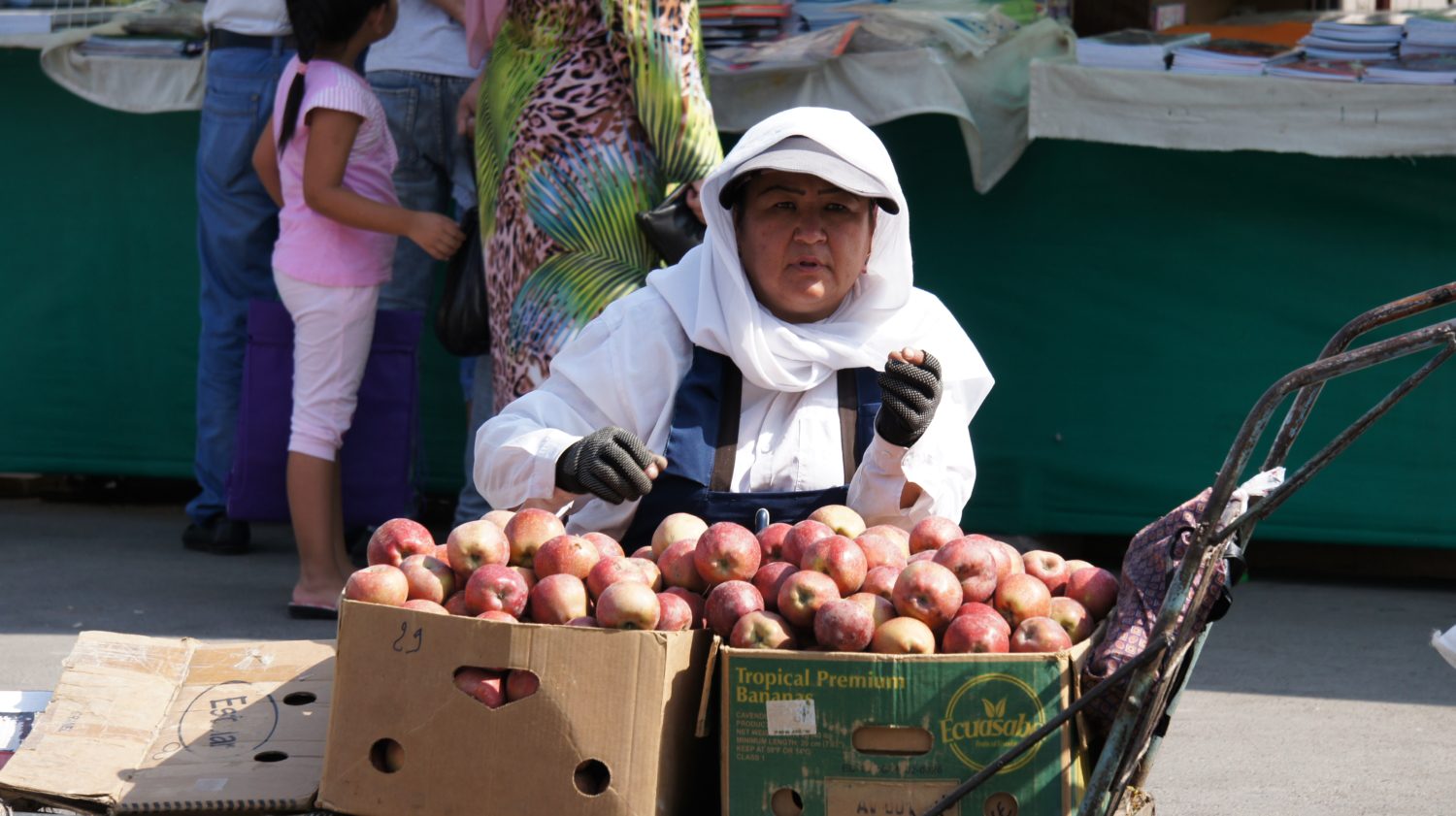
Families residing in Latin America are currently experiencing a problem with nutrition, specifically with children being drastically underweight or overweight. This issue stems from inadequate health education, lack of access to healthy foods, and in some poorer communities, no access to any food at all. Reports in 2018 determined that 20% of children under the age of 5 were not growing at a normal pace due to some form of malnourishment. As a result, these children faced stunted growth and/or obesity. Organizations are tackling this issue by addressing poverty as the root cause of malnutrition in Latin American children.

How Poverty Leads to Malnutrition

In 2017, 184 million Latin Americans were living in poverty while 62 million were experiencing extreme poverty, creating an increased risk for child malnourishment. Low-income households often cannot purchase food, afford healthy foods or are food insecure, which perpetuates unhealthy development. This means children in poor homes are unable to consume the required number of food groups to support their growth. The poorest Latin American countries have it the worst. In 2019, one in two Guatemalan children under the age of 5 had stunted growth.

Children in marginalized households also face obesity. Obesity can lead to long-term health risks such as type 2 diabetes, cardiovascular ailments and mental health complications in adulthood. In 2017, 20% of children under the age of 20 were either obese or overweight in Latin America. A major reason for the continent’s growing obesity rate is the marketing of inappropriate diets. The U.N. highlighted a common marketing trend in Latin American countries: the cheaper choice receives heavy promotion, therefore outselling the healthier choice. This creates a higher demand for processed foods. Processed foods are more readily available in grocery stores than nutritious foods, perpetuating unhealthy habits among children in poverty.

Who is Helping?

There are many organizations that are working to end malnutrition in Latin American children. The nonprofit Save the Children currently has multiple programs in action that specifically target child malnourishment in Latin America by uplifting inclusive markets and strengthening household incomes. So far this nonprofit has provided over 350,000 Haitian children with vital nourishment. Kids Alive International also reaches out to vulnerable children by providing nutritious meals in the Dominican Republic, Guatemala, Haiti and Peru.

UNICEF calculated in 2019 that malnutrition affected 5.1 million children under the age of 5, with children from the poorest households being four times more likely to experience malnourishment. UNICEF is working toward making the Sustainable Development Goals a reality for Latin American children. It hopes to end poverty and the effects of malnutrition by 2030.

Malnutrition in Latin American children continues to be a health crisis with poverty being a primary source. Every child should have the right to healthy food and a healthy lifestyle. International aid helps make those rights a reality.

– Radley Tan
Photo: Pixabay

September 3, 2020
https://borgenproject.org/wp-content/uploads/borgen-project-logo.svg 0 0 Kim Thelwell https://borgenproject.org/wp-content/uploads/borgen-project-logo.svg Kim Thelwell2020-09-03 07:30:162020-09-02 13:32:21Addressing Malnutrition in Latin American Children
Global Poverty, Health

8 Facts About Healthcare In Portugal

healthcare in portugal
Portugal is part of the Iberian Peninsula and lies along the coast of the Atlantic Sea. It is located in Southern Europe and bordered on its northern and eastern sides by Spain. Many know Portugal for its resorts and beaches, cuisine and soccer team, especially its star athlete: Cristiano Ronaldo. However, many also know this country for its amazing, world-renowned healthcare systems and facilities. The following are eight facts about healthcare in Portugal.

8 Facts About Healthcare In Portugal

  1. Universal Health Coverage: Portugal provides healthcare free of charge to children under age 18 and adults over 65. If citizens do not meet these requirements, and unless they need urgent care or have a unique situation, the NHS offers healthcare to them at a low cost. According to internations.org, the average cost of health insurance in Portugal, “could cost between 20 and 50 EUR ($22–55) a month, depending on your age and the extent of your coverage.” This means that a Portuguese citizen could pay, “anywhere between 400 EUR ($440) a year for a basic plan and 1,000 EUR ($1,100) yearly for a more well-rounded coverage.”
  2. Twelfth in the U.N.: In an analysis of the healthcare systems of U.N.-member countries, WHO ranked Portugal 12th best out of 190 countries. Further, Portugal received a 94.5 rating out of 100 on fairness in financing and the efficiency, quality and equity of health responsiveness.
  3. Free Childbirth: Giving birth in Portugal is free if one is a citizen of Portugal. Women receive medical care in all stages of their pregnancy. This includes free appointments with an OB-GYN and delivery, for both natural births and C-sections.
  4. Prevalent Health Conditions: Cancer and cardiovascular diseases are the two most concerning health issues in Portugal. According to the State of Health in the E.U., other causes of death for Portugal’s citizens include diseases in the nervous system (dementia, Alzheimer’s, etc), respiratory diseases and external causes.
  5. High Life Expectancy: The life expectancy of Portugal’s citizens is 82.1 years. Men in the country live for 78 years on average while women can live for about 85 years. Portugal’s life expectancy is higher than the European average of 80.9 years, and expectations have determined that it could keep increasing. U.N. projections have determined that the life expectancy in Portugal could rise to 83.67 by 2030.
  6. NHS-run Hospitals: In 2016, there were about 225 hospitals in Portugal. Portugal’s National Health Service ran 111 of these hospitals, amounting to about 49.3% of the hospitals.
  7. Bad Habits: In 2014, about 17% of adults that resided in Portugal smoked every day, and adult obesity rates had risen to 16%. These habits, when coupled with excessive binge drinking, another popular activity in Portugal, lead to a high prevalence of health issues, such as cancer and cardiovascular disease.
  8. Disability: As of 2000, many Portuguese women can expect to live three-quarters of their life with some type of disability. Meanwhile, men can expect to live three-fifths of their years with some disability, illness or ailment.

These eight facts about healthcare in Portugal demonstrate the benefits that Portuguese people face with their healthcare system as well as some of their challenges. Hopefully, the ability for Portugal’s citizens to obtain free healthcare during early life and old age can serve as an inspiration to other parts of the world.

– Kate Estevez
Photo: Pixabay

September 2, 2020
https://borgenproject.org/wp-content/uploads/borgen-project-logo.svg 0 0 Kim Thelwell https://borgenproject.org/wp-content/uploads/borgen-project-logo.svg Kim Thelwell2020-09-02 12:49:432020-09-02 12:49:438 Facts About Healthcare In Portugal
COVID-19, Global Poverty, Health

South African Poverty and COVID-19

South African PovertyThe battle against poverty has always been a difficult one, but the novel coronavirus pandemic has presented many new challenges. Actions currently being taken to combat South African poverty and COVID-19 have proven that, with new options and renewed commitments, there is still much that can be done to alleviate poverty. Impoverished people around the world need aid now more than ever.

An Ongoing Struggle

Historically, South Africa has struggled to aid its most economically vulnerable citizens. According to the most recent government analysis, almost half of the adult population is living under the poverty line—an alarming figure. It seems apparent that this South African poverty crisis would be seen on nearly every level of society. Sadly, this widespread poverty has had a notable impact on which necessary resources are available to people. While electricity infrastructure is fairly widespread, between 28% and 30% of poor households lack access to water and sanitation services. As is relatively common in cases of inequality, the most vulnerable frequently lack access to basic necessities, making their struggles far more urgent.

COVID-19 Developments

The 2020 COVID-19 pandemic is poised to exacerbate South African poverty. The World Bank has predicted that while the pandemic will increase poverty worldwide, the hardest-hit region will be Sub-Saharan Africa. Although South Africa has been relatively spared from the worst of COVID-19 on a health level, the poverty-inducing effects of the pandemic are daunting—it is projected that some 23 million South Africans will be pushed into poverty in 2020. Beyond the immediate tragedy, this decline will present new challenges. In order to protect them, governments will need to find new ways to offer meaningful support throughout the crisis.

Innovation Brings Hope

Fortunately, the government of South Africa has begun to take steps to properly aid its impoverished citizens during this time. They have rolled out a new, easily accessible digital tool called HealthCheck in order to provide self-assessment resources. Members of the public can download the program, which will ask them a few simple questions and then provide a COVID-19 risk prediction along with a pertinent guideline and suggested actions.

While HealthCheck is designed to be available to the entirety of the South African populace, it aids low-income South Africans in particular. Although only a third of the population uses smartphones, feature phones enjoy more widespread use, so a lack of hardware is not necessarily an issue. For many impoverished people in South Africa—and across the world—receiving the proper healthcare needed to determine a risk of infection may be difficult or outright impossible.

Partnerships Increase Access

To further alleviate this issue, the South African government has coordinated with network operators MTN, Vodacom and Telekom, to have facilitate free access to the USSD line. This way, South Africans who could not typically afford cellular or wi-fi services can make use of the HealthCheck tool. As a matter of fact, they have—authorities have reported that so far, over one million members of the public have used HealthCheck.

The digital tool has been utilized in conjunction with NGOs like Doctors Without Borders.  The NGO has worked to fill the gap in fighting South African poverty by creating impromptu field hospitals in otherwise-ignored townships. In Khayelitsha, it has opened up 70 additional beds in a basketball arena in order to serve as many people as possible in the area. This was part of a broader government plan to have over 1,400 extra beds ready as needed. Providing aid such as this is an important part of the battle against poverty.

Just a Start

The COVID-19 pandemic has disrupted the growth of the continental African economy, and threatens its growing middle class. Across the entire continent, nearly eight million people are predicted to fall into poverty, in many cases due to the lack of a social safety net. By providing essential resources, NGOs like Doctors Without Borders are working to limit the economic burden that falls on the South African populace.

While it’s just a start in terms of supporting the impoverished population, these initiatives have clearly provided accessible ways for low-income citizens to keep themselves and their loved ones safe and healthy. There are still many hurdles to overcome in the fight against South African poverty, but these recent initiatives have shown that we can still work to effectively aid the poor.

– Aidan O’Halloran
Photo: Flickr

September 2, 2020
https://borgenproject.org/wp-content/uploads/borgen-project-logo.svg 0 0 Kim Thelwell https://borgenproject.org/wp-content/uploads/borgen-project-logo.svg Kim Thelwell2020-09-02 11:40:362020-09-02 13:17:18South African Poverty and COVID-19
COVID-19, Development, Health

CATCH Technology for Virus Discovery

CATCH Technology for Virus DiscoveryAccurate and efficient virus detection is needed now more than ever. In areas like Africa, one of the most prevalent diseases is the viral disease of HIV/AIDS. Thousands of people die every year due to viral diseases like HIV/AIDS and even the seemingly harmless flu. The most recent of viruses is COVID-19, the rapidly spreading virus that has led to a global pandemic. CATCH technology for virus discovery provides hope for a less disease-stricken future.

CATCH Technology for Virus Discovery

First developed in 2019 by scientists at the Broad Institute, CATCH provides scientists with an efficient new way to detect and code viruses. In scientific terms, CATCH stands for Compact Aggregation of Targets for Comprehensive Hybridization. CATCH is a computational method that allows scientists and users to design probes that then catch genetic material for all viruses known to humans. This tool is particularly helpful for viruses like Zika, which is very difficult to see in clinical samples. CATCH is able to very accurately and quickly detect even viruses that occur in low abundance in clinical samples. Due to these abilities, CATCH could play a key role in future disease prevention and treatment.

Advantages of CATCH

  1. It is adaptable. As new mutations and strains of viruses are discovered and uploaded to the GenBank database, CATCH users can quickly redesign a set of probes with up-to-date information.
  2. It is efficient at detecting viruses. The Zika outbreak in 2015 proved to be particularly problematic because the Zika virus was not easily detectable within the human body. Zika is difficult to detect because even in patients who contract the virus, blood samples would often have a very low amount of actual Zika virus particles. This is where CATCH proves to be such a groundbreaking method for virus detection. CATCH can detect even the lowest amount of virus particles present in a sample.
  3. It has the power to detect all human viruses. While the first version of CATCH only targeted 20 viruses, as the software developed, the number of viruses it targeted expanded. Now, CATCH has the ability to target all forms of viruses known to infect humans. As more viruses are discovered, they can be easily added to CATCH.
  4. It is accessible. The software for CATCH is available to any member of the public on Github and the development and validation of the tool is available via an online scientific website, Nature Biotechnology.

Impact of CATCH in Africa

In a study by researchers Hayden Metsky and Katie Siddle, data gathered using CATCH helped discover that the ZIka virus was present in several regions, months before scientists could detect it.

At the time of the Lassa outbreak in Nigeria in 2018, the Lassa virus was difficult to sequence and hard to detect. The researchers proved that by using CATCH, content of the samples of the 2018 Lassa virus could be rescued. This means that the Lassa virus will be more easily detectable.

The above results warrant the use of CATCH technology for virus discovery and for future outbreaks. The CATCH tool can be used to provide low-cost disease surveillance and the information required to control outbreaks. In the very depths of a viral pandemic like COVID-19, the CATCH tool creates hope for the future of global health.

– Lucia Kenig-Ziesler
Photo: Flickr

September 2, 2020
https://borgenproject.org/wp-content/uploads/borgen-project-logo.svg 0 0 Kim Thelwell https://borgenproject.org/wp-content/uploads/borgen-project-logo.svg Kim Thelwell2020-09-02 08:08:182020-09-02 08:12:32CATCH Technology for Virus Discovery
Developing Countries, Global Poverty, Health, Water Crisis

3 Organizations Combating Liberia’s Water Crisis

Liberia's Water Crisis
Insufficient access to clean water sources is one of the primary issues that developing countries are facing today, particularly in Africa. Without clean drinking water, people in these countries turn to unsafe secondary sources which can spread disease and promote unhealthy living conditions. Particularly during COVID-19, access to reliable drinking water has become more critical than ever. Liberia’s water crisis is an example of why safe water sources are so important.

Causes of Water Insecurity in Liberia

Situated on the coast of West Africa between the Ivory Coast and Sierra Leone, Liberia is a relatively small country with a population of just over 5 million people. It is Africa’s oldest republic, declaring its independence and drafting a constitution that it modeled on that of the United States in 1847. It is a tropical country with ample water sources, but several wars and disasters are to blame for the country’s lack of water purification systems and a limited ability to transport those resources.

Two brutal civil wars, first from 1989-1997 and again from 1999-2003, severely damaged Liberia’s infrastructure and nearly destroyed its economy. The country experienced a subsequent period of economic growth but lost much of its progress during the West African Ebola outbreak of 2014-2015. This outbreak caused the death of over 4,800 Liberians, causing the country to struggle in rebuilding its economy and infrastructure ever since. Liberia now relies heavily on international organizations and foreign aid, especially in securing potable water.

Combating the water crisis in Liberia is an undoubtedly daunting task. For example, 3.7 million Liberians— or eight in 10 people—do not have access to a functioning toilet. This deficiency forces citizens to relieve themselves outside in groundwater sources, which quickly become contaminated and allow for faster disease transmission. Ebola spread throughout the country as rapidly as it did because of the scarcity of clean toilets, which fostered diseases such as diarrhea. Diarrhea is the second leading cause of death in children in Liberia, with over 700 children under the age of 5 dying each year due to the disease.

In addition to damaging people’s health, Liberia’s water crisis reaches into other aspects of society such as education. Many children remain at home to help around the house, particularly with water retrieval, instead of attending school. For those who do go to school, the shortage of proper toilet facilities in classrooms can result in disease spread and has contributed to the country’s ever-increasing dropout rate. While the water crisis is widespread and threatens to grow with the rise of COVID-19, several organizations are collaborating with the Liberian government to rebuild the country’s infrastructure and provide clean water to those who need it most. Here are three organizations providing clean water in Liberia.

3 Organizations Providing Clean Water in Liberia

  1. UNICEF: The United Nations Children’s Fund (UNICEF) is the most prominent organization combating Liberia’s water crisis. UNICEF has been working with the Liberian government to construct water, sanitation and hygiene (WASH) systems in rural areas with extremely limited access to clean water, as well as schools and hospitals. These low-cost, high-quality centers are key to increasing nationwide hygiene and personal health. As of 2017, nearly 65% of all Liberian WASH systems were functioning properly and serving the country’s citizens, up from just 53% in 2011.
  2. Charity: Water: Charity: Water is a nonprofit organization focused on the global water crisis as a whole, and has an operation in Liberia. In Liberia, Charity: Water is working to restore an aging water-transporting infrastructure that has either experienced destruction or simply not received repair since the last civil war. In addition, the program educates communities on maintaining personal hygiene and teaches locals how to keep these water projects operational.
  3. Face Africa: Face Africa is another nonprofit organization that aims to bring clean and safe drinking water to developing countries, but with a tighter regional focus on Sub-Saharan Africa. Since the start of its mission in Liberia, the organization has completed 50 WASH projects in the country’s rural areas and brought clean drinking water to over 25,000 people. Similar to Charity: Water, Face Africa focuses on ensuring that pre-existing water projects in Liberia are functioning properly and serving their communities. Additionally, the organization is building its own WASH projects in the country.

While combating Liberia’s water crisis is no easy feat, UNICEF, Charity: Water and Face Africa are all doing their part to help end the issue. As Liberia’s economy grows and its ability to rebuild its failing infrastructure strengthens, the country will better able to fight off future water crises.

– Alexander Poran
Photo: Flickr

September 1, 2020
https://borgenproject.org/wp-content/uploads/borgen-project-logo.svg 0 0 Kim Thelwell https://borgenproject.org/wp-content/uploads/borgen-project-logo.svg Kim Thelwell2020-09-01 09:27:382024-05-29 22:30:063 Organizations Combating Liberia’s Water Crisis
Developing Countries, Global Poverty, Health

Solar Energy in Benin Empowers Women and Girls

Solar Energy in Benin
In Benin, a country in West Africa, only 11% of the rural population has access to electricity. This deficit contributes to poor nutrition and health, particularly in rural communities. Additionally, about 40% of the country’s 12 million citizens live below the poverty line. The Solar Electric Light Fund (SELF) is a nonprofit organization that uses solar-powered water pumps and solar drip irrigation to improve agriculture, increase access to clean drinking water and economically empower women in Benin, all with a focus on sustainability. Recent innovations utilizing solar energy in Benin are improving conditions for female farmers across the country.

Solar-Pump Water Stations: Benefiting Women and Girls

In the Kalalé District of northeast Benin, there are only 113 sanitary water sources for a population of 180,000 people. Many potable wells require women and girls to travel long distances outside their villages. This lack of available energy, known as energy poverty, increases the risk for women and girls of becoming targets of sexual violence. To avoid danger, many women and girls take routes to alternate water sources, such as nearby streams or open wells of contaminated water. Relying on these local water sources poses another significant health risk: water-borne diseases are responsible for about 15% of all deaths in Benin.

SELF has built 20 wells in the Kalalé District since 2011 and is currently working to install solar-pump water stations in the region. Funded by a grant from the Millennium Challenge Corporation (MCC), this initiative will install a new solar-pump water station in 24 villages, bringing clean, sanitary water to about 82,000 people. These solar-pump water stations use sunlight—a clean, renewable energy source—to increase access to clean water without emitting greenhouse gases. They also do not require batteries and can last at least 10 years without replacement.

With these solar-pump water stations, women and girls in 24 villages will no longer have to choose between a long, dangerous walk and contaminated water. By providing solar-powered technology to pump clean drinking water, SELF is reducing the prevalence of water-borne diseases in northeast Benin’s rural communities, as well as the risk of sexual violence for women and girls.

Solar Drip Irrigation: Empowering Women Farmers

In northeast Benin, the dry season is long and severe. According to the U.N. Framework Convention on Climate Change, it is “nearly impossible to grow food” for six months of the year. This especially harms women farmers, who are more likely to be living under the poverty line, as well as women and girls who must travel longer distances to collect water for irrigation.

The Solar Electric Light Fund created the Solar Market Garden (SMG) project to reduce malnutrition and food insecurity in Benin year-round. For this initiative, SELF used solar-powered well pumps to operate drip irrigation systems on 11 female-operated farms designated as Solar Market Gardens, impacting 400 women farmers in 10 villages throughout the Kalalé district. Each garden produces more than 4,000 pounds of food every month. As a result of this project, 66,000 more people have reliable access to fresh produce, increasing food security, nutrition and health. For rural villages in northeast Benin, access to solar energy can reduce hunger without negatively affecting the environment.

In addition to improving agriculture, SELF’s Solar Market Gardens also empower women and girls in Benin. Female farmers involved in the project can adequately feed their families, earn a larger and more reliable income and gain reputations as entrepreneurs. Women’s economic empowerment is crucial for poverty reduction because, according to U.N. Women, it “increases economic diversification and income equality” and grants women more “voice, agency and meaningful participation in economic decision-making at all levels.” At the same time, women and girls in each village can focus more on their education and other economic activities instead of water collection. According to the World Bank, educated women and girls are more likely to live healthier lives, earn an income and have fewer children. They are also less likely to marry as minors.

Encouraging Poverty Reduction

Widespread access to energy, especially electricity, is an essential component of poverty reduction because it allows more people to reliably access clean water and adequate food. The Solar Electric Light Fund reduces poverty and food insecurity in northeast Benin. Others can easily replicate their initiatives, directly benefitting women and girls and creating more sustainable communities. Overall, the rising popularity of solar energy in Benin gives hope to women and girls across the nation.

– Rachel Powell
Photo: Flickr

September 1, 2020
https://borgenproject.org/wp-content/uploads/borgen-project-logo.svg 0 0 Kim Thelwell https://borgenproject.org/wp-content/uploads/borgen-project-logo.svg Kim Thelwell2020-09-01 01:30:542024-05-29 23:22:31Solar Energy in Benin Empowers Women and Girls
COVID-19, Global Poverty, Health

3 Bahamian Charities Combating COVID-19

Bahamian Charities Combating COVID-19Last year, Hurricane Dorian brought massive destruction to The Bahamas. The damage was unlike anything the islands had ever witnessed before, leaving around 70,000 Bahamians homeless. Although much of the Bahamian infrastructure is leveled, resilient islanders were quick to begin reestablishing their livelihoods. Now the outbreak of COVID-19 has brought the world to a standstill, slicing through The Bahamas’ tourism economic sectors. Paired with the global shortage on toiletries and PPE, the citizens of these popular vacation islands are withstanding two pandemics; fortunately, however, local charities have stepped in a major way. Here are three Bahamian charities providing life-saving aid through these times of struggle.

3 Bahamian Charities Combating COVID-19

  1. The Dignified Project: People living in poverty around the world already struggled to obtain supplies and health services. Now that stores and public transports are closed due to natural disasters and the virus, combined with rising prices and economic uncertainty, the impoverished are facing even greater hurdles. But imagine a massive shortage of essential items that help manage the natural disposition of the body. No, not toilet paper. Think more on the lines of tampons. It’s called period poverty. One major, yet underrated stifle for the economic development of menstruating women is the lack of access to hygiene products that help manage menstrual health. The Dignified Project is a nonprofit organization that provides young girls with feminine hygiene products. Not only do they provide these essential items for free, but they also educate young girls in The Bahamas on building confidence, demonstrating body positivity and increasing awareness of health and “social concerns related to their biological development.” According to its Instagram page, The Dignified Project offers two kits: bras, underwear and other essential undergarments; soap and tampons or pads. Phillipa Dean, the initiative’s founder, reported that the organization has been distributing products more frequently due to heightened demand from COVID-19, which first ravaged the country on March 15.
  2. The Bahamas Light Industries Development Council (BLIDC): The Bahamas Light Industries Development Council (BLIDC) is an organization formed by and for Bahamian manufacturers and producers. The organization’s aim is to “promote and expand, and to preserve and protect light industries operating in the Bahamas.” In the past, members of the BLIDC, alongside other companies like bakeries and breweries, have rendered services to non-governmental organizations by aiding struggling households and communities. Although businesses like BLIDC are not fully performing manufacturing functions, these Bahamian charities still ensure access to food and beverages. Upon hearing about the recent shortage grits, a prominent food staple in Nassau, the BLIDC reached out to island partners in search of resources. In addition to supporting local businesses, the BLIDC donated what was harvested to the Bahamas Feeding Network.
  3. Hands for Hunger: Volunteer drivers are delivering food packages to Bahamians in need. According to its website, Hands for Hunger has delivered more than 150,000 pounds of food to 40 agencies since the dawn of COVID-19 in March including senior living homes, children’s homes and churches. As a result of this organization’s efforts, more than 2,100 Bahamians are being assisted bi-weekly with approximately 400 families having received food assistance over a three-month period.

Between natural disasters, a pandemic and pre-existing struggles with poverty, the Bahamas undoubtedly have several unique challenges left to work through. However, with continued support from passionate Bahamian charities, there is promise for the nation to repair itself in the near future.

– Katrina Robinson
Photo: Flickr

August 29, 2020
https://borgenproject.org/wp-content/uploads/borgen-project-logo.svg 0 0 Kim Thelwell https://borgenproject.org/wp-content/uploads/borgen-project-logo.svg Kim Thelwell2020-08-29 13:54:302024-05-30 07:52:143 Bahamian Charities Combating COVID-19
Health

Maternal Healthcare in Algeria: 4 Facts Everyone Should Know

Maternal healthcare in Algeria
Algeria, a large country in North Africa, bordering the Mediterranean Sea. The country is known for its rich history and culture, as well as its scorching temperatures. Like many nations in Africa, Algeria struggles to combat maternal mortality – a long-standing, persistent issue for many women in the country. However, in the last several years, Algeria has taken numerous steps to expand maternal healthcare and reduce pregnancy and labor complications. Here are four facts about maternal healthcare in Algeria.

4 Facts About Maternal Healthcare in Algeria

  1. According to recent updates on the maternal mortality ratio in Algeria — it has gradually dropped from 179 deaths per 100,000 live births in 1998 to 112 deaths per 100,000 live births in 2017. Much of the success in lowering the number of deaths is attributed to a multitude of factors such as increased medical training, investments in healthcare and specific government initiatives aimed at reducing maternal deaths. During the years 2009–2017, Algeria trained about 900 professionals from university hospitals such as, Benni Messous, Kouba, Oran and Bab El Oued on multidisciplinary management of pregnancy.
  2. Within the last couple of years, Algeria has managed to make major investments in healthcare. Algeria managed to increase expenditures in healthcare as a share of GDP from 3.6 % in 2003 to 6.4 % in 2017 — growing at an average annual rate of 4.57%. This is an impressive number when compared with Algeria’s neighboring countries. Moreover, these investments have also helped to establish successful disease detection programs and allowed for improved medical facilities.
  3. In 2015, the Ministry of Health in Algeria began to work in collaboration with UNICEF in an attempt to implement a neonatal and maternal mortality reduction plan. This plan was implemented with the intention of reducing as many preventable, maternal deaths as possible, with a target of 50 deaths per 100,000 live births by 2019. Additionally, in 2016 the Ministry of Health put forward an emergency maternal mortality rate (MMR) reduction plan. “The goals set by the plan relate to strengthening family planning, improving the quality of healthcare during pregnancy, birth and postpartum.”
  4. In order to continue the reduction of the maternal mortality rate, the Health Ministry of Algeria held a survey to consolidate the maternal death rate with the technical and financial collaboration of the three U.N. agencies: (UNFPA, UNICEF and the WHO). The objectives of this survey were to reach a consensus on connections between frequent causes of maternal death, update the maternal death rate and cultivate reliable data “for the readjustment of national programs on maternal health and the reduction of preventable maternal deaths for the implementation of Algeria’s ICPD commitments.”

A Leader in Maternal Healthcare

Much work remains in order for Algeria to be able to effectively put an end to preventable, maternal deaths. However, the measures put into practice within the last several years have already proven to be a success. Thanks to these policies, Algeria has become known as a leader in maternal healthcare in North Africa and the country continues to build a strong momentum and infrastructure to fight this problem.

– Shreeya Sharma
Photo: Flickr

August 29, 2020
https://borgenproject.org/wp-content/uploads/borgen-project-logo.svg 0 0 Kim Thelwell https://borgenproject.org/wp-content/uploads/borgen-project-logo.svg Kim Thelwell2020-08-29 10:30:242020-08-31 13:15:44Maternal Healthcare in Algeria: 4 Facts Everyone Should Know
COVID-19, Health

5 Things to Know About COVID-19 in Taiwan

COVID-19 In TaiwanWith a population of approximately 23 million people and a location that is in close proximity to China, epidemiologists expected that Taiwan would be the next epicenter of the COVID-19 pandemic. After having 668 reported cases of SARS (Severe Acute Respiratory Syndrome) in 2003, Taiwan was well equipped to contain and slow the spread of the COVID-19 virus.

5 Things About COVID-19 in Taiwan

  1. Although Taiwan is close to China and has a population of nearly 23 million, it has done remarkably well in its response to COVID-19. As of July 30, 2020, there have been 467 positive cases and just seven deaths reported. This translates to 20 cases of COVID-19 per one million people living in Taiwan.

  2. In an effort to help citizens locate where they can purchase masks, more than 1,000 Taiwanese software developers created applications to help citizens understand where masks were available. In early March there were “59 map systems, 21 line applications, three chatbots, 23 mask sales location search systems, 22 apps, five audio systems, two information-sharing systems and one online mask reservation system.”

  3. Wearing a mask in public to prevent the spread of COVID-19 was an early practice in countries like Taiwan. Prior to the rise of the pandemic, Taiwanese manufacturers were producing 1.88 million to 2.44 million face masks per day. In an effort to ensure masks were available to those who needed them, the Government of Taiwan banned the export of masks on January 24, 2020.

  4. During the 2003 SARS outbreak, Taiwan had a robust contact tracing and quarantine system, border and travel regulations, a SARS advisory committee and training on infection control. Although these efforts were initially effective, Taiwan ultimately reported 668 probable cases of SARS. As a result of the severity of the SARS outbreak in the country, Taiwan stepped in quickly with stricter policies to slow the spread of COVID-19 by hosting virtual lectures about COVID-19, implementing travel restrictions, prohibiting large events and quarantine and isolation measures.

  5. Because Taiwan has been able to successfully control the spread of the COVID-19 pandemic, many aspects of daily life have resumed. After approximately three consecutive weeks of no community spread, the Taiwanese Baseball League became the first in the world to allow spectators and fans back into games. On May 8, 2020, the professional baseball league allowed 1,000 fans into their scheduled games to spectate.

As a result of its swift and effective response to COVID-19, Taiwan has been able to return to a semblance of normalcy. Taiwan’s success stems from the government’s quick action, technological assistance as well as hard lessons learned from the SARS pandemic. In light of all the above, it comes as no surprise that Taiwan’s response to COVID-19 ranks as one of the world’s best.

– Maddi Miller
Photo: Flickr

August 29, 2020
https://borgenproject.org/wp-content/uploads/borgen-project-logo.svg 0 0 Kim Thelwell https://borgenproject.org/wp-content/uploads/borgen-project-logo.svg Kim Thelwell2020-08-29 09:48:442020-08-29 13:01:545 Things to Know About COVID-19 in Taiwan
Global Poverty, Health, Malaria

6 Facts About Healthcare in Tunisia

Healthcare in TunisiaThe North African country of Tunisia is sandwiched by two relatively unstable nations, Algeria and Libya. However, Tunisia has had consistent development in human wellbeing for the past couple of decades, ranking among the best nations in Africa. In part, this success can be attributed to Tunisia’s relatively strong healthcare system. According to a World Health Organization report, Tunisia possesses a “national health strategic plan” as well as a relatively high life expectancy at 75 years. Healthcare in Tunisia is a promising sign that the country can adequately support its population and promote longer, healthier lives for its citizens. Here are six facts about healthcare in Tunisia.

6 Facts About Healthcare in Tunisia

  1. More than 90% of the population is covered by health insurance. While some citizens use private insurance, others are covered by programs in place to assist the most disadvantaged in society. However, Tunisia still lacks truly universal coverage. One of the top complaints about healthcare in Tunisia is gaps in payment for important medical procedures, which can burden families.
  2. Tunisia’s 2014 constitution granted healthcare as a human right. The government is still working to make this a reality and provide universal, effective healthcare in Tunisia. Specifically, the government is trying to improve the dilapidated health infrastructure in the south of the country. This manifested in a 9% increase in the healthcare budget in 2016, which went toward improving infrastructure in remote areas.
  3. Private healthcare in Tunisia is booming. In recent years, before the COVID-19 pandemic, the number of private clinics built in the country was expected to surge. Seventy-five new facilities are set to be completed by 2025, doubling the number of hospital beds in the country. These improvements should help make access to quality healthcare more readily accessible to the general population.
  4. Tunisia successfully combated many diseases in the past. Most importantly, Tunisia has been able to eradicate and control many deadly diseases that put a strain on its healthcare system. Malaria, polio and schistosomiasis are well under control. In addition, Tunisia’s healthcare system has worked to address HIV/AIDS.
  5. During the COVID-19 pandemic, Tunisia has done relatively well. Sitting at 1,327 confirmed cases and 50 deaths as of July 2020, the country is positioned to recover economically from the virus, which is devastating in other parts of the world. Though it is still early in the pandemic, it appears that the healthcare system in Tunisia was able to absorb the influx of cases in order to slow the death rate.
  6. Robust preventative measures enabled Tunisia’s positive response to COVID-19. Seeing the potential for a rise in cases early on, the government, as advised by healthcare experts, quickly went into a rigorous lockdown that lasted for months. This was especially difficult considering that tourism accounts for 10% of the country’s GDP. According to a WHO spokesman, a strong sense of community and respect for the lockdown measures eased the country’s caseload and death toll. Because the Tunisian population was willing to make sacrifices for the broader community, they are now in a comparatively better place than some other nations around the world.

Healthcare is a critical issue for any nation. While there is always room for improvement, Tunisia has succeeded in using its available resources to ensure medical coverage for its people.

– Zak Schneider
Photo: Pixabay

August 29, 2020
https://borgenproject.org/wp-content/uploads/borgen-project-logo.svg 0 0 Kim Thelwell https://borgenproject.org/wp-content/uploads/borgen-project-logo.svg Kim Thelwell2020-08-29 07:12:122020-09-17 20:37:206 Facts About Healthcare in Tunisia
Page 105 of 212«‹103104105106107›»

Get Smarter

  • Global Poverty 101
  • Global Poverty… The Good News
  • Global Poverty & U.S. Jobs
  • Global Poverty and National Security
  • Innovative Solutions to Poverty
  • Global Poverty & Aid FAQ’s
Search Search

Take Action

  • Call Congress
  • Email Congress
  • Donate
  • 30 Ways to Help
  • Volunteer Ops
  • Internships
  • Courses & Certificates
  • The Podcast
Borgen Project

“The Borgen Project is an incredible nonprofit organization that is addressing poverty and hunger and working towards ending them.”

-The Huffington Post

Inside The Borgen Project

  • Contact
  • About
  • Financials
  • President
  • Board of Directors
  • Board of Advisors

International Links

  • UK Email Parliament
  • UK Donate
  • Canada Email Parliament

Get Smarter

  • Global Poverty 101
  • Global Poverty… The Good News
  • Global Poverty & U.S. Jobs
  • Global Poverty and National Security
  • Innovative Solutions to Poverty
  • Global Poverty & Aid FAQ’s

Ways to Help

  • Call Congress
  • Email Congress
  • Donate
  • 30 Ways to Help
  • Volunteer Ops
  • Internships
  • Courses & Certificates
  • The Podcast
Scroll to top Scroll to top Scroll to top