 Breastfeeding is the most effective way to maximize infant health and provide the best possible start in life for babies, showing that the common phrase ‘breast is best’ rings true. Not only is breast milk the ideal food for infants but it is also the number one way to ensure their health and survival. Human milk banks allow infants access to necessary breast milk.
Why Breast is Best
Breast milk provides all the vitamins and nutrients a baby needs during the first months of its life, including important antibodies that can help fight many deadly childhood diseases like acute respiratory infections and diarrhea. Additionally, the preparation of breast milk does not require access to clean water or sanitation (unlike formula) and is cost-free and widely accessible for parents.
The World Health Organization (WHO) recommends exclusive breastfeeding for the first six months of life and continued supplementation until 2 years of age. All the benefits of breastfeeding pay off as children who are breastfed have more than six times the chance of surviving than non-breastfed children. Breastfed children often score higher on intelligence tests, maintain healthier weights and have fewer instances of illness. In fact, successful breastfeeding of children aged 0-2 has the potential to prevent 13% of all childhood deaths under 5 years old in countries experiencing extreme poverty.
Trouble breastfeeding can stem from a wide range of issues, like cleft palate, low milk supply, trouble latching, malnutrition, disease or lack of support and counseling before, during and after pregnancy. In Kenya, 362 mothers die for every 100,000 live births, leaving many babies without easy access to breastmilk. When infants do not receive the nutrients they need, it is difficult for them to survive and thrive.
Human Milk Banks
Human milk banks provide safe and lifesaving breast milk to babies who are unable to nurse from their own mothers. Generous donors provide the breast milk. The milk bank screens the donors and processes and pasteurizes the donations, and then, the lifesaving breast milk is redistributed to help babies in need.
Children in this category include prematurely born infants, orphans or cases where a mother is unable to provide breast milk. This effective system ensures that babies can access breast milk that will help them reach their potential. The WHO recommends that in cases where babies are unable to nurse from their mothers, donor milk can be utilized, indicating that donated breast milk is safe and effective for babies who need it.
The Pumwani Maternity Hospital
The Technical Working Group decided on Pumwani Maternity Hospital as the first to provide Kenya with a breast milk bank. This hospital is innovative in terms of neonatal care, promoting skin-to-skin (Kangaroo Mother Care) contact and providing breastfeeding education to parents. In Kenya, the rate of acceptance for breastfeeding is low. One concern with this project was whether mothers would consider breast milk donation an option. Fortunately, researchers from PATH report that locals are warming up to the idea of the bank, which bodes well for the future of the program.
As of October 2019, the Pumwani Maternity Hospital reported delivering lifesaving breast milk from more than 400 donors to 75 infants, a marked success. As a result, the Ministry of Health (MOH) included a recommendation for donated human breast milk in Kenya’s newborn care guidelines. Annually, donor milk has the potential to save the lives of hundreds of thousands of babies. Although there is still a long way to go to achieve widespread access to breast milk for all infants, the success of Pumwani Maternity Hospital stands as a great example of what human breast milk banks can accomplish.
– Noelle Nelson
Photo: Flickr
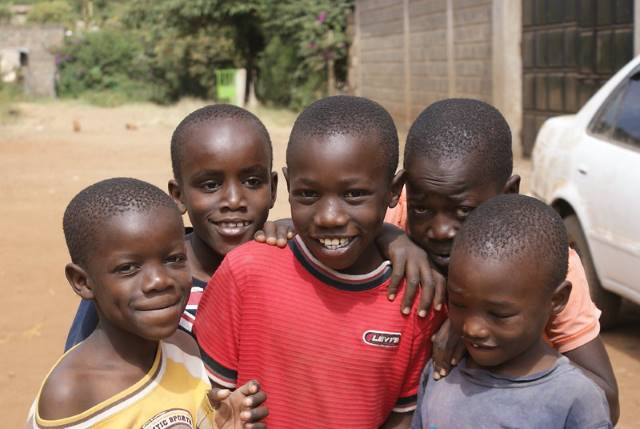 In 2017, Tennessee Titans’ player, Kenny Vaccaro, traveled to Kibera, a division of Kenya, to help build schools. Alongside him was Kansas City Chiefs’ player and friend, Alex Okafor. Together, the two joined the Blessed Hope Project’s mission to make education more readily available to all children in the Kibera slums. Vaccaro’s journey does not stop there, though, as his time in Kibera sparked what is now his personal devotion to creating educational opportunities for African children.
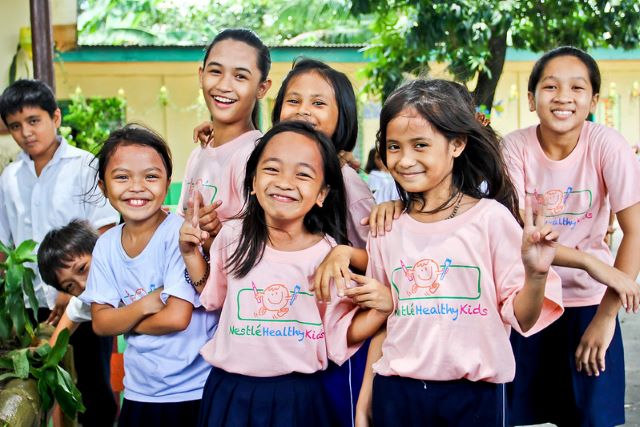 In 2015, the U.N. put out a list of Sustainable Developmental Goals (SDGs) to reach by 2030. The focus of these SDGs is to build a better, more sustainable world, inclusive of all countries. While the first SDG is specifically geared towards ending poverty as a whole, the rest of the goals have direct and indirect ways of addressing poverty as well. There are quite a few popular brands in the kitchen fighting global poverty and many are using the SDGs as a guideline for launching campaigns toward ending facets of poverty.
 Period poverty, or the inability to access sanitary products for menstruation, remains a problem in many impoverished areas of the world, with millions of women and girls denied access to products and forced to stop attending school during their menstrual cycles. This problem persists in Tanzania, where
 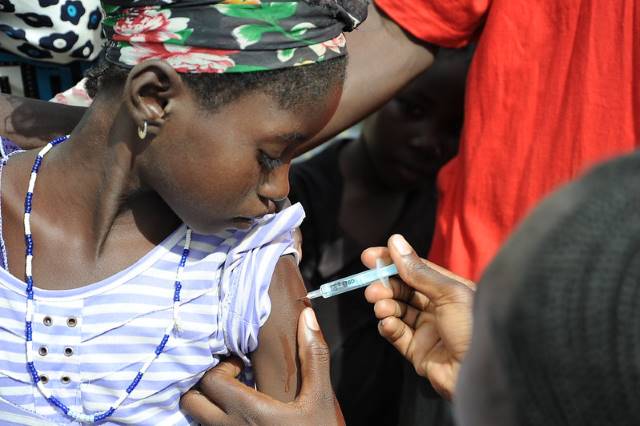 Through the use of public education, grassroots advocacy and fundraising, Shot@Life strives to decrease vaccine-preventable childhood deaths to zero by the year 2030. The Shot@Life campaign has an overall goal for every child to have a shot at life no matter where they live.
 Despite leading the continent in incorporating students into primary and secondary systems of education, East Africa retains acute socio-economic problems. More than
  Brunei is an independent Islamic sultanate on the northern coast of the island of Borneo in Southeast Asia. Some statistics about the country still remain unknown, such as the percentage of Bruneians living in poverty. This is due to the fact that Brunei still does not have a poverty line as of 2018. However, one can use other means to measure Brunei’s poverty. Additionally, other data can help ascertain whether or not livelihoods in Brunei are improving citizens’ unquantified impoverished situations.
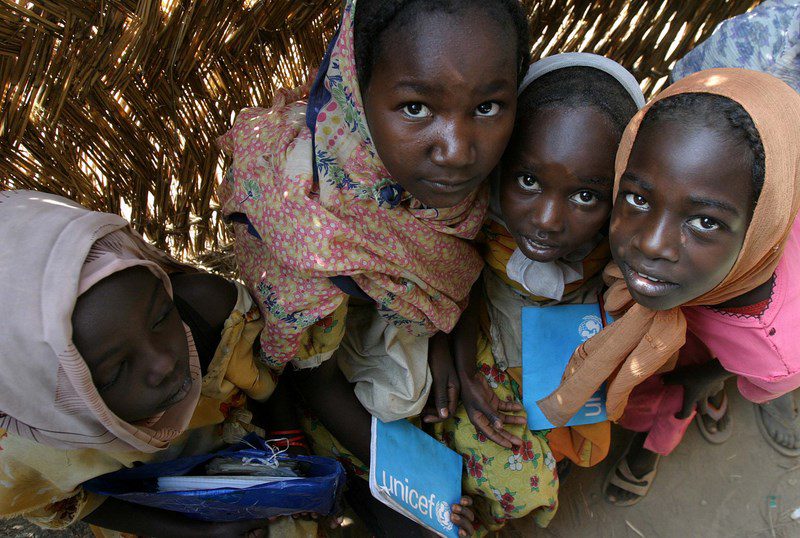 The Algerian constitution states that
 Women’s rights in Uganda are notoriously spotty. Ugandan women experience high rates of physical and sexual abuse, at