The Netherlands leads in refugee advocacy, COVID-19 relief and environmental protection and occupies a significant place on the world stage because of its commitment to foreign aid. The Netherlands is the world’s seventh-largest donor country, spending 0.59% of its gross national income, or $5.3 billion, on official development assistance (ODA) in 2019. The Dutch government plans to increase ODA by $2.7 billion between 2019 and 2022 to compensate for budget cuts the previous administration made and increased its development budget by $354 million in September 2020 in response to the ongoing COVID-19 pandemic. The Netherlands aims to assist unstable regions of West and North Africa and the Middle East through a focus on four major priorities: law and security, water management, food security and reproductive health. The Netherlands’ foreign aid is a key aspect of the country’s public policy and shapes its reputation for philanthropy worldwide.
Human Rights in the Netherlands
Human rights are a cornerstone of the Netherlands’ foreign aid. The country has a commitment to increasing protection for marginalized communities both at home and abroad. The Netherlands welcomed 94,430 refugees and asylum seekers in 2019 and more than 100,000 each of the preceding three years. The government has also taken steps to support refugees, allocating $453 million, or 9% of the ODA budget, to refugee housing costs in 2021. Additionally, the Netherlands allocated additional funding to fight the root causes of poverty, migration, terrorism and environmental challenges in Africa and the Middle East. The Netherlands hopes to address the root causes of these problems in their countries of origin to reduce the number of refugees and improve the quality of life for the global impoverished.
The Netherlands leads the world in advocacy for gender equality and sexual health through funding for international organizations such as the United Nations Population Fund, UNAIDS and the Global Financing Facility. These organizations work to prevent infant and maternal mortality, end HIV/AIDS and end child marriage and female genital mutilation in developing countries. For example, the Global Financing Facility provides high-quality affordable health care to women and children focused on ending infant and maternal mortality and providing necessary health services to children and teenagers. Since its founding in 2015, GFF has made significant strides in advancing health care in its partner countries. Tanzania improved from an average of 35.8% of pregnant women receiving antenatal care visits in 2014 to 64.1% in 2018.
COVID-19 Relief in the Netherlands
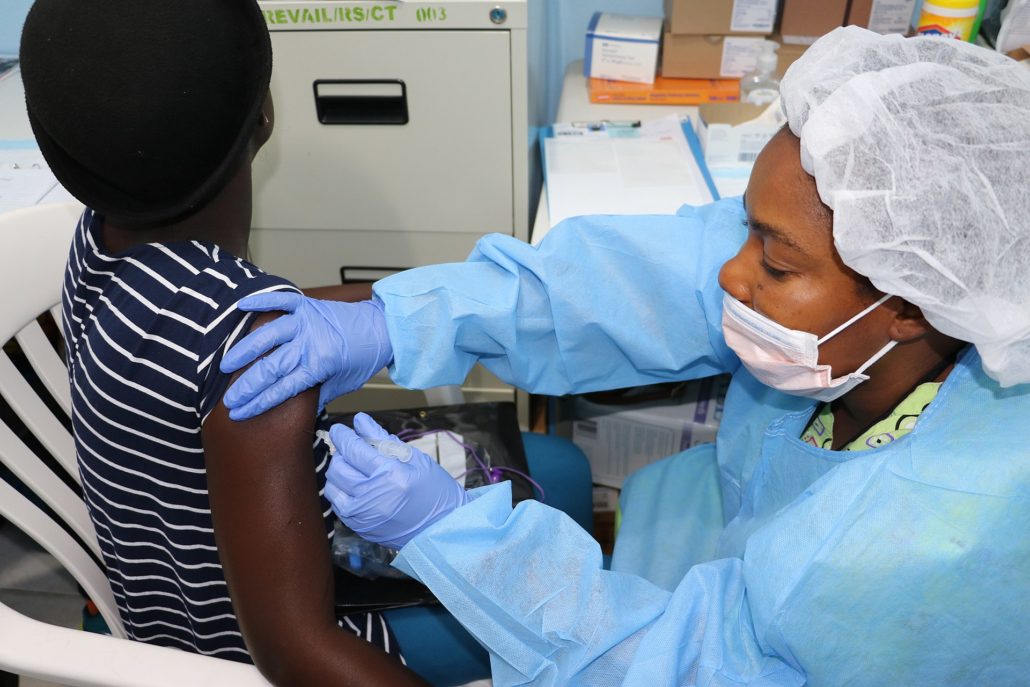
During the COVID-19 pandemic, the Netherlands’ foreign aid is important in protecting global health in vulnerable regions. The Netherlands has taken the initiative to allocate pandemic relief aid to the world’s most impoverished countries, joining other EU states to contribute $459 million to COVAX, which helps ensure universal access to the COVID-19 vaccine. COVAX aims to distribute 2 billion COVID-19 vaccines to developing countries by the end of 2021, ensuring global protection against the virus. The country also donated $590 million to global COVID-19 relief efforts in 2020 and plans to contribute a further $548 million from its budget for the upcoming years.
In January 2021, the Netherlands announced it would donate a further €25 million to COVID-19 relief following an appeal by the World Health Organization (WHO). Together, the WHO and its global partners will earmark $5 billion to ensure the distribution of 1.3 billion vaccines in countries with limited or insufficient funds. Development minister Sigrid Kaag emphasized the responsibility of the Netherlands to help more vulnerable countries by providing vaccines, diagnostic tests and medicine, which will also help to protect Dutch interests. The €25 million will come from the development cooperation budget and will cover 5 million vaccine doses.
The Netherlands uses its global platform to advocate for marginalized communities, particularly at-risk populations in North and West Africa and the Middle East. Foreign aid is a cornerstone of Dutch foreign policy that has grown the wealthy country’s reputation for philanthropy. By welcoming refugees, advocating for human rights and funding global efforts to combat COVID-19, the Netherlands affirms its commitment to foreign aid and funds solutions for some of the most pressing global problems.
– Eliza Browning
Photo: Wikipedia Commons


 The global video game industry is valued at $140 billion and Africa is primed to take a piece of the action. Between 2014 and 2018, the number of African gamers rose from 23 million to a staggering 500 million, opening up a lucrative opportunity for the African gaming industry to become a major player. Video games in Africa have the potential to transform poverty in the continent.
 Toward the end of November 2020,
 On March 7, 2019, Venezuela entered the worst power outage in the country’s history. Plunging all 23 states into darkness, the blackout lasted over five days in majority of the country. The economic losses triggered by this event exceeded $800 million and led to the
  In its most basic sense, the
 In 2018 and 2019, Morocco became a powerhouse in renewable energy,
