Period poverty affects millions of individuals who menstruate across the globe. However, one unique project founded in some of the most afflicted regions of Mali has emerged to lead the way in the fight against period poverty in Mali.
What is Period Poverty?
Period Poverty is the lack of access to clean and hygienic menstrual products and the right to use these products in a safe and stigma-free environment. In the face of a lack of appropriate resources, individuals resort to using items such as rags, grass and paper as an alternative at a risk to their personal health. Reports suggest that at least 500 million people globally experience period poverty. While period poverty is present across the world, it is most prevalent in developing countries such as Kenya, Mali and other sub-Saharan countries.
What is the Situation in Mali?
The Republic of Mali is a landlocked sub-Saharan country in West Africa. Since the military coup in 2012, the country has suffered from a fluctuating economy and extreme poverty, worsened further by the devastating effects of changing weather patterns on its agricultural industry. In 2022, an estimated 19.1% of Mali’s population lived in impoverished conditions, with 90% of this demographic concentrated in the densely populated southern regions of the country. Malian societies treat the topic of menstruation as taboo and those who menstruate often face bullying, ridicule and discrimination. The lack of communication and support for these individuals can affect every aspect of their lives from their education, relationships, health and overall well-being.
Ongoing Efforts
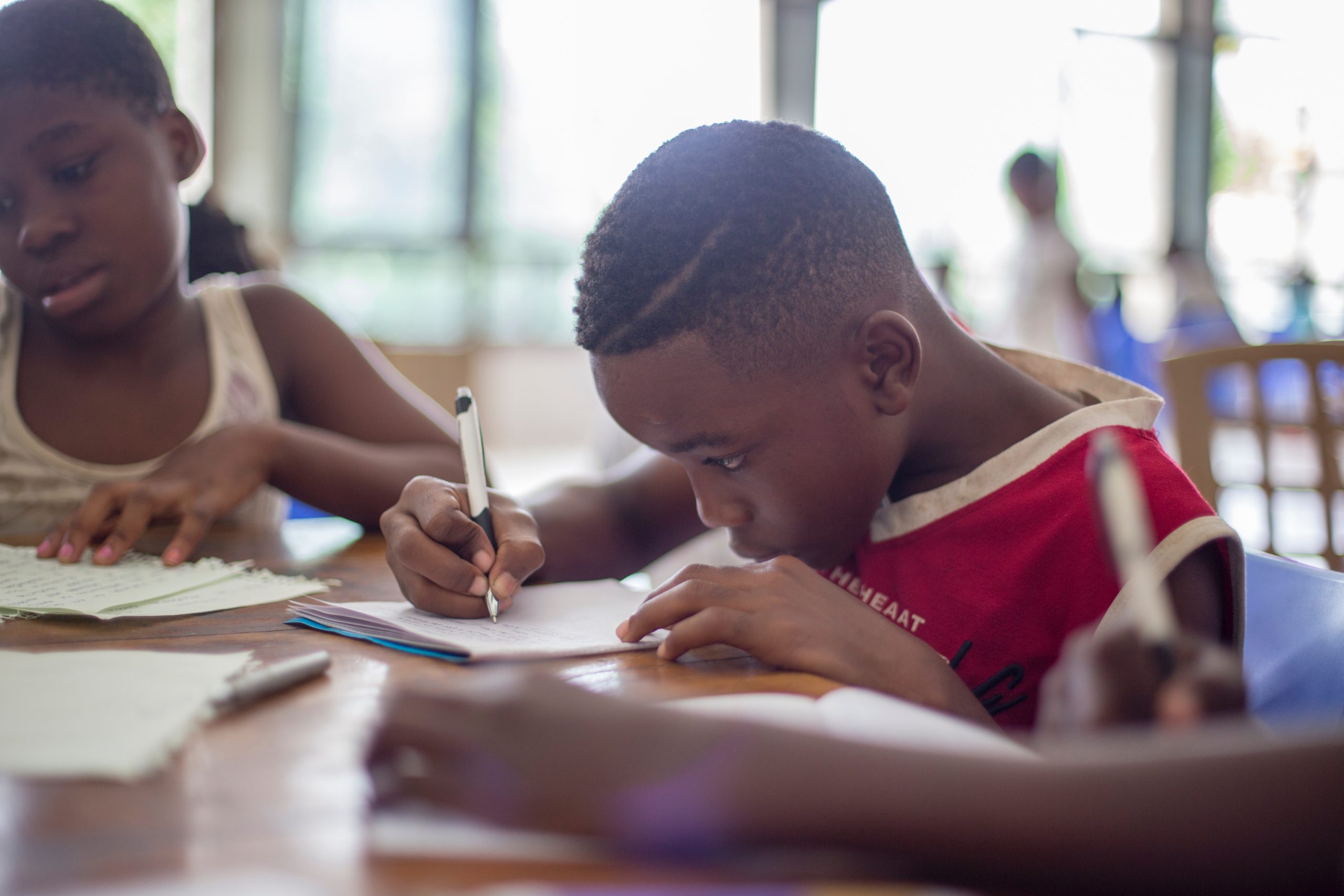
The United States Agency for International Development (USAID) has been providing support to local communities in the hopes of tackling period poverty in Mali. One such project that USAID has funded is the ‘Girls Leadership and Empowerment through Education (GLEE) project. The GLEE project is a $15 million project that the nonprofit organization Winrock International established in 2018. The project set out with the intention of providing education and support to school-aged girls in Mopti and Kayes, two regions located in the south of Mali.
GLEE’s Progress in The Fight Against Period Poverty in Mali
In the five years since its establishment, the GLEE project has been able to achieve the following:
- Supported approximately 14,000 girls who were previously out of school, providing them with access to education through the creation of schooling centers.
- Renovated numerous school facilities such as toilets to provide individuals with a space to access and use menstrual products.
- Established resources for teachers and other school figures on menstruation to provide better understanding and less stigma surrounding the topic of menstruation in Malian society.
- Created regular mentoring sessions for girls from individuals within their community to provide advice and a safe space to discuss issues relating to periods.
While individuals continue to face challenges related to menstrual hygiene in Mali, as well as in the broader sub-Saharan region and worldwide, there are ongoing efforts to address these issues. Projects like GLEE are at the forefront of this fight, providing education and resources to combat period poverty.
– Holly Coop
Photo: Flickr
 Global poverty remains
  In a world often marked by self-interest, few figures stand out as beacons of compassion and change. However, the British singer and songwriter Harry Styles’ commitment to making a positive impact on the world has become as notable as his musical talents. Beyond his artistry, Styles has consistently demonstrated a profound dedication to philanthropy, embodying his personal mantra: “Treat people with kindness.” While Styles has a history of charitable efforts, his recent endeavors underscore the breadth of his commitment to creating a better world.
 The United Nations (U.N.) has been
  Impact investing is an investment strategy employed by individuals, companies or organizations seeking both financial returns and a positive social or environmental impact. This approach, when applied to education, could yield substantial benefits for individuals and developing countries alike. Education has the potential to enhance various facets of an economy, including health, empowerment and employment, as
  Hosted by the countries of Australia and New Zealand, the 2023 Women’s World Cup has not only impressed soccer fans worldwide with extraordinary athletic prowess, but it’s also making serious strides in the battle against global poverty.