The Benefits of Impact Investing in Education for Poverty Alleviation
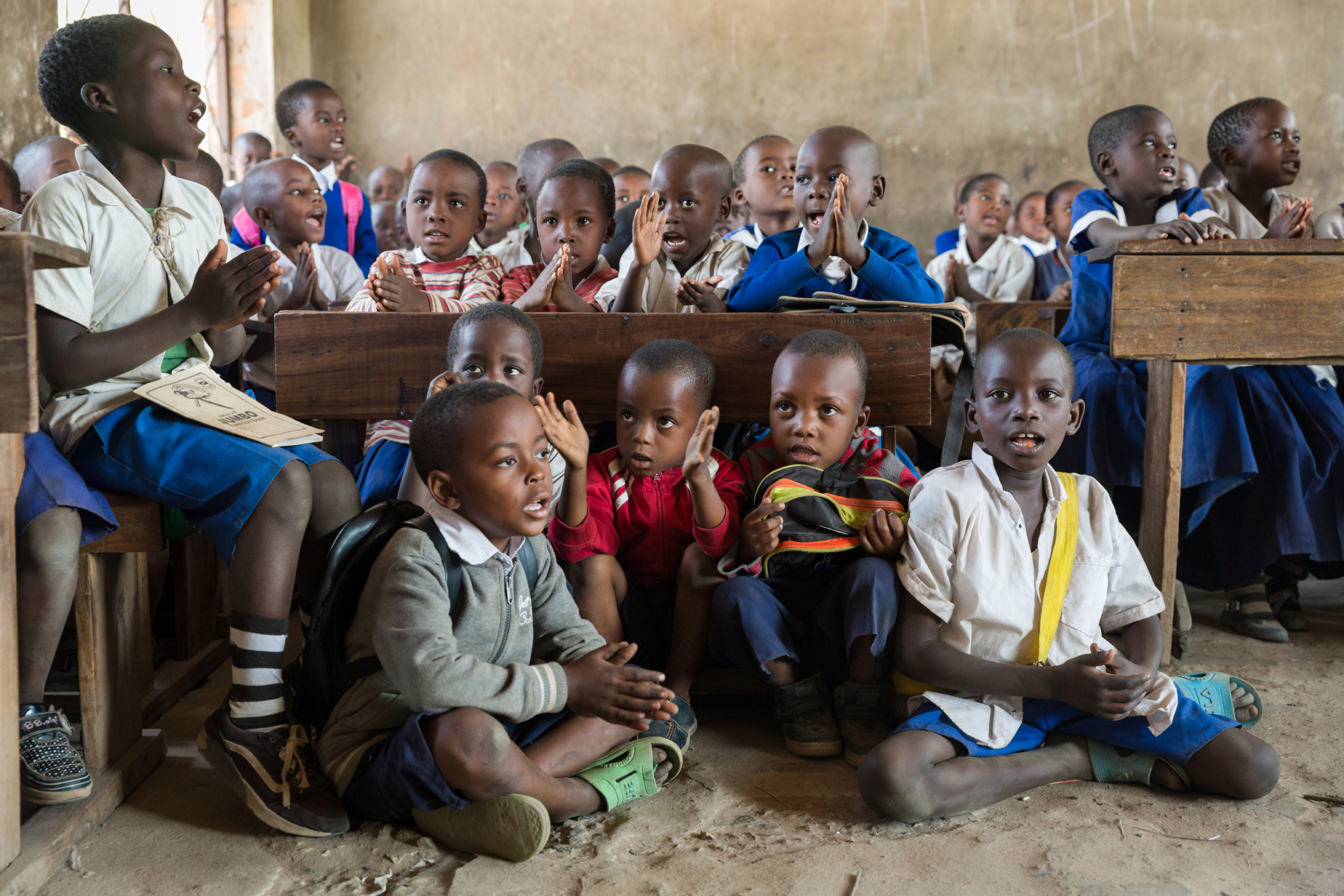 Impact investing is an investment strategy employed by individuals, companies or organizations seeking both financial returns and a positive social or environmental impact. This approach, when applied to education, could yield substantial benefits for individuals and developing countries alike. Education has the potential to enhance various facets of an economy, including health, empowerment and employment, as highlighted by EHL Insights. For instance, research suggests that achieving universal education, where every child acquires basic literacy skills, could reduce the number of individuals living in poverty by an estimated 170 million.
Reducing the Funding Gap
The private sector can significantly assist governments in developing countries in closing the funding gap and providing access to quality education for all children in these nations. This support is crucial as many developing countries face challenges in securing the financial resources required for universal basic education of high quality.
According to LEK Consulting, developing countries will need an expenditure of $3 trillion on education to provide “universal access to education” by 2030, which aligns with the sustainable development goals (SDG). This is more than double the 2020 expenditure of $1.2 trillion. The benefits of impact investing in education from the private sector can potentially fill in the gaps where government funding is absent or limited – improving issues of low access to education and low learning outcomes, both of which have implications for poverty alleviation in developing countries.
Impact Investing Improves Access to Education
Hewlett-Packard (HP) launched HP School Cloud, an open learning platform, in 2018 to help improve access to education via a $20 million investment. HP school clouds allow access to educational materials such as e-textbooks and thousands of lessons in STEM subjects like science and math without the need for the internet, allowing equitable access to education worldwide, particularly helping the most marginalized in society. The resources are aligned with an international curriculum standard set by UNESCO and OECD to name a few, with the aim of improving education for 100 million people by 2025. HP School Cloud is an important tool for accessing education. Ron Coughlin, President of Personal Systems Business at HP, states, “HP School Cloud ensures today’s aspiring students develop the skills for the jobs of tomorrow.”
Education is still the primary way for people to escape cyclical poverty in developing countries. Therefore, impact investing can help to improve access to education and help promote a better future by increasing employment status, generational wealth and income and wealth creation. The World Bank states that globally for every year of schooling, there is a “9% increase in hourly earnings.” This increase in earnings in turn contributes to the economic growth of a country. No country with adult literacy rates below 40% achieves rapid growth, demonstrating the importance of access to education for poverty alleviation.
Impact Investing Improves Learning Outcomes
The Union Bank of Switzerland (UBS) Optimus Foundation created the first Development Impact Bond (DIB) in education, Educate Girls DIB, in 2015 to increase the enrolment of marginalized girls and progress and improve literacy and numeracy among children who attended school, in the Indian State of Rajasthan. The DIB lasted three years until 2018. At the end of the program, the learning outcomes of enrollees “grew 79% more than their peers in other schools,” according to the Educate Girls Foundation. That is equivalent to an additional year of education.
Children need foundational knowledge that they learn in school to help them develop as individuals and thrive when they join the workforce. Improving low learning outcomes, particularly for women, can help build prosperous and healthy families. The benefits of impact investing in education in developing countries are likely to reduce children’s malnutrition by 50%, reduce the chances of children dying before the age of 5 and reduce their chances of turning to prostitution as a source of income, consequently reducing levels of HIV infection within a country.
Impact investing in education can help reduce poverty within developing countries by providing large amounts of funding in places where government resources are spread thin. Education is important for reducing poverty. Education increases economic growth and individual earnings, which benefit families and wider society. Furthermore, investing in education, particularly for women, leads to better health outcomes creating a healthier society.
– Kishan Patel
Photo: Flickr
