• Link to X
  • Link to Facebook
  • Link to Instagram
  • Link to TikTok
  • Link to Youtube
  • About
    • About Us
      • President
      • Board of Directors
      • Board of Advisors
      • Financials
      • Our Methodology
      • Success Tracker
      • Contact
  • Act Now
    • 30 Ways to Help
      • Email Congress
      • Call Congress
      • Volunteer
      • Courses & Certificates
      • Be a Donor
    • Internships
      • In-Office Internships
      • Remote Internships
    • Legislation
      • Politics 101
  • The Blog
  • The Podcast
  • Magazine
  • Donate
  • Click to open the search input field Click to open the search input field Search
  • Menu Menu

Archive for category: Global Poverty

Key articles and information on global poverty.

Global Poverty

Farmers Using Electric Tractors in India: A Growing Trend

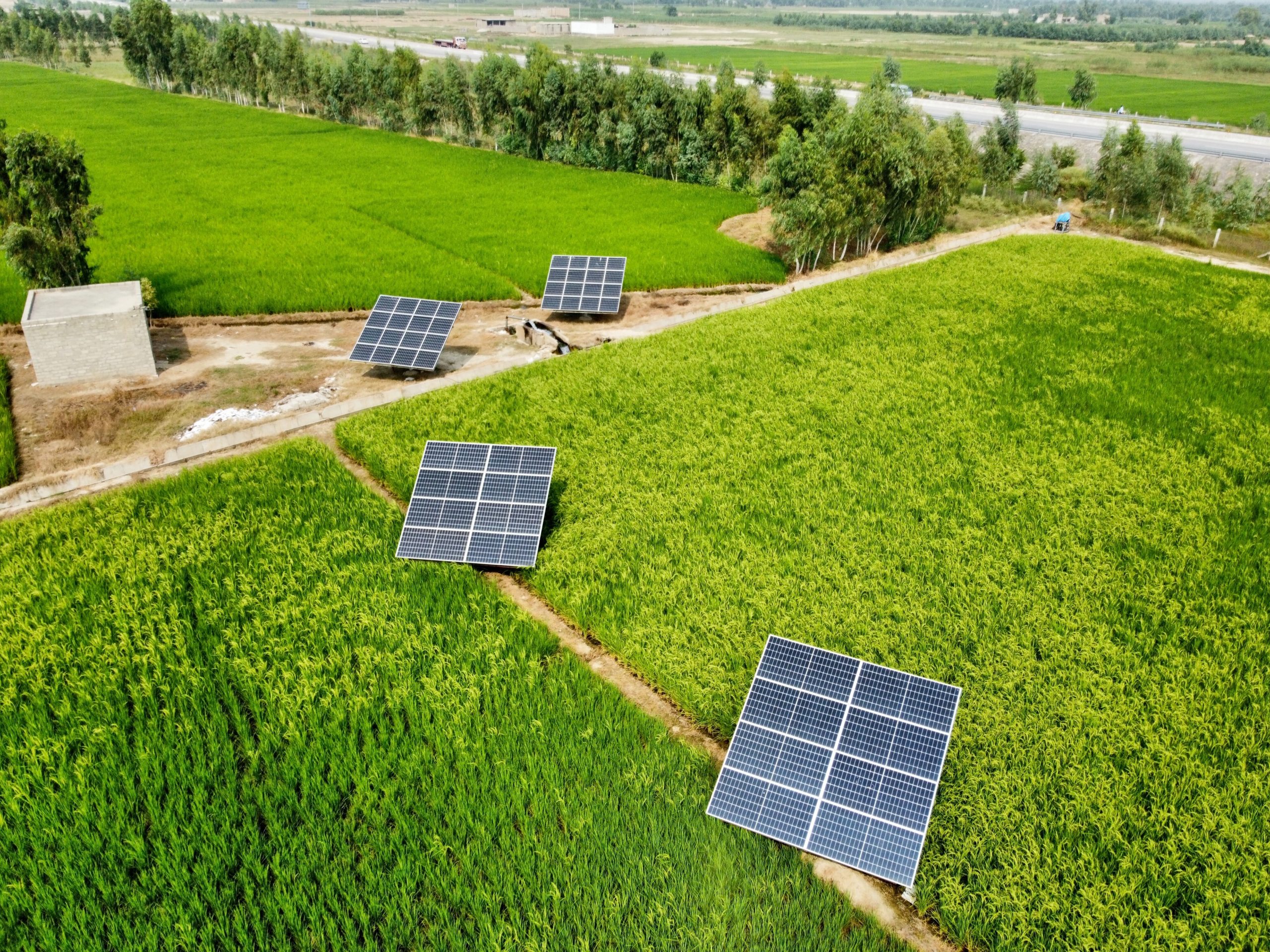
Electric Tractors in IndiaIn April of this year, India officially overtook China as the most populous country in the world when its population reached a whopping 1.426 billion people. Almost 75% of that population depends on the agriculture sector as a means of income, although said sector only makes up 15% of India’s economy, due to the growth of other industries. Though they make up a majority of the country, a significant portion of Indian farmers are poor, with 20% living under the poverty line in 2019. As a result of the considerable number of agricultural workers living within its borders, India is home to the largest tractor market in the world.

Fossil fuels power most of the machinery that the domestic tractor industry has manufactured, and the International Council on Clean Transportation (ICCT) estimates that diesel-powered tractors in India consume almost 8% of all the country’s fuel per year, close to the amount of all of its buses. In recent years, however, India’s tractor industry has imported and produced electric tractors, with Sonalika manufacturing the country’s first electric tractor in 2020. Introducing electric tractors in India on a widespread scale would offer several benefits to some of the country’s most impoverished residents.

Health Benefits Over Diesel

The primary benefit that electric tractors offer Indian farmers over diesel-powered tractors is their ability to help mitigate the issue of air pollution. Though the focus is often on cities when talking of poor air quality in India, air pollution in many rural areas of India is practically as high as levels in urban regions. The 2022 State of Global Air Report revealed that 1.6 million people in India died due to air pollution in 2019. What’s more, research shows that premature death due to air pollution alone is three times as common in rural areas compared to urban areas. 

Expanding the use of electric tractors in India would help address this disparity as they are emission-free. Non-electric tractors, on the other hand, contribute to air pollution, and the ICCT approximates that diesel-powered tractors in India released “about 25 kilotonnes of particulate matter and almost 300 kilotonnes of nitrogen oxides as of 2020”. Electric tractors would lower the amount of pollution that rural Indians endure, making the air cleaner, safer and preventing deaths.

Another health benefit of electric tractors is that they are significantly quieter than non-electric tractors. Many tractors that run on fossil fuels have loud engines that can reach 100 decibels, a level that is capable of causing hearing damage after 15 minutes of exposure. Electric tractors, on the other hand, do not depend on an engine for power and therefore can operate at volumes that are much safer for farmers’ ears. Electric tractors would protect Indian farmers’ hearing and prevent them from needing hearing aids in the future or from being unable to afford any medical devices and instead being forced to take on the risks of working with hearing loss. 

Financial Considerations

Although it’s true that the current price of electric tractors in India can often be twice that of diesel-powered machinery, which can be a barrier to the adoption of electric farm equipment, the ICCT calculates that the 10-year cost of owning and using an electric tractor is almost the same price as a traditional tractor. The reason for this is that electric tractors are 90% efficient in converting thermal energy to mechanical energy, whereas diesel-powered tractors are less than 30% efficient in completing the same task. Farmers who own electric tractors, then, can get more bang for their buck when it comes to powering and using their machinery, and end up spending less on energy in the long run.

Electric tractors also require less maintenance because they do not rely on an engine to run, meaning fewer parts could become damaged and require repair or replacement. This feature would allow farmers to save money and give them peace of mind regarding the durability of their electric equipment. 

Regarding the financial downsides of non-electric tractors, diesel fuel is subject to frequent price fluctuations and is affected by geopolitical events like the ongoing Ukraine war. Electric tractors do not suffer from this risk of volatility in terms of the price of charging up machinery, and therefore provide farmers with a greater amount of financial security. 

Looking Ahead

While there are currently no up-front incentives offered to buyers of electric tractors in India, the good news is that India’s government currently has several policies in place for electric on-road vehicles that it could easily extend to electric tractors. One of these policies is the FAME II scheme that, if applied to all zero-emission equipment in India, would provide subsidies that would lower the price of electric tractors to near, or even below, that of diesel machinery. The Society of Manufacturers of Electric Vehicles (SMEV), India’s association of electric vehicle manufacturers, has already called on the Indian government to extend subsidies to electric off-road equipment in their Union Budget for the 2023-2024 fiscal year.

While India’s national and individual state governments have implemented measures to fight air pollution, talks of lowering emissions have often overlooked rural areas. As electric tractors in India become adopted more and more, the nation’s farmers and other rural residents will finally be able to rest — and breathe — easy knowing they are reaping most of the benefits.

– Sofia Oliver
Photo: Unsplash

August 29, 2023
https://borgenproject.org/wp-content/uploads/borgen-project-logo.svg 0 0 Lynsey Alexander https://borgenproject.org/wp-content/uploads/borgen-project-logo.svg Lynsey Alexander2023-08-29 07:30:152024-05-30 22:32:16Farmers Using Electric Tractors in India: A Growing Trend
Global Poverty

How Natural Disasters Are Worsening Poverty in Haiti

Natural Disasters in HaitiHistorically, Haiti has been one of the most vulnerable countries to natural disasters worldwide, with more than 96% of the population exposed to hurricanes, floods, earthquakes and more. These natural disasters in Haiti only make living in poverty more challenging.

The State of Poverty in Haiti

Due to political, economic and social issues, the poverty rate in Haiti aligns with the World Bank’s extreme poverty line; as of 2021, 30.3% of people in Haiti live on less than $2.15 a day. The state of politics in Haiti has been particularly precarious in the 2020s due to the assassination of President Jovenel Moise in 2021. Furthermore, gang violence in Haiti has increased to the point where the Mercy Corps humanitarian group has declared that the country is on the “brink of civil war.” 

The gang violence and political instability in Haiti have worsened poverty rates due to a lack of security and safety; families cannot easily access food and clean water, or go to a hospital or health clinic for fear of being kidnapped or killed by gang members. What’s more, cholera rates have shot up, with 400 weekly cases reported from July 1, 2023. 

Thus, the effects of natural disasters in Haiti have impacted already poor living conditions and increased the rate of poverty significantly. 

Rate of Natural Disasters in Haiti

The World Bank records show that from 1980 to 2020, Haiti experienced a multitude of floods, storms, landslides, droughts, epidemics and earthquakes. The most frequently occurring of these events annually are floods, with an average of 57 taking place yearly from 1980 to 2020. 

In June 2023, Haiti was hit particularly hard by a consecutive flood and earthquake. Mere days after flash floods had displaced 13,000 people and killed 50, a 5.5 magnitude earthquake occurred and destroyed houses, hospitals and roads. According to reports, the death toll stands at four and the number of injured people is 37. Many people were unable to receive medical attention at hospitals due to destroyed roads both caused and worsened by the flood and earthquake combined. 

Dr. Didinu Tamakloe, country director for Project Hope, said to The Guardian, “Disasters keep hitting Haiti, left and right. People have not had sufficient time to recover from previous disasters…” Haiti’s vulnerability to natural disasters is partly due to its position on a fault line between two huge tectonic plates: the North American plate and the Caribbean plate. When these plates shift, Haiti is the most susceptible to any effects it causes. The World Bank states that the frequency of natural disasters in Haiti is also due to its location in the path of Atlantic hurricanes, as well as the steep structure of its land. 

The high rate at which natural disasters occur in Haiti results in a lack of time to recover between disasters. Shortages of resources like food and water often cannot be resolved in time, and structures often cannot be rebuilt before they are affected once more. Therefore, natural disasters in Haiti are a significant driving force behind its high poverty rate. 

The 2010 Earthquake

Another natural disaster in Haiti this century was the earthquake of January 2010, where up to 100,000 people were killed. The fallout of the earthquake left many residents with no access to water, finances, food, shelter and medical equipment. Many were still digging in the rubble for missing loved ones two days after the earthquake occurred. 

Much like in 2023 and 2021, charities did whatever they could to help. For example, the U.N. raised more than £107 million in appeal donations and helped at least 1.8 million people.

What Is Being Done To Help

The Red Cross is constantly helping Haiti in many ways. As of this article’s publication, aid for Haiti is still in its early stages. NGOs are being organized to send to the country to provide assistance, and political negotiations are taking place with Haiti’s prime minister calling for troops from the U.N. to help gain control amid the rising gang violence. 

Charities including UNICEF, the World Food Program (WPF) and the International Organisation for Migration, are working with the Office for the Coordination of Humanitarian Affairs to help those affected by the earthquake and floods. The World Food Program is set to distribute 350,000 hot meals to those displaced by the disasters. 

In the aftermath of the August 2021 Earthquake:

  • Six Red Cross ambulances were deployed to transport people from affected areas to health centers. 
  • 25,000 people were provided with essentials like hygienic supplies, blankets, tarpaulins, etc.
  • 32 volunteers worked with Restore Family Links to reunite separated loved ones.
  • Volunteers continually assessed the damage and provided aid where needed. 

While the rate of natural disasters in Haiti is detrimental to the country’s stability, the assistance provided by charities like the Red Cross is what helps them to recover and persist. 

– Jess Wilkinson
Photo: Flickr

August 29, 2023
https://borgenproject.org/wp-content/uploads/borgen-project-logo.svg 0 0 Lynsey Alexander https://borgenproject.org/wp-content/uploads/borgen-project-logo.svg Lynsey Alexander2023-08-29 01:30:452023-08-24 01:39:13How Natural Disasters Are Worsening Poverty in Haiti
Global Poverty

Mozambique’s Current Poverty Problem: The Latest Update

Mozambique’s Current Poverty ProblemMozambique, located between Tanzania and South Africa, has a sprawling 2,500-kilometer coastline along the Indian Ocean. Home to around 33 million people, it possesses plentiful resources like fertile land, water, energy and offshore gas. While poverty has improved over the past two decades, disease outbreaks, natural disasters and military revolts brought a setback to these gains. Here are five important facts about Mozambique’s current poverty problem that you should know:

5 Important Facts about Mozambique’s Current Poverty Problem

  1. Mozambique has an extremely low-level human capital index of 0.36. The distribution of primary education and health care in Mozambique is unequal, leading to inequality between rural and urban regions. This lack of equitable access fosters vulnerability among marginalized populations, ultimately contributing to instability and violence. According to UNICEF, only a striking 41% of children complete primary school (elementary school).
  2. More than 60% of people live in poverty. From 1996 to 2015, poverty levels were at 46.1%. Currently, the overall percentage of citizens in poverty has risen to more than 60%, and around 46% of children experience multidimensional poverty.
  3. Poverty hits girls and women especially hard. From 2019-2020, the “new poor” were young, uneducated females. The lack of empowerment among females impedes progress by resulting in unfavorable fertility levels, higher child and maternal death rates, limited skill development and poor productivity within the job market. Almost half of women, 40%, have undergone early childbearing before 18. Children in Mozambique, particularly girls, are more at risk of experiencing rights violations and violence. Additionally, women encounter obstacles when accessing income opportunities, making decisions and obtaining essential services.
  4. Mozambique is still battling with military revolts. In sections of Cabo-Delgado, a four-year military conflict with RENAMO, the political face of the Mozambican National Resistance, has resulted in 4,000 deaths and displaced almost 1 million people, with 80% being women and children. About 4 million people are frighteningly projected to encounter high levels of food insecurity, with 1.1 million people already in need of nutrition assistance and almost 1 million lacking access to safe water, all contributing to Mozambique’s current poverty problem.
  5. Mozambique has experienced several disease outbreaks. In 2022, Cholera spread rapidly. Additionally, there were reports of poliovirus detected in five areas. To combat this, Mozambique’s leadership launched a vaccination campaign focusing on children. The need for attention to immunization services is evident as around 1.1 million children currently require urgent care.

Potential Solutions in the Economy

The future of Mozambique’s economy is looking positive. Mozambique’s economy is on the rise and making strides with an offshore project in the liquefied natural gas industry already operational. Mozambique also expects to kick off larger-scale projects in 2026 and 2028. Furthermore, the World Bank predicts economic growth will accelerate 6% from 2023 to 2025.

The World Bank is playing a pivotal role by supporting the SWIOFish Project. By boosting fish stocks and cracking down on illegal practices, this project is restoring livelihoods and providing financial assistance to fishing associations in Mozambique. Women are particularly benefiting through increased access to savings, loans and opportunities for business expansion.

The progress of Mozambique’s economy is positively impacting poverty reduction efforts benefiting over 200,000 individuals — more than 40% of whom are women. Upgrades have been made to around 200 kilometers of roads, while 139 kilometers of water distribution networks have been improved. These enhancements enable farmers to access markets and provide improved water sources for over 32,000 people. All of these positive results are the consequence of The Integrated Growth Pole Project, supported by the World Bank. To further stimulate growth in Mozambique, a new project called “The Access to Finance & Economic Opportunities Project” has received approval.

Looking Ahead

Despite Mozambique’s current poverty problem, inequitable access to essential services, high poverty rates, gender inequality and an ongoing military conflict, hope is on the horizon. The beginning of the offshore LNG project and expected economic growth in the near future reflects excellent potential for the country. Furthermore, the World Bank’s backing of initiatives such as SWIOFish and The Integrated Growth Pole Project has already significantly reduced poverty. With concentrated efforts to work on these issues and help from other countries, Mozambique can prevail over its setbacks and shape a brighter future for its people.

– Elizabeth Antenucci
Photo: Unsplash

August 29, 2023
https://borgenproject.org/wp-content/uploads/borgen-project-logo.svg 0 0 Lynsey Alexander https://borgenproject.org/wp-content/uploads/borgen-project-logo.svg Lynsey Alexander2023-08-29 01:30:332023-08-24 01:51:24Mozambique’s Current Poverty Problem: The Latest Update
Global Poverty, Poverty

How Poverty and Mental Disorder Diagnosis Are Interconnected

Mental Disorder Diagnosis
According to the
World Health Organization (WHO), as of 2017, the incidence of mental illnesses increased by 13% worldwide. With the COVID-19 pandemic, beginning in 2020, anxiety and depression increased by 25%. Much of the burden of mental illness is still concentrated in low-income, developing countries. Here is some information about some of the issues impacting mental disorder diagnosis for low-income populations and what can be done to provide equal care.

Mental Health in Developing Countries

There is a strong association between poverty and mental illness. Lower SES is associated with a higher risk of mental disorder diagnosis. Poverty can lead to poor physical health, which is often comorbid with mental disorders. These health issues give rise to higher spending on treatment which feeds back into the cycle of poverty. Dynamics like these are especially pronounced in developing countries where factors such as war and natural disasters exacerbate negative outcomes. The WHO reports that one in five people affected by conflict will develop conditions like anxiety, depression and post-traumatic stress disorder. 

Receiving a Diagnosis

Developing countries face a variety of barriers to mental health diagnosis. Many people are unable to receive a diagnosis due to unavailable or unaffordable health care. Countries like Afghanistan and Ghana only have 0.296 and 0.065 psychologists per 100,000 people, respectively. When people are able to find a practitioner, they may not be able to afford their services. A 2019 report by the World Bank said that populations in developing countries spent $500 billion out of pocket on health care.

While rates of mental illness in developing countries are already high, the lack of access to health care raises the question of whether these statistics are accurate or if some are falling through the cracks without being diagnosed.

Misdiagnosis

When people in these areas are able to be diagnosed, they may not receive the most accurate diagnosis. A study conducted in six low- and middle-income countries in Africa and South Asia reported poor training for mental health professionals and inadequate knowledge of mental health issues. Without a proper understanding of the complexity of mental health, providers can make mistakes with serious consequences. There is evidence that racial and ethnic minorities, who are disproportionately affected by poverty, are also more likely to receive an incorrect mental disorder diagnosis. Some of this may be due to bias and discrimination. 

Another factor impacting diagnosis is culture. Diagnostic manuals tend to be written from a Western perspective that does not always translate to other cultures. For example, patients may vary in the types of symptoms they present with. Asian patients are more likely to report physical symptoms than emotional ones. Cultural background may also prevent people from seeking out treatment. Physicians must keep these cultural differences in mind to ensure that an accurate mental disorder diagnosis is made. 

Stigma Surrounding Diagnosis

The stigma surrounding mental disorders is prevalent cross-culturally. In some countries, mental health is rarely discussed openly and is treated as a taboo subject. In Ghana, for instance, those suffering from mental illnesses are isolated. They may decide not to seek treatment or express their feelings due to shame. Those already diagnosed often face harmful stereotypes and social ostracization. 

Stigma stems from various factors, but insufficient mental health literacy is one of the greatest contributors. This includes both academic research on mental health and widespread knowledge among the general public. Developing countries tend to fall behind in mental health research. Improving educational efforts to increase mental health awareness is shown to be effective in reducing public stigma.

A Brighter Future

Though there are many issues surrounding mental disorder diagnosis, there are steps that can be taken to improve the situation. Huesofthemind Wellbeing Foundation (HOTM) is one nonprofit that is spreading awareness about mental health. Founded in India, HOTM is a member of the United Nations SDSN Youth. The organization breaks down mental health stigma by providing workshops and running campaigns to spread awareness. Topics range from educational stress and burnout to dance therapy. The organization features lists on its website of mental health professionals available to provide online therapy. For those who cannot afford professional help, HOTM offers free resources to learn about mental disorders and share personal stories to connect with others. Free, online resources are a valuable tool, both for people who are newly diagnosed and others who are farther along in their mental health journey. 

Mental health is an integral part of overall well-being. For many, a mental disorder diagnosis can be the first step toward improving their health. Improving access to quality mental health care and education ensures a brighter future for all.

– Yesenia Aguilera
Photo: Flickr

August 28, 2023
https://borgenproject.org/wp-content/uploads/borgen-project-logo.svg 0 0 Lynsey Alexander https://borgenproject.org/wp-content/uploads/borgen-project-logo.svg Lynsey Alexander2023-08-28 07:30:222023-08-23 15:31:16How Poverty and Mental Disorder Diagnosis Are Interconnected
Global Poverty

Addressing Stigma Regarding Mental Health in Tunisia

Mental Health in Tunisia
Tunisia, a center of Arab culture and home to 11.7 million Tunisians, has been making significant strides in improving its care for mental health across all stages of life. Battling the overwhelming stigma and discrimination against individuals facing mental health issues, Tunisian citizens have been working diligently to change attitudes toward mental health in their country. Mental health in Tunisia ranges from disorders to everyday anxiety struggles; however, most cases go undiagnosed as many are afraid to bring upon themselves the stigma associated with being publicly labeled as a person with a mental health disorder. Nonetheless, consistent effort to reduce mental health stigma has improved Tunisia’s overall public health. 

The Conception of Mental Health Among the Youth

Since 2012, International Alert, a peacebuilding organization, has been working with Tunisia to support a peaceful democratic transition, guaranteeing the inclusion of excluded and marginalized groups. In 2022, they conducted a survey-based study to analyze the impression of mental health among Tunisian youth and their personal experiences with mental health struggles. The study concluded that Tunisia’s youth lacked knowledge about mental health. However, when questioned about mental health in Tunisia, there were both positive and negative responses. A significant number of participants rated their mental health negatively and were reluctant to admit their struggles with mental health issues. They were also hesitant to seek assistance from mental health facilities or psychologists, despite being aware of the need for professional help. 

Obstacles: Institutional and Social

There are two types of obstacles evident in the study: institutional and social obstacles. These two categories can be intertwined and mutually reinforcing. For instance, the lack of accessible services has resulted in an absence of a mental health culture in Tunisia. Additionally, the cost of treatment further exacerbates the issue of inaccessibility for marginalized and discriminated groups in Tunisia. The stereotypes that arise from the absence of a mental health culture have led to prejudice, stigma and bullying against individuals who struggle with mental health issues daily.

READ Training

Based on the background information regarding mental health in Tunisia, it is evident that both social and institutional changes are necessary. In 2017, a team of psychiatrists from Razi Hospital initiated the Responding to Experienced and Anticipated Discrimination (READ) program. This program aims to provide anti-stigma training to medical students at Tunis Medical School. The effectiveness of this training has been demonstrated in high-income countries, raising hopes among professionals for similar outcomes in Tunisia.

The main goal of the Tunisia READ training is to build people’s knowledge of stigma and combat its daily effects on individuals. Awareness of attitudes towards mental illness and psychiatry is the first step towards improvement because recognizing a problem is essential to fixing it. Following this goal is the aim to reduce discriminatory behavior towards individuals with mental health disorders and their caregivers.

Despite the initial challenges posed by the pre-existing attitudes of medical students and citizens, the trainers of this program persevered and remained consistent in their goals. They actively engaged with people to implement an improved attitude towards mental health in Tunisia.

Conclusion

In conclusion, Tunisia has been actively addressing the stigma surrounding mental health and making efforts to improve the overall care for individuals facing mental health issues. The study conducted among Tunisian youth highlighted the lack of knowledge and reluctance to seek professional help, indicating the need for institutional and social changes. Initiatives like the READ training program have shown promise in raising awareness and combating stigma, with dedicated trainers working persistently to foster a positive attitude towards mental health in Tunisia. Continued efforts and consistent engagement are crucial for achieving lasting improvements in mental health care and reducing discrimination in the country.

– Sandy Kang
Photo: Pixabay

August 28, 2023
https://borgenproject.org/wp-content/uploads/borgen-project-logo.svg 0 0 Lynsey Alexander https://borgenproject.org/wp-content/uploads/borgen-project-logo.svg Lynsey Alexander2023-08-28 07:30:162026-04-16 10:07:11Addressing Stigma Regarding Mental Health in Tunisia
Global Poverty, Sanitation, Women's Empowerment

How BUVAD is Helping Indigenous Ugandans

Indigenous Ugandans
Uganda is an especially impoverished nation,
with 41% of the population living in poverty. Although the country receives aid and help from other countries, it is also home to many nonprofits that seek to provide additional help to the country’s citizens. Many of the county’s nonprofits are located in more urban areas of the country, such as Kampala. The Butakoola Village Association for Development (BUVAD) is one of the few nonprofits aiming to specifically help one of the country’s most struggling populations — Indigenous Ugandans. BUVAD is a volunteer-run and Indigenous-founded nonprofit started in 2000 that aims to help all Ugandans — and especially Indigenous Ugandans — improve their overall quality of life. One of the most unique parts about BUVAD as a nonprofit is its variety of approaches to achieving its goals. 

Women’s Economic Empowerment

One of the most unique groups that BUVAD is helping is female entrepreneurs. To do this, they started a microloan program for women with small businesses to receive money intended to go towards anything to help their business grow. Since the start of the program, 20 more women have joined and are currently receiving microloans for their businesses. Some businesses that BUVAD says these microloans have gone towards are mat-making, basket-weaving and beer-brewing businesses owned by women in Uganda. This program also creates a network for women receiving the loan, which has resulted in these women regularly holding meetings and helping each other with their businesses. 

These microloans have helped women business owners, which is especially important in Uganda. In Uganda, nearly 40% of all businesses are owned by women, but women entrepreneurs earn 30% less profit compared to male entrepreneurs. By continuing to support women-owned businesses, perhaps the stigma surrounding businesses owned by women in Uganda will become less severe and profits will begin to become equal between genders. 

HIV/AIDS Prevention and Support

BUVAD is helping lower Uganda’s HIV/AIDS infection rate as well. The nonprofit takes the approach of normalizing Ugandans to HIV/AIDS prevention methods by integrating the information into workshops about other topics. For example, in a workshop about bottle brick technology, BUVAD includes information about HIV/AIDS prevention, normalizing discussion about the disease in Uganda. This is especially needed in Uganda, with the HIV/AIDS infection rate in some areas of the country reaching as high as 8%, and the highest-infected areas also being the most impoverished. By normalizing discussion of HIV/AIDS and ways to prevent it, BUVAD hopes to reduce the disease’s infection rate in Uganda and get more of those who are infected on preventative medication. 

Water, Sanitation and Hygiene Support

BUVAD’s most comprehensive program is one that focuses on water, sanitation and hygiene support for Ugandans, which the program aims to do by executing six main approaches to the issue. These are to promote regular handwashing, safeguard vulnerable communities against preventable water-spread diseases, improve water and toilet coverage levels, improve water sanitation and hygiene levels, improve awareness of government water programs and ensure the safety and consistent maintenance of safe water sources. 

Water safety is an especially prominent issue in Uganda, with more than 20 children being admitted to the hospital per week in Kayunga, a district in Uganda, due to water safety-related issues. BUVAD helps these children directly by creating 10,000-liter tanks out of recyclable plastic for primary schools in Kayunga to store safe water. Water safety in Uganda is considered a crisis, with 83% of the country’s population lacking access to clean water. By creating direct approaches to providing clean water like BUVAD is doing, the water safety crisis will slowly become less of an issue over time. 

BUVAD’s Multifaceted Work in Uganda

Although most nonprofits tend to approach one main issue out of fear of spreading resources thin, BUVAD has managed to address a multitude of issues effectively while still being able to consistently create new initiatives and approaches to issues. By continuing to do this, BUVAD will continue to help lift Ugandans out of poverty and help the country improve in both health and economy. 

– Aidan Johnstone
Photo: Flickr

August 28, 2023
https://borgenproject.org/wp-content/uploads/borgen-project-logo.svg 0 0 Lynsey Alexander https://borgenproject.org/wp-content/uploads/borgen-project-logo.svg Lynsey Alexander2023-08-28 01:30:592023-08-24 07:49:46How BUVAD is Helping Indigenous Ugandans
Food Insecurity, Global Poverty

How Truffle Hunting in Syria Became a Deadly Endeavor

Truffle Hunting in Syria

Syria is currently enduring one of the most severe humanitarian crises in the world. Tragically, 90% of Syrians are living in poverty due to a multitude of issues including damaging natural disasters, widespread displacement, destruction of essential infrastructure and conflict that has decimated the country for over a decade. Driven by extreme poverty, truffle hunting in Syria has become a popular way to make money despite the recent shootings that have plagued the desert terrain.

What is Truffle Hunting? 

Truffle hunting is an activity that involves collecting Middle Eastern black and white truffles otherwise known as Kama or desert truffles. These truffles are fatty fungi rich in protein and typically grow in desert regions of Syria and the Middle East. Desert truffles grow best in rainy weather, particularly in turbulent storms. For this reason, truffles are sometimes called “daughters of thunder,” as lightning has a special effect on the types and sizes of the fungi. After storms, truffle hunters prowl the deserts in search of Kama during the rainy season. Truffles are either hand-picked or dug up with simple tools and usually brought to various towns to be sold. There is no definitive way to price a truffle, as they are sold based on the size and estimated flavor.

Why is Truffle Hunting in Syria Dangerous? 

Truffle hunting in Syria was a beloved spring tradition and leisurely pastime. Unfortunately, truffle hunting has recently become a deadly endeavor. More than 200 truffle hunters were killed in Syria over a 70-day hunting period this past spring. Some hunters were blindsided by landmines buried in the desert ground, while others were ambushed by assailants using high-caliber guns. The deadliest attack occurred on February 17, 2023, when 53 truffle hunters were shot dead according to Syrian state media. Though their involvement hasn’t been confirmed, the Syrian State suspects that the Islamic State or ISIS — a particularly violent Jihadist organization — is responsible for the killings. Instead of abandoning truffle hunting and the unpredictable desert landscape, many Syrians are continuing this practice despite the risk. 

Why are Syrians Still Truffle Hunting? 

Today, more than 90% of Syrian civilians are crippled by poverty. Many families lack essential resources including basic needs like food and clean water. This issue is compounded by the long-lasting turmoil that has depleted resources and infrastructure, increased inflation and limited employment opportunities. Currently, the average monthly wage in Syria is approximately $18 whereas truffles can sell for more than $25. Because of this socio-economic burden, many Syrians feel compelled to attempt truffle hunting in order to make ends meet.

How to Solve the Problem

The government of Syrian President, Bashar al-Assad, has gained control of targeted areas. Other allied armed groups such as Iran-backed militias, National Defense Forces and the Fourth Armored Division of the Syrian Army are also involved in the protection of Syrian truffle hunters. 

Alongside defensive units, alleviating poverty would also protect Syrian civilians by reducing the need to truffle hunt altogether. Optimistically, there are several organizations working to combat poverty in Syria. 

Oxfam is one of several initiatives responding to Syria’s humanitarian crisis. Oxfam aids more than 1.5 million people by providing safe water, sanitation, food resources and support towards securing life-saving jobs. Oxfam also assists farmers in growing and distributing food.

The International Rescue Committee (IRC) is another organization providing support to Syrians in need of help. The IRC has more than 1,000 staff members inside Syria working to provide necessities, create safe spaces for women and children, provide counseling and mental health services, build households and promote job stability through training, apprenticeships and small business support. 

What Does the Future Hold?

While the Syrian government has stationed several defensive units in desert territories, some of these forces have taken advantage of desperate Syrians by using them as protection or coercing them into cutting profits. Moreover, the ongoing humanitarian crisis is continuing to financially cripple many Syrians. By tackling poverty in Syria head-on, the risks posed to truffle hunters can be mitigated and the Syrian population could benefit as a whole. 

– Olivia Welling
Photo: Flickr

August 28, 2023
https://borgenproject.org/wp-content/uploads/borgen-project-logo.svg 0 0 Lynsey Alexander https://borgenproject.org/wp-content/uploads/borgen-project-logo.svg Lynsey Alexander2023-08-28 01:30:312023-08-23 15:08:02How Truffle Hunting in Syria Became a Deadly Endeavor
Global Poverty, USAID

How USAID Programs in Madagascar Are Combating Poverty

USAID Programs in MadagascarWith the extreme poverty rate (<$1.90 per day) climbing to 78% in 2021, USAID programs in Madagascar are needed more than ever. USAID, the United States Agency for International Development, is the American-operated organization that delivers foreign aid and development assistance. In Madagascar, the agency is focused on health, energy, governance, food security and the environment. 

Health

Through USAID programs in Madagascar, the country has successfully seen a 25% decrease in malaria cases in its population. Through efforts like providing insecticide-treated mosquito nets and insecticide sprays to households and granting preventive treatments to pregnant women, this feat did not take very long to accomplish — this reduction occurred over the course of just one year. 

Energy

USAID programs in Madagascar stem out further than the country’s respective borders, finding partnerships in initiatives like the Southern Africa Energy Program. This plan was active for roughly five years, from March 2017 until March 2022, and strove to increase the investment in electricity within southern Africa as a whole. Their endeavors ultimately resulted in them acquiring over $3 million to accomplish such feats, along with the ongoing supervision from Madagascar’s government.

Governance

In 2021, USAID launched a public project dedicated to Madagascar’s Court of Accounts, with a budget of roughly $4 million and a lifespan of five years. With its successful establishment, the court now operates through its Annual Work Program for 2023, focusing on providing audits in areas like the environment, economic growth, governance and others.

Food Security

Malnourishment is also a major concern for Madagascar’s communities, with roughly 1.64 million people in need of food aid. In the year 2020, USAID provided $45.8 million to the southern regions of Madagascar, to provide them with emergency food aid and further develop miscellaneous assistance. This investment is only part of the program’s partnership with the World Food Programme (WFP), — the U.S. has provided over $100 million to the WFP in the last two years.

Environment

Lastly, Madagascar’s environment is prone to seasonal disasters that affect its wildlife, ranging from natural processes such as erosion to man-made catastrophes like deforestation. Since 2013, however, USAID has provided $56 million to local programs in Madagascar that combat such destruction and improve overall management. The Conservation and Communities Project also plays a role as part of USAID, operating through its Nature, Wealth and Power paradigm that allows them to conserve the country’s biodiversity and promote alternative natural resource management plans.

Madagascar faces plenty of troublesome issues. Through USAID programs, however, improvements are being made every day.

– Nathan Bronk
Photo: Unsplash

August 28, 2023
https://borgenproject.org/wp-content/uploads/borgen-project-logo.svg 0 0 Lynsey Alexander https://borgenproject.org/wp-content/uploads/borgen-project-logo.svg Lynsey Alexander2023-08-28 01:30:222023-09-04 12:38:54How USAID Programs in Madagascar Are Combating Poverty
Global Poverty

Poverty and Economic Growth in Indonesia

Economic Growth in Indonesia
Although Indonesia has almost eradicated extreme poverty, one-third of Indonesians still experience economic insecurity. Taking steps such as creating policy to ensure financial inclusion and investing in infrastructure can help prevent Indonesians from falling into poverty. Economic growth in Indonesia could significantly lower the poverty rate around the country.

Economic Inequality

Indonesia is currently ranked the sixth country with the most wealth inequality in the world. The four wealthiest men in Indonesia have more wealth than the poorest 100 million Indonesians. This increasing inequality is making the fight against poverty even more difficult. It is stalling economic growth and endangering integration.

The poorest citizens, especially women, receive low and unequal wages at work. Those living in rural areas often do not receive proper access to infrastructure such as well-kept roads and electricity. The education system is also underfunded and unequal, which means poorer Indonesian workers are frequently unable to obtain higher-skilled and higher-paid jobs.

Poverty Reduction Barriers

The World Bank lays out several issues Indonesia must address within its country to reduce poverty by increasing its economic growth. Although human capital outcomes in Indonesia are improving, they are still low in Eastern Indonesia. This situation undermines the productive potential of the population and creates drastic financial inequality. 

To regain its high-income status, Indonesia needs to expand its poverty reduction policies. It must protect households against poverty, create more opportunities for work, focus on investing in helping the poor and promote better information for making decisions. Collectively, social support, social insurance, financial inclusion and infrastructure investments can help keep households out of poverty.

Indonesia cut its poverty rate by more than half since 1999. In 2019, its poverty rate was under 10% before the COVID-19 pandemic hit the country. As of July 2021, Indonesia dropped from upper-middle income to lower-middle income status due to the pandemic. The pandemic also partially reversed some of Indonesia’s progress in poverty reduction. Its poverty rate jumped from 9.2% in September 2019 to 9.7% in September 2021. In a post-COVID-19 world, Indonesia is working toward growing its economy to reduce its poverty rate further. 

The United Nations Takes Action in Indonesia

The United Nations (U.N.) works with the Indonesian Government to improve economic growth in Indonesia. Since Indonesia joined the U.N. in 1950, the U.N. has worked with the Indonesian Government to enhance economic development and end extreme poverty by 2030. The two organizations have a strategic partnership with the goal of returning Indonesia’s economy to high-income status. They are also working together to mitigate the economic impacts of the COVID-19 pandemic on Indonesia. 

UN Women Indonesia collaborates with various stakeholders, including the private sector, to foster women’s economic empowerment. Its efforts include providing access to skill development and resources and creating an enabling environment that encourages greater participation of women in the economy. 

Economic Recovery

With Indonesia’s economy in recovery, the country’s GDP growth was more than 5% in 2022. The country focused its efforts on growing commodity exports and developing related fiscal policy to fight the lasting negative impacts of the pandemic. Economic growth in Indonesia has led to some success in reducing the country’s poverty rate. However, there are still obstacles the country must overcome. 

– Marisa Del Vecchio
Photo: Flickr

August 27, 2023
https://borgenproject.org/wp-content/uploads/borgen-project-logo.svg 0 0 Lynsey Alexander https://borgenproject.org/wp-content/uploads/borgen-project-logo.svg Lynsey Alexander2023-08-27 07:30:432023-08-23 14:26:13Poverty and Economic Growth in Indonesia
Global Poverty

Combating Plastic Pollution in Ghana

Plastic Pollution in Ghana
Plastic pollution in Ghana is a serious threat to the welfare of millions. About 91.5% of all plastic waste produced in Ghana isn’t recycled, instead washing up on shorelines or ending up in landfills. Several companies are trying to change this. New initiatives are being integrated into Ghana’s infrastructure in order to alleviate some of the challenges facing many of the country’s poorest residents. Here are some of the companies fighting plastic pollution in the West African nation. 

Norfund

Norfund, a Norwegian, government-owned investment fund, is an organization designed to aid developing nations with vital investments to lower poverty rates. The Norfund Act of 1997 highlights the purpose of “developing sustainable business and industry in developing countries by providing equity capital.” 

In July 2023, Norfund created a $10.5 million plan to support the recycling capacity of Miniplast Ghana, one of the leading plastic manufacturers in Ghana since 1988. Miniplast, based in the capital of Accra, will receive the highest quality machinery to upgrade its recycling capacity from around 1,300 tonnes a month to 1,700.

Miniplast manufactures many unique industrial and household products from plastics. A newly developed in-house recycling operation sources local plastic waste to be used in these products, turning otherwise polluting material into items such as chairs and tables for local schools. 

This is not the first investment Norfund has made with Miniplast, Empower New Energy was able to install solar energy plans in their factory due to the investment fund. An approximated 15,600 tonnes of carbon dioxide will be reduced from Ghana’s emissions over the next 30 years, providing environmental support to thousands of the most vulnerable. 

According to Norfund, the plan aims to create more than 850 jobs not only for Miniplast but across the whole chain of plastic manufacturing and trade, helping to prevent further plastic pollution in Ghana whilst also giving employment to people who need it.

Coliba

Coliba Ghana is a company set up in 2016 by Prince Agbata to help reduce plastic pollution. Through a partnership with One Young World, Coliba was able to successfully gain a partnership with a division of Coca-Cola in West Africa, securing investment for 200 plastic recycling centers in Ghana — 40 of which have already been built. 

A key component of Coliba’s strategy to reduce plastic pollution is the Coliba 2.0 mobile app, a service designed to make recycling for business and public sector institutions far easier. The plastic waste generated from these sites is collected by “Coliba Rangers,” workers trained extensively in sustainability, not only providing people in Ghana with successful careers but also a great education on the risks of pollution to welfare. 

Another of Coliba’s main goals is to begin operations on processing plants that can produce higher quality plastic from recycled materials, ensuring that the products used can continue to be recycled many times in the system. 

Maame Abena, a Coliba Ranger, highlighted how his role at Coliba has enabled him to gain financial freedom. He stated “Coliba’s arrival has brought huge change in my work. Now the type of plastic that I could sell I can now sell for more money. This also has allowed me to get enough money to cater for my family.”

Blue Skies Holdings

Blue Skies Holdings is a U.K.-based fruit and dairy company that, in April 2023, set out a plan of five shortlisted solutions to help mitigate the effects of plastic pollution in Ghana. 

The initiative is called FRESHPPACT, and the objective is to utilize several innovations to reduce plastic usage, such as biodegradable workwear, plant-based polymers to be used in packaging and coconut coir mulch in agriculture. 

From the five finalists, the solutions best equipped to aid Ghana’s problem will receive up to £200,000 to implement their products into the market. All of these individual companies have tested their products in the rural communities of the nation, ensuring that their product is directly aiding the people who will need it the most. 

Blue Skies’ commitments fall in line with the U.N. Global Goals, with its main focus on eradicating poverty. In its 2021 blueprint, the company stated that it will attempt to achieve zero poverty by protecting human rights, investing in the foundation of countries such as Ghana and ensuring health and safety. According to the blueprint, a report of the social value of its work in Ghana in 2021 alone generated $11.5 million of value — $2.4 million of which directly impacted their goal of zero poverty. 

There are a multitude of businesses that are aiming to decrease the amount of plastic pollution in Ghana. The hidden risks of this form of pollution to the poverty-stricken are incredibly high, increasing risks of cholera outbreaks and poorer living conditions. However, with the aid of companies across the globe, and vital waste collectors in urban areas, there is hope that this issue can bring forward better environmental stability and a better, brighter economy. 

– Oliver Rayner
Photo: Flickr

August 27, 2023
https://borgenproject.org/wp-content/uploads/borgen-project-logo.svg 0 0 Lynsey Alexander https://borgenproject.org/wp-content/uploads/borgen-project-logo.svg Lynsey Alexander2023-08-27 07:30:162024-05-30 22:32:16Combating Plastic Pollution in Ghana
Page 447 of 2162«‹445446447448449›»

Get Smarter

  • Global Poverty 101
  • Global Poverty… The Good News
  • Global Poverty & U.S. Jobs
  • Global Poverty and National Security
  • Innovative Solutions to Poverty
  • Global Poverty & Aid FAQ’s
Search Search

Take Action

  • Call Congress
  • Email Congress
  • Donate
  • 30 Ways to Help
  • Volunteer Ops
  • Internships
  • Courses & Certificates
  • The Podcast
Borgen Project

“The Borgen Project is an incredible nonprofit organization that is addressing poverty and hunger and working towards ending them.”

-The Huffington Post

Inside The Borgen Project

  • Contact
  • About
  • Financials
  • President
  • Board of Directors
  • Board of Advisors

International Links

  • UK Email Parliament
  • UK Donate
  • Canada Email Parliament

Get Smarter

  • Global Poverty 101
  • Global Poverty… The Good News
  • Global Poverty & U.S. Jobs
  • Global Poverty and National Security
  • Innovative Solutions to Poverty
  • Global Poverty & Aid FAQ’s

Ways to Help

  • Call Congress
  • Email Congress
  • Donate
  • 30 Ways to Help
  • Volunteer Ops
  • Internships
  • Courses & Certificates
  • The Podcast
Scroll to top Scroll to top Scroll to top