• Link to X
  • Link to Facebook
  • Link to Instagram
  • Link to TikTok
  • Link to Youtube
  • About
    • About Us
      • President
      • Board of Directors
      • Board of Advisors
      • Financials
      • Our Methodology
      • Success Tracker
      • Contact
  • Act Now
    • 30 Ways to Help
      • Email Congress
      • Call Congress
      • Volunteer
      • Courses & Certificates
      • Be a Donor
    • Internships
      • In-Office Internships
      • Remote Internships
    • Legislation
      • Politics 101
  • The Blog
  • The Podcast
  • Magazine
  • Donate
  • Click to open the search input field Click to open the search input field Search
  • Menu Menu

Archive for category: Global Poverty

Key articles and information on global poverty.

Advocacy, Aid, Global Poverty

Connecting Classrooms: Pursuing Partnership

Connecting Classrooms: Pursuing Partnership Through solidarity, community, friendship and support, creating global communication networks between schools paves a mutually beneficial road for promoting international development. These multi-dimensional benefits foster the next generation of global citizens while providing immediate and substantial educational assistance to developing countries. The multi-directional, mutually beneficial nature of initiatives like the Connecting Classrooms scheme exemplifies a promising framework for future United Kingdom (U.K.) policy.

Connecting Classrooms

Intending to help young people worldwide develop the knowledge, skills and values they need for work in a global economy, the British Council launched Connecting Classrooms Three in 2016. This U.K.-based initiative with a worldwide perspective goes beyond just providing aid. It educates children about solutions to world hunger, introduces them to the Sustainable Development Goals and funds the creation of “digital hubs.” Through transnational conversations and an international focus, Connecting Classrooms centers on nurturing young people’s drive to advocate for global development.

Fostering Global Citizenship Through Education

The program has successfully built relationships and, most importantly, friendships between teachers and students in the U.K. and developing countries. By fostering global friendships, children have the opportunity to see themselves as part of a community that transcends nationality, which is essential for nurturing the next generation of global citizens.

By broadening the perspectives of U.K. students, the Connecting Classrooms program promotes international solidarity. A key focus of the program is building transferable skills such as advocacy and awareness-raising, which students are likely to carry into their adult lives. Developing these skills, along with a familiarity with the Sustainable Development Goals and other global development issues, represents a promising, future-oriented and long-term approach to advocating for global development.

The program has also brought material benefits to schools in developing countries. For example, in Lebanon, which has the largest participation in the Connecting Classrooms program in the region, 3,500 teachers and headteachers are engaging in programs that enhance their professional development, thereby improving the quality of education for young Lebanese students. Additionally, from 2012 to 2016, Zambia established 17 digital hubs to enrich students’ learning, complementing the professional development training that teachers received.

Beyond Connecting Classrooms: All Saints Junior School

The power of partnership extends beyond schools participating in Connecting Classrooms and is evident across the U.K. All Saints Junior School’s relationship with the community of Soma in The Gambia is a prime example of the success in promoting global educational connections. Through their “Learning through Friendship” project, supported by the Kaira Konko Scout Fellowship—a Gambian Scout group in Soma that undertakes various community projects—All Saints staff visit Soma every Feb. half term. During these visits, they engage with and address global issues together, focusing on themes such as peace, friendship, sustainable gardening and renewable energy.

In 2022, All Saints funded the delivery of 1.5 tons of rice, 220 kg of onions, 260 liters of oil and £125 worth of fish, which was distributed across five schools that the World Food Programme had supplied with only three weeks’ worth of food. This delivery was crucial because hunger not only hampers students’ ability to learn but also affects teachers, who often go hungry. According to the Kaira Konko manager, this makes it difficult for them to teach effectively.

All Saints’ generous fundraising efforts have supported several aid programs, including the purchase of bicycles for students who live more than 8 km from their schools, helping them maintain regular attendance. The funds also supported the creation of a new library in Sitahuma, 30 minutes outside of Soma and the construction of teacher accommodation in 2020 to boost teacher morale. By engaging young people in this process of fundraising and fostering international friendships, All Saints’ students are developing essential skills needed to live and thrive in a globalized world, echoing many of the proficiencies that the Connecting Classrooms program aims to provide.

Pursuing Partnership

Transnational partnerships between educational institutions have proven to be mutually beneficial. Initiatives that promote such collaborations, whether through funding partnerships like Connecting Classrooms or by recognizing schools with exceptional international outlooks as the International School Awards could be prioritized in government policy.

– Tilly Phillips

Tilly is based in Camberley, Surrey, UK and focuses on Technology and Politics for The Borgen Project.

Photo: Flickr

August 27, 2024
https://borgenproject.org/wp-content/uploads/borgen-project-logo.svg 0 0 Precious Sheidu https://borgenproject.org/wp-content/uploads/borgen-project-logo.svg Precious Sheidu2024-08-27 01:30:042024-08-26 10:23:04Connecting Classrooms: Pursuing Partnership
Children, Education, Global Poverty

Improving Education in Nepal

education in NepalIn the last few decades, the education system in Nepal has improved thanks to the help from various international organizations. In 2016, the country passed a bill elongating mandatory education from five years to eight years. Additionally, the primary schools’ net enrollment rate reached 97%. However, only half of the students in third, fifth and eighth grade meet the academic standards and the youth literacy rate is 84.8%, compared to the global average of 89.6%, according to the World Education News + Reviews (WENR).

The Issue

Overall, education in Nepal struggles in a few facets. For one, socioeconomic, ethnic and gender differences exist and often pose challenges in the educational system, according to UNICEF. Secondly, the actual education within primary and secondary schools is quite inconsistent. Also, environmental pressures exist, due to the high earthquake risk, and only 11% of schools are earthquake-resistant, UNICEF reports. UNICEF’s partnership with Nepal and its government has made progress, but there is room for improvement.

In 2015, Nepal was hit by two consecutive earthquakes, damaging more than 9,300 schools, and the enrollment rate for schools went down by 6%. At this time, 700,000 people were plunged into poverty, posing a challenge regarding education, WENR reports. Most Nepalis cannot afford private education, but now, even public education is a struggle for low-income households. As a result, a vast gap between socioeconomic groups exists in schools; 65% of the higher-income students were progressing as expected, while of the lower-income students, only 12% were reaching that target, according to UNICEF.

Additionally, access to education is a dire problem. The geographical remoteness within Nepal causes accessibility to schools to be extremely challenging, solely based on proximity. Long distances from schools are the reason for several students dropping out, according to WENR.

The number of female students dropping out is substantially higher than male students. Firstly, child marriage still exists in Nepal, leading to several families marrying off their girls at younger ages. Secondly, female education in Nepal is a pressing issue, as it is not perceived as a priority. According to WENR, in Nepal, there is still a belief that women do not require an education.

Education in Nepal: Solutions

The World Bank’s Program for Results (PforR) aims to help the Nepali government implement more into the education sector. The School Sector Development Program (SSDP) focuses on supporting the Nepali Government’s own SSDP, the PforR and has nine joint-financing partners. After five years of the SSDP, ending in 2022, the rate of students reaching twelfth grade increased by 21.6% for boys and 33.9% for girls, the number of out-of-school children decreased by 6.76%, and in the 15 “most disadvantaged districts,” enrollment increased by more than 7%, according to the World Bank.

Overall, nearly 8.1 million students, nationally, benefitted from the SSDP. With the support of the World Bank, the SSDP created targeted scholarships, which allowed girls and disadvantaged children to continue their educational careers, the World Bank reports.

Additionally, UNICEF partnered with the SSDP as another JFP to improve the quality of early childhood education (ECE). Right now, enrollment for ECEs is only 51%, so UNICEF is also working towards increasing accessibility. Another goal is to support students entering school later in their careers, as well as those choosing alternative educational paths, including informal classes, etc. Along with that, strengthening the overall safety plan of schools (Comprehensive School Safety Master Plans), and checking in on out-of-school students (often those with disabilities) are on its list as well, UNICEF reports.

Overall, with help from UNICEF and the World Bank, education in Nepal is slowly improving. However, there is still scope for improvement. At this point, 770,000 children do not attend school, according to UNICEF. Working towards getting more children in school and jumpstarting their careers is the next step to improving Nepal’s education as a whole.

– Lakshya Anand

Lakshya is based in Bellevue, WA, USA and focuses on Good News for The Borgen Project.

Photo: Flickr

August 26, 2024
https://borgenproject.org/wp-content/uploads/borgen-project-logo.svg 0 0 Naida Jahic https://borgenproject.org/wp-content/uploads/borgen-project-logo.svg Naida Jahic2024-08-26 07:30:292024-08-25 08:55:22Improving Education in Nepal
Advocacy, Foreign Aid, Global Poverty

China: The Great Hero for Poverty in Timor-Leste

China: The Great Hero for Poverty in Timor-Leste Since 2005, Timor-Leste, located in southeastern Asia, has depended on the Petroleum Fund as its primary source of revenue. The Petroleum Fund Law was designed to maximize revenue from natural resources to enhance human resources and the overall well-being of the country’s population. However, due to high withdrawal rates from this sovereign wealth fund, projections suggest it will be depleted by 2034. Consequently, government spending has decreased by almost 18%. This reduction has had a negative impact, as Timor-Leste, like other developing countries, has relied on oil revenue to build infrastructure, enhance education, improve health care and more. With job opportunities being extremely scarce, many residents have fallen into poverty.

Belt and Road Initiative

After President Xi Jinping of China met with the Prime Minister of East Timor-Leste, new hopes for strengthened economic ties emerged, leveraging roads and sea routes that link China with Asia, Africa and Europe. By joining the Belt and Road Initiative in 2017, Timor-Leste enhanced its bilateral relations with China, contributing to greater social stability. This collaboration allows China to extend its innovations in industrialization, infrastructure and food sufficiency to East Timor, improving overall quality of life.

With 43% of its population engaged in agriculture, Timor-Leste stands to benefit from shared technological advances, water conservancy construction and irrigation techniques. This partnership is expected to boost cooperation in fisheries and reduce poverty in Timor-Leste, fostering a more self-sufficient environment. Collaborating with China also enables East Timor to advocate for the development of the Global South and strengthen its connections with international programs, including those of the United Nations (U.N.).

China’s Collaboration with the UNICEF

In Feb. 2024, China and UNICEF launched a $1.5 million project to assist the Timor-Leste community affected by floods and COVID-19. East Timor is vulnerable to heavy rains, mountain runoff and low soil permeability, making flooding a significant problem, especially as the pandemic lockdown left the majority unprepared. China’s objective with this project is to improve access to education, nutrition and sanitation for children impacted by this natural disaster. This collaboration between China and UNICEF aims to support 150,000 children and women in health and education, particularly important as flooding has destroyed many school buildings. Specifically, the project plans to provide nutrition services to 83,000 children and offer 34,000 pregnant women lessons in nutrition and breastfeeding. Moreover, it focuses on delivering life-saving assistance during these natural disaster emergencies.

Looking Ahead

Although Timor-Leste faced significant economic losses due to poverty, stemming from the depletion of its Petroleum Fund and a lack of jobs, China has helped rejuvenate the country toward a more developed state. The Belt and Road Initiative has enhanced access to roads and trade and preparations for climate-induced disasters have improved over time. Through these ongoing initiatives, Timor-Leste is progressing toward becoming a self-sufficient nation.

– Linda Yoonseo Lee

Linda is based in Phoenix, AZ, USA and focuses on Good News for The Borgen Project.

Photo: Flickr

August 26, 2024
https://borgenproject.org/wp-content/uploads/borgen-project-logo.svg 0 0 Precious Sheidu https://borgenproject.org/wp-content/uploads/borgen-project-logo.svg Precious Sheidu2024-08-26 07:30:142024-08-25 08:48:04China: The Great Hero for Poverty in Timor-Leste
Education, Global Poverty, Human Rights

Russian Minorities in Estonia and Latvia: Combating Discrimination

Russian Minorities in Estonia and LatviaEstonia, which gained independence following the 1991 fall of the Soviet Union, is still home to a large Russian minority, composing around a quarter of the population. In Latvia, another post-Soviet Baltic state, a similar percentage of the population is ethnically Russian. Russian minorities in Estonia and Latvia face language barriers and discrimination that exacerbate poverty among these communities.

Citizenship and Language

Many Russian-speaking residents of Estonia do not have citizenship. According to data from 2017, 19% of ethnic Russians living in Estonia are non-citizens. This, combined with Estonian language requirements, makes it harder for Russians living in Estonia to find work and housing, and to benefit from social services. As a result of these factors, 24.6% of ethnic Russians in Estonia are at risk of poverty, compared with just 18.9% of Estonians, according to 2019 data.

In Latvia, Russian language education will be phased out by 2025 under a recent law that received criticism from the Office of the U.N. High Commissioner for Human Rights (OHCHR). A similar law has also been enacted in Estonia, with similar criticism from the OHCHR.

Discrimination: A Political Talking Point

Importantly, the Russian government has often used the alleged discrimination of Russian minorities within post-Soviet countries as a political talking point. Indeed, this was one of Putin’s justifications for the 2014 annexation of Crimea and the 2022 invasion of Ukraine., according to the Centre for East European and International Studies (ZOIS).

However, this does not detract from the legitimacy of such anti-Russian discrimination when it does occur. There is a danger that anti-Russian ginned up in the wake of Russia’s ongoing war with Ukraine could exacerbate existing issues of inequality and discrimination within Latvia and Estonia. A survey conducted in the immediate aftermath of the 2022 invasion found that 40% of those residing in Latvia agreed that attitudes towards the country’s Russians were worsening, ZOIS reports.

Estonian-Russian Language Group

Started in 2012, Keelengrupp is an informal grassroots community group that offers free Estonian and Russian language classes in a relaxed and informal setting. The organization serves the dual purpose of helping Russian speakers overcome language barriers while also helping to build bridges across communities.

It organizes meetings through the Keelengrupp Facebook group and often revolves around leisure activities such as playing board games or watching movies, according to Cambridge University Press. Such activities allow for civic, multicultural, and multilingual exchange in an otherwise stratified society, while also helping Russian speakers acquire the Estonian language skills necessary to succeed professionally and financially.

Promoting the Russian Language in Estonia

Founded in 1996, the Latvian Association for the Support of Schools with Instruction in Russian (LASHOR) focuses on promoting Russian language education in Latvia. LASHOR has been an outspoken critic of Latvia’s recent restrictions on Russian education, speaking up on the topic during the 15th session of the U.N. Forum on Minority Issues in Geneva in 2022. It has also advocated for the adoption of the Law on Educational Institutions of National Minorities, which would seek to provide opportunities for studying the languages of national minorities. As of April 2021, nearly 5,000 people have signed the LASHOR petition in support of the proposed law.

Despite the challenges Russian minorities in Estonia and Latvia face, grassroots organizations and groups are working to overcome the language-based segregation of Russian speakers through community building and language learning. Going forward, the goal is that this community-based approach will better enable disadvantaged Russians to navigate Estonian and Latvian society, with the eventual hope of also bringing about changes to government policy.

– Josephine Koch

Josephine is based in Grand Marais, MI, USA and focuses on Good News and Politics for The Borgen Project.

Photo: Unsplash

August 26, 2024
https://borgenproject.org/wp-content/uploads/borgen-project-logo.svg 0 0 Naida Jahic https://borgenproject.org/wp-content/uploads/borgen-project-logo.svg Naida Jahic2024-08-26 03:00:202024-08-26 10:08:35Russian Minorities in Estonia and Latvia: Combating Discrimination
Global Poverty, Housing Security, Human Rights

Cage Homes in Hong Kong

Cage Homes in Hong KongIn a hidden corner of Hong Kong, one of the “Four Asian Tigers” with the most developed Asian economy, more than 220,000 people live in “subdivided flats“—a delicate term for cramped living spaces measuring just 4 by 4 by 6 feet. Historically, the British colonial administration introduced the Small House Policy in 1972 to expand Hong Kong’s territories. This policy, which the post-handover Hong Kong government has maintained, has limited land availability for nonindigenous residents.

As a result, the limited land availability has driven the creation of smaller living units. Property developers have responded to the demand for affordable housing by continuously downsizing unit areas. The city’s mountainous terrain also restricts development space, with 75% of the territory comprising green spaces or protected country parks.

Simon’s Story

Simon had lived in a 12-square-foot “cage home” for eight years. As a retiree, he has given up hope of securing public housing, where the waiting list stretches five years and includes more than 100,000 families. He receives $867 a month from the government. After paying $330 for rent, the remaining amount is too scanty to support him until the end of the month.

These tiny living spaces, often no larger than 20 square feet, are cramped and used for living and storage, providing barely enough room for one person. They frequently fail to meet safety regulations, have poor insulation, receive little maintenance and can significantly impact tenants’ physical and psychological well-being.

Nutritional Crisis in Cage Homes in Hong Kong

A recent study by Crystal Ying Chan, a research assistant professor at the Chinese University of Hong Kong, found that children living in these units face higher risks of food insecurity and nutrient deficiencies. In a survey of 469 “cage home” families, 25% of children aged 6 to 8 were overweight or obese, nearly double the citywide average of 13%. Additionally, almost one in four children from infancy to age 17 were underweight, compared to the citywide average of one in a hundred. Moreover, children in half of the surveyed households had experienced food insecurity in the past year.

Solutions

Many projects and institutes are working to support people living in cage homes in Hong Kong. A program led by Crystal Ying Chan has partnered with a team of nurses, social workers and dietitians to deliver food and care services to residents of subdivided flats. Chan’s community intervention model aims to offer essential services directly to these families, reducing their reliance on an overburdened health care sector and overcoming language and cultural barriers foreign workers face. This model emphasizes grassroots experiences and tailors support to each family’s unique circumstances.

Furthermore, to address the housing crisis, the Hong Kong government has planned the development of a Northern Metropolis near the China border, which aims to provide housing for 2.5 million people. Additionally, city officials have pledged to prevent developers from constructing extremely small homes, specifically those less than 200 square feet.

Final Note on Cage Homes in Hong Kong

Cage homes in Hong Kong reveal serious housing challenges, with more than 220,000 people living in spaces as small as 12 square feet. This leads to significant health issues and food insecurity, especially among children. While community support and government plans for new developments offer hope, substantial challenges persist until these solutions are fully implemented.

– Cindy Hong

Cindy is based in Milpitas, CA, USA and focuses on Good News and Global Health for The Borgen Project.

Photo: Flickr

August 26, 2024
https://borgenproject.org/wp-content/uploads/borgen-project-logo.svg 0 0 Lynsey 2 https://borgenproject.org/wp-content/uploads/borgen-project-logo.svg Lynsey 22024-08-26 01:30:342024-08-25 08:32:48Cage Homes in Hong Kong
Developing Countries, Global Poverty

Everything You Need to Know about Poverty in Jordan

Poverty in JordanThe Hashemite Kingdom of Jordan, situated in the Southern Levant region of West Asia, borders the occupied Palestinian West Bank to the west and Iraq to the east. The nation’s most famous landmark, Petra, is one of the world’s seven wonders. Jordan, once home to several empires, including the Roman Empire, was a member of the Ottoman Empire until 1918. It was also a mandate of the United Kingdom before gaining independence in 1946. Despite its cultural significance, Jordan faces many challenges, including high poverty. A Department of Statistics report shows that 24.1% of Jordanians live in poverty. This means 2.72 million out of the 11.3 million are classified as vulnerable. The World Bank sets the poverty line of $7.90 per capita per day, a harsh reality for those living below that threshold in Jordan.

A Poor Economic State

Jordan’s economic state is reflected in its average monthly salary, which ranges from $850 to $1,130. Even so, the country has a high cost of living index of 41.2, posing a challenge for families in low-income households and worsening poverty. This makes it difficult for them to meet their needs. For comparison, the cost-of-living index in Egypt is 21.0. The cost of living exceeds the average salary of the local Jordanian population, making it difficult for them to live comfortably. Even though they earn less on average, a large portion of their income is spent on necessities, worsening Jordan’s poverty rates.

The Economic Research Forum notes that income inequality in Jordan is low, as measured by the Gini index. However, in 2016, the pre-tax national income shares of 10% of the distribution exceeded 40%, highlighting that most of the country’s income is concentrated among the wealthiest.

High Unemployment Rates

One reason for the high poverty levels in Jordan is the increase in unemployment rates among the Jordanian youth. According to the Department of Statistics, as of March 2024, the unemployment rate has increased to 21.4%. According to the Atlantic Council, long-standing issues in the labor market, such as a decline in the necessary skills for certain jobs within the population, are also contributing to rising unemployment rates.

Regional Instabilities

Wars in neighboring countries have put a significant strain on Jordanian society. The influx of refugees from these countries has increased the population to 11 million since 2000. With Jordan hosting more than 745,000 refugees, the government is at the forefront of hosting refugees per capita worldwide. This has impacted the labor markets, health care, educational quality and increased living expenses.

As refugees struggle to find jobs and face limited quality education and health care, many Syrians in Jordan rely on international aid. This creates pressure on Jordan’s already strained resources and creates challenges for both the host country and the refugees.

Children Are Among the Most Affected

As poverty rates rise in Jordan, the impact on children is becoming more evident. The United Nations Children’s Fund (UNICEF) explains that of the 3.16 million children in Jordan, one in five is multidimensionally vulnerable. Furthermore, a World Health Organization (WHO) study found that 13.8% of the 9,734 births analyzed were underweight. This elevated low birth rate poses a significant challenge to public health in Jordan.

Moving Forward

As Jordan faces poverty challenges, it is implementing solutions to address them. According to the World Bank, in 2021, the Jordanian government launched a 10-year, three-track agenda to modernize politics, the public sector and the economy. The plan aims to create one million new jobs and empower women and children to participate in Jordanian politics. Consequently, according to a U.N. report, Jordan’s strategies have increased economic growth, rising from 2.4% in 2022 to 2.6% in 2023.

To assist refugees, Jordan has established a system to address their needs, including cash and voucher assistance schemes that also benefit Jordanian citizens. The support includes employment opportunities for both Jordanians and Syrians. More than 2.8 million people have benefited from this project, which improved local services and created 45,000 working days of employment.

In summary, Jordan is firmly working to address its high poverty rates through targeted assistance and modernization efforts, aiming to improve the lives of Jordanian citizens and refugees.

– Nouf Hunaiti

Nouf is based in Rancho Cucamonga, CA, USA and focuses on Good News and Politics for The Borgen Project.

Photo: Wikimedia Commons

August 26, 2024
https://borgenproject.org/wp-content/uploads/borgen-project-logo.svg 0 0 Lynsey 2 https://borgenproject.org/wp-content/uploads/borgen-project-logo.svg Lynsey 22024-08-26 01:30:272024-08-25 08:38:48Everything You Need to Know about Poverty in Jordan
Developing Countries, Global Poverty, Mental Health

Improving the State of Mental Health in Suriname

Mental Health in SurinameSuriname, ranked second by the Pan American Health Organization (PAHO) for its high suicide mortality rate (exceeding 10 deaths per 100,000 people), has only recently begun to address its mental health challenges. It wasn’t until 2015 that the first epidemiological research effort on depression and anxiety in the country’s population was conducted. This delay highlights the lack of attention previously given to mental health in Suriname. However, in recent years, there has been more focus on this issue and solutions are beginning to take shape.

The Mental Health of Indigenous Peoples

The Suriname Herald highlights the correlation between the effects of changing climatic conditions and the decreasing mental health of Indigenous populations is often overlooked. The article shares an interview with an Indigenous Surinamese woman who explains how varying weather conditions have affected the practice of traditional knowledge that was passed down through generations. As weather patterns change, drought causes some agricultural land to become infertile. In contrast, flooding causes harvests to fail in others. The stress and loss of centuries-old ancestral traditions that are tied to the well-being of the land is taking a toll on the mental health of Indigenous people.

In response, a joint effort between a Dutch and Surinamese University and the psychiatric center in Suriname launched the Suriname Indigenous Mental Health Study (SIMH) in 2023. The study aims to bridge the gap in understanding the mental well-being situation among the Indigenous population. With the knowledge gathered from the study, a framework can be built for mental health treatment that implements traditional Indigenous health care systems.

Youth and Women

The COVID-19 pandemic revealed the concerning state of mental well-being among children and youth. In 2023, the United Nations Children’s Fund (UNICEF) reported that 36.2% of youth in Suriname aged 16 to 25 years old have struggled with suicidal thoughts. Additionally, UNICEF found that about 75% of the youth experienced symptoms of stress or depression in 2022.

BMC Public Health’s 2022 study suggests that female respondents in the districts of Nickerie and Paramaribo were at a higher risk of developing depression and anxiety disorders. Researchers found possible cases of depression in 11.5% of male participants. This is in comparison to 19.4% of females from the population of Paramaribo. The cause of the difference between genders in the results is not yet determined. Possible factors contributing to poor mental health for women include limited economic opportunities, a lack of (financial) autonomy, domestic violence and limited family support.

Supporting Mental Health Services

UNICEF recently launched a one-year pilot program to improve mental health in Suriname, beginning in October 2023. The program focuses on the rural district of Nickerie in the Northwest and spans from October 2023 until October 2024. The issue is approached on three fronts:

  • Decreasing the stigma of mental health
  • Strengthening mental health services
  • Equipping parents with information regarding the psychosocial upbringing

The program aims to reach 25,000 people in Nickerie through a media campaign. Additionally, it aims to engage 500 children and 500 parents in an initiative to teach mental health skills. UNICEF shared the program’s accomplishments through March 2024:

  • Social media content and television broadcasts have been developed to raise awareness about mental well-being.
  • Progress has been made in setting up a helpline for mental health-related issues and self-harm prevention.
  • A program to teach children mental health skills is in development. It is expected to launch in the summer of 2024.
  • The first in a series of sessions to educate parents on mental well-being and how to support their children’s mental health was launched in May 2024.

Conclusion

Socioeconomic and climate-related issues impact mental health in Suriname. Studies have shown that women, youth and Indigenous people are disproportionately affected. The good news is that when the numbers are clear, solutions can start to take shape. UNICEF’s educational approach to positive mental health and the SIMH study that collaborates with Indigenous communities will positively impact mental health in Suriname for future generations.

– Tanisha Groeneveld

Tanisha is based in Leeds, UK and focuses on Good News and Global Health for The Borgen Project.

Photo: Flickr

August 25, 2024
https://borgenproject.org/wp-content/uploads/borgen-project-logo.svg 0 0 Lynsey 2 https://borgenproject.org/wp-content/uploads/borgen-project-logo.svg Lynsey 22024-08-25 07:30:202024-08-24 23:51:29Improving the State of Mental Health in Suriname
Developing Countries, Global Poverty, Refugees

The Sahrawi Refugee Response Plan

Sahrawi refugeeThe Sahrawi refugee crisis, one of the longest-standing in the world after the displacement of Palestinians in 1948, continues to persist with little resolution in sight. Since 1975, following Spain’s withdrawal from Western Sahara and the ensuing armed conflict between Moroccan forces and the Polisario Front, approximately 173,600 Sahrawi refugees have lived in five camps near Tindouf, Algeria.

Current Situation

The Sahrawi refugees are scattered across five camps on the unforgiving “hammada,” a vast and remote desert plain in the Sahara. The most distant camp lies 170 kilometers southwest of the Algerian city of Tindouf, in an area marked by isolation and a lack of economic opportunities. The harsh climate, with temperatures soaring to 50 degrees Celsius in the summer, frequent sandstorms and occasional floods, further exacerbates challenges facing the refugees, such as limited access to necessities and health risks.

Food insecurity is a dire issue, with nearly 90% of the “Sahrawi refugees either food insecure or vulnerable to food insecurity.” A 2022 Joint Assessment Mission and Nutrition survey by the World Food Programme (WFP) reveals a worsening nutrition crisis. The prevalence of life-threatening wasting among children aged 6 months to 59 months has risen from 7.6% in 2019 to 10.7% in 2022. More than half of these children suffer from anemia, two-thirds do not receive the diverse diet needed for healthy development and nearly a third suffer from chronic malnutrition.

Furthermore, the refugees’ heavy dependence on international humanitarian aid, severe living conditions and food shortages have forced many households to cut back on health expenditures or sell off their livestock. Inadequate infrastructure severely hampers the delivery of essential services such as education and health care, leading to high child and maternal mortality rates and adversely affecting the population’s overall health and well-being.

Additionally, employment opportunities within the camps are minimal, leaving a third of Sahrawi refugees without any income and 60% economically inactive. The extreme climate and remoteness of the camps have curtailed traditional income sources like agriculture and livestock rearing. This is particularly detrimental to young people who, due to economic frustrations, may resort to high-risk activities such as smuggling and theft.

The Sahrawi Refugee Response Plan

In response to the myriad of challenges the Sahrawi refugees face, in 2003, the United Nations High Commissioner for Refugees (UNHCR) launched the interagency Sahrawi Refugee Response Plan (SRRP). This initiative, requiring a total of $214 million, represents the first unified effort to address the needs of the Sahrawi refugee population. The plan brings together 28 partners, including the Algerian Red Crescent and the University of Madrid, to deliver coordinated humanitarian assistance.

The SRRP

The SRRP outlines several key priorities, including ensuring refugee protection and legal assistance and providing essential services such as food, shelter, health care and education. The plan also aims to improve water, sanitation and hygiene (WASH) conditions in the camps, which are critical given the harsh desert environment.

In addition to these immediate needs, the SRRP aims to support livelihoods by providing essential supplies, vocational training and income-generating activities. This includes the distribution of 1,500 high-quality cooking stoves and 3,000 bales of second-hand clothes from UNIQLO. On the health care front, the plan addresses the prevalent malnutrition with supplementation, including iron and folic acid, systematic deworming and outpatient care for particularly severe cases.

Education is another focal point, with the SRRP aiming to improve the quality of instruction by training teachers and educational personnel. By tackling a broad scope of issues and closely coordinating with the Algerian government, nongovernmental organizations (NGOs) and other United Nations (U.N.) agencies, the SRRP aims to deliver a comprehensive and effective response, ideally addressing the immediate and long-term needs of the Sahrawi refugee population.

Challenges and Way Forward

A U.N. press briefing from November 2023 confirms that, although the plan has received some donor support, operations remain underfunded. The U.N. actively calls for additional contributions to implement the plan and fully sustain refugee humanitarian assistance. The success of the fundraising efforts is still being determined, but the plan is set to run through 2024 and 2025. By the end of this period, it will be evident whether these initiatives have provided the support needed to improve the livelihoods of the Sahrawi people and move them closer toward long-term stability and self-reliance.

– Asma Issa

Asma is based in London, UK and focuses on Politics for The Borgen Project.

Photo: Flickr

August 25, 2024
https://borgenproject.org/wp-content/uploads/borgen-project-logo.svg 0 0 Lynsey 2 https://borgenproject.org/wp-content/uploads/borgen-project-logo.svg Lynsey 22024-08-25 03:00:562024-08-24 23:23:48The Sahrawi Refugee Response Plan
Global Poverty, Women and Female Empowerment

The DESFER Project: Empowering Women in the Sahel

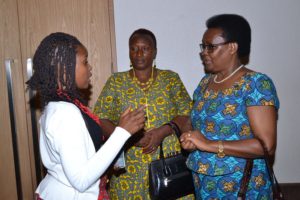
The DESFER Project: Empowering Women in the SahelThe Sahel is a vast semi-arid region of Africa that separates the Sahara Desert from tropical savannas. It spans 10 countries, including Niger, Mali and Senegal and is a land of both opportunities and challenges. Political insecurity and environmental issues threaten the Sahel’s potential for rapid growth. Despite these challenges, the Sahel is one of the world’s youngest regions, with women making up approximately 50% of its population. Therefore, investing in female education and vocational training could bring significant economic prosperity. Additionally, the Sahel boasts the world’s highest solar energy production capacity, presenting substantial renewable energy potential. Consequently, the creation of the DESFERS project is a promising solution to help women achieve economic prosperity and gender equality across the Sahel.

The Situation for Women across the Sahel

Dr. Farkhonda Hassan, Chair of the United Nations (U.N.) Economic Commission for Africa’s Committee on Women and Development, points out that many poverty reduction strategies fail to address the disparities in income and power between men and women. She notes that the majority of African women still lack employment opportunities in trade, industry and government. Women across the Sahel experience the harsh effects of this gender inequality. They are more vulnerable to poverty, face significant barriers in accessing land, credit and formal employment and on average, have less time for productive activities due to the burden of domestic work.

The DESFERS Project

Plan International, a global children’s charity committed to creating a fairer world, focuses on building an equal world for girls. The organization has partnered with seven other entities, including ministries and national agencies for renewables, to launch a project that empowers women through renewable energy innovations. Introduced in 2018, the “Economic and Social Development of Women through Renewable Energies in the Sahel” project (DESFERS) actively confronts and addresses the social, cultural and economic inequalities that hinder the economic prosperity of women in the Sahel.

The project started by engaging women to articulate their social and economic needs. Plan International then focused on areas across the Sahara that offered the greatest potential for social and economic impact. Recognizing the critical role of sustainable energy and gender equality in development and economic growth, the European Union has contributed a €7.6 million grant to the DESFERS project.

Initially, the project concentrated on building individual skills such as reading, writing and math and introduced concepts about renewable energies and business. Subsequently, it provided more in-depth technical training focused on solar energy, particularly promoting women-led solar power businesses. The project also offers funding and training to help women launch micro-financial products in the sustainable energy sector. Furthermore, Plan International collaborates with ‘male champions’ who engage men in the community to help shift perspectives and address entrenched gender stereotypes.

Successful Sustainable Female Empowerment

The DESFERS project represents a new opportunity for women who were historically confined to traditional small business activities with minimal financial returns. This initiative merges the sustainable energy sector, specifically solar photovoltaic energy, with female empowerment. Crucially, the project positions women as prominent leaders catalyzing change within their communities. Women now manage the installation and maintenance of much of the new technology and capitalize on the business opportunities that the renewable energy sector presents. Since its inception, the project has supported 4,500 women-owned businesses in sustainable energy and trained 7,000 female entrepreneurs. Additionally, 21,000 women have received financing and the project has greatly enhanced women’s access to renewable energy.

Female Empowerment and Poverty

U.N. Women recognizes that gender equality is a significant and powerful catalyst for reducing poverty and increasing sustainable development. Ensuring equal access to opportunities enables societies to develop healthier and fairer economies. They have commended the shift toward renewable energy that promotes female empowerment. Alliance Sahel has observed that projects with a gender focus not only accelerate growth but also reduce gender and social inequalities. This enhances the economic and social resilience of the entire population, despite various challenges. It also notes a direct intergenerational benefit: projects centered on female empowerment yield long-term results. For example, empowered women tend to invest more in their children’s education and provide them with a more balanced diet, which contributes to building a stronger workforce for the future.

Looking Forward

Overall, the DESFERS project remains a significant success for women across the Sahel. Empowering women through renewable energy not only helps eradicate poverty but also breaks down entrenched gender inequalities prevalent throughout Senegal, Niger and Mali.

– Sian Ameer-Beg

Sian is based in Durham, UK and focuses on Good News and Technology for The Borgen Project.

Photo: Flickr
August 25, 2024
https://borgenproject.org/wp-content/uploads/borgen-project-logo.svg 0 0 Precious Sheidu https://borgenproject.org/wp-content/uploads/borgen-project-logo.svg Precious Sheidu2024-08-25 01:30:492024-08-24 13:35:44The DESFER Project: Empowering Women in the Sahel
Global Poverty, Technology, Women's Empowerment

BabesGotBytes: Teaching Women Digital Literacy in South Africa

BabesGotBytesAmanda Gxagxa, Lihle Menzeleleli and Phindiwe Nqanqaru founded BabesGotBytes in 2018, a nonprofit focusing on teaching women and young girls skills needed for careers in tech. Based in Cape Town, the organization is working to close the career gap for women and girls by empowering them to learn new skills through training in technology and innovation.

BabesGotBytes offers a variety of local school programs for students of all ages and free adult classes ranging from basic computer literacy, coding, software and web development, programming and entrepreneurship, among many others. Weekly meetups occasionally feature guest speakers, are open to newcomers interested in the developer’s community and allow like-minded individuals to connect and network.

Industry Changes and Growth

South Africa currently has one of the highest unemployment rates at 33%, with more than 8.4 million people unemployed. According to the Q2 Labor Force Survey for 2024, the industries most affected by job losses are retail, restaurants and hotels, agriculture, domestic work in private households and construction. Increases, however, are in manufacturing, community and social services, utilities, transportation, mining and finance.

The Information Technology (IT) industry is also growing steadily as South Africa has become more advanced in technology. As a central hub for startups and foreign subsidiaries, in one analysis, a growth of 36% was reported for the IT industry within the last three years, with an almost 5% increase in revenue for these companies.

College Degrees Are Essential

With more highly skilled jobs in demand, education plays a significant factor. Having a college degree puts candidates in a better position to secure employment, with graduates making up only 9% of unemployment overall. School systems in South Africa require high schoolers to complete an exam in their final year, known as the “matric,” in order to graduate and for entrance into universities. If the matric isn’t passed, the student is considered to have an “educational attainment less than matric.”

What this means to employers is that although the candidate has a secondary-level education, they didn’t graduate high school. Those without matric qualifications make up a staggering 39% of unemployment. For those living in rural areas, access to schools is limited and many lack infrastructure; teachers often pursue jobs in larger cities where they’re provided with more stability and income.

Gender and Race Add Barriers

Women face many challenges due to expectations of traditional gender roles with fewer resources or role models, with 29.9% of the unemployed, while men, 26.3%. They often face discrimination, receive lower wages and don’t advance as frequently in the workplace. Racial inequalities put Black Africans at an even further disadvantage as the most unemployed race at 37%, deepening the wealth gap and poverty level compared to other racial groups. In relation to this, Black Africans are also the least educated despite making up the majority population.

BabesGotBytes’ Impact

In a few years, BabesGotBytes has expanded into a large operation, partnering with Rlabs in 2023 to develop a six-month digital literacy program for disadvantaged communities. It has hosted workshops and webinars with companies such as Amazon Web Services Cloud, Arduino and Orange Cybersecurity. In December, it organized the Makers Hackathon, where students showcased their skills. This year, it launched a summer robotics camp for children ages 7-15 and participated in Womhub’s GirlsEng Innovation Camp. Recently, it announced its most ambitious project yet, collaborating with Zoho to launch a one-year boot camp to train and mentor 40 women and girls, further advancing their skills and experience.

– Tanita Love

Tanita is based in Chicago, IL, USA and focuses on Technology and Solutions for The Borgen Project.

Photo: Pexels

August 25, 2024
https://borgenproject.org/wp-content/uploads/borgen-project-logo.svg 0 0 Lynsey 2 https://borgenproject.org/wp-content/uploads/borgen-project-logo.svg Lynsey 22024-08-25 01:30:152024-10-27 09:30:13BabesGotBytes: Teaching Women Digital Literacy in South Africa
Page 258 of 2162«‹256257258259260›»

Get Smarter

  • Global Poverty 101
  • Global Poverty… The Good News
  • Global Poverty & U.S. Jobs
  • Global Poverty and National Security
  • Innovative Solutions to Poverty
  • Global Poverty & Aid FAQ’s
Search Search

Take Action

  • Call Congress
  • Email Congress
  • Donate
  • 30 Ways to Help
  • Volunteer Ops
  • Internships
  • Courses & Certificates
  • The Podcast
Borgen Project

“The Borgen Project is an incredible nonprofit organization that is addressing poverty and hunger and working towards ending them.”

-The Huffington Post

Inside The Borgen Project

  • Contact
  • About
  • Financials
  • President
  • Board of Directors
  • Board of Advisors

International Links

  • UK Email Parliament
  • UK Donate
  • Canada Email Parliament

Get Smarter

  • Global Poverty 101
  • Global Poverty… The Good News
  • Global Poverty & U.S. Jobs
  • Global Poverty and National Security
  • Innovative Solutions to Poverty
  • Global Poverty & Aid FAQ’s

Ways to Help

  • Call Congress
  • Email Congress
  • Donate
  • 30 Ways to Help
  • Volunteer Ops
  • Internships
  • Courses & Certificates
  • The Podcast
Scroll to top Scroll to top Scroll to top