• Link to X
  • Link to Facebook
  • Link to Instagram
  • Link to TikTok
  • Link to Youtube
  • About
    • About Us
      • President
      • Board of Directors
      • Board of Advisors
      • Financials
      • Our Methodology
      • Success Tracker
      • Contact
  • Act Now
    • 30 Ways to Help
      • Email Congress
      • Call Congress
      • Volunteer
      • Courses & Certificates
      • Be a Donor
    • Internships
      • In-Office Internships
      • Remote Internships
    • Legislation
      • Politics 101
  • The Blog
  • The Podcast
  • Magazine
  • Donate
  • Click to open the search input field Click to open the search input field Search
  • Menu Menu

Archive for category: Global Poverty

Key articles and information on global poverty.

Developing Countries, Global Poverty

Duke Energy CEO’s Book on Electricity for the Poor

Duke_Energy_CEO_Book_on_Electricity_for_the_Poor
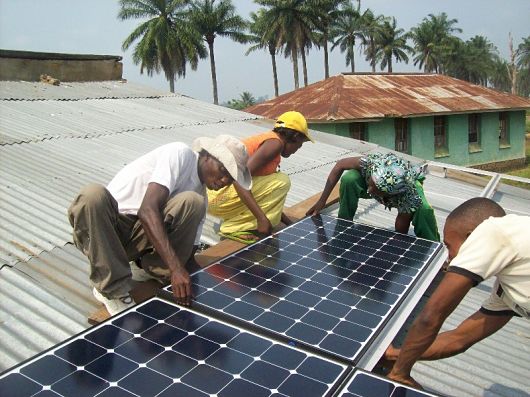
Over 1.2 billion people on Earth do not have access to electricity. Even where cell phones are common, villagers have to walk miles to charge them. More than 95 percent of these people are either in sub-Saharan Africa or developing areas in Asia; 84 percent reside in rural areas.

Former Duke Energy CEO James Rogers is writing a book about bringing electricity to the rural parts of the world that lack energy sources. Rogers served as the CEO and president of Duke Energy from 2006 to 2013. He has worked in the utility industry for over 25 years and has received many awards and recognitions for his leadership and focus on sustainability and research.

Under Rogers’ leadership, Duke Energy has been recognized as a leader in sustainability – performing based on the “triple bottom line” of people, planet and profits. Rogers also serves as the co-founder of the Global BrightLight Foundation, which works to provide globally accessible and affordable energy solutions to improve the education, environment, economic opportunities and quality of life for those living in areas that currently lack access to electricity and power.

The focus of Rogers’ work, “Lighting the World: Transforming Our Energy Future by Bringing Electricity to Everyone,” is to bring electricity to the parts of the world that have little to no access. Rogers details the bold thinking, international cooperation and political will that are required to bring this energy to the 1.2 billion in need.

The key, he states, is finding energy sources that are both renewable and sustainable. Renewability and sustainability are important for nations without basic resources to support the large, centralized power systems on which developed countries heavily rely.

Rogers writes about new large-scale, sustainable solutions that will not only introduce a new era of electricity but also serve as an integral step in lifting the world’s poor out of poverty and onto the road toward renewable, viable economic and energy development.

Rogers doesn’t write only for developing countries, though. The developed world can also benefit from what is learned by drawing electricity from such sources such as sub-Saharan Africa, Southeast Asia and Latin America. Westernized, advanced countries have, for the most part, skipped this “analog” stage of electricity development and have moved directly and swiftly from the middle age to the digital age. This is because these countries have not been hindered by the lack of infrastructure, resource restrictions or outdated laws and regulations that the developing, rural areas must face.

An incubator for innovation and invention, the developing world may be the best platform to make progress on energy issues.

“Lighting the World: Transforming Our Energy Future by Bringing Electricity to Everyone” is scheduled to be published August 2015 by MacMillan Publishers.

– Alison Decker

Sources: MacMillan Publishers, Duke Energy, Global BrightLight Foundation, Charlotte Business Journal, International Energy Agency
Photo: Flickr

May 19, 2015
https://borgenproject.org/wp-content/uploads/borgen-project-logo.svg 0 0 Borgen Project https://borgenproject.org/wp-content/uploads/borgen-project-logo.svg Borgen Project2015-05-19 08:00:292024-05-27 09:23:56Duke Energy CEO’s Book on Electricity for the Poor
Global Poverty, Hunger

Hunger in Guinea-Bissau

guinea-bissau
Hunger and malnutrition are significant concerns in the country of Guinea-Bissau that can be attributed to several factors including food insecurity, poor health and sanitation, limited access to water and low literacy rates.

According to a report released by the World Food Programme, only seven percent of people living in Guinea-Bissau are food secure. The report also revealed that 93 percent of the rural population in the country is food insecure as a result of cashew prices. In addition, an estimated 15,000 children suffer from malnutrition across Guinea-Bissau.

Due to Guinea-Bissau’s political instability and socioeconomic uncertainty, the country’s food security remains compromised. Poverty rates have increased from 65 percent in previous years to 75 percent and although the country has ample natural resources, a substantial amount of rainfall and good soil, Guinea-Bissau is still dealing with the political disruption that makes it susceptible to poverty.

A large aspect of the country’s economy can be found in the agricultural sector, which 85 percent of the population relies upon. The population of 1.6 million not only relies on agriculture as a main source of income but also as a main source of nutrition. Cashews account for 98 percent of the country’s revenues, while other crops such as rice are grown for sustenance.

In the past several years alone, food insecurity in Guinea-Bissau has increased as a result of strikes and political upheaval, both have devastated the cashew nut season and compromised the country’s main source of income. This disruption not only affected revenues, but it also limited access to food and further burdened households in rural areas.

In past years Guinea-Bissau had not been making a political commitment to combating hunger in the country; however, recently the country along with several other organizations including WFP have partnered up in an effort to reduce hunger.

“Thanks to the work we do with our partners on emergency preparedness, support to family farmers, nutritional assistance – particularly in a child’s first 1,000 days – and building the resilience of communities to withstand shocks, millions of people are now better able to focus on building a future free of hunger for themselves and the next generation,” said WFP Executive Ertharin Cousin.

WFP and the government of Guinea-Bissau have launched several initiatives in hopes of alleviating hunger and combating malnutrition in the country. The initiatives aim to provide immediate food aid, operate school meal programs and aid small-scale farmers. WFP is currently providing meals to 86,000 schoolchildren and handing out rations as a means to increase attendance among girls. As part of the initiative, an estimated 36,000 women and children have received resources to combat malnutrition.

“Every year, we witness hunger’s devastating effect on families, communities and whole economies,” Cousin says. “But despite horrific crises engulfing entire regions, we are making real progress in the fight to sustainably and durably end hunger and chronic malnutrition.”

– Nada Sewidan

Sources: World Food Programme, International Food Policy Research Institute
Photo: DNS Tvind

May 19, 2015
https://borgenproject.org/wp-content/uploads/borgen-project-logo.svg 0 0 Borgen Project https://borgenproject.org/wp-content/uploads/borgen-project-logo.svg Borgen Project2015-05-19 04:00:192024-12-13 17:51:23Hunger in Guinea-Bissau
Global Poverty

Poverty in Salvador, Brazil

Brazil
The gap between Brazil’s rich and poor contributes to its stance in the developing world. Although Brazil is considered to be a rich nation, there are still millions of people living in extreme poverty.

The uneven distribution of wealth enables Brazil to be a wealthy country that has millions living in poverty. The wealthiest one percent of Brazil’s population controls approximately 50 percent of the nation’s income, while a substantial amount of the country’s population lives off of once percent of the country’s wealth.

Salvador de Bahia, the capital of Brazil, serves as an example of how this distribution of wealth creates poverty. The capital of Brazil is considered to be one of the most impoverished areas of the country, with approximately 2.4 million people living on less than $1 a day.

Brazil is one of the largest countries in world with an estimated population of 200 million people, according to the World Bank. Salvador de Bahia has a population of approximately 2.6 million people who survive on incomes supported by the tourism industry, agriculture and the oil refinery port in the capital.

With a relatively new chemical company opening in Salvador de Bahia, the capital has seen considerable growth in its economy, partly due to new employment opportunities and an increase in generated revenue. Although Salvador de Bahia has seen economic growth, it is still considered one of the poorest states with poverty rates as high as 50 percent in some towns.

There are several causes behind the extreme poverty in Brazil, and more specifically, Salvador de Bahia. Aside from economic situations that feed the great divide between the rich and poor, the increasing number of children falling into poverty serves as another factor. Although the number of adults lifting themselves out of poverty has increased over the past few years, there has also been an increase in the number of young people and children that have fallen into poverty. The cyclical nature of poverty results in stagnant poverty rates.

Malnutrition has also led to underdeveloped children and young people. In Brazil there are an estimated 200,000 to eight million children living on the streets. Unable to provide for their children, some poor families abandon their children, leaving them on the streets to fend for themselves. Additionally, AIDS, the death of family members, violence, drugs and/or alcohol result in high child poverty rates.

Often, street children cannot come back from this life and have a low life expectancy rate. Reforms that tackle child poverty in Brazil can help alleviate rates in the country and enable the state of Salvador de Bahia to move toward a more prosperous economic future. Reforms can help build orphanages, create education centered programs and build half-way houses as a solution to poverty rates.

– Nada Sewidan

Sources: Children of Bahia, SOS Children’s Villages, The World Bank
Photo: Global Health Equity Scholars Fellowship

May 18, 2015
https://borgenproject.org/wp-content/uploads/borgen-project-logo.svg 0 0 Borgen Project https://borgenproject.org/wp-content/uploads/borgen-project-logo.svg Borgen Project2015-05-18 08:00:182024-05-27 09:23:55Poverty in Salvador, Brazil
Global Poverty

Poverty in Chennai, India

chennai
There is a substantial amount of people living below poverty lines in several states of India. Although India’s economy has seen growth over the past few decades, an estimated 1.1 billion people survive on less than $1 a day.

In India, poverty rates are three to four times higher in the country’s poorest regions than the more advanced regions. The poverty alleviation rate in India has remained stagnant; rates are still the same as they were 20 years prior, especially in more remote parts of India such as Chennai.

Chennai is one of the largest and most populous cities in India and is ranked the 31st largest urban city in the world with a population of 4.3 million. It is a port city located in India and is considered a large tourist destination.

Chennai is also known as one of the largest industrial and commercial cities in India, which contributes to its economic stature. However, with large populous urban cities, comes the slums. More often than not, the impoverished are found living in the slums of the cities they are connected to.

The slum population has been increasing over the past few decades, almost doubling the population of people living in poverty in the past two decades alone. As India’s total population increases so does the slum population. Despite reform efforts and aid, many of those living in the slums do not have access to electricity and clean water.

In 2011, an estimated 29 percent of the population in Chennai were living in the slums of the city, which is less than other parts of India. For example, in 2011 30 to 40 percent of the population living in Mumbai and Kolkota were living in the slums.

The slums of Chennai are found in the back alleys of the city, where huts line the dirt streets. A majority of the slums found in large cities such as Chennai are crowded, single room houses with poor sanitation and unclean drinking water, which ultimately contributes to the spread of disease.

However, compared to other cities in India where the population is in the millions, Chennai has been doing considerably well with poverty alleviation. Chennai’s poverty rate currently stands at 8.7 percent and is considered to have one of the lowest poverty rates in the entire country, while other cities such as Coimbatore’s and Madurai’s poverty rates are as high as 17 to 22 percent.

What differentiates Chennai from other cities such as Coimbatore and Madurai is the plan in place. Chennai has developed an effective policy that helps empower people. However, even though Chennai has one of the lowest poverty rates, it still houses a large number of slum neighborhoods and people living on less than a $1 a day.

A contributing factor to the continuity and growth of these neighborhoods is rapid urbanization and unemployment. Many people move to the city in hopes of finding jobs; however, when they don’t they have trouble surviving and may ultimately end up in the slums of the city.

– Nada Sewidan

Sources: Travelmag, India Online Pages, U.N.D.P., The World Bank, The Hindu
Photo: Jacobin

May 17, 2015
https://borgenproject.org/wp-content/uploads/borgen-project-logo.svg 0 0 Borgen Project https://borgenproject.org/wp-content/uploads/borgen-project-logo.svg Borgen Project2015-05-17 12:00:292020-07-18 09:23:50Poverty in Chennai, India
Global Poverty

Bike Power Gives Rural Coffee Growers a Boost

coffee_growers
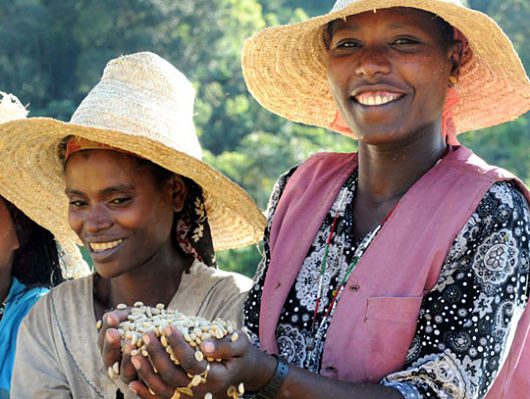
Near the base of Mt. Kilimanjaro, coffee is a staple crop. Coffee growers range from huge commercial enterprises with factories and automated systems, to family farms doing everything by hand. The commercial farms have the clear advantage, but a new technology designed by an international crew of innovators may help the smallest farmers close the gap.

To make coffee, farmers must harvest the bright red coffee cherries and split them in half to access the bean inside. This process, called pulping or shelling, is vital to coffee production and is extremely labor intensive. Doing it by hand is too slow to be feasible. While the big factory farms have machines that require very little labor to operate, smaller villages make do with hand-powered cranks that require a great deal of strength and patience.

The MIT-sponsored International Development Innovation Network Summit this past year played host to hundreds of inventive individuals looking to solve problems like this one. The group included Tanzanian business school student Yesse Joshua Olijange, whose parents are farmers originally from Leguruki and Bernard Kiwia, a Tanzanian bicycle mechanic turned inventor.

Kiwia supervised the summit team Olijange was a part of. The team also included self-taught Tanzanian inventor Mwanaharusi Goha,  Brazilian engineering student Eduard Eric Schardijin Ghanaian, engineering student Helen Amorin, German industrial designer Mona Mijthab and El Salvadorian nonprofit worker Geovany Moreno. Together, they designed a simple improvement to the hand-powered pulper.

According to designer Mona Mijthab, “Most people [in Leguruki] have bikes,” she said, “We thought, we can use parts of the metal pieces instead of the real bike. Things like the frame—these materials are available.”

The team attached the pedals of a bike onto a sturdy metal frame and hooked it up to the hand-cranked pulping machine. Now, instead of requiring immense upper-body strength, a person can operate the machine as they would ride a bike. The machine, which is around three feet tall, takes raw cherries in through a funnel on its top and runs them through a rotating drum with spikes on its interior. The spikes take the outer shell off of the coffee and spits them out separately from the beans. Using a hand crank, farmers can pulp about 33 pounds of cherries every 10 minutes. With the new prototype, the time is reduced to two minutes.

This is only one of many exciting prototypes to come out of the IDIN Summits. Since 2012, IDIN has been connecting innovators from different countries and industries around the world to challenge them to develop not only designs, but prototypes that can improve the lives of those living in poverty. Interest in IDIN’s methods and solutions is growing, and this year three summits will be taking place in Colombia, India and Botswana.

These summits are part of a bigger trend in innovation as the world’s most creative minds apply themselves to solving the problems facing the world’s poorest populations.

– Marina Middleton

Sources: Smithsonian, International Development Design Summit, International Development Innovation Network, D-Lab
Photo: Enlightened Consciousness

May 17, 2015
https://borgenproject.org/wp-content/uploads/borgen-project-logo.svg 0 0 Borgen Project https://borgenproject.org/wp-content/uploads/borgen-project-logo.svg Borgen Project2015-05-17 08:00:012024-05-27 09:23:54Bike Power Gives Rural Coffee Growers a Boost
Global Poverty

Poverty in Jakarta

Jakarta
There are over 28 million people in Indonesia considered to be poor according to national standards. The Multidimensional Poverty Index, or MPI, focuses on standards of living and measures 10 indicators of multiple deprivations in a household. The 10 indicators include issues of education and health. To be considered multi-dimensionally poor, a person needs to be deprived in at least three out of the 10 indicators.

In Jakarta, 20.8 percent of the population has multiple deprivation and 12.2 percent is vulnerable to multiple deprivations. The intensity of deprivation means the degree to which the average percentage of the people is in multidimensional poverty. As of 2014, this was 45.9 percent.

The population of Jakarta is 10 million at night and increases to 11.2 million in the day as individuals travel into the city for work. As of 2014, the poverty rate and Gini coefficient ratio, a measurement tool for the gap in income, have increased immensely due to increasing rates of inflation and the weaker rupiah. The result is a higher poverty index.

The poverty index ratio increased to 8.9 percent from eight percent in the previous year. The country average for Indonesia is 8.3 percent. The coefficient ratio has gone from a measurement of .364 in 2013 to .436. The ratio illuminates the income distribution among the city’s population as well as the inequality of the economy.

There has been an increase in the poor population from 3.7 percent in 2013 to 4.9 percent. Based on the population of Jakarta, the number of poor has increased from 371,000 to 412,790. Due to poverty, issues of malnutrition, no proper sanitation, lack of electricity and limited educational opportunities are often issues occurring in tandem.

It is important that proper indicators are used to determine the amount of the population that is poor in order to correctly assess their needs. In the words of Amartya Sen, author of the book, “Development as Freedom,” poverty should be seen “as a deprivation of basic capabilities, rather than merely as low income.”

Currently, the national poverty line is based on monetary measures. These measures, utilized by the Millennium Development Goals to indicate the national poverty line, have assisted in growth and processes that have recently been taken by the Indonesian government. In addition, budgeting and planning resources have been observed.

– Erika Wright

Sources: Jakarta Post 1, Jakarta Post 2, U.N. Habitat
Photo: Wikimedia Commons

May 16, 2015
https://borgenproject.org/wp-content/uploads/borgen-project-logo.svg 0 0 Borgen Project https://borgenproject.org/wp-content/uploads/borgen-project-logo.svg Borgen Project2015-05-16 12:00:582024-12-13 17:51:23Poverty in Jakarta
Global Poverty, Refugees and Displaced Persons

IKEA’s Better Shelters

better_shelter
Nearly four million refugees have fled Syria in the last four years. In 2013, almost 51 million people were displaced from their homes worldwide. This marks the highest global refugee population since World War II. In camps, the only shelter these displaced families have are flimsy tents. A new mobile shelter called the Better Shelter could offer a safer, more dignified solution to the challenge of housing refugee families.

IKEA Foundation and the United Nations High Commissioner for Refugees have joined forces to improve the housing options for displaced families. The shelters come in two flat cardboard boxes, can be assembled without additional tools by as few as four people in less than a day. At 188 square feet, they can house up to five people and come with weather-proof panels, a solar powered lamp and cellphone charger and a door that locks.

Shaun Scales, Chief of Shelter and Settlement at UNHCR, has lauded the Better Shelters as, “…an exciting new development in humanitarian shelter and represents a much needed addition to the palette of sheltering options mobilized to assist those in need. Its deployment will ensure dramatic improvement to the lives of many people affected by crises.”

The houses were designed by a team in Sweden with the goal of making a temporary housing solution that was sustainable socially and environmentally. After UNHCR and IKEA became involved in the project, Better Shelter was tested by refugees in Ethiopia and Iraq. Their needs and critiques were central to the design process and helped shape the final product.

The Better Shelters cost about $1,150, about twice as much as the makeshift tarp tents that spring to mind when refugee camps are mentioned. This is mostly because the shelters are more akin to mobile homes. The locking doors add a layer of security and privacy that is currently all but forgotten in the overcrowded camps, and could help reduce the staggeringly high rate of sexual assault. With weatherproof walls, interior lighting and a solid foundation, the shelters are designed to last for about three years. That’s six times as long as the standard tents usually last.

“Even though the upfront price is double that of an emergency tent, the solution is still more cost effective considering its longevity,” explains Johan Karlsson, head of Business Development at Better Shelter. “We’re working hard to get it below $1,000, and we see good potential to achieve this within the next two years.”

UNHCR has purchased 10,000 of the Better shelters and plans to distribute them this summer, potentially housing 50,000 refugees. Although 50,000 of the 13 million people who rely on UNHCR may seem like a drop in the bucket, it is a promising start for a product that could ease the pain of displacement.

– Marina Middleton

Sources: World Mic, The Huffington Post, Better Shelter, Mashable, DIHAD
Photo: Mashable

May 16, 2015
https://borgenproject.org/wp-content/uploads/borgen-project-logo.svg 0 0 Borgen Project https://borgenproject.org/wp-content/uploads/borgen-project-logo.svg Borgen Project2015-05-16 08:00:212024-05-27 09:23:54IKEA’s Better Shelters
Global Poverty

Crimes Against the Homeless

homeless
Murder rates are much higher in large cities compared to in smaller towns. In general, violent crimes are more prevalent in heavily populated areas, in particular, impoverished urban communities.

In densely populated areas, crime rates can be influenced by the increase in peer contact. Individuals have more contact with one another, which allows for the potential for more crimes to be committed overall. An urban setting also entails more bars, convenience stores and other vulnerable businesses meaning there is an abundance of potential targets.

Statistically speaking, gender affects the number and types of crimes committed. On average, males commit more street crime than females due to the socialization to be aggressive and assertive. In addition, younger individuals commit at a disproportionate amount of street crime, in part because of peer influence as well as their lack of desire to conform.

The most targeted and vulnerable of the population is the poorest of the poor: the homeless. The abuse, death and crimes against this population is often undocumented.

In recent years, there has been an increase in the number of violent crimes committed against the homeless. “Bum fights” are a new phenomenon where people videotape their attacks against the homeless for entertainment. The more recent and violent attacks have gotten the attention of the United States Justice Department, which acknowledges not only that this a growing and serious national issues but is also a hate crime. However, the homeless are not considered to be a federally protected class.

Crimes committed against the homeless are brutal and violent and include but are not limited to drowning, burning, shooting and stabbing.

Factors that make the homeless more vulnerable includes a criminal’s lack of discrimination against their victim; in essence there is not a targeted victim. Given a lack of trust in the police on the part of the homeless, many of these crimes go unreported. Homeless individuals become easy targets. Environmental factors also impact a homeless individual’s vulnerability. No walls, locks or keys and a transient lifestyle increase the likelihood that a homeless person will be targeted and become a victim.

​Crimes that target the poor and homeless are a problem in the United States. Support for legislative change and policy updates that allow the homeless to be considered a protected class is the first step to help this population.

– Erika Wright

Sources: LardBucket, Common Dreams, Desert News
Photo: Flickr

May 16, 2015
https://borgenproject.org/wp-content/uploads/borgen-project-logo.svg 0 0 Borgen Project https://borgenproject.org/wp-content/uploads/borgen-project-logo.svg Borgen Project2015-05-16 04:00:202024-05-27 09:23:54Crimes Against the Homeless
Global Poverty

Himalayan Sherpas Left Lost Following Nepal Quake

sherpas
With nearly 5,900 dead and monetary growth stalled, loss has become commonplace in the wake of Nepal’s 7.8-magnitude earthquake. The tourism sector, constituting eight percent of the country’s gross domestic product, now looks gutted – a reality that could have grim implications for Himalayan Sherpas.

Jagged snow-capped peaks and olive-green farmlands frame rural villages in Nepal. It is here, with the beast’s shadow looming, that backpackers from across the world come to tackle Mt. Everest. Himalayan Sherpas, indigenous people notorious for their mountaineering prowess, lead nearly 100,000 through the unforgiving ice fields each year.

Making upwards of $7,000 in a single trekking season, 10 times the average Nepalese wage, the Sherpas contribution benefits Nepal’s economy. By filling hotels, airplane seats and sporting goods stores, the sun-aged workers have created their own niche in tourism.

This once lucrative business, however, is taking a turn for the worse following April’s earthquake.

In Chaurikharka, a rural area in Nepal, villagers and Buddhist monks gather in a hut, its walls crumbling and sagging in the dim lamp light. They mourn the loss of Dawa Chiri, a 27-year-old Himalayan Sherpa killed alongside 17 other trekkers and guides during an avalanche caused by the quake.

Dawa’s wife, Phura Yangzi, is now left with an 18-month old child. With the baby strapped to her back, Yangzi explains that she will now turn to street vending, selling soda and mineral water in hopes of supporting the family.

“It will be difficult but I will try,” she said. “I have to.”

Mountaineering companies, hearing of these tragic and devastating stories, have called off all spring expeditions. From teahouses to airlines, the effects of a poor trekking season will be felt by many – a big blow for Nepal’s economy.

“Foreign clients will be reluctant to climb next year,” David Morton, executive director of the Juniper Fund charity, said. “There are concerns about danger, sure, but also cost, after climbers lost all that money.”

With nearly 40 percent of villages already living below the poverty line, this drastic decline in tourism will leave high-altitude families reeling. Most, now camped in makeshift nylon tents, may never secure the funds to rebuild their homes.

“I have lost everything,” Pasang Lamu, a 55-year-old villager in Khunde said, choking back sobs. “Please help us.”

Foreign aid efforts, though effective for urban centers, prove futile for most Himalayan towns. The only way in or out is by foot making travel for international aid workers, reporters and government officials impossible.

“It has been the main economic driver for many people and now, the industry will take a hit,” nonprofit director Ben Ayers said of the tourism sector. “We are looking at hunger, disease and suffering for a lot of people.”

Yangzi will be one of those people. Her face tired, the 22-year-old widow explains how she wishes her husband’s death was simply a nightmare. She tries to think of it as a dream, but then remembers the last words he spoke a day before the earthquake.

“Tomorrow,” the Sherpa said. “Is my rest day at base camp.”

– Lauren Stepp

Sources: Bloomberg Business, CNN, The Economic Times
Photo: Flickr


May 14, 2015
https://borgenproject.org/wp-content/uploads/borgen-project-logo.svg 0 0 Borgen Project https://borgenproject.org/wp-content/uploads/borgen-project-logo.svg Borgen Project2015-05-14 08:00:312020-07-18 11:36:51Himalayan Sherpas Left Lost Following Nepal Quake
Global Poverty

10 Facts About the Senate Appropriations Committee

senate_appropriations_committee
The Senate Appropriations Committee first formed in March of 1867 in order to reduce the labor hours needed for the combined tasks of tax writing and appropriations. The Senate Appropriations Committee has jurisdiction over all spending legislation in the U.S. Here are some quick facts about the committee:

      • There are a total of 30 members on the Senate Appropriations Committee; 16 Republicans and 14 Democrats.
      • There are 12 subcommittees, each assigned a unique category ranging from Commerce, Justice, Science and Related Agencies to Defense.
      • Senator Thad Cochran from Mississippi is the Chairman of the Committee.
      • Barbara A. Mikulski is the Vice Chairman of the Committee. She was the first woman to ever be appointed to this position (Dec. 2012).
      • Anyone can attend the committee hearings, but only if it is an open hearing, which is the majority of the time.
      • The Senate Appropriations Committee is the largest committee in the U.S. Senate.
      • When the country is in a crisis and needs emergency expenses, the Senate Appropriations Committee can pass supplemental spending bills in order to alleviate the crisis.
      • Each subcommittee must operate within the budget that the full committee states, but this can be waived if enough votes are collected in order to increase the budget.
      • All hearings can be watched and listened to through the webcasts that are uploaded to the Senate Appropriations Committee website: https://www.appropriations.senate.gov.
      • The State, Foreign Operations and Related Programs Subcommittee deals with situations similar to what The Borgen Project deals with. Programs like the Peace Corps, the African Development Foundation, the United States Agency for International Development and more are found in this subcommittee.

– Erik Nelson

Sources: Committee on Appropriations 1, Committee on Appropriations 2, Committee on Appropriations 3, Thad Cochran
Photo: Flickr

May 14, 2015
https://borgenproject.org/wp-content/uploads/borgen-project-logo.svg 0 0 Borgen Project https://borgenproject.org/wp-content/uploads/borgen-project-logo.svg Borgen Project2015-05-14 04:00:512024-06-05 02:12:0710 Facts About the Senate Appropriations Committee
Page 1942 of 2162«‹19401941194219431944›»

Get Smarter

  • Global Poverty 101
  • Global Poverty… The Good News
  • Global Poverty & U.S. Jobs
  • Global Poverty and National Security
  • Innovative Solutions to Poverty
  • Global Poverty & Aid FAQ’s
Search Search

Take Action

  • Call Congress
  • Email Congress
  • Donate
  • 30 Ways to Help
  • Volunteer Ops
  • Internships
  • Courses & Certificates
  • The Podcast
Borgen Project

“The Borgen Project is an incredible nonprofit organization that is addressing poverty and hunger and working towards ending them.”

-The Huffington Post

Inside The Borgen Project

  • Contact
  • About
  • Financials
  • President
  • Board of Directors
  • Board of Advisors

International Links

  • UK Email Parliament
  • UK Donate
  • Canada Email Parliament

Get Smarter

  • Global Poverty 101
  • Global Poverty… The Good News
  • Global Poverty & U.S. Jobs
  • Global Poverty and National Security
  • Innovative Solutions to Poverty
  • Global Poverty & Aid FAQ’s

Ways to Help

  • Call Congress
  • Email Congress
  • Donate
  • 30 Ways to Help
  • Volunteer Ops
  • Internships
  • Courses & Certificates
  • The Podcast
Scroll to top Scroll to top Scroll to top