• Link to X
  • Link to Facebook
  • Link to Instagram
  • Link to TikTok
  • Link to Youtube
  • About
    • About Us
      • President
      • Board of Directors
      • Board of Advisors
      • Financials
      • Our Methodology
      • Success Tracker
      • Contact
  • Act Now
    • 30 Ways to Help
      • Email Congress
      • Call Congress
      • Volunteer
      • Courses & Certificates
      • Be a Donor
    • Internships
      • In-Office Internships
      • Remote Internships
    • Legislation
      • Politics 101
  • The Blog
  • The Podcast
  • Magazine
  • Donate
  • Click to open the search input field Click to open the search input field Search
  • Menu Menu

Archive for category: Global Poverty

Key articles and information on global poverty.

Global Poverty, Health, Mental Health

Mental Health in the Comoros

Mental Health in the ComorosThe Comoros, an archipelago of three islands in the Indian Ocean located between Madagascar and the southeast African mainland, is facing one of the world’s most silent mental health crises. With only one psychiatrist for 800,000 people, no national mental health strategy and 45% of the population living below the poverty line, access to psychiatric care is minimal. In addition, mental health issues remain heavily stigmatized within Comorian society, often being attributed to supernatural causes, such as jinn (demon) possession or witchcraft.

Lack of Mental Health Policy

The Comorian government has yet to adopt a mental health strategy, legislation or a specific budget for mental health care. This policy vacuum reflects decades of political instability and military coups since the country’s independence in 1975, compounded by pervasive poverty that besets the archipelago. Without a national plan, there is no framework to develop services, train providers or secure international funding for scalable solutions.

Poverty and Mental Health in the Comoros

Mental health care is too costly for most Comorian families. Without insurance systems or government-funded services, families often exhaust their savings on traditional healing or resort to physically restraining relatives with severe symptoms. The economic impact extends beyond individual families, as untreated mental illness reduces productivity, increases school dropout rates and reproduces poverty.

In 2018, the country’s Human Capital Index was only 0.40, suggesting that children born in 2018 will only achieve 40% of their productive potential, a figure partly influenced by preventable health issues, including mental disorders.

Cultural Beliefs and Stigma

Mental illness in Comoros is predominantly attributed to supernatural causes. As a result, many people first seek treatment from marabouts, who use Quranic verses, herbal remedies and amulets. These practices often delay medical treatment and can worsen psychiatric conditions. Women face particular obstacles, as cultural stigmatization often prevents them from seeking help or freely deciding about their treatment. Older people are also vulnerable, with no geriatric mental health support available.

However, organizations like Grand Challenges Canada (GCC) have supported mental health innovation in the Union of Comoros by training community health workers and facilitating psychiatric consultations via mobile phones. To reinforce monitoring and public awareness, the program also deploys tablets for weekly reporting and mobile apps to inform local communities about mental health issues.

Furthermore, youth-led initiatives like the Al Shara Youth Comoros “Moroni hub” based in Moroni, provide safe places for the youth to discuss mental health, challenge misconceptions and empower those affected by mental health issues.

Innoventive Mental Health Alternatives

Several other promising initiatives have emerged in recent years. In 2020, a telepsychiatry project was launched, with three key objectives. First, it helps raise awareness about mental health in Comoros, working to reduce misconceptions and stigma surrounding mental health disorders. Moreover, it also trains health care practitioners to manage conditions, such as depression, schizophrenia and bipolar disorder.

Finally, the project facilitates tele-consultations through Skype/Teams, connecting people and health care providers in remote areas with the country’s only psychiatrist and consultants from Madagascar and France. These tele-consultations provide diagnostic guidance and treatment recommendations, helping to mitigate the scarcity of psychiatric specialists.

E-education platforms are also slowly expanding, providing ongoing psychiatric and psychological training for health care workers. Targeted economic investment, especially from the U.S., could help develop these pivotal initiatives and bring mental health care to thousands of Comorians who currently suffer in silence. Addressing mental health care in Comoros requires sustained efforts, cultural sensitivity and international support to build more resilient communities.

– Juliette Delbarre

Juliette is based in London, UK and focuses on Global Health and Politics for The Borgen Project.

Photo: Flickr
August 21, 2025
https://borgenproject.org/wp-content/uploads/borgen-project-logo.svg 0 0 Lynsey 2 https://borgenproject.org/wp-content/uploads/borgen-project-logo.svg Lynsey 22025-08-21 03:00:232025-08-20 16:23:34Mental Health in the Comoros
Global Poverty, Nonprofit Organizations and NGOs, Poverty Reduction

Major Facts About Poverty in Okinawa

Poverty in OkinawaOkinawa is one of the largest islands within the Ryukyu island chain and the smallest prefecture in Japan. Formally known as the Ryukyu Kingdom, Okinawa is known internationally as an island travel destination and a Blue Zone area. A hidden struggle among Okinawan residents lies within the region’s rich culture and beautiful beaches. While Japan is considered a nation with high national well-being, poverty in Okinawa is 35%, twice the national average.

Single-Parent Household Ratios Are High

Contributing to poverty in Okinawa are single-parent or single-mother households. According to Professor Yanfei Zhou of Japan Women’s University from the documentary “The Ones Left Behind: The Plight of Single Mothers in Japan,” despite single-parent households having a high employment percentage of 85%, 48.3% of the households are in poverty.

In Okinawa, single-mother households are the majority, resulting in a 30% child poverty rate that is almost double the national average. Many of these single-mother households have to work two jobs, with their second being a hostess at nightclubs.

US Military Facilities Dominate Okinawa

Many of Okinawa’s poverty-related issues stem from Japan’s relationship with the U.S. military. After World War II and the devastating 1945 Battle of Okinawa, Japan allowed the U.S. to establish military facilities on the island, bases that remain in place today.

Due to the 1945 battle devastating Okinawa’s existing infrastructure and major agricultural fields being demolished for military facilities, the prefecture experienced major economic infrastructure development delays.

About half of all U.S. forces in Japan remain in Okinawa today, an island that makes up less than 0.6% of the country’s territory. The weak infrastructure on the island continues to contribute to the low employment rates and poverty in Okinawa.

Unemployment Rates Are High

According to e-Stat, Okinawa’s unemployment rate was 8.1% in 2023, the highest percentage among Japan’s prefectures. Many factors contribute to this, including limited infrastructure due to the U.S. military presence, dependence on a tourism industry with low wages and unstable work and low university enrollment among young people. The island’s geographic isolation from mainland Japan also worsens unemployment and poverty in Okinawa.

Okinawa Lacks Support From the Japanese Government

Although the Japanese government provides Okinawa with more than $2 billion in annual financial support, the relationship between Okinawan residents and the state remains complicated. Many oppose current plans to relocate the U.S. Marine Corps Air Station from Futenma to the coast of Henoko, reflecting longstanding resentment over the U.S. military presence.

Japan’s colonization of the former Ryukyu Kingdom and deep cultural differences between Okinawa and the mainland have also fueled tension. As a result, Okinawa is often viewed as neglected compared to other Japanese prefectures.

Organizations Providing Aid

While poverty in Okinawa stems from many factors, nonprofit organizations and local leaders continue to fight for change. HelpOki, a volunteer-based nonprofit founded in 2011, works to combat poverty by providing vital resources and support to those in need. To address food insecurity, the group established Okinawa’s first food bank and continues to supply essentials to homeless shelters, foster homes and other community organizations.

Organizations outside Okinawa are also working to fight poverty in the prefecture. Second Harvest Japan, the country’s first incorporated food bank, aims to build a nationwide food safety net. In 2020, in collaboration with Barclays, it launched the Usagamisore Project. The initiative provided food to 30,000 households in Okinawa during the COVID-19 pandemic and continues to serve the community while expanding its reach to the greater Tokyo area.

Local leaders have also made slow but steady plans to make Okinawa more self-reliant. They aim to reduce poverty and unemployment rates while still addressing residents’ concerns with U.S. forces and their presence in Okinawa.

– Skylar Paxton

Skylar is based in Lake Forest, CA, USA and focuses on Good News and Politics for The Borgen Project.

Photo: Wikimedia Commons

August 21, 2025
https://borgenproject.org/wp-content/uploads/borgen-project-logo.svg 0 0 Lynsey 2 https://borgenproject.org/wp-content/uploads/borgen-project-logo.svg Lynsey 22025-08-21 03:00:092025-08-20 16:18:49Major Facts About Poverty in Okinawa
Global Poverty, Health, Women and Children

Improving Women’s Health Care in Africa

 Improving Women's Health Care in Africa The World Health Organization (WHO) reports that women disproportionately experience health complications and barriers to health care access compared to men. Globally, both poverty and sociocultural factors hinder women’s ability to receive quality health services and care. WHO identifies these factors as: 

  • “Unequal power relationships between men and women;” 
  • “Social norms that decrease women’s education and paid employment opportunities;”
  • “An exclusive focus on women’s reproductive roles and” 
  • “Potential or actual experience of physical, sexual and emotional violence.”

COWHA’s Mission in Africa

There are organizations globally committed to improving women’s health care. One of these is the Coalition for Women’s Health in Africa (COWHA). COWHA is invested in providing girls and women with equitable access to health care and increasing their well-being. This vision is driven by an approach rooted in knowledge, advocacy and action. This three-pronged approach thrives on a collaboration with organizations in the private sector and holding governance responsible for reimagining and supporting women’s health care. 

In its 2025 Webinar Report, the Coalition for Women’s Health in Africa insists on the necessity of domestic investments, calling African governments to expand access to quality health services for girls and women, ensure financial risk protection and reduce out-of-pocket expenditures for patients and advance equity by making the health care of the most vulnerable and underserved populations a priority.

By adopting and funding these strategic priorities, COWHA can better maximize its impact in countries such as Ghana, Kenya and South Africa. In these regions, special attention goes to providing services and treatment for girls and women experiencing breast and cervical cancer, other noncommunicable diseases and needs related to sexual and reproductive health, as well as maternal and newborn care.

Statistics in Women’s Health Care

Coalition for Women’s Health in Africa reports the rates at which women and girls across the African continent experience health complications. Indeed, according to the report, around 66% of all global maternal deaths occur in Sub-Saharan Africa, 26% of women in Sub-Saharan Africa experience unplanned pregnancies and 65% of all cancer cases in Africa occur in women.

However, the organization’s framework is actively improving women’s health care in Africa and reducing oppressive conditions. Investing in knowledge and research enables COWHA to disseminate integral data on women’s health across Africa. This identifies gaps in care as well as offering life-saving interventions to enhance health outcomes. COWHA engages in conversation with policymakers, amplifying the most pressing health challenges, barriers to access and ensuring that women’s health is a priority.

Looking Ahead

The Coalition for Women’s Health in Africa’s cross-sector collaboration with governments, health care institutions and NGOs enables the implementation of targeted interventions. As a result, COWHA champions improvements in women’s health care that can have long-lasting impacts on the social and living conditions of girls and women across Africa.

– McKenzie Rentie

McKenzie is based in Dallas, Texas, USA and focuses on Celebs and Politics for The Borgen Project.

Photo: Flickr

August 21, 2025
https://borgenproject.org/wp-content/uploads/borgen-project-logo.svg 0 0 Precious Sheidu https://borgenproject.org/wp-content/uploads/borgen-project-logo.svg Precious Sheidu2025-08-21 03:00:022025-08-20 16:14:31Improving Women’s Health Care in Africa
Agriculture, Food Security, Global Poverty

How Urban Farming in Lebanon is Combating Food Insecurity

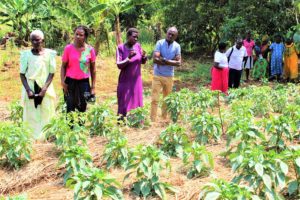
urban farming in lebanonFood insecurity has become one of Lebanon’s most pressing challenges. Years of economic collapse, political instability and rising global commodity prices have left millions struggling to access basic nutrition. Estimates show that 42% of the population faced high acute food insecurity in early 2023. This crisis is especially severe in urban areas like Tripoli, where high population density, unemployment and reliance on expensive imports leave communities vulnerable to market shocks. In the Shalfeh neighbourhood of Abou Samra, a new initiative is addressing this challenge through a solution rooted in sustainability, urban farming.

Changing the System

Launched by U.N.-Habitat and funded by the Government of Japan, the Al-Marjeh project integrates food production, renewable energy and clean water access to strengthen community resilience and combat Lebanon’s food insecurity.

The program has trained 100 women and 50 youth in planting, harvesting, composting, packaging and marketing. Participants gain both technical knowledge and business skills, enabling them to produce and sell fresh produce locally.

To support this shift, the project has installed renewable energy systems and water filtration units in two public schools and a health dispensary, benefiting the residents. These improvements enhance hygiene facilities, reduce the risk of waterborne diseases like cholera and ensure sustainable access to clean water – an essential component of urban agriculture.

Reducing Poverty and Building Livelihoods

The Al-Marjeh project’s benefits extend beyond the harvest. Many graduates have received agricultural toolkits to continue production at home, reducing household food costs while generating income from surplus sales. Others have joined cash-for-work initiatives, expanding cultivation on larger plots and strengthening local food supply chains.

For residents, the training has been transformative. By learning to grow their own crops, citizens have reduced reliance on expensive imported vegetables and built more stable income streams. Examples like Omar, a young participant, who now applies his training to community gardens and helps neighbours adopt sustainable cultivation techniques, highlight the transformative impact.

This impact reflects a broader trend: urban farming fosters self-reliance, reduces dependency on volatile markets and creates spaces for community cooperation that works together to reverse Lebanon’s food insecurity. By linking food production directly to urban residents, the initiative could shorten supply chains, reduces transportation costs and improve access to fresh produce in neighbourhoods that have long relied on limited and costly imports.

Long-Term Development Impact

Urban farming in Lebanon is also a climate resilience strategy. With arable land scarce and extreme weather patterns intensifying environmental pressures, localized farming offers a way to meet food needs sustainably. The Al-Marjeh project promotes water-efficient irrigation and composting practices, reducing environmental strain while maintaining productivity.

U.N.-Habitat highlights that these projects strengthen social cohesion by involving diverse community members in collective goals. The combination of environmental sustainability, economic opportunity and improved nutrition provides a blueprint for scaling similar initiatives in other urban centres facing similar issues as Lebanon’s food insecurity.

Looking Ahead

As Lebanon continues to navigate overlapping economic and political crises, urban farming offers a practical and empowering response. By equipping residents with the skills, resources and infrastructure to produce their own food, projects like Al-Marjeh reduce vulnerability to external shocks and lay the foundation for inclusive, sustainable growth. In Tripoli’s Shalfeh neighbourhood, a simple idea—growing food locally—is helping build a more resilient future.

– Thomas Finighan

Thomas is based in London, UK and focuses on Business and Global Health for The Borgen Project.

Photo: Flickr
August 21, 2025
https://borgenproject.org/wp-content/uploads/borgen-project-logo.svg 0 0 Naida Jahic https://borgenproject.org/wp-content/uploads/borgen-project-logo.svg Naida Jahic2025-08-21 01:30:542025-08-20 15:50:07How Urban Farming in Lebanon is Combating Food Insecurity
Global Poverty, Nonprofit Organizations and NGOs, Poverty Reduction, USAID

Private Foundations Expanding Global Aid Amid USAID Cuts

Private Foundations Expanding Global Aid Amid USAID CutsIn early 2025, the new White House administration initiated sweeping changes to the United States (U.S.) foreign aid policy, placing a 90-day pause on all new obligations and disbursements from the U.S. Agency for International Development (USAID). This move, part of a broader effort to “reevaluate and realign” foreign assistance with American interests, has significantly reduced the federal government’s role in global development and has significantly decreased foreign assistance to countries across the world.

Concerns Over USAID Cuts

The administration’s budget proposal includes an $8.3 billion cut to foreign assistance, effectively dismantling large portions of USAID. These cuts have raised concerns among international development experts. Humanitarian organizations warn that the withdrawal of U.S. support could destabilize fragile economies and undo decades of progress in global health, education and poverty reduction. In the wake of these reductions, experts have noted that the following foundations are expanding global aid amid USAID cuts.

Private Foundations Expanding Global Aid

  • The Bill & Melinda Gates Foundation. The Gates Foundation, already one of the largest private funders of global health initiatives, has increased its investments in vaccine distribution, agricultural development and maternal health. The foundation is increasing its notoriety, as Microsoft Co-founder and philanthropist Bill Gates has set forth the largest philanthropic commitment in history, planning to raise $200 billion by 2045. The organization’s goals in global health and development aim to reduce health inequities by developing innovative tools and strategies to combat infectious diseases and leading causes of child mortality in developing countries. The organization, so far, has gained upwards of $8 billion in charitable support, with partners of the organization spanning 130 countries. 
  • The Rockefeller Foundation. Created by John D. Rockefeller in 1913, the Rockefeller Foundation has grown to be one of the largest philanthropic organizations in the U.S., investing more than $26 billion in philanthropic capital in the last century.  The organization’s three main areas of work globally are health, food and power.  The organization mostly aims to help people in the U.S., but also in areas such as Africa and Asia. By addressing health globally, the organization aims to increase health equity by centering on vulnerable communities, scaling cross-sector innovations, securing sustainable financing and aligning global partnerships and policies for lasting impact. For food prosperity, the Rockefeller Foundation supports innovative tools, smart policies and public procurement strategies that build a sustainable food system—one that values the environment, local economies and racial equity. The main sector the organization deals with is renewable energy and power. While working with the Global Energy Alliance for People and Planet (GEAPP), the Rockefeller Foundation introduced renewable energy in more than 80 nations, mostly in Africa and Asia, where access to electricity remains limited.
  • Open Society Foundations. Founded by George Soros, the Open Society Foundations (OSF) is one of the world’s largest philanthropic organizations, which has donated more than $32 billion to support its mission. In 2023 alone, it donated $1.7 billion in funding. OSF works worldwide to promote justice, human rights and democratic governance through various initiatives. Its philanthropic efforts extend across continents—including Africa, Asia, Europe, Latin America and the U.S. The foundation grants thousands of dollars each year to individuals and organizations that share its values, emphasizing long-term partnerships, quick-response funding during government crises and strategic litigation. 
  • The William and Flora Hewlett Foundation. The William and Flora Hewlett Foundation is a major philanthropic organization dedicated to advancing global foundations through grants and long-term partnerships. Founded in 1966 by Bill and Flora Hewlett, the foundation supports initiatives that promote education, environmental sustainability, gender equity and democratic governance across the world.  Globally, it funds efforts to combat climate change, expand access to reproductive health and empower women economically, particularly in East and West Africa and Mexico. Indeed, in 2024 alone, the organization awarded $148.6 million in grants to promote gender equity and governance in these regions. Evidence-informed policymaking through governance is one of its strategies for increasing gender equity and this empowers policymakers to effectively use data and evidence in meeting the needs of citizens through organizations that work with the foundation. The foundation invests in strengthening civil society and inclusive governance, aiming to build effective communities and institutions. 

Looking Ahead

These foundations expanding global aid continue to play a crucial role in supporting foreign assistance, especially during periods of uncertainty in public funding. Indeed, their growing influence highlights the increasing role of private foundations in driving global aid efforts. As current funding evaluations wrap up, the trajectory of foreign assistance remains unclear. In the meantime, global development initiatives look set to increasingly rely on the strength and commitment of the philanthropic sector.

– Dylan Fly

Dylan is based in Detroit, MI, USA and focuses on Business and Technology for The Borgen Project.

Photo: Flickr

August 21, 2025
https://borgenproject.org/wp-content/uploads/borgen-project-logo.svg 0 0 Precious Sheidu https://borgenproject.org/wp-content/uploads/borgen-project-logo.svg Precious Sheidu2025-08-21 01:30:052025-08-20 16:08:36Private Foundations Expanding Global Aid Amid USAID Cuts
disability and poverty, Global Poverty

Disability and Poverty in Sierra Leone

Disability and Poverty in Sierra LeonePeople with disabilities are frequently at higher risk of poverty. This is especially true in the developing world, as these countries have less infrastructure to meet people’s needs. One example of this is the relationship between disability and poverty in Sierra Leone. Between poor economic status and lasting issues from war, Sierra Leone has a substantial disabled population. However, efforts are underway to improve their lives both from within the government and from the public.

Disability Rights and Poverty

People with disabilities are often more susceptible to poverty. In developing countries, which often do not have robust disability support programs, disabled people especially struggle. People in impoverished areas are also more likely to have disabilities thanks to poor quality of life and increased violence.

One of the biggest issues is employment discrimination, where employers are less likely to hire disabled people because they believe they would not be able to fulfill the job requirements. Employers are even more hesitant to hire those that may need additional help, considering the limited job availability in developing nations.

Another major issue is lack of accessibility infrastructure. Government resources are spread thin in developing nations, and investing in accessibility often takes a backseat to more baseline government functions. These conditions make it so that countries that have a higher likelihood for their citizens to incur disabilities are also the most ill equipped to help their disabled citizens.

The Situation in Sierra Leone

Sierra Leone, like many developing nations, has to deal with the issues of disability and poverty. As a country still recovering from the effects of a devastating civil war, it has a lot of experience with both of these issues. According to the Repository on Disability Rights in Africa in 2015, about 2.4% of Sierra Leone’s population has a disability. The aforementioned civil war is a contributor to the country’s disabled population, where many citizens are still dealing with debilitating war wounds. Lack of health care infrastructure also leads to disabilities caused by infectious diseases such as polio.

The connection between disability and poverty in Sierra Leone has led to a large disability rights movement within the country. However, a lack of central organization is a big issue facing this movement. An analysis by Amelie van den Brink, Willem Elbers and Aisha Fofana Ibrahim from 2019 describes the nature of the movement as “fragmented,” citing lack of resources and diverging interests based on different types of impairments. Despite having unity under the Sierra Leone Union on Disability Issues (SLUDI), many member organizations actively compete for financial resources and government attention.

Solutions

Despite their limited economic power, Sierra Leone has made commitments to improving the lives of their disabled population. In 2011, its federal government passed The Persons with Disabilities Act. This act created the National Commission for Persons with Disability, a government committee dedicated to protecting people with disabilities and providing services like preventing discrimination, maintaining a database of people with disabilities and spreading awareness of the issues that disabled people in Sierra Leone face. It also officially codified a list of rights that persons with disability were guaranteed, including issues of employment and medical care.

The United Nations has also taken action to help the government develop a strategy for improving the quality of life for the disabled. In 2011, the United Nations Integrated Peace Building Office in Sierra Leone (UNIPSIL) released a charter concerning the rights of disabled people, based on previous legislation passed by the Sierra Leone government. Other NGOs have contributed financially to Sierra Leone’s disability and poverty relief efforts. Having outside support for these disability rights efforts is essential to countries like Sierra Leone in order to ensure that their government is equipped to handle these newer initiatives.

As stated earlier, Sierra Leone also has a robust disability rights movement. Despite the issues with the movement as observed by van den Brink et al, it has been essential in pushing for legislation and providing non-governmental resources to those in need. The SLUDI was one of the biggest advocates for the Persons with Disabilities Act, and is a great example of the power of advocacy in legislative politics.

Looking Ahead

Disability and poverty in Sierra Leone remains a major issue as the country struggles to meet the needs of its disabled population. However, thanks to a combination of legislation and popular support, the country has the tools it needs to improve on this issue well into the future. Sierra Leone is growing in many respects, and many of the measures that the government took are essential to ensuring that the disabled are not left behind.

– Thaddeus Konieczny

Thaddeus is based in Williamston, MI, USA and focuses on Good News and Politics for The Borgen Project.

Photo: Pexels

August 20, 2025
https://borgenproject.org/wp-content/uploads/borgen-project-logo.svg 0 0 Jennifer Philipp https://borgenproject.org/wp-content/uploads/borgen-project-logo.svg Jennifer Philipp2025-08-20 07:30:532025-08-19 14:02:25Disability and Poverty in Sierra Leone
Development, Global Poverty

Timor Leste’s Community Infrastructure For Resilience Project

Timor Leste’s Community InfrastructureLocated in Southeast Asia to Australia’s north, Timor-Leste occupies half of the island of Timor. It is a peaceful, democratic nation which emerged after decades of conflict, gaining sovereignty in May 2002.

Since gaining independence, Timor Leste’s community infrastructure has been a central focus on the country’s development, this includes roads, ports, airports, water and sanitation systems and government facilities. By focusing on building up the country’s infrastructure, the number of Timorese living below the national poverty line has declined each year.

Building Community Resilience

In 2023, the UNDP became the implementing agency of the Community Infrastructure for Resilience Project (CIREP), which focuses on rural communities in Timor-Leste by strengthening their resilience by improving infrastructure and “access to basic services for health, education, markets, irrigation, water and sanitation.”

The project period is from 2023 to 2027 and commits itself to the construction and rehabilitation of 46 community infrastructures in the areas of Bobonaro, Ermera, Liquica, and the Special Administrative Region Oe-Cusse Ambeno (RAEOA). This is paralleled with the Cash-For-Work program operating at the project sites, engaging with 4,000 community members, particularly youth, women, people with disabilities and LGPTIQ+.

The Cash-For-Work program provides community members with work at the sites that are improving Timor Leste’s Community Infrastructure. They are taught skills and given experience that is able to help them gain further employment. The UNDP estimates that by the end of the project a total of 16,000 households and 75,000 individuals will benefit from the project, according to UNDP.

Sustainable Development Goals

The CIREP targets the U.N.’s Sustainable Development Goals (SDGs), including gender equality, clean water and sanitation and decent work and economic growth. Within Timor-Leste, investing in human capital has been a priority for sustainable development and economic growth. By focusing on infrastructure-centred projects ,the UNDP can tackle multiple SDGs at once, together with its efforts to improve access to clean water and sanitation.

SDG 5: Gender Equality

Gender Equality is a big focus of Timor-Leste’s Community Infrastructure Project, with the assurance that the Cash-For-Work program participants are 50% women, according to UNDP. The program initiatives aim to empower women in these rural areas by teaching them skills that will help employ them in the long term as well as improving their socioeconomic status in the short term through the Cash-For-Work program.

SDG 6: Clean Water and Sanitation

The second SDG that the CIREP focuses on is clean water and sanitation, which is a driver of malnutrition in Timor-Leste. By constructing and renovating water and sanitation sites in the country, it can drastically improve health and increase productivity, which in turn fuels other SDGs.

SDG 8: Decent Work and Economic Growth

The third SDG that the project focuses on is decent work and economic growth, which is the backbone of Timor-Leste’s Community Infrastructure project. By working with the Cash-For-Work program, the UNDP has identified and registered 1,254 community members who will be provided on-the-job training at the different project sites, according to UNDP. By training and paying workers from Timor-Leste the UNDP and the Cash-For-Work program can give decent work to the citizens while simultaneously improving economic conditions.

Looking Forward

As the CIREP continues into March 2027, Timor-Leste’s community infrastructure continues to improve, strengthening the community’s resilience and furthering economic growth.

– Olivia Peters

Olivia is based in Newport, RI, USA and focuses on Good News and Technology for The Borgen Project.

Photo: Flickr

August 20, 2025
https://borgenproject.org/wp-content/uploads/borgen-project-logo.svg 0 0 Naida Jahic https://borgenproject.org/wp-content/uploads/borgen-project-logo.svg Naida Jahic2025-08-20 07:30:222025-08-19 13:53:58Timor Leste’s Community Infrastructure For Resilience Project
Global Poverty

What a Netflix subscription could buy you around the world

netflixEvery month, hundreds of millions of people pay $8 for a Netflix subscription. It is just one monthly payment, something most people don’t give a second thought to, but around the world, that same $8 means so much more than unlimited TV. Many countries, particularly in sub-Saharan Africa and South Asia, have a significant portion of their population living on less than $8 a day.

To put this into perspective, the cost of a single month of Netflix surpasses what most people in many countries have to live on over three days. This is a stark reminder of the inequalities that still exist in the world today. What feels like a small subscription fee to many is three days of food, essential supplies and sanitation for others, meaning a large proportion of the world is priced out of access to what is increasingly treated as a basic part of modern digital life. To indicate this further, below is a list of what a Netflix subscription can buy around the world.

South Sudan

South Sudan is one of the poorest countries in Africa. More than 350,000 live below the global poverty line, according to the World Bank. Here, $8 is enough to feed a family of four for two or three days. With this amount of money, one could buy 1 kilogram of red beans, 1 kilogram of beef, tomatoes and onions, as well as 2 litres of diesel.

India

Over the past decade, poverty rates have fallen significantly in India. In 2011, 16.2% of the population was living in extreme poverty, but as of 2023, this figure had fallen to 2.3%. This is extraordinary; however, it still leaves around 30 million people surviving on less than $3 a day. For these people, and many others, a monthly Netflix subscription is unattainable as there is only enough money for necessities. $8 here could buy a week’s worth of groceries, 2 litres of milk, 2 kilograms of chicken, 1 kilogram of potatoes and rice and five bottles of water, a reminder that extra spending for many is never an option.

Madagascar

According to the World Bank, in 2023, Madagascar was one of the poorest countries in the world, with 75% of people living below the global poverty line. Here, $8 can buy you eight dozen eggs, six bottles of water and three beers. Almost the entire population have less money to spend every day than the cost of one monthly subscription.

Myanmar

Years of political instability and economic hardship have left much of Myanmar’s population living in poverty, with wages falling far below the global average. Here, $8 stretches far, equating to 30 hours of work, rather than just a single day in America. Individuals on minimum wage will have to work for three and a half days just to afford one month of Netflix.

Closing the gap

Price comparisons like these are not just meant to shock, but to highlight the severe global income and purchasing inequalities. $8 may mean little to many, but to some, it is a lifeline. While $8 a month may be manageable in wealthier countries, it can represent a significant portion of someone’s earnings in lower-income nations. In doing so, access to digital entertainment becomes yet another area where global inequality plays out, limiting participation based on geography and economic status.

However, as awareness of these disparities grows, a space opens for global companies to create pricing that reflects local realities. The value of technology and access must be understood to close this gap and lessen inequality.

– Niamh Trinder

Niamh is based in Leicester, UK and focuses on Technology and Solutions for The Borgen Project.

Photo: Flickr

August 20, 2025
https://borgenproject.org/wp-content/uploads/borgen-project-logo.svg 0 0 Naida Jahic https://borgenproject.org/wp-content/uploads/borgen-project-logo.svg Naida Jahic2025-08-20 07:30:032025-08-19 13:43:14What a Netflix subscription could buy you around the world
Electricity and Power, Global Poverty, Health

How Solar Energy is Transforming Rural Africa

Solar Energy is Transforming Rural AfricaSolar power is delivering more than just electricity across rural Africa, it provides education, health care access and economic opportunity in communities long left in the dark. In many remote parts of sub-Saharan Africa, sunset often means the end of the day. Without reliable access to electricity, millions of families are forced to live and work in darkness. However, solar energy is transforming Africa by changing that reality. Affordable, off-grid solar solutions are lighting up homes, schools and clinics, offering clean energy where traditional power grids have not reached. These solutions are not just providing light, they are transforming lives.

How SolarAid Is Making a Difference

Founded in 2006, the U.K.-based nonprofit SolarAid is a leading organization working to bring solar lighting to underserved areas. Through its social enterprise, SunnyMoney, it has distributed more than 2.2 million solar lights across Malawi and Zambia. These lights are safe, affordable alternatives to kerosene lamps and candles, which are not only expensive but also harmful to health.

By 2024, SolarAid’s efforts had positively impacted more than 10 million people, helping children study at night and families save money on fuel. In total, its work has helped communities avoid more than $400 million in energy-related expenses.

“When the sun goes down solar light extends the day” said SolarAid CEO John Keane in a 2023 interview with The Guardian. “That means more study time for children, more productivity and less dependence on harmful kerosene.”

Improving Rural Health Care

Solar energy is transforming rural Africa by aiding health care in off-grid communities. Since 2014, Let There Be Light International (LTBLI) has brought solar lighting systems to clinics and homes in rural Uganda. As of 2023, the organization had provided more than 6,000 solar systems to underserved areas.

These solar-powered clinics can now safely carry out nighttime deliveries, store vaccines and provide emergency care. In one example from Kayunga District, maternal deaths decreased by 45% between 2018 and 2022 thanks to better lighting and solar refrigeration for medicine.

Fueling Local Economies

In Tanzania, solar company Mobisol has installed more than 150,000 solar home systems in rural areas. These systems provide power for lighting, mobile phone charging and small appliances, helping people start income-generating activities such as phone charging stations and barbershops. Mobisol’s work has improved the lives of 750,000 people while reducing carbon emissions by an estimated 150,000 tons.

In countries like Kenya, Nigeria and Ethiopia, d.light is helping families access solar energy through a pay-as-you-go model. Founded in 2007, the company lets users pay in small, mobile-money installments. By 2023, it had reached more than 150 million people globally, including 35 million in Africa.

“Our goal is to transform the lives of a billion people with sustainable products by 2030” said d.light co-founder Sam Goldman in a 2022 interview with Reuters.

Empowering Women and Young People

Solar power is also creating job opportunities, especially for women and youth. In Senegal, the Barefoot College Africa program has been training rural women, many of them grandmothers, as solar engineers since 2012. Known as “Solar Mamas” these women install and maintain solar systems in their villages. So far, more than 1,500 women across 93 villages have received training, bringing electricity to more than 200,000 people.

Meanwhile, in Nigeria, youth-led solar startups like Arnergy and Havenhill Synergy are training and employing technicians to install and maintain solar equipment. These growing companies are contributing to both energy access and youth employment in underserved regions.

Looking Ahead

Solar energy is transforming rural Africa by not only providing electricity but also delivering opportunities. From improving health care to supporting education and fueling local businesses, solar power is proving to be a practical, affordable and life-changing solution for communities living off the grid. With millions already benefiting from these programs and more projects underway, solar power continues to shine a path toward lasting development across the continent.

– Tonia Uzor

Tonia is based in Lagos, Nigeria and focuses on Good News for The Borgen Project.

Photo: Unsplash

August 20, 2025
https://borgenproject.org/wp-content/uploads/borgen-project-logo.svg 0 0 Jennifer Philipp https://borgenproject.org/wp-content/uploads/borgen-project-logo.svg Jennifer Philipp2025-08-20 03:00:282025-08-19 13:31:06How Solar Energy is Transforming Rural Africa
Electricity and Power, Global Poverty, Women's Empowerment

Fighting Gendered Poverty Through Clean Energy

Gendered PovertyAround the world, women are disproportionately affected by poverty. Sustainable programs hope to address this inequality, fighting gendered poverty through clean energy careers for women.

Women in Energy Networks – Africa

Since it was founded in 2024, WEN-Africa has fought to boost female representation in the African energy sector. It promotes gender equality and clean energy (like geothermal energy).

In the year since its establishment, the organization has:

  • Held training conferences targeted at women to better their skills and, as a result, their chances at employment opportunities.
  • Created mentorship programs for African women working in energy through an expansive network, partnering with major companies.
  • Fought for gender-progressive legislation related to the energy sector across Africa.

LaGeo’s Opportunities for Women

Geothermal energy is a vital resource in El Salvador, a volcanic “hot spot” that generates one-quarter of its electricity from this source. El Salvador’s LaGeo, an electricity generation company, operates two geothermal plants extracting energy from volcanoes. The company launched projects to employ local women in farming communities surrounding its geothermal plants.

These initiatives helped boost the economy in regions especially vulnerable to extreme poverty. Waste from geothermal plants, like condensates and steam, is utilized in these projects to water plants and dry fruits. This also fights the climate crisis by reducing the use of fossil fuels for the same purposes.

Fighting gendered poverty through clean energy, LaGeo provides women with opportunities to earn additional income by hiring them as park rangers to conserve local forests and plant cacao. Beyond income, these roles equip women with valuable job skills, from learning English to environmental stewardship.

Stories of Women Empowered

Women like Yenni Guadalupe Castillo Argueta directly benefit from LaGeo’s efforts. In just one year, she ascended the ranks of the Communications branch at LaGeo. Her career success inspired her to pursue higher education beyond her high school diploma, especially with the education reimbursement of up to 90% provided by the company.

Similarly, Rosa Escobar has been employed at LaGeo for 20 years. She is currently the Engineering Manager and part of the 45% of female management. Her designs lead sustainability efforts. Additionally, the company promises explicitly equal pay in deep contrast to the gender wage gap that exists in so many other workplaces.

On March 28, 2025, the World Bank sponsored a $150 million project to build a third geothermal plant. LaGeo plans to use the project to advance both its sustainability goals and efforts to empower women, furthering the fight against gendered poverty.

The Bottom Line

From Africa to Latin America, people are fighting gendered poverty through clean energy, training and providing opportunities to women in the energy sector. Simultaneously taking strides toward gender equality and reducing environmental pollution, the world can finally believe in a better tomorrow.

– Klara Jones

Klara is based in Los Angeles, CA, USA and focuses on Good News and Technology for The Borgen Project.

Photo: Rawpixel

August 20, 2025
https://borgenproject.org/wp-content/uploads/borgen-project-logo.svg 0 0 Lynsey 2 https://borgenproject.org/wp-content/uploads/borgen-project-logo.svg Lynsey 22025-08-20 03:00:212025-08-19 13:11:01Fighting Gendered Poverty Through Clean Energy
Page 127 of 2163«‹125126127128129›»

Get Smarter

  • Global Poverty 101
  • Global Poverty… The Good News
  • Global Poverty & U.S. Jobs
  • Global Poverty and National Security
  • Innovative Solutions to Poverty
  • Global Poverty & Aid FAQ’s
Search Search

Take Action

  • Call Congress
  • Email Congress
  • Donate
  • 30 Ways to Help
  • Volunteer Ops
  • Internships
  • Courses & Certificates
  • The Podcast
Borgen Project

“The Borgen Project is an incredible nonprofit organization that is addressing poverty and hunger and working towards ending them.”

-The Huffington Post

Inside The Borgen Project

  • Contact
  • About
  • Financials
  • President
  • Board of Directors
  • Board of Advisors

International Links

  • UK Email Parliament
  • UK Donate
  • Canada Email Parliament

Get Smarter

  • Global Poverty 101
  • Global Poverty… The Good News
  • Global Poverty & U.S. Jobs
  • Global Poverty and National Security
  • Innovative Solutions to Poverty
  • Global Poverty & Aid FAQ’s

Ways to Help

  • Call Congress
  • Email Congress
  • Donate
  • 30 Ways to Help
  • Volunteer Ops
  • Internships
  • Courses & Certificates
  • The Podcast
Scroll to top Scroll to top Scroll to top