
Niger is a country in West Africa and is one of the world’s most impoverished nations. Although the country has made a significant effort in poverty reduction, Niger’s extreme poverty rate was 41.4% in 2019, affecting 9.5 million people. Here are the top 10 facts about poverty in Niger.
Top 10 Facts About Poverty in Niger
- Niger’s fast-growing population adds to its high poverty rate. The United Nations expects Niger’s population to triple by 2050. As a result, the country’s inability to break the cycle of poverty for impoverished families will increase.
- Population Services International (PSI) Corporation promotes family planning resources in Niger. In 2019, PSI partnered with the Nigerien Ministry of Public Health to administer an outreach mission for voluntary family planning to rural areas of Niger. For example, the operation provided long-acting contraception methods and health education.
- Niger battles hunger. As of 2015, with a population of 18 million, 81% of Niger’s population lives in rural areas. Due to the rurality, most of the community does not have access to a food market. This exacerbates the problem of food security for the 20% of citizens who do not have enough food.
- Action Against Hunger aided 429,301 Nigeriens in 2018. The program provided better access to food markets and seasonal cast-for-work opportunities. Action Against Hunger assisted families by donating seeds and agricultural tools to those in need.
- Niger encounters climate challenges. As a country in West Africa, the Sahara Desert covers 80% of Niger, causing challenges for agriculture. The dry climate and minimal crop growth force 40% of Nigerien children under the age of five to experience malnutrition.
- Frequent droughts harm Niger’s economy. Niger’s economy relies heavily on agriculture, accounting for more than 40% of its GDP. As a result, when the country faces continuous short rainy seasons, there are food and job shortages.
- The World Food Programme (WFP) assists Niger’s farmers. The WFP buys produce from local Niger farmers and connects the farmers with corporate markets. This program helps the farmers to gain a steady income and reduce poverty.
- CARE Niger transforms the lives of Nigerien citizens. Since 1973, CARE Niger has reduced hunger through its Food Security and Nutrition and Management of Natural Resources Program. The plan established farmer field schools that advocated for markets and nutrition.
- Conflicts near Niger’s borders affect its citizens. Thousands of Nigerians have fled Nigeria to Niger due to violent extremism. As a result, almost 23,000 Nigerian refugees arrived in Niger in April 2020 alone.
- The United States Agency for International Development (USAID) establishes nutritional opportunities for Niger. In April of 2020, USAID announced a five-year plan titled the Yalwa Activity, which plans to bolster the capabilities of Nigerien farmers by mandating access to affordable, safe food. Additionally, the Yalwa Activity will enhance food storage for farmers, allowing farmers to sell their produce at markets across Niger.
With its growing population, harsh climate and troubled borders, Niger remains one of the world’s most impoverished nations. Nevertheless, through outreach and international aid, Niger hopes to reduce its extreme poverty rates.
– Kacie Frederick
Photo: Flickr

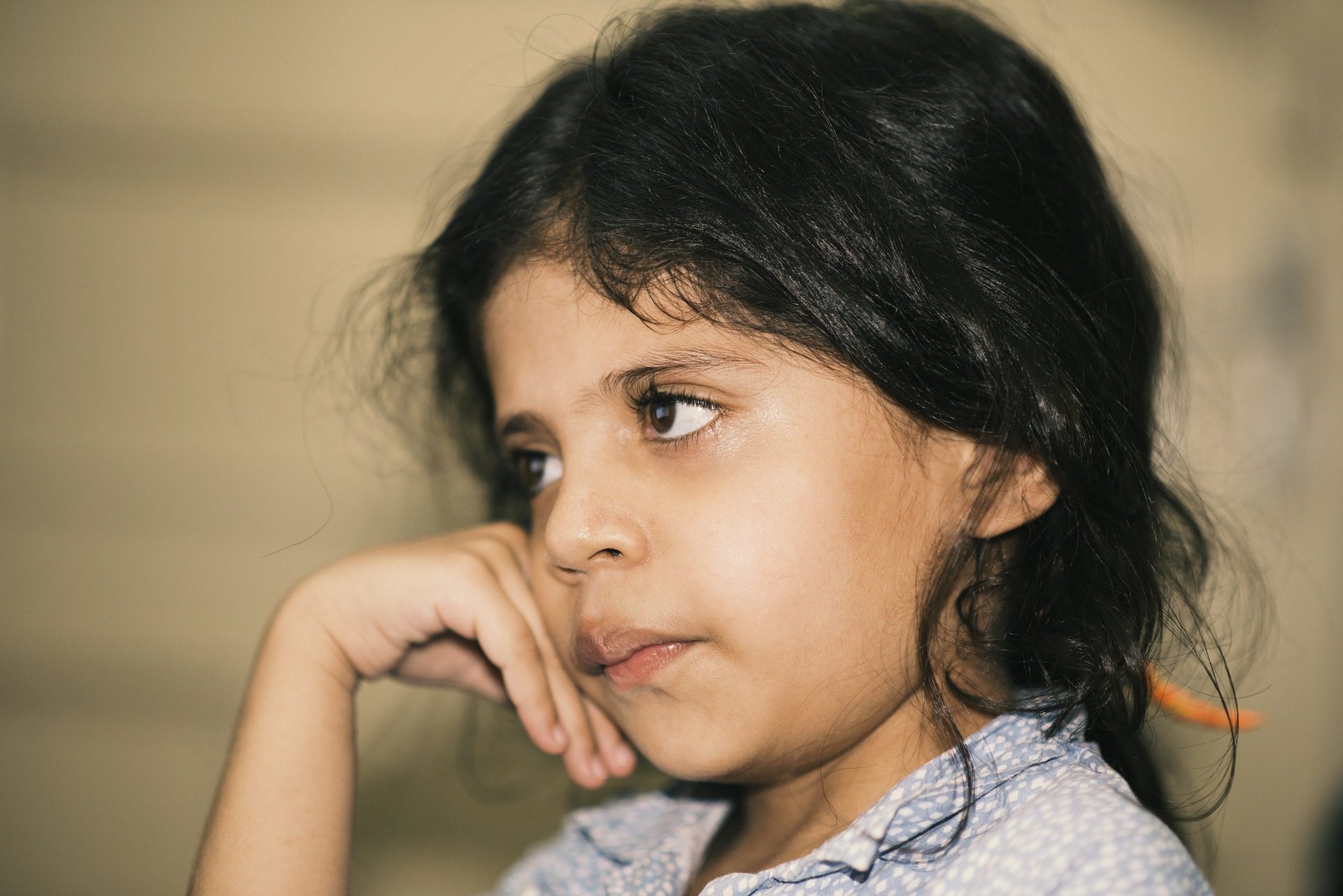 Pakistan is a country that has been the victim of natural disasters and chronic political and economic turmoil. These volatile conditions have led to high rates of poverty and hunger in the country. Here are five things to know about hunger in Pakistan.

 Located in the Caucasus Mountains of Eastern Europe, Georgia is a transcontinental country in Asia and Europe, where 15.6% of the population lives below the poverty line. While the people of Georgia receive enough food, some suffer from stunted growth and undernourishment due to the quality of their diet, leading to hidden hunger in Georgia.
 Advances in data collection and mass communication have defined the modern era, revolutionizing the ways in which peoples connect and learn from one another. While there are many barriers to the wholescale implementation of data technology in developing countries, organizations and policymakers are helping to grow the economies of countries trapped in the cycle of subsistence farming. These organizations are doing so through the implementation of IoT in agriculture.
 In the past few years, Kyrgyzstan youth have stepped up to address poverty reduction and promote the well-being of women and children in Kyrgyzstan. The U.N. has worked with Kyrgyzstan youth representatives to promote the Sustainable Development Goals and has partnered with youth who are passionate about using IT solutions to fight domestic violence. In addition, youth are raising awareness about human trafficking and investing in their own wellbeing in conjunction with local governments.


