Improving Health Access: Motorcycle Ambulances in Zambia
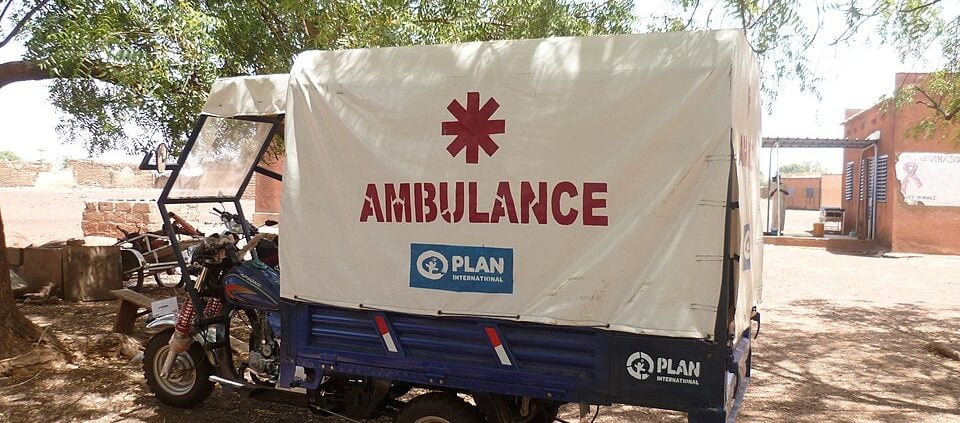 For many families living in rural Zambia, reaching a health facility can be one of the biggest challenges during a medical emergency. According to the World Bank, more than three in four rural households live below the poverty line, with 80% of the country’s poor residing in rural areas. Poor roads, long travel distances and limited transportation often delay treatment, especially for pregnant women and young children, making it even harder for low-income families to access timely medical care. Across rural Zambia, motorcycles are being used in different ways to improve access to health care. Motorcycle ambulances in Zambia transport patients during emergencies, while motorcycles and bicycles enable health workers to deliver vaccines, monitor pregnant women and reach remote communities. Research published by the World Health Organization highlights that timely access to emergency care depends on strong referral and transport systems, particularly in low-resource settings.
Motorcycle Ambulances
In many rural areas, conventional ambulances cannot easily travel on rough or narrow roads. Research funded by the United Kingdom (U.K.) Foreign, Commonwealth and Development Office in 2020 found that motorcycle ambulances provide a practical and lower-cost alternative for transporting patients in remote communities. The study reported that motorcycle ambulances reduced delays in reaching health facilities, particularly for women experiencing obstetric emergencies, making them an effective option where standard ambulances are difficult to operate. Faster transportation can help patients receive treatment earlier, potentially reducing the need for more expensive medical interventions.
Riders for Health
Founded in 1989, Riders for Health supported Zambia’s health system between 2009 and 2016 by working in the Eastern and Southern provinces. Rather than simply providing motorcycles, the organization supplied motorcycle management, rider training and preventive maintenance systems that helped community health workers travel safely and reliably to rural communities. The program ended in 2016 because the Zambian government was unable to cover the core operating costs needed to sustain it in the long term. A field trial published in the American Journal of Public Health found that Riders for Health’s motorcycle management system improved vehicle reliability and supported more consistent health outreach services. The study highlighted how preventive maintenance and rider training reduced breakdowns, helping health workers reach remote communities more efficiently and reliably.
World Bicycle Relief
Motorcycle transport is only one part of improving access to health care. World Bicycle Relief has spent more than a decade expanding mobility in Zambia by providing Buffalo Bicycles to community health workers, students and entrepreneurs. The organization reports that it has distributed more than 340,000 bicycles across the country since beginning its work there. World Bicycle Relief explains that bicycles help community health workers spend less time traveling and more time caring for patients. Its health impact data shows that, in Zambia, community health workers using Buffalo Bicycles served 63% more households than those without bicycles during one of the country’s worst droughts. A case study from the Palabana Health Clinic also found that bicycles reduced travel time for health workers from four hours to about one hour, allowing them to visit more patients each day.
Government and UNICEF Initiatives
The Government of Zambia has also partnered with organizations such as United Nations International Children’s Fund (UNICEF) and Gavi, the Vaccine Alliance, to strengthen vaccine delivery in remote communities. UNICEF reports that the DRIVE Initiative uses specially equipped motorcycles operated by trained community members to deliver vaccines safely to remote health facilities. The initiative supports 1,273 health facilities across 41 districts, covering areas where most of Zambia’s zero-dose children live. UNICEF also estimates that the program will save health workers about 600 hours of service delivery each month, allowing them to spend more time caring for patients while helping reduce vaccine shortages and strengthen routine immunization. These efforts show that improving transportation can strengthen the entire health system, from emergency referrals to preventive care.
Improving transportation is helping address one of the major barriers to health care access in rural Zambia. Motorcycle ambulances in Zambia, motorcycles for health workers and bicycles for community outreach are helping connect remote communities with essential services. Through programs supported by organizations such as Riders for Health, World Bicycle Relief and UNICEF, transportation is becoming an important part of strengthening rural health systems. Continued investment in these solutions can help more families access timely medical care while reducing the challenges caused by distance, limited mobility and poverty.
– Abisola Oladipupo
Abisola is based in Hatfield, UK and focuses on Good News for The Borgen Project.
Photo: Wikimedia Commons
