• Link to X
  • Link to Facebook
  • Link to Instagram
  • Link to TikTok
  • Link to Youtube
  • About
    • About Us
      • President
      • Board of Directors
      • Board of Advisors
      • Financials
      • Our Methodology
      • Success Tracker
      • Contact
  • Act Now
    • 30 Ways to Help
      • Email Congress
      • Call Congress
      • Volunteer
      • Courses & Certificates
      • Be a Donor
    • Internships
      • In-Office Internships
      • Remote Internships
    • Legislation
      • Politics 101
  • The Blog
  • The Podcast
  • Magazine
  • Donate
  • Click to open the search input field Click to open the search input field Search
  • Menu Menu

Archive for category: Foreign Aid

Foreign aid coverage and information.

Aid, Foreign Aid, Global Poverty

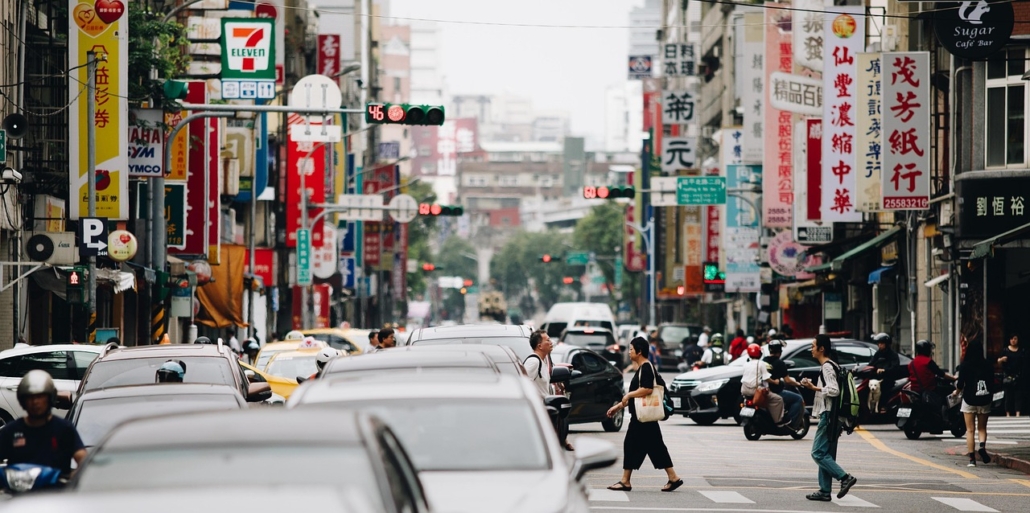
US Foreign Aid to Taiwan

Foreign Aid to TaiwanTaiwan experienced a period of extreme poverty after World War II and the Chinese Civil War. Farming was the most common way to earn a living during the early 1950s, contributing to a low Gross National Product (GNP) per capita of $200 USD (at 1950s price levels) and extreme income inequality. Taiwan’s economic conditions shifted after the land reform began in 1949 and again in the late 1950s when the government prioritized export-oriented growth. Although the export-oriented growth model had a significant impact on Taiwan’s success, aid from the United States also made a lasting impact. Here is information about the history of U.S. foreign aid to Taiwan.

History

From 1950 to 1965, Taiwan received a significant portion of U.S. economic aid. Over this period, Taiwan received around $100 million USD in monetary assistance each year, which accounted for almost 9% of Taiwan’s gross domestic product (GDP).

The focus of foreign aid to Taiwan evolved throughout the years as living conditions improved and U.S. foreign policy objectives shifted. After the Chinese Civil War, people had minimal access to necessities like food and clothing. Starting in the early 1950s, U.S. foreign aid to Taiwan prioritized economic aid and provided military materials due to the widespread poverty and economic and political instability. With this aid, Taiwan was able to stabilize the political situation, which prevented the government from directing all funds toward defense and raising taxes on a population that already struggled financially.

In the mid-1950s, the U.S, directed aid toward infrastructure projects and industrial development. About 37.3% of aid funds went toward infrastructure, 21.5% to agriculture, 25.9% to workforce development and 15.3% to industry. The final stage of U.S. aid programs emphasized shifting from import-based industries to export-oriented growth. However, after 1960, the United States concluded that Taiwan had “graduated” from the aid programs and moved to cut concessional assistance. 

Current US Aid to Taiwan

The United States no longer provides the island with development assistance but continues to offer military financing loans and contribute to disaster preparedness. Before the suspension of the U.S. Agency for International Development (USAID), the organization initiated emergency response and joint training programs that have increased Taiwan’s ability to withstand natural disasters and military pressure from the People’s Republic of China (PRC).

Although disaster preparedness is an objective of aid to Taiwan, military support has been the primary focus of U.S. assistance in recent years. The National Defense Authorization Act of Fiscal Year 2023 and the Consolidated Appropriations Act, 2023 allow for the U.S. to provide up to $10 billion in grant assistance over five years and up to $2 billion in loans.

The goal of current U.S. aid is to maintain peace and stability in the Indo-Pacific region, while 20th century aid was intended to promote economic and social development. The demand for poverty-reducing aid programs diminished as previous initiatives proved successful, which explains this shift in U.S. aid objectives.

The Outcome of Foreign Aid

Taiwan recognizes that it owes much of its progress to the foreign aid it received over the decades. Today, the World Bank considers Taiwan a high-income economy. It is one of the world’s largest producers of semiconductors and electronics and is a driving force behind innovations in artificial intelligence. 

Foreign aid to Taiwan spurred economic development and substantially improved the well-being of Taiwan’s population. Taiwan’s GNP per capita was $1,132 USD by 1976 and $12,396 USD in 1995. With a higher GNP per capita, Taiwan’s population had more job opportunities, a more equitable income distribution and access to basic necessities like food, health care and education.

From 1953 to 1995, the mortality rates in children under 5 decreased from 21.1 per 1,000 to 1.9 per 1,000, while life expectancy increased by 3.2 years for men and 5.9 years for women as a result of lower income inequality. “By using this aid, we were able to build up our infrastructure… And we were also able to set up our import substitution industries…” remarked Ma Ying-jeou (馬英九), President of the Republic of China (Taiwan) from 2008-2016, in a speech. With U.S. assistance on infrastructure, industry and defense, Taiwan increased GNP per capita and established more income equality, improving life expectancy and the overall quality of life for its citizens. 

These improvements in health and economic outcomes demonstrate that foreign aid to Taiwan has made a noteworthy impact. At a time when the United States is reassessing its foreign aid commitments, it must recognize the positive influence of foreign aid on Taiwan’s success and rapid reduction of poverty.

– Haley Parilla

Haley is based in Cape Coral, FL, USA and focuses on Business and Politics for The Borgen Project.

Photo: Pixabay
March 29, 2025
https://borgenproject.org/wp-content/uploads/borgen-project-logo.svg 0 0 Jennifer Philipp https://borgenproject.org/wp-content/uploads/borgen-project-logo.svg Jennifer Philipp2025-03-29 01:30:082025-03-28 06:31:54US Foreign Aid to Taiwan
Foreign Aid, Global Poverty

Foreign Aid to South Africa

Foreign Aid to South AfricaForeign aid to South Africa has been crucial in sustaining its people for over two decades. South Africa is a country that faces a multitude of issues that hinder its way of life. Disease, government corruption and lack of infrastructure are but some problems that the people of South Africa face. The country has an unemployment rate of 32.1%, one of the highest nations with AIDS at 13.9% of the population, and more than 20 million facing food poverty or hunger daily. The requirement for foreign aid is vital in ensuring the people receive the aid that they desperately need whether it be medical aid or food aid. 

Countries like the United States, the United Kingdom and European Union are core donors in helping South Africa tackle their problems. Below are some examples of foreign aid programs.

Foreign Aid From the US

Out of all the countries involved in foreign aid, the U.S. has been the largest donor of foreign aid to South Africa, giving more than $527 million in ODA. The United States has been a large donor for combating diseases in South Africa through its USAID programs, such as PEPFAR. PEPFAR has actively tackled the HIV/AIDS epidemic in the country, saving an estimated 7.7 million lives in South Africa and giving 5.9 million access to antiretroviral treatment. The U.S. has further approved more than $450 million into PEPFAR for South Africa and has seen more than $8 billion invested over two decades. 

Additionally, ANOVA APACE, a USAID funding program that addresses health epidemics in South Africa, has received more than $36.5 million. While it works to address HIV/AIDS, it also works to combat tuberculosis outbreaks in South Africa as South Africa is one of the top eight countries still affected by the disease. In ANOVA’s first year, it treated 62% of people living with HIV and 54% were virally suppressed. As more than 13% of the population live with HIV/AIDS, this has been the cornerstone to tackling the epidemic.

Foreign Aid From the UK

The United Kingdom has been one of the largest donors of foreign aid to South Africa. It has provided £19 million ODA to South Africa, which goes towards vital infrastructure projects and job creation. Most notable is the Energy Transition Support program that is moving South Africa from fossil fuel energy to more renewable sources, with the aim of stimulating the economy and energy facilities. The U.K. has pledged £2.4 million to finance the sectors involved.

Additionally, the U.K. massively funds democratic initiatives. In the 2023 election period, the U.K. gave funding to ensure that South Africa held a democratic and fair election. The programs ensured that South Africa’s pre- and post-election voting and results were fair, as well as improved the political research going into the candidates and government statistics.

Foreign Aid From the EU

The European Union has established multiple programs in South Africa across a plethora of areas. The IIPSA has been crucial in building & creating new infrastructure to harbor economic growth. From building roads, schools or other institutions, the organization has grown both the job market and the livelihoods of everyday people. EU initiatives have created more than 1 million jobs since 2020 and a massive 62% are women employees.

Erasmus+ has helped improve the education system for South African universities. It allows foreign students from Europe to go and learn in South Africa, and vice versa, improving not only the flexibility of student exchange programs, but builds on improving higher education.

Moreover, the EU has helped South Africa in SME fundings. These investments reported more than 2,000 jobs created for South Africans, in much needed departments such as ICT, green economy and agriculture. More than 160,000 SMEs have benefitted from these foreign aid improvements.

Outcomes

The goals of these initiatives was to help improve the lives of South Africans and it has been a resounding success. Foreign aid to South Africa from these key donors has helped stimulate its economy, healthcare system and governmental programs and institutions. 

Foreign aid has helped with job creation, improved job markets, better wages, less death from disease and economic improvement. These are the areas most affected by foreign aid to South Africa, and the continuing support from the U.K. and E.U. will only benefit the country further. 

However, with the cutting of current USAID funding packages, South Africa will have to look elsewhere for massive chunks of its funding. As the U.S. propped up the majority of the health industry in South Africa, foreign aid must come from more international organizations to fulfil its needs, but there currently are no solutions to confront the current situation.

Furthermore, the foreign aid sent to South Africa does not always target poverty, and more funding and new strategies will be needed to more directly impact those facing poverty in South Africa. While there has been noticeable improvements to societal struggle, foreign aid to South Africa has not impacted the 40% that still live below the poverty line.

– Joel Raymer

Joel is based in Derby, UK and focuses on Business and Politics for The Borgen Project.

Photo: Flickr

March 17, 2025
https://borgenproject.org/wp-content/uploads/borgen-project-logo.svg 0 0 Jennifer Philipp https://borgenproject.org/wp-content/uploads/borgen-project-logo.svg Jennifer Philipp2025-03-17 01:30:102025-03-17 01:04:31Foreign Aid to South Africa
Foreign Aid, Foreign Relations, Global Poverty

Impact of Foreign Aid on Brazil

Impact of Foreign Aid on BrazilIn 2022, Brazil received an estimated $577 million in foreign aid from countries such as the United States (U.S.) and international organizations like the United Nations (U.N.). Given that Brazil is home to two-thirds of the world’s largest rainforest, much of this aid is focused on environmental conservation, particularly in the Amazon rainforest. The SOS Amazônia Association has worked extensively on deforestation prevention through the Fundo Amazônia (Amazon Fund), a state fund supporting indigenous communities and conservation efforts.

Several countries, including Norway, Germany, the United Kingdom (U.K.), the U.S. and Switzerland, contribute to the fund. According to gov.br, these combined efforts led to a 30.6% decrease in deforestation. However, future funding remains uncertain. Since August 2024, the U.S. has donated $50 million and, in November, pledged another $50 million to further support foreign aid efforts in Brazil.

Infrastructure Development in Brazil

Brazil has attracted significant foreign investment to strengthen its infrastructure and boost economic growth. In November of 2024, Brazilian development bank BNDES negotiated a deal with the Asian Infrastructure Investment Bank (AIIB) for a 16.7 billion reais ($2.89 billion) investment to develop the country’s infrastructure. With this, Brazil looks to improve its economy while creating transport infrastructure to encourage trade between Asia and South America. Additionally, in September 2024, the World Bank Board of Directors approved a $150 million loan to improve road infrastructure in the state of Bahia. The project prioritizes road safety improvements, climate adaptation and reduced transport costs. If successful, this initiative will increase mobility, lower carbon emissions and stimulate economic growth in one of Brazil’s key regions.

Welcoming Migrants Through Foreign Aid

Brazil’s “Operação Acolhida” (Operation Welcome) is a humanitarian program providing housing, employment and resources to Venezuelan migrants resettling in the state of Roraima. The program has received substantial U.S. foreign aid, allowing thousands of migrants to integrate into Brazilian society. However, the uncertainty surrounding future U.S. funding has put the program at risk, prompting officials to seek alternative sources of financial support.

The United Nations High Commissioner for Refugees (UNHCR) has expressed a willingness to provide additional support to keep Operation Welcome running. The program is recognized as a model for managing migration crises in Latin America, highlighting the importance of continued international aid in maintaining humanitarian assistance.

From Recipient to Donor

Brazil, South America’s largest economy, has historically been a major recipient of foreign aid. However, recent economic growth has allowed Brazil to transition into a donor nation, assisting developing countries. The country now contributes aid to Haiti, Guatemala, Paraguay and Portuguese-speaking African nations such as Mozambique, Timor-Leste and Guinea-Bissau. The country’s annual foreign aid contributions total approximately $1 billion, positioning it alongside India and China as an emerging donor. While foreign aid to Brazil is expected to decrease in the coming years, the country remains one of the largest aid providers among developing nations, focusing on regional stability and economic cooperation.

Looking Ahead

Foreign aid has significantly contributed to Brazil’s environmental conservation, infrastructure development and humanitarian initiatives. Programs like Fundo Amazônia, Operation Welcome and infrastructure partnerships with international banks have demonstrated tangible benefits. However, the potential decline in funding poses challenges to maintaining progress. Strengthening domestic investments, leveraging private-sector partnerships and fostering regional collaborations could help bridge funding gaps. While foreign aid has been instrumental in Brazil’s economic and social advancements, the country aims to increase self-sufficiency, playing a greater role in global development efforts.

– Naseem Rahman

Naseem is based in Staten Island, NY, USA and focuses on Global Health for The Borgen Project.

Photo: Flickr

March 12, 2025
https://borgenproject.org/wp-content/uploads/borgen-project-logo.svg 0 0 Lynsey Alexander https://borgenproject.org/wp-content/uploads/borgen-project-logo.svg Lynsey Alexander2025-03-12 07:30:562025-03-12 01:12:01Impact of Foreign Aid on Brazil
Electricity and Power, Foreign Aid, Global Poverty

Renewable Energy Efforts Promote Poverty Eradication in Serbia

Poverty Eradication in SerbiaLocated in the Southeast of Europe, Serbia is a beautiful country, West of the Balkan Peninsula. Known for its rich heritage, cultural traditions and the beauty of its natural landscapes, it is unsurprising that it draws in an average of 1.85 million tourists every year. However, despite the positive impact tourism has on the Serbian economy there is, nevertheless, a severe and widespread case of poverty that plagues Serbia. However, fortunately, efforts are in place for poverty eradication in Serbia.

Poverty in Serbia

Just over a quarter of Serbia’s population is considered to be living in poverty. Rural regions, primarily located in the south east of Serbia are much more severe, where poverty rates are four times higher than those in Belgrade, the country’s capital. Given how heavily the Serbian economy depends on its rural and small-scale farming communities, it is noteworthy that poverty is most prevalent in these areas.

These poorer communities also suffer challenges such as natural disasters (primarily floods), inadequate infrastructure and public services, contributing to the continued poverty and economic instability.

It is also key to note that during the 1990s, the area faced extreme conflict due to the  Yugoslav war, resulting in a significant economic downturn in many eastern European countries. Although global and national assessments reveal that infrastructure coverage has improved, there are still disparities in accessing housing, proper sanitation and education between rural and urban communities due to the long lasting devastation from this conflict.

The Innovative and Just Green Transition Project

Despite poverty proving to be a persistent challenge for Serbia, numerous innovations are underway by both the Serbian government and international aid organizations to combat and reduce poverty in the country. In recent years, Serbia has implemented many innovative approaches to combat poverty, focusing on sustainable development. A notable initiative is the Innovative and Just Green Transition project, launched in March 2023. The project focuses on energy poverty, particularly in the most vulnerable and rural parts of Serbia.

Since 2022, Serbia has been on a mission to build a greener, more sustainable future—thanks to financial backing of the Japanese government. This support has sparked the implementation of twenty innovative business solutions designed to drive the country’s Just Green Transition. One such initiative tackles landfill waste through large-scale recycling efforts, breathing new life into discarded materials.

Meris Ugljanin, a Serbian entrepreneur, is among those leading the charge. He is determined to cut energy costs and reduce his company’s environmental impact by installing solar panels and air-purifying filters. “Our goal was to switch to renewable energy,” he explains, hoping to inspire other businesses to follow suit. 

How the Just Green Movement Works

While the Just Green movement is committed to phasing out fossil fuels, it also recognizes the harsh reality that doing so will disrupt countless jobs tied to the industry. A sudden shift could leave many workers without a livelihood, creating economic uncertainty. To prevent this, the initiative is taking a proactive approach—offering support, retraining programs, and pathways into sustainable “green occupations.” By equipping those most affected with new skills and opportunities, Just Green aims to ensure that the transition to clean energy is not only environmentally responsible but also fair and inclusive. As Serbia moves forward, these changes mark not just progress, but a shift in mindset—one where sustainability and economic growth go hand in hand.  The Just Green Transition develops policies that will ensure access to affordable and clean energy, and aids in poverty eradication in Serbia.

The development of renewable energy is paramount for eradicating poverty and boosting Serbia’s economy as these projects not only reduce energy poverty but also stimulate economic growth by creating jobs and careers for Serbian’s. Encouraging new and innovative ways to produce green energy and lower energy consumption, resulting in both economic resilience and environmental sustainability.

Foreign Aid Efforts in Serbia

Foreign aid also plays a significant role in innovating new ways to eradicate poverty in Serbia. An example of this is a collaborative scheme between the Serbian Red Cross and UNICEF. This innovation provides aid for 500 families as part of the 1,000 Families from the Edge campaign. Deyana Kostadinova, a UNICEF Representative in Serbia, states that “UNICEF mobilized its own resources and engaged with the business sector and individuals to help raise funds to provide the poorest families with children the necessary financial aid to survive the winter.” The 1,000 Families from the Edge campaign was first implemented in 2022 and continues to provide humanitarian and financial aid for Serbia’s most vulnerable families.  

Looking To the Future

Although poverty is still a serious concern for Serbia, the country’s innovative approach to poverty eradication through renewable energy and foreign aid offers hope for a stronger economic future for the country. Renewable energy projects, such as those focusing on sustainable energy solutions in rural areas. Encouraging both economic resilience and environmental sustainability. These clean energy initiatives paired with the support of foreign aid has been vital in providing the necessary resources for Serbia’s vulnerable communities that have long been underserved. Serbia is paving the way for a resilient and inclusive economy. 

– Abbey G Malin

Abbey is based in Oxford, UK and focuses on Technology and Solutions for The Borgen Project.

Photo: Wikipedia Commons

February 25, 2025
https://borgenproject.org/wp-content/uploads/borgen-project-logo.svg 0 0 Jennifer Philipp https://borgenproject.org/wp-content/uploads/borgen-project-logo.svg Jennifer Philipp2025-02-25 01:30:372025-02-25 00:40:22Renewable Energy Efforts Promote Poverty Eradication in Serbia
Foreign Aid, Global Poverty, Government

UK Foreign Aid Shift Risks Global Poverty Efforts

UK Foreign Aid Shift Risks Global Poverty EffortsThe United Kingdom’s (U.K.) foreign aid budget and international policies continue to shift, sparking concerns about their impact on global poverty alleviation. The government has committed to maintaining aid at 0.5% of Gross National Income (GNI) until at least 2029. However, critics argue that reallocating aid resources limits the reach of poverty-focused initiatives worldwide.

Aid Budget Cuts and Spending Priorities

Since 2020, the U.K. has reduced its foreign aid budget from 0.7% to 0.5% of GNI. This cut remains in place despite earlier promises to restore the higher level when economic conditions improve. A significant portion of the current aid budget now covers in-donor refugee costs. In 2022, 29% of total Official Development Assistance (ODA) supported domestic refugee programs. That percentage increased further in 2023 due to rising migration and asylum pressures. These changes have fueled debates about whether the U.K. has diverted funds meant for international aid toward internal expenditures.

Cutting Global Health Funding

The U.K. also plans to reduce its contributions to the Global Alliance for Vaccines and Immunisation (Gavi), an organization that has vaccinated more than a billion children in developing countries and prevented nearly 18 million deaths over the past 25 years. As U.K. funding declines, Gavi’s capacity to distribute vaccines in vulnerable regions weakens. Aid organizations warn that these cuts could reverse progress in child mortality reduction and burden already fragile health care systems.

Tougher Refugee Citizenship Policies

The U.K. government has tightened refugee policies, making it harder for those arriving through unauthorized routes to gain British citizenship. Refugees who entered the country irregularly now face disqualification from citizenship applications. Critics argue that this policy contradicts the 1951 Refugee Convention and leaves many asylum seekers in legal limbo without a clear path to permanent residency.

Military Aid vs. Development Aid

While the U.K. reduces funding for health and humanitarian programs, it has significantly increased military assistance. Since February 2022, the U.K. has committed £12.8 billion in support to Ukraine, including £7.8 billion for military aid. In 2024/25 alone, the U.K. pledged £4.5 billion in military support. This shift reflects a growing focus on security rather than direct development initiatives, raising questions about the balance between defense spending and poverty reduction efforts.

The Future of UK Aid

The U.K.’s evolving aid priorities highlight an ongoing debate about the nation’s role in global development. The government defends its spending decisions, citing economic constraints and domestic pressures. However, critics argue that cutting aid to health, education and humanitarian projects undermines the U.K.’s leadership in poverty reduction and global health initiatives.

Looking Ahead

The Labour government, elected in July 2024, has emphasized poverty reduction, climate finance and gender equality as key aid priorities. Officials plan to release spending strategies for 2025/26 in the summer of 2025, with expectations of further refinements to aid allocation. The U.K.’s climate, humanitarian and health-related aid programs will likely face continued scrutiny amid shifting budget priorities. As international needs grow due to climate change, global health crises and conflict, the direction of U.K. aid could play a crucial role in shaping the future of vulnerable communities worldwide. Ensuring aid allocation aligns with poverty reduction goals remains essential to sustaining progress in global development.

– Arianna Distefano

Arianna is based in London, UK and focuses on Politics for The Borgen Project.

Photo: Flickr

February 23, 2025
https://borgenproject.org/wp-content/uploads/borgen-project-logo.svg 0 0 Lynsey Alexander https://borgenproject.org/wp-content/uploads/borgen-project-logo.svg Lynsey Alexander2025-02-23 07:30:532025-03-01 02:43:53UK Foreign Aid Shift Risks Global Poverty Efforts
Developing Countries, Foreign Aid, Global Poverty

Foreign Aid to Burkina Faso

Foreign Aid to Burkina FasoBurkina Faso faces many challenges, including a high poverty rate, with more than 40% of its population living below the national poverty line. Terrorism, political instability and economic uncertainty compound these difficulties. Despite these overwhelming hurdles, foreign aid to Burkina Faso has played a crucial role in alleviating immediate crises and contributing to long-term development.

A Historical Look At Foreign Aid to Burkina Faso

Since independence from France in 1960, Burkina Faso has relied heavily on foreign assistance. In its early years, foreign aid to Burkina Faso focused on developing agricultural infrastructure. Key projects included irrigation and market development improvements, which were vital for an economy still largely dependent on agriculture, contributing 80% of the population’s income.

In the ’90s, international aid priorities shifted toward democratization and poverty reduction. Contributions from entities like the European Union (EU), the World Bank and the United States Agency for International Development (USAID) supported key development goals. However, by the 2010s, insurgencies in the Sahel region had disrupted these advancements, displacing millions and deepening the humanitarian crisis.

The Current Crisis: A Multifaceted Emergency

The insecurity situation in Burkina Faso, which escalated in the early 2010s, stems from armed conflict, displacement and economic instability. As of 2024, Burkina Faso has experienced increased violence caused by armed groups like al-Qaeda and ISIS-affiliated organizations. According to the United Nations Children’s Fund (UNICEF), targeted attacks on civilians, including worshippers at churches and mosques, have displaced more than 2 million people, including 32,768 children, in the first quarter of 2024 alone.

Terrorism and Displacement

Armed groups have forced families to flee their homes, leaving 2.7 million people in extreme food insecurity. More than one million individuals are trapped in blockaded regions such as Djibo, which is cut off from essential supplies and services. The ongoing violence has disrupted agriculture and livelihoods, further exacerbating the need for foreign aid to Burkina Faso.

Health Care and Education Gaps

The conflict has rendered 426 health facilities nonoperational, depriving more than 4 million people of essential medical care. Vaccination campaigns have reached approximately 3.4 million children, yet gaps remain due to restricted access.

Similarly, education has been severely disrupted, with more than 5,336 schools closed and 823,340 children unable to attend classes. UNICEF has supported the construction of temporary learning spaces, allowing 2,500 displaced children in the Sahel region to resume education while training teachers to manage emergency education needs.

International Humanitarian Response

The international community has mobilized resources to address these crises:

  • USAID’s Contributions: USAID has been a vital partner in delivering foreign aid to Burkina Faso. Through its Bureau for Humanitarian Assistance (BHA), the organization supports food security, nutrition, WASH and shelter programs. Since April 2024, USAID’s BHA has provided $70 million to the World Food Programme (WFP) for emergency food distribution in regions like Centre-Nord and Sahel. Furthermore, In 2024, USAID launched the Burkina Faso Community Health Activity, a five-year program with $50 million in funding to improve health care access in underserved regions.
  • UNICEF Nutrition Programs: UNICEF has treated more than 16,015 children suffering from severe acute malnutrition. Community health workers screened 62,070 children, identifying 1,431 severe cases requiring treatment. Additionally, 337,801 pregnant and lactating women received feeding counseling, while 10,370 children were given micronutrient powders to prevent deficiencies.

A Way Forward: Strengthening Resilience

While foreign aid to Burkina Faso is essential for immediate relief, the U.N. Conference on Trade and Development suggested sustainable development is critical for long-term recovery. These include diversifying the economy from agriculture and mining through investments in renewable energy and manufacturing. Therefore, as foreign aid to Burkina Faso continues to provide critical relief, the international community must focus on closing financial gaps and addressing structural challenges to ensure sustainable recovery.

– Mmanoko Faith Molobetsi

Mmanoko is based in Pretoria, South Africa and focuses on Good News and Politics for The Borgen Project.

Photo: Wikimedia Commons

January 8, 2025
https://borgenproject.org/wp-content/uploads/borgen-project-logo.svg 0 0 Lynsey 2 https://borgenproject.org/wp-content/uploads/borgen-project-logo.svg Lynsey 22025-01-08 01:30:462025-01-07 07:50:39Foreign Aid to Burkina Faso
Foreign Aid, Global Health, Global Poverty

Impact of UK Foreign Aid Cuts on Global Health and Education

Impact of UK Foreign Aid Cuts on Global Health and EducationThe United Kingdom (U.K.) government’s recent decision to reduce Official Development Assistance (ODA) spending has raised significant concerns among global aid organizations and policymakers. Announced in the 2024 Autumn Budget, this reduction lowers the U.K.’s aid commitment from 0.58% to 0.5% of Gross National Income (GNI) for the next two fiscal years, slashing approximately £2 billion from foreign aid funding. These U.K. foreign aid cuts bring the budget down to £13.3 billion in 2024-25 and £13.7 billion in 2025-26, reducing resources for global health, education and poverty alleviation programs.

Impact on Health Programs

Reducing U.K. foreign aid is expected to significantly impact health initiatives supporting some of the world’s most vulnerable populations. For decades, U.K. foreign aid has funded essential health programs, including vaccination campaigns against diseases like malaria, HIV and tuberculosis and maternal and child health services.

The U.K., for example, has been a major contributor to the Global Fund to Fight AIDS, Tuberculosis and Malaria. In 2022, the U.K. pledged £1 billion to the Global Fund over three years. This funding has helped provide antiretroviral therapy to about 23 million people living with HIV, distribute 133 million insecticide-treated nets to prevent malaria and detect and treat 5.5 million cases of tuberculosis. The cuts can potentially reduce the U.K.’s contribution, impacting these life-saving interventions.

Vaccination and Disease Prevention

Reduced funding could immediately affect vaccination and disease prevention efforts in low-income regions. U.K. aid or ODA has been instrumental in helping programs such as the Global Fund and Gavi, the Vaccine Alliance, to supply vaccines and improve health infrastructure in Sub-Saharan Africa and other high-need areas. With less funding, these organizations may struggle to provide adequate immunization, increasing the risk of outbreaks.

Maternal and Child Health

Programs focusing on maternal and child health are likely to face significant challenges due to the cuts. An assessment by civil servants warned that thousands of women will die in pregnancy and childbirth and hundreds of thousands more will face unsafe abortions because of cuts to the U.K.’s foreign aid budget. For instance, the U.K. has been a key supporter of UNICEF’s maternal and child health programs.

In 2022, the U.K. contributed £39 million to UNICEF’s core resources. These funds have supported initiatives like providing skilled birth attendants and essential newborn care in low-income countries. A reduction in funding could limit the reach of these critical services, potentially affecting maternal and child mortality rates.

Clean Water and Sanitation

The U.K. has long supported clean water and sanitation initiatives in low-income regions. Reduced funding could limit the scale of these programs, compromising access to safe drinking water and adequate sanitation in areas that need it most. This, in turn, could lead to a rise in preventable illnesses linked to poor water quality and inadequate hygiene.

Impact on Education Programs

The U.K. foreign aid cuts are also expected to have a significant impact on education initiatives in developing countries. These programs have been crucial in improving access to primary education, particularly for girls and children in remote areas.

A specific initiative that could be affected is the Girls’ Education Challenge (GEC), funded by the U.K. government. Since 2012, the GEC has supported up to 1.5 million girls in 17 countries to improve their learning outcomes and find pathways for progression. The program has been particularly effective in conflict-affected areas like South Sudan and Afghanistan.

Reduced funding could limit the scope and reach of such transformative programs. Moreover, support for education has been particularly affected by previous cuts, dropping from a high of 13.5% of the aid budget in 2013 to just 3.7% in 2022. Further reductions could exacerbate this trend, potentially leaving millions of children without access to quality education.

U.K.-funded programs have been instrumental in promoting girls’ education in many countries. The cuts may limit the reach of initiatives aimed at keeping girls in school, potentially affecting gender equality in education and long-term economic opportunities for women. 

Organizations Working to Mitigate the Impact

Despite the challenges posed by these cuts, several organizations are working tirelessly to mitigate the impact. Education Cannot Wait (ECW) is one such organization, a global fund dedicated to education in emergencies and protracted crises. ECW is actively mobilizing resources and partnerships to ensure that children in the most vulnerable situations continue to have access to quality education.

In 2022, ECW investments reached 7 million children and adolescents – 48% of whom are girls – with quality education in 32 crisis-affected countries. The organization has also leveraged an additional $1.1 billion in co-funding toward these programs. Such efforts demonstrate the ongoing commitment of the international development community to finding innovative solutions in the face of funding challenges.

Looking Ahead

While the U.K. foreign aid cuts pose significant challenges to global health and education programs, the international development community remains committed to finding innovative solutions. By supporting organizations like ECW and advocating for sustained investment in global development, organizations and individuals could work toward ensuring that the world’s most vulnerable populations continue to receive the support they need.

– Isabel Gallagher

Isabel is based in Dorset, UK and focuses on Politics for The Borgen Project.

Photo: Flickr

December 13, 2024
https://borgenproject.org/wp-content/uploads/borgen-project-logo.svg 0 0 Lynsey Alexander https://borgenproject.org/wp-content/uploads/borgen-project-logo.svg Lynsey Alexander2024-12-13 01:30:552024-12-12 11:27:46Impact of UK Foreign Aid Cuts on Global Health and Education
Food Security, Foreign Aid, Global Poverty

Organizations Fighting Cuba’s Food Shortages

Cuba’s Food ShortagesCubans are now struggling more than ever to put food on the table, with 12.8% of the population failing to consume their daily calorie intake in 2023 and 37.8% categorized as “food insecure.” Only 15% of the population has the economic means to justify eating three meals a day. This was in the context of great economic turmoil last year, with a 30% inflation rate, a 2% fall in gross domestic product (GDP) and limited foreign currency making it almost impossible for the government to import products. This presented a grave problem, given that, at that moment, the subsidized food packages provided by the government consisted almost entirely of imports. Cuba’s food shortages remain the main concern among the population, ranking higher than topics such as energy blackouts and wages.

How Has the Cuban Government Responded?

The Cuban government rationing system of basic foodstuff has been in operation since the early ’60s to protect against U.S. sanctions. However, due to recent struggles to import food products, rations have been reduced, with bread allocation reducing 25% to just 60 grams. The authorities also proposed further price controls on some essential products to keep prices low.

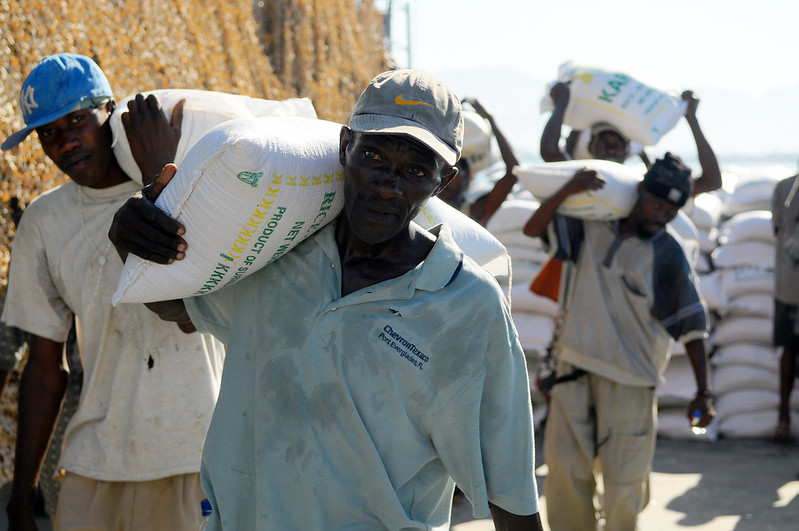
However, it was warned that this would worsen food shortages, with businesses threatening to stop trading under the new rules. Thus, Cuba was forced to ask the United Nations World Food Program (WFP) for help, as the government could not distribute flour and subsidized milk to children younger than 7.

WFP

Using food programs to foster peace and stability, the WFP is one of the main organizations fighting Cuba’s food shortages through school feeding schemes, agricultural support and disaster responses. These initiatives have had a massive scope, with the organization having helped more than “760,000 people with direct assistance and indirectly benefited 30,700 people with assets, capacity and services as well as 910,000 people through national policies and [programs].”

The WFP has achieved this through short-term solutions like food distribution and by emphasizing supporting Cuba in providing such services by itself. It worked on sustainable, locally led projects alongside farmers, linking them with school feeding schemes. Additionally, the WFP facilitated the “distribution of rice, grains, vegetable oil, micronutrient powders, blended fortified foods and milk to support authorities’ pursuit of the Sustainable Development Goal (SDG 2).”

Oxfam

Oxfam launched its “No More Blockade” campaign, arguing that this is key to fighting Cuba’s food shortages and political factors. The organization called on the Biden administration to recommit to normalizing relations between the U.S. and Cuba. It encouraged the Cuban government to adhere to its constitutional commitment to rights and freedoms and diversify its economy.

Oxfam also calls on the international community to advocate for more cooperation within Latin America and for the European Union to influence the U.S. government.

Care International

Having worked in Cuba since the late ’90s, supporting victims of food insecurity, CARE has carried out invaluable projects in Cuba, focusing on ensuring gender equality. In 2019, CARE International supported “farmers facing the effects of climate [instability] to restore lands and crops, oversaw quality of life and safe water programs in vulnerable communities and worked on sustainable agriculture.” Recently, CARE International, alongside local actors, provided aid and shelter during the energy blackouts.

Barnabas Aid and Give2Cuba

Give2Cuba and Barnabas Aid and are two more organizations fighting Cuba’s food shortages by providing aid. Barnabas Aid uses Christian church networks to distribute food products to the vulnerable, with its “food.gives” projects delivering containers of dried and dehydrated food products to the island.

Similarly, Give2Cuba, set up by Cuban Americans in 2010, provides food, medicine and cash and facilitates larger companies’ contribution to alleviating food scarcity in Cuba. Give2Cuba Houston carries out humanitarian relief trips, which “provides direct help to families, as well as work with trusted community leaders (such as clergy) to identify and reach the elderly and other vulnerable people.”

In 2023, the group raised $3000 for a feeding program in Matanzas, providing meals for 15 older adults. The organization hopes to fundraise $10,000 in 2025 to allow another 30 pensioners to be fed. Like Barnabas Aid, Give2Cuba has also coordinated a quick response to the blackouts and Storm Oscar, with teams sent to Cuba in the aftermath.

Final Note

The work of these international organizations fighting Cuba’s food shortages has been widespread and overwhelmingly positive. The focus of institutions like the WFP and Oxfam on long-term solutions so that Cuba can become self-sufficient by improving its agricultural productivity and building infrastructure is very important.

Although short-term aid and solutions are necessary and alleviate suffering, it is a focus on the future and dealing with these issues from the root that may bring Cuba closer to ending its fight against hunger and food insecurity. A combination of different approaches, alongside a more comprehensive governmental approach, will hopefully ease this food insecurity issue.

– Ciara Howard

Ciara is based in Brighton, UK and focuses on Good News and Global Health for The Borgen Project.

Photo: Wikimedia Commons

December 6, 2024
https://borgenproject.org/wp-content/uploads/borgen-project-logo.svg 0 0 Lynsey 2 https://borgenproject.org/wp-content/uploads/borgen-project-logo.svg Lynsey 22024-12-06 01:30:472024-12-06 02:25:28Organizations Fighting Cuba’s Food Shortages
Aid, Foreign Aid, Global Poverty

The Shanghai Oasis Green Food Bank in China

The Shanghai Oasis Green Food Bank in ChinaOver the past few decades, China has stunned the world with its rapid economic growth. Indeed Shanghai stands out as a modern and populous port city. However, urbanization brings challenges. Although the GDP per capita in Shanghai rose to 85,000 RMB, the city’s surveyed unemployment rate climbed to 4.5% in 2023. Additionally, food waste poses a significant issue. Shanghai contributes 5 million tons to the country’s total of 10 million tons of food waste annually.

Food Waste Problem in China

China discards food valued at approximately 200 billion RMB each year. This waste is a significant loss that affects the economic stability of food supply chain participants. Furthermore, it challenges the livelihoods of hundreds of millions of Chinese smallholder farmers. This substantial waste not only signifies a loss of economic potential but also squanders essential resources like water, seed and labor, all scarce in China. Moreover, these conditions have made China the world’s largest importer of food. Despite this, urban disposable income in China saw a substantial increase, rising to more than 30,000 RMB in 2015. For reference, this is nearly five times the amount in 2000, China’s National Bureau of Statistics reported. To address these ongoing issues, Li Bing founded the Shanghai Oasis Green Food Bank in 2015.

6 Initiatives of the Oasis Green Food Bank

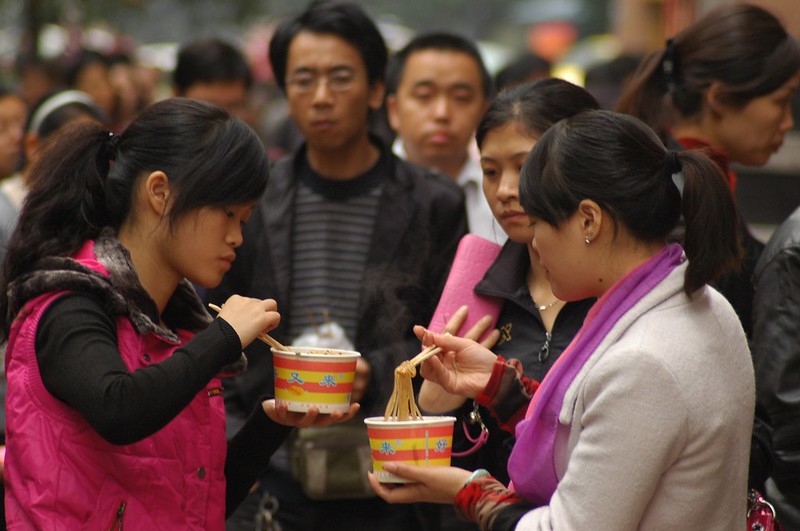
  1. China’s First Food Bank. Shanghai Oasis Green Food Bank is China’s first food bank. Inspired by her participation at the Annual Foodbanking Leader Institute (FBLI) Conference in March 2015, hosted by the Global Foodbanking Network (GFN), science student Li Bing committed to fighting poverty in her hometown, Shanghai. Within less than three months, Bing launched the inaugural Shanghai Oasis Green Food Bank store in a district of Shanghai.
  2. Front-line Operational Model. Shanghai Oasis Green Food Bank adopts a ‘front-line’ model, which differs from the ‘warehouse’ food bank models prevalent in many other countries. While the ‘warehouse’ model involves storing food and distributing it to charity organizations that then deliver it to recipients, the organization directly collects food from donors and distributes it to those in need.
  3. Donations and Partnerships. Shanghai Oasis Green Food Bank receives donations from large corporations, including KFC and ALDI. ALDI China partnered with the organization in 2018 and together, they have delivered 750 tons of food to the community. According to the Shanghai Daily, KFC donated 1,600 tons of frozen fries to the food bank in 2020.
  4. Love Package, Shared Fridge and Daily Distribution. The food bank utilizes several distribution methods to meet daily nutritional needs: Love Package, Shared Fridge and Daily Distribution. In the Shared Fridge approach, the charity provides refrigerators in its store that people can access for processed products. Daily Distribution targets items that must be distributed by the day’s end. The Love Package, its most popular method, involves monthly distributions of staples like oil and rice to more than 200 families. Beyond food distribution, the organization also engages in charity events, such as “An Egg’s Rampage.”  The Rampage is an eight-kilometer walk in Guangzhou designed to raise funds and awareness for illiterate and malnourished children.
  5. Staples to 860,000 People. The initiative, owned by Shanghai Oasis Public Service Development Center, has distributed staples to 860,000 people. This was achieved through more than 500 bases. From Jan. to Oct. 2020 alone, it distributed 157 tons of food, valued at approximately $1,438,305 (9.33 million RMB). The food bank has earned a 4A bronze medal from the Civil Affairs Bureau of Shanghai and is the only Chinese food bank listed in the World Food Bank. In addition, it won the Global Food Bank Innovation Award in 2018 and the 2017 Excellence in Social Innovation Partnership from the European Chamber of Commerce, highlighting its significant contributions to food security.
  6. National Delivery to Rural Areas. Shanghai Oasis Green Food Bank faces challenges in attracting donors due to public concerns about the quality of food donated to vulnerable communities. In response, the food bank has established food standards for donations, balancing quality with quantity. Additionally, it has expanded its reach by participating in Taobao, China’s online lifestyle platform and now offers national delivery services to rural areas.

Looking Ahead

Through innovative distribution methods and strategic partnerships, Shanghai Oasis Green Food Bank has broadened food access to support vulnerable communities across China. With substantial contributions from donors and an emphasis on quality standards, the organization exemplifies a community-driven approach to mitigating food waste and addressing hunger. As China’s first food bank, it sets a significant precedent, enhancing both local and national efforts toward sustainable food security.

– Jimmy Nguyen

Jimmy is based in Savannah, GA, USA and focuses on Business and Global Health for The Borgen Project.

Photo: Flickr

November 3, 2024
https://borgenproject.org/wp-content/uploads/borgen-project-logo.svg 0 0 Lynsey Alexander https://borgenproject.org/wp-content/uploads/borgen-project-logo.svg Lynsey Alexander2024-11-03 01:30:502024-11-04 10:11:07The Shanghai Oasis Green Food Bank in China
Conflict, Foreign Aid, Global Poverty

Humanitarian Support for Ukraine

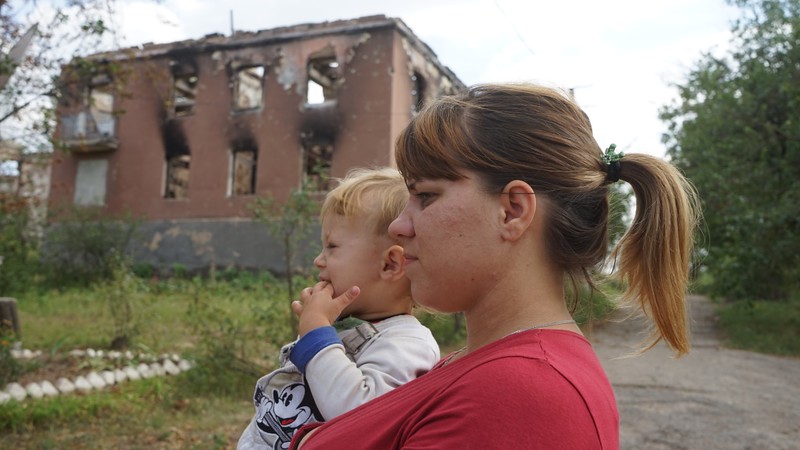
Humanitarian Support for Ukraine Since Feb. 24, 2022, Ukraine has faced widespread destruction that threatens its GDP and quality of life as a result of the ongoing conflict. This situation has led to one of the fastest displacements of people since World War II. The relentless brutality and intensity of the conflict have severely weakened Ukraine’s infrastructure and economy, erasing 15 years of progress. This regression has pushed an additional 7.1 million people into poverty, raising the poverty rate to 24.1% in 2022. With health services and an adequate supply of food and water also severely lacking, Ukraine has become an incredibly dangerous place to live, earning a spot on the IRC’s Emergency Watchlist.

Ukraine’s Humanitarian Crisis

Following discussions in London, Labour Party Foreign Secretary David Lammy and the United States (U.S.) Secretary of State Antony Blinken traveled to Kyiv on Sept. 11, 2024. In Ukraine’s capital, they conferred with President Volodymyr Zelensky about deepening the United Kingdom (U.K.) and U.S. alliance and increasing humanitarian support for Ukraine. Recent reports of Russia possessing ballistic missiles have prompted urgent reactions from the U.K.’s Labour Party. David Lammy vocalized his concerns and reinforced his commitment by stating, “The U.K.’s support to Ukraine is unwavering.”

Improving the Future of Ukraine

Since Feb. 2022, the U.K. government has provided nonmilitary aid and loan guarantees to Ukraine. With the recent transition to a Labour government, there are significant efforts underway to continue and expand this support. In light of the escalating conflict, David Lammy has acknowledged the urgent need for additional U.K. aid, committing over £600 million in humanitarian support for Ukraine. During his recent visit to Kyiv, Lammy stated, “The bravery and resilience of the Ukrainian people is inspiring. Alongside the U.S., we are committed to giving Ukraine what it needs to resist Russia’s illegal invasion.” This £600 million pledge will target several specific areas of need:

  • £242 million will be used from 2024 to 2025 ‘for urgent humanitarian, energy and stabilization needs, as well as for support of reforms, recovery and reconstruction.’ 
  • £100 million in humanitarian aid will be allocated to 2024 funding. This will specifically help Ukrainian citizens most vulnerable to the conflict.
  • A supplementary  £20 million will be added, which will ‘double 2024 assistance for critical repairs, protection of power grids and strengthening Ukraine’s energy infrastructure.’
  • A sum of potentially £40 million will go toward helping Ukraine recover from the conflict in a fixed and accelerated manner.
  • A proposed £484 million will be provided to World Bank financing through the form of loan guarantees in late 2024. This will help to rebuild and stabilize Ukraine’s economy.

Looking Forward

Ukraine’s ongoing conflict has devastated its infrastructure and economy, pushing millions into poverty and creating severe shortages in necessities. In response, the U.K. government, under the leadership of Labour Party Foreign Secretary David Lammy, has pledged £600 million in humanitarian aid. This funding will focus on urgent needs such as energy, food and health care, as well as long-term recovery efforts. The commitment aims to bolster Ukraine’s resilience against Russian aggression and help rebuild its economy.

– Imogen Prince

Imogen is based in Oxford, UK and focuses on Politics for The Borgen Project.

Photo: Flickr

September 26, 2024
https://borgenproject.org/wp-content/uploads/borgen-project-logo.svg 0 0 Lynsey Alexander https://borgenproject.org/wp-content/uploads/borgen-project-logo.svg Lynsey Alexander2024-09-26 07:30:472024-09-26 05:35:01Humanitarian Support for Ukraine
Page 6 of 61«‹45678›»

Get Smarter

  • Global Poverty 101
  • Global Poverty… The Good News
  • Global Poverty & U.S. Jobs
  • Global Poverty and National Security
  • Innovative Solutions to Poverty
  • Global Poverty & Aid FAQ’s
Search Search

Take Action

  • Call Congress
  • Email Congress
  • Donate
  • 30 Ways to Help
  • Volunteer Ops
  • Internships
  • Courses & Certificates
  • The Podcast
Borgen Project

“The Borgen Project is an incredible nonprofit organization that is addressing poverty and hunger and working towards ending them.”

-The Huffington Post

Inside The Borgen Project

  • Contact
  • About
  • Financials
  • President
  • Board of Directors
  • Board of Advisors

International Links

  • UK Email Parliament
  • UK Donate
  • Canada Email Parliament

Get Smarter

  • Global Poverty 101
  • Global Poverty… The Good News
  • Global Poverty & U.S. Jobs
  • Global Poverty and National Security
  • Innovative Solutions to Poverty
  • Global Poverty & Aid FAQ’s

Ways to Help

  • Call Congress
  • Email Congress
  • Donate
  • 30 Ways to Help
  • Volunteer Ops
  • Internships
  • Courses & Certificates
  • The Podcast
Scroll to top Scroll to top Scroll to top