Food Systems in Brazil: Key Challenges and Opportunities
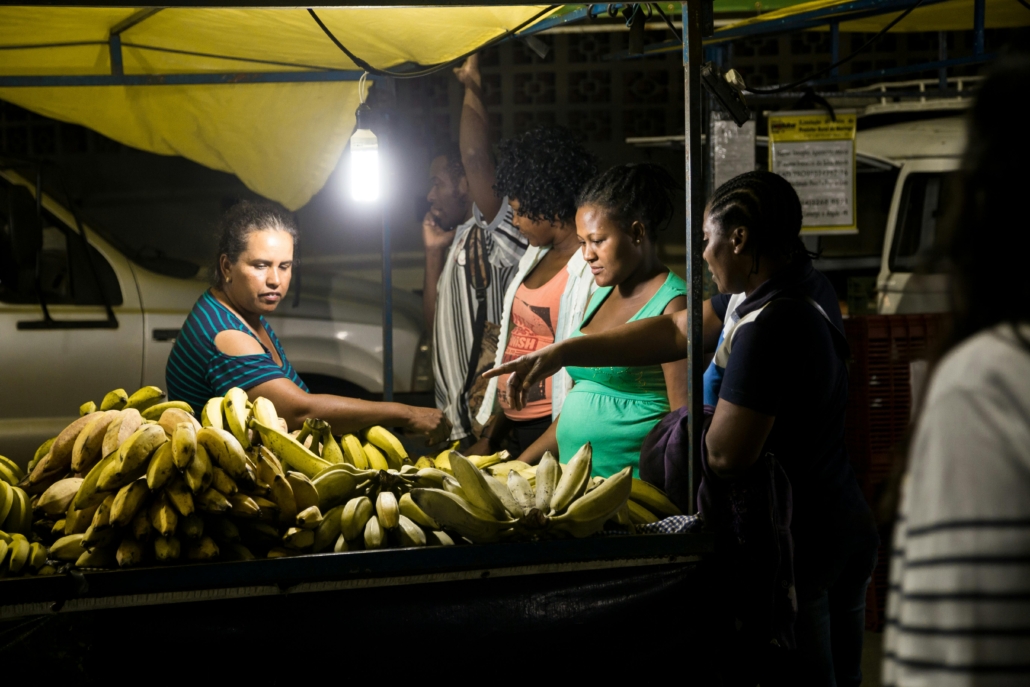 Food systems in Brazil are diverse, complex and influenced by the country’s size, geography and rich cultural heritage. With 90% of its food domestically produced, the country is a leader in agribusiness and one of the world’s largest producers of agricultural products such as soybeans, coffee, sugarcane, beef and chicken. Yet, Brazil still faces a paradox—despite these impressive numbers, the nation struggles with hunger and inequality.
Sustainability and Environmental Impact
Brazil faces significant challenges in ensuring equitable food systems and access to healthy food, particularly for low-income populations. In 2021, 36% of Brazilians experienced food insecurity, according to research by FGV Social, a crisis exacerbated by changing weather patterns—one of the world’s most pressing concerns today. Droughts and extreme weather events have severely impacted food systems in Brazil, while industrial agriculture, particularly soybean and cattle farming, has contributed to deforestation and greenhouse gas emissions, further escalating environmental challenges.
Regions dependent on industrial agriculture are continually suffering from soil degradation and water pollution due to intensive farming practices, which affect food availability and increase the vulnerability of rural communities, especially in regions like the Northeast and Central-West, where the Amazon and Cerrado biomes are located and under threat.
Government subsidies often favor large agribusinesses over small-scale farmers, creating economic disparities and hindering the growth of sustainable local food systems.
Challenges and Opportunities
Brazil has strong food security and school feeding policies, but their effectiveness depends on political priorities. Changing weather patterns, global trade dynamics and social inequalities will continue to shape food systems in Brazil. The country’s current food system comes with significant hidden costs, estimated at about $500 billion annually, mainly due to unsustainable practices.
Brazilian President Luiz Inácio Lula da Silva emphasized this issue, stating: “Hunger is not the result of external factors. It is, above all, the result of political choices. Today, the world produces more than enough food to eradicate [hunger]. What is missing is creating the conditions for access to food.”
Addressing these challenges and adapting to these changes requires building resilient food systems, which will demand a multifaceted approach, including policy reforms, sustainable agricultural practices and initiatives to improve food access and equity. This was a key focus in the Webinar from the Sovereignty and Climate Center in partnership with the National Endowment for Democracy (NED), where experts analyzed the relationship between changing weather patterns and food security in Brazil.
PNAE & Bolsa Família
The Programa Nacional de Alimentação Escolar (PNAE) ensures that more than 40 million students in public schools receive free, nutritious meals daily. Established in 1955, PNAE prioritizes local food procurement, benefiting small-scale farmers while improving children’s access to healthy meals. The program has played a crucial role in reducing malnutrition and promoting food security in low-income communities.
As for the Bolsa Família Program, one of the most successful conditional cash transfer programs in the world, it benefits more than 21 million families. Launched in 2003, it provides financial aid to low-income families under the condition that children attend school and receive vaccinations. Through the program, extreme poverty reduced by 15% and significantly improved child nutrition and school enrollment rates across Brazil.
Strengthening these programs can help further advance sustainable food systems in Brazil, ensuring food security, supporting local farmers and reducing economic disparities.
Looking Ahead
There is a growing push toward more sustainable agricultural practices, such as agroecology and organic farming, driven by concerns over health and environmental sustainability. Transitioning to more sustainable food systems presents great potential for significant cost savings and ecological benefits.
One example is ProVeg Brazil, an organization promoting plant-based diets and sustainable food choices in a country where meat consumption and production are widespread. In 2024, 14% of Brazilians identified as vegetarian, reflecting a shift in dietary trends. While the vegan and organic markets are expanding, challenges remain, as organic and plant-based products are often more expensive than conventional options. Additionally, small-scale organic farmers face difficulties in distribution and certification, along with cultural preferences favoring traditional diets.
Despite these challenges, the growth of veganism and the organic food market signals a transformation in food systems in Brazil, offering promising opportunities for sustainability, health and economic innovation.
– Rhasna Albuquerque
Rhasna is based in Fortaleza, Ceara, Brazil and focuses on Good News and Celebs for The Borgen Project.
Photo: Pexels
