• Link to X
  • Link to Facebook
  • Link to Instagram
  • Link to TikTok
  • Link to Youtube
  • About
    • About Us
      • President
      • Board of Directors
      • Board of Advisors
      • Financials
      • Our Methodology
      • Success Tracker
      • Contact
  • Act Now
    • 30 Ways to Help
      • Email Congress
      • Call Congress
      • Volunteer
      • Courses & Certificates
      • Be a Donor
    • Internships
      • In-Office Internships
      • Remote Internships
    • Legislation
      • Politics 101
  • The Blog
  • The Podcast
  • Magazine
  • Donate
  • Click to open the search input field Click to open the search input field Search
  • Menu Menu

Archive for category: Food Security

Information and stories about food security news.

Food & Hunger, Food Security

Nagaland Citizens Utilize Unusual Food Source

Nagaland Citizens Utilize Unusual Food Source

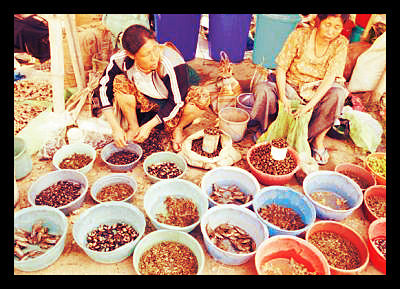
Stink bugs, silkworms, dragonflies, tawny mole crickets, and red ants. To those afforded the luxury of daily meals, these insects are of little significance. But to the people of Nagaland, these bugs are nutritious sources of food sold in local markets to help alleviate hunger.

The United Nations Food and Agriculture Organization released a 200-page report highlighting the benefits of Naga’s insect consumption. The report notes that insects are often full of more protein and nutrients than either fish or meat.  The insects can address malnourishment and provide food security, the report also states.

Farmers collect the bugs from forests and rice paddies. Both bees and larvae are expensive commodities in the local markets. The U.N. suggests frying the insects and preparing them in recipes, as they shouldn’t be consumed raw.

Nagaland isn’t alone in their bug consumption. According to the U.N., 1,400 insect species are consumed in almost 90 countries across the globe.

Numerous estimates suggest that 9 billion people will inhabit the earth by 2050. As more and more consumers are added to the planet, resources will have to be used more carefully. Nagaland highlights an effective way of utilizing all resources available. This is one unusual yet effective way of combatting poverty and world hunger.

– William Norris

Sources: The Morung Express, SI Live
Photo: The Morung Express
June 25, 2013
https://borgenproject.org/wp-content/uploads/borgen-project-logo.svg 0 0 Borgen Project https://borgenproject.org/wp-content/uploads/borgen-project-logo.svg Borgen Project2013-06-25 08:28:242020-07-06 18:31:54Nagaland Citizens Utilize Unusual Food Source
Food Security

The Role of Rice in the Fight Against Poverty

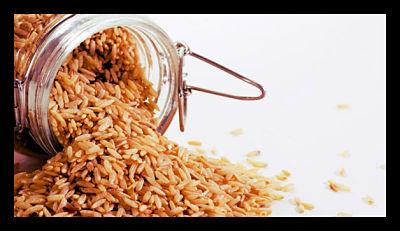
The Role of Rice in the Fight Against PovertyAs an energy source packed with vitamins and nutrients, rice serves as the main source of food and nutrition for a majority of the world’s population. Brown unmilled rice contains the most nutritional and mineral value, whereas white rice loses much of its nutritional value after being refined.
The USDA plans to address this by researching different strands and genes of rice in order to breed a new strand of white rice that would “hold high concentrations of 14 essential minerals (including zinc, iron and calcium) in the grains instead of in the husk”. Their research is focused on the use of “molecular marker data for use in quickly identifying the high-mineral plants without having to grow them to maturity.”

Up to 1,643 types of rice from around the world have been tested, and “127 gene locations in 40 chromosome regions that indicate high concentrations of minerals” have been identified. The first method for creating this new strain of rice that comes to mind would be genetic engineering. However, it is simpler and more accessible to farmers around the world if the rice is created through reproducing plants with the genes they find desirable.

Helping breeders grow this rice could decrease malnutrition around the world, and refraining from genetic modification would allow the rice to be distributed (exported or imported) without fear of rejection from those who are against GMO foods. This new strain of rice could solve all kinds of food-related issues surrounding poverty and hunger globally, as well as introduce a healthier option for those in Western countries.

– Sarah Rybak

Source: PopSci.com,DVice.com
Photo: Prevention

June 23, 2013
https://borgenproject.org/wp-content/uploads/borgen-project-logo.svg 0 0 Borgen Project https://borgenproject.org/wp-content/uploads/borgen-project-logo.svg Borgen Project2013-06-23 05:11:402020-07-03 00:34:15The Role of Rice in the Fight Against Poverty
Aid Effectiveness & Reform, Food & Hunger, Food Aid, Food Security

Food Aid Reform Act Faces Fight in Congress

Food Aid Reform Act Faces Fight in Congress

Initial support for reforms to food aid came from both parties. It turns out everyone believes money for food aid in emergency situations should go to feed people. The problem comes when determining how that aid should work and where it should be spent. President Obama has introduced reforms to policy dating back to the Eisenhower era, but the food aid reforms have hit trouble in Congress.

The discussion is focused on whom the US should buy food in emergency situations.  Currently, the US purchases food from US farmers and ships it overseas. Reforms to food aid include using money allocated to purchase food from overseas farmers. The US is currently one of the only major food-producing nations that still ships its food overseas rather than purchasing food directly from poorer farmers.

The money involved is around $2 billion; US agriculture is expected to bring in $128 billion of profits this year, making this a small amount in comparison. For poor farmers around the world, it is life-changing. It allows farmers in developing nations to improve their crops and continue to produce and sell their goods. This amount also would help prevent food insecurity, a source of unrest in many nations. Food insecurity is often accompanied by other insecurities as well.

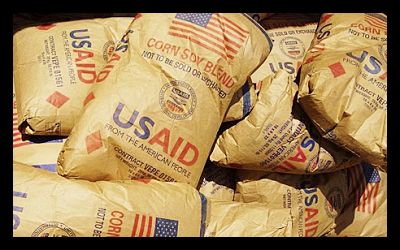
Nigeria’s Minister of Agricultural and Rural Development, Akinwnumi Adesina, is a major supporter of the reforms. The money would help Nigeria continue to promote national security and help farmers grow economically. The Obama plan would shift the $2 billion spent on food aid to the USAID and allow them to use it to purchase food overseas.  Farmers would get a subsidy for at least the first year to replace some of the lost profit. In addition, 55% of food aid dollars will still go to American farmers.

Food aid reforms are long overdue and a key to promoting global development worldwide. They are also a key step in helping the US keep nations secure and conflict at a minimum. The reforms will help countries like Nigeria shift away from food dependence to food independence and become growing, thriving economies.

Call your Congressional leaders today and request they support the Food Aid Reform Act (H.R. 1983).

– Amanda Kloeppel
Source: Bloomberg

June 21, 2013
https://borgenproject.org/wp-content/uploads/borgen-project-logo.svg 0 0 Borgen Project https://borgenproject.org/wp-content/uploads/borgen-project-logo.svg Borgen Project2013-06-21 04:00:042020-07-03 00:18:37Food Aid Reform Act Faces Fight in Congress
Development, Food Security, USAID

No Annual Food Aid and Development Conference

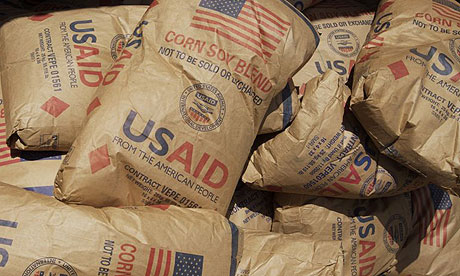
usaid_food_crisis_aid_international_foreign_policy_un_budget_cut_opt

Federal budget constraints are beginning to take a toll on development and food aid efforts for the world’s poor.

After 14 years of meeting annually to discuss global development and food aid, the United States Agency for International Development (USAID) and the U.S. Department of Agriculture (USDA) confirmed this week there will be no International Food Aid and Development Conference (IFADC) in 2013 because of the current federal government budget constraints.

According to Food Business News, the agencies said, because of “U.S. government agencies facing a difficult budget environment and being urged to minimize conference events in light of these budget constraints.”

Previous IFADCs pulled together 700 or more participants from around the world, representing major food assistance program stakeholders. Meetings included representatives from U.N. agencies including the World Food Programme, officials from recipient countries, private charitable organizations, and USDA and USAID staff for the meetings in Kansas City every year.

Instead of multiple days of conference meetings as in previous years, USDA and USAID will replace the Kansas City conference with a one-day public meeting in Washington in November 2013. The meeting will be held as an add-on to the Food Aid Consultative Group meeting.

“We know that this is not a complete substitute for the IFADC and that we will have to be creative and thoughtful in how we organize this event. USDA and USAID will reach out to stakeholders during the planning of the one-day meeting,” conference organizers said.

– Liza Casabona

Source: Food Business News
Photo: Guardian

June 18, 2013
https://borgenproject.org/wp-content/uploads/borgen-project-logo.svg 0 0 Borgen Project https://borgenproject.org/wp-content/uploads/borgen-project-logo.svg Borgen Project2013-06-18 05:17:542021-06-21 17:21:12No Annual Food Aid and Development Conference
Development, Food & Hunger, Food Security

Vaccine Could Limit Cattle Deaths in Africa

Maasai_cattle_fever_opt

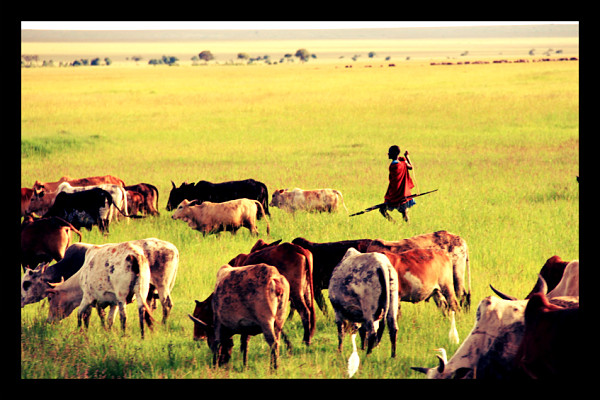
A research group in Belgium is developing a new type of vaccine against bovine malignant catarrh fever (BMCF). BMCF is a virus that kills thousands of cattle across the world and specifically has been a major problem for cattle herders in East Africa. In East Africa wildebeest carry the virus and spread the infection to cattle. The disease is often fatal and can infect up to 40% of a heard in any sporadic outbreak. The Maasai people of East Africa, who herd large numbers of cattle, have been hit hard by this disease, losing seven to ten percent of their cattle to BMCF every year.

No vaccines have been found so far, however, researchers at the Faculty of Veterinary Medicine’s Immunology Vaccinology lab at the University of Liege, claim they have altered the BMCF virus so that it does not develop after infection. The original virus causes an uncontrollable division of white blood cells, much like cancer. In the genetically engineered virus, the researchers have managed to stop the production of the protein that leads to this uncontrollable division. Researchers exposed the new virus to rabbits who did not show signs of BMCF and were protected against any other strains of the BMCF virus they came in contact with. Research leader Benjamin Dewals claims, “…we have generated a virus that does not induce BMCF, does not persist in the infected host and protects against a subsequent infection with a virulent virus.”

This study shows promise for the future eradication the BMCF disease, however Dewals recognizes it may take 5 to 10 years to develop a vaccine for cattle specifically. George Russell, a specialist in cattle infections, states, “…such a vaccine will need to be demonstrated in cattle and the protection conferred will need to be evaluated in terms of dosage and duration of protection…” Despite the challenges that lie ahead, this discovery represents a big step forward in the effort to ultimately find a cure for this disease.

– Catherine Ulrich

Source: AllAfrica
Photo: Hope4Africa

June 14, 2013
https://borgenproject.org/wp-content/uploads/borgen-project-logo.svg 0 0 Borgen Project https://borgenproject.org/wp-content/uploads/borgen-project-logo.svg Borgen Project2013-06-14 08:11:372020-06-26 21:35:50Vaccine Could Limit Cattle Deaths in Africa
Development, Food & Hunger, Food Aid, Food Security

3D Printers to End World Hunger?

3D_Printer

NASA recently invested $125,000 in a project aimed to solve the challenges of supplying food in space missions. The project would astronauts to create their own food in space by utilizing 3D printers.

Just as a paper printer shapes ink to form letters, a 3D printer uses different materials to create a 3D object. To produce food for its astronauts in space, NASA is looking to print edible materials with 3D printers, including powdered forms of carbohydrates, proteins, and other nutrients. 3D printers could be beneficial for long space voyages because powdered substances could last up to 30 years.

While NASA may be looking to use 3D food printers for space travel, there is great potential for the use of 3D printers here on Earth, namely to end world hunger. With the long shelf life of food produce by 3D printers, the concern of food being wasted due to spoilage disappears. The powdered forms of the nutrients are also easier to transport because they exist in a more compact state.

The nutrients used in a 3D printer can also be retrieved from unconventional sources. For instance, insects could be used as a source of protein, which the UN has noted recently as a way to fight world hunger. Insects are rich in protein, emit less greenhouse gases than livestock, and are easy to harvest. Whether or not insects are used as the protein source of printed foods, the 3D printer could allow for better transportation and longevity of nutrients, which would help considerably in the fight to end world hunger.

– Jordan Kline

Source: Food and Agriculture Organization of the United Nations,National Geographic,Time Magazine
Photo: Wikipedia

June 14, 2013
https://borgenproject.org/wp-content/uploads/borgen-project-logo.svg 0 0 Borgen Project https://borgenproject.org/wp-content/uploads/borgen-project-logo.svg Borgen Project2013-06-14 04:00:422020-06-26 21:36:503D Printers to End World Hunger?
Food & Hunger, Food Security

What a Waste

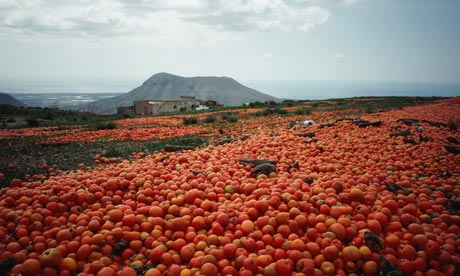
Food-waste-Surplus-tomato-global_poverty_world_hunger_opt
Here’s an interesting stat: one-third of all food grown globally is lost to spoilage and waste. Without any increases in crop yield or technology, 50% more people could be fed by the food already produced.

When faced with the realities of poverty and global hunger, the obvious fix is to produce more. Genetic modification, hybrid-seeds, increased fertilization… These are the solutions that come to mind and are being promoted throughout the world as well as being introduced to developing regions where food shortages are most acute. But in many cases, increased yields due to these methods won’t actually lead to any real gains in production. Not in areas where fruits already rot on the vine due to a lack of pickers to harvest them, or where a lack of serviceable infrastructure prevents farmers from efficiently transporting their product to market.

If this food spoilage and waste could be eliminated, or even reduced, the benefits could far outweigh those of slow, albeit persistent, methods of improving crops and yield. This change though will require a concerted effort. Currently, the majority of agricultural funding is channeled into research and development, with the focus being on production. The cynic could claim this is because the industry has an economic interest in increasing output, as it would lead to increased sales of seeds and other of their own products. But regardless of the reason, it is a route that needs exploring.

On February 19th, the U.S. State Department hosted a conference on ‘Food Security and Minimizing Post-harvest Loss: Markets, Applied Research, and Innovation.’ This conference was a positive step, as it demonstrated the administration’s acknowledging the seriousness of this issue, while also bringing together scientists and politicians from all over the world to address it. More steps like this need to be taken, and funding needs to be provided for research into food storage. If we can save even a portion of that lost third, the gains will be immediately apparent.

– David Wilson
Source: Mother Earth News
Photo: Guardian

June 13, 2013
https://borgenproject.org/wp-content/uploads/borgen-project-logo.svg 0 0 Borgen Project https://borgenproject.org/wp-content/uploads/borgen-project-logo.svg Borgen Project2013-06-13 04:00:382020-06-26 21:29:43What a Waste
Food Aid, Food Security

Achieving Food Security in South-East Asia

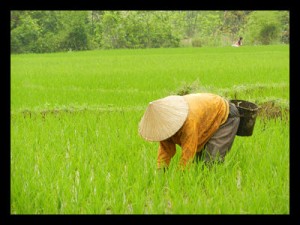
South_east_aisa_farming_opt

Home to 600 million people, the region of South-East Asia is a source of precious resources and a strong work force. Still, many suffer from hunger and malnutrition, which is why it is important to achieve food security in this region. Boosting the agriculture sector in this region is essential to economic growth and development. With the growing obstacles of climate change and depletion of natural resources it is important to focus on creating long-lasting policies and reform on the agriculture sector of this region.

However, farmers are going to need a lot of help from the government to achieve food security in this region. Farms require investment in knowledge and tools as well as having a say in the government. In South-East Asia most farms are very small, usually 2 hectares of land or less, and run primarily by women. The government should focus on policies that support farmer’s organizations, empower and educate women as well as raise awareness about property rights.

World leaders have begun to take steps to implement some of the policies stated above at the World Economic Forum on East Asia taking place in Myanmar. They have proposed a new initiative called New Vision for Agriculture, which is trying to facilitate a public-private collaboration to achieve food security as well as environmental stability. It urges for an increase in investment in agriculture to boost economic growth. It highlights innovative ways for the public and private sectors to work together to achieve the best outcome. Exceptional effort from all actors is necessary to reach the common goal of food security in South-East Asia.

– Catherine Ulrich

Source: WE Blog
Photo: Trend Southeast

June 8, 2013
https://borgenproject.org/wp-content/uploads/borgen-project-logo.svg 0 0 Borgen Project https://borgenproject.org/wp-content/uploads/borgen-project-logo.svg Borgen Project2013-06-08 04:30:122020-06-27 03:32:35Achieving Food Security in South-East Asia
Development, Food & Hunger, Food Security, USAID

Partnership to Develop Climate-Resilient Crops

three-nations-create-climate-resilient-crops
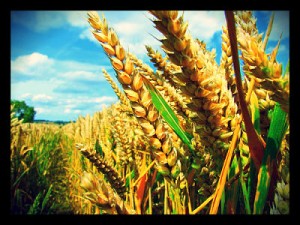
The United States, Australia, and India have come together to develop climate-resilient varieties of rice and wheat that make up two of the “big three” crops that are imperative to feeding people worldwide. The United States Agency for International Development (USAID) is supporting a new public-private research partnership between the Australian Centre for Plant Functional Genomics (ACPFG) and India’s Vibha Agrotech.

With ACPFG’s unique gene technologies that are already in use and Vibha’s field evaluation and rice transformation capabilities, farmers will acquire new rice and wheat varieties that will allow more stable crop production when facing sudden drought and evolving salt-water intrusion. The most successful varieties evaluated will eventually be transferred into the varieties that the farmers already grow.

While the research and crop growth will take place in Australia and India in the preliminary stages, the technologies will eventually be available to developing countries globally. The climate-resilient crops will be most useful in countries where climate change and subsequent stresses impact cereal yields and will help to ensure that farmers will have a good harvest despite these unpredictable climate changes.

The partnership is part of Feed the Future, the US Government’s global hunger and food security initiative. According to Dr. Julie Howard, USAID’s Chief Scientist in the Bureau for Food Security and Senior Advisor to the Administrator on Agricultural Research, Extension and Education, in order to ensure food security, global food production must increase by 60% by 2050. Unfortunately, climate change is already affecting yields globally. “That means we must use all the tools available to us to grow more food on less land and with less water,” she said.

– Kira Maixner

Source: Business Standard
Photo: Rising Pyramid

June 1, 2013
https://borgenproject.org/wp-content/uploads/borgen-project-logo.svg 0 0 Borgen Project https://borgenproject.org/wp-content/uploads/borgen-project-logo.svg Borgen Project2013-06-01 05:43:302024-12-13 17:49:22Partnership to Develop Climate-Resilient Crops
Food & Hunger, Food Security, Global Poverty

Eating Insects Could Fight World Hunger

eating-insects-to-fight-world-hunger
Entomophagy, or the practice of eating insects, could fight world hunger and global warming. A 200-page report, released by the UN Food and Agriculture Organization (FAO), at the organization’s Rome headquarters, is calling for restaurants, chefs, and food writers to promote eating insects.

According to the FAO, insects provide high-quality protein and nutrients compared to meat and fish. They can also be an important food supplement for undernourished children,  reproduce quickly, and leave a low environment footprint. Insects are high in protein, and can also be rich in copper, iron, phosphorus, manganese, magnesium, selenium and zinc. Furthermore, insects are four times more efficient in turning feed mass into edible meat, which suggests that food could be produced more cheaply and with fewer emissions.

The long history of entomophagy starts with grasshoppers served “toasted in a little oil with garlic, lemon and salt” on the streets of Oaxaca, Mexico and fly eggs called “Mexican caviar” that Montezuma devoured. Currently, two billion people worldwide indulge in the delicacy. However, consumer digestion will remain an issue when integrating insects into the Western diet. While ingesting insects outright makes many Westerners squeamish, reports by the FDA suggest that insect fragments can already be found several food products such as wheat and tomato juice but is safe to eat on a small scale.

Though this new protein may not find it’s way onto dinner plates in the near future, eating insects could fight would hunger and is an firm step forward in maintaining food security world wide.

– Kira Maixner

Source: The Telegraph

May 26, 2013
https://borgenproject.org/wp-content/uploads/borgen-project-logo.svg 0 0 Borgen Project https://borgenproject.org/wp-content/uploads/borgen-project-logo.svg Borgen Project2013-05-26 04:43:102024-12-13 17:49:20Eating Insects Could Fight World Hunger
Page 28 of 31«‹2627282930›»

Get Smarter

  • Global Poverty 101
  • Global Poverty… The Good News
  • Global Poverty & U.S. Jobs
  • Global Poverty and National Security
  • Innovative Solutions to Poverty
  • Global Poverty & Aid FAQ’s
Search Search

Take Action

  • Call Congress
  • Email Congress
  • Donate
  • 30 Ways to Help
  • Volunteer Ops
  • Internships
  • Courses & Certificates
  • The Podcast
Borgen Project

“The Borgen Project is an incredible nonprofit organization that is addressing poverty and hunger and working towards ending them.”

-The Huffington Post

Inside The Borgen Project

  • Contact
  • About
  • Financials
  • President
  • Board of Directors
  • Board of Advisors

International Links

  • UK Email Parliament
  • UK Donate
  • Canada Email Parliament

Get Smarter

  • Global Poverty 101
  • Global Poverty… The Good News
  • Global Poverty & U.S. Jobs
  • Global Poverty and National Security
  • Innovative Solutions to Poverty
  • Global Poverty & Aid FAQ’s

Ways to Help

  • Call Congress
  • Email Congress
  • Donate
  • 30 Ways to Help
  • Volunteer Ops
  • Internships
  • Courses & Certificates
  • The Podcast
Scroll to top Scroll to top Scroll to top