8 Facts About Food Insecurity in Afghanistan
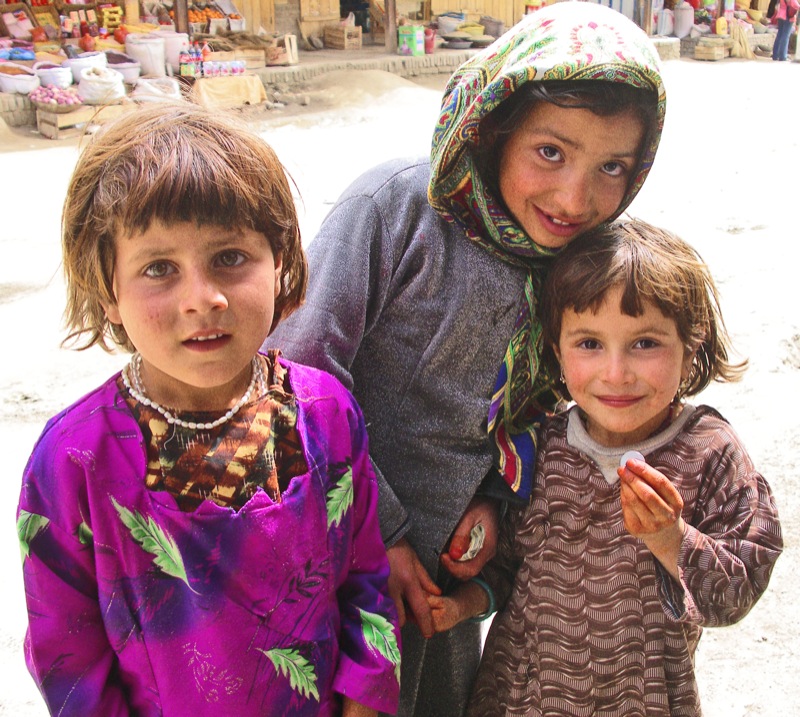
Afghanistan, although rich in natural resources, has high rates of poverty and food insecurity. More than half of the population lives below the poverty line, and conflict has caused food insecurity to increase. Other challenges include climate change and natural disasters, which will only exacerbate the nation’s struggles in the coming years. Here are eight facts about food insecurity in Afghanistan.
8 Facts About Food Insecurity in Afghanistan
- Food insecurity is defined as the lack of access to healthy, affordable food. In Afghanistan, food insecurity is driven by a number of factors, including droughts, flooding, climate shocks and insufficient infrastructure.
- Between 2014 and 2017, food insecurity in Afghanistan increased significantly, reaching 13.2 million out of a total population of 35.7 million. Approximately 54 percent of the population lives in poverty and an estimated 41 percent of Afghan children under the age of five are stunted due to food insecurity.
- Food insecurity is worsened by conflict. Due to the seemingly unending conflict in the Middle East, the people of Afghanistan have been denied access to the most basic human right: food. Years of oppression from the Taliban regime along with drought further worsened food insecurity in Afghanistan.
- Bombings conducted by the U.S. and the U.K. have also driven many people into camps where food delivery is nearly impossible. As of Dec. 2018, there were more than 2.5 million internally displaced persons (IDPs) in Afghanistan. Even outside of camps, displaced individuals are more likely to experience food insecurity.
- Groups like the World Food Program (WFP) assisted more than 3.6 million people in 2015. Most of the assistance came in the form of food deliveries to people in rural areas where food insecurity is the highest. The WFP’s work aims to protect the most vulnerable and impoverished families and illiterate schoolchildren. They also place a particular emphasis on protecting women and girls.
- In 2015, the WFP also reached more than 814,000 women and children with take-home food baskets. Along with these baskets were small tablets that provide nutrients that those who are food insecure often lack.
- The nonprofit organization Action Against Hunger was able to help 374,814 people in 2018. In the same year, conflict escalated even further in Afghanistan, forcing 278,000 Afghans to flee their homes. Action Against Hunger has operated in Afghanistan for two decades. Since 1995, this program has worked to alleviate malnutrition in children, build safe sanitation services and create food security across the nation.
- The Save the Children Initiative has also worked to quell the extreme food insecurity that has resulted from years of war and conflict in the Middle East. Save the Children has helped 24,733 parents to provide food for their children so they do not become malnourished.
These eight facts about food insecurity in Afghanistan highlight that while Afghanistan has seen years of conflict and still wears the scars of war, there are always organizations working to alleviate the hunger crisis. There are many things people in the U.S. can do to help alleviate this conflict as well, including voting to continue foreign aid to the Middle East and supporting candidates and congressional leaders who wish to end the war in this region of the world.
– William Mendez
Photo: Flickr
