How UNICEF is Fighting Malnutrition in Kenya
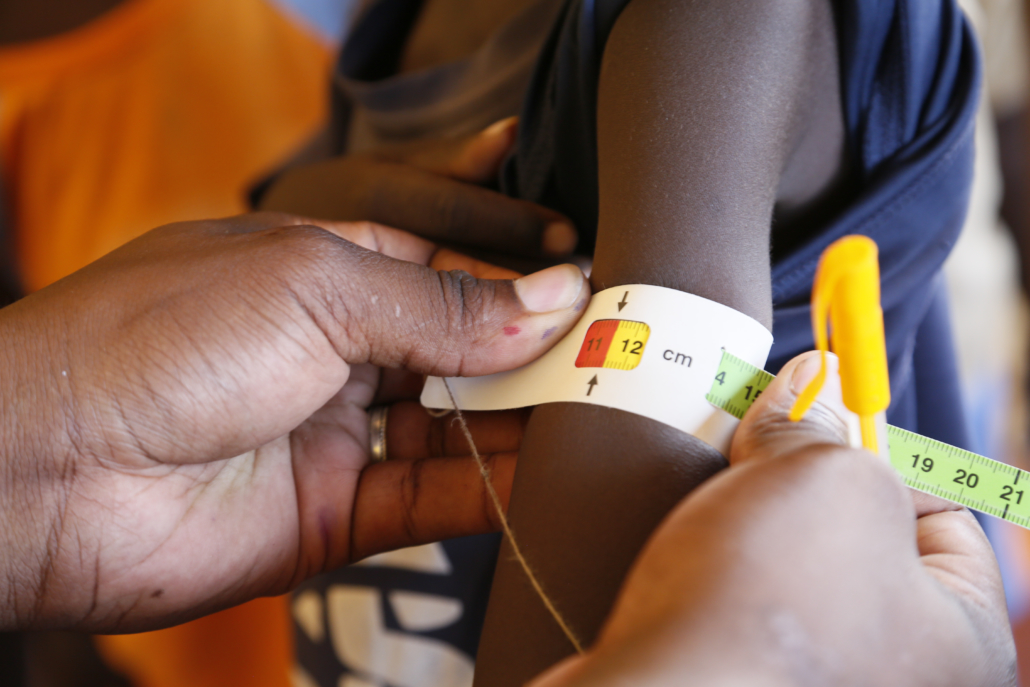
In Africa, about 257 million people do not know where their next meal will come from. This means that approximately 20 percent of the population is experiencing severe hunger as a result of the continent’s economic crisis and extremely dry conditions. Food prices soar in response to poor harvests and crop failures, leaving many to starve if action is not taken. Fortunately, humanitarian aid organizations like UNICEF reduce the impact of hunger in impoverished countries across Africa by stepping in with malnutrition prevention and treatment strategies that continue to save lives. This is how UNICEF is fighting malnutrition in Kenya.
The State of Malnutrition in Kenya
Kenya’s food insecurity issue is a direct byproduct of the country’s low agricultural productivity that is caused by a lack of rainfall. About 80 percent of the East African country’s land is arid. These dry, drought-like conditions only exacerbate the dilemma of low crop and livestock production. This leads to a shortage of food, and the available food is often sold at an inflated, unaffordable price.
More than 3.4 million Kenyans are facing severe food insecurity and around 400,000 children under the age of 5 are malnourished. Approximately 26 percent of children 5 and under are stunted, while another 4 percent are chronically emaciated or “wasting.” With malnutrition being the leading cause of death in children, it is vital that something is done to prevent this hunger.
Taking Action
Luckily, UNICEF is taking action. Founded in 1946, UNICEF is fighting malnutrition in Kenya from the inside by providing millions of people with resources, medical treatment and even counseling. The organization’s Vitamin A Supplementation Policy helped more than 3 million children to receive Vitamin A, a nutrient that is crucial for the human body to develop properly. This supplementation program has helped children fight malnutrition by allowing them to build strong immune systems and reduce dehydration. According to UNICEF, Vitamin A supplements can increase a child’s chance of survival by as much as 24 percent.
In 2017, UNICEF provided malnutrition screenings to over 450,000 impoverished children through outreach services. This program was in response to Kenya’s national drought emergency that was declared in April of that year, which was projected to cause a rapid spike in food shortages. These screenings were able to provide life-saving treatments for children that were suffering from the effects of malnutrition.
Iron Folic Acid (IFA) prevents low iron levels in the body while also promoting proper growth and development. UNICEF recently donated Iron Folic Acid supplements to over 2.5 million women of reproductive age through the Girls’ Iron-Folate Tablet Supplementation (GIFTS) Programme, allowing adolescent girls and women to decrease their susceptibility to anemia. Since IFA is often used as a prenatal supplement, UNICEF is fighting child malnutrition in Kenya before it even starts.
In addition to increasing a child’s chance of survival, feeding practices like breastfeeding can promote optimal growth and development. Through the Community Health System, UNICEF counseled more than 1.7 million new mothers on safe and proper breastfeeding. By teaching mothers about the benefits of breastfeeding, UNICEF has saved even more children from experiencing malnutrition at an early age.
Moving Forward
Kenya has made significant progress in reducing malnutrition rates. By promoting good nutrition and providing resources and outreach services, UNICEF has improved the lives of millions of families. As far as 2022, UNICEF plans on continuing to integrate nutrition-specific strategies to help fight malnutrition in Kenya.
– Hadley West
Photo: Flickr
