• Link to X
  • Link to Facebook
  • Link to Instagram
  • Link to TikTok
  • Link to Youtube
  • About
    • About Us
      • President
      • Board of Directors
      • Board of Advisors
      • Financials
      • Our Methodology
      • Success Tracker
      • Contact
  • Act Now
    • 30 Ways to Help
      • Email Congress
      • Call Congress
      • Volunteer
      • Courses & Certificates
      • Be a Donor
    • Internships
      • In-Office Internships
      • Remote Internships
    • Legislation
      • Politics 101
  • The Blog
  • The Podcast
  • Magazine
  • Donate
  • Click to open the search input field Click to open the search input field Search
  • Menu Menu

Archive for category: Entrepreneurship and Business

Economy, Entrepreneurship and Business, Global Poverty

KFC in South Africa: Fueling Economic Prosperity

KFC in South Africa: Fueling Economic Prosperity in Underdeveloped Markets Since Kentucky Fried Chicken (KFC) arrived in South Africa in 1971, it has grown into one of the most popular fast-food chains in the country, fueling economic prosperity in the region just after the financial crisis of 2008. With more than 900 stores across the country, it has created employment opportunities. The brand has created thousands of jobs, both directly through restaurant staff and indirectly via local suppliers, logistics and advertising, helping put money not only in the people of South Africa’s pockets, but also boosting the economy. For many South Africans, KFC represents more than just a quick meal; it serves as a source of employment and a pathway to financial stability.

KFC’s Economic Footprint and Social Responsibility in South Africa

Through its Add Hope initiative, KFC has raised more than R1 billion to fight hunger in South Africa, providing at least 80,000 meals daily to vulnerable children. The program partners with more than 130 nongovernmental organizations (NGOs), supporting sustainable feeding schemes and empowering communities. A 2024 impact study by the Gordon Institute of Business Science found that Add Hope contributes to improved health outcomes, school attendance and long-term socioeconomic development. It’s a model that shows how corporate social investment can be both strategic and transformative.

A Blueprint for Fueling Economic Prosperity

According to the OECD’s 2024 Emerging Markets Report, foreign direct investment (FDI) in these regions is rebounding, with Africa and Latin America showing strong potential for sustainable development in the future, especially when companies localize their operations and invest in infrastructure, education and community partnerships. Standard Bank projects that East Africa’s infrastructure boom could push its business value from $37 billion in 2024 to $54 billion in the coming years. This kind of growth opens doors for new markets and companies willing to engage deeply with local economies.  

Cultural Integration

When KFC made the jump to South Africa, it had to adapt its menu to reflect South African tastes and cultural norms, a move that helped build trust and brand loyalty. Other companies like Coca-Cola, McDonald’s and IKEA have also thrived by tailoring their products and marketing to local preferences.

Looking Ahead

As KFC continues to serve more than just food in South Africa, its story reflects a broader narrative: global brands have the potential to contribute to development while doing business. By anchoring themselves in local needs—through employment, cultural respect and social investment—companies can potentially help foster economic resilience in underdeveloped markets.

KFC has established a presence in South Africa that goes beyond corporate growth; it offers a model for supporting economic development in regions often overlooked by global expansion. When brands take similar approaches with intentionality, success can also be measured by improved livelihoods, stronger communities and more inclusive economies.

– Dylan Fly

Dylan is based in Detroit, MI, USA and focuses on Business and New Markets for The Borgen Project.

Photo: Flickr

August 1, 2025
https://borgenproject.org/wp-content/uploads/borgen-project-logo.svg 0 0 Precious Sheidu https://borgenproject.org/wp-content/uploads/borgen-project-logo.svg Precious Sheidu2025-08-01 07:30:462025-08-01 04:33:44KFC in South Africa: Fueling Economic Prosperity
Business, Entrepreneurship and Business, Global Poverty

Devin Hibbard Dismantles the Poverty Cycle With Entrepreneurship

Devin HibbardDevin Hibbard is the cofounder and CEO of BeadforLife and Street Business School. She has demonstrated the power of seeing people’s talents and transforming them into beautiful businesses that help them get out of the poverty cycle.

The Power of Belief

When Devin Hibbard was 19, she traveled to Nepal on a medical relief trip with her parents. There, she witnessed her father save a woman’s life after childbirth. However, just days later, the woman passed away. That moment challenged Hibbard’s worldview.

She began to question everything, feeling the weight of how deeply unfair life can be and lost much of the belief she once held. Since then, Hibbard says she has worked hard to rebuild that belief. “And through working with women living in unspeakable poverty,” she shares, “I’ve learned a lot about the power of belief.”

One Necklace Turned Into One Mission

Later, Hibbard traveled to Uganda and met a woman named Millie, who made jewelry from discarded paper. During the civil war, Millie headed to the slums and did whatever she could to survive. Hibbard bought a necklace from Millie and before leaving Uganda, she and her mother purchased necklaces from each of the 100 women living in the mud homes of the slum.

Once she returned to the U.S., Hibbard hosted an event where she sold the beads. The event was so successful that it inspired her to return to Uganda and launch BeadforLife in 2004, a nonprofit organization that helps women dismantle the poverty cycle through entrepreneurship.

Providing the Tools To Succeed

To provide people in developing countries with the tools to become successful entrepreneurs, Devin Hibbard founded Street Business School. While BeadforLife helped women earn income through jewelry-making, Hibbard realized a more structured approach to business education was needed.

Street Business School (SBS) offers programs in valuable skills to people of all ages, genders and countries. Today, it partners with organizations in 37 countries. It has empowered more than 92,000 individuals, helping to break the cycle of poverty through sustainable change.

Hibbard’s vision for Millie and her beads in Uganda blossomed into a nonprofit that is transforming the lives of thousands, helping them dismantle the poverty cycle. It’s important to recognize that overcoming poverty often requires more than just financial support. It involves providing essential resources and knowledge that empower individuals to achieve long-lasting success.

Knowledge is very powerful, but so is the act of believing, both in oneself and others. By instilling this belief, people can create opportunities that lead to profound change. Together, society can achieve far more than we ever imagined.

Conclusion

Hibbard’s work is a powerful reminder that dismantling the poverty cycle isn’t about charity but unlocking potential. Through entrepreneurship, education and unwavering belief in human capability, she’s helping thousands rewrite their futures. Her impact proves that with the right tools and mindset, lasting change is not only possible, it’s inevitable.

– Knia Parks

Knia is based in Pepper Pike, OH, USA and focuses on Good News for The Borgen Project.

Photo: Flickr

July 29, 2025
https://borgenproject.org/wp-content/uploads/borgen-project-logo.svg 0 0 Lynsey 2 https://borgenproject.org/wp-content/uploads/borgen-project-logo.svg Lynsey 22025-07-29 07:30:122025-07-29 01:46:22Devin Hibbard Dismantles the Poverty Cycle With Entrepreneurship
Entrepreneurship and Business, Global Poverty, Innovations

Entrepreneurship in Kenya: Fueling Innovation Growth

Entrepreneurship in KenyaEntrepreneurship in Kenya is driving a wave of innovation, from mobile money and agritech to clean energy, that’s reshaping livelihoods and combating poverty. In this overview of Entrepreneurship in Kenya, discover the key accelerators, standout success stories, sectoral trends and the real-world impact fueling economic growth.
The Hubs and Accelerators Powering New Ventures

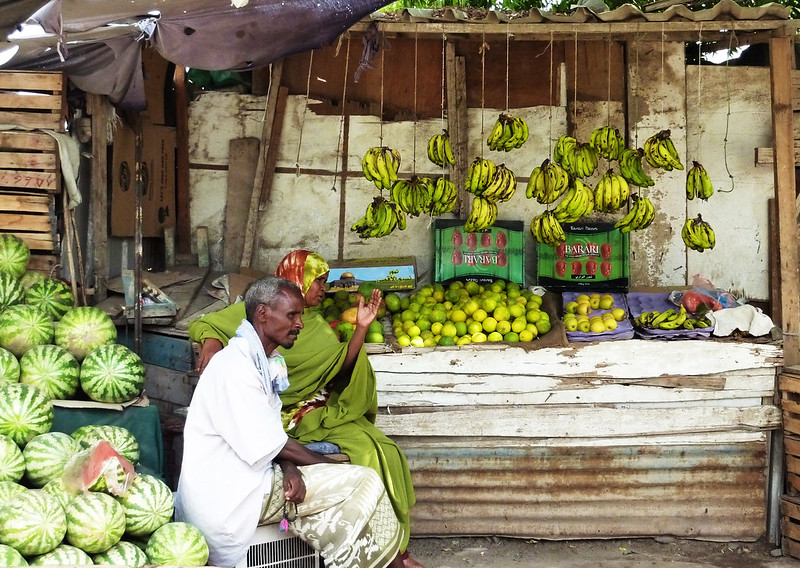
Kenya’s startup ecosystem is underpinned by a network of accelerators and coworking hubs that support founders. Facilities like iHub have nurtured more than 450 alum ventures and connected more than 40,000 collaborators through mentorship programs, hackathons and investor showcases. Similarly, Nairobi Garage offers flexible workspaces, regular pitch events and introductions to local and international investors. These institutions foster collaboration, facilitate access to early-stage capital and help entrepreneurs refine their business models before scaling.

Success Stories: Kenyan Startups Changing the Game

Twiga Foods, founded in 2014, exemplifies rapid growth from a local startup to a regional powerhouse. The company links 13,000 smallholder farmers to more than 5,000 urban retailers by integrating a mobile ordering platform with M-Pesa payments. After securing a $10 million Series A round in 2017 and $30 million in 2019, Twiga closed a $50 million Series C in 2021, making it a leading player in Africa’s agri-tech ecosystem.

In contrast, Chpter, established in 2022, illustrates the promise of early-stage ventures. Its AI-powered conversational commerce chatbot is deployed on WhatsApp and Instagram. In September 2024, it secured $1.2 million in pre-seed funding to expand across Kenya and South Africa. These examples highlight the spectrum of success, from large-scale impact to nascent innovation.

The Real Challenges Kenyan Founders Face

Despite notable achievements, Kenyan entrepreneurs encounter persistent challenges. Early-stage funding remains scarce, with only about 5% of seed-funded startups advancing to a Series A round. Regulatory shifts, ranging from changes in company registration requirements to fluctuating tax policies, can delay product launches and inflate compliance costs. Moreover, infrastructural gaps, particularly in rural regions, hinder reliable logistics and market access, forcing many ventures to develop costly workarounds or partner with third-party distributors.

Sector Spotlight: Where Kenya’s Startups Are Betting Big

The sectoral landscape of Kenyan startups has diversified significantly. Historically, Fintech is the largest recipient of venture capital and accounts for roughly 13% of total funding, with mobile payment solutions and digital credit platforms driving initial growth. Cleantech has soared to represent 46% of equity investments, propelled by solar-irrigation firms such as SunCulture ($27.5 million raised) and electric mobility operators. Additionally, agritech continues to attract attention, making up 15% of funding; supply-chain management and crop monitoring innovations respond directly to agriculture’s role as the backbone of Kenya’s economy.

Beyond Borders: How Kenyan Startups Go Global

Kenyan startups are increasingly eyeing regional and global markets. Twiga Foods has extended its distribution model to neighboring countries, leveraging digital infrastructure and cross-border partnerships to scale rapidly. Similarly, fintech companies often integrate with payment networks across East Africa to serve the diaspora and streamline remittances. Programs like the World Bank–supported Startup Savanna initiative connect local entrepreneurs to international mentors and investors, facilitating market entry and regulatory navigation beyond Kenya’s borders.

Turning Innovation Into Impact: Startups Fighting Poverty

Entrepreneurship plays a pivotal role in Kenya’s fight against extreme poverty. The Youth Enterprise Development Fund provides affordable loans, training and market linkages to entrepreneurs aged 18–34, underpinned by Kenya Vision 2030. In parallel, a forthcoming Startup Act promises tax incentives and streamlined business registration to lower barriers to new ventures. By generating employment, fostering financial inclusion through digital platforms and improving agricultural livelihoods, startups contribute directly to poverty alleviation and community resilience. Furthermore, the combination of public-sector support and private-sector innovation underscores how homegrown enterprises drive sustainable socioeconomic change across Kenya.

Industry’s Proven Path vs. Startup Spark

Industrialization has been a cornerstone of poverty reduction and job creation in Kenya for decades. Manufacturing contributed 7.6% of GDP and generated more than 350,000 direct jobs in 2022. This underscores how factories and export‐oriented clusters have lifted communities from poverty through reliable employment. Under Vision 2030 and its “Big Four” agenda, the government aims to raise manufacturing’s share to 20% by 2030, bolstered by new industrial parks and streamlined tax incentives.

While industrial parks offer mass employment and proven supply chains, start-ups shine in agility and innovation. However, the real challenge and opportunity is blending these models. By channeling the entrepreneurial energy of small ventures into scalable manufacturing and service hubs, entrepreneurship in Kenya could honor the time-tested path of industrialization and unlock new frontiers in sustainable poverty alleviation.

– Alexander Broermann

Alexander is based in Frankfurt, Germany and focuses on Good News and Global Health for The Borgen Project.

Photo: Flickr

July 7, 2025
https://borgenproject.org/wp-content/uploads/borgen-project-logo.svg 0 0 Lynsey 2 https://borgenproject.org/wp-content/uploads/borgen-project-logo.svg Lynsey 22025-07-07 01:30:422025-07-07 01:34:46Entrepreneurship in Kenya: Fueling Innovation Growth
Entrepreneurship and Business, Food Security, Global Poverty

Tackling Poverty: Entrepreneurs in Djibouti

djiboutiBetween 1862 and 1977, Djibouti was under French occupation and established a strong economic and military presence, which still exists today. As of 2025, France has five air and naval bases in operation in Djibouti, primarily along the Bab el-Mandeb Strait.

Djibouti thus remains one of France’s last military strongholds on the continent, following the recent withdrawals from Mali and Burkina Faso in 2022 and 2023, respectively. Beyond the military influence that France still exerts, a reliance on imports into Djibouti raises issues of autonomy. The World Food Program (WFP) reports that Djibouti imports 90% of its food, leaving the country vulnerable to fluctuations in global prices, which can significantly affect a Djiboutian’s food purchasing power.

Entrepreneurs in Djibouti

Although starting a new business is not a rapid solution to a problem as critical as food insecurity, it allows entrepreneurs in Djibouti to take control of their future and offers a level of dignity that is not always possible in countries that face difficult circumstances.

As of 2021, the World Bank’s portfolio in Djibouti came to the sum of $248 million, which went towards urban poverty reduction through community development as well as social safety nets and private sector development.

The Regional Director for the International Finance Corporation (IFC) in East Africa, Jumoke Jagun-Dokunmu, stated that the private sector is a key driver for reducing poverty in Djibouti and the IFC, together with the World Ban,k is exploring “opportunities to support reforms that will improve Djibouti’s business environment and investment climate.”

People and Projects in Djibouti

As of 2023, the Djibouti Social Development Agency and Centre for Leadership and Entrepreneurship – part of a World Bank-financed initiative – has launched the Youth Entrepreneurship Training Program (FORJE), which aims to alleviate poverty and create a ripple effect in communities with high unemployment. In 2023, estimates suggested that 79% of youth in Djibouti were without work, and for women, that figure was at 74%; hence, the need for income generation within communities that are on the periphery of government support.

The FORJE program provides 2,300 microbusinesses access to developmental services like accounting, marketing and capital. For Mouna Yacin Abdillahi, from Dikhil in South-Western Djibouti, her small restaurant business has transformed her family’s life: “The FORJE program gave me an opportunity, a reason to get up every morning, and for that I thank the creators of the program. I feel useful to the community.”

For recipients of the FORJE grants and services, the benefits go far beyond a material improvement in daily life. For Mouna, the program has empowered her and given her a sense of purpose in a community where her job prospects would have been few otherwise.

The Future

Hopefully, more programs financed by international organizations such as the World Bank will start to appear in other parts of Africa that face high levels of unemployment and poverty. Although entrepreneurship is not always the quickest solution to alleviating poverty, a combination of humanitarian aid packages and commercial training programs provides a strong base to economically regenerate communities as well as grant autonomy and dignity to beneficiaries.

– Alfie Williams-Hughes

Alfie is based in Nottingham, UK and focuses on Business and Politics for The Borgen Project.

Photo: Flickr

June 6, 2025
https://borgenproject.org/wp-content/uploads/borgen-project-logo.svg 0 0 Naida Jahic https://borgenproject.org/wp-content/uploads/borgen-project-logo.svg Naida Jahic2025-06-06 07:30:132025-06-06 04:41:23Tackling Poverty: Entrepreneurs in Djibouti
Entrepreneurship and Business, Global Poverty, Homelessness

The Beggars Corporation: Empowering Entrepreneurs in India

How the Beggars Corporation Empowers Entrepreneurs in IndiaThe Beggars Corporation (BC), incorporated in August 2022, offers a different approach to poverty alleviation in India. Instead of offering food or donations, BC invests directly in beggars through its Beggars-Turned-Entrepreneurs (BTE) program. The initiative aims to help people transition from street begging to owning and managing small businesses. Founded by Chandra Mishra, BC’s mission is to make India “begging-free” by helping the country’s estimated 413,670 beggars build sustainable livelihoods. Mishra’s concept, which he terms “Employonomics,” challenges traditional aid models. He argues that a small percentage of the $12 million donated annually to India’s poor can instead fuel long-term change through social investment.

The Beggars Corporation

BC operates under a “One Beggar, One Mentor” system. Rather than seeking support from the government or major NGOs, the company engages wealthier Indian citizens as mentors and investors. Selected participants receive training in vocational skills, such as tailoring or business management. For example, Rajni, BC’s first BTE, learned embroidery and went on to create two brands: Bagful of Dreams and Enchanted Shirts. Once trained, each BTE partner works with their mentor and BC to form a legal business entity called a Special Purpose Vehicle (SPV). Each SPV allocates 24% ownership to the BTE, 24% to the mentor and 52% to BC. During training, participants also receive a monthly stipend of 10,000 INR.

Investment With Social Returns

In BC’s first investment round, 57 individuals each contributed and earned a 33.5% annual return on investment. Currently, mentors invest 200,000 INR over three years. The “handholding” phase follows training, where mentors help BTEs manage finances, navigate regulatory compliance and market their products. After three years, mentors recover their investment with returns and BTEs can choose to continue their business or pursue other employment.

Expanding Impact

To help create entrepreneurs in India, BC has expanded operations beyond the One Beggar, One Mentor scheme. Although BC began in Varanasi, it recently expanded to Dehradun, the capital of Uttarakhand, by signing a Memorandum of Understanding (MoU) to eliminate begging in the city. There, BC will open another School of Life, an education program for child beggars. The program offers academic instruction up to the equivalent of the 10th grade, along with vocational training through a “Learn and Earn” model. BC also supports job creation beyond entrepreneurship. The Karma Cafe in Varanasi, launched under an SPV, has already created 12 jobs for former beggars. Other businesses, such as Helping Hands, a home cleaning service, have reportedly employed up to 100 former beggars.

Results and Real Stories

According to Mishra, 17 beggars became entrepreneurs in the program’s first two years. Including jobs created by BTE-owned businesses, the total number of beggars helped reaches about 1,000. In 2024 alone, 21 active BTE businesses generated more than $418,000 in revenue. Individual stories highlight the human impact. Rajni, once a street beggar, now works in a hospital and supports her son. Vishal, a 12-year-old formerly known as India’s “Mascot of Poverty,” now works as a tour guide and earns between $175 to $350 a month after graduating from the School of Life.

The Future

In less than three years, the Beggars Corporation has shown that sustainable business models can empower India’s poorest citizens. By altering the traditional model of charitable giving into a business venture, BC creates lasting, meaningful employment opportunities for India’s poor. By giving investors an interest in their donation in the form of a share in the SPV and by developing key business skills in their BTEs, the Beggars Corporation could help many individuals escape the cycle of poverty and may one day make India begging-free. 

– Charles Citron

Charles is based in Boston, MA, USA and focuses on Business and Politics for The Borgen Project.

Photo: Flickr

June 4, 2025
https://borgenproject.org/wp-content/uploads/borgen-project-logo.svg 0 0 Precious Sheidu https://borgenproject.org/wp-content/uploads/borgen-project-logo.svg Precious Sheidu2025-06-04 07:30:412025-06-04 00:46:22The Beggars Corporation: Empowering Entrepreneurs in India
Entrepreneurship and Business, Global Poverty, Refugees

The Power of Refugee Entrepreneurship in Rebuilding Futures

Refugee EntrepreneurshipFor the millions displaced by war, persecution, or natural disasters, rebuilding their lives is an overwhelming challenge. Yet amid the uncertainty of displacement, a powerful force is emerging: refugee entrepreneurship. Across regions often overlooked by global media, displaced individuals are turning hardship into opportunity by creating small businesses, generating income and restoring dignity in their host communities.

In countries bordering conflict zones, where formal job opportunities are scarce and refugees often face legal uncertainties, entrepreneurship emerges as both a lifeline and a source of empowerment. Many are launching bakeries, electronic repair stands and food stalls—ventures that reflect resilience and draw upon rich cultural traditions.

Uganda: A Refugee Economy in Action

One example can be seen in Uganda, home to more than 1.6 million refugees, primarily from South Sudan and the Democratic Republic of Congo. In the settlements of northern Uganda, informal markets have flourished. There, refugee-led businesses provide vital goods and services not only to fellow refugees but also to local Ugandan populations. This exchange fosters economic integration and builds social cohesion.

Key to this entrepreneurial growth is access to microcredit and skills training. Local NGOs and community-based organizations play a central role, offering workshops on financial literacy, digital skills and basic business management. Though resources are often scarce, these initiatives help refugees turn personal talents into viable livelihoods.

The Rise of Informal Businesses in Jordan

In Jordan, where more than 600,000 Syrian refugees reside, informal businesses have sprung up in camps and urban areas alike. While regulatory hurdles remain, particularly regarding business permits and movement, many Syrians have found ways to offer services such as hairdressing, tutoring or mobile phone sales. These businesses reflect both resilience and the desire to reclaim agency in an environment often defined by limitations.

Despite the barriers, refugee entrepreneurship thrives because of its adaptability. Refugees are uniquely positioned to identify gaps in local markets and respond with innovative solutions. In many cases, their businesses introduce new flavors, fabrics, techniques and perspectives that enrich the local culture.

Critically, the impact of refugee entrepreneurship extends beyond economic self-sufficiency. It cultivates hope and purpose, rebuilding identities fractured by displacement. It also challenges dominant narratives that portray refugees solely as victims or burdens. By creating jobs, paying taxes and participating in local economies, refugee entrepreneurs are demonstrating their potential as contributors to the future of their communities.

Policy, Legal Barriers Remain

Significant challenges still hinder these initiatives. Policy frameworks in many host countries remain restrictive, limiting refugees’ ability to register businesses, open bank accounts or move freely. Advocacy and inclusive policies are necessary to ensure that refugee entrepreneurship is not confined to the informal sector. Recognition of their economic potential must be matched by legal and institutional support.

In places where resources are limited, community-driven models of support have proven effective. Peer mentorship and shared workspaces are just a few of the grassroots strategies helping displaced individuals launch and sustain their businesses.

Refugee Entrepreneurship: The Future

As the global refugee population surpasses 100 million, according to the World Bank, the need for durable, dignified solutions has never been greater. Empowering refugees through entrepreneurship is not just a path toward economic stability; it is a pathway to healing, agency and long-term development. Refugees are more than their displacement. Through refugee entrepreneurship, they are redefining their futures—not as dependents, but as business owners, innovators and agents of change.

– Rhasna Albuquerque

Rhasna is based in Fortaleza, Brazil and focuses on Good News and Celebs for The Borgen Project.

Photo: Flickr

May 12, 2025
https://borgenproject.org/wp-content/uploads/borgen-project-logo.svg 0 0 Naida Jahic https://borgenproject.org/wp-content/uploads/borgen-project-logo.svg Naida Jahic2025-05-12 07:30:322025-05-11 12:43:02The Power of Refugee Entrepreneurship in Rebuilding Futures
Development, Entrepreneurship and Business, Global Poverty

Unicorns and Startups: Declining Poverty in India

Declining Poverty in IndiaOver the last 15 years, India’s economy has grown significantly. Once viewed as a developing country that shipped its skilled labor and talent abroad, India increasingly retains young entrepreneurs within its borders. Due to this emerging sense of entrepreneurial activity, India now has the third-largest tech ecosystem in the world, behind only China and the U.S..

According to the most recent estimates from the World Bank, 12.92% of India’s citizens lived in extreme poverty (under $2.15 a day) in 2021. That number jumps to about 44% when poverty is defined as living on less than $3.15 per day. Yet at the same time, India’s startup ecosystem has skyrocketed, led by its “Unicorn” companies. A Unicorn company is a startup with a total valuation of more than $1 billion. India now has more than 100 Unicorn companies across the tech sector, ranging from EV startups to online financial services.

A Rising Tide

The startup ecosystem has undoubtedly created many positive benefits for Indian society. For instance, the emerging companies create new job opportunities for Indian citizens with varied skills and backgrounds. Estimates show that job growth in India will continue its upward momentum and expand at a rate of 9% in 2025. As new startups continue to pop up, new employees will be necessary to fill various roles. Increasing employment is a direct way to create new economic opportunities and stable environments for Indian citizens, as research suggests that job growth helps to reduce poverty.

The logic here is that a rise in the general wealth of the state could benefit all its citizens. Besides directly creating jobs, India’s rising wealth also means that funds could go into philanthropic opportunities. Public affairs expert Nicole Manetti notes the charitable impact of the Azim Premji Foundation. Once the chairman of the Indian tech startup Wipro, Premji now uses the money he made as a business leader to invest in educating India’s poor. Premji’s case demonstrates that the increased levels of wealth in India’s top classes can still benefit its poorest citizens.

Moreover, the new businesses increasingly create job and leadership opportunities for women in India, helping to close the gender gap in business. Female entrepreneurial activity is almost equal to that of males, at a rate of .73 to 1. While a clear funding gap for women-led businesses still exists, the gender divide has been closed in other ways. Thanks to government initiatives centered around the drive toward entrepreneurship, males and females in India now own bank accounts at equal rates.

Companies That Care

Leaving aside the net benefits generated by the new tech ecosystem as a whole, individual businesses alone can create products and systems that benefit India’s poor. For example, Indian fintech startup Refyne is helping India’s poorest citizens avoid the crippling debt cycle and predatory lending practices that often prevent poverty-stricken individuals from climbing the socioeconomic ladder. Refyne offers a cheaper line of credit than its competitors to workers living paycheck to paycheck. By giving workers a money advance they have already earned, the company provides a safer lending alternative to those struggling to make ends meet.

Karya, a startup that collects large-scale data to feed AI machines, is another business working to alleviate poverty in India. Karya pays competitive wages to its part-time workers, who help train the AI systems in their native dialects. Because AI is largely trained on widely spoken languages like English, there is a need for data on smaller, regional dialects.

Karya works with organizations to find people most in need of work, and gives its employees ownership of the data that they create. However, generating economic activity among poverty-stricken citizens is not Karya’s only benefit to Indian society. The hope is that the language data collected from workers in remote regions will make AI more accessible to those same workers, making it easier for those who speak rare dialects to get health and financial advice.

Do Unicorns Help the Poor?

For all the good these tech startups create, some question whether the businesses effectively alleviate poverty in India. Researcher John Hoffmire points to India’s high poverty rates and large wealth gap as evidence of an unequal distribution of the tech boom’s benefits. He highlights the problem of informal workers whose “low wages and minimal protections” result in “an unbalanced labor market.” Adding to this inequality and imbalance is the fact that a large portion of India’s population is still at risk of poverty, especially when using the $3.15 benchmark.

However, using the Gini Index, it is clear that India’s inequality has declined in recent years, moving from 35.9 in 2017 to 32.8 in 2021. This can be compared to the global average Gini Coefficient of 38.2.

Moreover, Bhalla and Bhasin note that India has nearly eliminated poverty below the severe $1.9 line. This leads them to suggest that India should set new standards for measuring poverty within its borders. This trend follows the other poverty-reducing improvements, such as decreased inequality and increased job growth, discussed in this article.

The Future of Poverty Rates in India

While it is not certain that declining poverty and inequality in India can be directly tied to its startup boom, it is clear that many of India’s new businesses are creating positive social and economic change. From increased job growth to a greater level of female entrepreneurship to projects specifically focusing on helping India’s poor, much of the tech ecosystem activity focuses on eliminating poverty in India. Although India’s continuously decreasing poverty rates may be due to a confluence of factors, the country continues to trend in the right direction. Led by its ambitious new startups in the tech sector, India’s economy continues to grow as its citizens move to a more sustainable economic outlook.

– Charles Citron

Charles is based in Boston, MA, USA and focuses on Business and Politics for The Borgen Project.

Photo: Flickr

May 10, 2025
https://borgenproject.org/wp-content/uploads/borgen-project-logo.svg 0 0 Naida Jahic https://borgenproject.org/wp-content/uploads/borgen-project-logo.svg Naida Jahic2025-05-10 07:30:292025-05-09 13:06:14Unicorns and Startups: Declining Poverty in India
Development, Entrepreneurship and Business, Global Poverty

PretaHub: Stimulating Growth in Brazil

pretahubIn Brazil, where economic inequality disproportionately affects Black communities, one woman is driving transformative change through entrepreneurship. Adriana Barbosa, founder of PretaHub, has dedicated her career to empowering Black entrepreneurs and reducing poverty by fostering economic inclusion. Through initiatives like the Feira Preta Festival, Barbosa has built a thriving network that strengthens Black-owned businesses, promotes financial independence, and challenges systemic barriers.

PretaHub: A Platform for Economic Empowerment

Adriana Barbosa launched PretaHub as a business accelerator that focuses on supporting Black entrepreneurs, many of whom face limited access to funding, mentorship and networking opportunities. The platform provides essential resources such as business training, financial literacy programs and investment connections.

PretaHub helps create sustainable businesses that generate employment and uplift communities by equipping entrepreneurs with these tools. It helps entrepreneurs overcome challenges they often face, such as denied credit.

Barbosa’s work through PretaHub directly addresses these disparities by creating opportunities for economic mobility. PretaHub is responsible for investing $2.2 million into assisting entrepreneurs, as of February 2024. By strengthening Black-owned businesses, she not only helps individuals but also contributes to broader economic development, reducing poverty by increasing financial stability within marginalized communities.

Celebrating Black Innovation

A key initiative of PretaHub is the Feira Preta Festival, an annual event that highlights and supports Black entrepreneurship, culture and innovation. This festival serves as a marketplace and networking hub where Black business owners can showcase their products, connect with potential investors and gain media visibility. It also includes workshops, panel discussions and mentorship programs designed to equip entrepreneurs with valuable skills, according to the Atlas of the Future.

The festival has become a crucial platform for economic inclusion, attracting thousands of participants and contributing to a growing ecosystem of Black-owned businesses in Brazil. Furthermore, by fostering visibility and market access, Feira Preta directly supports financial growth and job creation, helping to break the cycle of poverty in Black communities.

Reducing Poverty Through Business Growth

The impact of PretaHub extends beyond individual business success—it is part of a larger movement that could reduce poverty by empowering historically excluded communities. When small businesses succeed, they strengthen local economies while creating jobs for the working class.

PretaHub’s initiatives have provided Black entrepreneurs with the tools to grow, helping them achieve financial independence and, in turn, uplift their communities. One of the most significant ways PretaHub reduces poverty is by addressing the financial barriers that often prevent Black entrepreneurs from scaling their businesses. Through partnerships with financial institutions, PretaHub has facilitated greater access to microloans, grants and investment opportunities, ensuring that small businesses have the resources needed to grow, according to the Atlas of the Future.

Additionally, the organization provides training in financial literacy, helping entrepreneurs manage their businesses more effectively and build long-term stability. This financial support and education not only help individual business owners but could also contribute to broader economic development by fostering job creation and local economic stimulation. By empowering Black entrepreneurs to succeed, PretaHub is actively working to close the racial wealth gap and create a more equitable future for all.

Creating Initiatives That Reduce Poverty

Adriana Barbosa’s leadership in PretaHub exemplifies how women-led businesses can be a driving force for economic and social change. Through initiatives like the Feira Preta Festival, she has created opportunities for Black entrepreneurs to thrive, reducing poverty and challenging systemic inequality. Indeed, her work is a testament to the power of innovation, resilience, and community-driven economic development. As PretaHub continues to grow, its impact on Brazil’s economic landscape will only strengthen, paving the way for a more inclusive and prosperous future.

– Bailie Cross

Bailie is based in Pensacola, FL, USA and focuses on Global Health and Politics for The Borgen Project.

Photo: Flickr

April 1, 2025
https://borgenproject.org/wp-content/uploads/borgen-project-logo.svg 0 0 Naida Jahic https://borgenproject.org/wp-content/uploads/borgen-project-logo.svg Naida Jahic2025-04-01 01:30:472025-03-31 17:13:02PretaHub: Stimulating Growth in Brazil
Developing Countries, Entrepreneurship and Business, Global Poverty, Women's Empowerment

ILO Launches Program to Empower Women in Uganda

ILO Launches Program to Empower Women in UgandaUganda is nestled in East Africa and is famous for its rich wildlife and is known for being the “pearl of Africa.” In recent years Uganda has made significant strides toward gender equality. In 1995 the constitution declared men and women equal in the eyes of the law. Despite this recent political progress, the reality in Uganda is not reflective of these political changes. Women still face a gender wage disparity of 32.3 %. This economic disparity hinders Uganda from reaching its full economic potential if approximately half the workforce faces wage disparity. Empowering women in Uganda would foster their economic inclusion and by extension prop up the country’s national wealth.

Uganda’s Coffee Industry

Uganda is part of the global coffee industry’s supply chain, which is worth billions of dollars since the county’s climate is ideal for growing coffee plants. The country is the 7th largest exporter of coffee. Its coffee sector plays a vital economic role, supporting 1.8 million farming households and generating approximately one-third of the nation’s export revenue, which funds essential public infrastructure and services. Uganda aims to significantly expand its coffee production capacity with plans to increase exports fourfold in the future.

Women’s Role and Wage Disparity

Despite women performing the majority of coffee farming labor in Uganda, handling nearly 70% of fieldwork and post-harvest processing, they face significant wage disparities, earning approximately $250 less than their male counterparts during harvest season.  Women in East Africa’s coffee sector still face systemic barriers rooted in cultural norms and institutional practices. These include the inability to inherit land directly from their families, exclusion from cooperative membership due to lack of plant ownership and limited access to leadership roles due to prejudiced assumptions about their capabilities. These challenges are further compounded by women’s disproportionate responsibility for household duties and childcare, as well as limited access to formal education, effectively creating a cycle that restricts their economic advancement in the coffee industry.

Empowerment Programs

Recognizing the coffee industry’s central role in the economy, the International Labour Organisation (ILO) has strategically chosen this sector as a pathway to empowering women in Uganda. The ILO’s CLEAR Supply Chains project, which seeks to eliminate child labor from supply chains,  is launching a Women’s Leadership and Empowerment Program in Uganda’s Kalungu district to develop leadership and technical skills among women coffee farmers. The program began with a needs assessment in October 2024, involving focus group discussions with coffee farmers from the Lwabenge sub-county, which identified training needs in areas such as financial literacy, agricultural practices and leadership skills. 

Training and Leadership Development

Following farm visits and assessments, in cooperation with ILO members from the Siraye program in Ethiopia and Ugandan Members of the International Women Coffee Alliance (IWCA), a four-day training of trainers was conducted in December at Kalungu district headquarters. The 16 participants received comprehensive training on topics including management, leadership, gender equality and farm workers’ rights. The next phase includes a refresher session planned for February 2025, where trained farmers will learn to deliver training to their peers, with ongoing mentoring from ILO and IWCA throughout the program. This initiative represents a significant effort to enhance women’s participation and representation in coffee farming cooperatives and farmer groups in the Kalungu district.

Moving Forward

The ILO’s Women’s Leadership and Empowerment Program represents a thoughtful approach to addressing gender disparities in Uganda’s coffee sector. By directly challenging misconceptions about women in leadership, while providing practical skills training, the program aims to unlock the untapped potential of female farmers who constitute a large share of the workforce. The collaboration with the local chapter of the International Women Coffee Alliance demonstrates the value of incorporating local expertise and understanding, ensuring interventions are culturally appropriate and sustainable. Given coffee’s significance to Uganda’s export earnings, empowering women in Uganda in this sector could create a ripple effect, not only advancing gender equality but also strengthening the nation’s economic prosperity as a whole.

– Salome von Stolzmann

Salome is based in London, UK and focuses on Good News and Politics for The Borgen Project.

Photo: Flickr

February 27, 2025
https://borgenproject.org/wp-content/uploads/borgen-project-logo.svg 0 0 Precious Sheidu https://borgenproject.org/wp-content/uploads/borgen-project-logo.svg Precious Sheidu2025-02-27 01:30:072025-02-27 00:36:12ILO Launches Program to Empower Women in Uganda
Economy, Entrepreneurship and Business, Global Poverty

Reducing Poverty Via Social Entrepreneurship in Indonesia

Social Entrepreneurship in IndonesiaThe largest economy in Southeast Asia, Indonesia, has achieved impressive economic growth in the last decade, with a steady gross domestic product (GDP) growth rate after overcoming the effects of the Asian financial crisis in 1998. However, a significant portion of the country’s population is still living in poverty. As of March 2024, Indonesia’s poverty rate stood at 7.09% for the urban region and 11.79% for the rural area. In total, more than 25 million Indonesians are living below the national poverty line.

Social Entrepreneurship in Indonesia

Social entrepreneurs or entrepreneurs who pursue innovative ideas with the potential to solve a community problem, can contribute to poverty reduction in Indonesia. As of 2018, there were an estimated 34,205 social enterprises in Indonesia, including nongovernmental organizations (NGOs), cooperatives and micro, small or medium businesses. The study also found that young people are strongly represented in social enterprises, suggesting the increasing popularity of social entrepreneurship among young people and the growth potential of social entrepreneurship in the future. Social enterprises in Indonesia are mostly in the creative industry (22%), followed by the agriculture and fisheries industry (16%) and the education sector (15%).

Social entrepreneurship in Indonesia can support business opportunities and economic development in the country. Researchers found that amid economic crises like the COVID-19 pandemic, social entrepreneurship plays an important role in encouraging the creation of existing and new social entrepreneurial business opportunities to help solve economic development problems. Besides, social entrepreneurship also contributes to sustainable environmental policies in Indonesia. Research on green space development in Indonesia suggests that social enterprises serve as catalysts for ecological impact, effectively converting community perceptions that favor sustainability into sustainable practices.

Facilitating Positive Changes

For instance, Azzura Solar, a social enterprise co-founded by Hemant Chanrai, is a social enterprise that focuses on solar energy and empowers communities with its businesses. The Bright Future Program (BFP) of the company installs solar panels for the population in the Marga Mulya area of North Jakarta, a more impoverished region of the country with limited access to electricity. The enterprise developed its own indigenous, low-cost system that not only promotes access to electricity for needier populations but encourages the reuse of drinking bottles. The receivers of the services can pay what they can afford, with the rest of the cost covered by sponsors and Azzura Solar.

Javara, on the other hand, focused on assisting local indigenous farmers to earn their livelihood from traditional agricultural products. Through ethical partnerships with farmers, fishers and food artisans, the enterprise brings biodiversity-based food products from rural Indonesia to a broader market. With a wide range of products from honey and coffee to pasta, the company has exported sustainable agricultural products in Indonesia to 33 countries on five continents.

Looking Forward

Policymakers in the Indonesian government have promoted social enterprises mainly through financial assistance and training. The Kredit Usaha Rakyat (KUR) Program, for instance, has been in place to provide bank loans to small businesses in Indonesia since 2007. The Beginner Entrepreneur Program also provides funds for young entrepreneurs with training certificates from the Ministry of Cooperatives and Small and Medium Enterprises.

The ProKUS program in 2021 assisted impoverished and vulnerable families with activities and social and business approaches to prevent and overcome social risks after the COVID-19 pandemic. The program collaborated with social workers and 26 business mentors to incubate social enterprises across 33 districts of the country, improving entrepreneurship skills for the recipients.

With significant government commitment and existing successes, social entrepreneurship in Indonesia is a highly promising solution that can promote poverty reduction in the country. By further promoting social entrepreneurship, the government can empower the local community and contribute to sustainable development in the long term.

– Wangruoxi Liang

Wangruoxi is based in Ann Arbor, MI, USA and focuses on Business and New Markets for The Borgen Project.

Photo: Pexels

September 12, 2024
https://borgenproject.org/wp-content/uploads/borgen-project-logo.svg 0 0 Lynsey 2 https://borgenproject.org/wp-content/uploads/borgen-project-logo.svg Lynsey 22024-09-12 01:30:192024-09-12 03:14:01Reducing Poverty Via Social Entrepreneurship in Indonesia
Page 2 of 3123

Get Smarter

  • Global Poverty 101
  • Global Poverty… The Good News
  • Global Poverty & U.S. Jobs
  • Global Poverty and National Security
  • Innovative Solutions to Poverty
  • Global Poverty & Aid FAQ’s
Search Search

Take Action

  • Call Congress
  • Email Congress
  • Donate
  • 30 Ways to Help
  • Volunteer Ops
  • Internships
  • Courses & Certificates
  • The Podcast
Borgen Project

“The Borgen Project is an incredible nonprofit organization that is addressing poverty and hunger and working towards ending them.”

-The Huffington Post

Inside The Borgen Project

  • Contact
  • About
  • Financials
  • President
  • Board of Directors
  • Board of Advisors

International Links

  • UK Email Parliament
  • UK Donate
  • Canada Email Parliament

Get Smarter

  • Global Poverty 101
  • Global Poverty… The Good News
  • Global Poverty & U.S. Jobs
  • Global Poverty and National Security
  • Innovative Solutions to Poverty
  • Global Poverty & Aid FAQ’s

Ways to Help

  • Call Congress
  • Email Congress
  • Donate
  • 30 Ways to Help
  • Volunteer Ops
  • Internships
  • Courses & Certificates
  • The Podcast
Scroll to top Scroll to top Scroll to top