• Link to X
  • Link to Facebook
  • Link to Instagram
  • Link to TikTok
  • Link to Youtube
  • About
    • About Us
      • President
      • Board of Directors
      • Board of Advisors
      • Financials
      • Our Methodology
      • Success Tracker
      • Contact
  • Act Now
    • 30 Ways to Help
      • Email Congress
      • Call Congress
      • Volunteer
      • Courses & Certificates
      • Be a Donor
    • Internships
      • In-Office Internships
      • Remote Internships
    • Legislation
      • Politics 101
  • The Blog
  • The Podcast
  • Magazine
  • Donate
  • Click to open the search input field Click to open the search input field Search
  • Menu Menu

Archive for category: Entrepreneurship and Business

Entrepreneurship and Business, Global Poverty, Trade

How SEWA Aids Self-Employed Women in India

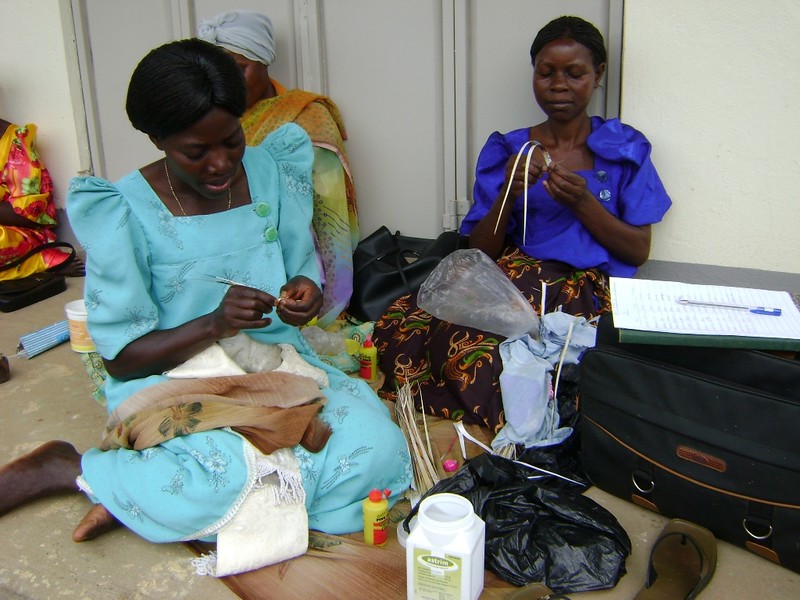
How SEWA Aids Self-Employed Women in IndiaThe vast majority of working women in India are self-employed, operating informally without the social protections and stable incomes that formal employment provides. According to the Ministry of Labour and Employment, 19.7% of employed women in India are self-employed, 6.8% work as casual labor and only 5.3% hold regular wage or salaried positions. Besides their professional obligations, women often undertake extensive unpaid domestic duties such as cooking, cleaning and childcare. Organizations like the Self-Employed Women’s Association (SEWA) play a crucial role in supporting these women by providing resources and advocacy.

SEWA’s Grassroots Support for Self-Employed Women

Founded in 1972 in Ahmedabad, SEWA is one of India’s 12 officially recognized central trade unions. The organization has a membership of 2.9 million. SEWA adopts a grassroots approach, offering microloans, health care, childcare and other benefits to support self-employed women. According to the World Bank, it represents poor women working in India’s informal sector, which constitutes 94% of the Indian workforce.

SEWA’s Philosophy and Operational Strategies

SEWA operates under the Gandhian principles of Ahinsa (nonviolence), Satya (truth), Sarvadharma (inclusivity of all faiths and peoples) and Khadi (promotion of local employment and independence) to achieve its dual goals of full employment and self-reliance. Full employment encompasses complete work, income, food and social security—including health care, insurance, childcare, housing and pensions. SEWA’s 85 composite cooperatives function as localized trade unions empowering women in the informal sector. Additionally, SEWA runs 60 health care centers and a bank with 130,400. Account holders made deposits totaling 454.3 million rupees in 2002. The union also partners with national insurance companies to offer accessible insurance programs, benefitting 11,000 women with 15 million in claims over the decade leading up to 2002.

SEWA’s Response to the COVID-19 Pandemic

SEWA networks have been crucial for supporting informal workers during COVID-19, especially amid harsh lockdowns. Reema Nanavaty, director of SEWA, explained in an interview with the Center for Foreign Relations how SEWA disseminated vital public health information through posters and voice memos to rural communities neglected by government efforts. Leveraging its long-standing initiatives in digital literacy and technology access for impoverished women in urban slums and remote areas, SEWA effectively used digital platforms to spread important health information via social media and WhatsApp. Additionally, SEWA members produced more than 200,000 masks, distributing them to governments, local hospitals and communities.

Despite numerous challenges, self-employed women in India are finding economic empowerment and social uplift through grassroots organizing, collective action and institutionalized labor movements. SEWA exemplifies the significant impact of these ongoing efforts.

Looking Ahead

SEWA’s efforts continue to provide critical support for self-employed women in India, ensuring their access to essential services and resources. By promoting financial inclusion, health care and social security, SEWA empowers these women to achieve greater economic stability and independence. The organization’s proactive response during the COVID-19 pandemic further highlights its vital role. As SEWA expands its initiatives, it remains a beacon of hope for millions of self-employed women across the country.

– Josephine Koch

Josephine is based in New York, NY, USA and focuses on Good News and Technology for The Borgen Project.

Photo: Flickr

July 28, 2024
https://borgenproject.org/wp-content/uploads/borgen-project-logo.svg 0 0 Precious Sheidu https://borgenproject.org/wp-content/uploads/borgen-project-logo.svg Precious Sheidu2024-07-28 03:00:042024-07-27 03:55:18How SEWA Aids Self-Employed Women in India
Business, Development, Economy, Entrepreneurship and Business, Global Poverty

Social Enterprises in Colombia

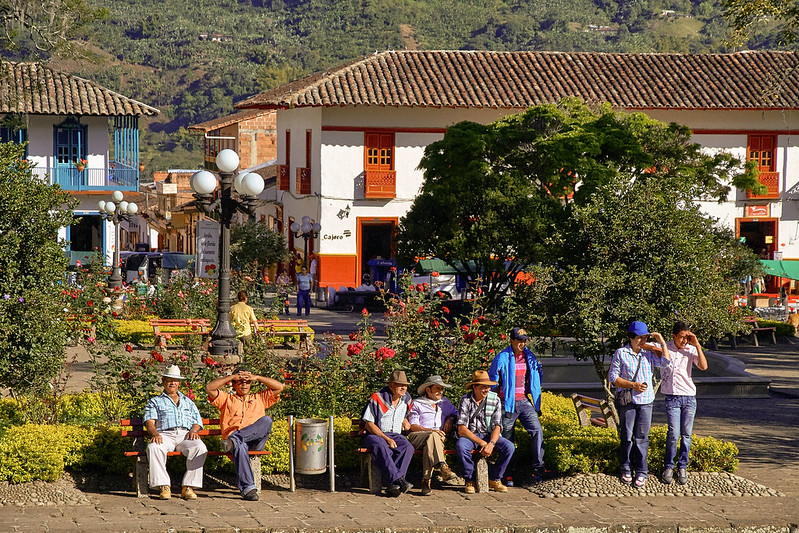
Social Enterprises in ColumbiaColombia is witnessing a transformative wave of social enterprises addressing pressing social issues while generating employment and reducing poverty. These innovative businesses are tackling critical challenges such as waste management, economic inclusion and sustainable agriculture, all while creating jobs and improving the quality of life for many Colombians. 

Tackling Waste with Innovation

Conceptos Plásticos is a leading example of innovation in waste management and housing solutions. This enterprise transforms plastic waste into building materials for affordable housing. In 2018, Colombia produced approximately 14 million tons of municipal waste daily and only 17% is recycled. Conceptos Plásticos reduces plastic pollution, creates jobs and provides sustainable housing solutions for low-income families. The company has already built more than 1,500 homes using recycled plastic. By converting plastic waste into a valuable resource, Conceptos Plásticos significantly impacts both environmental sustainability and social welfare.

Promoting Economic Inclusion

Fundación Capital is another notable enterprise making strides in Colombia. This organization focuses on economic inclusion by offering financial education and digital tools to low-income individuals. In Colombia, approximately 30% of the population lives below the poverty line. Fundación Capital’s initiatives help individuals manage their finances and improve their livelihoods. The organization has reached more than six million people across Latin America with its programs. By empowering people with the knowledge and tools to achieve financial stability, Fundación Capital plays a crucial role in reducing poverty and promoting economic growth. The initiative highlights the importance of financial literacy in achieving long-term economic sustainability.

Advancing Sustainable Agriculture

SiembraViva, a Colombian social enterprise, addresses environmental sustainability and agricultural innovation. Agriculture accounts for about 6.3% of Colombia’s GDP, with many small farmers struggling to maintain sustainable practices. SiembraViva supports small farmers by providing technology and promoting sustainable farming practices. These ongoing efforts improve crop yields and reduce the environmental impact of agriculture. The enterprise has supported more than 1,000 farmers, reducing waste from 30% to 5% and guaranteeing farmers an income. By focusing on sustainable methods, SiembraViva helps ensure that farming practices contribute to long-term ecological health.

The Broader Impact

These social enterprises in Colombia illustrate the powerful role of entrepreneurship in driving social good. By tackling critical issues such as waste management, economic inclusion and sustainable agriculture, these social enterprises are creating jobs and improving the quality of life for many Colombians. Colombia’s unemployment rate, which stood at 11.3% in 2024, underscores the need for job creation initiatives. The innovative solutions provided by Conceptos Plásticos, Fundación Capital and SiembraViva demonstrate the potential of social enterprises to transform economies and uplift communities. As Colombia continues to support and nurture these initiatives, the positive impact on society is expected to grow, contributing to a more sustainable and inclusive future.

– Chelsea Rasool

Chelsea is based in Stirling, Scotland and focuses on Technology and Solutions for The Borgen Project.

Photo: Flickr

July 25, 2024
https://borgenproject.org/wp-content/uploads/borgen-project-logo.svg 0 0 Precious Sheidu https://borgenproject.org/wp-content/uploads/borgen-project-logo.svg Precious Sheidu2024-07-25 07:30:282024-07-26 05:14:51Social Enterprises in Colombia
Economy, Entrepreneurship and Business, Global Poverty

CIRCLE Alliance: Increasing Circular Plastic Economies

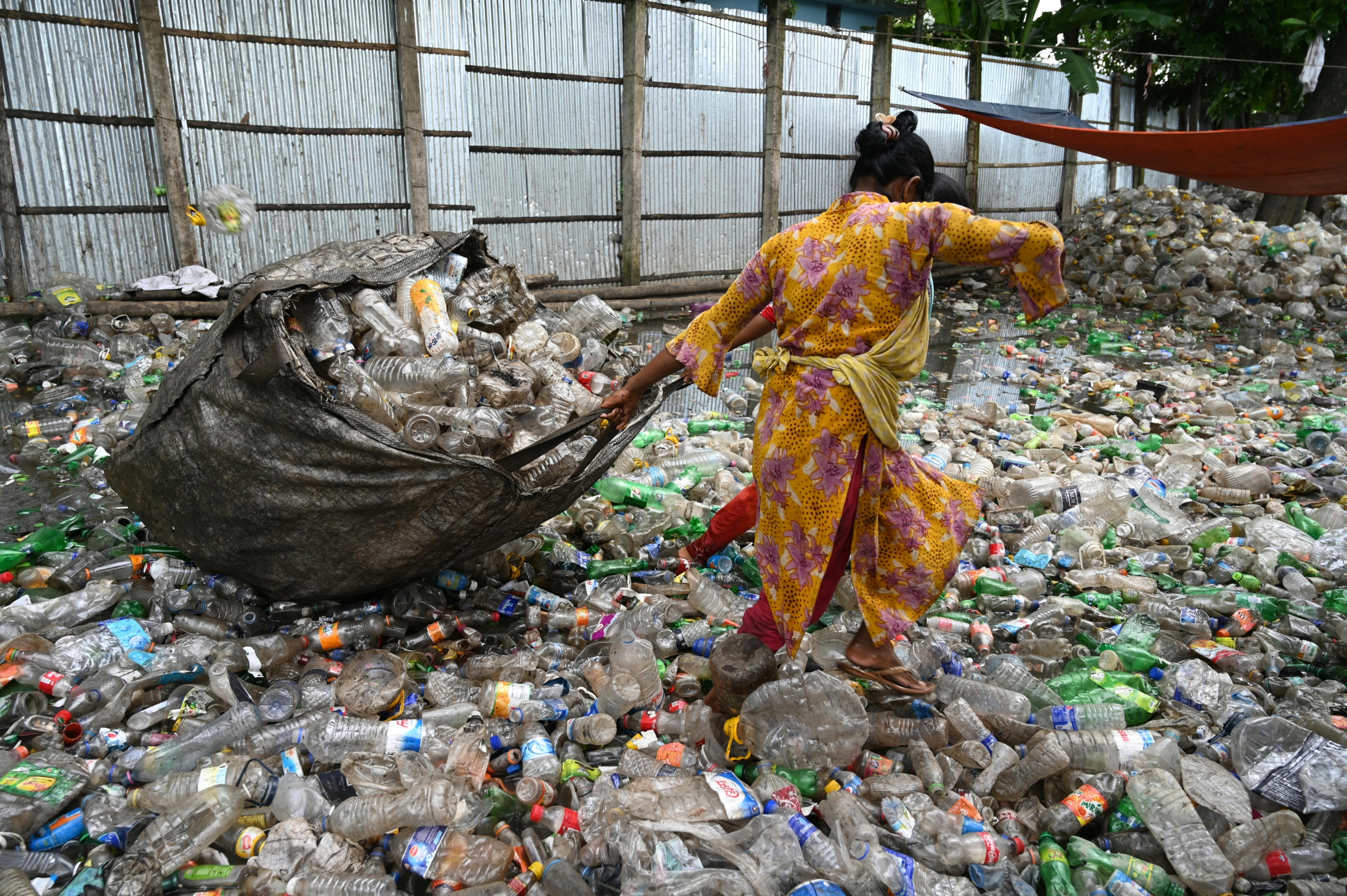
CIRCLE AllianceJune 6, 2024, marked the launch of the new CIRCLE Alliance collaboration. The public company Unilever, the United States Agency for International Development (USAID) and the private organization Ernst and Young (EY) have all partnered to create the CIRCLE Alliance. These organizations are working with entrepreneurs and small businesses that are already established in the plastic waste sector.

They aim to find solutions to scale the work already being done through their $21 million investment. Through this and by focusing on increasing circular plastics economies, CIRCLE will work to reduce the use and waste of plastic products. CIRCLE’s initial plan is to launch projects in four key countries: India, Indonesia, Vietnam and the Philippines. Within these countries, CIRCLE will focus efforts on those who already perform most of the collection and disposal of waste – women.

Plastic in CIRCLE’s Key Countries

  • India produces the most plastic waste in the world, behind the United States (U.S.) and the European Union (EU), with 26,000 tons generated daily. It is also the leader in polymer production, the substance used to create plastic.
  • Indonesia generates just more than 21,000 tons of plastic waste daily. Most of the waste comes from rural locations without proper waste management systems. Most of the waste ends up in waterways, floating down rivers. Only 17% of the waste that makes it into rivers either washes up or is removed.
  • Vietnam’s recent economic growth contributes to the plastic waste problem. The nation produces almost 8,500 tons of plastic waste daily and if it continues on its current path, this amount is projected to double by 2030.
  • The Philippines produces just less than 8,000 tons of plastic waste daily and the country’s coastlines are suffering. Much of the country’s economy is based on coastal work—fishing, tourism and shipping. With 20% of all plastic waste finding its way to the ocean, these industries are being impacted. 

What Are Circular Plastic Economies?

In circular plastic economies, plastic waste is reduced by finding solutions to recycle and reuse plastic products that are currently being thrown away. Plastic, a material used globally, is estimated to double in production in the next 20 years. We are creating and producing new plastics daily and therein lies the problem. The world currently creates more plastic than is recycled for reuse. Currently, 84% of all plastic created is disposed of in landfills, fires or the ocean.

Globally, plastics are mostly operating in a “linear take-make-waste model,” a term coined by the Ellen MacArthur Foundation, a leader in circular economy creation and research. With the introduction of circular plastic economies, the economic value of production is recouped. Additionally, the material does not find its way into the environment.

CIRCLE Alliance’s Investment in Entrepreneurs

CIRCLE Alliance has already shown its dedication to the cause and displayed how circular plastic economies promote poverty reduction. In the Philippines, for example, lives Riza Santoyo. Her inspiring story starts with a self-funded waste-collecting business in her small town. She used the resources available to her to collect waste, making about $2 a day. CIRCLE Alliance’s investment in equipment for Santoyo allowed her to increase not only her efficiency and productivity in waste collection but also her income. The efforts that the CIRCLE Alliance is making in these key countries are at the intersection of sustainability and poverty reduction.

Expand Producer Responsibility

Another initiative to increase circular plastic economies is to expand producers’ and companies’ responsibility for the aftermath of their products. To combat the myth that single-use plastic is the most cost-effective method, USAID, EY and Unilever are working to promote systems of use called Extended Producer Responsibility (EPR Systems). These systems flip the responsibility of waste removal from the consumer to the producer. It forces the producer to evaluate the true cost of their single-use product. This has encouraged companies to make their plastic recyclable and to think of solutions outside of plastic for their products.

– Carlee Unger

Carlee is based in Pembroke, NC, USA and focuses on Global Health and Politics for The Borgen Project.

Photo: Pexels

June 25, 2024
https://borgenproject.org/wp-content/uploads/borgen-project-logo.svg 0 0 Lynsey 2 https://borgenproject.org/wp-content/uploads/borgen-project-logo.svg Lynsey 22024-06-25 07:30:182024-06-29 16:42:34CIRCLE Alliance: Increasing Circular Plastic Economies
Entrepreneurship and Business, Global Poverty, Nonprofit Organizations and NGOs

Acumen: Alleviating Poverty in Developing Nations

AcumenAcumen is a nonprofit global venture fund that uses entrepreneurial approaches to solve poverty. Founded in 2001 by Jacqueline Novogratz, Acumen invests in early-stage companies that provide critical goods and services to low-income communities in various sectors, including health care, education, energy, agriculture and housing.

Green Growth

Acumen reimagines India’s green job revolution. As workers in the waste supply chain struggle to make ends meet due to health and safety issues, Acumen drives innovation in waste collection through coordination, recuperation and reusing. The nonprofit aims to improve salaries and working conditions while moving forward.

By playing upon available technology, Acumen protects waste workers in India by creating access to credit and improving traceability through its investing for impact approach. Recycling waste to create greener products increases worker salaries while improving health and safety in the value chain.

Education Facility in East Africa

Acumen’s innovative approach to making a difference in the education sector is impactful. It funds and supports early-stage social enterprises that provide affordable, high-quality education to underserved communities. Since 2012, it has supported 12 companies, impacting 17 million lives.

By investing in impact, Acumen backs ventures that leverage technology to enhance learning, including companies that develop digital learning platforms and educational software that can reach students in remote areas. By focusing on teacher training and capacity building, the organization improves the skills and knowledge of educators as these initiatives help enhance the overall quality of education.

Agriculture

By supporting companies that help farmers in developing countries access markets more efficiently, Acumen ensures that farmers can sell their produce at fair prices. This includes enterprises that connect farmers directly to buyers, reducing the reliance on intermediaries. The organization supports ventures that develop and distribute agricultural technologies such as improved seeds, irrigation systems and farming equipment, which increases crop yields and farming efficiency.

Through its support of initiatives offering training and capacity building for farmers, including education on farming practices, sustainable agriculture techniques and business skills, Acumen helps farmers sell products and grow in the market. By reducing post-harvest losses and increasing profits, Acumen ensures farmers get their products to market in good condition through its investing for impact approach. Acumen has supported 52 agriculture companies, impacting more than 43 million lives.

Energy

Acumen also invests in renewable energy solutions that distribute technologies such as solar power systems, biogas plants and wind energy solutions, which help to bring clean energy to communities that lack access to reliable power. The charity works with enterprises that provide training and capacity building in renewable energy technologies, help create local jobs, build technical skills and ensure the sustainability of energy projects.

Since 2007, Acumen has deployed more than $89 million for clean energy and supported more than 40 off-grid energy companies, ultimately impacting more than 306 million people globally. This demonstrates Acumen’s commitment to ending energy poverty, especially in developing countries.

Conclusion

Acumen’s innovative approach to investing for impact has demonstrated significant success in alleviating poverty in developing countries. Its strategic funding and support of social enterprises allow it to empower disadvantaged communities and help catalyze sustainable development effectively. Its commitment to patient capital, rigorous impact measurement and leadership development underscores a holistic strategy that goes beyond mere financial investment to create lasting social change.

– Rika Mokal

Rika is based in London, UK and focuses on Good News and Technology for The Borgen Project.

Photo: Flickr

June 20, 2024
https://borgenproject.org/wp-content/uploads/borgen-project-logo.svg 0 0 Lynsey 2 https://borgenproject.org/wp-content/uploads/borgen-project-logo.svg Lynsey 22024-06-20 07:30:162024-06-19 13:12:10Acumen: Alleviating Poverty in Developing Nations
Entrepreneurship and Business, Global Poverty, Technology

Social Media Entrepreneurs in Nigeria

How Social Media Empowers Entrepreneurs in NigeriaNigeria is witnessing a remarkable surge in entrepreneurial spirit, with small and medium-sized enterprises (SMEs) playing a significant role in the economy. As of December 2021, Nigeria hosted at least 39,654,385 micro, small and medium enterprises. These businesses generate 48% of Nigeria’s Gross Domestic Product (GDP), comprise 96% of all businesses and provide 84% of employment. The SME sector and social media are crucial in alleviating poverty and creating jobs in Nigeria. The country’s fintech sector is attracting significant investment, highlighted by OPay securing a record $400 million in 2022, with most of the funding coming from Asia, particularly China. This trend emphasizes the critical role social media and entrepreneurs play in driving Nigeria’s economic growth.

Overcoming Marketing Barriers

The entrepreneurial boom in Nigeria faces challenges with limited market access. Traditional marketing channels such as newspapers and billboards can be costly for startups. Additionally, entrepreneurs often serve only their local customer base due to geographical constraints, which stifles growth and economic progress.

Social media is revolutionizing market access for Nigerian entrepreneurs and playing a crucial role in poverty reduction efforts. As of January 2023, Nigeria boasted 31.60 million social media users, representing 14.3% of its total population.

Empowering Businesses Through Social Media

Social media platforms empower Nigerian entrepreneurs by offering a space to connect with customers, market products and build brand awareness. Entrepreneurs like Mustapha Aishat, who founded @mairachamp.ng, use Instagram to attract customers and offer brand packages. This approach highlights the innovative ways entrepreneurs use social media to expand their business reach.

Recent statistics indicate that 28% of all business activity now occurs online, underscoring the growing importance of the internet in the current business landscape. Consumers increasingly prefer the convenience of online transactions, prompting businesses to expand their online presence to capitalize on this trend.

A January 2024 Forbes report reveals that 4.02 billion people worldwide or 53% of the global population use the internet. Additionally, social media users account for 3.2 billion or 42% of the world’s inhabitants. These figures highlight the presence and growth potential of social media, which empowers entrepreneurs in several ways:

  • Cost-effective Marketing. Social media platforms provide free or low-cost marketing avenues. Entrepreneurs can reach a wider audience compared to traditional advertising’s high costs. This allows them to build brand awareness and attract customers without breaking the bank.
  • Direct Customer Engagement. Unlike traditional advertising, social media supports two-way communication. Entrepreneurs can directly interact with their customers, understand their needs and preferences and build stronger brand loyalty. This valuable feedback allows them to refine their business strategies and offerings to better meet customer demands.
  • Targeted Outreach. Social media advertising empowers entrepreneurs to target specific demographics and reach a broader audience across Nigeria. This ensures their marketing efforts are more efficient and effective. Therefore, maximizing their return on investment.
  • Direct Sales Platform. Social media platforms like Facebook Marketplace and Instagram Shopping enable entrepreneurs to sell products directly to customers across the country and even internationally. This eliminates the need for intermediaries, reduces costs and opens doors to new markets.
  • Real-Time Customer Feedback. Social media interactions provide valuable insights in real time. Entrepreneurs can use this feedback to adapt their products and services, identify areas for improvement and make informed business decisions.

Government Policies Supporting Social Media Entrepreneurship

The Nigerian government recognizes social media’s potential as a catalyst for economic growth and has introduced policies to support entrepreneurs in the digital space. Key policies include:

  • National Broadband Plan 2020-2025. This plan aims to expand broadband access across Nigeria, making it easier and more affordable for entrepreneurs to leverage social media platforms for their businesses.
  • Digital Literacy Programs. The Nigerian government, in collaboration with NGOs and private institutions, promotes digital literacy programs to equip entrepreneurs with the digital skills like social media marketing, needed to leverage social media to drive business growth.
  • NITDA Code of Practice. The NITDA Code of Practice for social media operations guides the activities of platforms like Twitter, Facebook and Instagram within the country. This code aims to protect users while ensuring that platforms act responsibly and support lawful content. It thereby creates a safe environment for entrepreneurs to thrive.
  • National Broadcasting Commission (NBC) Act. The proposed legislation to repeal and reenact the National Broadcasting Commission (NBC) Act reflects the government’s commitment to regulate and oversee digital platforms. The Act ensures that entrepreneurs contribute positively to the nation’s socio-economic development.

Social Media: A Catalyst for Poverty Reduction

Social media directly contributes to poverty reduction in Nigeria by empowering entrepreneurs in the following ways:

  • Creating Income Generation Opportunities. Social media platforms provide new avenues for marketing and sales. It opens doors to new income streams for entrepreneurs. This financial independence is crucial for lifting individuals and families out of poverty.
  • Facilitating SME Growth. The success of social media in empowering entrepreneurs leads to the growth of small and medium-sized enterprises (SMEs). This growth translates to job creation, a critical factor in economic stability and poverty reduction.
  • Supporting Women Entrepreneurs. Social media levels the playing field for women entrepreneurs who may face additional barriers in traditional business settings. By providing a platform where talent and innovation take center stage, social media fosters gender equality and economic inclusion.
  • Expanding Market Reach. Social media removes geographical limitations and provides entrepreneurs the potential to reach a global audience and access larger markets. It also opens doors to larger markets,  increases sales potential and creates new growth opportunities.

Challenges

Although social media offers immense potential, several challenges need addressing. Some of them are as follows:

  • Digital Divide. Limited internet access and digital literacy skills can hinder some entrepreneurs from fully utilizing social media platforms.
  • Online Safety. Educating entrepreneurs about online scams and misinformation is vital for a safe and secure online business environment.
  • Adaptability. The changing nature of social media platforms demands continuous learning and adaptation from entrepreneurs.

Looking Ahead

The trajectory for Nigerian entrepreneurs is increasingly digital, promising greater economic inclusivity and sustainability. Moreover, as social media continues to redefine market dynamics, its role in fostering economic empowerment and reducing poverty could become more pivotal than ever.

– Prince Adewale Adewumi

Prince is based in Akure, Nigeria and focuses on Technology and Solutions for The Borgen Project.

Photo: Unsplash

May 1, 2024
https://borgenproject.org/wp-content/uploads/borgen-project-logo.svg 0 0 Precious Sheidu https://borgenproject.org/wp-content/uploads/borgen-project-logo.svg Precious Sheidu2024-05-01 01:30:472024-05-05 02:51:19Social Media Entrepreneurs in Nigeria
Page 3 of 3123

Get Smarter

  • Global Poverty 101
  • Global Poverty… The Good News
  • Global Poverty & U.S. Jobs
  • Global Poverty and National Security
  • Innovative Solutions to Poverty
  • Global Poverty & Aid FAQ’s
Search Search

Take Action

  • Call Congress
  • Email Congress
  • Donate
  • 30 Ways to Help
  • Volunteer Ops
  • Internships
  • Courses & Certificates
  • The Podcast
Borgen Project

“The Borgen Project is an incredible nonprofit organization that is addressing poverty and hunger and working towards ending them.”

-The Huffington Post

Inside The Borgen Project

  • Contact
  • About
  • Financials
  • President
  • Board of Directors
  • Board of Advisors

International Links

  • UK Email Parliament
  • UK Donate
  • Canada Email Parliament

Get Smarter

  • Global Poverty 101
  • Global Poverty… The Good News
  • Global Poverty & U.S. Jobs
  • Global Poverty and National Security
  • Innovative Solutions to Poverty
  • Global Poverty & Aid FAQ’s

Ways to Help

  • Call Congress
  • Email Congress
  • Donate
  • 30 Ways to Help
  • Volunteer Ops
  • Internships
  • Courses & Certificates
  • The Podcast
Scroll to top Scroll to top Scroll to top