• Link to X
  • Link to Facebook
  • Link to Instagram
  • Link to TikTok
  • Link to Youtube
  • About
    • About Us
      • President
      • Board of Directors
      • Board of Advisors
      • Financials
      • Our Methodology
      • Success Tracker
      • Contact
  • Act Now
    • 30 Ways to Help
      • Email Congress
      • Call Congress
      • Volunteer
      • Courses & Certificates
      • Be a Donor
    • Internships
      • In-Office Internships
      • Remote Internships
    • Legislation
      • Politics 101
  • The Blog
  • The Podcast
  • Magazine
  • Donate
  • Click to open the search input field Click to open the search input field Search
  • Menu Menu

Archive for category: Employment

Agriculture, Employment, Global Poverty

Ekti Bari Ekti Khamar: How Enterprise is Transforming Bangladesh

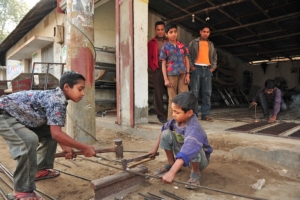
Ekti Bari Ekti KhamarBangladesh has unfortunately lived through a tumultuous history – fighting for its independence and undertaking a long road to recovery which persists. This resulted in 80% of people living below the low-income level in Bangladesh just after independence in 1971. Thankfully, the poverty rate has halved in the last three decades, since 1990. This is remarkable and displays the efforts made by this resilient nation towards improving the living standards of its people. A pivotal government scheme that contributed to this decrease is Ekti Bari Ekti Khamar (One House One Farm). It is a Bangladeshi government social welfare program that focuses on using and encouraging enterprises to make a difference in a highly agrarian society.

Ekti Bari Ekti Khamar

Ekti Bari Ekti Khamar focuses on encouraging farming and welfare practices in rural Bangladesh as a means of alleviating poverty. This focus on enterprise has changed the lives of 470,556 people since its inception in 2009.

Agriculture is naturally one of the largest producing sectors in Bangladesh, with approximately 13.31% of its GDP being dependent on it. Furthermore, 43% of the total Bangladeshi labor force are agricultural employees. This has rendered the sector appropriate to focus on for a poverty alleviation program. With this program, the government grants small sums in the form of loans to poor Bangladeshi people to encourage enterprise and improve their living standards.

The Story of Selina

A prime example of the success of Ekti Bari Ekti Khamar is Selina. The job of Selina’s husband was not well-paying, which rendered living a normal life “tough.” They could not maintain their family and expenses, which changed with Ekti Bari Ekti Khamar. Selina, alongside seven other women, decided to change their lives by purchasing a sewing machine and beginning to sell clothes, according to The Daily Messenger. After this, they opened a shop and took a loan from Palli Sanchay Bank as a means of funding the shop and investing in its growth.

Palli Sanchay Bank is the bank responsible for running Ekti Bari Ekti Khamar, and its role is to provide low-interest loans per this initiative. She was soon able to repay the initial loan and sought another one with the hopes of expanding and operating her business on a much larger scale, The Daily Messenger reports. Eventually, her business expanded immeasurably, and her clothes store was found to have changed the lives of Selina and her husband. This was, of course, in addition to the several other women involved with Selina’s store, as she also helped increase employment opportunities for the impoverished in her community by providing them with jobs.

These helpers earned “250 to 300 Taka each day” and Selina’s monthly income now stands at “Taka 50,000 to 60,000 each day.” In addition to the salary by her husband, Selina and the women in her store are now able to lead more comfortable lives.

Tackling Poverty in Bangladesh

Enterprise has been effective in tackling poverty in Bangladesh. Ekti Bari Ekti Khamar has improved the lives of many impoverished people in the country. Furthermore, it has proved that enterprise-focused initiatives can help with the development and prosperity of a nation. Taking small, positive steps in the right direction involves advocacy and amplifying the aims/results of great initiatives like these, to ensure greater visibility and eventually more parity on the global stage.

– Disheta Anand

Disheta is based in Dubai, United Arab Emirates and focuses on Politics for The Borgen Project.

Photo: Flickr

September 2, 2024
https://borgenproject.org/wp-content/uploads/borgen-project-logo.svg 0 0 Naida Jahic https://borgenproject.org/wp-content/uploads/borgen-project-logo.svg Naida Jahic2024-09-02 01:30:212024-09-02 07:27:19Ekti Bari Ekti Khamar: How Enterprise is Transforming Bangladesh
Africa, Employment, Global Poverty

Inequality and Unemployment in South Africa

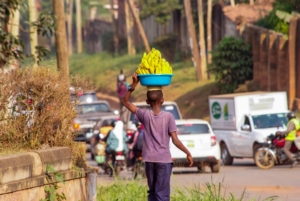
unemployment in South AfricaIn 2023, more than half of South Africa’s population lived in poverty. According to the World Bank’s upper middle-income poverty line of $6.85 per day, the rate was 61.6%. Over the last decade, South Africa has faced a period of slow economic growth. This has reduced the number of available jobs, preventing many people from securing a stable income and thus reinforcing the high poverty rate. Unemployment is a major problem in South Africa, but the factors that cause and contribute to it are multifaceted.

South Africa has a long history of structural inequality. In the early 20th century, Apartheid legally systematized racial inequality with laws that limited Black people’s productive ownership of land and specified which schools, houses and jobs were available to people based on their race. Though South Africa ended Apartheid in 1994 and eradicated most discriminatory policies of the era, those policies are still impacting society today. This article will focus on how structural inequality exacerbates poverty and unemployment in South Africa.

Unemployment in South Africa

South Africa has an unemployment rate of 32.9%. There could be two main reasons for this: a lack of jobs to accommodate the nation’s growing labor force and structural inequality of opportunity.

Economic growth and employment opportunities are closely related — typically, greater economic growth results in lower unemployment. South Africa’s slow economic growth is thus a major contributor to high levels of unemployment. As of 2023, its economy grew by only 0.6%, and despite the addition of 790,000 new jobs that same year, the rate of job creation was not sufficient to account for the growing labor force, causing the unemployment rate to rise.

Structural inequality of opportunity also reinforces unemployment — this is particularly noticeable when examining the racial demographics of South Africa’s unemployed. In the first quarter of 2024, people of color had noticeably higher rates of unemployment — for example, Black South Africans had an unemployment rate of 36.9%, compared with 9.2% for their white counterparts.

Racial Inequality and Unemployment

In 2022, the World Bank labeled South Africa one of the most unequal countries in the world, based on its levels of economic and educational inequality of opportunity, among other factors.

Economic inequality is a major problem in South Africa. The nation’s income distribution consists of a large number of low-income earners, a small middle class, and only a few high-income earners, according to the World Bank. Al Jazeera reports that the wealthiest 10% of South Africans accounted for 80% of all wealth in 2022.

The World Bank then cited race as a major driver of inequality in South Africa, given its influence on economic and educational opportunity. According to Amnesty International in 2020, Black households in South Africa earned roughly 20% less than white households, and nearly half of the Black population lived below the poverty line, compared with less than 1% of the white population.

Education

Inequality is also pervasive in schools. Students in the top 200 schools achieve more mathematics distinctions than children in the next 6,600 schools combined. The nation’s child literacy rate is equally worrying: more than three-quarters of children aged nine cannot read for meaning.

These numbers are closely tied to racial inequality. An article in Oxford Academic notes that, while South Africa legally abolished segregation in 1994, most schools are still segregated on racial and socioeconomic lines. According to Amnesty International, “schools serving white communities” tend to be more properly resourced than those designed for (and predominantly attended by) students of color.

De facto segregation in South African schools prevents many children of color from accessing quality education. This, in many cases, serves as an obstacle for their attending university and acquiring skills to help them secure jobs. It also exacerbates the unemployment rate. The majority of South Africa’s population are people of color, many of whom come from disadvantaged backgrounds due to Apartheid-era policies and, as a result, do not have access to key economic and educational opportunities. This makes the demand for certain jobs overwhelming.

Fighting Unemployment in South Africa

Several organizations are working to address South Africa’s high unemployment rate, focusing specifically on communities with disadvantaged socioeconomic backgrounds.

Ikamva Labantu is a nonprofit organization that supports community-led projects to harness the nation’s potential and improve the lives of its citizens. It works in townships across South Africa and holds the firm belief that communities can and should lead themselves — the organization only provides the support and resources they need to accomplish their goals. Ikamva Labantu consists of roughly 100 field workers who work at the individual level, focusing specifically on early child development and the well-being of the elderly. The organization partners with other NGOs, community-based organizations, government departments and donors to further their goals.

Siyabonga Africa also aims to reduce South Africa’s poverty rate, focusing specifically on employing disadvantaged people in need. It offers programs and courses to teach its clients the skills and knowledge they can use to become self-supported. Over the past year, Siyabonga Africa has provided 600 households with food vouchers, offered 700 training courses, established 100 home food-gardens and created 242 new jobs. It supports entrepreneurship at the grassroots level to alleviate poverty and unemployment rates in South Africa, creating more jobs for people in need.

Looking Ahead

Inequality and unemployment in South Africa are multifaceted problems rooted in a complex history. But with organizations like Ikamva Labantu and Siyabonga Africa working at the grassroots level to help disadvantaged South Africans become self-supported, the nation can reduce its high unemployment rate and close its gap of income inequality.

– Lana Swindle

Lana is based in Princeton, NJ, USA and focuses on Global Health and Politics for The Borgen Project.

Photo: Unsplash

August 16, 2024
https://borgenproject.org/wp-content/uploads/borgen-project-logo.svg 0 0 Naida Jahic https://borgenproject.org/wp-content/uploads/borgen-project-logo.svg Naida Jahic2024-08-16 07:30:322024-08-16 02:18:57Inequality and Unemployment in South Africa
Employment, Global Poverty, Women and Female Empowerment

Women’s Cooperatives in India

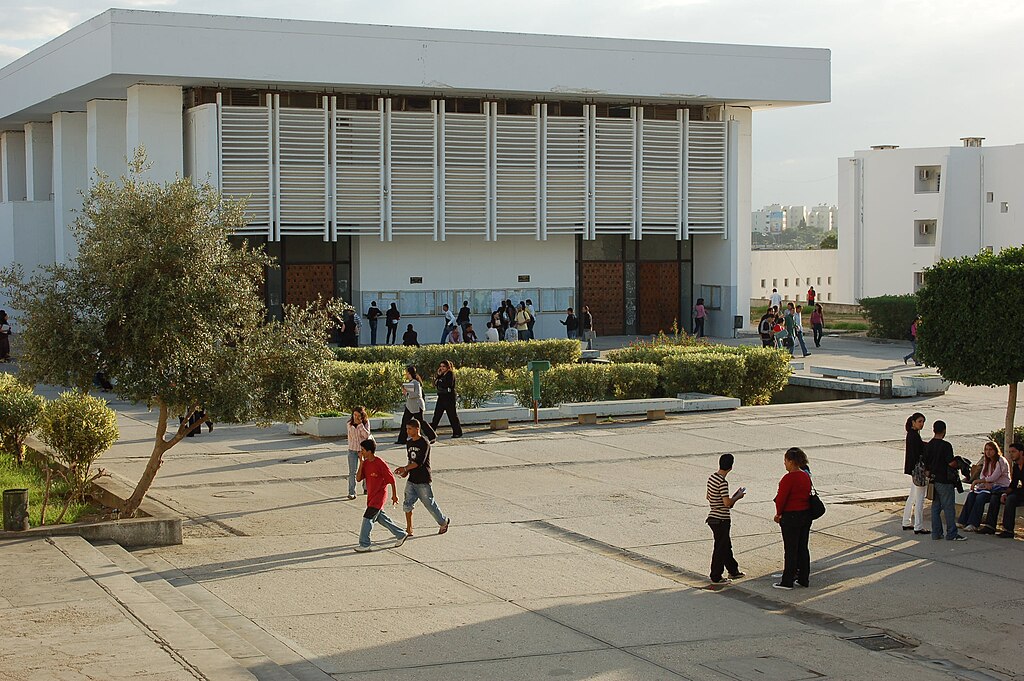
Women's Cooperatives in IndiaIndia’s female population constitutes 48.4% of the total population. As of 2023, only 28.7% of the female population was in the labor force and according to the International Labor Organization (ILO), 81.8% of working women in India are employed in the informal sector. Workers in the informal sector do not enjoy job security or benefits. Legal frameworks do not protect them and they do not possess worker rights compared to those employed in the formal sector.

Women’s cooperatives in India aim to mend this employment disparity by providing legal employment and financial independence to impoverished women working in the informal sector. This thereby empowers them to sustain themselves by participating in social and economic activities. Two significant women’s cooperatives in India are the Self-Employed Women’s Association (SEWA) Cooperative Federation and the Indian Cooperative Network for Women (ICNW).

SEWA

India’s first women’s cooperative, SEWA, was founded in Gujarat by Ela Bhatt in 1972. SEWA brings together women employed in the informal sector and strives to improve their economic conditions, “drive social change,” and fight for female workers’ rights. SEWA’s vision and mission is to empower poor women by ensuring that they achieve “full employment and self-reliance at the collective and the member level.”

As of 2024, SEWA consists of 300,000 women workers, 112 women’s cooperatives and operations running more than six sectors. The organization provides “fair employment and decent work” for women, catering to their needs as female workers. Through its cooperatives, SEWA provides financial, health care, insurance, communication, production and housing services, among others, to benefit women in the informal sector. Overall, SEWA aims to provide economic and social security to poor women through income, employment, access to credit, improved housing, education and access to health care.

ICNW

Initiated by Jaya Arunachalam in 1981, the ICNW is the first South-Indian women’s cooperative “for, by and of poor women.” It provides opportunities for poor women to learn new skills, secure employment and obtain easy access to credit. The cooperative’s vision, mission and objective are to alleviate female poverty, give marginalized women a voice and support women by empowering them to be financially self-reliant.

The ICNW has lent loans amounting to Rs.3,456 million (approximately $41 million) to more than 500,000 women from thousands of slums and villages in three South Indian states: Tamil Nadu, Andhra Pradesh and Karnataka. The group has 14 cooperative branches spread across South India, ensuring that women working in the informal sector become financially independent, receive credit at low interest rates, learn to fight for their rights as female workers and lead the way to mobilize other women to achieve socioeconomic stability.

Final Remark

As Dr. Patel and Dr. Sethi from the National Institute for Transforming India (NITI) Aayog state, encouraging “cooperative models that integrate capacity building, education, skill, training, engagement of youth and women” can help achieve the “dual targets of [India] becoming a $5 trillion economy while fulfilling commitments of U.N.-SDGs targets.”

Many such women’s cooperatives in India have taken the initiative to lift vulnerable women out of poverty by making them socially and economically self-reliant. SEWA and ICNW are two examples of organizations working toward improving the quality of life of women in India’s informal sector.

– Adya Umesh

Adya is based in Bangalore, Karnataka, India and focuses on Good News for The Borgen Project.

Photo: Pexels

July 9, 2024
https://borgenproject.org/wp-content/uploads/borgen-project-logo.svg 0 0 Hemant Gupta https://borgenproject.org/wp-content/uploads/borgen-project-logo.svg Hemant Gupta2024-07-09 07:30:012024-07-09 03:37:38Women’s Cooperatives in India
Economy, Employment, Global Poverty

Poor Labor Conditions in Uganda: How Are Citizens Affected?

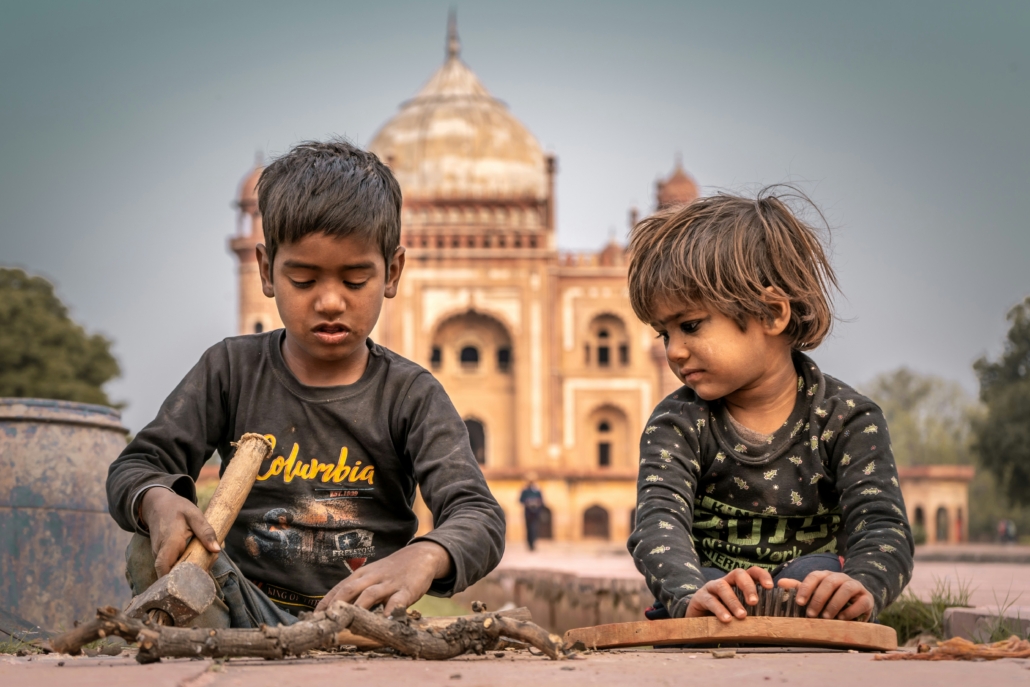
Labor Conditions in UgandaAs Uganda continues to expand its manufacturing industries, such as food processing, textile production and metal fabrication, there’s a higher demand for laborers across the nation. Currently, Uganda has one of the largest labor forces in sub-Saharan Africa, totaling 6.9 million workers in 1993. However, with 42% of citizens of Uganda less than the age of 14, the government has found it difficult to provide proper training, education and labor conditions. As a result, Uganda continues to be an undeveloped country with high levels of “vulnerable employment,” leading to inadequate salaries, low productivity and unsafe labor conditions.

Low Minimum Wages

Uganda’s poor working conditions are a huge reason why the country remains undeveloped. From low wages to extensive working hours to unsafe working environments, Uganda’s workforce is a potential threat to the health and safety of citizens. In 2017, Uganda upped its minimum wage from UGX 6,000 (About $1.60) per month to UGX 130,000 (About $35.08) per month.

While this has been a win for Ugandan citizens, this minimum wage almost exclusively applies to formal vocations. Other sectors of work, such as manufacturing, laboring and processing, remain vulnerable and uncovered. The cost of living continues to increase in Uganda, leaving those uncovered by minimum wage at a loss of proper shelter, nutrition and working conditions.

Lack of Training

Uganda has a significant youth population in sub-Saharan Africa. However, due to the lack of proper vocational training, nearly 13% of the youth are unemployed. This is one of the main factors contributing to Uganda’s high poverty and unemployment rates. Lack of training in Uganda especially affects young women.

A high school dropout, Evelyn Nakabuye, who lives on the outskirts of Kampala, survived years of joblessness due to the lack of proper training. She lived in a small house with her four children and her mother. However, in 2018, Nakabuye enrolled in a training program known as TEXFAD, which teaches carpet design in weaving. After just six months in the academy,

Nakabuye is now self-sufficient enough to own her own home and take care of her children. “This fund has really helped me,” Nakabuye said. “And it has changed my life.”

Low-Labor Productivity

Due to inadequate salaries and improper training, many Ugandans are at risk of low-labor productivity. Low labor productivity makes it difficult to generate morale among employees, profitability and high performance. The International Trade Union Confederation (ITUC) states that 70% of Ugandan employees work without a legal or written contract, despite it being a legal requirement for the employer to provide an employment contract for each employee. This is just one of the ways in which companies in Uganda sabotage the collective voices of workers in order to profit themselves.

Solutions

By introducing more reasonable salaries, training programs and working conditions, Uganda can begin to emerge from global poverty and economic crisis. Uganda’s Skills Development Project, for example, delivers high-quality training programs in Agriculture, construction and manufacturing.

As one of the rapidly growing economies in sub-Saharan Africa, Uganda is investing in proper training, funding and salaries to keep pace with the rest of the world. By ensuring that employees have safe, comfortable working conditions, proper education and adequate earnings, Uganda can work itself out of global poverty and thrive as a nation.

– London Collins Puc

London is based in West Palm Beach, FL, USA and focuses on Global Health for The Borgen Project.

Photo: Unsplash

July 4, 2024
https://borgenproject.org/wp-content/uploads/borgen-project-logo.svg 0 0 Hemant Gupta https://borgenproject.org/wp-content/uploads/borgen-project-logo.svg Hemant Gupta2024-07-04 03:00:102024-07-03 05:35:15Poor Labor Conditions in Uganda: How Are Citizens Affected?
Page 9 of 9«‹789

Get Smarter

  • Global Poverty 101
  • Global Poverty… The Good News
  • Global Poverty & U.S. Jobs
  • Global Poverty and National Security
  • Innovative Solutions to Poverty
  • Global Poverty & Aid FAQ’s
Search Search

Take Action

  • Call Congress
  • Email Congress
  • Donate
  • 30 Ways to Help
  • Volunteer Ops
  • Internships
  • Courses & Certificates
  • The Podcast
Borgen Project

“The Borgen Project is an incredible nonprofit organization that is addressing poverty and hunger and working towards ending them.”

-The Huffington Post

Inside The Borgen Project

  • Contact
  • About
  • Financials
  • President
  • Board of Directors
  • Board of Advisors

International Links

  • UK Email Parliament
  • UK Donate
  • Canada Email Parliament

Get Smarter

  • Global Poverty 101
  • Global Poverty… The Good News
  • Global Poverty & U.S. Jobs
  • Global Poverty and National Security
  • Innovative Solutions to Poverty
  • Global Poverty & Aid FAQ’s

Ways to Help

  • Call Congress
  • Email Congress
  • Donate
  • 30 Ways to Help
  • Volunteer Ops
  • Internships
  • Courses & Certificates
  • The Podcast
Scroll to top Scroll to top Scroll to top