Adaro Energy and Its Impact in Indonesia
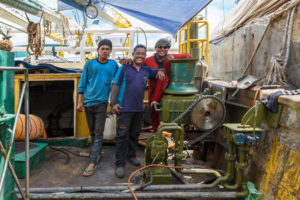 In 2004, Edwin Soeryadjaya, a prominent Indonesian businessman from the wealthy Soeryadjaya family, founded Adaro Energy. The company was established to develop and manage coal resources, particularly in South Kalimantan, Indonesia. As one of Indonesia’s largest energy companies, Adaro Energy aims to provide thousands of jobs across mining, logistics and corporate functions. It focuses on rural regions where mining is a key livelihood, helping reduce poverty rates in these vulnerable areas.
About Coal Mining in Indonesia
According to the Ministry of Energy and Mineral Resources (ESDM), in 2024, Indonesia’s coal sector reached a record high, with national coal production hitting 830.48 million tons, surpassing the target of 710 million tons by 116.97%. This statistic highlights Indonesia’s coal mining market achieving record-high productivity levels in history, including 2023, where production remained at an all-time high.
Indonesia’s government policies in the 1990s promoted eco-friendly, high-quality mining practices and reopened foreign investments. As a result, coal mining has remained a major economic driver, positioning Indonesia among the top five coal-producing countries globally for the past 20 years.
Coal Mining and Rural Poverty Reduction in Indonesia
East Kalimantan, the most intensively mined province, held 42% of Indonesia’s national coal reserves in 2020. Despite being a major coal hub, East Kalimantan’s poverty rate remained at 7.54% in 2021, placing it among Indonesia’s provinces experiencing poverty.
Despite persistent poverty in rural areas like East Kalimantan, South Kalimantan and South Sumatra, Indonesia has made remarkable progress in poverty reduction. The country’s poverty rate has dropped from 11.9% in 2012 to 9.4% in 2023.
According to Jakarta Globe ID, this achievement stems from rapid economic growth driven primarily by mining, alongside improvements in agriculture and forestry, which are closely linked to mining activities. Despite challenges, Kalimantan’s rural areas maintain the lowest poverty rate due to coal mining investments from major companies like Adaro Energy.
Adaro Energy’s Impact on Rural Jobs
Adaro Energy employs more than 5,000 personnel, 70% of whom are of Kalimantan origin. While headquartered in South Jakarta, the company operates in South and Central Kalimantan, creating jobs in these regions and nearby rural areas.
The company emphasizes employee development through programs like the Adaro Mining Professional Program (AMPP) and sustainability training, focusing on technical and leadership skills. By actively recruiting fresh graduates and local community members, Adaro Energy addresses local job market challenges and engages local talent.
Additionally, Adaro Energy promotes a work-life balance culture, offering health and wellness programs, performance bonuses and opportunities to participate in Corporate Social Responsibility (CSR) initiatives, ensuring employee well-being and community impact.
The Future
While the company focuses on eco-friendly coal mining, it also enhances employability through diverse job opportunities and training programs. An example is the Adaro Learning Management System, which offers management and technical skills courses.
Additionally, Adaro Ignites Education provides mentoring, scholarships and support for Islamic boarding schools, targeting rural and underrepresented communities. These initiatives aim to create extensive career prospects for all employees and locals. To date, the firm has offered scholarships to more than 250 students.
Adaro Energy’s investments in coal mining, education and employment have significantly contributed to rural development in Indonesia. By fostering economic growth, reducing poverty and creating career opportunities, the company continues to shape local communities. Its commitment to sustainable practices ensures long-term benefits for both the industry and the people it supports.
– Liubov Linnyk
Liubov is based in London, UK and focuses on Business and New Markets for The Borgen Project.
Photo: Wikimedia Commons
