The Reasons Homelessness in Monaco Does Not Exist
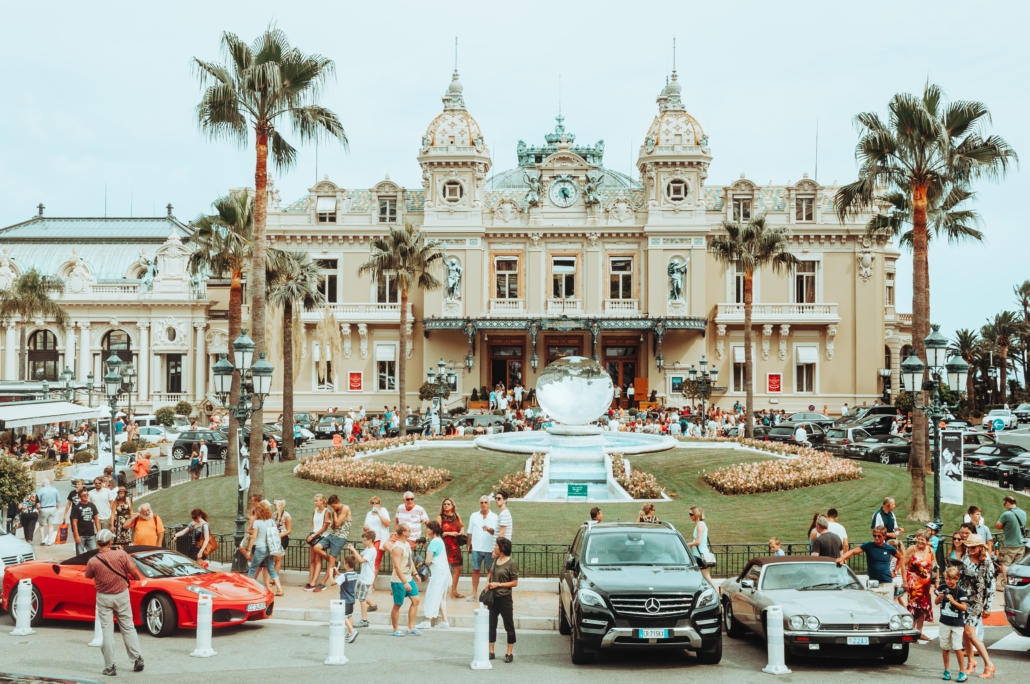
Monaco immediately brings to mind extravagant casinos, roaring race cars and lavish yachts. This impression is a correctly informed one as the GDP per capita in the nation is $234,317, making it one of the wealthiest countries in the world. With almost 68% of the population consisting of foreigners taking up residence in the country, and ethnic Monegasques generally being very wealthy, the absence of data about homelessness in Monaco is not surprising; homelessness simply does not exist. However, the reasons for this fact are much more nuanced than “everyone is rich.” An analysis of the Principalities’ institutions, economy and culture, provides useful insight into how the nation effectively removed homelessness from its society.
The Government
The Grimaldi dynasty has ruled the Principality of Monaco, a constitutional monarchy, since 1914. Additionally, it has a unicameral legislature with 24 seats and a judicial branch with seven members. Elections for the legislature undergo calculation through both simple majority and proportional representation, creating a fair and equitable system. Any Monegasque citizen over the age of 18 can vote in elections.
The prince and his government are adamant about providing a strong social safety net for the country’s citizens and residents. These services include rent-controlled housing, free apartments for those who need them and health care. Access to these services depends on one’s status with the government. Naturally, Monegasque nationals receive top priority to all of the government services. Additionally, the state provides benefits, such as health care, to non-citizen residents.
The Economy
Monaco’s economy centers on service. Tourism and banking are the biggest industries in the nation, creating the $7.6 billion RGDP that the country had in 2015. The state takes a very pro-business approach toward its development. The government’s website states that modernizing business law and incentivizing firms to relocate to the principality will create a high level of economic activity within the country and its surrounding region, which has been true. This strategy is coupled with the relatively simple process of acquiring residency, which strongly influences investment in the principality. Further, all a person needs is proof of accommodation and proof of self-sufficiency to become a resident, making it, bureaucratically speaking, a fairly simple process to obtain the status.
Culture
Despite the government’s accommodations, the citizenship process is a long and difficult one. With citizenship comes many benefits such as guaranteed health care, efficient rent-controlled housing, a promise of education and a plethora of other services so, naturally, the government is not handing it out to anyone who asks. The easiest way to gain citizenship is to be born from Monegasque parents. If not, individuals must live in Monaco for at least 10 years before they can even be considered for the application, and if approved, they must relinquish all other citizenship.
The rigorous path to residency and naturalization reveals an important cultural phenomenon when thinking about the lack of homelessness in Monaco. Due to the high standards of citizenship and the long history between the people and the state, Monegasques have formed a strong national identity. Further, this relationship has created a sense of camaraderie and responsibility from person to person, person to state and state to person. This nation-building process makes the elimination of homelessness possible, as institutions and society work in conjunction to maintain a standard of living for everyone within the ingroup.
While Monaco is the land of the super-wealthy, the reason for the lack of homelessness is a nuanced discussion. Through the country’s effective institutions and tight-knit community, it has been able to eliminate homelessness within its borders by utilizing a strong social safety net.
– Eduardo Gonzalez del Valle
Photo: Pexels
