Updates on SDG 7 in Lebanon
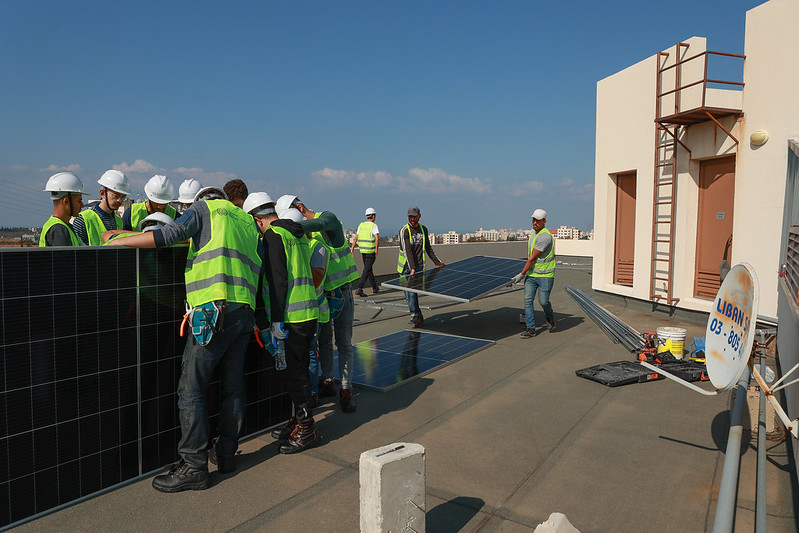 The country of Lebanon is engaged in a war which the actual state of Lebanon has neither the power to begin or end, and has been suffering from the same financial crisis since 2019. In addition to a refugee crisis that has heightened sectarian strife to unprecedented levels, an energy shortage seems to be a little more than the country can handle. The United Nations’ Sustainable Development Goals, however, have halted much of the damage of these issues, and in some areas such as renewable energy has begun reversing them. Here are the updates on SDG 7 in Lebanon.
What Is Wrong With Lebanon’s Energy Sector?
Since the Lebanese Civil War (1975-1990), the Lebanese people have been suffering from an electricity shortage, forcing the state-owned electricity company Électricité du Liban (EDL) to ration out its supply, ranging from three to six hours every day.
For the rest of the day, Lebanese people have to manage their own energy source, with most of the population renting out private generators and hooking them directly to their house supplies. The hyperinflation of the Lebanese Lira (145%) meant that fossil fuels were up to six times more expensive. Up to 90% of households cut back on their energy costs to afford basic services. Also, 20% of low-income households were not able to afford generators at all.
U.N.’s “Lebanon Green Investment Facility”
As a result of Lebanon’s inefficient, expensive and polluting electrical infrastructure, there has been an interesting pivot toward renewable energy, namely solar. However, because of poor toxic waste management and the lack of trust the Lebanese people have toward private initiatives, the “solar revolution” has yet to take off.
The United Nations Development Programme (UNDP) saw the potential of this nascent revolution. In collaboration with Cedar Oxygen SAS and the Ministry of Environment, it created the “Lebanon Green Investment Facility.”
This private investment impact fund aims to help Lebanon decrease its greenhouse gas emissions by 20%, with an emphasis on “renewable energy, sustainable agriculture, water conservation, and climate-smart infrastructure […].”
Today’s Updates on SDG 7 in Lebanon
Since the initiation of the Sustainable Development Program in 2015, the United Nations has facilitated the entry of almost $60 million into Lebanon towards building the necessary infrastructure for renewable energy.
The America Near East Refugee Aid (ANERA), which is partnered with the UNHCR and UNICEF, is an example of one of these businesses that is seeking to revolutionize Lebanon’s renewable energy sector. Along with Direct Relief, ANERA has, since 2022, begun funding solar panel installation in medical centers, successfully increasing patient capacity by 32%.
Since 90% of Lebanon’s population lives in urban areas, ANERA has shifted its focus to some of the country’s most underserved areas. This includes Akkar, Tripoli and Saida. The installation of solar arrays at centers there will provide uninterrupted electricity to more than 100,000 people.
The United Nations’ updates on SDG 7 in Lebanon have shown some improvement in the energy sector. We now know that not only is this feat possible, but that it will create hundreds of thousands of jobs, positively impacting most if not all of Lebanon’s Sustainable Development Goals.
– Carl Massad
Carl is based in Chandler, AZ, USA and focuses on Technology and Solutions for The Borgen Project.
Photo: Flickr
