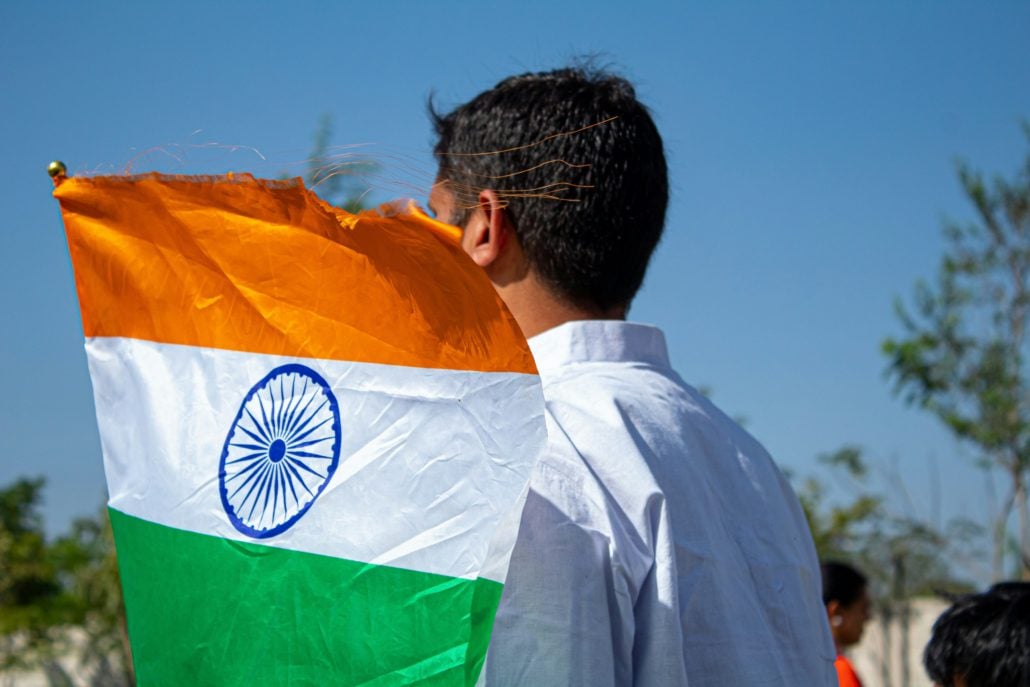
 For millions of Indian students, education can shape future employment and economic opportunity. This is especially true for students taking the National Eligibility-cum-Entrance Test (NEET-UG), the national entrance examination for undergraduate medical education in India. In 2026, concerns surrounding a NEET paper leak became part of a wider movement of youth activism in India, as young people called for greater accountability in an examination system that can influence access to professional careers.
From Satire to Civic Action
One of the most visible figures in this movement is Abhijeet Dipke, a 30-year-old political communications strategist from Maharashtra. Dipke, who studied journalism in Pune and later public relations in the United States, created the Cockroach Janta Party (CJP), a satirical political movement that grew into a platform for young Indians frustrated by unemployment, examination controversies and other concerns.
The CJP began after Dipke responded on May 16 to remarks by Chief Justice of India Surya Kant that referred to unemployed young people and social-media activists as “cockroaches.” Dipke adopted the term for his satirical party, turning an insult into an online identity. As the movement gained followers, its discussions expanded to issues including unemployment, education and government accountability.
What began online eventually moved into public demonstrations. CJP supporters gathered in New Delhi and called for changes to the examination system and greater government accountability. The movement illustrates how social media can become an entry point into civic participation for young people who may not be involved in established political organizations. This form of youth activism in India also brought economic concerns into the conversation, including the connection between education, employment and opportunity.
Why NEET Matters for Poverty
The importance of NEET extends beyond admission to medical school. Students from lower-income households can face financial barriers throughout the preparation process, including the costs of coaching, books, practice materials, transportation and repeated attempts. When an examination is disrupted, those costs can create additional pressure for families that have fewer resources to absorb unexpected expenses.
Poverty can also limit educational opportunities in less visible ways. UNICEF describes poverty as involving not only income, but also deprivation in areas such as education, health, housing and other basic needs. In India, 248 million people were estimated to have moved out of multidimensional poverty between 2013-14 and 2022-23, demonstrating progress while also highlighting the importance of continuing investments that reduce barriers to opportunity.
Education can play an important role in that process. The World Bank describes education as a foundation for skills, employment and earnings and identifies it as an important pathway toward poverty reduction. For students from economically disadvantaged families, access to reliable education and fair examinations can therefore affect more than academic results; it can influence their ability to pursue careers that provide greater economic stability.
Young People Demand Accountability
As concerns over NEET grew, CJP demonstrations focused increasingly on accountability within the education system. Protesters called for the resignation of Union Education Minister Dharmendra Pradhan, while activist and educator Sonam Wangchuk also joined demonstrations, bringing additional national attention to the movement. The protests continued as youth representatives and government officials held discussions about the concerns surrounding the examination.
On July 25th, Pradhan resigned as Union Education Minister amid continuing protests, opposition criticism and political pressure surrounding the examination controversy. CJP supporters viewed the resignation as a significant development, although the political pressure surrounding the government came from multiple sources. The movement nevertheless demonstrated the ability of young organizers to bring education and economic concerns into national public debate.
Current Efforts Toward Greater Opportunity
Reforming examination security is one part of addressing the problem, but reducing financial barriers to education is another. India’s government operates scholarship programs intended to support students from economically weaker families. The Central Sector Scheme of Scholarship for College and University Students, for example, provides financial assistance to meritorious students from poorer families to help with educational and living expenses.
Meanwhile, examination reform remains under consideration. The Centre has told the Supreme Court that it is considering shifting NEET-UG from its current paper-based format to computer-based testing, potentially using a model similar to the Joint Entrance Examination. The Supreme Court is scheduled to hear the matter on August 19, 2026. A change in format could address some vulnerabilities associated with physical question papers, although secure technology, testing infrastructure and accessibility would also need to be considered.
Looking Ahead
For India’s young people, youth activism in India has become a way to raise questions about how education systems affect their futures. The NEET controversy has shown that examination security and affordability are connected to a larger issue: whether students from different economic backgrounds have a fair chance to pursue education and improve their circumstances. As India continues reducing poverty and expanding educational opportunity, reforms that make examinations more secure while supporting students who face financial barriers could help ensure that academic potential is not limited by economic circumstances.
– Anvitha Nakka
Anvitha is based in Frederick, MD, USA and focuses on Politics for The Borgen Project.
Photo: Unsplash
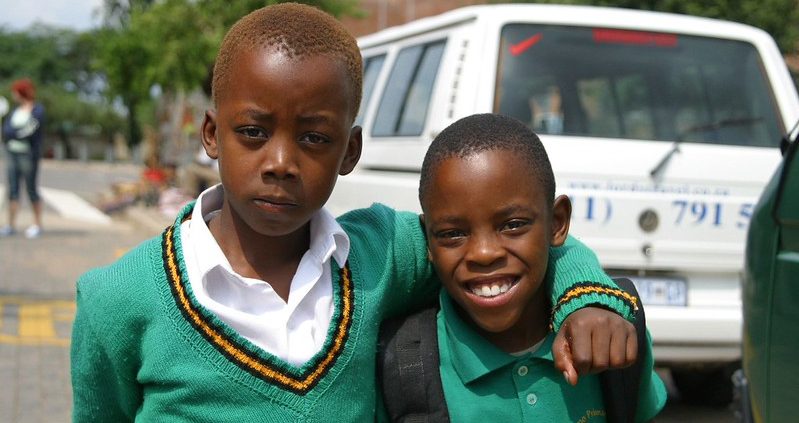 In July 2026, a group of teachers gathered to discuss ways to improve education in South Africa. They addressed issues such as textbooks, artificial intelligence (AI), race and bilingual learning. Two PhD candidates,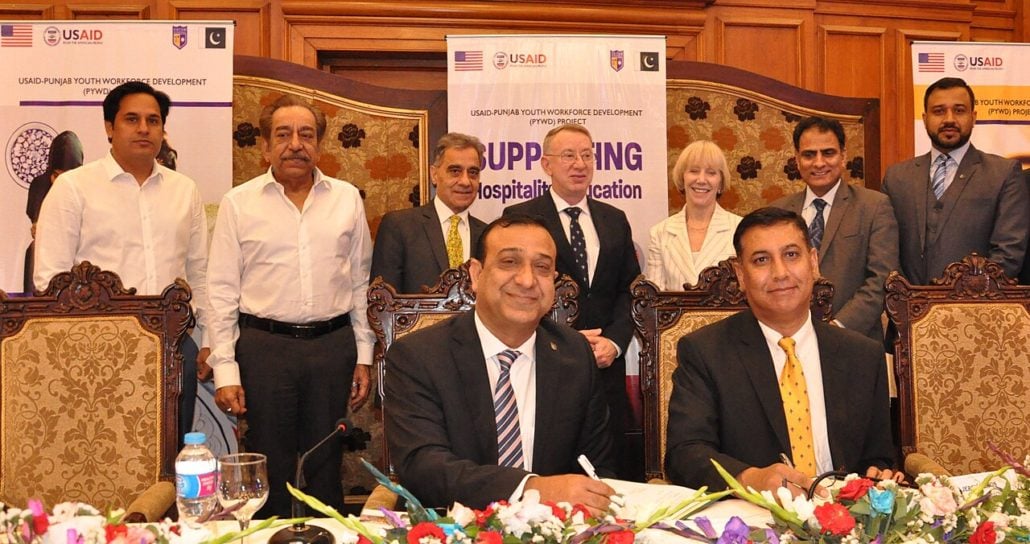
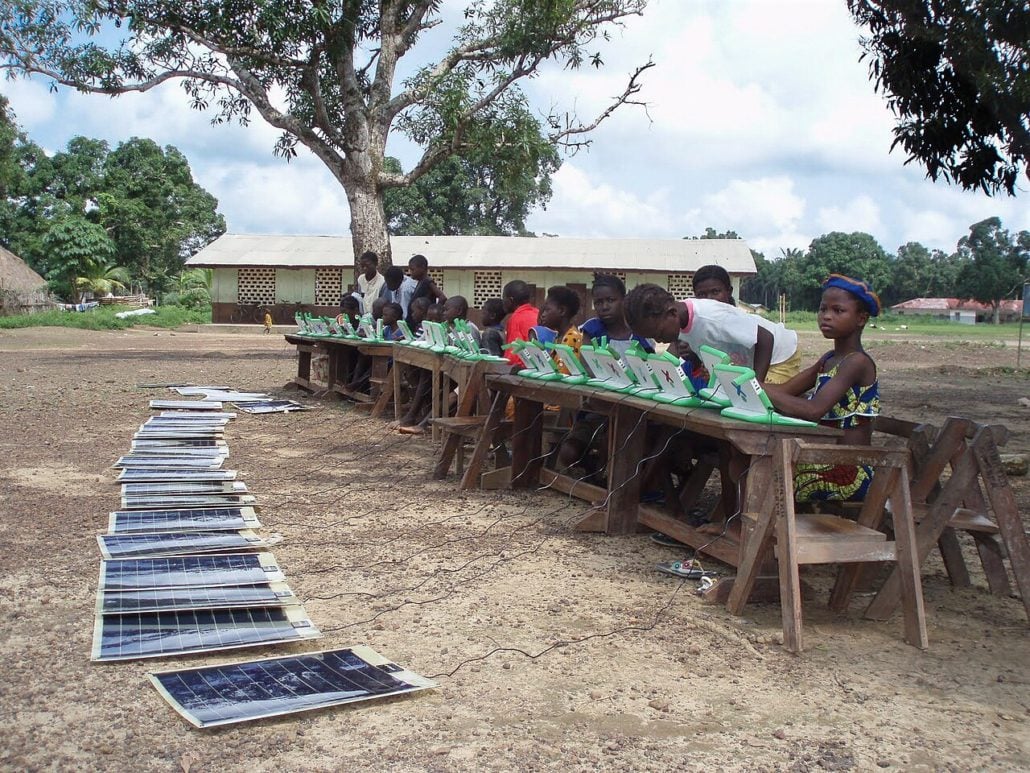
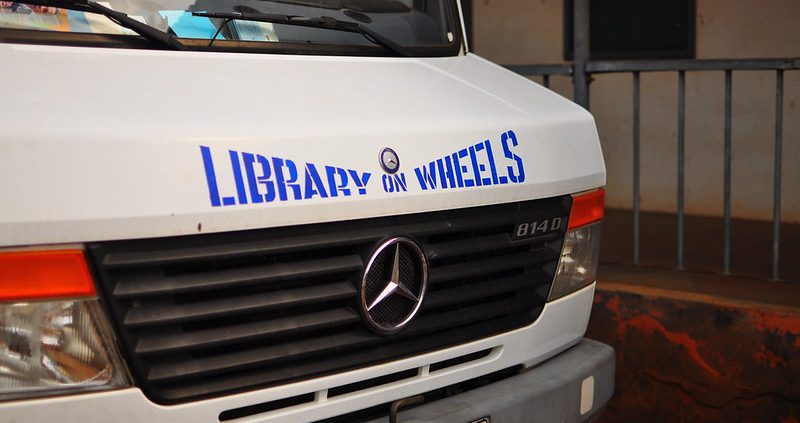 A library does not always need four walls. In
 The state of education in Gaza is close to completely devastated at each level of learning. Before October 2023, it was thriving: