 To the west of Somalia and the north of Kenya lies a heavily populated East African country called Ethiopia. Known as one of the least developed countries in the world, Ethiopia has been suffering. The Ethiopian education system has a correlation with the high poverty rates, which are some of the highest in the world. As the second-largest country in Africa, with a population of 105 million, extreme poverty is impacting an abundant amount of people.
Economic Conditions
Although the country had previous successes during its Civil War, it has a very politically unstable economy. This is largely due to Ethiopia’s location. The country is between some of the most politically unsound countries in the world including Djibouti, Eritrea, Kenya, Somalia, South Sudan and Sudan. The citizens of Ethiopia are almost always in conflict with governmental leaders. Despite this, the Ethiopian economy is the fastest-growing in the world; considering the state of the economy two decades ago and the current state, it is truly inspiring growth. In the past decade alone, the economy averaged a 10.9 percent growth annually.
Poverty in Ethiopia
Although the economy is developing rapidly, poverty rates are very high, with an income per capita of $790. Ethiopia’s poverty line sits at 24 percent. With the growing economy and developing infrastructure, that poverty rate has actually improved from 30 percent in 2011. This national development is likely to further decrease poverty rates.
According to the World Bank Ethiopian Poverty Assessment, the reductions in poverty were largely due to agricultural growth, which supports economic growth. The Assessment explains other ways that the citizens are working to improve the state of the nation and the Ethiopian education system.
The Ethiopian Education System
The Ethiopian education system still has substantial work to catch up to the nation’s economic growth rates. These high poverty rates induce greater struggles in building the Ethiopian education system. Similar to many countries that suffer from extreme poverty, poverty is severely impacting the education system in Ethiopia. According to the World Bank, Ethiopia is one of the most educationally disadvantaged countries in the world.
Although rates of educational enrollment have grown exponentially in elementary, secondary and higher education, elementary education enrollment increased from 29 percent in 1989 to 86 percent in 2015 and secondary education enrollment increased from 16 percent in 1999 to 26 percent in 2015. Further, higher education has grown from 16 universities and less than 18,000 enrolled students in 1986 to 30 universities and 352,144 enrolled in 2015. This growth outlines the growth of the Ethiopian education system.
Due to the nation’s economic growth and decreased poverty rates, more schools are likely to open, causing enrollment rates to rise. The British Council projects the number of tertiary students in the Ethiopian education system will increase by an additional 1.7 million students by 2025. Further, the World Bank stated that Ethiopia should reach lower-middle-income status by 2025. These growth rates are profoundly promising to the development of the nation.
– Sarah Mobarak
Photo: Pixabay


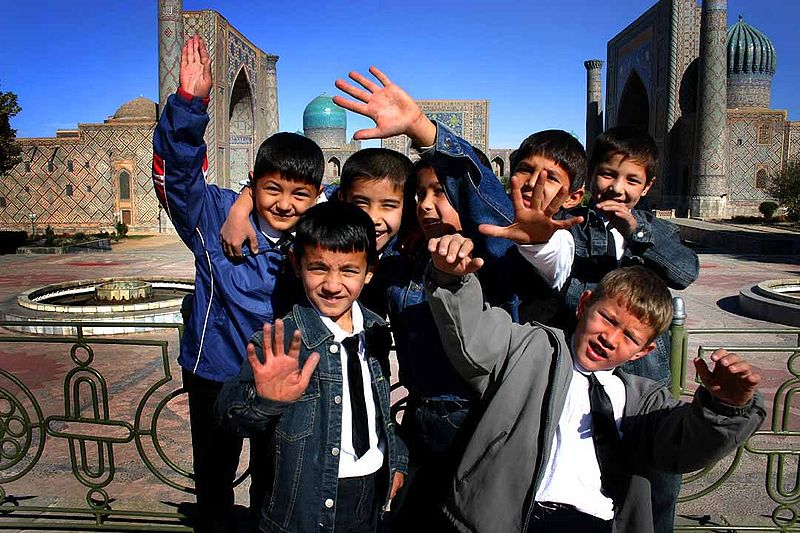 After gaining independence from the Soviet Union in the 1990s, Uzbekistan gradually lifted itself off the ground, despite malnutrition problems, a lack of government transparency and high unemployment rates. Since then, advancements have been made to improve opportunities for education in rural Uzbekistan.