• Link to X
  • Link to Facebook
  • Link to Instagram
  • Link to TikTok
  • Link to Youtube
  • About
    • About Us
      • President
      • Board of Directors
      • Board of Advisors
      • Financials
      • Our Methodology
      • Success Tracker
      • Contact
  • Act Now
    • 30 Ways to Help
      • Email Congress
      • Call Congress
      • Volunteer
      • Courses & Certificates
      • Be a Donor
    • Internships
      • In-Office Internships
      • Remote Internships
    • Legislation
      • Politics 101
  • The Blog
  • The Podcast
  • Magazine
  • Donate
  • Click to open the search input field Click to open the search input field Search
  • Menu Menu

Archive for category: Economy

Information and stories about economy.

Economy, Employment, Global Poverty

India’s Economic Transformation Builds New Future

India's Economic TransformationSeveral decades ago, India faced widespread poverty that created significant challenges for what would become the world’s most populous country. Unlike the Soviet Union or China, India chose a different development path in the mid-20th century.

Although all three began as agrarian societies, China and the Soviet Union chose to undertake rapid industrialization. Contrasting forced industrialization which would alienate the farming population, Indian Prime Minister Jawaharlal Nehru had other priorities. Nehru oversaw the construction of new political institutions and build democratic support among the population, before embarking on large-scale economic transformation. This resulted in India’s largely state driven and gradual approach to development and modernization.

The consequences of this path were evident by 1974, a decade after Nehru’s leadership ended, as poverty remained pervasive throughout the country. At that time, the government measured poverty through calorie consumption. 

Using this metric, roughly 300 million Indians experienced abysmal poverty. This was compounded by the economy’s dependence on agriculture, low productivity, high inflation and the economic shock of the 1973 oil crisis. However, in the years since, a new India has taken shape and stepped onto the world stage. Here is information about India’s economic transformation.

India’s Economy

Despite the Indian economy ballooning into the ranks of China and Germany, agriculture still employs the largest amount of people. In 2024, nearly half of India’s population make their livelihood in agriculture. 

Nevertheless, new sectors are quickly gaining steam. Recent gains in construction and manufacturing, particularly pharmaceutical production, have transformed the economy. Government estimates have concluded that roughly 60% of global vaccine production comes from India.

Technology sector growth, supported by both government and private initiatives, has accelerated urbanization rates nationwide. Bengaluru in southern India, often called “India’s Silicon Valley,” has become a focal point for domestic and international tech companies. This rapid development has made Bengaluru one of the fastest growing cities in the nation foreign IT conglomerates relocating there leading to an ongoing housing shortage.

Construction, now India’s second-largest industry by employee count, has expanded alongside urbanization and export growth. While construction contributes a small percentage to India’s total GDP, infrastructure projects have helped alleviate extreme poverty in many regions with particular success in rural areas. Here is more information about India’s economic transformation.

How India’s Economy Has Mitigated Poverty

Long before India adopted the MPI model in 2021, rural communities experienced poverty at disproportionate rates in terms of both frequency and intensity. Recognizing this stark disparity, in 2006, India enacted the Mahatma Ghandi National Rural Employment Guarantee Act (MGNREGA) in which the federal government allocated money for infrastructure projects. Low-skilled farm workers received 100 days of guaranteed wages to do manual work. Infrastructure projects built using government money varied, ranging from roads to irrigation systems. Women saw historic gains as millions attained independent employment from these projects. Its success would see later initiatives targeting homelessness and lack of health care.

In conjunction with overhauling domestic policy, the Indian government also ushered in sweeping economic changes as well. Although traditional economic theory suggested developing nations must rapidly transition agricultural workers to manufacturing, India has charted a different course. Industrializing while maintaining a large agricultural sector has been India’s state of affairs since Nehru.

These developments have not come without challenges. Construction projects and urbanization have sometimes displaced rural communities, and wages often fail to cover living expenses adequately. However, when viewed long-term, these initiatives contribute to reducing extreme poverty as India develops its economic capacity. According to the World Bank, “India remains the world’s fastest growing major economy, growing at a rapid clip of 8.2 percent in FY23/24.”

The Future of Indian Poverty

At the start of the century, India’s Planning Commission, which oversaw national development estimated national poverty rates using the Tendulkar methodology. This system calculated poverty based on consumption rates rather than income. In the year 2000, the national poverty rate hovered around 40% with the majority being living in rural areas. Fast forward to 2023 and reports using the MPI that the country experienced a reduction in overall poverty from 24.95% in FY 2015-16 to 11.28% FY 2021-22. In other words, more than 135 million Indians have moved out of poverty in between those two points. From the same report, India’s impoverished population are still overwhelmingly rural.

While some experts have questioned India’s poverty calculation methods, the country has made significant progress in reducing extreme poverty. According to a study from the Brookings Institution, India has effectively eliminated extreme poverty as defined by international metrics.

With this milestone achieved, researchers at Brookings suggest that India should consider adopting a higher poverty threshold more aligned with developed nations. “The transition to a higher poverty line provides an opportunity to redefine existing social protection programs particularly with the objective of better identification of intended beneficiaries and providing greater support to the genuine poor,” the Brookings report states.

Looking Ahead

The elimination of extreme poverty represents a significant achievement for India’s economic transformation as it works toward becoming a major global power by the middle of the 21st century. However, continued economic reforms and social programs  may be essential to sustain this progress and address remaining inequalities.

– Max Marcello

Max is based in Pittsburgh, PA, USA and focuses on Business and Politics for The Borgen Project.

Photo: Unsplash

May 13, 2025
https://borgenproject.org/wp-content/uploads/borgen-project-logo.svg 0 0 Jennifer Philipp https://borgenproject.org/wp-content/uploads/borgen-project-logo.svg Jennifer Philipp2025-05-13 01:30:112025-05-12 23:55:29India’s Economic Transformation Builds New Future
Business, Economy, Global Poverty, Social Enterprises

Levant Startups Drive Innovation Amid Instability

levant startups Levant startups are reimagining how innovation can emerge in crisis-prone economies. Despite widespread poverty and instability, entrepreneurs in Jordan, Lebanon, Syria, and Palestine are launching ventures that tackle problems in education, finance and basic services. These efforts are fostering grassroots economic resilience and drawing attention to a region long underestimated by global observers.

Background

As of 2024, poverty in the Levant region remained high. Poverty affects 44% of Lebanese, 69% of Syrians, 24.1% of Jordanians and around 74% of Palestinians. Many countries in the Levant region also struggle with acute food insecurity, including 13 million out of 25 million Syrians and 91% of Palestinians. Meanwhile, Lebanon faces widespread malnutrition because of constant shortages of essential food items.

Debt, inflation, wars and unemployment significantly contribute to poverty in the Levant. Female economic participation is still a challenge in the region. In Jordan, the female unemployment rate rose to 33%, standing 11% higher than the overall unemployment rate. However, entrepreneurship in the Levant is helping to alter these statistics.

The region has faced ongoing pressures from citizens who are unable to afford necessities and governments with overwhelming amounts of debt. Soaring unemployment and inflation have exacerbated the crisis and rendered many countries unable to rebuild after wars and conflicts. Yet amid these challenges, new startups are tackling local problems by offering practical solutions to problems in the education, finance and food delivery industries, and laying the groundwork for broader economic transformation.

Notable Startups in the Levant

Founded in 2016 by Siroun Shamigian and Nisrine El Makkouk, Kamkalima in Lebanon is an education technology startup that provides a digital curriculum companion for Arabic language education. It offers e-learning modules and assessments for students in grades 4-12. The service also enables teachers to track student progress using advanced data analytics. The founders noticed that Lebanon’s Arabic education system lacked the digital tools needed to bolster students’ Arabic grades, which were consistently low. Kamkalima empowers teachers with data analytics tools to enhance lessons and track students’ progress, while providing students with interactive tools to aid their writing, reading, and listening skills in Arabic.

Large enterprises struggle with transparency, efficiency and data accuracy in a region where invoicing processes are often manual, error-prone, and non-compliant with evolving regulations. A Jordan-based team of seasoned FinTech professionals founded InvoiceQ, an SaaS-based digital invoicing platform that meets the needs of businesses in Saudi Arabia, Jordan and Oman. InvoiceQ offers real-time, automated invoicing, with approval workflows, API integrations and two-way customer/vendor integration. The platform enables enhanced decision-making, reduces human error and turns invoicing into a strategic financial tool.

In Syria, infrastructure for digital services like food delivery, e-commerce and mobility was virtually nonexistent until Malek Al-Muzayen established Bee Order. It began as Syria’s first food delivery app. Before Bee Order, restaurants lacked delivery drivers, online ordering was unfamiliar and economic instability made tech development risky. Al-Muzayen built and scaled a local fleet of 150 delivery vehicles, introduced mobile-based ordering, and later launched a ride-hailing app called Wasilni to meet transportation needs.

Levant Startups: Innovation in the Face of Instability

Despite entrenched economic hardships, startups across the Levant are helping communities adapt and thrive. From enhancing Arabic education through Kamkalima, to digitizing financial operations with InvoiceQ, to launching the region’s first food delivery and ride-hailing services via Bee Order and Wasilni, entrepreneurs are responding to local needs with scalable, tech-driven solutions. These ventures reflect a broader shift; young founders are tackling systemic issues with creativity and resourcefulness, even in the context of conflict and economic instability.

Other promising ventures include Tajir.Store, a Syrian e-commerce platform helping businesses to automate their online store operations, and Rocheta, a health care app that connects patients with pharmacies to have medications delivered to their homes. Together, these startups are weaving a grassroots foundation for more inclusive economic participation and long-term resilience in the region. As they continue to grow, they are not only meeting immediate needs but also laying the groundwork for broader transformation in education, finance, commerce and mobility.

– Haley Parilla

Haley is based in Cape Coral, FL, USA and focuses on Business and Politics for The Borgen Project.

Photo: Flickr

May 12, 2025
https://borgenproject.org/wp-content/uploads/borgen-project-logo.svg 0 0 Naida Jahic https://borgenproject.org/wp-content/uploads/borgen-project-logo.svg Naida Jahic2025-05-12 07:30:522025-05-11 12:49:00Levant Startups Drive Innovation Amid Instability
Economy, Global Poverty, Poverty Reduction

5 Countries Leading the Fight Against Poverty – And Winning

Fight Against PovertyAround the world, many developing and emerging countries are leading the fight against poverty. Among them, some are achieving remarkable success through innovative strategies.

China 

China has recently made significant investments in rural infrastructure to connect remote populations to economic opportunities, with the ultimate goal of reducing poverty. Between 2006 and 2015, the country, with the support of the World Bank, rehabilitated approximately 1,299 roads. These projects have directly benefited more than 1.3 million people by improving their connectivity and access to essential services. These infrastructure improvements not only enhance access to these essential services but also facilitate economic growth by linking rural areas to larger markets, enabling local businesses to thrive.

Beyond road rehabilitation, China has implemented several other initiatives to enhance rural infrastructure and lead the fight against poverty. For instance, investments in irrigation and drainage facilities have directly improved agricultural production conditions. This is enabling farmers to adjust crop structures, develop large-scale breeding programs and engage in processing and non-agricultural industries, thereby reducing poverty.

Bangladesh

Bangladesh has made significant strides in education and workforce development, increasing literacy rates and creating new job opportunities. The country, still one of the neediest in the world, has been making notable progress through two key areas: education and workforce development. In terms of education, Bangladesh has seen significant improvements in its literacy rate. In 2021, the country’s literacy rate reached 76.36% (15 years old and above), reflecting a 1.45% increase from 2020. This improvement demonstrates the nation’s ongoing efforts to boost educational access and quality.

In addition to its focus on education, Bangladesh has prioritized job creation, with significant growth in the tourism sector. As the industry expands, it is driving the creation of jobs across various fields, “including hospitality, transportation, food services, handicrafts and retail.” This tourism growth is contributing to both economic development and job opportunities, particularly in rural and underserved areas.

Ethiopia 

Ethiopia has been focusing on agricultural development, exemplified by the Agricultural Growth Program. This program has enabled more than 700,000 farmers to benefit from the initiative, leading to a 25% revenue increase. Farmers’ productivity has risen by approximately 10%, contributing to poverty reduction and economic stability in these remote communities.

Furthermore, the International Fund for Agricultural Development (IFAD) collaborates with the Ethiopian government to enhance the population’s living conditions, focusing on agricultural productivity, food security and rural development. IFAD supports smallholder farmers, pastoralists and agro-pastoralists with loans, helping them purchase the necessary equipment to enhance their productivity and escape the cycle of poverty.

Vietnam

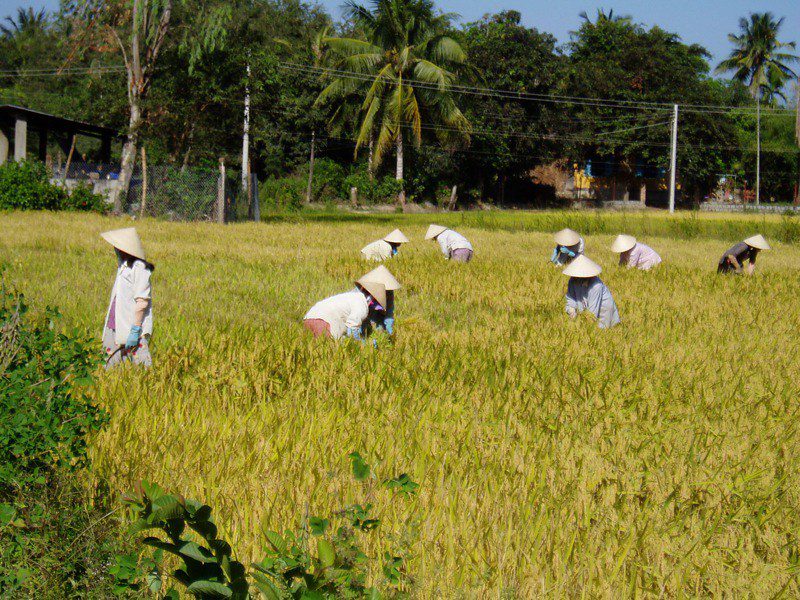
Vietnam’s economic reforms and trade liberalization have created millions of jobs and boosted growth. The country was once among the most impoverished in the world. However, its government has achieved remarkable economic growth relatively quickly. Thanks to the Doi Moi campaign, which focused primarily on agricultural reforms, land was redistributed among small farmers, significantly boosting farm productivity and improving food security. This transformation helped lift millions out of poverty and laid the foundation for broader economic development.

However, the reforms extended beyond agriculture. The government implemented measures to reduce the budget deficit, stabilize the economy and attract foreign investment. A key objective was to integrate Vietnam into the global economy by promoting trade liberalization and joining international organizations such as the World Trade Organization (WTO). These efforts led to a surge in exports, the expansion of the manufacturing sector and the creation of millions of jobs, positioning Vietnam as one of the fastest-growing economies in the world.

Rwanda

Rwanda has made significant progress toward achieving universal health care, ensuring that even its most vulnerable citizens can access essential medical services. Since the 1994 genocide, the country has significantly improved health care access, a fact that was evident during the COVID-19 pandemic, when 82% of the population received at least one dose of the vaccine within two years.

Moreover, Rwanda has prioritized the expansion of health care infrastructure to improve accessibility. Since August 2021, the Ministry of Health has established 1,179 health posts nationwide, particularly in underserved communities.

In conclusion, these countries demonstrate that targeted investments in infrastructure, education, agriculture, health care and economic reform can drive significant progress in the fight against poverty. Their diverse strategies offer valuable lessons for other developing nations striving to build more inclusive and resilient economies.

– Eléonore Bonnaterre

Eléonore Bonnaterre is based in London and focuses on Good News for The Borgen Project.

Photo: Pexels
May 10, 2025
https://borgenproject.org/wp-content/uploads/borgen-project-logo.svg 0 0 Lynsey 2 https://borgenproject.org/wp-content/uploads/borgen-project-logo.svg Lynsey 22025-05-10 01:30:552025-05-09 04:16:575 Countries Leading the Fight Against Poverty – And Winning
Economy, environment, Global Poverty

Guardianes del Mangle: Mangrove Restoration Benefiting Displaced People

Guardianes del MangleIn 2017, a group of fishermen, community activists and displaced residents founded Guardianes del Mangle, a community action group dedicated to restoring mangrove forests degraded by pollution and population growth in Turbo, Colombia. The group’s mission is to revive native ecosystems while improving the lives of residents and displaced people.

The project was founded in the Turbo neighborhoods of Pescador 1 and 2, where informal houses on stilts have been built on top of mangrove forests.

Background

Due to a lack of modern infrastructure, sewage and garbage have destroyed the mangrove forests and polluted the waterways in these settlements. The majority of Pescador 1 and 2 residents are fishermen and internally displaced people who have fled violence or persecution within Colombia.

UNHCR has been working to integrate displaced people in Turbo since 2018 and began supporting the mangrove project in 2024 through UNHCR’s Innovation Fund for Climate Action and the Environment. The Guardianes del Mangle group aims to demonstrate that generating livelihoods based on conservation can be an effective strategy for the protection and integration of displaced people.

According to UNHCR, the work of the Guardianes del Mangle “complements a broader strategy to develop resilience and self-reliance options for displaced communities.”

Importance of Turbo’s Mangroves

Turbo is a port city located in the tropical region of northwest Colombia, where mangroves provide a natural barrier against soil erosion and high tides, and act as a home for spawning fish, according to UNHCR. Due to its position on the Caribbean coast, Turbo has a large fishing economy, which relies on healthy mangrove forests along the coastline.

Over the years, large portions of this coastal forest, and the vital habitat it provides to young fish, disappeared due to deforestation, pollution and population growth. Due to a lack of modern infrastructure in the neighborhoods, sewage and garbage have destroyed mangrove forests and polluted the waterways in the Pescador 1 and 2 neighborhoods of Turbo.

Secarlos Martinez, a local fisherman and member of the group, says that the loss of the native mangrove population has been devastating.

“The population growth is gradually killing the mangroves,” he said. “Eighty percent have been cleared for residential use. The fish have fled, and that has led to economic hardship for us,” UNCHR reports.

In addition to providing a habitat for spawning fish and other wildlife, mangrove forests also prevent erosion and storm surges. “The mangroves’ most beautiful trait is that they protect us from flooding and storms,” said Diana Colón, chair of Pescador’s Community Action Board.

Most of the people living in this area are fishermen and internally displaced individuals who were forced to leave their homes due to Colombia’s enduring armed conflict. For many, environmental degradation threatens not just biodiversity but also the livelihoods of local residents.

Displaced People in Colombia

Besides restoring the local mangrove population, Guardianes del Mangle has given displaced people in Turbo a renewed sense of opportunity. Maria Valencia Eneida, a member of the community group, had to flee violence and move to Turbo in 1997, according to UNHCR. She says the project has inspired her to improve her new community.

“I am currently helping my community and the mangroves,” she said. “That way, my children will have a brighter future.”

A 2024 UNHCR report estimates that nearly 7 million people in Colombia struggle with internal displacement as a result of armed conflict between paramilitary groups, government security forces and left-wing guerrillas. Colombia also hosts the largest population of Venezuelan migrants and the third-largest population of refugees in the world.

Colombia has experienced a complex and violent conflict between non-state armed groups (NSAGs) for several decades, which has left 220,000 casualties over the last half-century. The primary root of the low-intensity struggle between armed groups and state security forces is Colombia’s outsized role in the global cocaine market.

Peace Deal

In 2016, the Colombian government signed a historic peace deal with FARC, a leftist guerrilla group accused of narco-trafficking and human rights violations, which sought to disarm the organization and reduce violence in the country, Council on Foreign Relations (CFR) reports. Despite most FARC members demobilizing after the 2016 agreement, other NSAGs have expanded and consolidated their economic and territorial presence, especially in rural areas where people cultivate coca.

The International Displacement Monitoring Centre found that the central government’s limited presence has allowed new armed groups to exert control over communities, pushing them to flee or trapping them in forced confinement.

Guardians Spearhead Change in Community

Since the beginning of Guardianes del Mangle in 2017, the community organization has been revitalizing the Pescador 1 and 2 neighborhoods and reviving the local mangrove forests in Turbo. The group’s initiatives include planting new mangrove trees, cleaning existing mangrove forests and raising awareness about environmental conservation.

The project is also improving the lives of displaced people who now call the mangrove forests home. Maria Eneida believes the mangrove restoration project has given her a more hopeful outlook. “This project has given me a purpose,” she said. “I no longer wish to go back to the place I was displaced from.”

“We made a pact to stop cutting down the mangrove, since it is this ecosystem that has provided us with a place to live,” says Secarlos Martinez, the son of displaced people who settled in this area, according to UNHCR.  With support from UNHCR, the Guardians have also partnered with the Turbo Mayor’s office and a local university so community members can participate in research and training programs. The community organization routinely organizes clean-up days, seed planting events and education programs for children. “With this initiative, we raise awareness about mangrove care. We are the generation of the future. How we live next depends on this,” said Valentina, a young member of the organization.

The Future

Aside from restoring the native mangrove forests, the organization’s work has also resulted in cleaner streets, the return of migratory birds and enthusiasm to recycle in the Pescador 1 and 2 neighborhoods.

Martinez feels that the group’s work is paying off. “Lately, we’ve seen ducks, herons and other animals that had vanished,” he said to UNHCR. “People were not used to recycling, but we have started to collect waste door-to-door. Some people now live off recycling.”

Through its initiatives in planting mangrove seed banks and rehabilitating existing mangrove forests, Guardianes del Mangle has improved the social and economic conditions of the local community in Turbo and given displaced residents a renewed sense of hope for the future.

– Willem Quigley

Willem is based in Tacoma, WA, USA and focuses on Good News for The Borgen Project.

Photo: Flickr

May 6, 2025
https://borgenproject.org/wp-content/uploads/borgen-project-logo.svg 0 0 Naida Jahic https://borgenproject.org/wp-content/uploads/borgen-project-logo.svg Naida Jahic2025-05-06 01:30:562025-05-06 00:23:57Guardianes del Mangle: Mangrove Restoration Benefiting Displaced People
Economy, Global Poverty

IKEA’s Impact on Poverty in Oaxaca

Poverty in OaxacaOaxaca, a state in Mexico’s southeastern region, stands out as one of the country’s most impoverished areas. Combined with waning social challenges, complex demographics and highly mountainous geographical positions, Oaxaca in 2025 trails Guerro by 0.1% for the second neediest state in the nation. Moreover, with a gross domestic product (GDP) per capita of approximately $4,500, Oaxaca falls dramatically short of the national average, reaching only 44%. A staggering 66.4% of the population in Oaxaca lives below the national poverty line and 23.3% endure extreme poverty.

Compounding Oaxaca’s poverty are ineffective planning and investment systems. This, alongside the absence of a cohesive financial management operation, disadvantages the state’s ability to address the needs of its most vulnerable populations.

The Place of the Seed

Oaxaca is a vibrant region rich in cultural heritage, home to approximately 1.2 million Indigenous individuals. This state boasts the second-highest concentration of Indigenous residents in Mexico, reflecting a diverse tapestry of languages and traditions. In Oaxaca, people communicate in 23 distinct languages, each reflecting a unique identity and heritage, showcasing the region’s deep-rooted connection to its ancient past.

However, each year, a heartbreaking wave of Indigenous individuals departs from the hillside villages of Oaxaca, journeying to the United States (U.S.) in search of economic opportunities. Also, they aim to escape from a stifling political climate that obstructs progress in the region’s most impoverished rural areas.

This persistent lack of development compels natives to abandon their ancestral lands, leaving behind the homes and communities they cherish. In response to this pressing issue, IKEA has initiated initiatives to make a positive difference.

The IKEA Social Entrepreneurship Program

The IKEA Social Entrepreneurship program aims to foster positive social and economic change by partnering with social entrepreneurs and enterprises. Indeed, program initiatives involve supporting businesses that address social and environmental issues, providing jobs and offering unique products and services to IKEA customers. The program offers various forms of financial support, including grants, loans and investments, while focusing on scaling social businesses to drive economic reform and poverty reduction.

Supporting Economic Reform

IKEA Social Entrepreneurship has partnered with the World Wildlife Fund (WWF) to launch an innovative initiative called the Community Conservation program. This multifaceted approach aims to harmoniously blend environmental conservation, sustainable agricultural practices and the promotion of dignified livelihoods.

Through collaboration, IKEA aims to cultivate a more sustainable future while amplifying marginalized voices within the Zapotec community. Such efforts focus on the vibrant Oaxaca region of Mexico, supporting the initiatives of 13 dedicated social entrepreneurs, six women-led, deeply committed to fostering sustainability and community well-being.

Some of these social enterprises include Águilas en el Maguey, a cooperative of 10 Zapotec women dedicated to cultivating high-quality Mezcal agave; Alternativa Agrícola Suchixtepec, an organic farm specializing in the raising and sale of rabbits; and Emprendedoras de Tierra Blanca, a collective of Zapotec women producing organic vanilla and coffee.

Long-Term Impact

IKEA committed to a transformative three-year partnership to benefit 1,500 individuals in Mexico. The partnership prioritizes the Indigenous Zapotec community, who depend on the land for their livelihoods. By bolstering the 13 enterprises, Oaxaca can utilize sustainable practices to abolish poverty, including efficient production methods, optimized commercialization strategies, innovative product design and greater market access.

Additionally, the Community Conservation program will foster sustainable economic growth and actively empower women and youth by integrating them into governance and decision-making processes. Ultimately, this approach seeks to create a lasting financial impact on the community, promoting greater autonomy and resilience among its members.

Final Thoughts

IKEA’s community conservation enterprises (CCEs) actively deliver ongoing economic benefits while also advancing conservation efforts that help alleviate Oaxaca’s poverty. These enterprises create new job opportunities that invigorate the local economy by seamlessly blending sustainable ecosystem practices with agricultural initiatives.

Utilizing a holistic approach not only enhances the quality of life in Oaxaca but also significantly reduces poverty levels. Furthermore, this in turn curbs migration among the Oaxacan population. Similarly, through individual efforts, CCEs preserve the natural environment and extend support to impoverished communities.

In totality, the Community Conservation program will help protect Oaxaca’s rich natural heritage, empowering local communities with resilient economic opportunities that respect people and the planet.

– Marcus Villagomez

Marcus is based in Galveston, TX, USA and focuses on Business and New Markets for The Borgen Project.

Photo: Flickr

April 29, 2025
https://borgenproject.org/wp-content/uploads/borgen-project-logo.svg 0 0 Lynsey 2 https://borgenproject.org/wp-content/uploads/borgen-project-logo.svg Lynsey 22025-04-29 01:30:482025-04-30 03:11:23IKEA’s Impact on Poverty in Oaxaca
Economy, Global Poverty

K-Pop in Kenya: Boosting Youth and Economic Opportunities

K-Pop in KenyaK-pop is a music genre from South Korea and since the early 2010s, it has been a global success. However, K-pop in Kenya has exploded as a cultural phenomenon in recent years. In 2022, Spotify reported a 93% annual growth in K-pop streams across the sub-Saharan Africa region, with K-pop in Kenya seeing a 140% increase. The data shows that the majority of these listeners are below the age of 30. Yet this exponential increase in listeners has had a more profound impact beyond just boosting K-pop’s listener base – it is having real-world impacts on Kenya’s youth and economy.

Cultural Enrichment in Education

The growth of K-pop in Kenya has given way to various education initiatives in the country. One example is the rise in the use of the King Sejong Institute. This online platform reaches worldwide and is supported by the South Korean government. As a result of their interest in K-pop, Kenyan students are using this platform to learn the Korean language and immerse themselves in Korean culture, including gaining further exposure to K-pop, Korean TV (K-dramas) and cuisine.

Kenyan university student Pe Arlkh shared on the K-pop fansite KCrush how learning Korean through K-pop-inspired programs created new opportunities. These experiences allowed them to study Korean cuisine in South Korea. This, in turn, opened doors to better educational and professional prospects, helping to break cycles of poverty.

Economic Impact

Beyond their experiences learning Korean and studying in South Korea, Pe Arlkh explained that they could return to Kenya. As a result of the growing love for K-pop in Kenya, they established a platform to share their experiences with K-pop and Korean culture. This led them to organize cultural events and teaching experiences. These opportunities help individuals to empower each other and to generate their income, increasing their chances of economic freedom.

Additionally, the growing popularity of K-pop in Kenya is boosting the country’s economy in several ways. The demand for K-pop music has led to an increase in vendors selling merchandise and organizing K-pop events. This trend has created new income opportunities for locals, allowing them to turn their passion into a sustainable livelihood and increase their economic participation.

K-Pop Fest KE: A Creative Platform

Events celebrating K-pop in Kenya and contributing to the economy are rising. For instance, the inaugural K-Pop Fest KE in 2024 was a landmark event showcasing the power of music and culture to inspire creativity among Kenyan youth. Hosted at Hillcrest International Schools in Nairobi, the festival featured live K-pop dance performances, interactive K-drama sessions and K-beauty demonstrations, attracting more than 300 attendees.

Events like this encourage young people to explore new creative outlets and foster a sense of belonging, helping to amplify their aspirations. The K-Pop Fest KE has bolstered this trend, with merchandise booths and vendor participation enhancing local economic activity.

Broader Social Impacts

The social impact of K-pop in Kenya goes beyond education and the economy. With increasing internet penetration and cultural divides shrinking through social media, Kenyan youth are more connected to global cultures than ever. The K-pop fandom in Kenya has a unique community-building power, making individuals feel part of something larger. This sense of belonging helps them encourage each other in their educational and professional pursuits while combating feelings of isolation.

The movement of K-pop in Kenya is a clear example of how the sharing of cultures can transcend entertainment to impact education, professional development and economic empowerment. Through creative programs, events like K-Pop Fest KE and entrepreneurial ventures, K-pop has opened pathways for young Kenyans to embrace confidence, pursue education and achieve sustainable livelihoods. Its ability to foster connection and inspire growth highlights the transformative power of cultural exchange.

– Amber Lennox

Amber is based in Suffolk, UK and focuses on Good News for The Borgen Project.

Photo: Flickr

April 22, 2025
https://borgenproject.org/wp-content/uploads/borgen-project-logo.svg 0 0 Lynsey 2 https://borgenproject.org/wp-content/uploads/borgen-project-logo.svg Lynsey 22025-04-22 07:30:592025-04-22 04:33:02K-Pop in Kenya: Boosting Youth and Economic Opportunities
Economy, Global Poverty

Surviving the Arctic Struggles: Poverty in Greenland

Poverty in GreenlandGreenland, the world’s largest island, is known for its breathtaking landscapes and extreme climate, but beneath its icy beauty lies a pressing issue – poverty. Despite being part of the Kingdom of Denmark, Greenland faces economic hardship that disproportionately affects Indigenous communities.

Causes of Poverty

  1. Economic Dependence and Limited Industry. Greenland’s economy is heavily reliant on the fishing industry, which accounts for more than 90% of its exports. This makes the economy highly vulnerable to market fluctuations and limits job opportunities. The Danish government provides substantial financial support, with an annual block grant of about $585 million, making up more than 50% of government revenues and about 20% of Greenland’s gross domestic product (GDP).
  2. Geographical Isolation and High Cost of Living. While Greenland is a stunning country, its isolation in the far North makes it susceptible to high import costs for goods and services, driving up the cost of living. Necessities such as food and fuel are significantly more expensive than in mainland Denmark. For example, a family of four has estimated monthly expenses of about $5,726 without rent. These high costs make daily life unaffordable for many residents, contributing to growing economic stress and inequality.
  3. Social Challenges and Vulnerable Populations. Social issues such as alcoholism and mental health problems are deeply intertwined with poverty. The Indigenous Inuit communities are disproportionately affected, with high rates of substance abuse exacerbating economic hardship. Studies show a dramatic increase in alcohol consumption in Greenland, leading to severe health and social problems. These challenges often contribute to family breakdowns, unemployment, and domestic violence, creating a cycle of vulnerability. Limited access to health care and support services further worsens the situation, leaving many without essential help.

Tackling Poverty in Greenland

The Danish government’s financial support helps maintain Greenland’s public services, including health care and education. However, there is a growing movement to strengthen Greenland’s economy beyond this aid by investing in local industries such as mining and tourism.

Similarly, other organizations strive to help alleviate poverty, such as The Greenland Social Foundation, which provides food, shelter and educational programs to struggling families. The Red Cross Greenland also plays a crucial role in providing social welfare programs and mental health support.

Furthermore, institutions like Ilisimatusarfik University provide scholarships, with more than $21,000 awarded in April 2024, to help Greenlanders pursue higher education and secure stable employment. Community-driven initiatives are also promoting traditional practices like fishing and craftsmanship to create self-sustaining economic opportunities.

Ultimately, Greenland’s poverty crisis is driven by economic dependency on unstable income, high costs of living and social issues that disproportionately affect Indigenous communities. However, through a combination of government support, local initiatives and education programs, there is hope for a more resilient and self-sufficient future for Greenland’s people.

– Emina Bolic

Emina is based in Birmingham, UK and focuses on Good News for The Borgen Project.

Photo: Pexels

April 12, 2025
https://borgenproject.org/wp-content/uploads/borgen-project-logo.svg 0 0 Lynsey 2 https://borgenproject.org/wp-content/uploads/borgen-project-logo.svg Lynsey 22025-04-12 07:30:252025-04-12 02:42:38Surviving the Arctic Struggles: Poverty in Greenland
Economy, Global Poverty, Innovations

How HUSK and RGF Are Fighting Poverty

HUSK and RGFIn many parts of the world, access to sustainable energy and agricultural innovation is essential for economic growth and poverty alleviation. Women-led initiatives such as the Raising Gabdho Foundation (RGF) in Uganda and HUSK Ventures in Cambodia demonstrate that innovative solutions can drive economic empowerment and environmental sustainability. These organizations lead women-led sustainable development, transforming local communities and proving that grassroots innovations can make a global impact.

RGF

Sarah Basemera founded RGF with a modest $3,000 grant and an ambitious goal: to address Uganda’s reliance on charcoal while creating employment opportunities. Uganda’s high dependence on charcoal for cooking and heating—used by more than 85% of households—posed an environmental and economic challenge. In response, RGF developed biomass briquettes as an alternative energy source, ultimately shaping the foundation into a thriving social enterprise.

RGF’s success is built on a women-led sustainable development model, utilizing a retail strategy that centers on women vendors. Instead of dealing with hundreds of small-scale buyers, RGF streamlined its sales through market agents, all women. This model has not only increased efficiency but has also empowered female entrepreneurs within local marketplaces.

Today, RGF produces four different types of briquettes, operates a factory and has implemented a digital sales platform. While adopting digital transactions remains slow, its app, Zeed Energy, has started gaining traction. By promoting online payments, RGF breaks traditional barriers and encourages financial inclusion.

Households using Zeed Energy solutions have seen a 40% reduction in energy costs, improved business productivity by 60% and reported a 30% increase in disposable income. RGF’s innovations in clean energy and business operations demonstrate the power of women-led sustainable development in driving economic progress.

HUSK Ventures

While RGF is making strides in Uganda, HUSK Ventures, co-founded by Heloise Buckland and Carol Rius, is reshaping sustainable agriculture in Cambodia through biochar technology. Grounded in the conviction that businesses can be powerful drivers of social and environmental change, Buckland and Rius established HUSK to combat soil degradation and improve farmer livelihoods.

HUSK’s method is highly scientific and deeply rooted in traditional agricultural practices. Agriculture experts, engineers and specialists in regenerative agriculture are among the organization’s diverse workforce and they collaborate to create sustainable, long-term solutions for small-scale farmers. Understanding that climate vulnerability and soil degradation pose serious risks to food security, HUSK incorporates a low-cost, high-impact technique to restore farms while reducing carbon emissions.

Biochar, a soil supplement that improves fertility, holds onto water and captures carbon, is at the core of this innovation. HUSK modernizes this centuries-old method by repurposing rice husks—a common agricultural byproduct—into biochar, carbon-based fertilizers and biopesticides using a practical, smokeless process called pyrolysis. This reduces the impact of climate instability by lowering waste and emissions while trapping carbon in the soil for hundreds of years. The organization’s innovative work has resulted in the first biochar plant installed inside a rice mill, marking a significant advancement in sustainable agriculture.

Through their work, Buckland and Rius are proving that women-led enterprises can drive meaningful transformation in both agricultural and environmental spheres. Their model offers a blueprint for balancing economic growth with ecological responsibility, reinforcing the vital role of women-led innovation in shaping a more sustainable future.

The Impact of Women-Led Sustainable Development

Both RGF and HUSK Ventures highlight the potential of women-led enterprises to drive social and environmental change. Their business models prioritize community engagement, sustainability and economic empowerment. The success of these initiatives demonstrates the importance of investing in female entrepreneurs tackling some of the world’s most pressing challenges.

The journey of these organizations serves as a testament to the resilience and ingenuity of women entrepreneurs in the fight against poverty. With continued investment and support, women-led sustainable development initiatives like RGF and HUSK Ventures will continue transforming economies, empowering communities and contributing to a more sustainable world.

– Linnéa Matlack

Linnéa is based in Boston, MA, USA and focuses on Good News and Technology for The Borgen Project.

Photo: Pexels

April 8, 2025
https://borgenproject.org/wp-content/uploads/borgen-project-logo.svg 0 0 Lynsey 2 https://borgenproject.org/wp-content/uploads/borgen-project-logo.svg Lynsey 22025-04-08 01:30:182025-04-07 13:11:38How HUSK and RGF Are Fighting Poverty
Aid, Economy, Global Poverty

EU Grants €1.9 billion to Revitalize Moldova’s Economy

Revitalize Moldova's EconomyThe Republic of Moldova is a country in Eastern Europe, bordering Romania and Ukraine. The country found difficulties in maintaining a stable economy in the following decades, and despite a recent upturn in economic growth, Moldova still faces widespread poverty.

The Reform and Growth Facility

The Reform and Growth Facility for the Republic of Moldova is an economic initiative first proposed by the European Commission in 2024. This year, the European Union and the government of Moldova reached political agreements on the restrictions to the Reform Agenda, officially establishing it as the financial basis for the Country’s current Growth Plan. The European Commission is funding the plan with  €1.9 billion in financial aid from 2025 to 2027. The money will be allocated twice a year on the request of The Republic of Moldova’s parliament after the European Council confirms that all conditions of the initiative have been fulfilled.

The Economy of Moldova

Moldova is one of the poorest nations in Europe, according to the BBC. Although the Republic’s GDP has steadily increased over the past two decades, poverty and unemployment remain commonplace, especially in rural areas. For example, 13.3% of Moldovans fall below the poverty line, and nearly 25% of people between the ages of 15 and 34 do not work or attend school or apprenticeships.

Furthermore, the country’s economic structure has a multitude of underlying obstacles. For instance, it is agriculturally reliant, the BBC reports and does not produce much in the way of energy, importing a majority of its gas, oil and coal. Other structural limitations include government deficiencies, a lack of competition in the marketplace, and unequal business opportunities, all of which, according to the European Council President Ursula von der Leyen, the Reform and Growth Facility for Moldova will attempt to reform and revitalize Moldova’s economy.

The Intended Outcome

The Reform and Growth Facility for Moldova intends to provide financial support, elevate the country’s economy and bring Moldova a step closer to membership in the Europen Union. The first objective, expanding monetary assistance, will include implementing broadband internet to rural regions, as well as providing financial backing to 25,000 Moldovan businesses, according to EU4Digital.

The program also plans to contribute significant socioeconomic and structural reforms with a focus on infrastructure, the government’s role in the economy and social capital. Ursula von der Leyen put it best when she stated, “We invest in jobs, growth, services and infrastructure – from new hospitals in Balti and Cahul to the road from the capital to Odesa,” EU4Digital reports.

The Growth Facility will prioritize building sustainable energy production within Moldova by constructing a new electricity powerline that connects to the EU electricity grid, and as a result, by 2026, the country could no longer rely on energy imports. Foundationally, the Reform Plan will advocate for democracy and anti-corruption within the Moldovian government and will provide support on restructuring the economy to an open market system hinged on fair competition.

The Reform will also integrate Moldova into the European Union’s Single Market. This alone could lead to the Republic’s assimilation into global supply-chains, allowing for increased mobility of products, trade opportunities and involvement in the Digital Marketplace.

A Lesson for Foreign Aid

Since Moldova’s independence, the Reform has been the largest European Union support package, according to the European Commission. Moreover, access to the European Union’s single market has been the prominent economic growth factor for all previously included countries. It is certainly apparent though, what foreign aid can do to revitalize Moldova’s economy and reduce poverty in the country.

– Amelia Dutch Player

Amelia is based in Savannah, GA, USA and focuses on Good News and Politics for The Borgen Project.

Photo: Flickr

April 5, 2025
https://borgenproject.org/wp-content/uploads/borgen-project-logo.svg 0 0 Naida Jahic https://borgenproject.org/wp-content/uploads/borgen-project-logo.svg Naida Jahic2025-04-05 01:30:502025-04-02 08:28:42EU Grants €1.9 billion to Revitalize Moldova’s Economy
Development, Economy, Global Poverty

Cambodia’s GFT Sector Sees Wage Increase

cambodia's gftSince the 1990s Cambodia’s exports from the garment, footwear and travel (GFT) sector has grown significantly. Keeping labor costs low and the intensive nature of the industry have fueled the growth of this industry, as well as the signing of international trade agreements and presence of good investment conditions.

Cambodia’s GFT

In 2017, Cambodia became the world’s ninth largest producer of apparel and this accounted for 1.5% of worlds export value. In 2022, the GFT industry accounted for 56.1% of Cambodia’s total export of $22.48 billion, according to Textile Today.

Cambodia’s exported products had a 14.9% increase from 2021-2022 alone. The GFT (Garment, Footwear and Travel) sector was also crucial for Cambodia’s economy during the pandemic. “The sector accounted for 11% of the economy and contributed to half of Cambodia’s real GDP growth,” although the country was not operating at full capacity, the GFT sector was still functioning relatively well.

The garment worker industry consists of 1,188 factories and employs around 750,000 workers, most of whom are women. Around 76% of the female population work in the GFT sector which serves to stand as the backbone of the Cambodian economy.

Despite being one of the main drivers of the Cambodian economy, the GFT sector faces challenges when it comes to long-term sustainability, the sector is currently reliant on preferential market access granted by the U.S. and the EU which makes it susceptible to the withdrawal of the trade agreements.

New Plan

In September 2024, Cambodia increased the minimum wage in the GFT sector to $208 per month, an increase of $4. The plan has received both negative criticism and praise but ultimately lies in favor of the workers which is a step in the right direction. The decision follows discussions by the National Council for Minimum Wage, which initially proposed the wage be set at $206, however, Prime Minister Hun Manet, raised the figure an additional $2, in an ongoing effort to improve worker living standards.

In addition to the minimum wage increase, workers will also receive benefits like a $10 monthly bonus for regular work attendance and an extra $7 to aid with transport and rent. These benefits will help workers manage their daily living expenses alongside their base wages.

Cambodia, like many other countries, faces pressure to make sure that workers receive compensation without undermining the competitive nature of the GFT manufacturing sector. This approach by the government aims to ensure a balance between the workers’ needs and the industry’s sustainability.

Reception of the New Plan

Labor groups have acknowledged the rise in wages, however, have also addressed that the increase may not fully address the cost of living in many urban areas, where many workers reside. Industry leaders have also raised questions and concerns about the impact on production costs as the GFT sector remains competitive, both economically and production-wise, according to the Cambodia Investment Review.

Kim Chansamnang, a representative of the union stated that the workers are “satisfied with the increase”, however, he also urged the landlords not to raise rent prices and added that “the minimum wage has not risen significantly,” Khmer Times reports.

According to Prime Minister Manet, the government focuses on improving the living standards of the people, he also stated that he would “urge relevant ministries and authorities to monitor and implement measures to reduce worker costs”

Sin Sovan, of the Russey Keo district, said that she accepts the new figures but also appeals to markets and landlords to not increase prices of food. She also acknowledged that this was the government’s intervention and appeal to prevent raised rents and to keep food prices stable, according to Khmer Times.

The Future of Cambodia’s GFT

The recent minimum wage increase in Cambodia’s GFT sector marks another step in the right direction for the workers. It holds a significant place in the government’s plan to improve the livelihoods of workers in general, particularly those in the GFT (garment, footwear and travel) sectors. The raise provides relief to the workers, however, some concerns remain regarding the cost of living. Employers must now navigate survival in the competitive nature of the market alongside higher labor costs.

Cambodia continues to develop its economy and so a balance between worker satisfaction and business sustainability. The government, employers and workers must continue to work together and hold discussions to ensure that future wage policies are fair for all. Additional measures such as social protection and improved worker training could also complement the wage increase and contribute to long-term economic stability for the country.

– Ayat Aslam

Ayat is based in London, UK and focuses on Good News and Global Health for The Borgen Project.

Photo: Flickr

March 17, 2025
https://borgenproject.org/wp-content/uploads/borgen-project-logo.svg 0 0 Naida Jahic https://borgenproject.org/wp-content/uploads/borgen-project-logo.svg Naida Jahic2025-03-17 01:30:512025-03-17 01:09:53Cambodia’s GFT Sector Sees Wage Increase
Page 11 of 66«‹910111213›»

Get Smarter

  • Global Poverty 101
  • Global Poverty… The Good News
  • Global Poverty & U.S. Jobs
  • Global Poverty and National Security
  • Innovative Solutions to Poverty
  • Global Poverty & Aid FAQ’s
Search Search

Take Action

  • Call Congress
  • Email Congress
  • Donate
  • 30 Ways to Help
  • Volunteer Ops
  • Internships
  • Courses & Certificates
  • The Podcast
Borgen Project

“The Borgen Project is an incredible nonprofit organization that is addressing poverty and hunger and working towards ending them.”

-The Huffington Post

Inside The Borgen Project

  • Contact
  • About
  • Financials
  • President
  • Board of Directors
  • Board of Advisors

International Links

  • UK Email Parliament
  • UK Donate
  • Canada Email Parliament

Get Smarter

  • Global Poverty 101
  • Global Poverty… The Good News
  • Global Poverty & U.S. Jobs
  • Global Poverty and National Security
  • Innovative Solutions to Poverty
  • Global Poverty & Aid FAQ’s

Ways to Help

  • Call Congress
  • Email Congress
  • Donate
  • 30 Ways to Help
  • Volunteer Ops
  • Internships
  • Courses & Certificates
  • The Podcast
Scroll to top Scroll to top Scroll to top